
Choosing your ideal retirement destination requires balancing warm sunshine and relaxed days against your unique lifestyle, healthcare requirements, and daily comfort. Evaluating retiring in the South pros and cons ensures your golden years remain joyful, affordable, and deeply fulfilling.
While warm breezes and Southern hospitality attract thousands of retirees each year, specific regional trade-offs catch many people off guard. Weighing these practical factors ahead of time protects your nest egg, personal health, and everyday peace of mind.
Knowing whether these realities fit your routine helps you decide who shouldn’t retire in the South. Discover which lifestyles thrive better elsewhere so you can choose your retirement haven with total confidence.
Tip #1: The Dedicated Pedestrian Craving Walkable Communities
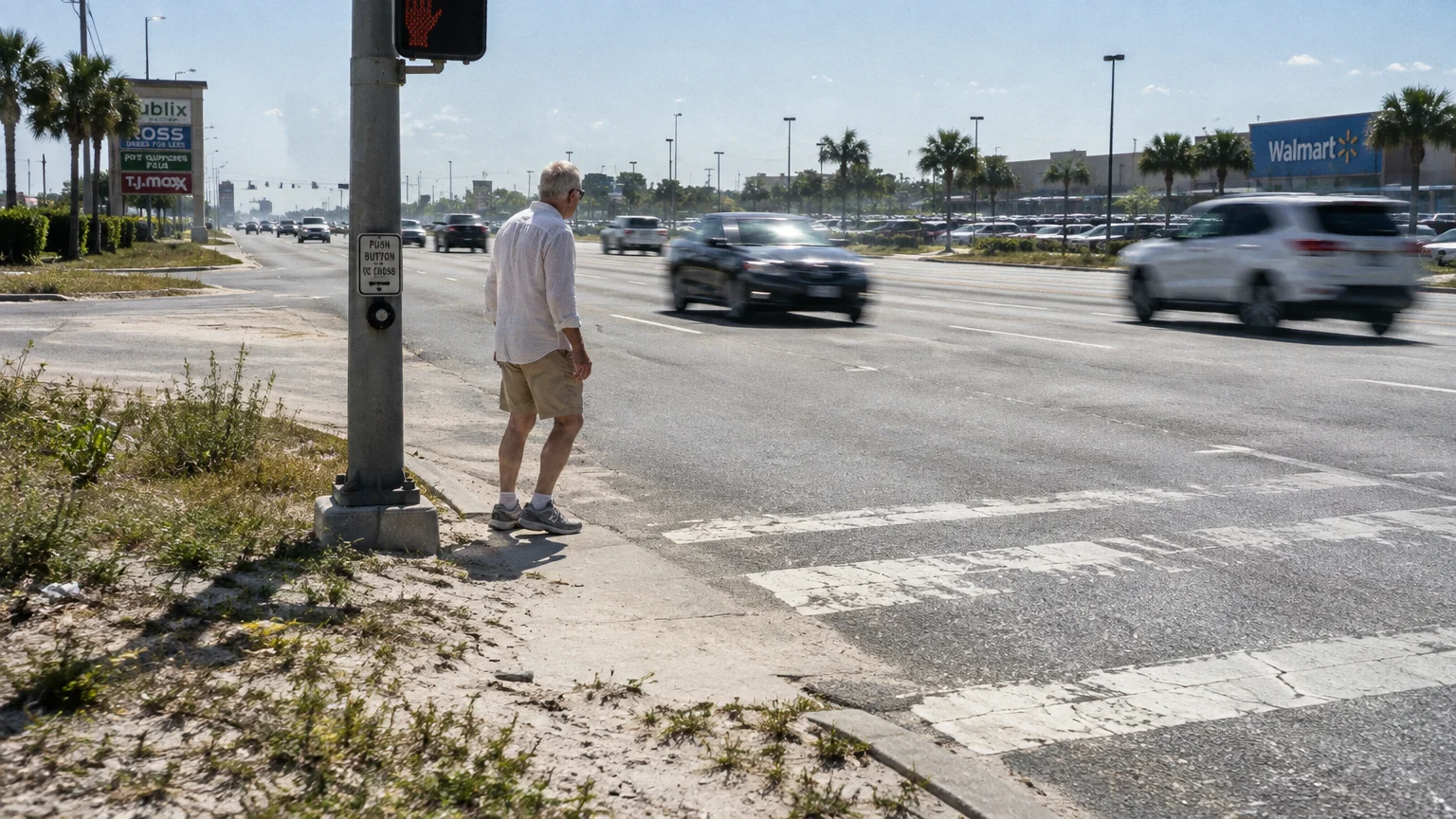
You might dream of strolling to morning coffee, local grocery markets, and community parks every day. Southern metropolitan areas, however, are built almost entirely around automobile travel rather than foot traffic.
Smart Growth America’s Dangerous by Design report revealed 7,080 pedestrian fatalities in 2024, a 72% jump since 2009. Sunbelt metros and Southern corridors consistently rank as the nation’s most hazardous areas for walkers.
Seniors face disproportionate hazards in these expansive environments. Older adults aged 65 and older accounted for 23% of all pedestrian fatalities despite making up just 18% of the population.
Missing sidewalks, high-speed arterials, and wide intersections force you to rely completely on your car. If you envision an active, car-free retirement, this car-centric layout presents significant Southern retirement drawbacks you should weigh carefully.
Test the neighborhood walkability score and explore local streets before committing to a home. Taking an afternoon stroll will show you whether you can comfortably reach basic services on foot.
Tip #2: The Fixed-Income Shopper Burdened by High Sales Taxes
Many retirees relocate south to escape high state personal income taxes. However, state and municipal governments often replace that missing revenue by imposing hefty sales taxes on everyday goods.
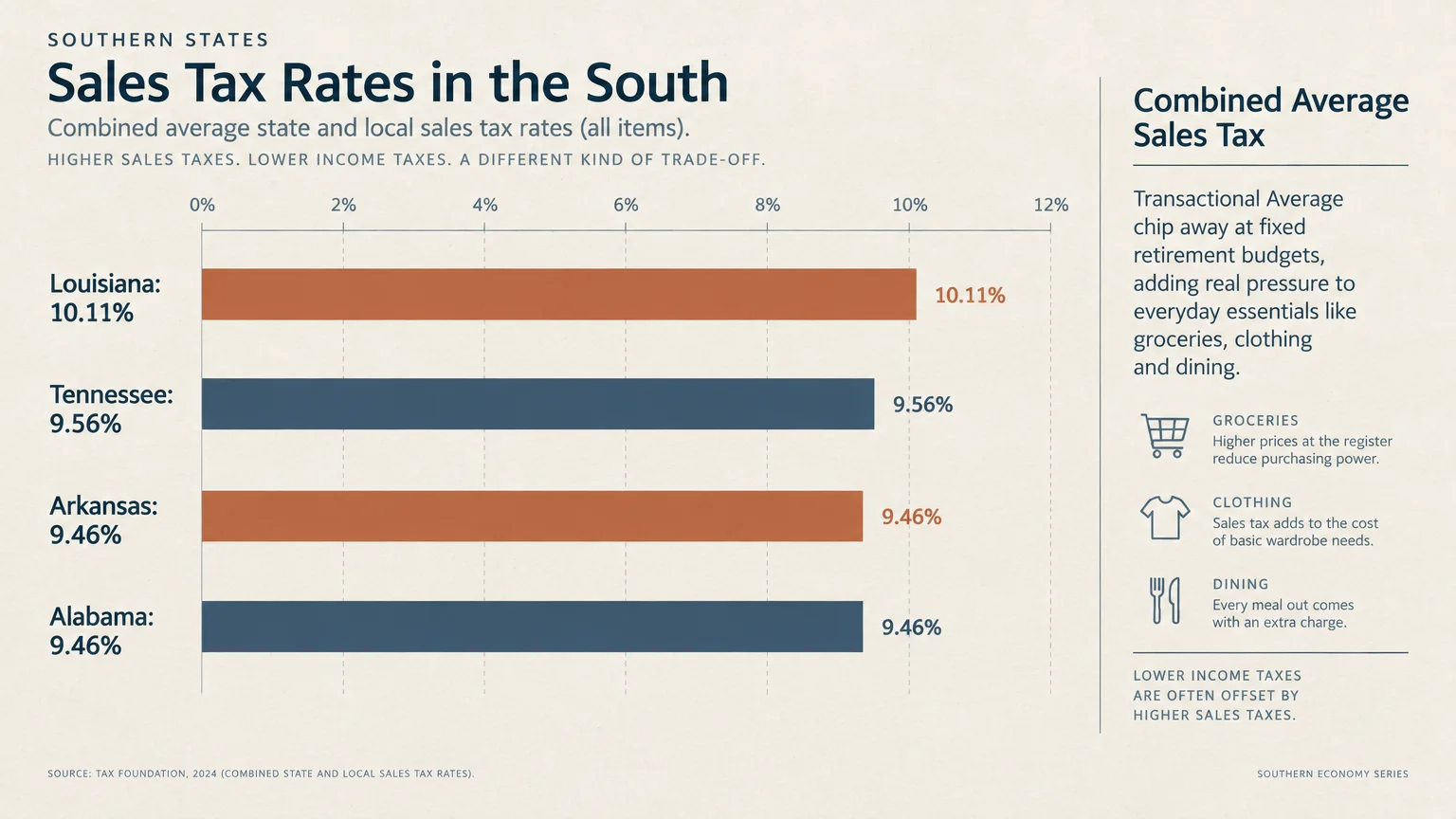
The Tax Foundation reports Louisiana and Tennessee levy the highest combined average state and local sales tax rates nationwide, reaching 10.11% and 9.56% respectively. Arkansas and Alabama follow closely behind at roughly 9.46%.
These transactional charges hit fixed retirement budgets on almost every retail transaction you make. While your pension may escape state income tax, everyday household goods, clothing, and dining out cost substantially more at the register.
Review your typical monthly shopping budget against these cumulative local tax rates. Calculating these retail costs helps you avoid unpleasant financial surprises when budgeting for ongoing daily living expenses.
Tip #3: The Early Retiree Bridging Healthcare Before Medicare
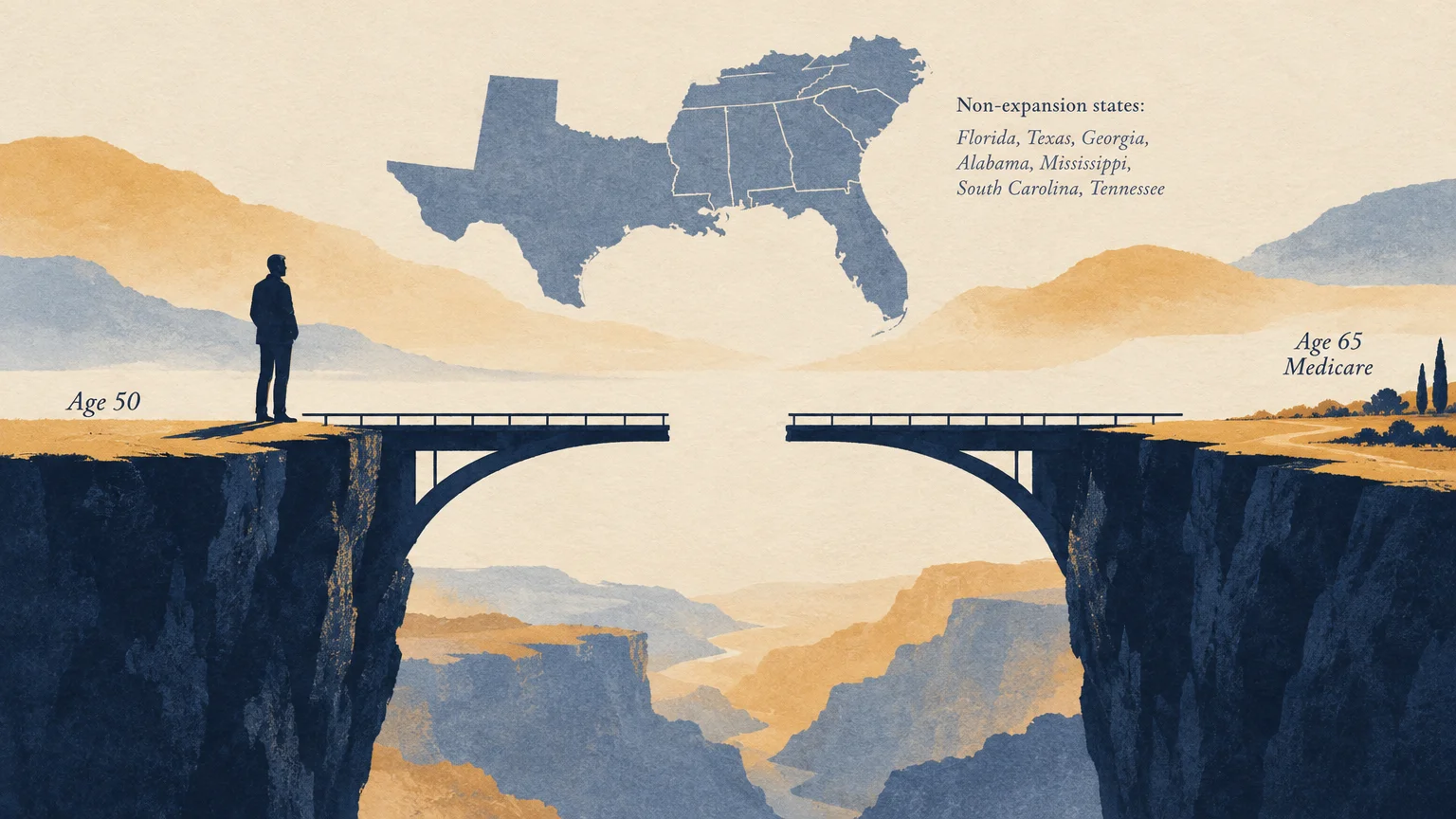
Stepping away from your career between ages 50 and 64 represents an incredible personal milestone. However, retiring before Medicare eligibility at age 65 requires reliable, affordable bridge insurance to protect your savings.
Tracking from KFF reveals that 10 states have still not expanded Medicaid under the Affordable Care Act, with 7 residing in the South. These states include Alabama, Florida, Georgia, Mississippi, South Carolina, Tennessee, and Texas.
Approximately 1.4 million low-income adults fall directly into this coverage gap, with nearly three-quarters living in Texas, Florida, and Georgia. Individuals without employer plans or federal subsidies face high private insurance premiums.
Consult an independent healthcare broker before finalizing your relocation across state lines. They can evaluate regional marketplace exchanges to determine whether is the South right for retirement during your early sixties.
Tip #4: The Rural Homestead Enthusiast Needing Rapid Hospital Access
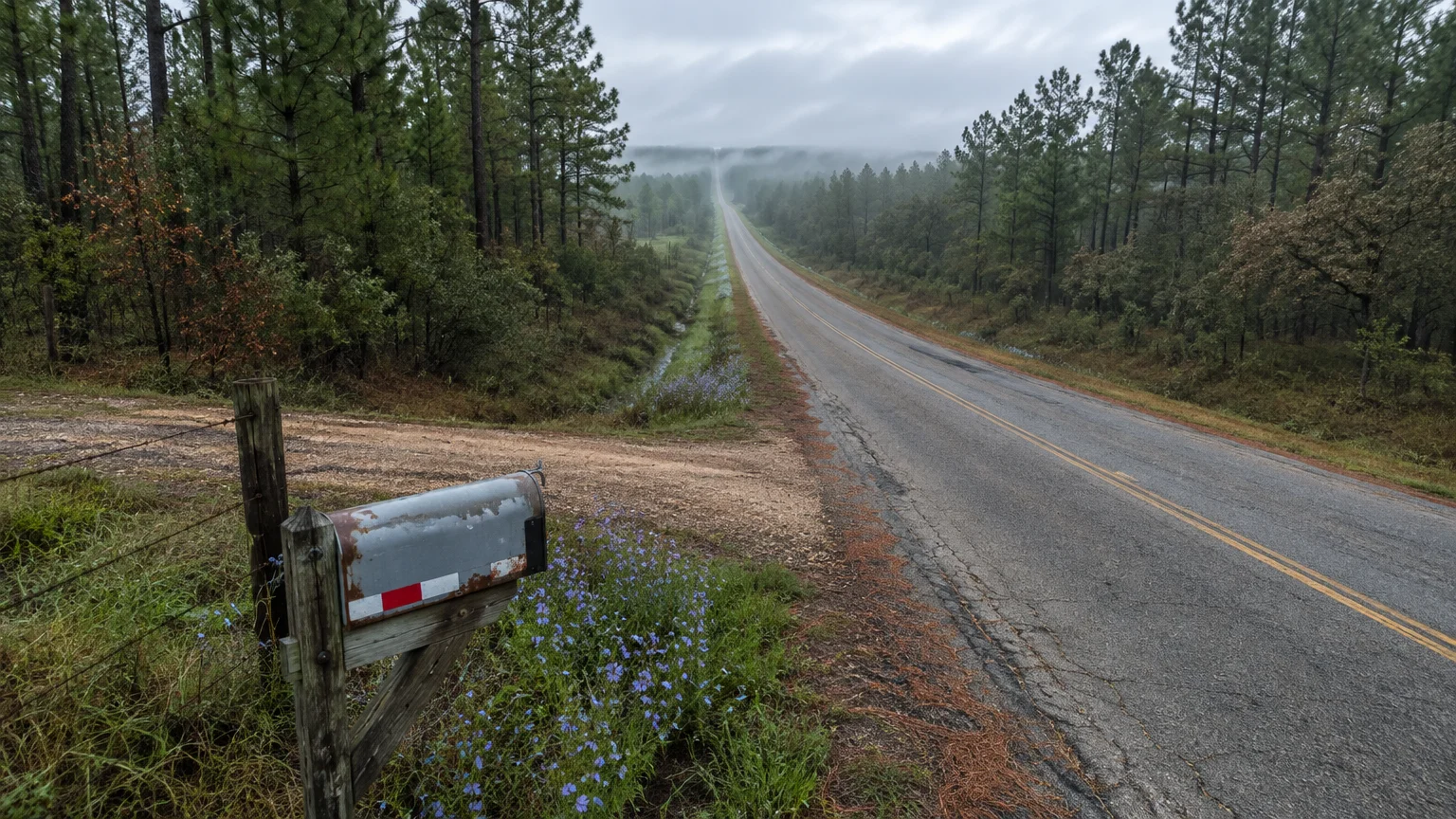
A peaceful countryside home with open acreage sounds idyllic for a quiet retirement. However, maintaining close proximity to advanced emergency medical care remains essential as health needs change over time.
The Cecil G. Sheps Center for Health Services Research reports over 190 rural hospitals have closed or converted since 2005. The Southeast and Texas contain the country’s heaviest concentration of these lost medical facilities.
A 2025 analysis by Chartis found that 53% of rural hospitals in non-expansion Southern states operate with negative margins. This widespread financial distress triggers emergency room cutbacks and creates extensive medical deserts.
If you manage a chronic health condition, extended ambulance transport times present genuine physical risks. Map the driving distance to the nearest Level 1 trauma center before purchasing rural property.
Tip #5: The Cost-Sensitive Homeowner Facing Escalating Insurance Rates
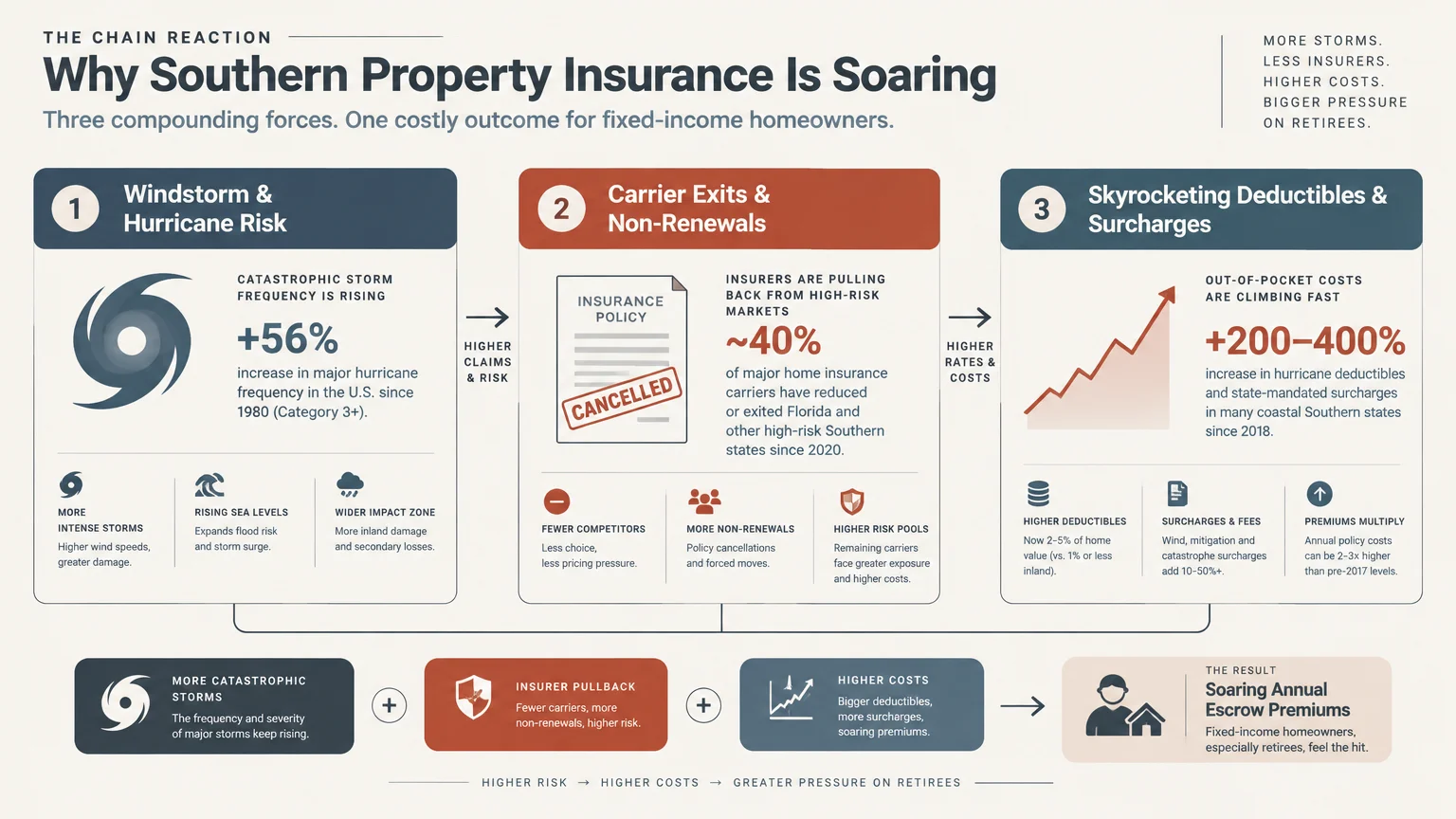
Buying a cozy coastal bungalow looks appealing on real estate websites. Unfortunately, severe weather patterns have triggered an unprecedented property insurance crisis across both the Atlantic and Gulf coasts.
Census Bureau data and Insurify identify Florida and Louisiana as the nation’s most expensive states for homeowners insurance. Florida posts median mortgaged premiums of $2,273, while Louisiana averages $2,140 with annual hikes exceeding 20%.
Multiple major private insurers have exited Southern coastal markets entirely, leaving owners with high-cost state residual plans. These sudden insurance increases can cause your monthly escrow payments to double without warning.
Always demand an official homeowners and flood insurance quote before submitting a binding home offer. Unanticipated insurance premiums represent compelling reasons to avoid retiring in the South along vulnerable shorelines.
Tip #6: The Lone Star Migrant Unprepared for Texas Property Taxes
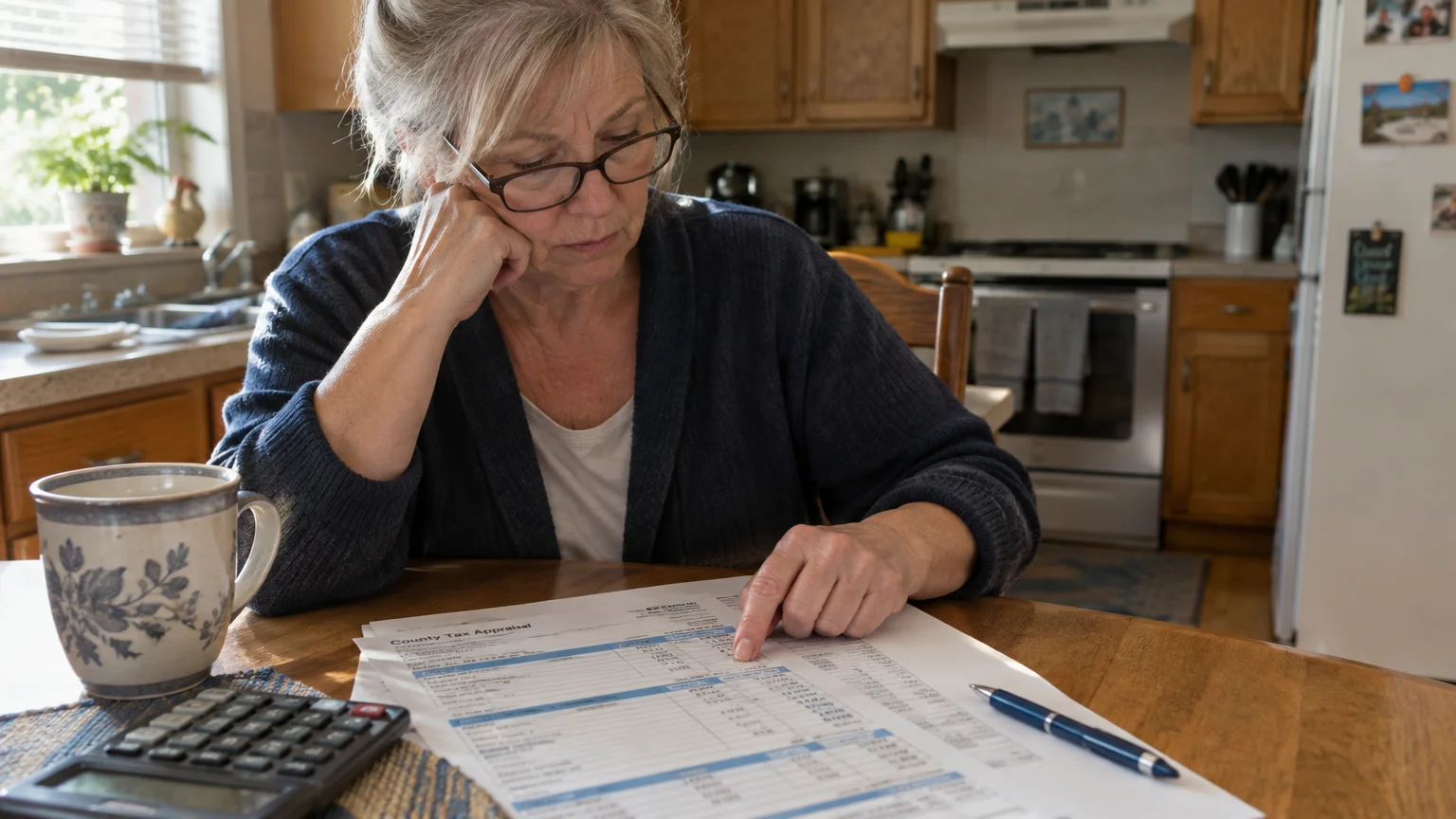
Texas frequently advertises having zero personal state income tax to attract incoming retirees. However, municipalities fund local schools, roads, and emergency services through some of the steepest property taxes in the nation.
The Tax Foundation reports Texas has the 9th highest effective property tax rate on owner-occupied housing at roughly 1.40%. In many fast-growing suburban school districts, local tax rates regularly surpass 2.0%.
By comparison, the national average hovers near 0.89% to 0.90%. Owners of median-valued Texas homes routinely pay between $4,000 and $5,500 or more in yearly real estate taxes.
Search county appraisal district portals to evaluate past assessment histories on target homes. Understanding reassessment trends prevents your housing budget from becoming strained by escalating property levies.

Tip #7: The Chronic Allergy or Asthma Sufferer Seeking Pure Air
Breathing clean, dry air supports your stamina and makes outdoor activity a joyful daily habit. Yet, the humid subtropical climate of the South fosters an environment ripe for persistent airborne allergens.
The Asthma and Allergy Foundation of America regularly ranks Southern cities among its top 20 Allergy Capitals. Metros including New Orleans, Memphis, Little Rock, Raleigh, and Greenville demand heavy allergy medication usage.
Long warm seasons extend pollination for oak, cedar, and ragweed while trapping high humidity near the ground. This atmospheric moisture accelerates mold growth, aggravating chronic sinusitis and breathing difficulties for sensitive seniors.
Spend several weeks in your prospective town during peak spring and autumn pollination windows. Experiencing the climate firsthand ensures your respiratory health and energy levels remain strong and resilient.

Tip #8: The Outdoor Enthusiast Sensitive to Oppressive Summer Heat
Mild Southern winters offer an inviting escape from freezing snowstorms and icy walkways. Even so, the summer reality brings four to five consecutive months of intense heat paired with suffocating humidity.
Summer heat indices throughout the Deep South frequently exceed 105 degrees Fahrenheit between June and September. These extreme conditions often confine older adults indoors, causing a reverse form of seasonal cabin fever.
High humidity hinders your body’s ability to cool itself, increasing the risk of heat exhaustion during gardening or walking. Staying active outdoors becomes nearly impossible during midday hours for an extended portion of the year.
If your retirement dreams center on daily afternoon golf, hiking, or pickleball, oppressive heat poses severe barriers. A moderate four-season climate might provide far more days of comfortable outdoor leisure.
Tip #9: The Public Transit Commuter Wishing to Stop Driving
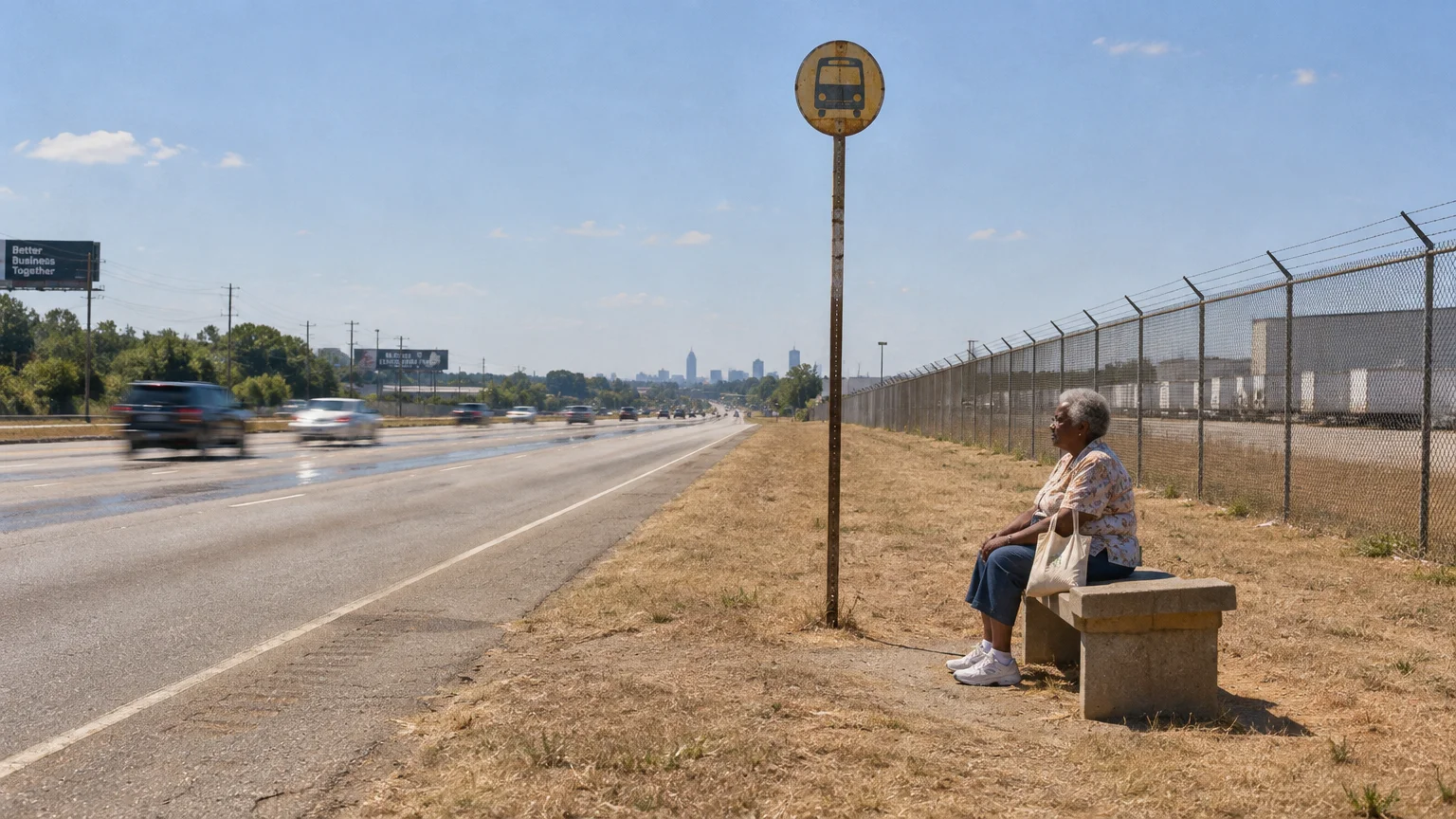
Giving up the car keys represents a natural transition that many seniors intentionally plan for during retirement. Unfortunately, Southern municipal infrastructure depends almost exclusively on private automobile ownership.
Outside of a few downtown cores, Southern metropolitan areas rarely operate extensive rail or comprehensive bus networks. Most suburban neighborhoods and master-planned communities lack any scheduled transit routes altogether.
Without a vehicle, attending routine medical visits or social gatherings requires expensive rideshare services or dependence on family. This lack of mobility can lead to accidental isolation if driving becomes stressful or unsafe.
If you want to retire without driving, focus on regions with established light rail and senior van networks. These transit services safeguard your social connections and preserve your personal independence.
Tip #10: The Senior Counting on State Long-Term Care Support
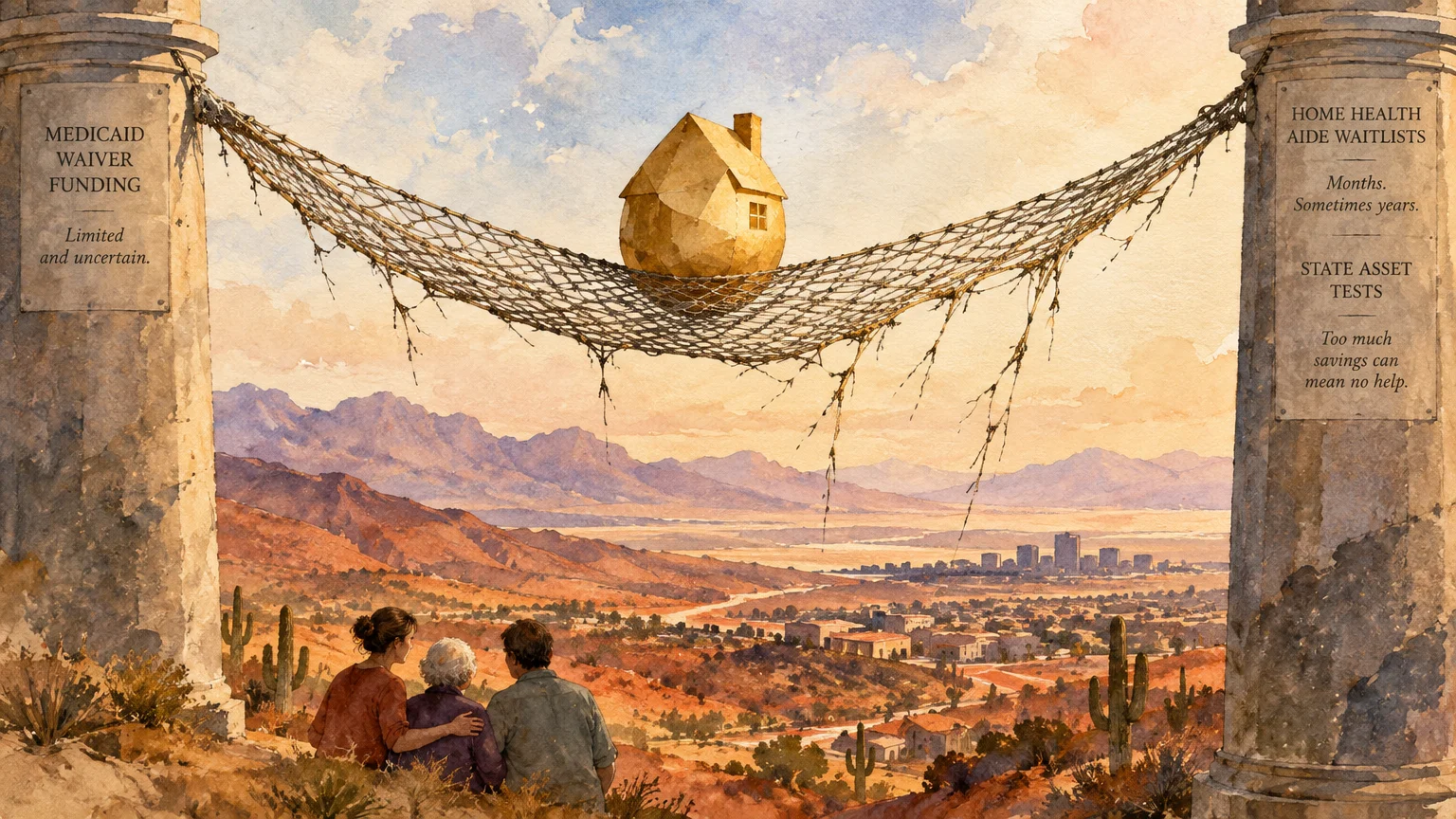
Protecting your future autonomy requires planning for personal care support if medical needs arise. State governments differ dramatically in how generously they fund community living services for aging citizens.
Non-expansion Southern states maintain tighter budget restrictions on home health waivers and Medicaid support programs. Waiting lists for state-subsidized adult day care and in-home caregiver assistance can stretch across multiple years.
In contrast, various Midwestern and Northeastern states allocate higher per-capita investments toward aging support services. This safety net reduces your out-of-pocket expenses if you require long-term in-home personal care.
Review state agency resources to verify available senior grant programs before making a permanent move. Choosing a state with robust aging infrastructure gives you tremendous peace of mind for the future.
Tip #11: The Four-Season Lover Who Cherishes Crisp Autumns and Snow
Visual variety brings immense joy and keeps your connection to the natural calendar sharp and vibrant. Many transplants from northern states deeply miss the sensory delights of four distinct seasons.
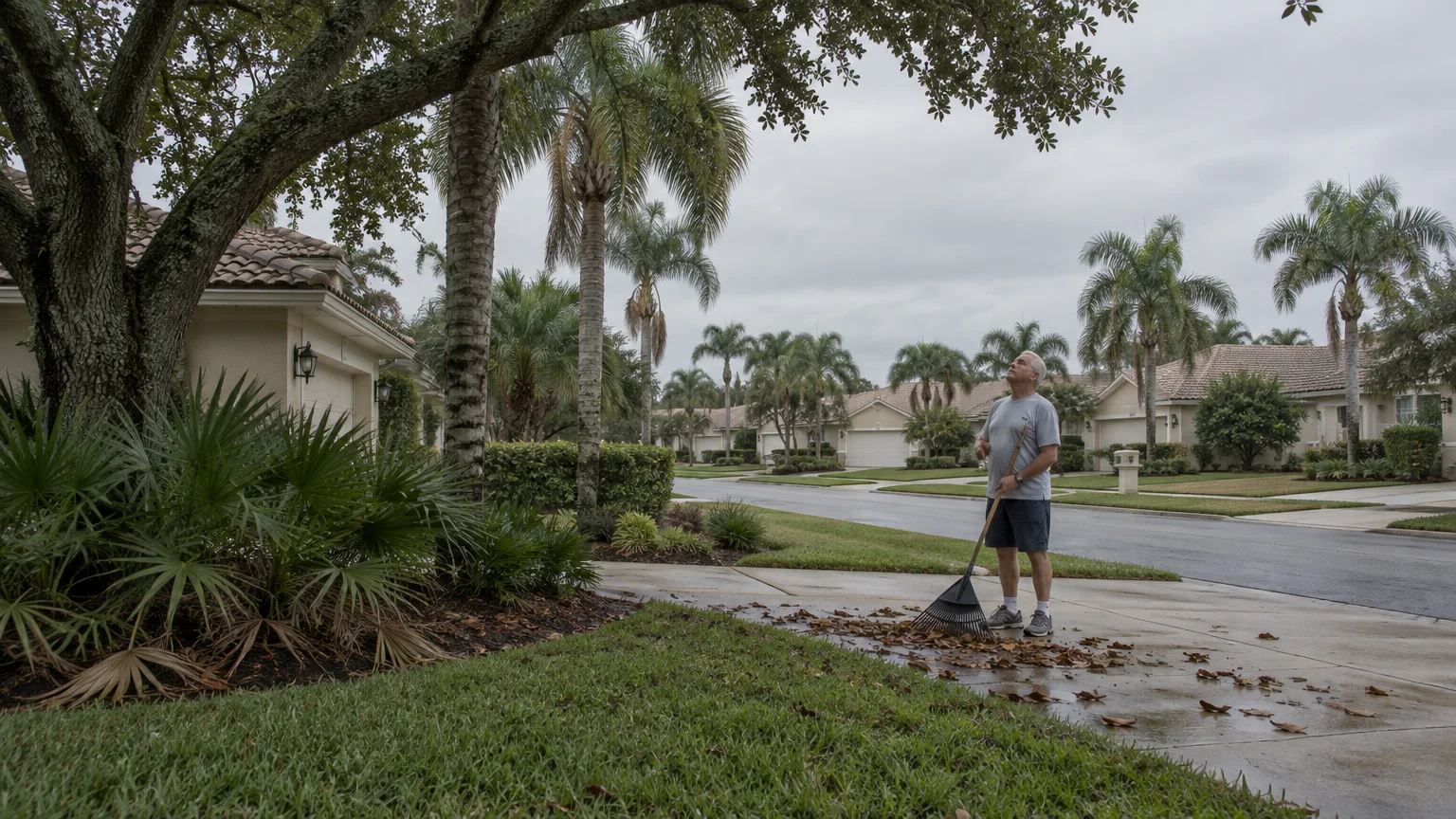
Most Southern areas shift directly from sweltering summer heat into mild, damp, and overcast winter conditions. You will miss vibrant orange foliage, crisp October air, and serene snowfalls that brighten winter mornings.
The absence of frosty mornings can make holidays feel somewhat uniform and disorienting for lifelong winter enthusiasts. Evergreen pine flatwoods provide greenery, but they cannot replicate the invigorating thrill of changing leaves.
If your happiness thrives on cozy firesides and scenic autumn walks, explore states in the Mid-Atlantic or lower Midwest. These areas provide manageable winters alongside breathtaking seasonal transformations.
Tip #12: The Weather-Anxious Homeowner Stressed by Major Storms
Your golden years should cultivate emotional serenity rather than persistent meteorological worry. Yet, the Southern geography faces frequent, high-impact weather patterns that demand constant vigilance and emergency readiness.
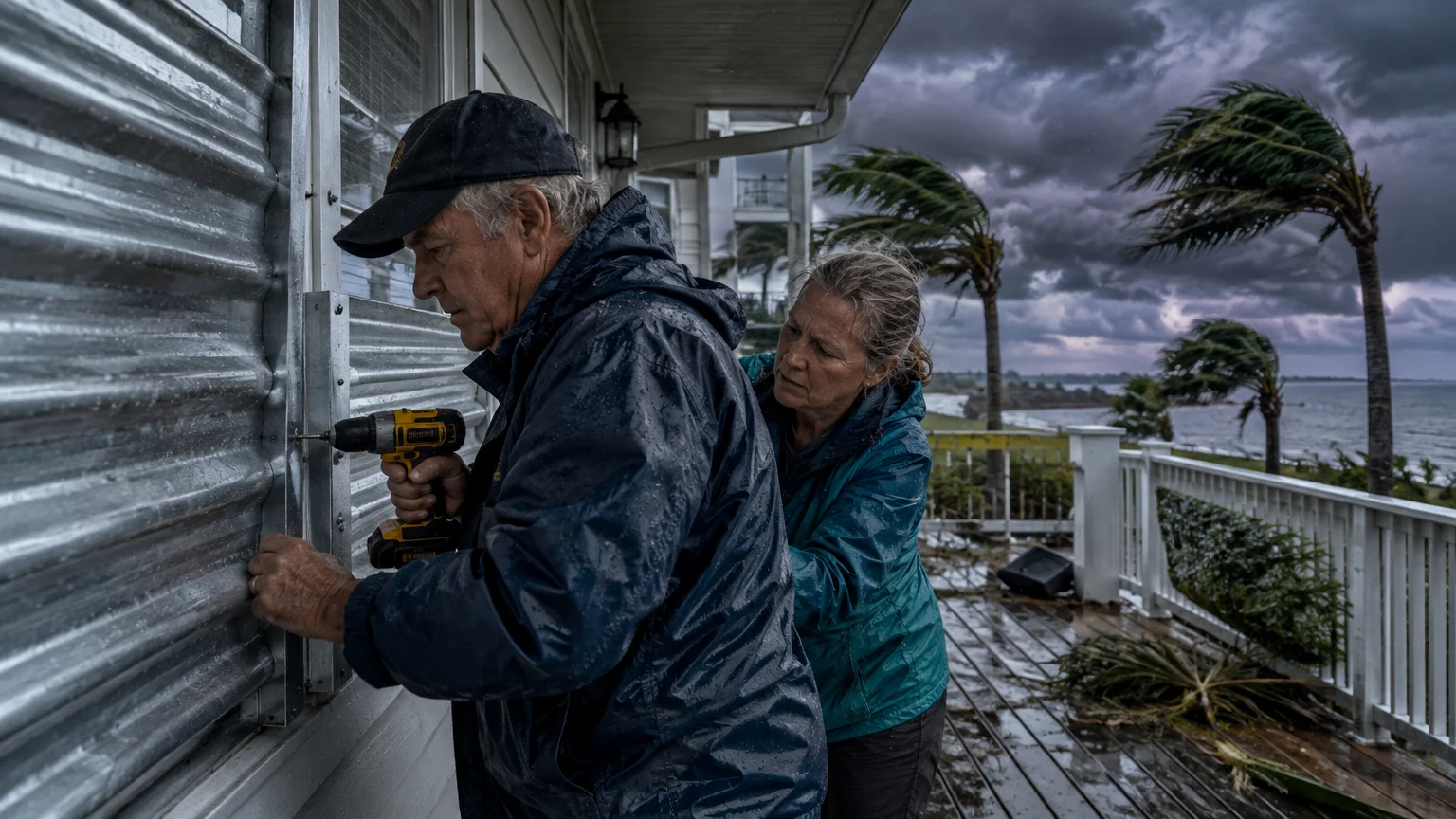
Coastal regions face annual tropical threats that bring devastating storm surges, severe flooding, and mandatory evacuations. Boarding windows, packing essentials, and navigating congested highway corridors causes tremendous emotional and physical stress.
Inland communities in Dixie Alley frequently encounter intense, fast-moving tornadoes that touch down after dark. Prolonged power outages during summer heat waves also threaten refrigerated medications and daily comfort.
Check historical storm frequency and flood maps before buying a Southern property. Choosing a calmer geographical area protects your home, your emotional tranquility, and your overall wellbeing.
Tip #13: The Alpine Sports Fan and High-Altitude Hiker
Staying active keeps your joints limber, your heart strong, and your spirits high throughout retirement. However, regional geography dictates which outdoor recreational pursuits you can easily enjoy from home.
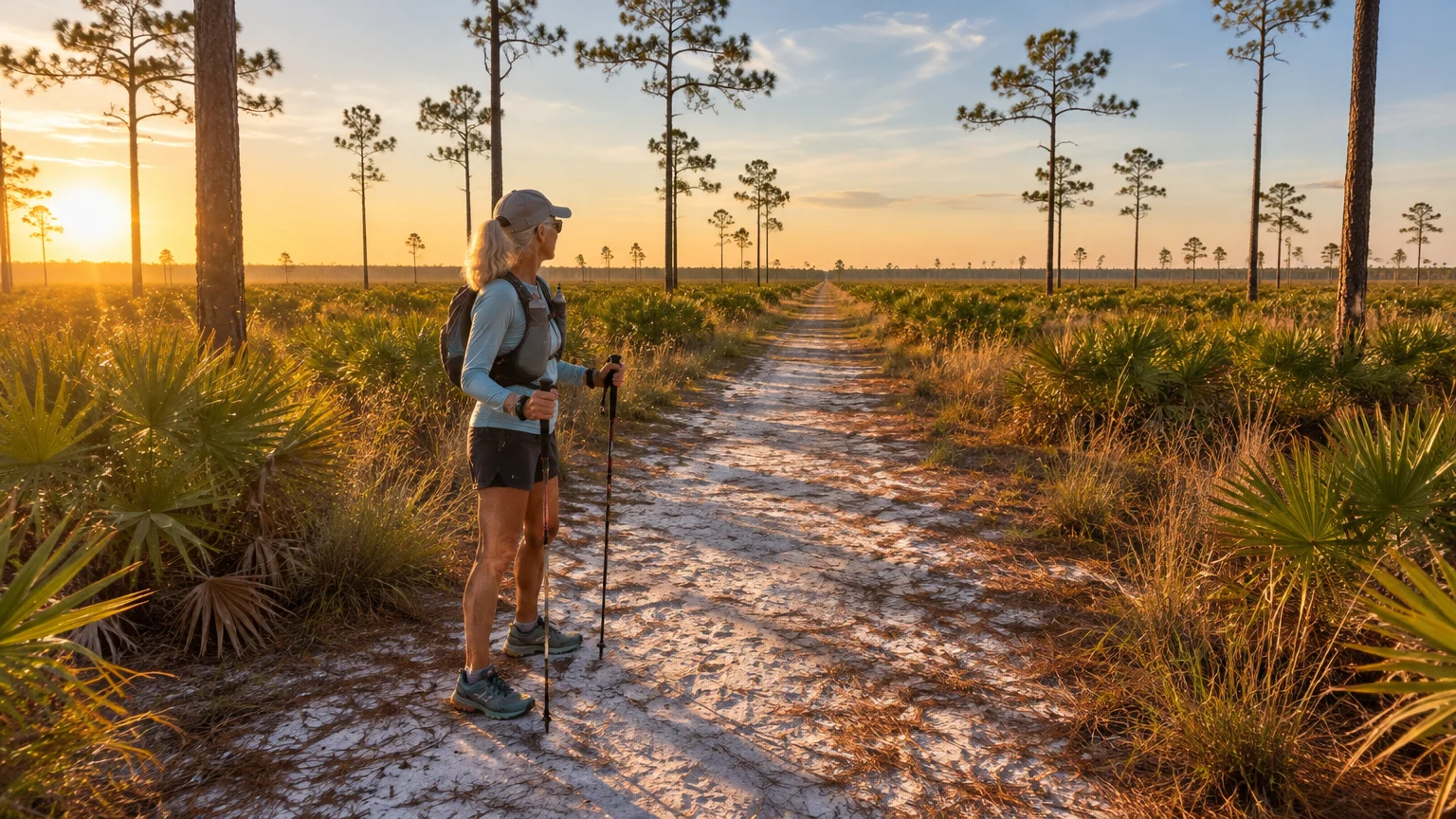
Southern landscapes consist largely of coastal flatlands, rolling pine forests, and modest piedmont hills. While the Blue Ridge Mountains offer scenic beauty, they lack high-elevation hiking, alpine skiing, or chilly mountain lakes.
Enthusiasts of downhill skiing, snowshoeing, or technical mountaineering will find few convenient local outlets. Traveling long distances to pursue your favorite winter sports adds considerable travel fatigue and financial expense.
If high peaks and alpine breezes energize your spirit, explore the Mountain West or Northern New England. Choosing a haven that matches your outdoor passions keeps your retirement dynamic and fulfilling.

Tip #14: The Highway-Averse Driver Fatigued by Sprawling Traffic
Many people move south expecting an unhurried, gentle pace of daily life. In reality, rapid migration into Southern boomtowns has spurred extensive suburban sprawl and high-stress traffic bottlenecks.
Metros like Atlanta, Dallas, Houston, and Charlotte require navigating multi-lane expressways with aggressive commuter traffic. Driving forty-five minutes across complex highway loops to reach concerts or medical centers is a standard requirement.
Maneuvering complicated highway interchanges can become stressful as reaction times naturally adjust with age. Spending valuable retirement hours idling in traffic jams quickly diminishes your daily happiness.
Test local commuting corridors during peak morning and evening traffic before choosing a neighborhood. Selecting a compact community with calm local roads keeps your daily travels safe and easy.

The Takeaway: Living a More Blissful Retirement
Retirement marks your personal opportunity to curate a life rooted in peace, purpose, and genuine happiness. While Southern states offer rich culture and sunshine, recognizing who shouldn’t retire in the South empowers your journey.
Your ideal retirement setting should reflect your health considerations, financial priorities, and personal recreational passions. No single region suits everyone, and identifying your unique lifestyle requirements represents true wisdom.
By analyzing taxes, insurance premiums, transportation, and climate, you take active control of your future happiness. Step forward with clarity, knowing you have the tools to choose a home where you will truly flourish.
Renting for a season allows you to experience daily rhythms without long-term commitments. Trust your instincts, honor your personal needs, and embrace this wonderful chapter on your own terms.
For a wide range of resources for older adults, visit AARP and the National Council on Aging (NCOA). Health information is available from the National Institute on Aging.
Disclaimer: This article is for informational and inspirational purposes only. It is not a substitute for professional medical, financial, or psychological advice. Please consult with a qualified expert for guidance tailored to your individual needs.
Frequently Asked Questions
What are the primary reasons to avoid retiring in the South?
The main drawbacks include prolonged summer heat, high property insurance costs, elevated sales taxes, and automobile dependency. Considering these issues helps you determine whether Southern living suits your budget and daily lifestyle.
Early retirees must also review healthcare options due to Medicaid non-expansion gaps in multiple Southern states. Evaluating these elements early prevents unexpected financial strain.
Are retiring in the South pros and cons balanced for fixed budgets?
While some Southern states feature zero state income tax, heavy sales taxes and rising property insurance can reduce savings. Looking at total overall living expenses provides a clearer financial picture than income tax alone.
Checking local property tax rates and insurance premiums before purchasing real estate protects your retirement reserves. This balanced perspective ensures your finances stay resilient for years to come.
How does healthcare availability vary across the South?
Renowned medical centers thrive in Southern metropolitan areas, but rural communities have experienced widespread hospital closures. Proximity to specialized healthcare is vital if you manage ongoing medical conditions.
Living near major regional health systems ensures rapid access to emergency facilities and specialists. Consider your future healthcare needs when choosing a specific retirement community.
How can I determine if the South is right for retirement?
Renting an apartment or house for several months during mid-summer or hurricane season provides invaluable firsthand experience. This trial period demonstrates how well you tolerate heat, humidity, and local transportation.
Experiencing routine errands and daily weather helps you make a confident decision before purchasing property. Taking time to test the waters ensures your ultimate choice brings lasting joy.