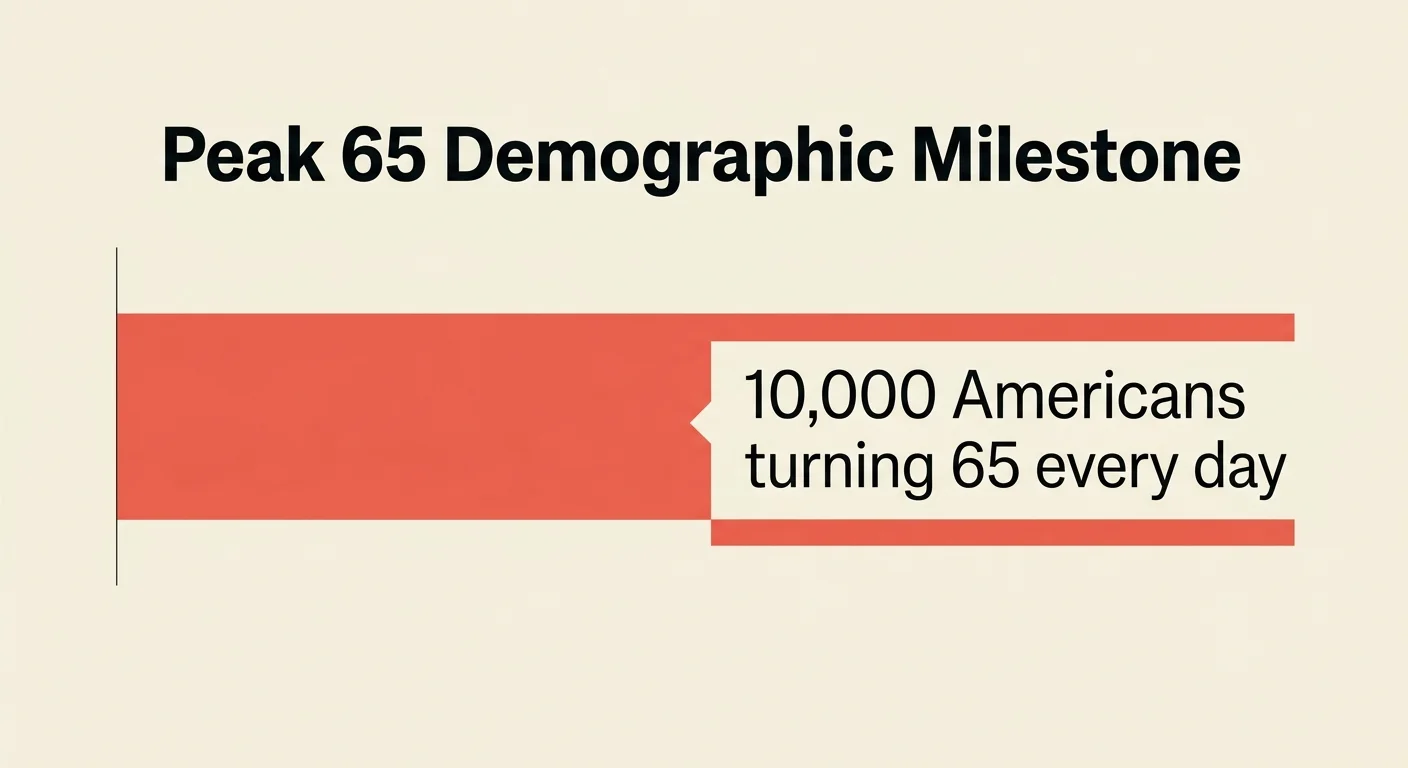
You can take charge of your vitality today by choosing a living environment designed to keep your mind sharp and your body strong. Today’s premier retirement communities are moving far beyond shuffleboard, investing heavily in cutting-edge wellness programs that help you build strength, improve mobility, and expand your healthspan. As more than 10,000 Americans turn 65 every day during the historic Peak 65 demographic milestone, progressive neighborhoods are actively replacing outdated care-first facilities with vibrant, health-focused hubs. Discover eight visionary retirement communities adding wellness programs this year so you can cultivate energy, forge meaningful connections, and thrive throughout your golden years.
Tip #1: Erickson Senior Living – Expanding Smart Pneumatic Fitness Centers
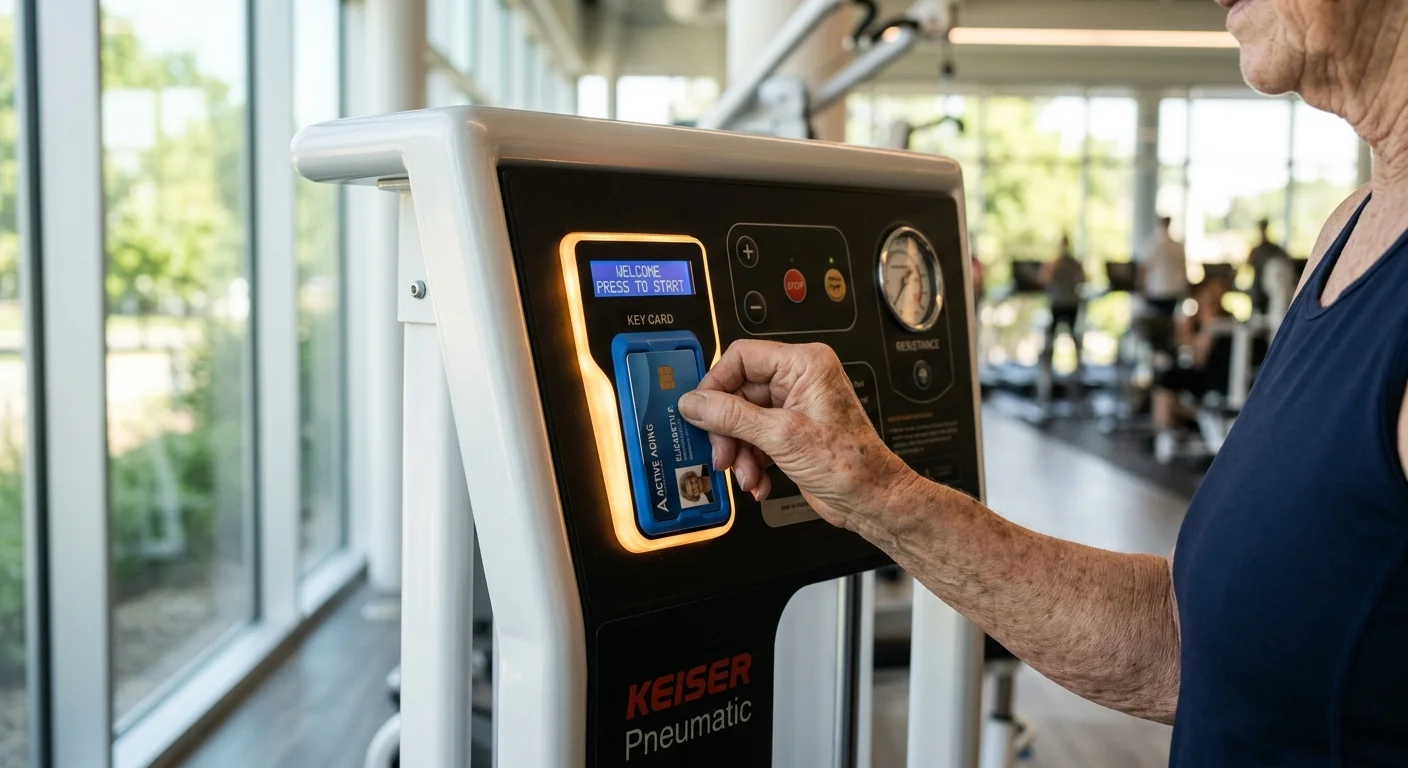
If you want to build muscular strength without straining sensitive joints, look closely at Erickson Senior Living. This national network of Life Plan communities is aggressively upgrading its fitness hubs with smart pneumatic strength-training equipment from industry pioneers like HUR and Keiser. Unlike traditional iron weight stacks that rely on gravity and create harsh momentum, pneumatic machines utilize smooth air-pressure resistance; this technology allows you to safely target critical muscle groups while protecting your tendons and cartilage.
These advanced resistance machines feature smart-card technology that automatically adjusts the seat position, load, and repetition counter to your custom physical profile. When you insert your personalized key card, the machine guides your motion and records your progress in real time. Certified fitness specialists review this data with you regularly, tailoring your regimen to support daily functional movements such as rising from low chairs, climbing stairs, and carrying groceries. When researching retirement communities with fitness programs, prioritize campuses that pair computerized equipment with certified exercise physiologists who can safely challenge your physical capacity.

Tip #2: Watermark Retirement Communities – Integrating 360-Degree Holistic Brain Health
Staying cognitively agile ranks among the highest priorities for modern retirees, and Watermark Retirement Communities is meeting that demand with comprehensive brain-health programming. Through its award-winning Watermark University, the organization offers dozens of interactive, resident-taught courses alongside structured neurobics—specialized exercises engineered to stimulate neuroplasticity and forge new neural pathways. Rather than relying on passive entertainment, you can immerse yourself in foreign language seminars, advanced creative writing workshops, and digital music production.
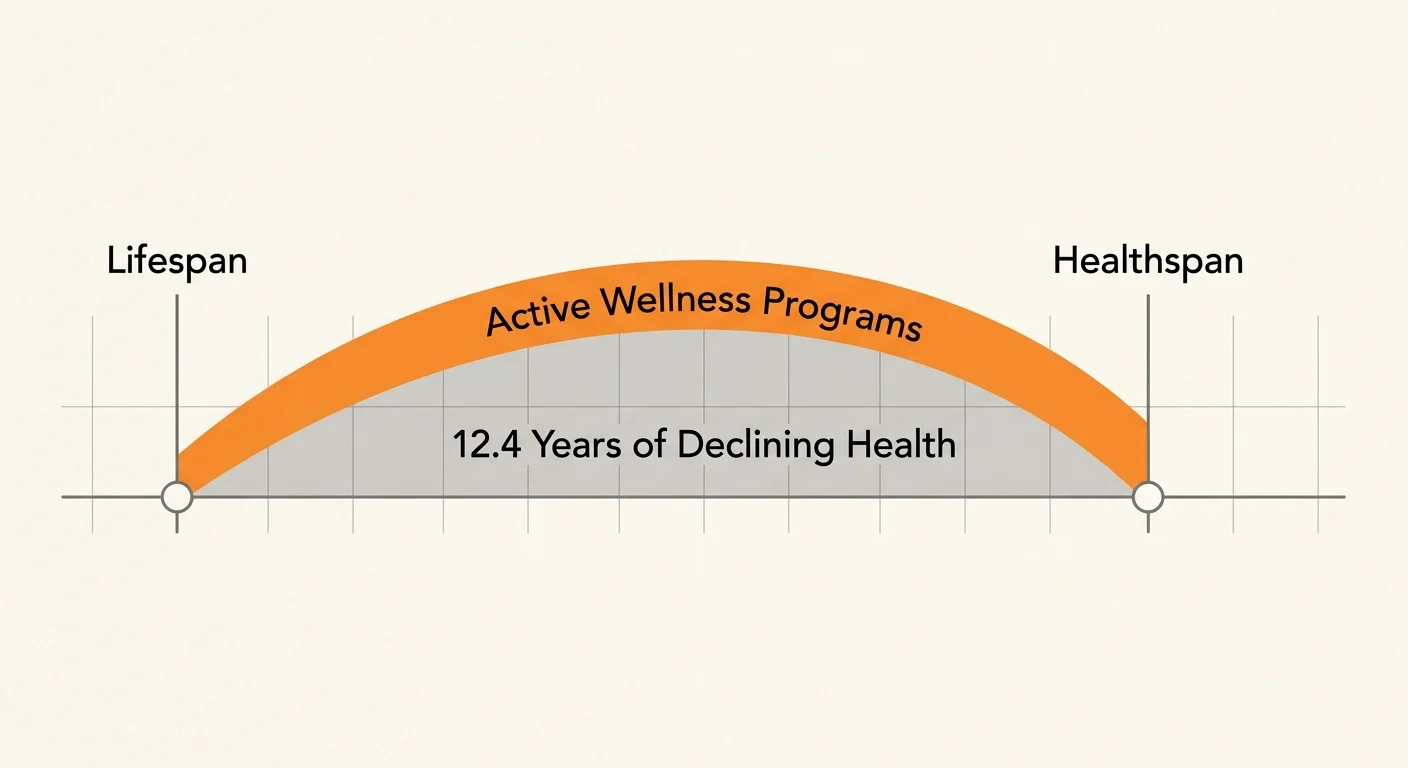
Watermark is also deploying virtual reality (VR) cognitive therapy across multiple campuses this year. By wearing lightweight VR headsets, you can explore virtual world capitals, participate in simulated deep-sea diving, or complete spatial memory puzzles in fully immersive 3D environments. This cutting-edge cognitive stimulation directly addresses the nationwide healthspan gap; while Americans aspire to live well into their nineties, national health benchmarks reveal that adults often spend an average of 12.4 years managing declining health. Proactive cognitive training bridges this gap by preserving executive function and memory as you age.
Tip #3: Vi Living Communities – Launching High-Tech Fall Prevention and Mobility Suites
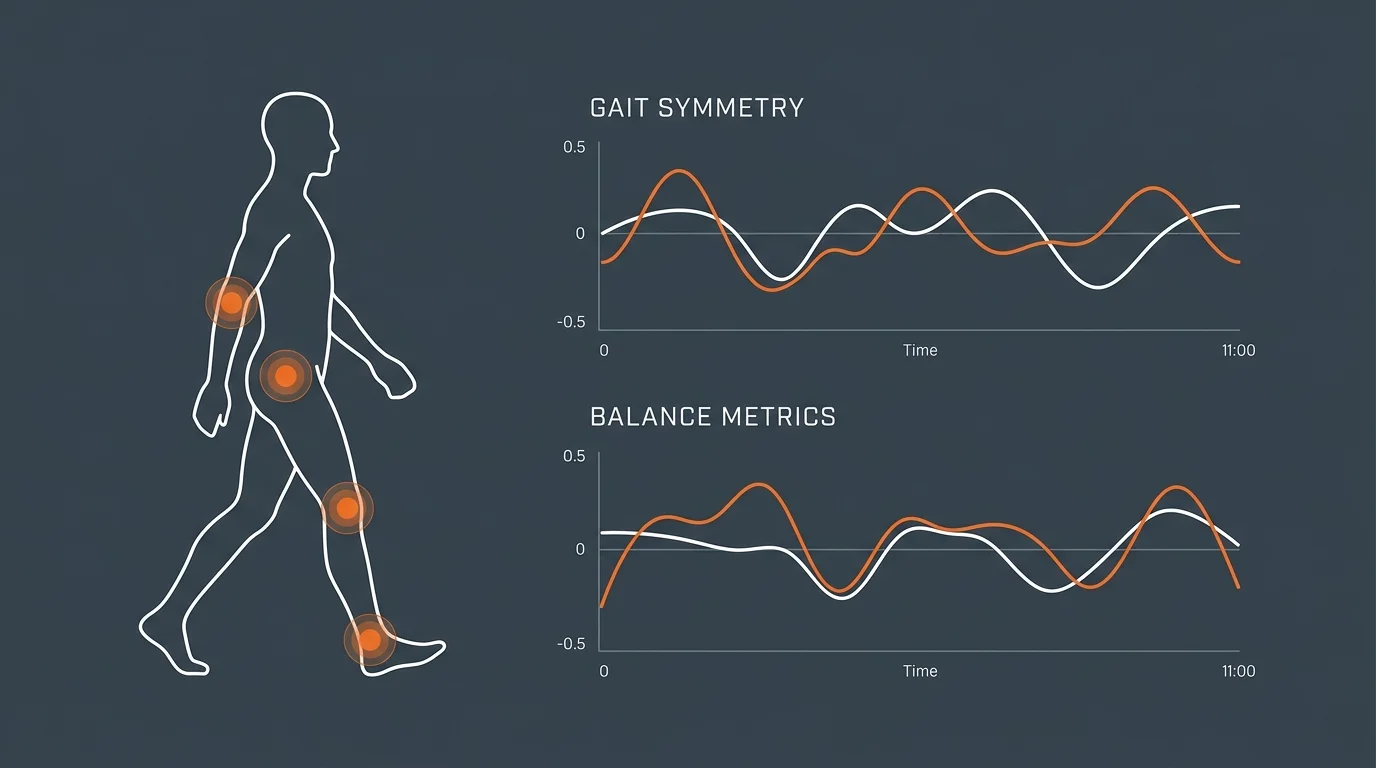
Maintaining balance and agility ensures your independence for decades to come, which makes Vi Living’s latest fall-prevention initiative a standout innovation. Across its luxury campuses, Vi is implementing VirtuSense artificial intelligence mobility-assessment systems. By standing before high-resolution infrared motion sensors, you receive a detailed biomechanical analysis that identifies subtle gait asymmetries, balance deficits, and musculoskeletal weaknesses before they result in an accidental fall.
Once the digital system maps your movement patterns, certified physical trainers curate targeted corrective exercises using balance plates and dual-task agility drills. Concrete data supports this proactive approach; a landmark multi-year study by NORC at the University of Chicago and the National Investment Center for Seniors Housing & Care (NIC) revealed that older adults living in dedicated senior communities experience a measurable decline in physical frailty within just 3 to 6 months post-move-in. By engaging in targeted balance routines, you safeguard your mobility, maintain autonomous living, and significantly reduce hospital visits.

Tip #4: Kendal Corporation – Implementing Nature-Based Horticultural and Aquatic Wellness
Connecting with the natural world delivers measurable reductions in blood pressure and cortisol levels, and Kendal Corporation is harnessing these benefits through expanded outdoor wellness and aquatic therapy. Kendal communities are adding state-of-the-art heated saltwater therapy pools featuring zero-entry ramps and submerged underwater treadmills. These hydrotherapy suites allow you to perform cardiovascular and resistance training in a virtually weightless environment, relieving chronic pressure on arthritic hips and knees.
Beyond aquatic fitness, Kendal is expanding certified arboretums, wheelchair-accessible raised gardening beds, and guided biophilic walking trails. You can join Master Gardener clubs, participate in horticultural therapy workshops, and harvest organic herbs utilized by the community’s culinary team. When evaluating health focused retirement communities, look for campuses that integrate outdoor green spaces with structured physical therapy—this combination enhances joint flexibility while providing daily mental restoration.
Tip #5: Acts Retirement-Life Communities – Rolling Out Precision Longevity and Nutrition Labs
Your nutritional intake profoundly influences systemic inflammation, metabolic health, and daily energy levels. Acts Retirement-Life Communities is transforming traditional dining by introducing precision longevity kitchens led by registered dietitians and executive chefs certified in culinary medicine. Their culinary menus emphasize anti-inflammatory, Mediterranean-style meals rich in wild-caught fish, polyphenols, ancient grains, and locally sourced produce.
Acts communities are also opening demonstration kitchens where you can attend hands-on cooking labs to master gut-friendly meal preparation. You learn how specific nutrients combat oxidative stress, improve cognitive clarity, and support bone density. Dietitians offer personal consultations to analyze your metabolic markers, helping you craft an eating plan that aligns with your specific health goals. This proactive culinary approach elevates daily dining from a basic service into a potent preventative wellness tool.

Tip #6: CC Young Senior Living – Pioneering Intergenerational and Creative Arts Therapy
Emotional well-being and rich social bonds are vital for a vibrant retirement, especially for the rising demographic of “solo agers.” Nearly 20 percent of Baby Boomer women have no children—double the rate of previous generations—and gray divorce accounts for approximately 40 percent of marital dissolutions among adults aged 50 and older. CC Young Senior Living directly supports single and independent retirees through “The Point,” a 20,000-square-foot dedicated center for arts, education, and social connection.
CC Young’s expanded programming incorporates intergenerational mentorship programs with nearby universities, guided music therapy, and expressive sculpting studios. Engaging in regular collaborative art projects stimulates fine motor skills and fosters deep community friendships that prevent social isolation. When you tour prospective communities, explore their creative arts spaces and ask how they help newcomers build immediate, supportive social circles.
Tip #7: Del Webb Sun City Communities – Upgrading Active Sports and Functional Movement Complexes
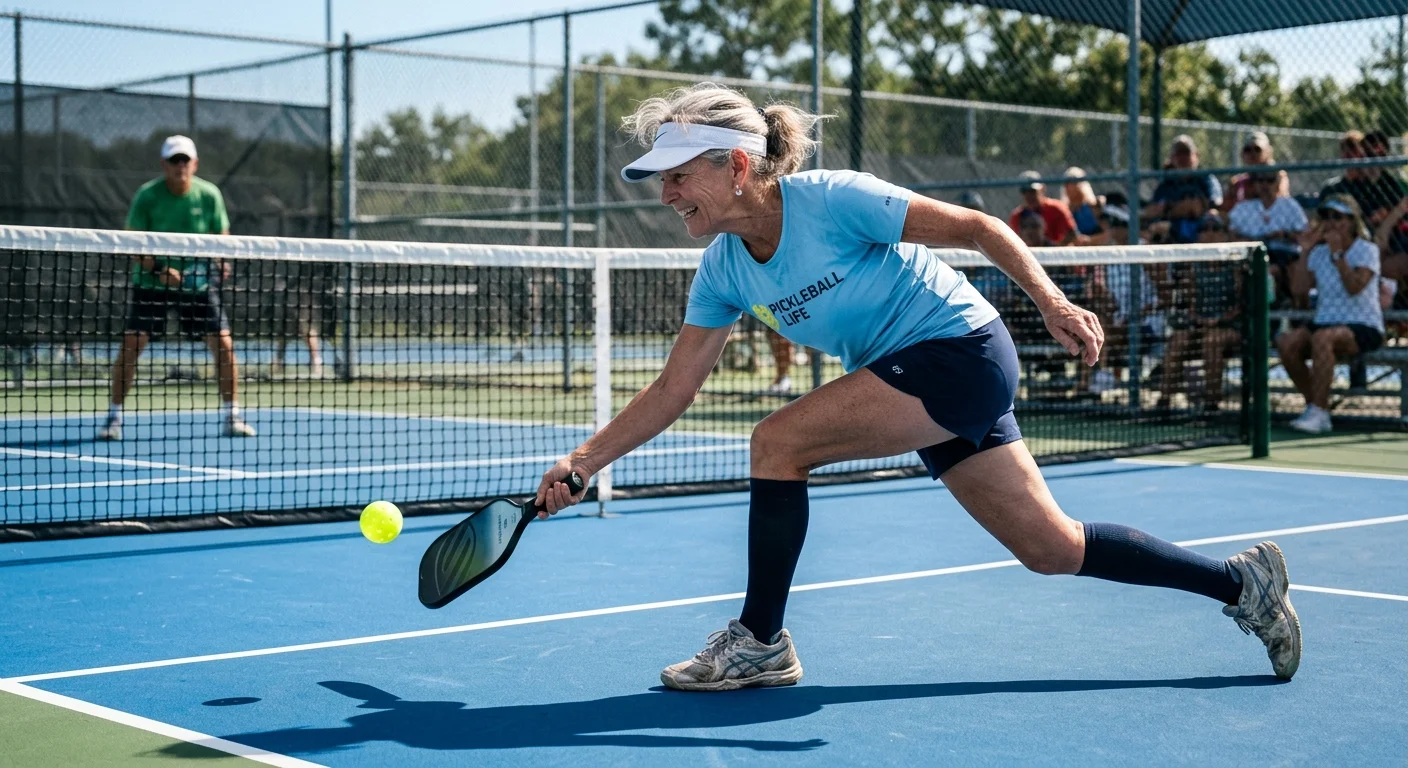
If you thrive on high-energy athletics and dynamic team recreation, Del Webb’s Sun City developments are setting the standard for active 55+ living. These communities are expanding their sports complexes with dedicated indoor and outdoor championship pickleball hubs, TRX suspension training studios, and functional agility courses. Pickleball has surged in popularity because it delivers outstanding cardiovascular conditioning while enhancing hand-eye coordination and lateral footwork.
Del Webb’s fitness coordinators structure progressive sports clinics, beginner leagues, and agility workshops designed specifically to protect rotator cuffs and knees. In addition to high-intensity court play, you can join daily group mobility classes that combine dynamic stretching with core stabilization. These senior living wellness amenities ensure you can sustain an athletic lifestyle well into your seventies and eighties alongside active peers who share your passion for movement.
Tip #8: Ingleside Communities – Developing Mindfulness and Integrative Restorative Suites
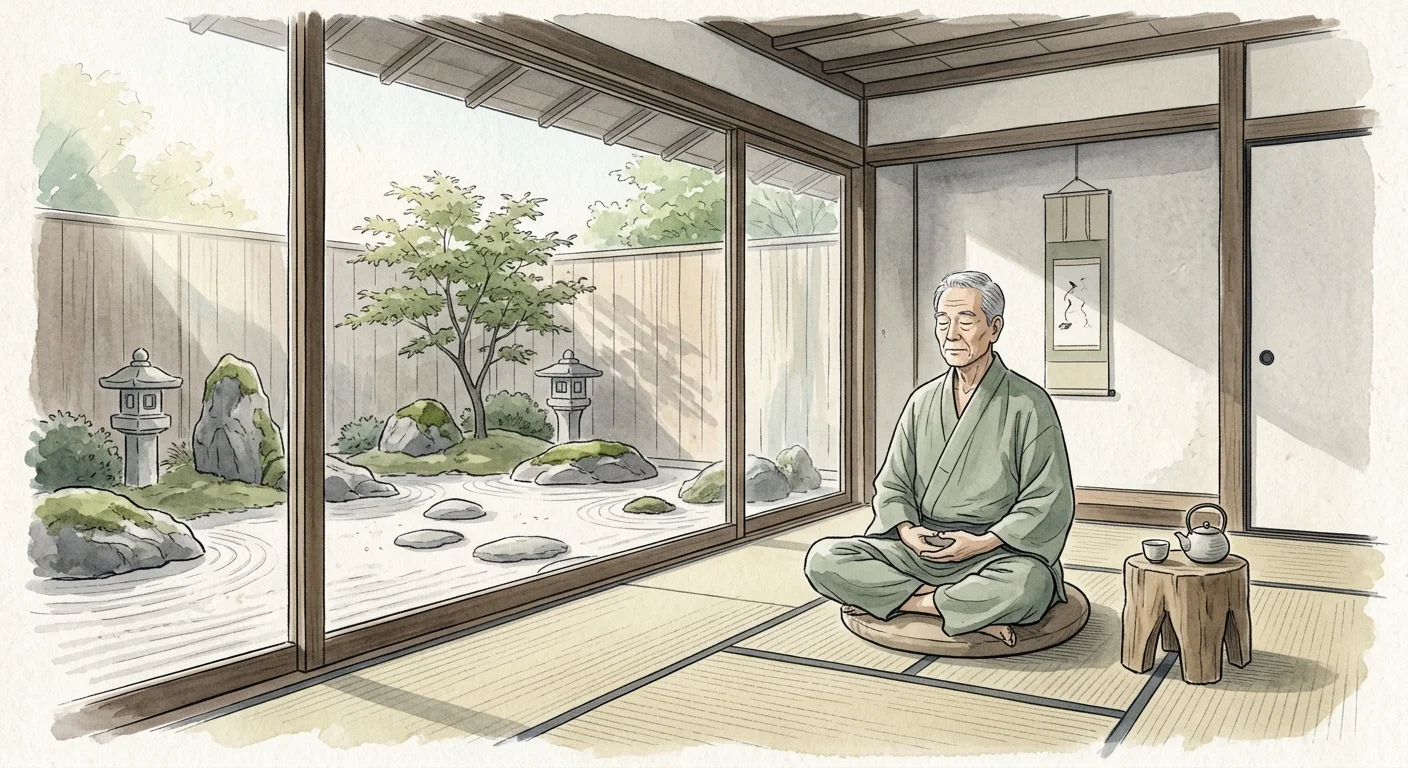
True vitality requires a balance between exertion and intentional recovery. Ingleside Communities is pioneering this holistic philosophy by adding dedicated meditation studios, acoustic sound-bath lounges, and restorative sleep clinics to its campuses. Guided by certified mindfulness practitioners, you can practice diaphragmatic breathwork, progressive muscle relaxation, and gentle restorative yoga to regulate your nervous system.
This expansion mirrors broader wellness trends in retirement communities; data from the International Council on Active Aging (ICAA) indicates that over 60 percent of senior living organizations have actively transitioned from reactive, medical-first frameworks toward preventative, wellness-first models. By providing tranquil meditation gardens and quiet mindfulness rooms, Ingleside empowers you to reduce stress, improve sleep architecture, and cultivate deep inner serenity throughout your retirement journey.
The Takeaway: Living a More Blissful Retirement
Retirement offers an unprecedented opportunity to reinvent your daily lifestyle, deepen your wellness practices, and expand your vitality. The progressive communities highlighted here prove that modern senior living has evolved into an empowering launchpad for personal growth, longevity, and joy. By incorporating the five core pillars of wellness—specialized physical training, cognitive conditioning, precision nutrition, emotional balance, and rich social connection—these neighborhoods help you make every year your healthiest yet.
As you evaluate your future living arrangements, remember that you hold the power to choose an environment that champions your health goals. Schedule in-person campus visits, participate in sample fitness classes, speak with current residents, and inspect the wellness amenities firsthand. You deserve a vibrant community that actively invests in your well-being, supports your independence, and celebrates your golden years.
Frequently Asked Questions
How do modern wellness programs differ from traditional senior living activities?
Traditional senior living activity calendars often focused on passive entertainment such as bingo, movie nights, or card games. In contrast, modern wellness programs utilize evidence-based, preventative health models. They integrate advanced pneumatic strength machines, AI-driven balance assessments, brain-fitness technology, and personalized nutrition consultations designed to extend your physical and cognitive healthspan.
Are high-tech wellness amenities included in the standard monthly fee?
In most Life Plan and 55+ communities, access to standard fitness centers, group exercise classes, saltwater pools, and campus lectures is included in your monthly maintenance fee. Specialized services—such as one-on-one personal training, clinical metabolic testing, or private aquatic physical therapy—may involve modest additional fees. Always ask for a detailed schedule of amenities and fees during your community tour.
Can I participate in these wellness programs if I have arthritis or limited mobility?
Yes. Leading retirement communities employ certified fitness directors, physical therapists, and exercise physiologists who adapt every exercise to your physical capabilities. Low-impact options—such as zero-entry heated therapy pools, pneumatic resistance machines, and seated mobility classes—allow you to build strength safely without aggravating joint pain or compromising your balance.
What questions should I ask about wellness programs when touring a community?
Ask about the credentials of the wellness staff, whether certified trainers are on-site daily, and how the community measures personal health progress over time. Inquire about the variety of physical, cognitive, and nutritional classes offered weekly, and request to speak with current residents who actively participate in the fitness programs.
For a wide range of resources for older adults, visit AARP and the National Council on Aging (NCOA). Health information is available from the National Institute on Aging.
Disclaimer: This article is for informational and inspirational purposes only. It is not a substitute for professional medical, financial, or psychological advice. Please consult with a qualified expert for guidance tailored to your individual needs.