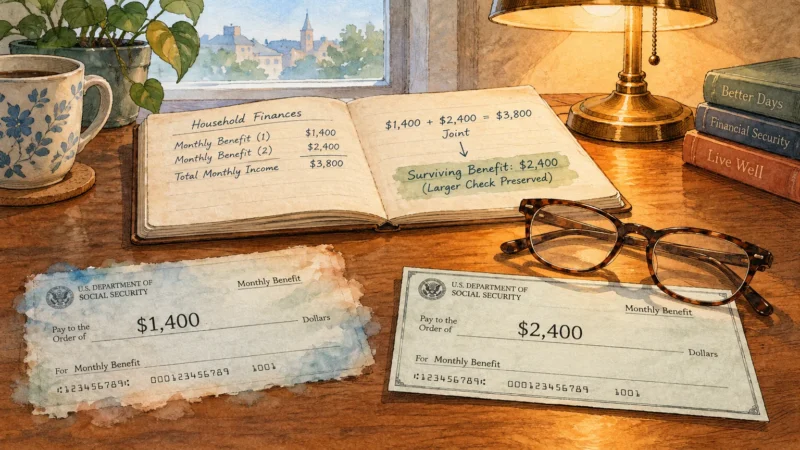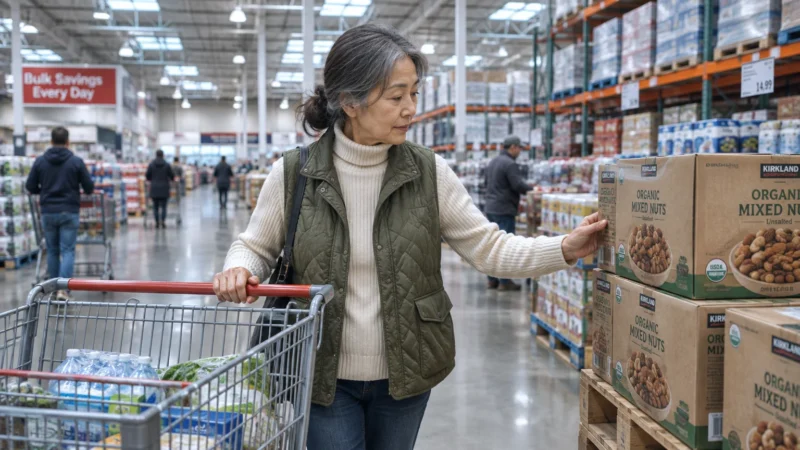
Smart budgeting in retirement lets you spend less time worrying about grocery bills and more time enjoying hobbies, travel, and friends. Several government food programs can trim your monthly supermarket tab while keeping nutritious meals on your table.
Millions of older adults skip benefits simply because they assume their income or savings disqualifies them. In reality, senior-friendly rules make these programs far easier to claim than you might expect.
You can pair monthly grocery credits with free produce vouchers, delivered meals, and lively community dining. Explore these practical options to free up cash for the moments that make retirement shine.
Lifestyle Idea #1: Stretch Your Grocery Budget with SNAP for Seniors
Nearly 8 million Americans age 60 and older faced food insecurity in 2024, yet up to 6 in 10 eligible older adults skip SNAP benefits. About 8.3 million seniors do participate, receiving roughly $188 monthly for groceries.
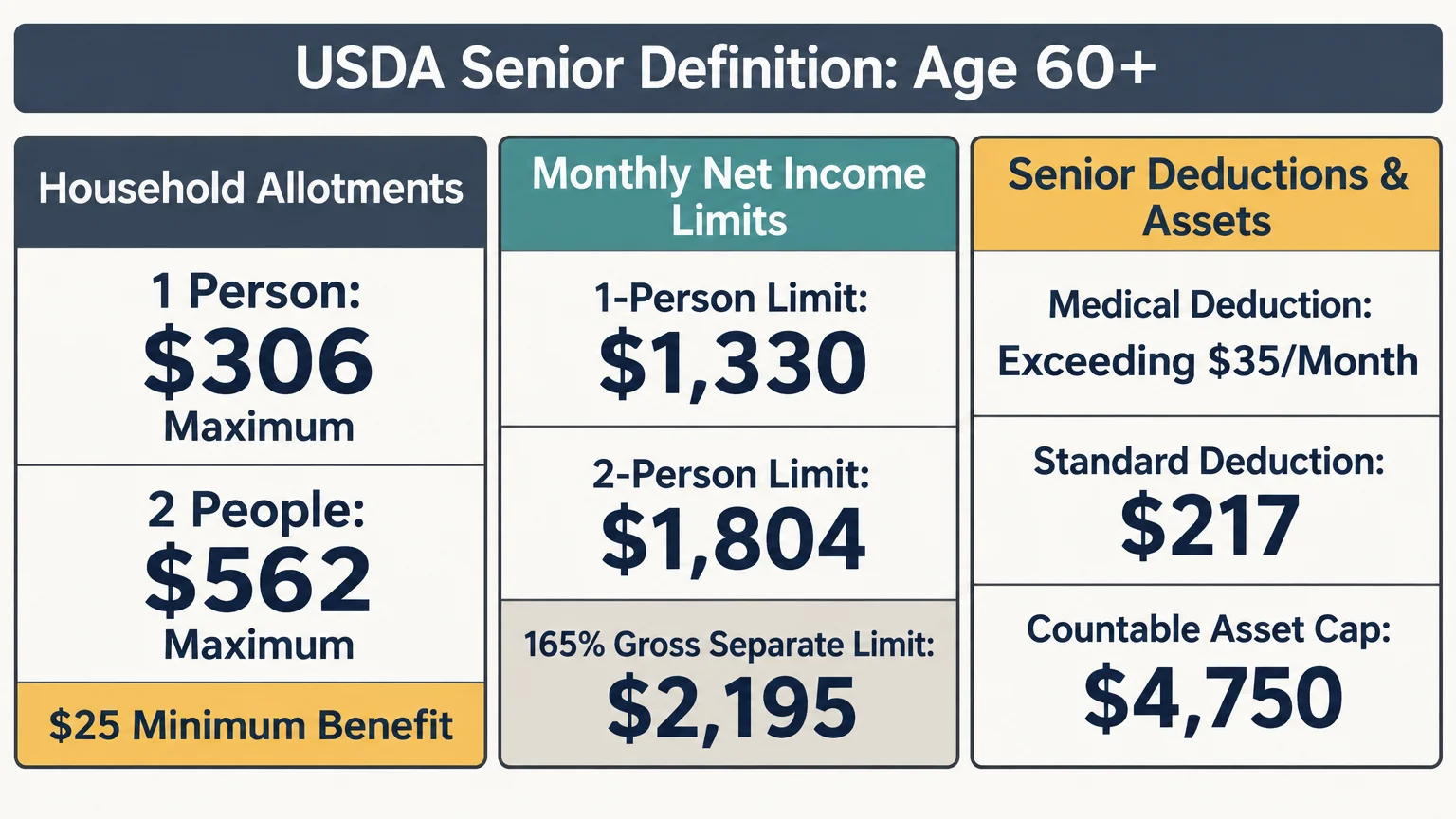
For SNAP purposes, the USDA defines an elderly household member as anyone age 60 or older, not 65. FY 2027 benefits run from October 1, 2026, through September 30, 2027, in the 48 contiguous states and D.C.
Maximum monthly allotments reach $306 for one person and $562 for two people, with a $25 minimum benefit for small households. Your household skips the 130% gross income test, needing only the 100% net limit of $1,330 or $1,804.
Seniors buying groceries separately from housemates qualify under a 165% gross limit of $2,195 for one person or $2,976 for two. Countable assets cap at $4,750 in FY 2027, excluding your home and most retirement accounts, and many states waive asset tests.
Medical deductions offer one of the biggest hidden boosts when you apply for SNAP for seniors. If your unreimbursed out-of-pocket medical costs top $35 monthly, you can subtract expenses exceeding $35 per month from your countable income.
Qualifying expenses include Medicare Part B, Part D, and Medigap premiums, prescriptions, co-pays, eyeglasses, hearing aids, dentures, and medical rides. Fewer than 1 in 5 enrolled older adults claim this deduction, so saving receipts provides real help paying for food.
Your housing bills count too, alongside a $217 standard deduction for one- to three-person households. Unlike younger applicants facing a shelter cap, older and disabled households have no ceiling on excess rent, mortgage, and utility deductions.
Many states run the Elderly Simplified Application Project for households where everyone is 60 or older or disabled with no earned wages. This shortcut provides shorter applications, three-year recertification periods, and waived renewal interviews.
One rule change affects younger retirees ages 55 to 64 under federal legislation enacted in July 2025. Non-exempt adults in that age group must work, train, or volunteer 80 hours per month to keep SNAP long-term.
Fortunately, adults age 65 and older remain exempt from that work requirement. You also qualify for an exemption if a physical or mental limitation prevents work or if you care for a child under 14 or an incapacitated person.
Lifestyle Idea #2: Enjoy Prepared Dining via the Restaurant Meals Program
If your state participates in the Restaurant Meals Program, you can use your SNAP card for hot meals at approved local eateries. Every household member must be age 60 or older, disabled, homeless, or an eligible spouse.
Swiping your regular EBT card at participating diners, cafes, or delis makes lunch with friends effortless and affordable. Ask your state SNAP office whether local restaurants participate near you.
Lifestyle Idea #3: Stock Your Pantry Monthly with Senior Food Boxes
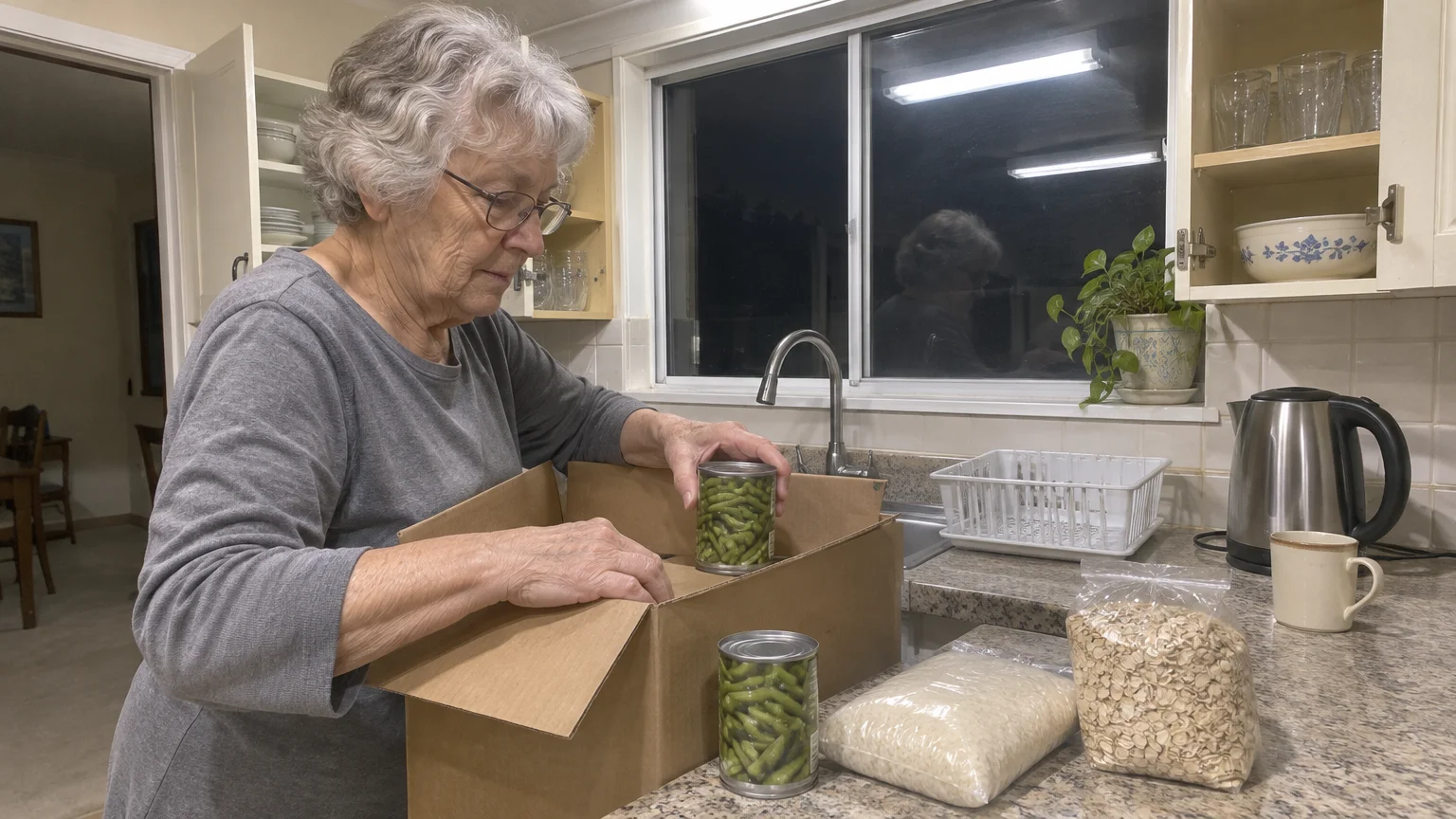
The Commodity Supplemental Food Program, often called the Senior Food Box program, delivers free shelf-stable staples straight to adults age 60 and older. Each monthly USDA package has an estimated retail value of $50 or more, easing pressure on your pantry budget.
Inside your box, you will find canned fruits, vegetables, meat or fish, cheese, shelf-stable milk, cereal, pasta or rice, peanut butter, and juice. Congress funded 707,000 monthly slots for 2026, so local food banks and senior centers distribute boxes nationwide.
For 2026, federal guidelines allow states to set gross income limits up to 150% of poverty—$23,940 yearly for one person or $32,460 for two. Some states keep the 130% threshold of $20,748 for one person or $28,132 for two.
Best of all, these boxes count as one of the easiest forms of food assistance seniors can pair with other aid. Receiving a monthly food box never counts as income and will never reduce your SNAP benefits.
Lifestyle Idea #4: Shop Local Produce with the Senior Farmers’ Market Nutrition Program
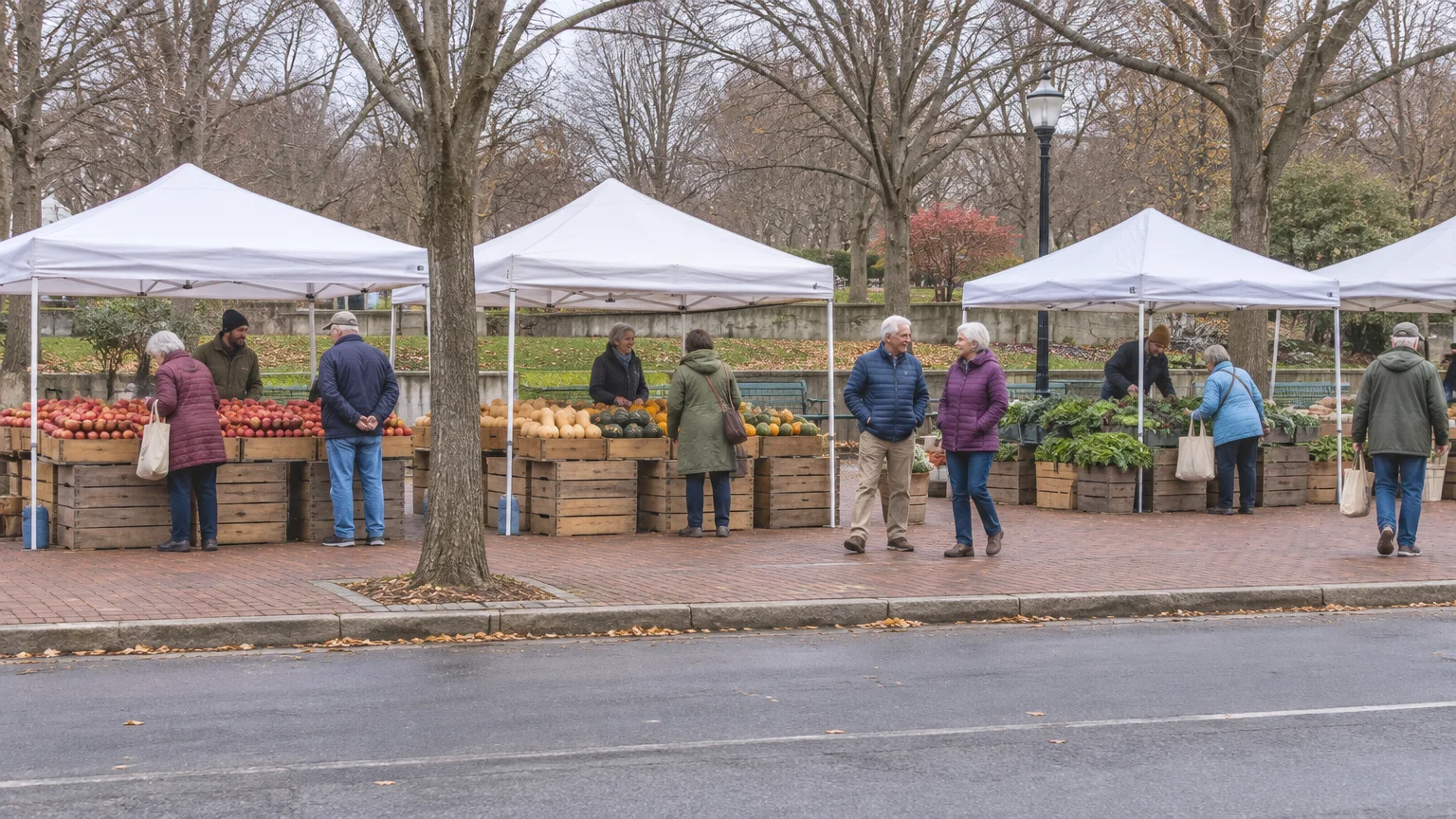
Nothing beats crisp summer peaches, heirloom tomatoes, and fresh herbs picked straight from a local farm stand. Across 57 state, territorial, and tribal agencies, the Senior Farmers’ Market Nutrition Program hands out seasonal vouchers or digital cards for fresh, locally grown foods.
Annual benefits range from $20 to $50 per person or household to spend on fruits, vegetables, cut herbs, and raw honey. Strolling a weekend market gives you morning sunshine, gentle exercise, and friendly conversation with local growers.
Adults age 60 and older qualify with household incomes at or below 185% of the federal poverty level—$29,526 yearly for one person or $40,034 for two in 2026. Several states also welcome Native Americans starting at age 55.
Apply early in the spring because vouchers go out first-come, first-served. Supplemental federal funds expired in September 2025, which trimmed available slots in some states for the 2026 harvest season.
Lifestyle Idea #5: Share Meals and Friendships Through Senior Nutrition Programs
Good food tastes even better when you share the table with welcoming neighbors. Older Americans Act senior nutrition programs, overseen by the Administration for Community Living, serve nearly 1 million meals daily through about 5,000 local providers nationwide.
These community dining programs welcome anyone age 60 or older, along with spouses of any age, at senior centers, parks, and faith-based halls. You never face a federal income test, and meals are free with optional, confidential contributions.
Prefer dining at home while recovering from surgery or skipping winter driving? Home-delivered services such as Meals on Wheels bring balanced lunches straight to your doorstep along with a warm safety check from a friendly volunteer.
Every congregate or delivered meal meets federal dietary guidelines and provides at least one-third of your daily nutrient needs. Public health reviewers at the CDC recommend both programs because they significantly lower malnutrition risks among older adults.

Lifestyle Idea #6: Stay Active at Adult Day Care with CACFP Meals
Through the Child and Adult Care Food Program, adult day centers receive federal reimbursements to serve nutritious meals to nonresidential adults age 60 and older. Centers can provide up to two meals and one snack daily alongside social activities and gentle fitness.
Functionally impaired adults age 18 and older also qualify at participating public, nonprofit, or qualifying for-profit centers, which served 80 million meals in FY 2025. Families juggling caregiving gain reliable daytime nourishment and welcome peace of mind.

Putting It into Practice: Small Steps for Big Changes
Start by gathering one recent month of bank statements, rent or utility bills, and out-of-pocket medical receipts. Keeping those numbers handy makes every application faster and helps caseworkers capture your full SNAP deductions.
Next, call your local Area Agency on Aging or state social services helpline to ask which programs have open slots today. One ten-minute phone call often connects you to SNAP, monthly food boxes, and neighborhood dining sites simultaneously.
Finally, invite a neighbor or sibling to check out a local senior center lunch with you next week. Treating these benefits as smart retirement tools lets you eat well, stay social, and protect your nest egg.
Frequently Asked Questions
Will getting free food boxes or senior center meals reduce my SNAP benefits?
No, Senior Food Boxes never count as income or resources and do not reduce your SNAP benefits. You can pair food boxes with SNAP without losing a single dollar of your monthly grocery card.
Do I have to sell my home or drain my retirement savings to qualify for SNAP?
Your primary home, lot, and most pension or retirement accounts do not count toward SNAP’s $4,750 senior asset limit. Furthermore, many states eliminate the asset test entirely, focusing strictly on your monthly income minus medical and housing expenses.
I am between 55 and 64—do the new SNAP work rules apply to me?
Under federal rules enforced in 2025 and 2026, non-exempt adults ages 55 to 64 must log 80 monthly hours of work, training, or volunteering. You are exempt if a health limitation prevents work or if you care for a child under 14 or an incapacitated person.
How can I move past hesitation about applying for food assistance?
Think of these programs just like Medicare or Social Security—tax-supported benefits you earned over decades of hard work. Reaching out frees room in your budget for hobbies, family visits, and preventive healthcare.
For resources on retirement living, travel, and finance, visit AARP. Official information on Social Security is available at SSA.gov. For travel advisories, consult the U.S. Department of State.
Disclaimer: This article provides lifestyle suggestions for informational purposes. Financial, legal, or travel decisions should be made in consultation with qualified professionals.