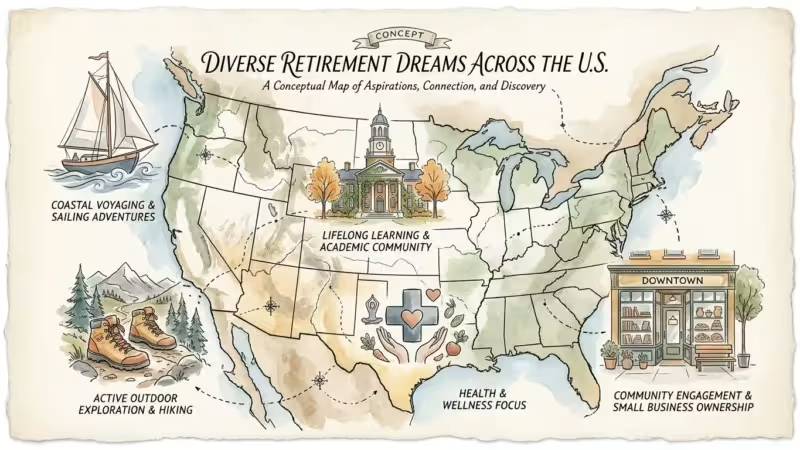

You can protect your hard-earned retirement savings and personal safety by dodging Florida’s most deceptive relocation traps. A fulfilling post-career life requires vibrant friendships, reliable healthcare, and predictable living costs.
Choosing the wrong destination drains your nest egg through staggering property insurance bills, surprise condo assessments, and elevated crime. Smart planning ensures you enjoy sunny afternoons and an active lifestyle without constant worry.
Evaluating regional living expenses and local safety will help you identify the best places to retire in Florida. Steering clear of hazardous markets keeps your golden years joyful, socially engaging, and financially secure.
Lifestyle Idea #1: Florida City
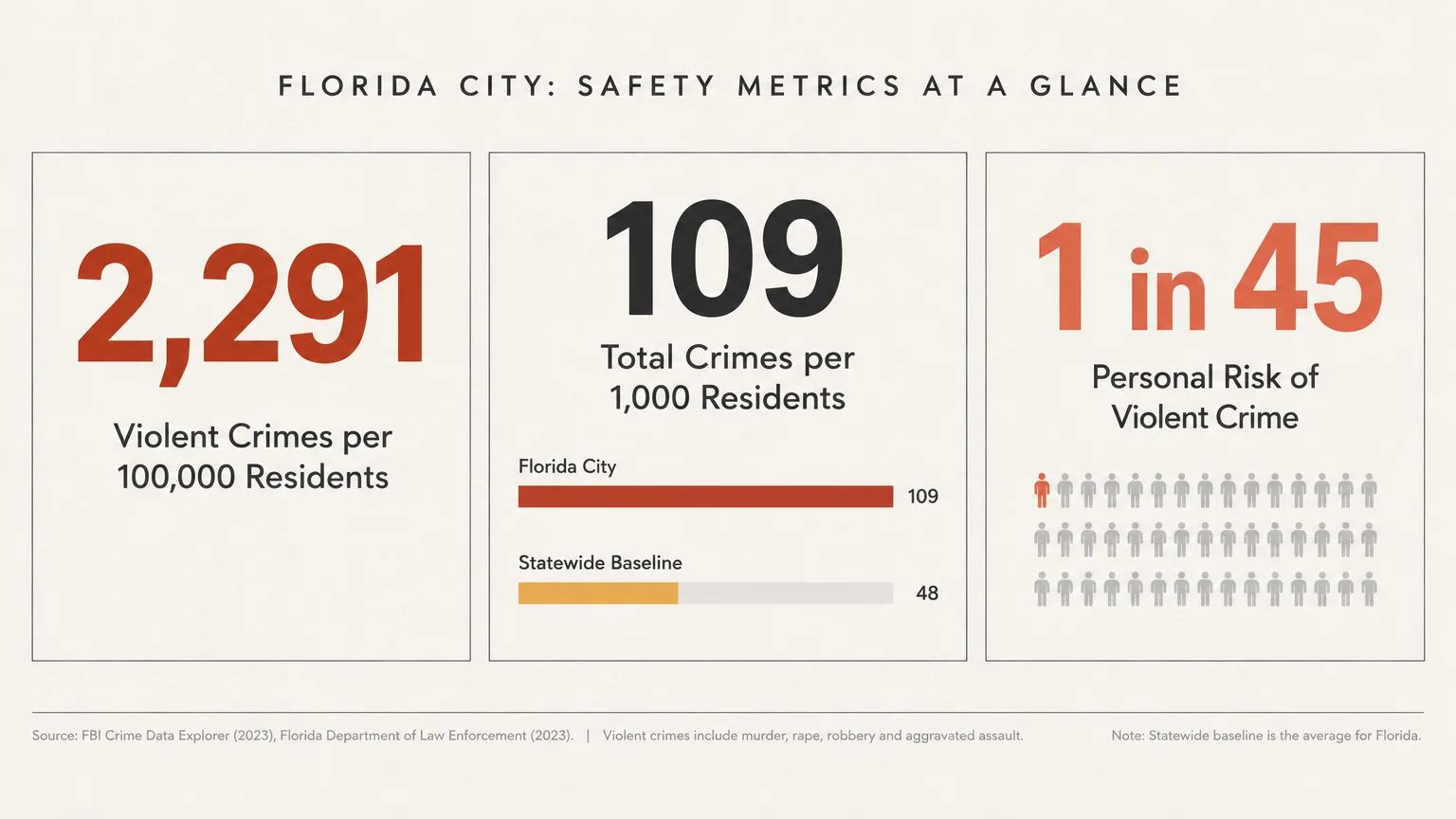
Florida City consistently tops safety warning lists across the Sunshine State. The community records a violent crime rate of 2,291 per 100,000 residents, creating serious personal safety concerns for older adults.
With an overall crime rate of 109 per 1,000 residents, your risk of experiencing a violent crime reaches 1 in 45. These staggering numbers force many residents to isolate indoors behind locked doors.
Living in constant fear dismantles your active social life. You cannot easily enjoy morning walking groups, community gardening, or neighborhood potlucks when street crime dominates your surroundings.
Local healthcare facilities and cultural venues remain scarce, requiring exhausting travel for routine doctor appointments. Emergency services frequently face high demand, creating delays that no retiree should endure.
Instead of risking your peace of mind here, seek secure gated communities further north. Towns with active neighborhood watch programs let you focus on hobbies and forming lasting friendships.
Exploring active adult communities in central or northern Florida provides modern amenities and secure pedestrian paths. Safe surroundings empower you to join local cycling clubs and socialize freely.
Lifestyle Idea #2: Lake City
Located in Columbia County, Lake City struggles with alarming public safety figures. Data from the Florida Department of Law Enforcement highlights a troubling crime rate of 1,547 offenses per 100,000 residents.
This north Florida crossroads ranks among the worst florida cities to retire due to its elevated crime and economic stagnation. High property theft rates mean you must constantly worry about safeguarding your home.
Beyond security challenges, Lake City provides few structured social programs for seniors. You will search in vain for vibrant community theaters, specialized fitness studios, or lifelong learning centers.
Geographic isolation also limits your access to advanced medical specialists. Routine healthcare trips often turn into long, fatiguing highway drives that drain your physical energy.
Consider college towns like Gainesville instead if you prefer north Florida’s rolling landscapes. You will discover world-class medical facilities, Osher Lifelong Learning Institutes, and welcoming book discussion groups.
Vibrant university communities also provide public gardens, musical performances, and volunteer mentorship programs. You deserve a retirement hub that feeds your curiosity and supports your wellbeing.
Lifestyle Idea #3: Cocoa
Cocoa sits along the scenic Space Coast, yet persistent crime creates severe lifestyle drawbacks. The city reports a violent crime rate of 1,082 per 100,000 residents, overshadowing its maritime charm.
High rates of burglary and assault make Cocoa one of the key places to avoid in Florida. Lingering safety concerns often discourage seniors from exploring evening farmers markets or riverfront concerts.
When local crime rates climb, property insurance costs follow closely behind. Spending thousands on private security systems and elevated insurance premiums leaves less money for dining out and grandparenting adventures.
Neighborhood instability can also disrupt your ability to build a supportive community of peers. You need peaceful streets where neighbors chat over garden fences and organize casual card clubs.
Explore nearby Space Coast towns like Viera or Melbourne instead. These master-planned communities offer vibrant pickleball leagues, manicured golf courses, and exceptionally safe residential districts.
Choosing a secure neighborhood allows you to host family barbecues without hesitation. Safe local parks make afternoon strolls with grandchildren a genuine pleasure.
Lifestyle Idea #4: Belle Glade
Belle Glade borders the southern shores of Lake Okeechobee in western Palm Beach County. It consistently ranks in the top five most dangerous small-to-midsize communities in Florida.
Elevated poverty and violent crime rates plague this agricultural hub, creating an inhospitable environment for newcomers. The city lacks the basic infrastructure needed to support an engaging, active retirement lifestyle.
Healthcare options remain severely constrained, with few specialized clinics or wellness centers catering to seniors. Managing chronic health conditions becomes significantly harder when the nearest premier hospital requires an hour-long drive.
Social opportunities for retirees are virtually nonexistent in the area. You will not find modern community centers offering yoga, pottery classes, or group travel clubs.
If you desire Palm Beach County sunshine, explore coastal towns like Jupiter or Wellington instead. You will enjoy world-class equestrian events, pristine beach parks, and bustling volunteer organizations.
Safe coastal towns make establishing a vibrant social network simple and fun. Joining local conservation charities or beach cleanup crews connects you with enthusiastic neighbors.
Lifestyle Idea #5: Riviera Beach
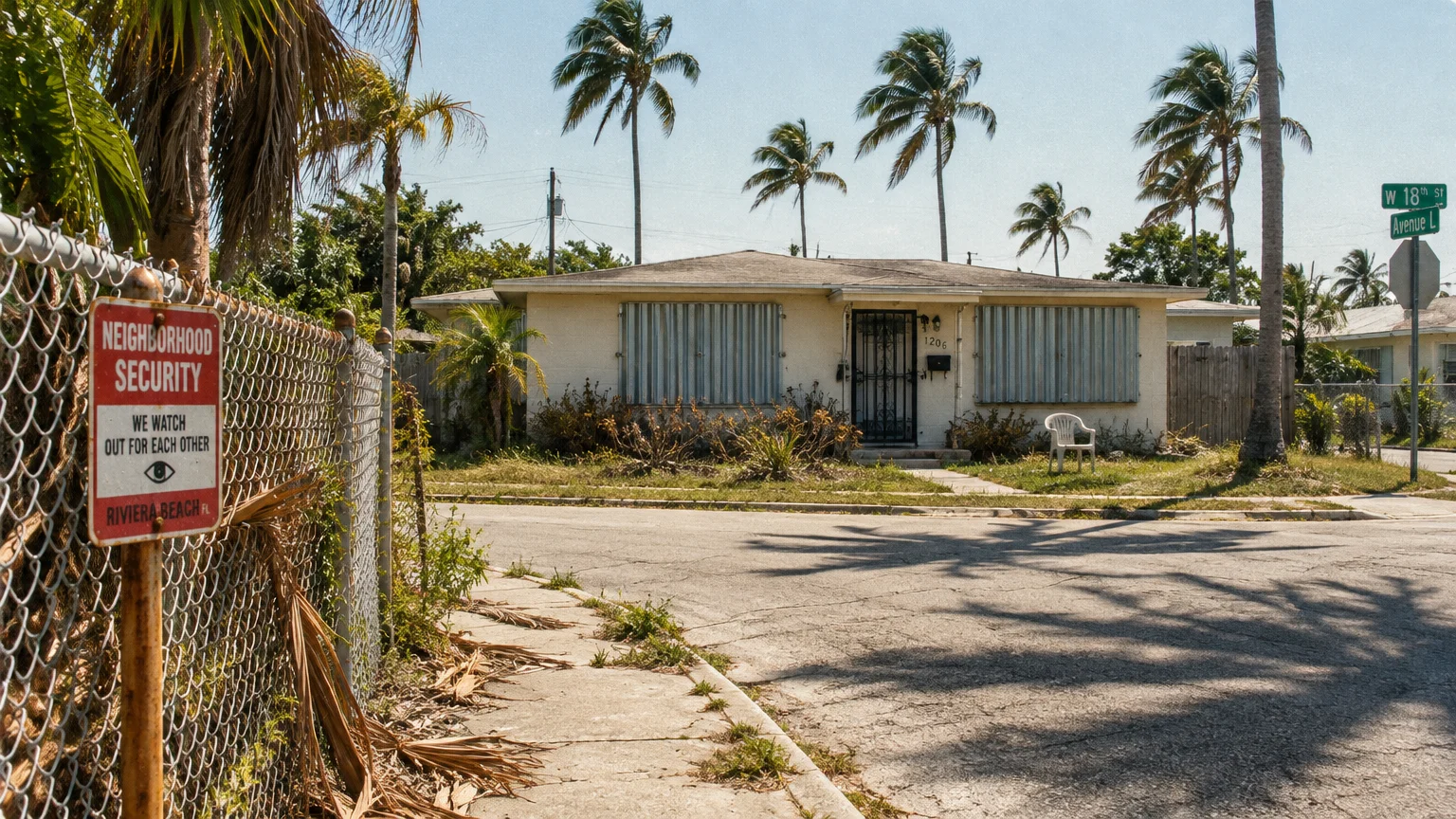
Riviera Beach boasts coastal breezes, but it remains one of Florida’s most hazardous small-to-midsize communities. Persistent violent crime overshadows the natural beauty of its Atlantic coastline.
The city’s high crime rates place it on every seasoned advisor’s list of worst florida cities to retire. Property crimes and vehicle break-ins create daily stress that ruins peaceful morning walks.
Homeowners insurance costs here surge due to combined risks of coastal storms and elevated neighborhood claims. These ballooning carrying costs steadily erode your fixed monthly pension or retirement savings.
Safety fears also keep many older residents from utilizing local waterfront marinas and parks. Isolating yourself at home to avoid street crime defeats the entire purpose of a joyful Florida retirement.
Direct your relocation search toward Martin County gems like Stuart instead. Stuart offers secure marinas, a charming downtown riverwalk, and countless sailing clubs welcoming new members.
A secure coastal town lets you take evening strolls along the water without worry. You can join local boating cooperatives or watercolor workshops in peaceful, supportive surroundings.
Lifestyle Idea #6: Miami
Miami dazzles with international culture, but it presents overwhelming financial hazards for fixed-income retirees. The median closed sale price for a home here reaches $655,000, creating an intimidating barrier to entry.
Florida’s Cost of Living Index stands at 101.6, but Miami runs far above national averages. Routine expenses like groceries, dining out, and healthcare services quickly drain substantial retirement accounts.
Condo owners face immense regulatory pressure under Florida’s House Bill 913. Associations had until December 31, 2025, to complete mandatory Structural Integrity Reserve Studies (SIRS).
State rules raised the reserve study threshold to $25,675, while Rule 61B-22.005 strictly limits reserve waivers. Older condo towers are issuing massive five-figure special assessments and doubling monthly HOA dues.
Relentless traffic gridlock also turns simple social visits into stressful ordeals. Look toward quieter inland suburbs where lower costs leave ample funds for travel and family gatherings.
Preserving your capital allows you to take exciting Caribbean cruises and treat grandchildren to weekend trips. Escaping intense urban friction gives you the space to truly relax.
Lifestyle Idea #7: Fort Lauderdale
Fort Lauderdale features glittering canals and world-famous beaches, yet it poses immense financial and physical risks. The median closed home sale price currently sits at $585,000.
Insuring an older Florida home averages a staggering $18,365 per year, compared to $7,914 for newer properties. Fort Lauderdale’s older housing stock leaves retirees vulnerable to these crushing insurance premiums.
Florida experienced 94 separate billion-dollar weather disasters between 1980 and 2024, and Fort Lauderdale routinely suffers devastating flooding. King tides and torrential downpours frequently submerge residential streets, trapping residents inside their homes.
Stricter condo regulations and structural reserve mandates under Rule 61B-22.005 have caused HOA dues to skyrocket across local high-rises. Unplanned special assessments force many seniors to sacrifice vacations and leisure activities.
Protect your nest egg by exploring elevated inland communities in central Florida. You will find affordable single-story homes, active tennis clubs, and far lower flood risks.
Relocating to higher ground shields your savings from repetitive water damage and soaring flood riders. You can invest those saved dollars into personal fitness classes and creative hobbies.
Lifestyle Idea #8: Key West and Monroe County
Key West offers breathtaking sunsets and bohemian flair, but it is extraordinarily expensive. The typical home value across Monroe County stands at $959,844, far beyond the reach of most retirees.
The average Florida homeowners insurance premium is $8,471 for $300,000 in dwelling coverage with a 2% hurricane deductible. In Monroe County, windstorm and flood coverage rates climb significantly higher.
Severe weather risks pose constant relocation headaches for seniors living along the Keys archipelago. Evacuating along the two-lane Overseas Highway during hurricane threats creates immense physical and emotional stress.
Specialized healthcare facilities are limited on the island, requiring frequent trips to mainland Miami hospitals for advanced care. Managing complex medical needs becomes an exhausting logistical hurdle.
Enjoy Key West as an exciting winter vacation spot rather than a permanent retirement residence. Keeping your home base on the mainland protects your nest egg while ensuring instant medical access.
Mainland living gives you immediate access to comprehensive healthcare networks and dynamic senior centers. You can visit the islands for festive weekend getaways without bearing astronomical property costs.

Lifestyle Idea #9: Daytona Beach
Daytona Beach attracts motorsport fans, but it carries notable downsides for retirees seeking rest and connection. Property crime rates remain stubbornly high across many central and beachfront neighborhoods.
Rowdy events like Bike Week and Spring Break flood local roads with loud, congested traffic for weeks. These chaotic seasonal surges make grocery shopping and attending neighborhood gatherings frustrating and noisy.
The city’s aging coastal condominium inventory faces steep financial reckoning under updated state reserve laws. Associations are levying punitive special assessments to fund structural repairs mandated by amended Rule 61B-22.005.
Escalating maintenance dues often force retirees on fixed budgets to cut spending on dining out and hobbies. Financial stress quickly replaces the carefree coastal retirement you envisioned.
Consider neighboring coastal enclaves like Ormond Beach or New Smyrna Beach instead. These towns provide peaceful shorelines, welcoming community art leagues, and tranquil morning beach walks.
Quaint nearby towns host vibrant farmers markets and low-key musical performances in community parks. You can build lasting friendships in a calm, welcoming environment.
Lifestyle Idea #10: Cape Coral
Cape Coral is renowned for its 400 miles of navigable canals, but it presents serious geographic vulnerabilities. The median closed home sale price currently reaches $369,990.
Extensive canal networks expose thousands of homes to devastating storm surges during tropical weather. Florida’s 94 billion-dollar disasters since 1980 highlight the extreme financial vulnerability of low-lying waterfront properties.
Flood insurance premiums and rising seawall maintenance fees add thousands of dollars to annual housing expenses. These surprise bills directly drain your discretionary budget for dining and hobbies.
Cape Coral’s sprawling design lacks a centralized, walkable downtown where retirees can easily congregate. You must drive long distances for social outings, fitness classes, and medical visits.
Explore nearby Estero or Fort Myers for a more connected lifestyle. These communities feature vibrant botanical centers, pedestrian-friendly shopping villages, and lively senior sports programs.
Settling in a town with a walkable core makes meeting friends for coffee effortless. You will enjoy a rich social routine without spending your days stuck behind the steering wheel.
Lifestyle Idea #11: Orlando
Orlando tempts retirees who want to live near grandchildren and theme parks, but reality often disappoints. The median closed sale price for an Orlando home has climbed to $414,990.
With statewide average rent hovering near $2,300 per month, rental alternatives offer little financial relief. The overall florida cost of living makes stretching a fixed retirement income increasingly difficult here.
Tourists and commuter traffic clog Interstate 4 daily, transforming quick trips into frustrating gridlock. Driving anxiety often prevents seniors from joining afternoon bridge clubs or visiting local nature preserves.
Rapid suburban growth has also displaced tight-knit community spaces with generic strip malls and toll roads. Finding genuine neighborhood camaraderie requires navigating vast expanses of stressful suburban sprawl.
Choose charming historic communities like Winter Garden or Mount Dora instead. You can walk along historic brick streets, browse weekly farmers markets, and build deep local friendships.
Tranquil lakefront communities host lively antique fairs, lakeside running clubs, and community choirs. You will stay physically active and socially fulfilled far away from frantic highway interchanges.
Lifestyle Idea #12: Tampa
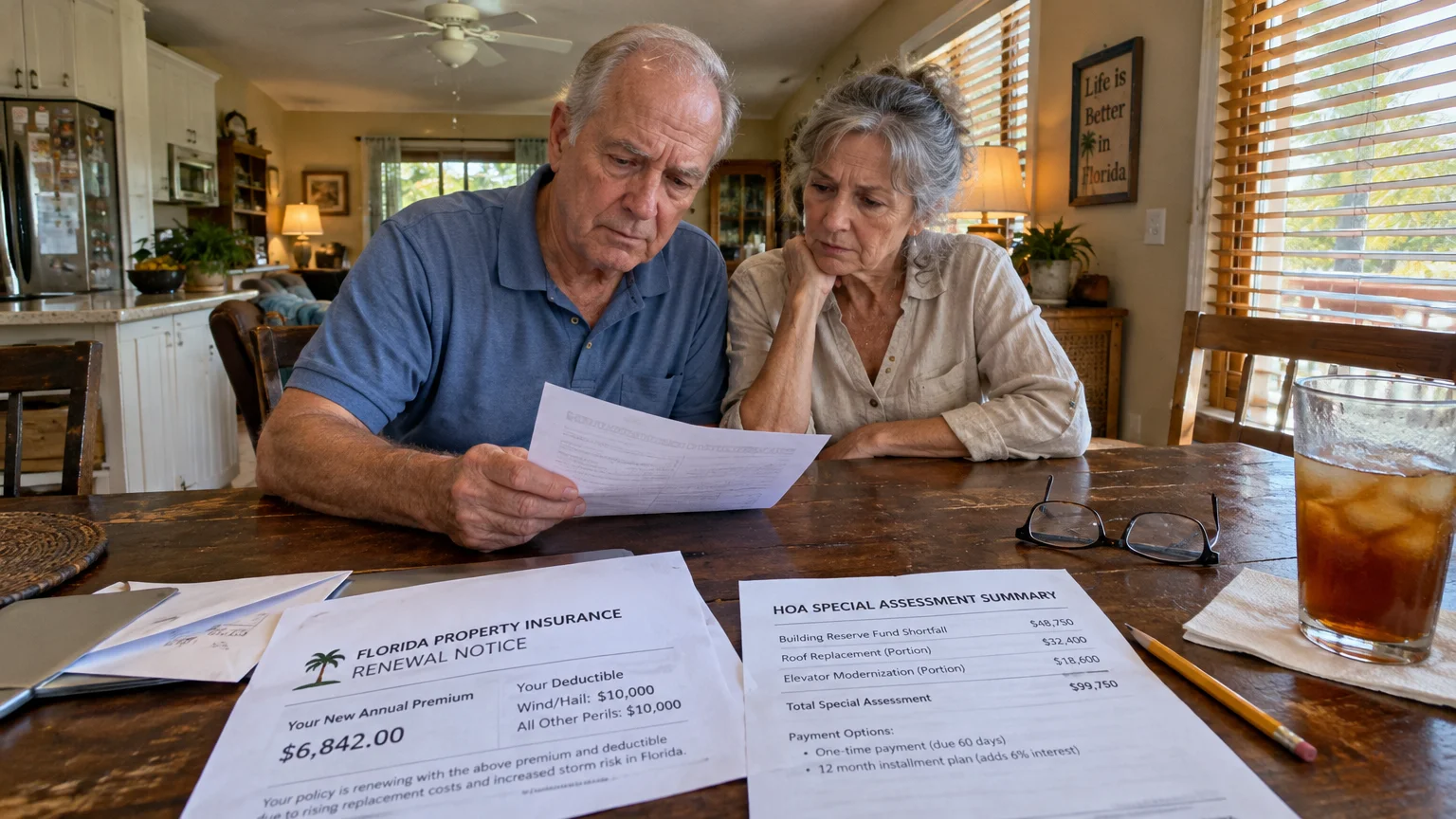
Tampa boasts world-class dining and cultural museums, but it has become an expensive, congested relocation target. The median closed home sale price stands at $435,000.
Low-lying coastal neighborhoods around Tampa Bay face catastrophic storm surge risks during severe hurricanes. Property owners must carry costly flood policies alongside high standard insurance premiums that average $8,471 statewide.
Severe traffic across the Howard Frankland Bridge and I-275 makes spontaneous travel stressful and time-consuming. Retirees often miss out on cultural events across the bay due to daunting commuter congestion.
Rapidly increasing municipal property taxes further pressure monthly budgets for those living on fixed retirement income. High living costs force many seniors to cut back on travel and social outings.
Look toward eastern Hillsborough County or northern Pasco County for quieter living. Towns like Safety Harbor offer shady oak-lined streets, local pottery studios, and relaxing waterfront parks.
Small coastal hamlets foster warm community spirit through local holiday parades and open-air craft markets. You can nurture your artistic talents while enjoying a serene pace of life.
Lifestyle Idea #13: St. Petersburg
St. Petersburg features a vibrant downtown waterfront and thriving arts scene, but serious structural risks loom. The median closed sale price for residential homes has risen to $403,000.
Situated on the low-lying Pinellas County peninsula, St. Petersburg faces extreme evacuation bottlenecks during major hurricanes. Preparing for recurring storm threats creates significant anxiety for seniors living independently.
Many charming historic neighborhoods contain older wood-frame houses that lack modern wind-mitigation safeguards. Insuring an older home averages $18,365 per year, placing enormous strain on retirement reserves.
Escalating condo assessments under HB 913 have also shaken downtown residential towers. Unplanned structural reserve fees make budgeting nearly impossible for retirees attempting to downsize into coastal high-rises.
Consider charming, higher-ground Pinellas alternatives like Dunedin. Dunedin provides walkable Scottish-themed downtown streets, immediate access to the Pinellas Trail, and active sailing clubs.
Living along accessible trail networks encourages daily walking, jogging, and bicycling with fellow retirees. You will build endurance and genuine camaraderie under sunny Florida skies.
Lifestyle Idea #14: Port St. Lucie
Port St. Lucie has experienced rapid residential growth, with the median closed home sale price reaching $399,000. However, the city suffers from disjointed suburban sprawl and car dependency.
The city completely lacks a historic town center where neighbors can stroll, gather, and interact casually. Older residents often feel socially isolated inside vast tracts of uniform subdivisions.
Congestion along major arteries like St. Lucie West Boulevard turns daily errands into grueling drives. Lacking accessible public transit, non-driving seniors face severe mobility and socialization barriers.
Rising homeowners association fees and escalating property taxes compound the area’s financial burdens. These recurring overhead costs eat away at discretionary funds meant for grandchildren visits and personal hobbies.
Explore nearby Jensen Beach or Vero Beach for richer community identity and connection. These towns feature walkable riverfront villages, community art leagues, and accessible beachfront boardwalks.
Vibrant beachside towns host weekly acoustic concerts and outdoor art strolls that bring neighbors together naturally. You can immerse yourself in local culture without fighting sterile suburban gridlock.
Lifestyle Idea #15: Naples
Naples offers pristine Gulf beaches and manicured golf greens, but it remains financially out of reach for most. It consistently ranks as one of Florida’s most expensive metro areas.
Skyrocketing housing prices and exclusive private club initiation fees create steep economic hurdles for newcomers. Retirees with moderate savings often find themselves priced out of local social circles and recreation.
Everyday expenses like groceries, restaurant dining, and home maintenance cost substantially more than in standard Florida markets. Florida’s 101.6 Cost of Living Index fails to capture Naples’ premium pricing environment.
Waterfront properties also face massive hurricane exposure and surging private flood insurance rates. Costly mandatory upgrades and insurance renewals drain investment portfolios faster than anticipated.
Turn your attention toward friendly Gulf Coast alternatives like Venice or Punta Gorda. You will find affordable golf communities, community theater groups, and welcoming cycling clubs.
These welcoming towns emphasize inclusive social clubs, master naturalist volunteer groups, and public pickleball complexes. You can forge deep social bonds without emptying your retirement nest egg.
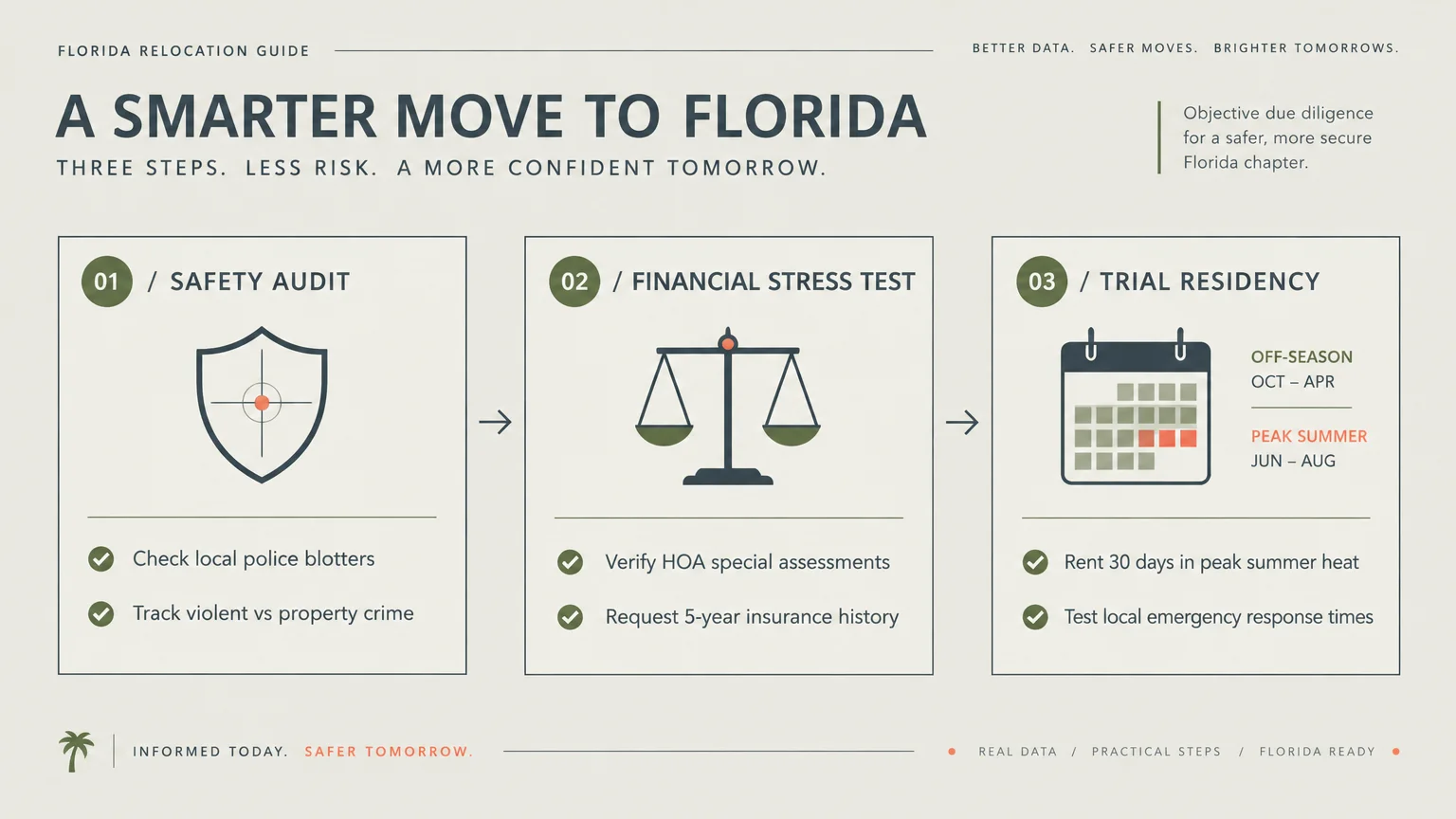
Putting It into Practice: Small Steps for Big Changes
Planning a thriving florida retirement requires clear research and proactive financial steps. You can safeguard your lifestyle and nest egg by vetting communities thoroughly before signing contracts.
Begin by requesting insurance quotes for specific properties before submitting purchase offers. Compare older properties with modern wind-mitigated homes, which cost an average of $7,914 annually to insure.
If you plan to downsize into a condominium, review the association’s structural reserve study. Ensure the property complies with HB 913 mandates and maintains fully funded reserves above the $25,675 statutory threshold.
Spend at least two weeks renting in your target neighborhood during peak tourist season. Test the local traffic, sample community fitness classes, and speak with local seniors about everyday living costs.
Connect with local community centers, pickleball leagues, or volunteer groups during your exploratory visits. Building an authentic social network before moving guarantees a joyful, connected start to your next chapter.
Review official state flood maps and hurricane evacuation zones before committing to a home. Choosing higher ground protects your physical safety and saves thousands in annual insurance premiums.
Discuss your relocation budget with a fiduciary financial advisor to confirm long-term viability. Proactive preparation frees you to focus on creative hobbies, travel, and rewarding family moments.
Frequently Asked Questions
How can you keep homeowners insurance affordable when you retire in Florida?
You can lower insurance costs by buying homes built after 2002 that feature modern wind-mitigation technology. Newer homes cost an average of $7,914 to insure, compared to $18,365 for older structures.
Installing impact-resistant windows and reinforced garage doors provides immediate premium discounts. You should also consider choosing properties in higher elevation zones to avoid expensive mandatory flood insurance.
What questions should condo buyers ask before purchasing in Florida?
Always request a copy of the building’s Structural Integrity Reserve Study mandated by HB 913. Ask whether the board has completed mandatory inspections and fully funded all structural reserve accounts.
Inquire about any impending special assessments or planned increases in monthly maintenance dues. Under Rule 61B-22.005, buildings can no longer easily waive structural reserves, leading to higher monthly fees.
How do you overcome social isolation after relocating to Florida?
Join local hobby clubs, community garden cooperatives, or recreational sports leagues immediately after arriving. Engaging in volunteer programs at local botanical gardens or animal shelters connects you with like-minded peers quickly.
Attend classes through local community colleges or Osher Lifelong Learning Institutes to stimulate your mind. Staying active in group activities builds strong friendships and keeps your retirement vibrant and fulfilling.
Is Florida still affordable for retirees on a fixed Social Security budget?
Florida remains viable for fixed-income retirees, but you must avoid expensive coastal metros. Florida’s Cost of Living Index stands at 101.6, just 1.6% above the national baseline.
Choosing inland towns with lower property taxes and manageable home prices helps protect your monthly budget. Avoiding communities with high crime and exorbitant insurance ensures your savings last comfortably.
For resources on retirement living, travel, and finance, visit AARP. Official information on Social Security is available at SSA.gov. For travel advisories, consult the U.S. Department of State.
Disclaimer: This article provides lifestyle suggestions for informational purposes. Financial, legal, or travel decisions should be made in consultation with qualified professionals.