

Stepping back into parenting reshapes your budget, schedule, and retirement overnight. About 2 million U.S. grandparents carried primary responsibility for grandchildren in 2024, with almost 1 million children living with them without parents present.
Kinship care saves taxpayers at least $10.5 billion annually, yet 19 children live in informal grandfamilies for every 1 in foster care. Many families miss out on support simply because nobody explains their options.
Targeted government help for grandparents eases daily costs through respite care, monthly grants, and 2026 tax credits. Claiming these caregiver benefits protects your nest egg so you can enjoy life together.
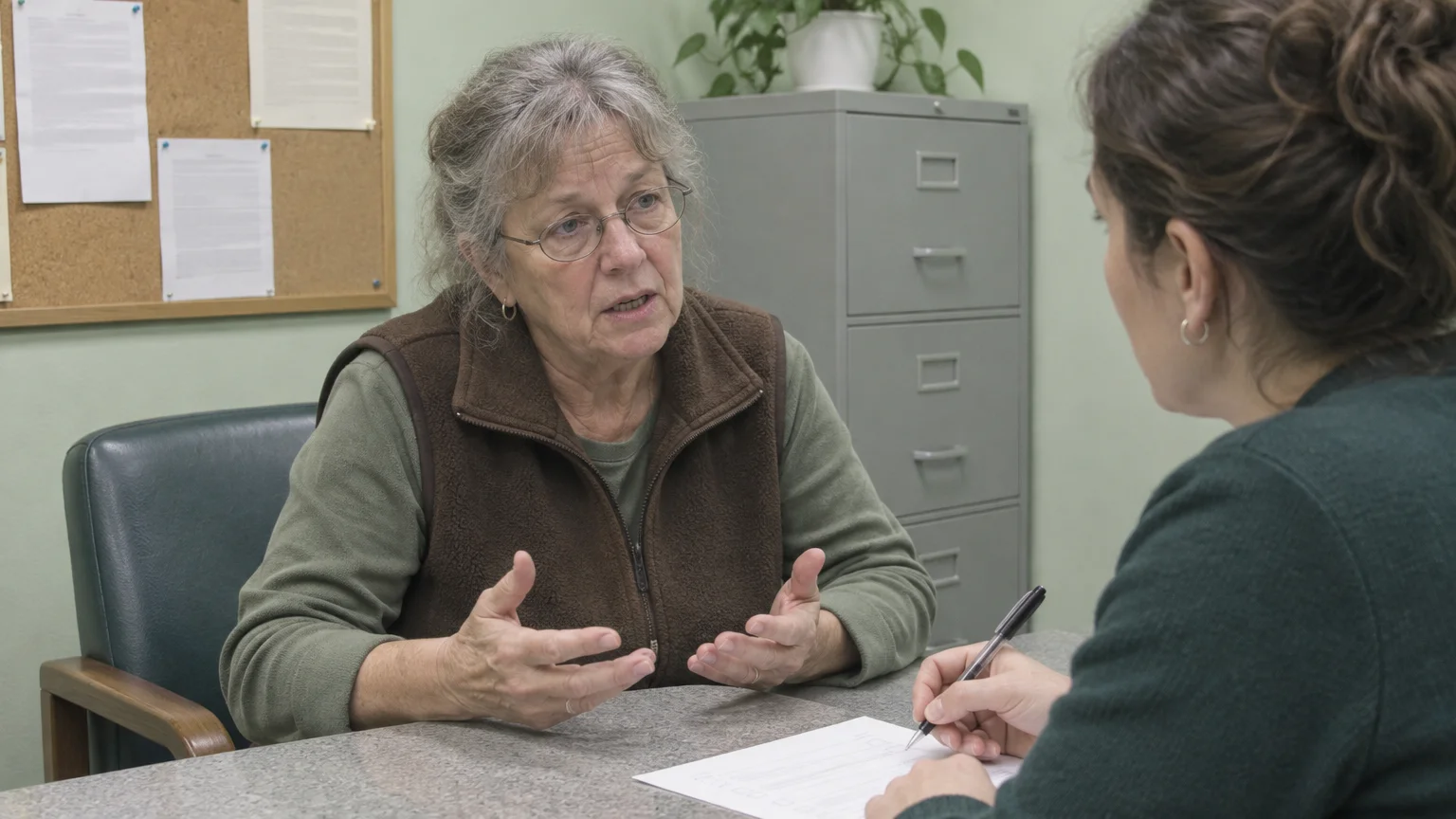
Lifestyle Idea #1: Tap Into Caregiver Respite and Kinship Navigators
Grandparents raising grandchildren need regular breaks to stay energized and patient. Under the Older Americans Act, the National Family Caregiver Support Program funds free local services through 622 Area Agencies on Aging.
You qualify if you are aged 55 and older and serve as the primary caregiver for a grandchild under 18 living with you. Best of all, you can access support even without a formal court order.
Backed by $209.0 million in 2026 federal funding, this program offers counseling, support groups, school supplies, and legal aid. It also covers respite care—such as summer camps, after-school programs, and in-home relief—so you can recharge.
Federal Kinship Navigator grants reserve $10 million yearly from 2026 through 2029 to guide relative caregivers toward local aid. Eleven states and 1 territory run federally approved programs, while many others fund state navigators.
Asking for respite is not a sign of weakness; it protects your health and patience. Even one Saturday afternoon off each month gives you space to see friends, run errands, or rest.
Lifestyle Idea #2: Claim Monthly Child-Only Grants or Foster Care Payments
Monthly cash assistance helps pay for groceries, clothes, and school activities without draining your retirement accounts. If you raise grandchildren outside the foster care system, Temporary Assistance for Needy Families offers monthly support.
Unlike standard welfare checks, child-only cash grants calculate payments from the child’s income rather than yours. Federal rules also exempt these grants from the 60-month lifetime limit, though states set their own benefit amounts.
Keep in mind that child-only grants typically pay less than half of a foster care payment. If child welfare services placed your grandchild with you, becoming a licensed kinship foster parent unlocks substantially higher monthly checks.
Nationally, 44% of children living with relatives in foster care reside in unlicensed homes. A federal rule now lets agencies adopt streamlined kinship licensing focused strictly on safety and background checks.
By February 2026, 19 states and 5 Tribes had submitted plans for separate kinship standards, guaranteeing equal monthly Foster Care Maintenance Payments. If you later assume legal guardianship, the Guardianship Assistance Program can continue those monthly payments.
Lifestyle Idea #3: Secure Social Security Benefits for Your Grandchildren
Your Social Security work record might also support your grandchild each month. Eligible unmarried grandchildren generally receive payments until age 18, or up to age 19 if enrolled full-time in high school.
A grandchild can collect up to 50% of your full retirement or disability benefit while you live, and 75% in survivor benefits. Family maximum caps sit between 150% and 180% of your full benefit, and their check never reduces yours.
However, the Social Security Administration enforces strict eligibility pathways. Either both biological parents must be deceased or have a disability without providing regular support, or you must legally adopt the child.
Timing matters enormously when you apply. If you already receive Social Security retirement or disability checks, legal adoption is required for your grandchild to qualify on your record—legal custody alone is not enough.
Without adoption, your grandchild must have lived with you before age 18 while receiving at least half their financial support from you for a full year. Payments can also continue past age 18 if a grandchild’s disability began before age 22.
Before visiting a Social Security office, gather birth certificates, marriage records, and receipts showing your financial support. Having clear proof of your grandchild’s living arrangement speeds up the review process.

Lifestyle Idea #4: Maximize Expanded 2026 Federal Tax Credits
Permanent updates taking effect for the 2026 tax year deliver major relief for grandfamilies. The Child Tax Credit now provides up to $2,200 per qualifying child under age 17 living with you more than half the year.
Up to $1,700 per child is refundable via the Additional Child Tax Credit if you have $2,500 or more in earned income. Both you—or one spouse filing jointly—and the child must hold an employment-valid Social Security number.
This credit phases out starting at $200,000 in modified adjusted gross income for single filers, or $400,000 for joint filers. Grandchildren aged 17 or older still qualify for up to $500 under the nonrefundable Credit for Other Dependents.
Still working? The 2026 Child and Dependent Care Credit reimburses up to 50% of care costs for grandkids under 13, reaching $1,500 for one child or $3,000 for two or more.
Workplace Dependent Care Flexible Spending Accounts also rose to $7,500 in 2026, or $3,750 if married filing separately. Working grandparents with investment income below $12,200 may also claim up to $8,231 through the Earned Income Tax Credit; the earned income limit reaches $70,244 for married couples filing jointly with three or more children.
If you legally adopt a grandchild in 2026, the Adoption Tax Credit reaches $17,670 per child, with up to $5,120 refundable. Keep an eye out for the new Schedule 3-A (Form 1040) when claiming refundable credits.

Lifestyle Idea #5: Lower Grocery and Healthcare Bills Through Federal Programs
Growing kids empty the pantry fast, so trimming food and medical costs frees cash for family outings. SNAP benefits offer up to $306 monthly for one person or $1,023 per month for a four-person household in 2026.
Federal rules generally cap gross income at 130% of the Federal Poverty Level, though many states expand eligibility to 200% and waive asset tests. Qualifying for SNAP makes a household automatically income-eligible for free school meals and for WIC for children under age 5.
Keeping grandkids healthy does not have to drain your retirement medical fund. Many states cover children under Medicaid or CHIP well above 200% of the Federal Poverty Level, which equals $1,330 monthly for an individual in 2026.
For grandkids with significant disabilities needing institutional-level care, 43 states offer Katie Beckett Medicaid pathways. These programs evaluate only the child’s own income and assets—never your retirement savings—until age 20.
Additionally, children with qualifying disabilities may collect Supplemental Security Income up to $994 monthly in 2026 if resources stay below $2,000. Combining nutrition and medical aid stabilizes your budget while protecting your grandchildren’s health.
Every dollar saved on groceries and co-pays stays in your pocket for weekend museum trips or sports gear. Contact your state human services office to check combined applications for food and medical coverage.

Putting It into Practice: Small Steps for Big Changes
You do not need to tackle every application in one exhausting afternoon. Pick the single benefit that solves your biggest monthly challenge—whether groceries, after-school respite care, or health insurance—and start there this week.
Assemble a folder containing your Social Security card, your grandchild’s birth certificate, proof of residency, and any custody or school letters. Keeping those documents handy turns intimidating intake calls into quick, productive conversations.
Next, call your local Area Agency on Aging to ask about caregiver benefits and state kinship navigator programs. Leaning on community support protects your retirement joy so you can focus on making memories together.
Frequently Asked Questions
Can I get government help for grandparents without formal legal custody?
Yes; several programs serve informal grandfamilies without a court order. You can access National Family Caregiver Support Program services at age 55 or older, claim child-only TANF grants, and apply for SNAP or Medicaid based on household rules.
Will receiving caregiver benefits reduce my Social Security retirement check?
No, benefits paid to an eligible grandchild on your record never reduce your monthly Social Security check. Likewise, child-only TANF grants and children’s Medicaid programs do not reduce your earned retirement income.
What if I feel hesitant or overwhelmed asking for assistance?
Remember that kinship care saves taxpayers at least $10.5 billion annually by keeping kids out of foster care. You funded these programs through decades of taxes, and caregiver support groups can connect you with peers walking the same path.
Do I need a tax professional to claim the 2026 credits?
Because 2026 introduces Schedule 3-A (Form 1040) alongside higher Child Tax Credit and Dependent Care limits, consulting a qualified tax preparer helps prevent errors. Free volunteer tax programs also assist older adults with dependency filings.
For resources on retirement living, travel, and finance, visit AARP. Official information on Social Security is available at SSA.gov. For travel advisories, consult the U.S. Department of State.
Disclaimer: This article provides lifestyle suggestions for informational purposes. Financial, legal, or travel decisions should be made in consultation with qualified professionals.