
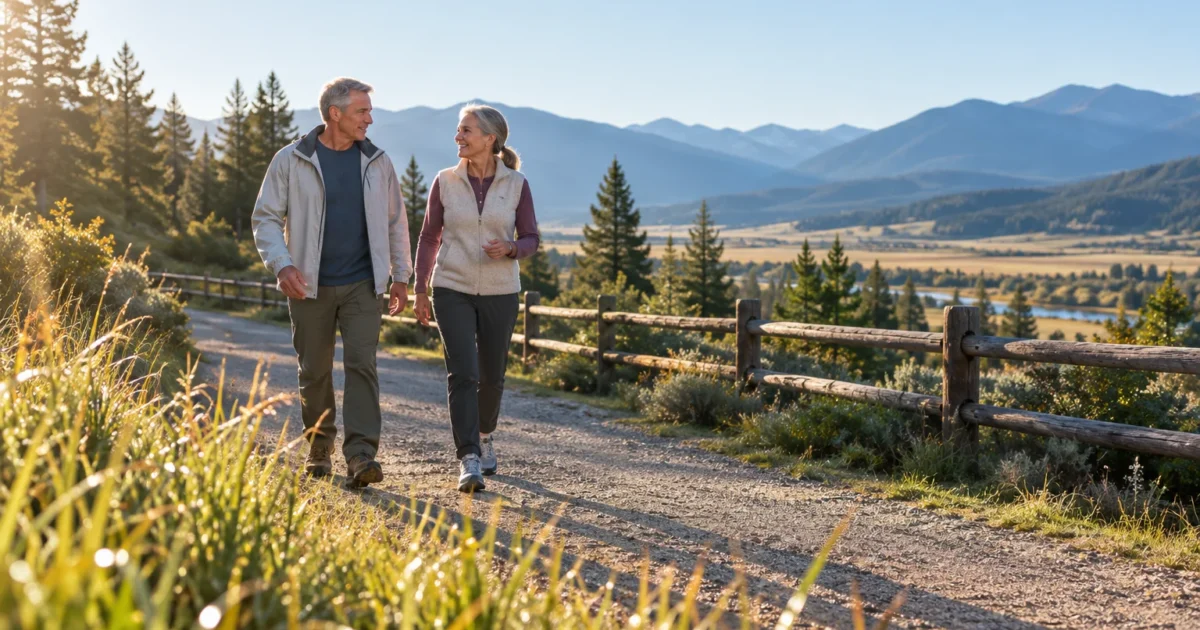
You do not have to endure bitter blizzards, icy roads, or heavy snow shoveling during your golden years. Finding a peaceful haven with gentle breezes and generous sunshine can completely transform your daily comfort and overall health.
While conventional sunbelt hotspots often bring dense traffic and skyrocketing costs, several lesser-known communities offer remarkably pleasant winter conditions. Retirees across the country praise these unique regional microclimates as relaxing, affordable escapes.
Settling in a temperate location allows you to walk outdoors, garden, and socialize every single month. Here are eleven wonderful places where winters feel surprisingly mild, inviting, and easy to enjoy.
Tip #1: Sequim, Washington
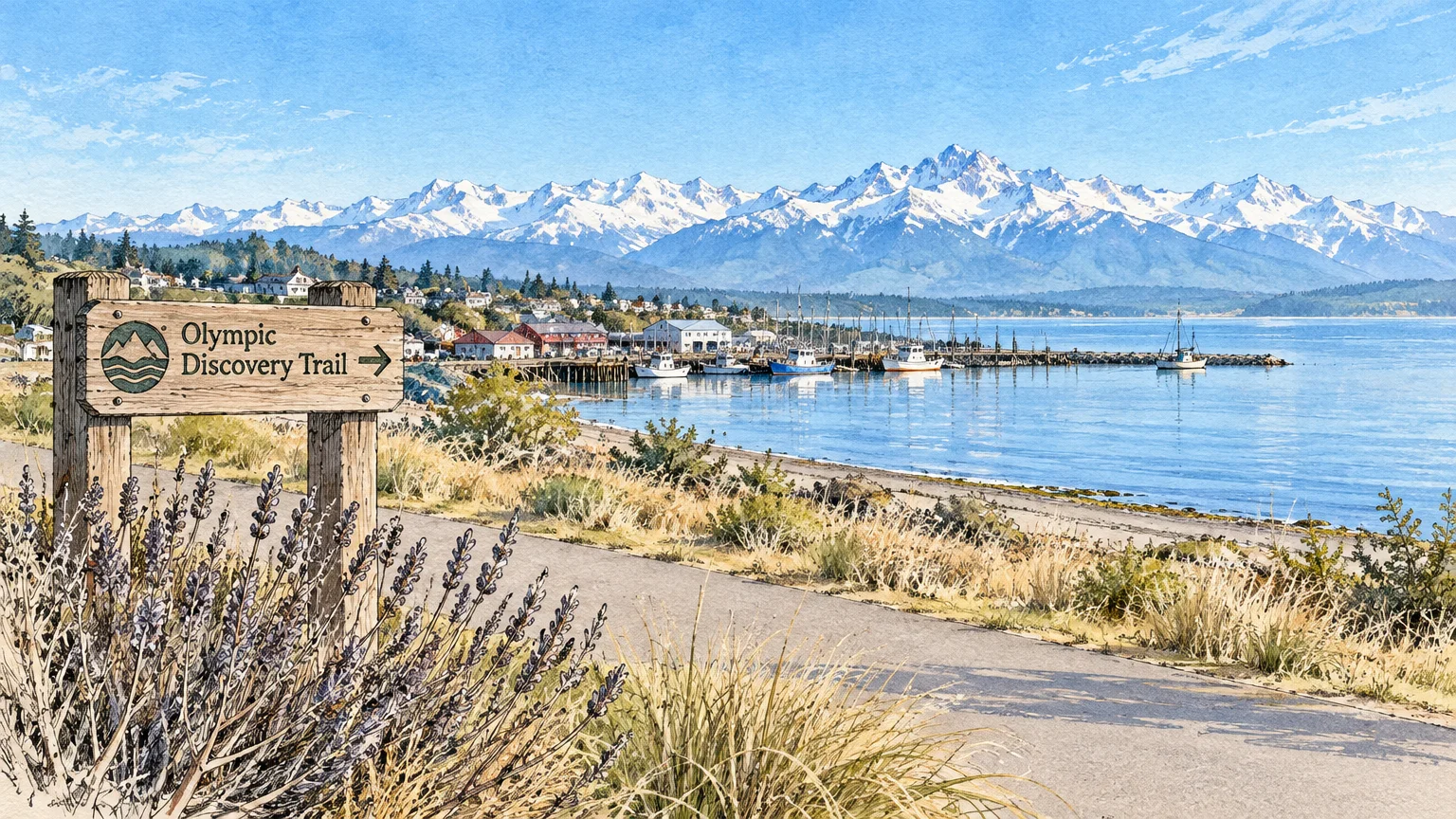
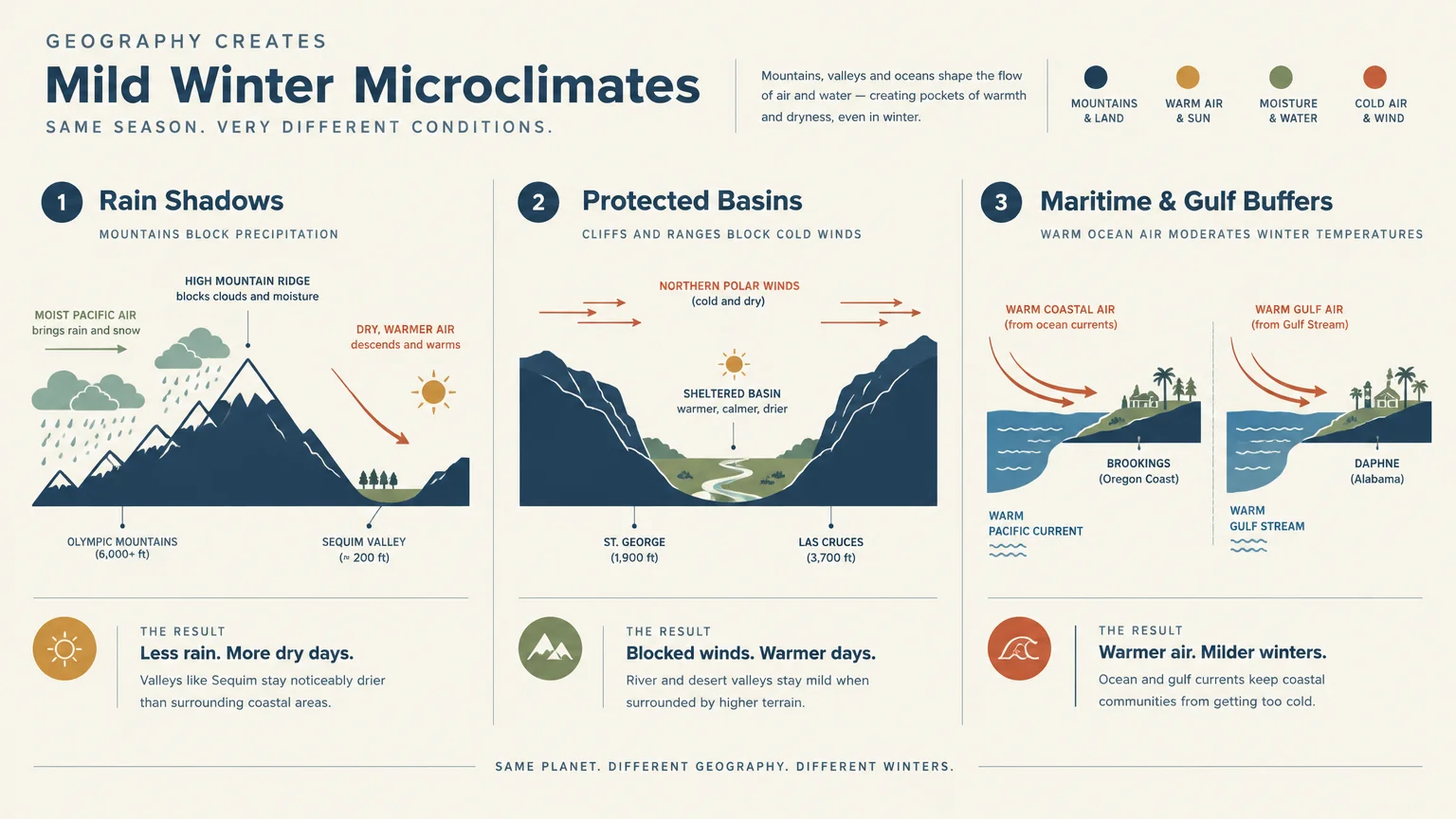
Sequim sits right in the Olympic Rain Shadow, which grants the town its famous nickname of Sunny Sequim. You will experience roughly sixteen inches of rain each year, an amount comparable to dry southern California regions.
Winter daytime highs consistently reach the upper forties and lower fifties; severe freezing spells are surprisingly rare. Ocean breezes drifting across the Strait of Juan de Fuca soften the climate and deflect harsh northern storms.
You can spend peaceful winter mornings walking the Olympic Discovery Trail or watching wildlife along the Dungeness coastline. Paved, level trails make outdoor exercise both safe and visually stunning throughout the cooler months.
Local wellness centres and top medical clinics cater directly to active seniors seeking balance and robust vitality. The community hosts friendly book clubs, master gardener groups, and lively indoor craft markets throughout the season.
This Pacific Northwest jewel demonstrates that you can live near majestic snow-capped peaks without enduring constant dreary rain. It is a fantastic choice for retirees who appreciate crisp air and tranquil maritime beauty.

Tip #2: St. George, Utah
Situated in Utah’s low-elevation southwestern corner, St. George features an enviable Mojave Desert microclimate. You can look forward to bright winter afternoons where temperatures regularly reach into the pleasant upper fifties and low sixties.
The valley gathers around three hundred sunny days annually, keeping seasonal blues far away from your daily routine. Snowfall within the city itself is extremely rare; passing flakes typically melt the moment they touch the ground.
Imagine starting your January mornings with a round of golf against radiant red sandstone cliffs. The paved walking trails at Snow Canyon State Park offer gentle, accessible routes for your daily heart-healthy workouts.
St. George is renowned for its premier healthcare systems and expanding networks of active retirement neighborhoods. Cultural venues, including nearby outdoor Broadway stages and community art galleries, ensure your social calendar stays delightfully engaging.
The city serves as one of the best warm winter retirement destinations for seniors who cherish rugged desert beauty. You gain all the benefits of warm sunshine without the sweltering summer heat found in lower desert basins.
Tip #3: Las Cruces, New Mexico
Located along the sunny edge of the Chihuahuan Desert, Las Cruces provides crisp mornings followed by golden, sun-drenched afternoons. Winter daytime temperatures routinely climb into the pleasant low to mid-sixties.
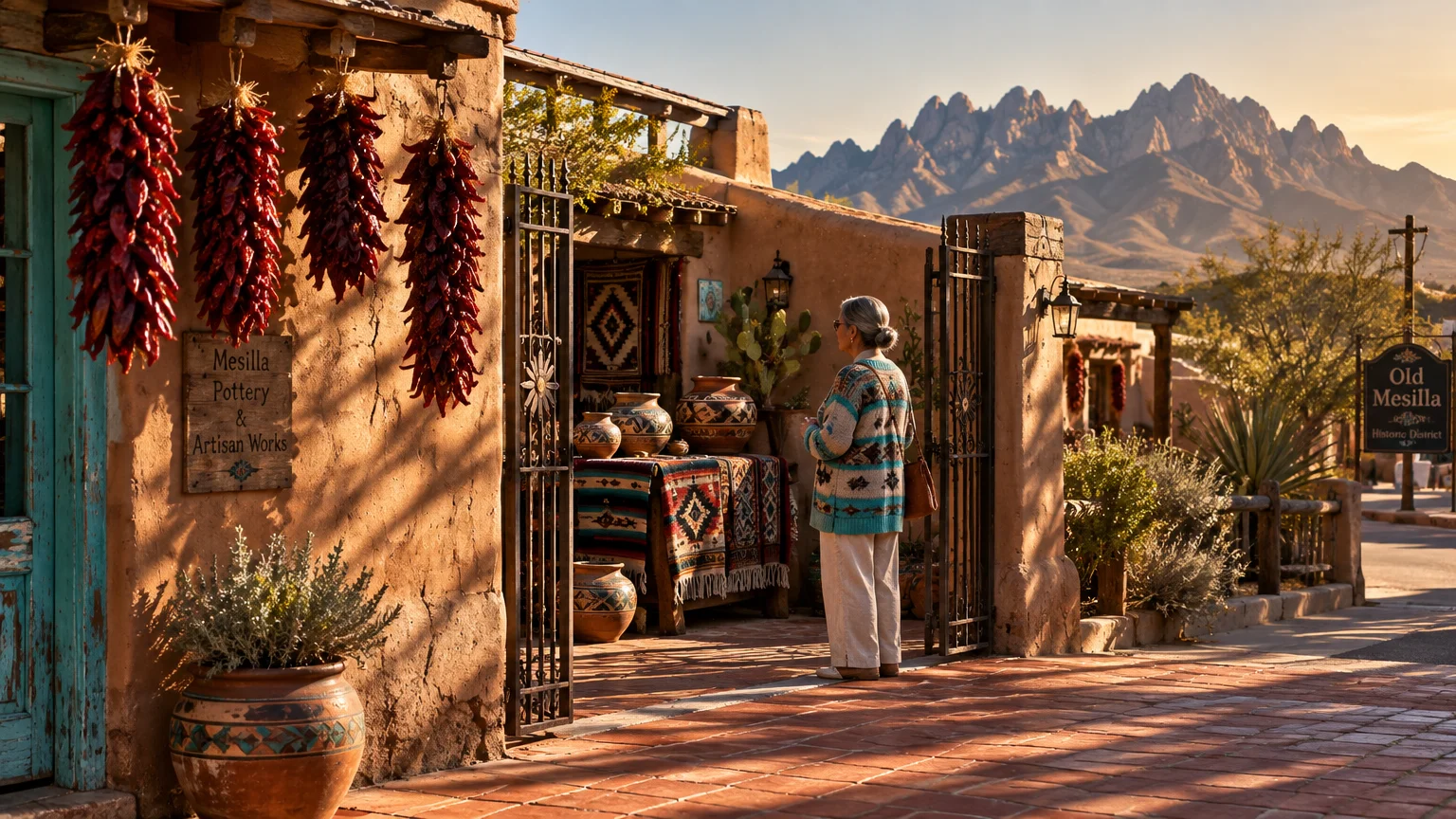
The majestic Organ Mountains shield the Mesilla Valley from biting northern gusts, creating a peaceful and sheltered haven. Extremely low humidity ensures that cool morning temperatures feel invigorating rather than harsh or damp.
You will love wandering through historic Old Mesilla to taste authentic Southwestern cuisine and browse artisan craft shops. Accessible riverside trails along the Rio Grande offer scenic terrain for peaceful afternoon strolls and birdwatching.
Living costs in Las Cruces remain well below national averages, granting you generous financial peace of mind. New Mexico State University invites seniors to audit university classes and participate in enriching lifelong learning lectures.
For anyone researching mild winter places to retire on a comfortable budget, this vibrant city delivers remarkable value. You will enjoy sunny skies, historic southwestern culture, and a relaxed, unhurried pace of living.
Tip #4: Grand Junction, Colorado
While much of Colorado remains covered under heavy snowdrifts, Grand Junction rests inside a sheltered high-desert river basin. Known as the Grand Valley, this microclimate fosters winters that feel surprisingly temperate and approachable.
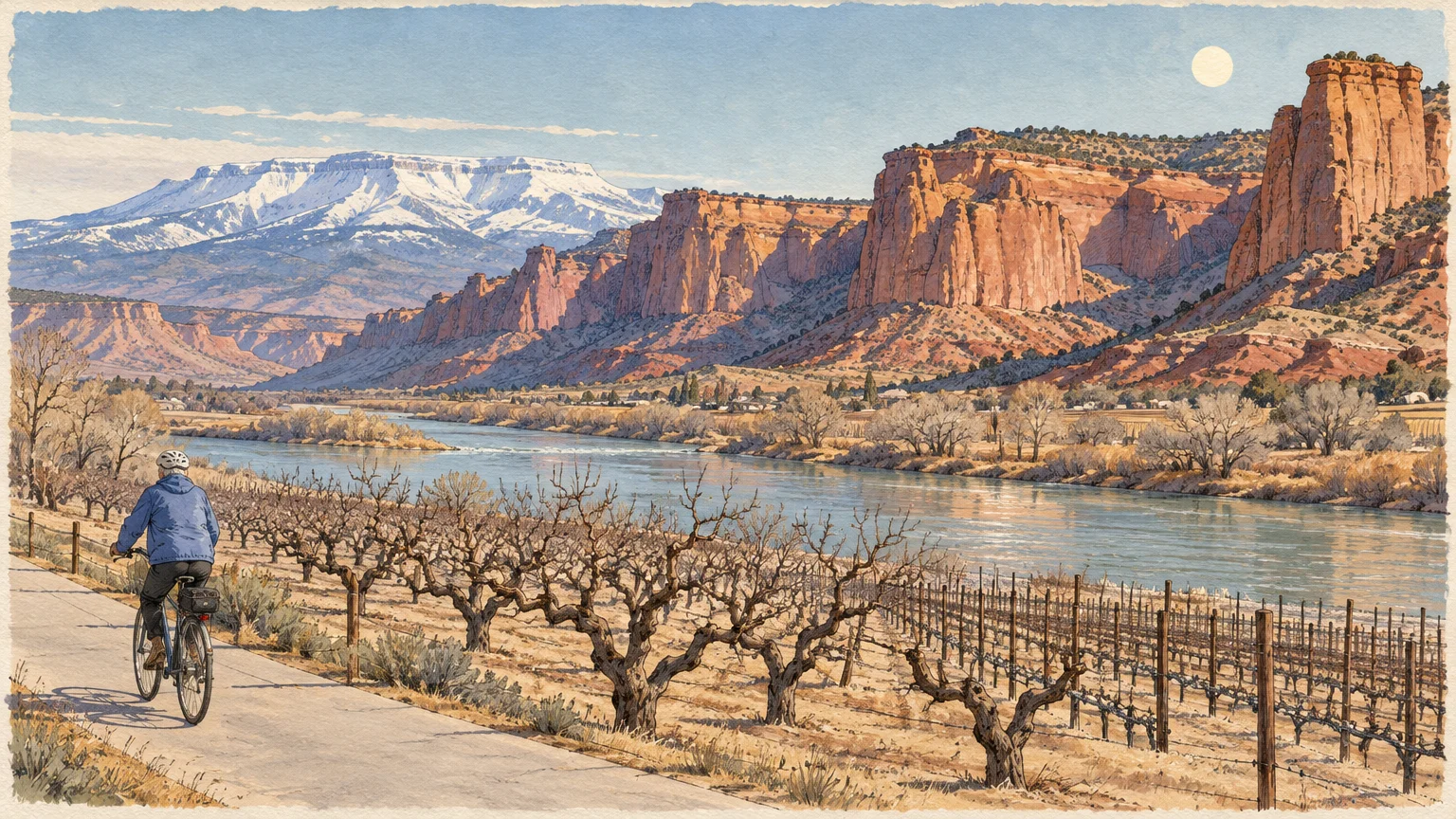
Daytime temperatures frequently reach the mid-forties, and brilliant winter sunshine quickly melts any occasional light snow dusting. You can admire magnificent snow-topped mesas while walking your dog in a simple fleece sweater.
The surrounding valley serves as Colorado’s premier wine country, filled with dozens of scenic orchards and welcoming vineyards. Retirees gather regularly for relaxed wine tastings, farmer markets, and community symphony performances downtown.
High-quality medical centers located right in town specialize in senior care and cardiovascular rehabilitation. The Grand Valley Riverfront Trail offers miles of paved, flat pathways winding gracefully along the Colorado River.
This charming valley offers an ideal balance for retirees who adore mountain backdrops but refuse to shovel frozen driveways. You can embrace the beauty of western Colorado without enduring harsh alpine freezes.
Tip #5: Aiken, South Carolina
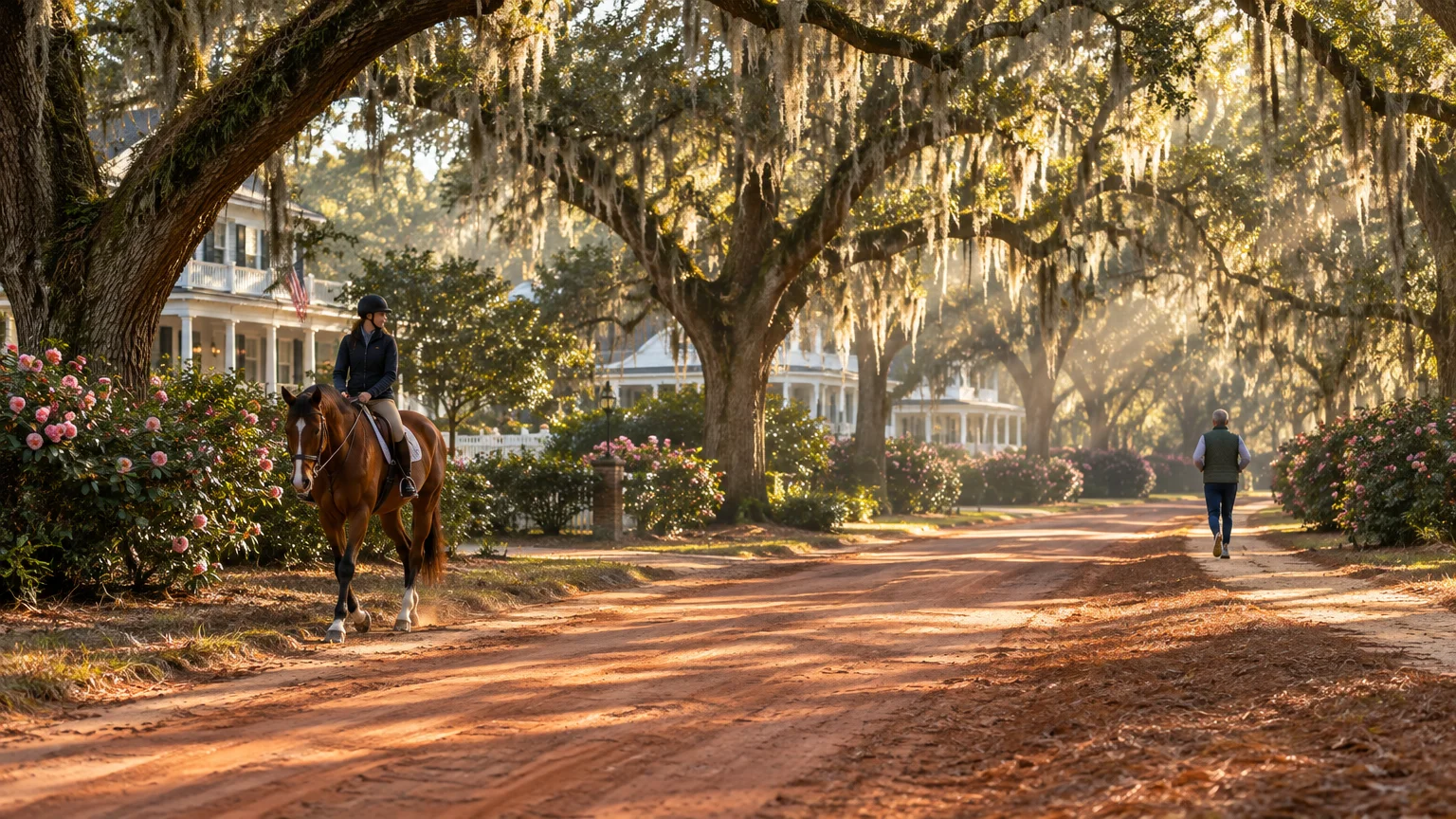
Aiken pairs historic Southern grace with a gentle winter climate that rarely dips below freezing during the day. Afternoon temperatures throughout January and February routinely hover in the upper fifties and low sixties.
Towering live oaks draped in Spanish moss line the city’s wide, pedestrian-friendly downtown boulevards. The sandy local soil absorbs winter rainfall rapidly, ensuring paths and equestrian trails stay dry and pleasant for walking.
World-famous for its rich equestrian traditions, Aiken hosts carriage parades, steeplechases, and polo exhibitions throughout the winter months. An active golfing and tennis community thrives here, welcoming players of all skill levels.
The historic downtown district features independent bookstores, farm-fresh dining, and friendly outdoor cafes perfect for meeting neighbors. The local university campus and active senior centers supply engaging educational lectures and social gatherings.
Aiken provides a peaceful, budget-friendly alternative to crowded coastal resorts while preserving genuine southern charm. It is an uplifting destination to retire where winters are mild and community bonds remain strong.
Tip #6: Brookings, Oregon
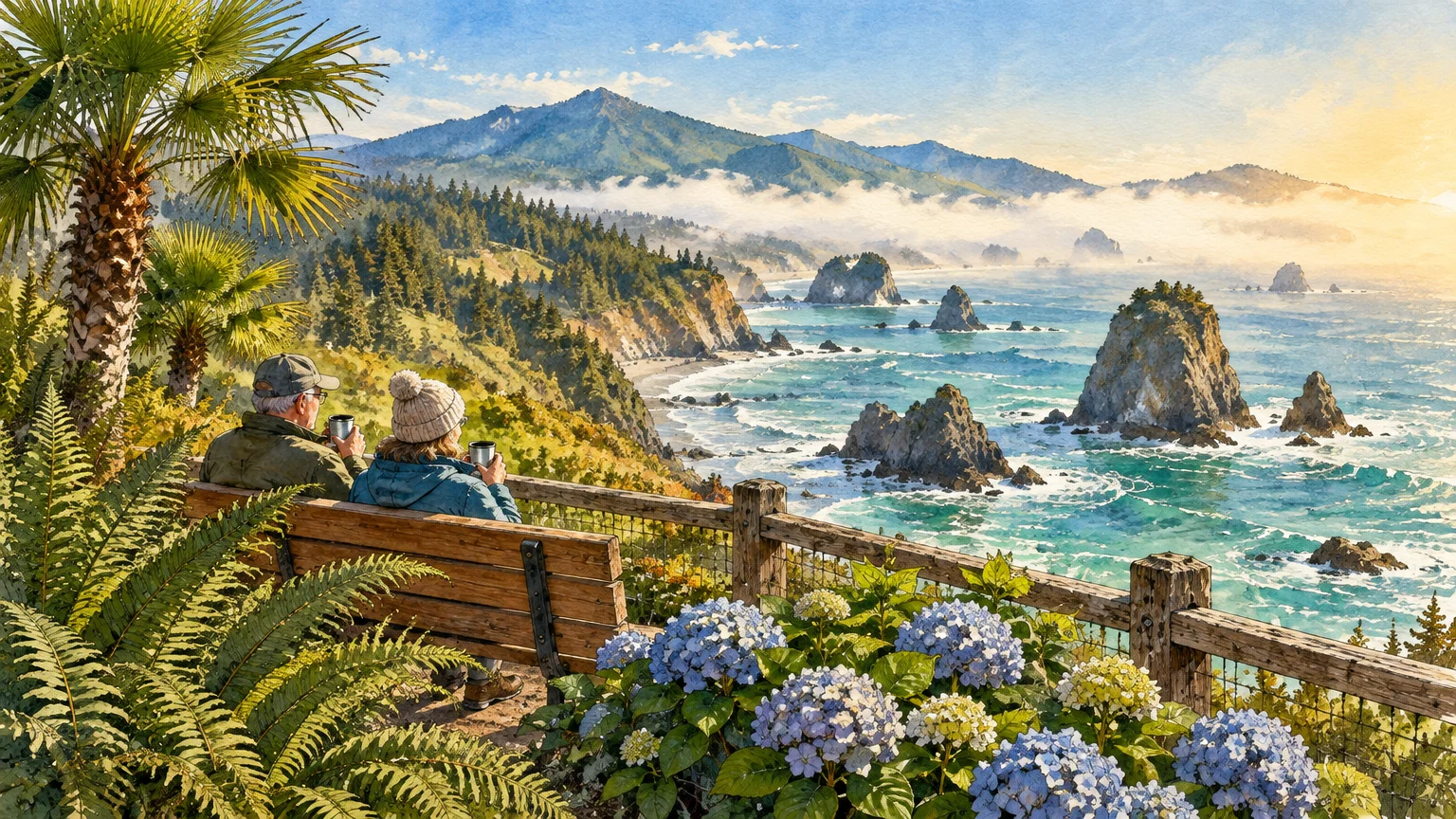
Perched along Oregon’s southern coastline near the California border, Brookings experiences a unique atmospheric phenomenon called the Brookings Effect. Warm air compresses as it rolls down coastal hills, producing an unexpected maritime banana belt.
Winter temperatures often reach into the mid-sixties, occasionally making Brookings warmer in January than coastal Los Angeles. Freezing temperatures and frost are almost nonexistent along this protected Pacific shoreline.
You can wander along serene driftwood beaches while watching migrating grey whales pass by in the Pacific waters. Azalea Park offers paved walkways through manicured botanical grounds, hosting community festivals and weekend gatherings all winter long.
Retirees here deeply appreciate the peaceful coastal rhythm, clean ocean air, and absence of heavy commuter traffic. Fresh seafood markets, community pottery studios, and active gardening clubs make meeting wonderful friends effortless.
If you assumed the entire Pacific Northwest was cold, Brookings will change your perspective entirely. It stands out as one of the most delightful snowbird alternatives along the entire American West Coast.
Tip #7: Kerrville, Texas
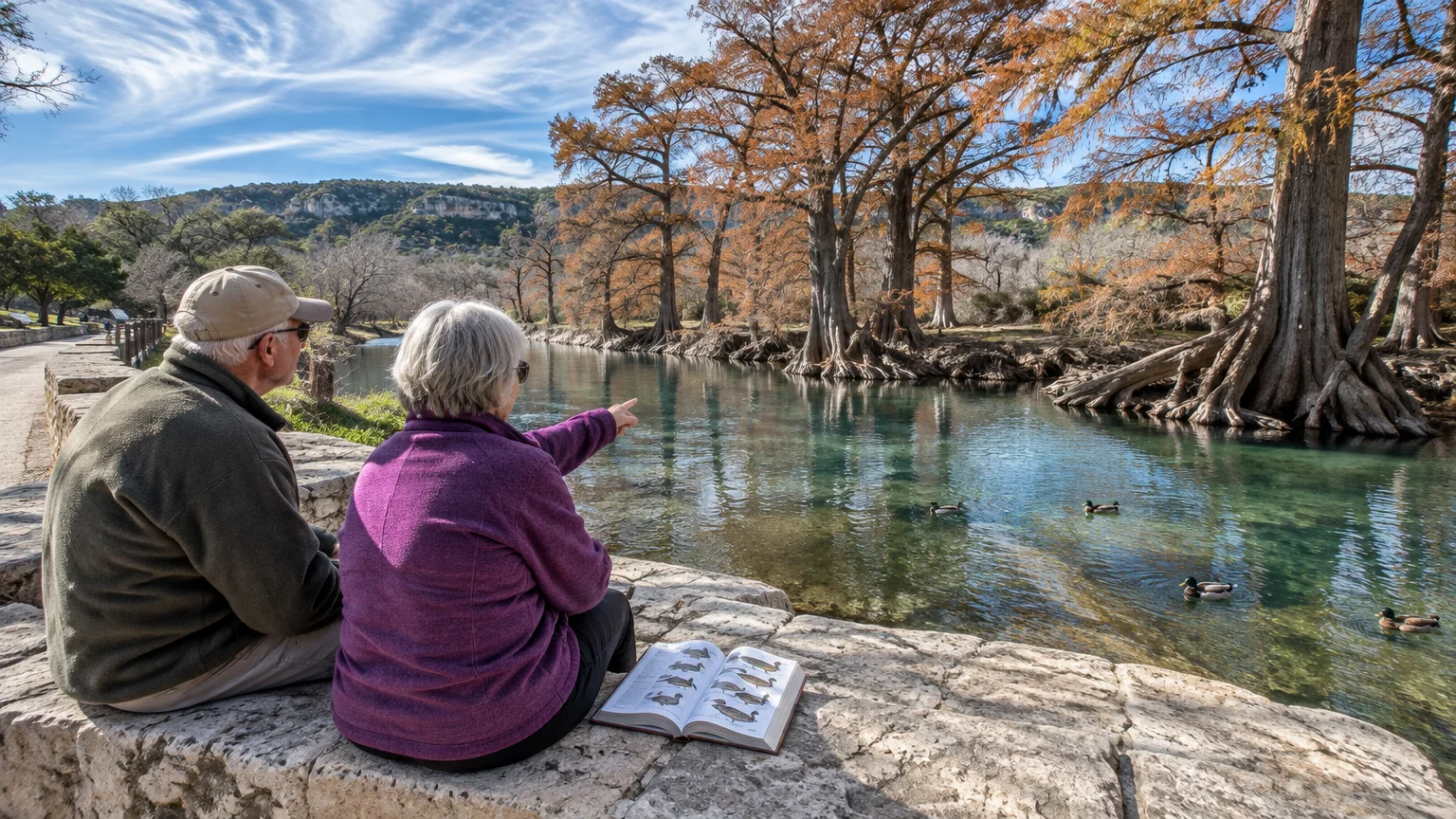
Located in the rolling Texas Hill Country, Kerrville offers a bright, temperate haven throughout the winter season. High temperatures average in the low sixties, accompanied by low humidity and brilliant blue skies.
Surrounding limestone hills shelter the Guadalupe River basin from severe northern cold fronts and harsh winter winds. The dry, sunny air helps retirees maintain active routines without feeling chilled or fatigued.
The Kerrville River Trail features miles of smooth, paved pathways along the riverbank designed for walkers and mobility scooters. You can easily complete your daily morning constitutional while watching native birds along the tranquil water.
Kerrville is renowned for its cultural institutions, including the Museum of Western Art and vibrant local performing arts stages. Exceptional regional medical facilities provide comprehensive specialty care and dedicated senior wellness programs.
This friendly town delivers small-town warmth without the humid winter chill found along the Gulf Coast. It is an inspiring location that keeps you moving outdoors under generous Texas sunshine.
Tip #8: Hendersonville, North Carolina
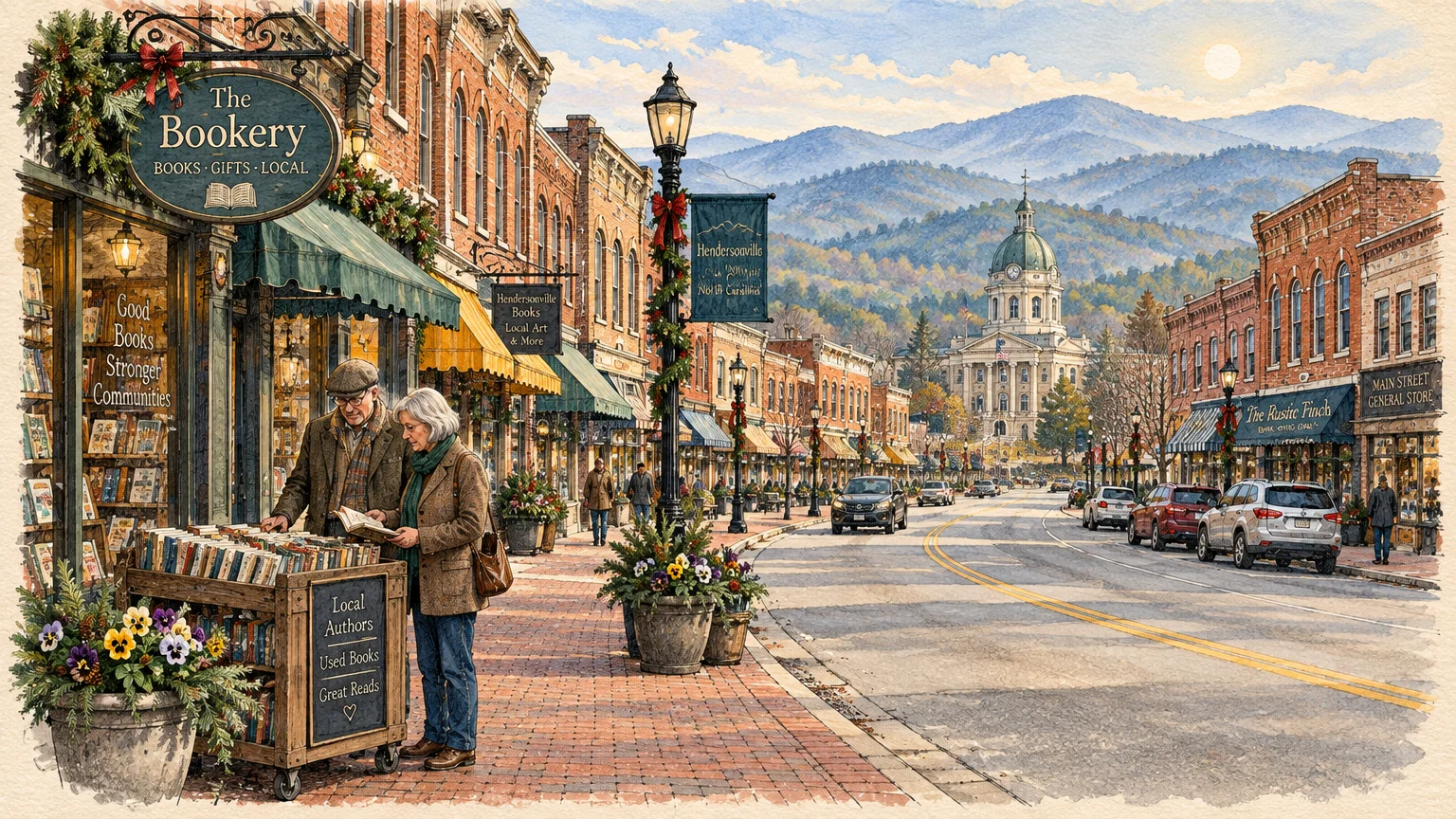
Sitting atop a high plateau in western North Carolina, Hendersonville avoids the biting cold common in higher elevations. Average winter afternoon temperatures frequently reach the low fifties under clear, sunny skies.
The Blue Ridge Mountains form a protective boundary that shields this valley community from freezing continental drafts. While nearby peaks may show snow, Hendersonville receives minimal winter precipitation that melts quickly under midday sun.
Historic Main Street features wide brick sidewalks bordered by delightful bakeries, antique shops, and friendly family-owned cafes. Flat walking surfaces make exploring the downtown shopping and dining district exceptionally safe and comfortable.
You can participate in numerous active social organizations, book clubs, and theatrical shows at the Flat Rock Playhouse. Modern medical systems in Hendersonville and nearby Asheville provide access to world-class healthcare specialists.
For seniors who enjoy four gentle seasons without harsh winter blizzards, this scenic mountain community is ideal. You can breathe pure mountain air while keeping your winter coat in the closet.
Tip #9: Prescott, Arizona
Perched at an elevation of 5,300 feet, Prescott delivers a pleasant balance between freezing northern winters and blistering desert basins. High temperatures in winter consistently reach the mid-fifties under brilliant, unclouded skies.
The dry mountain atmosphere makes afternoon temperatures feel much warmer than the thermometer indicates. Any occasional light snowfall typically vanishes within a few hours, leaving streets and sidewalks dry and clear.
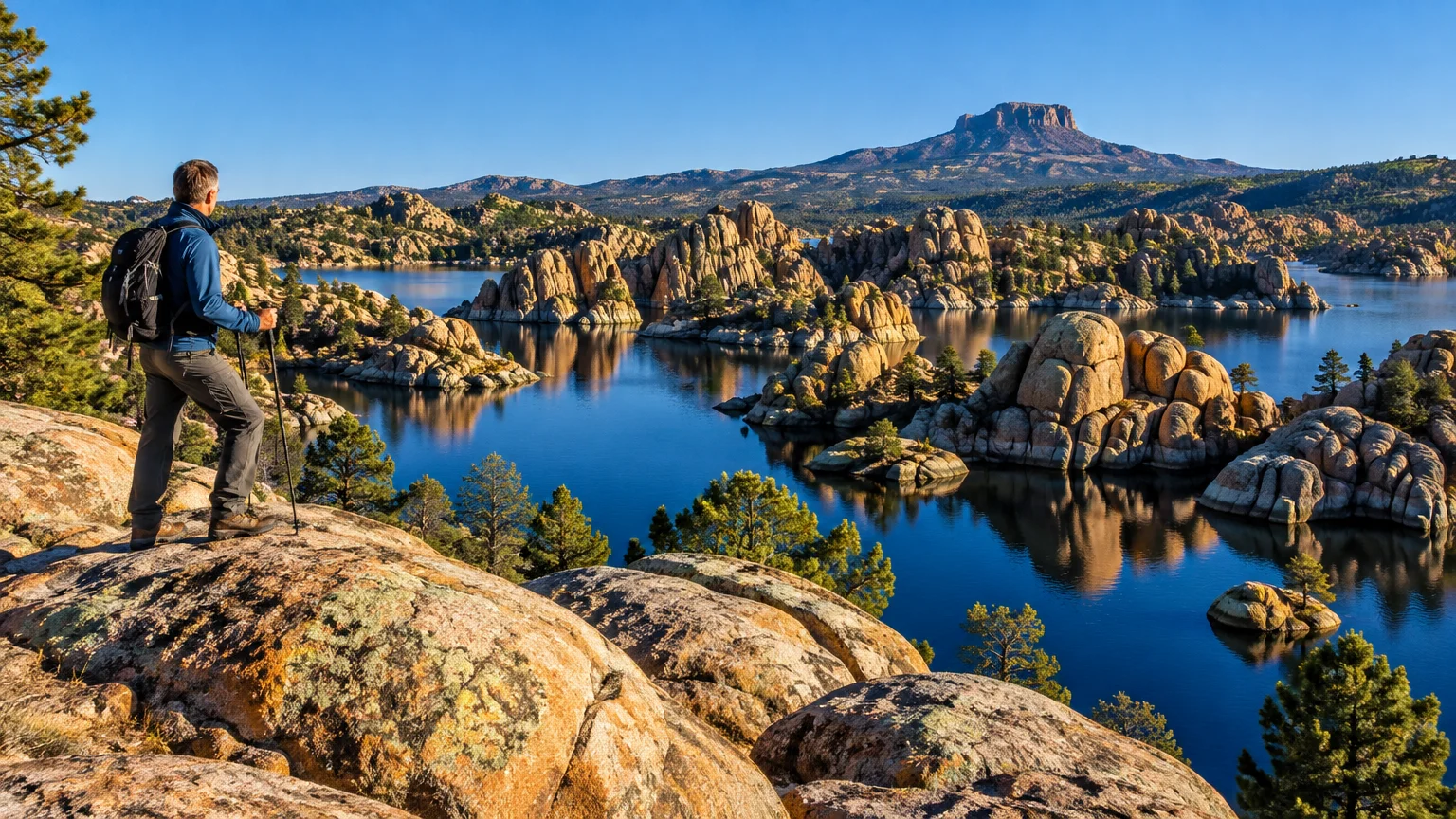
Historic Courthouse Plaza serves as the bustling centerpiece of town, hosting community gatherings, art fairs, and music festivals. You can walk around scenic Watson Lake or hike through fragrant pine forests during comfortable winter afternoons.
Prescott draws retirees from across the country because of its top-rated medical centers, safe neighborhoods, and robust veterans’ programs. Local community colleges offer senior auditing programs to keep your mind stimulated and engaged.
Prescott is one of the best places to retire for winter if you love crisp sunshine over intense desert heat. It combines old-west frontier charm with modern conveniences tailored specifically for retirees.
Tip #10: Daphne, Alabama
Positioned along the eastern shore of Mobile Bay, Daphne enjoys a wonderfully mild subtropical climate. Daytime winter temperatures average in the low sixties, accompanied by refreshing breezes sweeping across the bay.
Mobile Bay acts as a massive thermal regulator, buffering the area against sharp temperature drops and freezing weather. You will marvel at blossoming camellias and lush green lawns throughout the entire winter season.
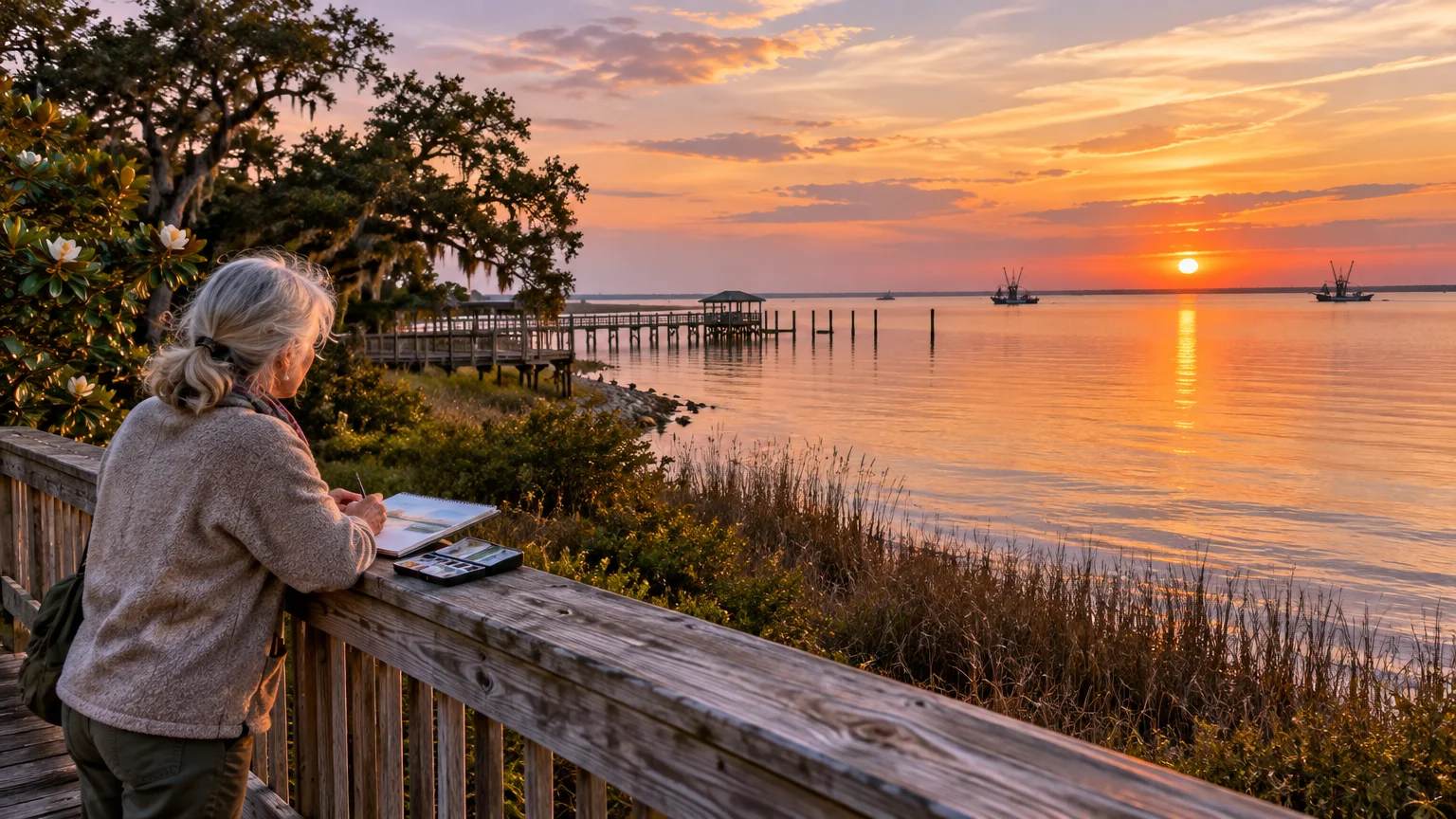
Strolling along Bayfront Park’s wooden boardwalks provides sweeping water views, playful dolphins, and peaceful seabirds. The town is celebrated for its radiant evening sunsets that transform the coastal sky into gold and crimson.
Daphne features easy access to championship golf facilities, local seafood eateries, and senior activity centres offering arts and fitness. In addition, Alabama’s tax benefits on retirement pensions make it very appealing for your long-term finances.
This coastal jewel gives you all the benefits of southern living without the chaotic crowds of tourist beaches. Daphne stands out as a calming, pleasant sanctuary for your winter retirement lifestyle.
Tip #11: Sierra Vista, Arizona
Sheltered against the Huachuca Mountains in southeastern Arizona, Sierra Vista sits at an elevation of 4,600 feet. You can look forward to winter afternoons with bright sunshine and temperatures reaching the low sixties.
The region boasts over three hundred days of clear sunshine each year, banishing gloomy seasonal weather completely. Extremely low humidity means that joint aches often triggered by cold, damp conditions are significantly reduced.
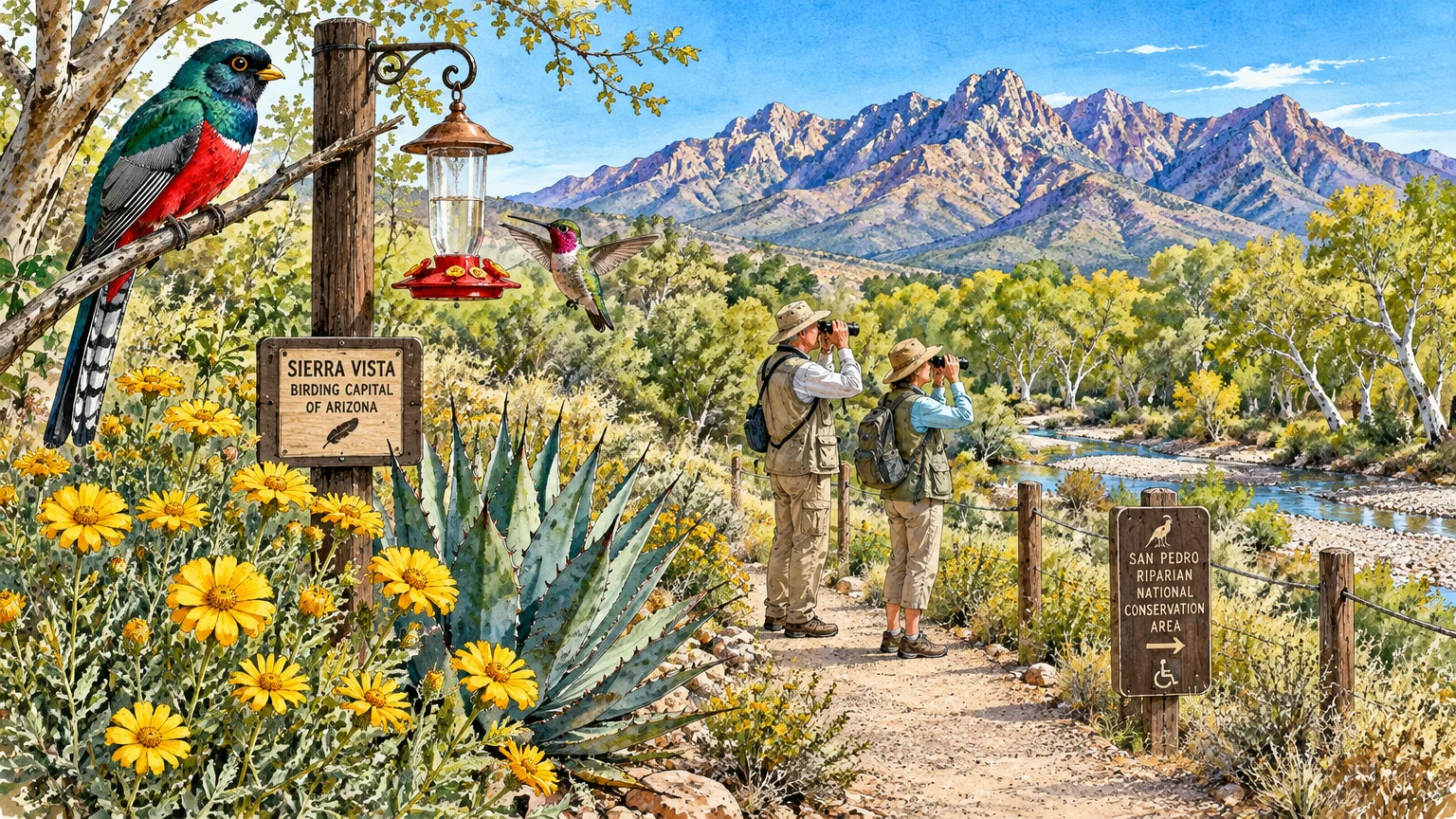
Known as a premier birdwatching destination, the area features tranquil nature sanctuaries like the renowned Ramsey Canyon Preserve. Level, shaded walking paths allow you to view rare wildlife while staying comfortably active in nature.
Top medical centers and modern community recreational facilities provide exceptional resources for health-conscious retirees. Real estate prices and living expenses remain refreshingly affordable compared to larger Arizona metropolitan centers.
Sierra Vista offers you clean mountain air, spectacular starry night skies, and a calm, friendly atmosphere. It is an extraordinary sanctuary for retirees seeking sunshine, natural wonder, and mild winter weather.
The Takeaway: Living a More Blissful Retirement
Spending your winter months in a gentle microclimate can revitalize both your physical energy and emotional happiness. Moderate daytime temperatures invite you to walk outside, socialize with friends, and absorb natural mood-elevating sunshine.
Escaping freezing weather does not require settling in overcrowded, costly tourist destinations. By discovering these unique regional microclimates, you can enjoy pleasant winters while protecting your retirement savings.
Your golden years are an opportunity to explore new hobbies, form lasting friendships, and embrace everyday freedom. Choosing a destination where winter feels surprisingly mild gives you the healthy lifestyle you deserve.
Take time to visit potential retirement havens during January or February to experience their unique charm firsthand. A brighter, warmer winter retirement awaits your next great adventure.
Frequently Asked Questions
How do microclimates keep certain retirement towns surprisingly mild?
Microclimates occur when geographic features like mountains, river valleys, or coastal waters insulate an area from freezing polar air. These natural land formations block harsh arctic winds while capturing and retaining daytime solar heat.
Low humidity and rain shadow effects also prevent prolonged cloud cover, allowing midday sunshine to warm the ground quickly.
Can retiring in a mild winter climate relieve joint pain and stiffness?
Yes, many older adults notice significant relief from arthritis discomfort when living in drier, milder climates. Cold, damp air often increases muscle tension and joint sensitivity, while warmth encourages relaxed movement.
Mild weather also enables consistent daily walking, which lubricates your joints and strengthens supporting muscle groups naturally.
What practical factors should I evaluate before moving to a new winter destination?
You should examine local medical facilities, state taxes on retirement income, housing costs, and proximity to airports. It is also wise to check summer weather conditions to ensure year-round personal comfort.
Renting a home for several weeks during the winter gives you an authentic feel for the local community and daily lifestyle.
How can I stay active and make friends after moving to a new retirement community?
You can join local recreation centers, volunteer for community charities, or take part in senior pickleball and walking clubs. Many retirement towns also host lifelong learning lectures and gardening groups where newcomers are welcomed.
Participating in these organized group activities creates natural opportunities to build meaningful, lasting friendships with fellow retirees.
For a wide range of resources for older adults, visit AARP and the National Council on Aging (NCOA). Health information is available from the National Institute on Aging.
Disclaimer: This article is for informational and inspirational purposes only, and it is not a substitute for professional medical, financial, or psychological advice. Please consult with a qualified expert for guidance tailored to your individual needs.