
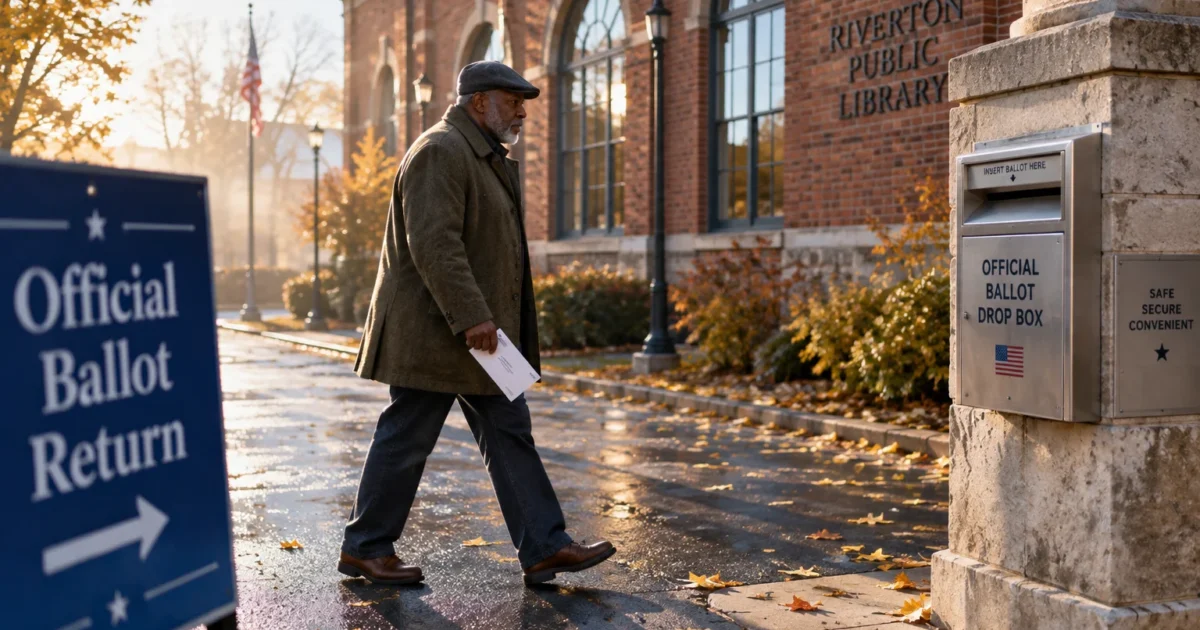
The upcoming congressional elections will directly shape your healthcare coverage, prescription costs, and monthly premiums. Understanding these shifts helps you protect your retirement budget and maintain your peace of mind.
When voters head to the polls on November 3, 2026, the balance of power in Washington will determine crucial Medicare policy changes. Lawmakers will decide how to fund essential benefits and manage out-of-pocket caps.
You deserve clear, uplifting answers about how midterm results Medicare decisions impact your daily health journey. Here are nine practical ways the vote affects your coverage and how you can prepare with confidence.
Tip #1: Preserving Your Prescription Drug Savings and the Part D Cap
Your prescription medicine budget remains one of the brightest spots in recent healthcare policy. The Inflation Reduction Act established a historic out-of-pocket cap on Part D prescription medications.
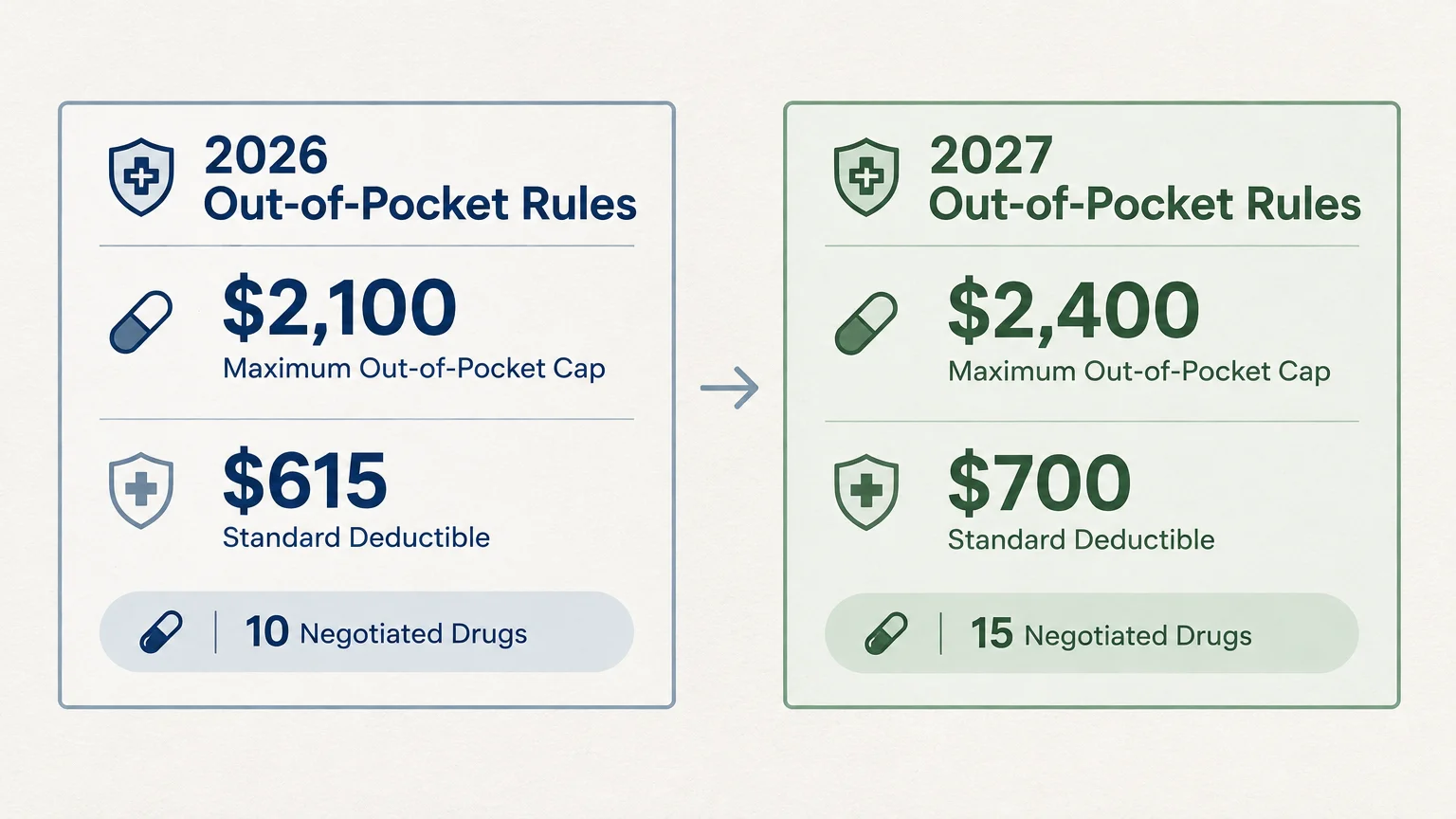
In 2026, you pay no more than $2,100 out of pocket for your covered medications. This maximum spending threshold rises slightly to $2,400 in 2027, offering dependable financial predictability.
The maximum allowable Part D deductible also shifts from $615 in 2026 to $700 in 2027. These caps provide real protection against catastrophic medication costs each year.
Price negotiations are expanding dramatically as well. Negotiated prices for the first cohort of 10 Part D drugs took effect on January 1, 2026, lowering costs for common treatments.
A second group of 15 Part D medications will see lower negotiated prices begin on January 1, 2027. These reductions help millions of seniors afford life-saving cardiovascular, autoimmune, and diabetes therapies.
The upcoming Medicare and midterm elections could alter this progress. Some lawmakers want to expand negotiations to more drugs, while others propose scaling back or repealing the program entirely.
You can take charge today by reviewing your current drug plan during open enrollment. Compare formularies to ensure your maintenance prescriptions stay covered under the most favorable tier.
Speak with your pharmacist about how the $2,400 spending cap shields your household income. Staying proactive ensures that national political debates never catch your personal finances off guard.
Knowing your annual medication costs helps you enjoy retirement without constant stress over rising pharmacy bills. You have powerful consumer rights that keep essential treatments well within reach.
Tip #2: Safeguarding Part A Hospital Solvency Before the 2033 Deadline
Medicare Part A pays for your inpatient hospital stays, skilled nursing care, and hospice support. Maintaining the financial strength of this coverage remains essential for every American senior.
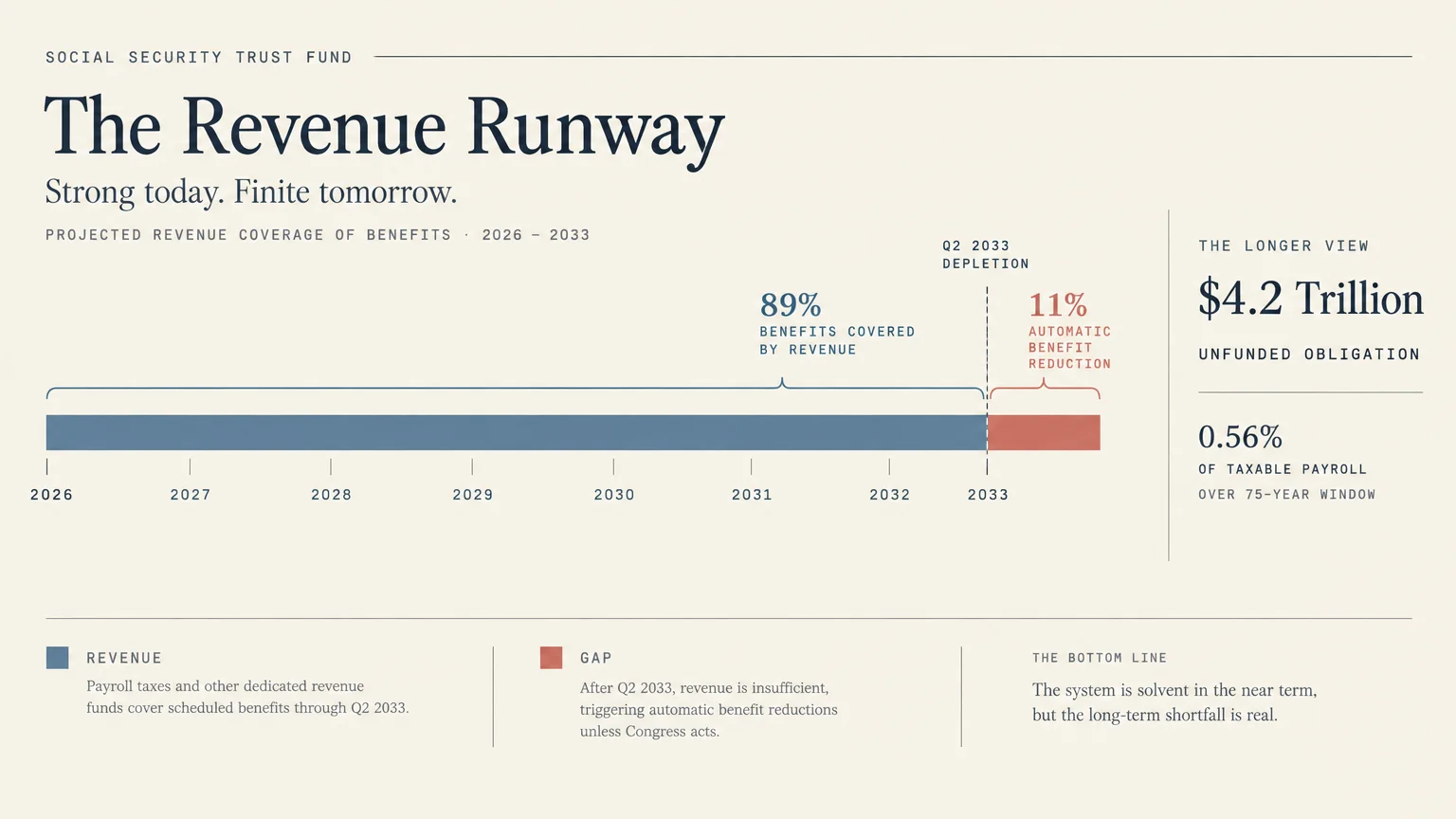
According to the June 2026 Medicare Trustees Report, the Hospital Insurance (HI) Trust Fund faces depletion in the second quarter of 2033. This projected timeline arrived one quarter earlier than expected.
Without congressional action, incoming payroll tax revenues in 2033 would cover only 89% of scheduled benefits. That revenue shortfall would trigger an automatic 11% spending cut across hospital facilities.
Over a 75-year horizon, the trust fund faces an unfunded obligation of $4.2 trillion. That equals an actuarial deficit of 0.56% of taxable payroll across our national economy.
Recent tax legislation has added fresh pressure to the fund. The One Big Beautiful Bill Act permanently extended individual income tax brackets and added a temporary standard deduction for adults 65 and older.
These changes reduced revenues flowing into the trust fund from the taxation of Social Security benefits. As a result, the next Congress Medicare funding decisions will determine how lawmakers bridge the revenue gap.
Lawmakers will debate whether to adjust payroll tax formulas, limit payments to healthcare networks, or dedicate general treasury revenues. History shows that Congress always steps in before trust fund deadlines arrive.
You can look forward to your golden years knowing that hospital coverage remains fiercely protected across party lines. Keep an eye on legislative proposals while continuing to focus on vibrant everyday wellness.

Tip #3: Preparing for Projected Part B Premium and Deductible Shifts
Medicare Part B covers your outpatient medical care, doctor visits, preventive screenings, and lab tests. Staying informed about small annual premium adjustments helps you manage your monthly household cash flow.
In 2026, the standard Medicare Part B monthly premium is $202.90. The 2026 Trustees Report projects that the premium will increase by $6.60—or roughly 3.25%—to $209.50 per month in 2027.
Meanwhile, the annual Part B deductible sits at $283 in 2026. Projections indicate it will rise modestly to $292 for the 2027 calendar year once officially confirmed.
Higher earners also need to watch the Income-Related Monthly Adjustment Amount, known as IRMAA. In 2026, these surcharges begin for single filers earning over $109,000 and couples earning above $218,000.
Top-bracket earners face Part B premiums as high as $689.90 per month in 2026. Midterm results could reshape tax brackets and surcharge calculations in future congressional budget packages.
Congressional oversight directly influences Medicare physician fee schedules and administrative operating budgets. When lawmakers debate reimbursement rates, their choices indirectly influence your annual Part B premium calculations.
You can easily absorb these modest adjustments by planning ahead in your personal spending budget. Incorporate the projected $209.50 monthly baseline into your 2027 financial outlook today.
Small adjustments to your monthly spending plan ensure you keep access to top-tier physicians without financial strain. You remain firmly in control of your healthcare dollars.
Focus on utilizing all your no-cost preventive screenings under Part B each year. These routine visits keep you feeling your best while catching minor health issues before they become expensive problems.

Tip #4: Securing the Future of In-Home Telehealth Flexibilities
Virtual doctor visits have transformed healthcare access, allowing you to consult specialists from the comfort of your living room. Protecting this modern convenience remains a top priority for older adults nationwide.
Congress passed the Consolidated Appropriations Act, 2026, which the president signed on February 3, 2026. This vital law extended temporary Medicare telehealth waivers through December 31, 2027.
This extension allows you to continue receiving non-behavioral telehealth visits directly at home. It also waives geographic restrictions that previously forced rural beneficiaries to travel to certified clinics.
Mental health visits enjoy even stronger protections. Audio-only and video-based telehealth for behavioral health services are permanently authorized under the 2021 Consolidated Appropriations Act.
The incoming 120th Congress elected this November will decide whether to make all remaining telehealth flexibilities permanent. The midterm election outcome will determine how quickly lawmakers advance permanent legislation.
Bipartisan support for telehealth remains remarkably high on Capitol Hill. Lawmakers recognize that virtual care reduces transportation burdens, saves travel expenses, and expands access to specialized medical experts.
Continue scheduling telehealth appointments with your doctors to manage routine questions and prescription refills. Regular virtual visits keep your wellness routines on track while saving valuable time and energy.
By embracing digital health options, you take full advantage of current federal rules. Your ability to connect with skilled doctors online makes healthy living simpler than ever.
Make sure your home devices are updated and ready for your next telehealth appointment. Embracing these easy-to-use digital tools gives you reliable medical advice whenever you need it most.
Tip #5: Navigating the End of Part D Premium Subsidies
Stand-alone Medicare prescription drug plans are experiencing significant structural adjustments in the private insurance market. Understanding these insurance trends empowers you to choose the best plan during annual enrollment.
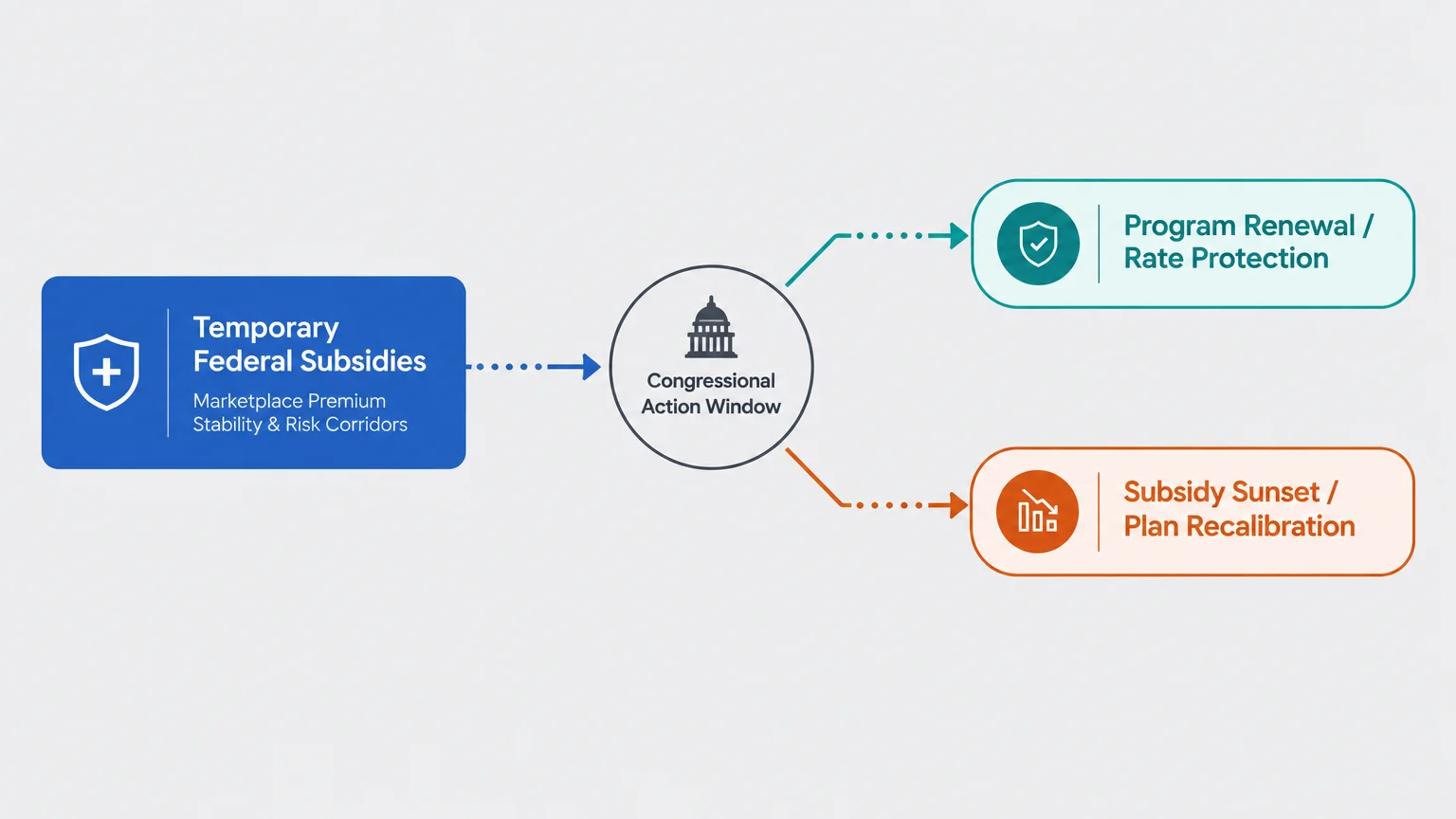
For the past two years, federal regulators supported insurers through the Part D Premium Stabilization Demonstration. This pilot program distributed $9.8 billion in subsidies across 2025 and 2026 to stabilize premiums.
The Centers for Medicare & Medicaid Services is discontinuing this demonstration program heading into 2027. Without those federal subsidies, stand-alone Part D plan sponsors face greater financial liability for prescription drug costs.
This policy shift creates upward pricing pressure on monthly premiums for stand-alone drug policies. Private insurance carriers may adjust their monthly rates or alter formulary coverage tiers to balance costs.
The midterm election results could influence whether Congress decides to step in with new premium assistance measures. Lawmakers could propose fresh risk-sharing corridors or market stabilization funds during year-end legislative sessions.
You do not have to settle for premium increases on your current plan. The Medicare Open Enrollment Period runs from October 15, 2026, through December 7, 2026, for coverage starting January 1, 2027.
Use the official Medicare plan finder tool during open enrollment to compare alternatives in your zip code. Switching to a more competitive policy can save you hundreds of dollars each year.
Taking a few minutes to shop and compare options gives you complete financial confidence. Being an active healthcare consumer ensures your retirement funds support the lifestyle you love.
Check whether your current pharmacy remains in your plan’s preferred network for 2027. Choosing a preferred pharmacy often cuts your copayments substantially on every refill.

Tip #6: Exploring New Chronic Care and GLP-1 Bridge Opportunities
Exciting innovations in chronic condition management and weight management medications will debut in 2027. These new programs provide powerful tools to elevate your energy, vitality, and long-term health.
Medicare is launching the Medicare GLP-1 Bridge program for qualifying Part D enrollees in 2027. This initiative offers access to select GLP-1 medications for a predictable $50 monthly copay.
These popular therapies treat diabetes and reduce cardiovascular risks, helping you achieve substantial wellness goals. Having a reliable $50 copay removes the burden of expensive retail pricing.
Federal officials are also highlighting TrumpRx.gov, a new cash-discount coupon portal designed for prescription savings. This platform offers deep discounts on common medications outside of traditional insurance coverage.
Keep in mind that cash purchases through TrumpRx.gov do not count toward your Part D deductible. They also do not apply toward your annual $2,400 out-of-pocket spending maximum.
Original Medicare is also introducing the voluntary ACCESS chronic care model in 2027. This model stands for Advancing Chronic Care with Effective, Scalable Solutions.
Under the ACCESS model, beneficiaries receive coverage for wearable health trackers, personal health coaching, and regular virtual check-ins. These services help you manage hypertension, arthritis, and diabetes effectively.
The congressional midterms will determine how aggressively these innovative demonstrations expand into permanent Medicare benefits. Ask your primary physician how the ACCESS model and GLP-1 Bridge can support your daily vitality.
Embracing these new wellness tools puts you at the cutting edge of personal healthcare management. You can enjoy an active, vibrant retirement with modern medical support right at your side.

Tip #7: Watching Hospital Outpatient Costs and Site-Neutral Payments
Where you receive medical care can dramatically affect the size of your out-of-pocket coinsurance bill. Congress is actively examining billing differences between standalone doctor clinics and hospital-owned facilities.
Current rules often allow hospital outpatient departments to bill Medicare higher rates than independent clinics for identical services. This disparity means you might pay significantly higher coinsurance for routine injections or diagnostic scans.
Lawmakers are debating comprehensive “site-neutral” payment policies to eliminate these billing discrepancies. Adopting site-neutral rates would lower your out-of-pocket expenses whenever you receive outpatient treatment.
However, rural and safety-net hospitals argue that higher outpatient reimbursements are necessary to keep emergency rooms open. The expiration of enhanced Affordable Care Act premium tax credits in 2026 adds financial pressure on these facilities.
The balance of power decided in the midterm elections will determine how Congress balances patient savings with hospital funding. Lawmakers must decide whether to pass full site-neutral reforms or offer targeted rural subsidies.
You can protect your wallet today by asking your doctor about facility fees before scheduling procedures. Inquire whether your service will be billed as a hospital outpatient department or a physician office visit.
Choosing an independent clinic when medically appropriate can save you substantial coinsurance costs under Part B. Being proactive about billing codes keeps your healthcare costs low without compromising your care quality.
Understanding hospital billing structures gives you greater confidence and financial clarity. You have the right to ask questions and choose the care setting that best fits your lifestyle.
Discuss facility options openly with your healthcare team to ensure clear pricing upfront. Transparent conversations with your providers help you receive exceptional treatment while keeping your budget intact.

Tip #8: Understanding Updated Coverage and Residency Rules for 2027
Clear rules regarding eligibility ensure that Medicare remains a stable and reliable foundation for every beneficiary. Regulatory updates taking effect in 2027 outline specific residency and citizenship standards for enrollment.
Beginning in 2027, Medicare rules specify that beneficiaries must be U.S. citizens or nationals, lawful permanent residents, Cuban-Haitian entrants, or Compact of Free Association migrants.
These standardized definitions provide clarity for individuals transitioning into retirement or updating their Medicare paperwork. They ensure that qualifying immigrants and long-term green card holders maintain legal access to healthcare.
The midterm elections will shape how federal agencies administer these guidelines and enforce oversight. Congressional committees oversee program integrity, eligibility verification systems, and outreach programs in diverse communities.
If you are helping a family member navigate retirement enrollment, verify their residency documentation early. Keeping official records organized prevents unexpected delays when applying for Part A and Part B coverage.
Accurate documentation protects your loved ones from gaps in coverage and avoids unnecessary late-enrollment penalties. Clear eligibility rules give peace of mind to millions of families planning their retirement security.
Community support organizations and local social service advocates can assist with document verification at no cost. Utilizing these community resources makes the enrollment process straightforward and stress-free.
Having proper healthcare paperwork in order allows you to focus fully on enjoying your retirement adventures. A secure foundation gives you the freedom to thrive every single day.
Reach out to your local State Health Insurance Assistance Program if you need individualized enrollment assistance. These trained counselors provide objective, confidential advice to help your family secure coverage with total confidence.

Tip #9: Following the Lame-Duck Session and Physician Payment Safeguards
The political calendar plays a massive role in shaping federal healthcare policy during election years. What happens immediately following the November vote could impact your doctor visits in early 2027.
Current federal government funding expires on December 11, 2026. This hard deadline forces lawmakers into an intense “lame-duck” congressional session right after the election.
The balance of power determined in the 2026 midterms seniors race will dictate party leverage during December negotiations. Lawmakers must agree on healthcare extenders and annual physician payment adjustments.
Physician reimbursement rates directly affect whether doctors continue accepting new Medicare patients in their private practices. Congress routinely intervenes during year-end spending bills to mitigate statutory payment cuts to medical providers.
Senior voters hold immense influence during these high-stakes legislative funding debates. An October 6, 2026 KFF Health Tracking Poll revealed that healthcare costs tie with gas prices as voters’ top economic concern.
Furthermore, 66% of U.S. adults express strong support for broad Medicare expansion concepts. This overwhelming public interest encourages lawmakers from both parties to protect Medicare funding and provider networks.
You can make your voice heard by contacting your congressional representatives before the December 11 funding deadline. Let them know that protecting stable physician payments keeps your preferred doctors accessible.
Your active civic engagement ensures that older Americans remain a powerful, respected force in Washington policy debates. Staying engaged helps protect the high-quality care you rely on throughout your golden years.
Rest easy knowing that healthcare access for older adults consistently commands strong bipartisan backing during budget deadlines. Congress has a long track record of preserving doctor networks for seniors nationwide.

The Takeaway: Living a More Blissful Retirement
Your golden years should be filled with discovery, joy, and peace of mind rather than political worries. While midterm elections can shift national policies, Medicare remains a durable and protected cornerstone of American life.
Take full advantage of consumer protections like the $2,400 Part D out-of-pocket cap for 2027. Review your plan details between October 15 and December 7, 2026, to lock in optimal savings.
Explore new opportunities like the Medicare GLP-1 Bridge program and the ACCESS chronic care model. Modern healthcare continues to evolve in ways that support your vitality and wellness.
Keep your doctor appointments current, use your free annual wellness exams, and stay connected with your healthcare providers. Good health is your greatest wealth, allowing you to live your dreams without hesitation.
By staying informed and engaged, you turn national political discussions into practical tools for personal thriving. Step forward with optimism, knowing you have everything you need for a secure and blissful retirement.
Frequently Asked Questions
Will my Medicare Part D out-of-pocket spending cap disappear after the election?
No, your out-of-pocket prescription drug cap is established by federal law. The maximum out-of-pocket threshold is $2,100 in 2026 and rises slightly to $2,400 in 2027.
Any future legislative alteration would require passing a new bill through both congressional chambers and receiving presidential approval. Both parties recognize the overwhelming popularity of capping senior drug expenses.
How much will my standard Medicare Part B premium change for 2027?
In 2026, the standard monthly Part B premium is $202.90. The Medicare Trustees project a modest $6.60 increase to $209.50 per month in 2027, representing a 3.25% change.
Official confirmation of the exact 2027 premium rate occurs each fall through the Centers for Medicare & Medicaid Services. You can easily plan your retirement budget around this projected baseline.
Can I continue using telehealth to see my primary doctor from home?
Yes, you can continue receiving virtual care from home through December 31, 2027. Congress extended these non-behavioral telehealth flexibilities through the Consolidated Appropriations Act, 2026.
Furthermore, telehealth visits for mental and behavioral health conditions are permanently covered under federal law. The next Congress will determine whether to make non-behavioral home telehealth rules permanent before 2028.
When is the best time to review my Medicare coverage options?
The annual Medicare Open Enrollment Period runs from October 15 through December 7, 2026. Any coverage updates or plan selections you make take effect on January 1, 2027.
This window gives you the ideal opportunity to compare prescription formularies, check monthly premiums, and select the plan that maximizes your savings. Reviewing your options annually ensures you never overpay.
For a wide range of resources for older adults, visit AARP and the National Council on Aging (NCOA). Health information is available from the National Institute on Aging.
Disclaimer: This article is for informational and inspirational purposes only. It is not a substitute for professional medical, financial, or psychological advice. Please consult with a qualified expert for guidance tailored to your individual needs.