You can build vibrant health, regain energy, and protect your mobility in retirement without ever stepping foot inside a noisy, expensive gym. Staying active on your own terms allows you to enjoy fresh air, preserve your independent lifestyle, and protect your hard-earned budget. According to recent findings from the CDC, only 13.9% of American adults aged 65 and older currently meet federal standards for both aerobic and muscle-strengthening exercise. That leaves a massive opportunity for you to redefine fitness through simple, joyful daily habits. By incorporating movement into your regular routines, you can easily reach your physical goals while fully embracing the true freedom of your golden years.
Tip #1: Embrace Daily Walking and Step Goals
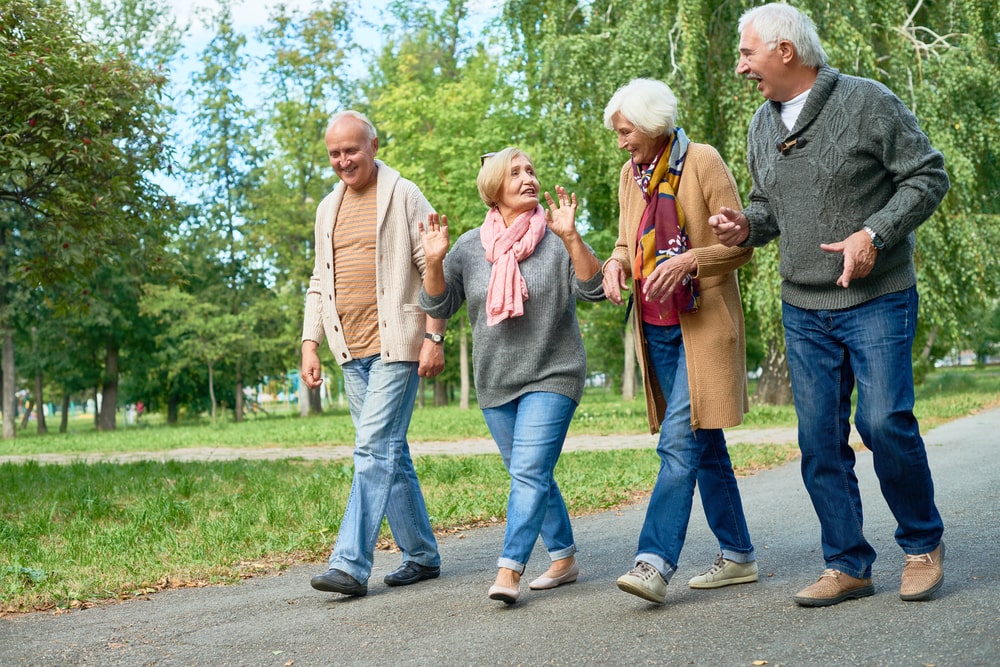
Walking stands as one of the most accessible and highly effective exercise ideas for retirees who want to protect their health without a gym membership. When you lace up a supportive pair of sneakers and step outside, you immediately stimulate your cardiovascular system, help regulate blood pressure, and lift your mood. You do not need grueling runs to experience transformative rewards; walking allows you to move at a comfortable rhythm while enjoying local neighborhood paths, city parks, or peaceful nature trails.
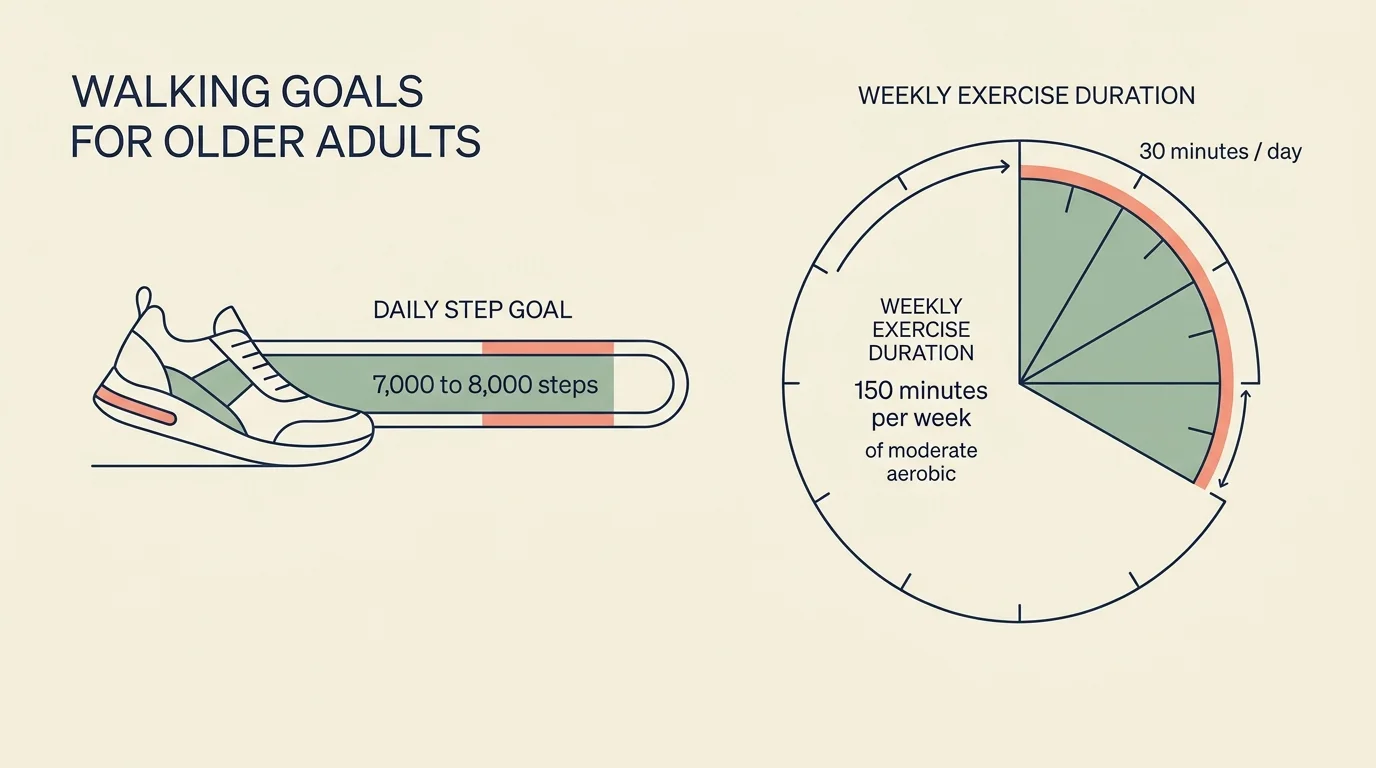
Scientific research strongly reinforces the lifelong value of a daily stroll. Extensive studies conducted by the CDC and the National Institutes of Health demonstrate that older adults who accumulate 7,000 to 8,000 steps per day experience a dramatic reduction in mortality risk and cardiovascular events compared to sedentary peers. Federal guidelines recommend at least 150 minutes per week of moderate-intensity aerobic activity—such as a brisk 30-minute walk, five days a week. You can easily break this into two pleasant 15-minute walks daily. Wear comfortable, supportive shoes and bring along a water bottle to stay hydrated. Tracking your steps with a free mobile app or simple pedometer helps you monitor your growth, while walking alongside friends or a pet turns exercise into an energizing social routine.
For a wide range of resources for older adults, visit AARP and the National Council on Aging (NCOA). Health information is available from the National Institute on Aging.
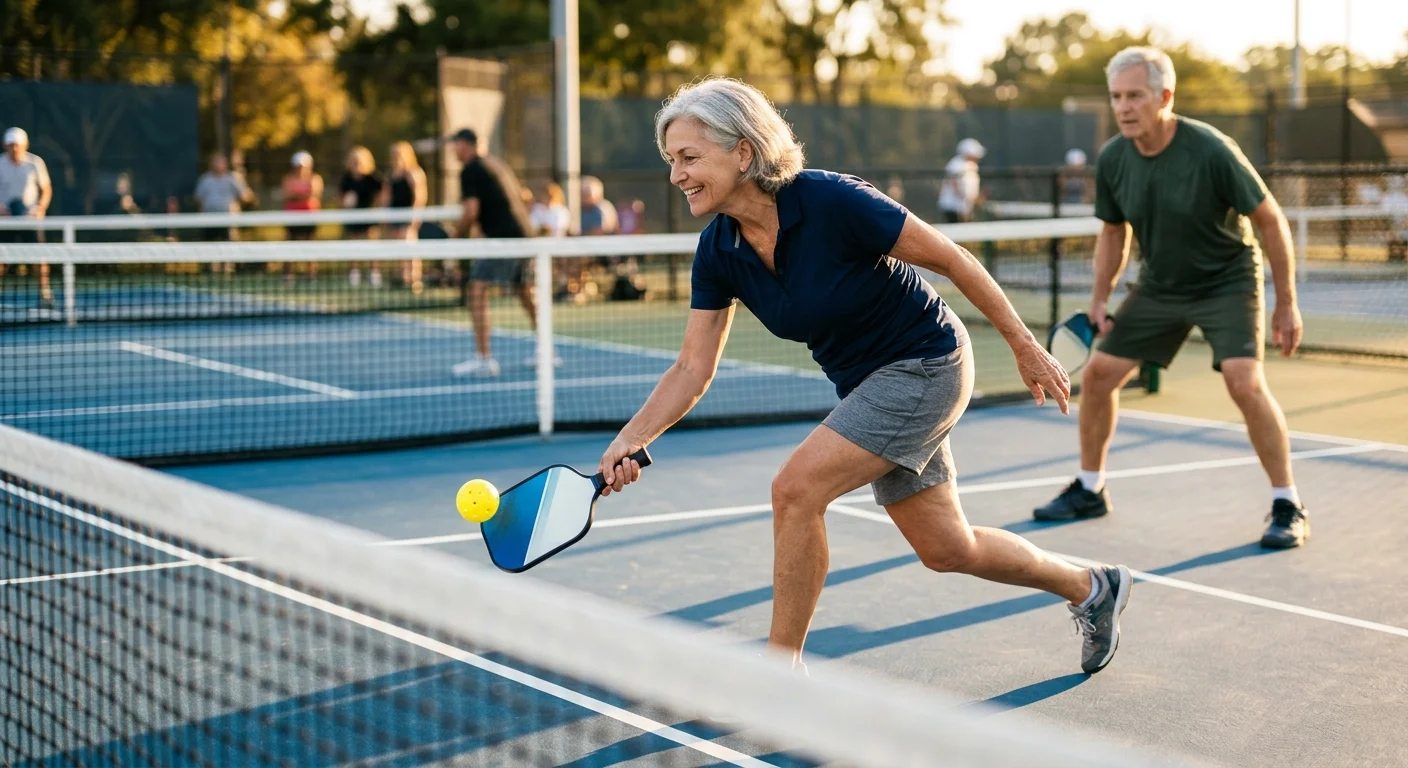
Tip #2: Discover the Joy of Outdoor Pickleball
Pickleball has swept across the country, rapidly becoming one of the most popular low cost fitness options seniors love today. Combining elements of tennis, badminton, and table tennis, this vibrant sport utilizes a smaller court, lightweight paddles, and a perforated plastic ball. Because court dimensions are compact, pickleball minimizes strenuous sprinting while maximizing quick reflexes, agility, and continuous, moderate cardiovascular movement. It offers an exhilarating full-body workout that feels like fun play rather than a rigid exercise routine.
Industry data highlights the extraordinary popularity of this accessible sport. According to the Sports & Fitness Industry Association, pickleball participation reached an incredible 24.3 million players—a massive jump from 4.2 million in 2020—with adults aged 55 and older forming the primary demographic driving growth. Beyond social connection, the physical rewards are substantial; a study on adults over 55 published in June 2026 revealed that regular pickleball players demonstrated significantly better dynamic balance and greater lower-body leg strength than non-players. This increased leg strength improves gait stability and helps reduce fall risks without needing specialized weight room equipment. Most municipal parks offer public courts that are free to use; you only need an affordable paddle to play.
For a wide range of resources for older adults, visit AARP and the National Council on Aging (NCOA). Health information is available from the National Institute on Aging.
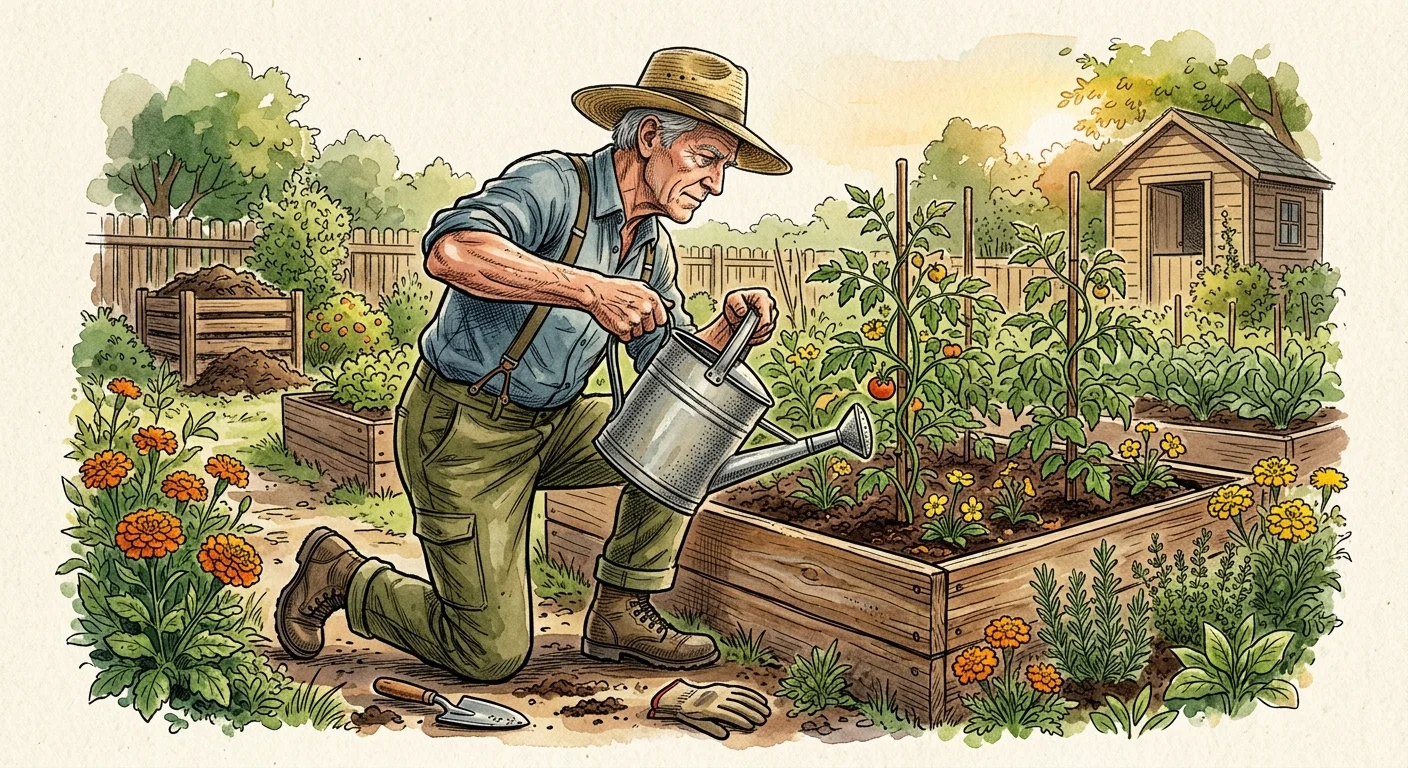
Tip #3: Transform Gardening into Functional Strength Training
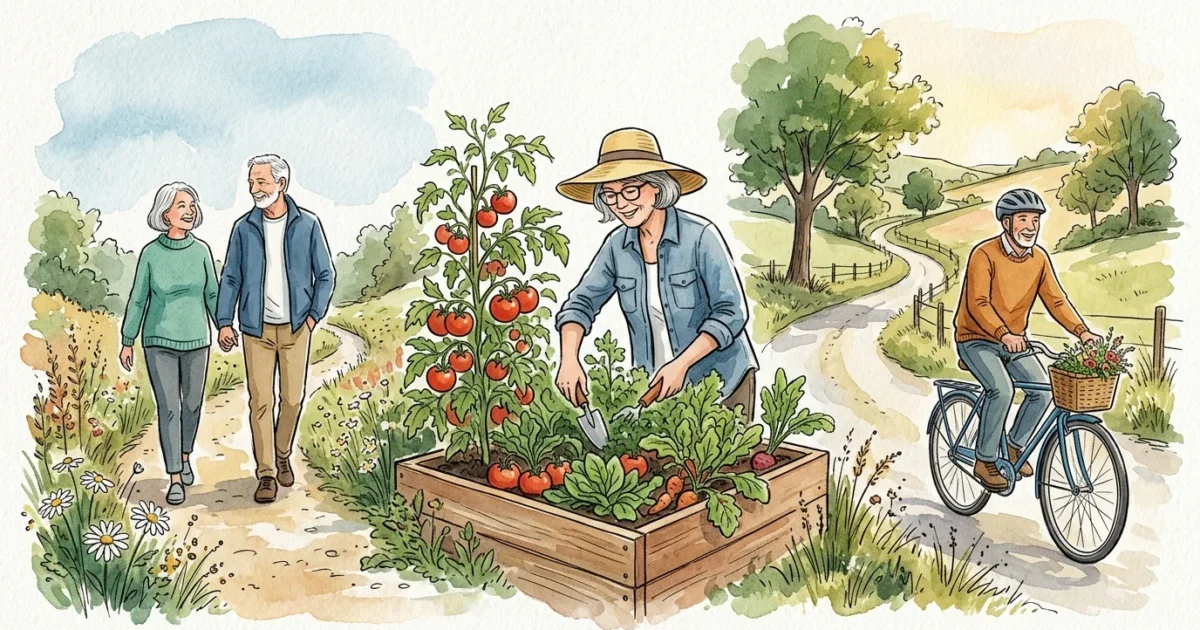
If you love spending time outdoors, your home garden can serve as an exceptional venue for physical activity for retirees. Gardening requires a wide dynamic range of bodily movements—including digging, weeding, lifting, reaching, bending, and pushing—that build practical functional strength. Carrying watering cans, pushing a lawn mower, and transporting bags of soil engage every major muscle group in your upper and lower body while you soak in refreshing sunshine.
Official physical activity guidelines state that adults aged 65 and older require muscle-strengthening activities working all major muscle groups at least two days per week. Gardening satisfies this requirement naturally without traditional iron weights. To protect your body while working outdoors, use long-handled ergonomic tools that minimize lower back strain, wear padded knee cushions, and keep your core muscles engaged when lifting heavy flower pots. Switch tasks every twenty minutes—alternating between raking, pruning, and planting—to balance muscle usage and build balanced full-body conditioning.
For a wide range of resources for older adults, visit AARP and the National Council on Aging (NCOA). Health information is available from the National Institute on Aging.
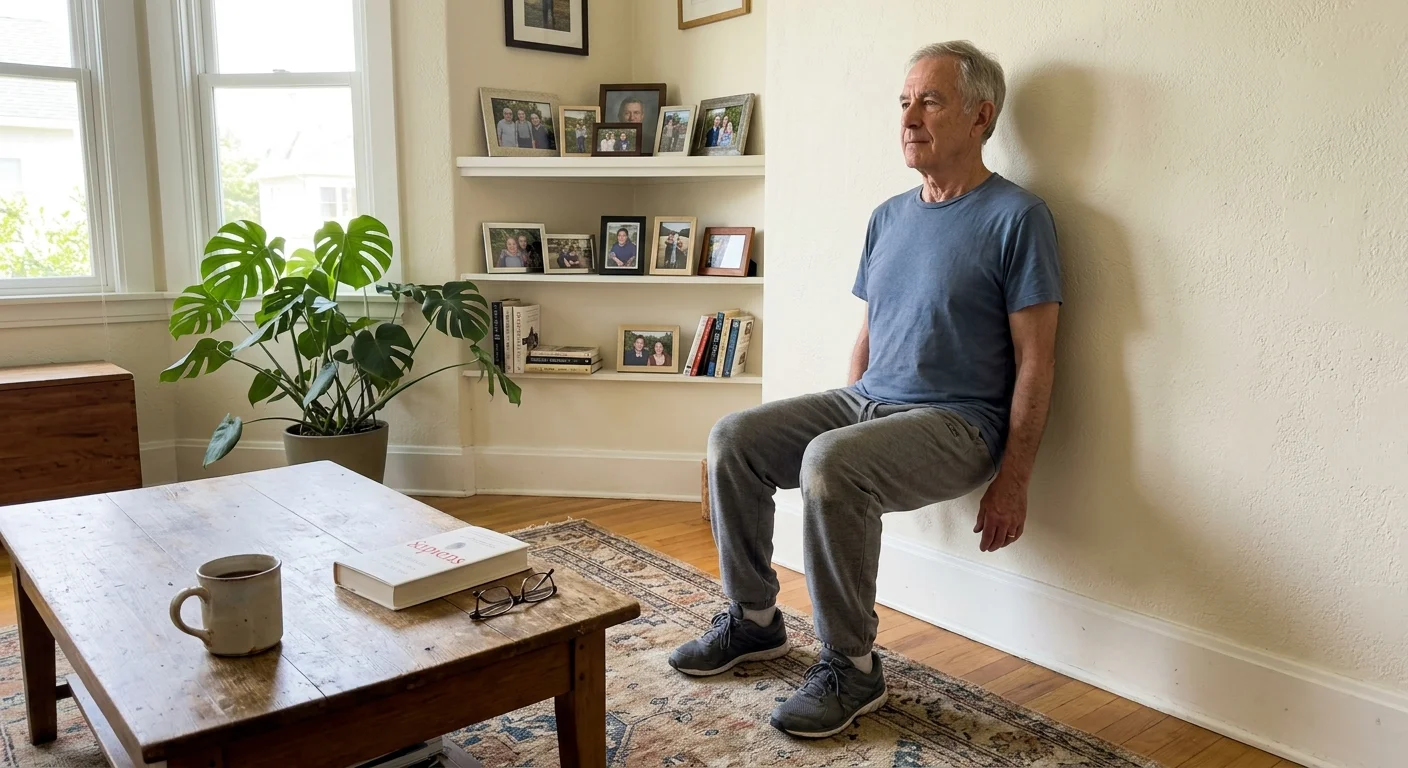
Tip #4: Practice Bodyweight Exercises at Home
Building functional muscle strength does not require heavy barbells or expensive exercise equipment. You can craft safe, highly effective gym free workout ideas using your own body weight and basic home furniture. Bodyweight exercises allow you to strengthen key postural muscles at zero financial cost, helping you accomplish daily physical tasks like climbing stairs or lifting heavy packages with total ease and control.
To design a simple home routine, start with chair sit-to-stands. Sit on the edge of a sturdy kitchen chair with feet flat, then stand up under control without pushing off with your hands, before slowly lowering yourself back down. Performing ten to twelve repetitions builds foundational strength in your quadriceps, glutes, and hips. Next, move to wall push-ups: place your palms flat against a clear wall at shoulder height, step back slightly, and bend your elbows to bring your chest toward the wall. Wall push-ups build upper-body strength in your chest, arms, and shoulders without putting excessive strain on your wrists or shoulders. Complete your routine by holding a sturdy counter for balance while performing tiptoe calf raises. Performing this circuit twice weekly helps preserve bone density and muscular vitality.
For a wide range of resources for older adults, visit AARP and the National Council on Aging (NCOA). Health information is available from the National Institute on Aging.

Tip #5: Utilize Mall Walking for All-Weather Conditioning
Extreme summer heat, icy winter conditions, or heavy rainstorms can disrupt outdoor fitness habits. Mall walking offers a fantastic, climate-controlled solution that keeps you staying active without a gym regardless of seasonal weather shifts. Shopping malls present long, level walking surfaces featuring reliable climate control, bright lighting, flat footing, and accessible resting benches along every corridor.
Many shopping centers open their doors early specifically to accommodate senior walking groups before retail stores open. Walking on flat indoor surfaces eliminates outdoor tripping hazards such as uneven sidewalks, loose gravel, or slippery tree leaves. Walking alongside peers provides uplifting social motivation, making your exercise routine engaging and fun. To maximize your heart health, maintain a crisp, purposeful stride, swing your arms comfortably at your sides, and track your distance using mall floor plans to meet your weekly aerobic goals in secure comfort every month of the year.
For a wide range of resources for older adults, visit AARP and the National Council on Aging (NCOA). Health information is available from the National Institute on Aging.
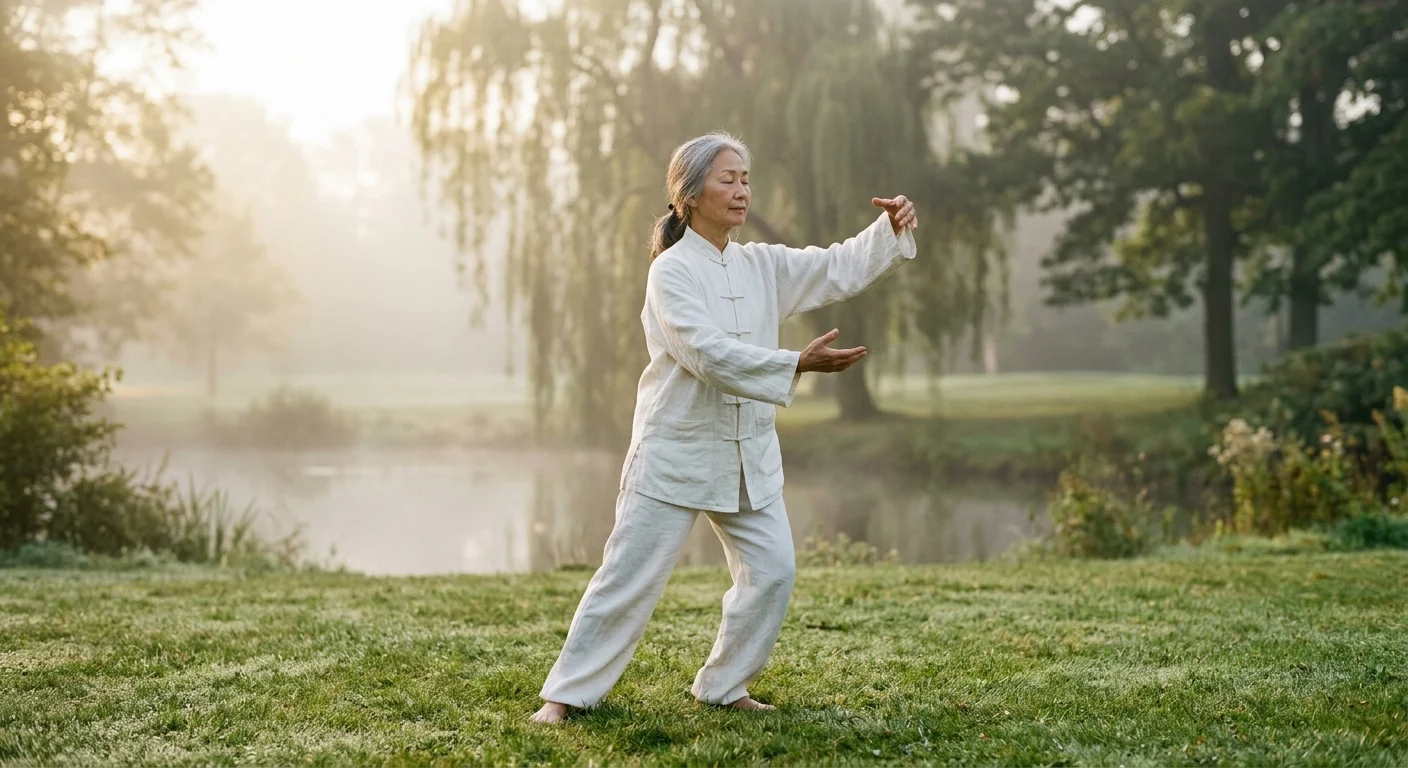
Tip #6: Enhance Balance and Flexibility with Gentle Yoga or Tai Chi
Preserving physical flexibility, joint mobility, and solid core equilibrium is vital for maintaining independence as you grow older. Federal activity guidelines emphasize that older adults must perform routine balance activities to lower fall risks and keep joints moving smoothly. Gentle yoga and Tai Chi offer time-tested practices that enhance balance and flexible movement without requiring specialized gear.
Tai Chi features slow, fluid movements paired with deep, rhythmic breathing that gently strengthens your feet, ankles, and legs while improving bodily posture. Gentle yoga focuses on careful stretching postures and breathing exercises that release joint tension and quiet a busy mind. You do not need to attend commercial studios; thousands of free, high-quality video tutorials designed specifically for active seniors are available online. Spending just ten to fifteen minutes each morning performing balance poses near a kitchen counter—such as single-leg stands or tandem heel-to-toe walking—builds extraordinary joint stability and calm focus.
For a wide range of resources for older adults, visit AARP and the National Council on Aging (NCOA). Health information is available from the National Institute on Aging.
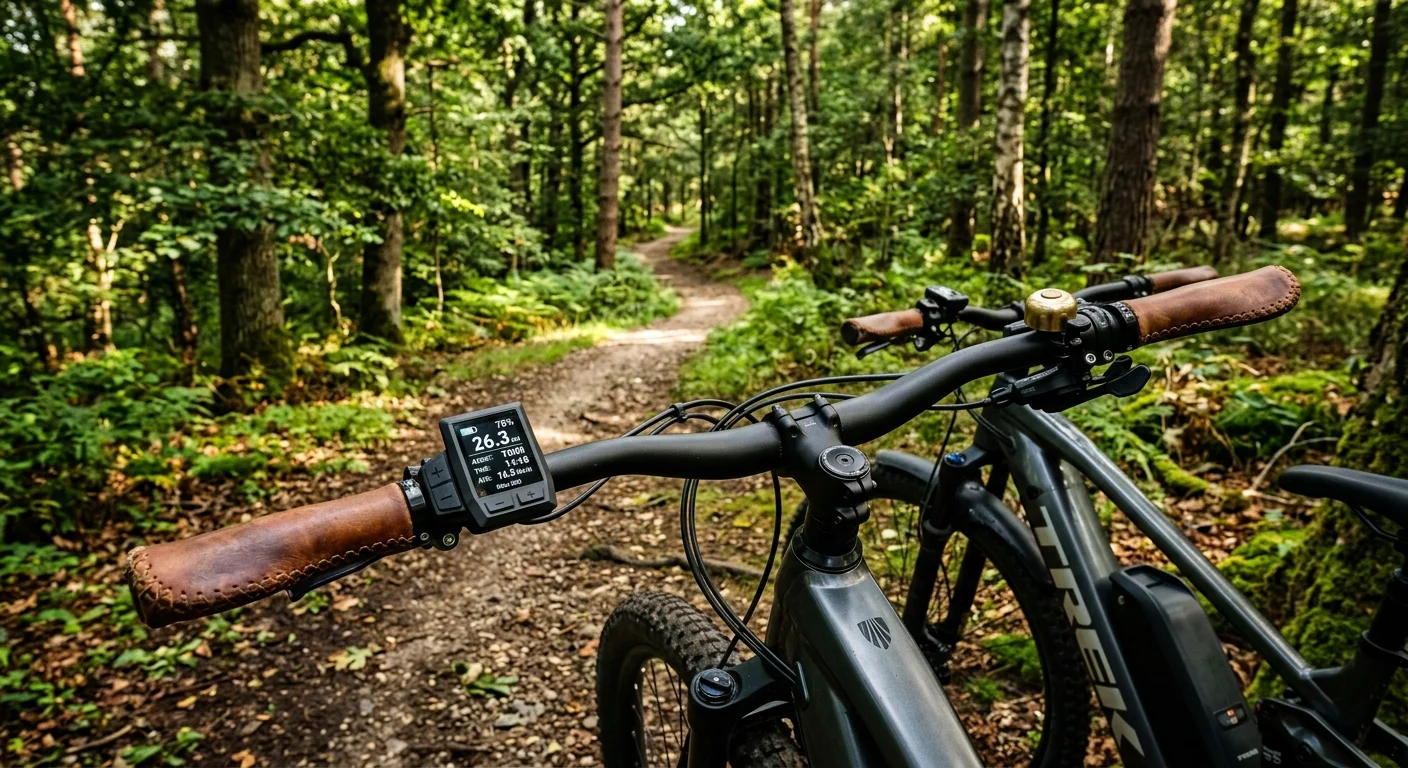
Tip #7: Explore Local Nature Trails on a Bicycle or E-Bike
Cycling provides a thrilling, low-impact cardiovascular workout that protects your joints while strengthening your lower body and heart. Because pedaling places minimal weight-bearing stress on your knees and hips, cycling is an ideal exercise choice for retirees managing mild joint stiffness or arthritis. Riding along local greenways, dedicated bike paths, or quiet park trails increases endurance while immersing you in natural outdoor scenery.
The rising popularity of pedal-assist electric bicycles, or e-bikes, has transformed cycling for older adults. E-bikes supply custom motor assistance when pedaling up steep hills or against head winds, preventing physical overexertion. This helpful technology allows you to explore longer, scenic routes with complete peace of mind. Always wear a properly fitted bicycle helmet, check tire pressure before departing, and choose paved multi-use paths for a safe, refreshing ride.
For a wide range of resources for older adults, visit AARP and the National Council on Aging (NCOA). Health information is available from the National Institute on Aging.

Tip #8: Take Advantage of Community Pools for Low-Impact Swims
Water offers a uniquely supportive environment for physical activity because buoyancy supports up to 90% of your body weight. If you live with joint discomfort, arthritis, or lower back stiffness, aquatic movement allows you to exercise freely without jarring impact. Swimming laps or participating in water aerobics develops cardiovascular fitness and muscular endurance simultaneously.
Water creates natural, smooth resistance against movement in every direction, helping you tone muscles safely without heavy equipment. Many municipal recreation facilities and community pools offer low-cost public swim hours or specialized senior water exercise classes. Even walking forward, backward, and sideways across a shallow pool provides a fantastic aerobic and balance workout that strengthens your legs and core while protecting your joints.
For a wide range of resources for older adults, visit AARP and the National Council on Aging (NCOA). Health information is available from the National Institute on Aging.
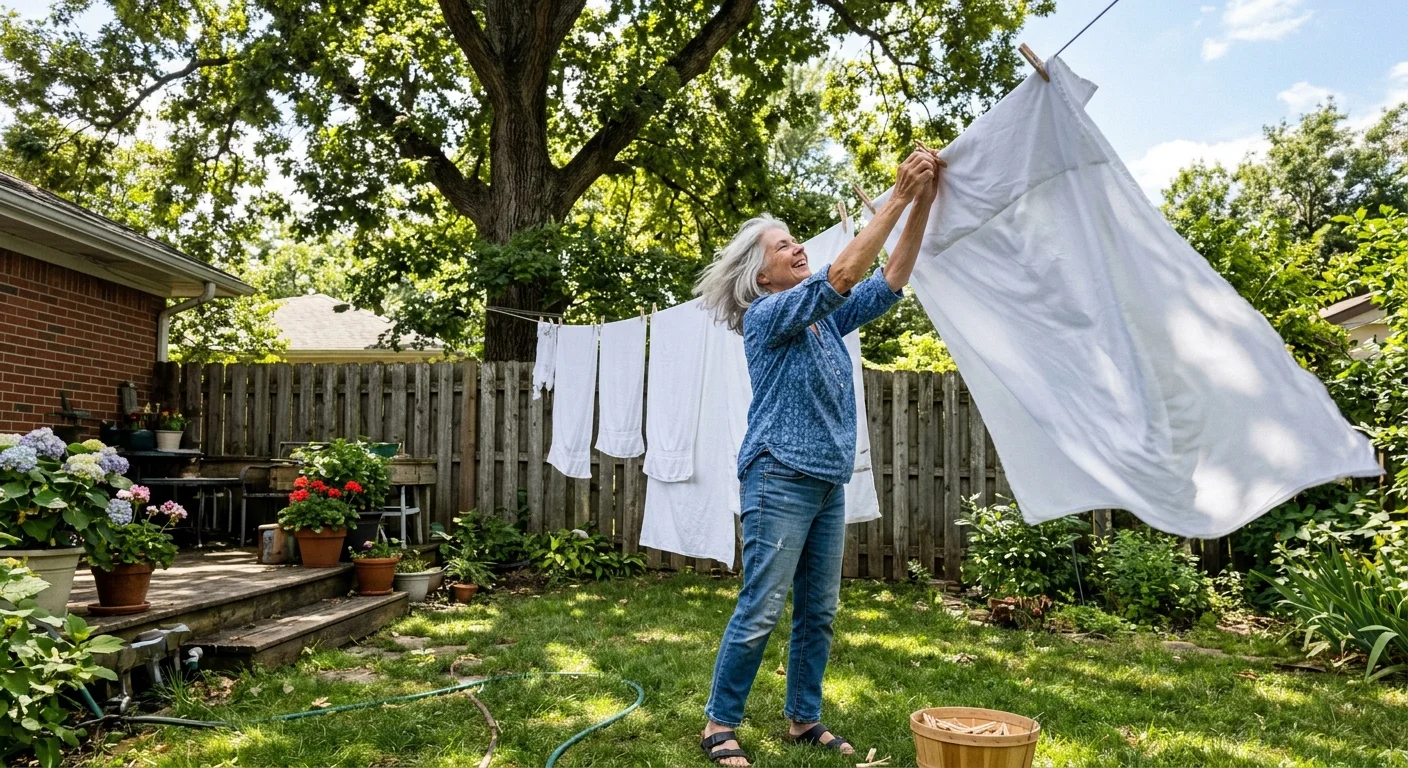
Tip #9: Turn Household Chores into Active Movement Opportunities
You do not need formal exercise sessions to keep your body energetic and healthy; everyday home management offers rich opportunities for daily physical activity. Regular household tasks like vacuuming carpets, mopping floors, washing windows, carrying laundry hampers, and scrubbing surfaces elevate your heart rate and engage major muscle groups throughout the day.
To maximize benefits, perform household chores with intentional energy and good posture. Play your favorite upbeat music while cleaning to quicken your pace, engage your core muscles while vacuuming, and do calf raises while standing at the kitchen counter. Viewing domestic care as functional movement transforms routine home upkeep into a zero-cost physical workout that keeps your home sparkling and your body strong.
For a wide range of resources for older adults, visit AARP and the National Council on Aging (NCOA). Health information is available from the National Institute on Aging.
The Takeaway: Living a More Blissful Retirement
Maintaining vibrant health, strength, and mobility during retirement does not require expensive fitness memberships or grueling workouts. As these nine accessible approaches demonstrate, staying active is about choosing enjoyable movements that fit naturally into your daily routine. Meeting the official physical activity target—150 minutes of moderate aerobic exercise and two days of muscle-strengthening work each week—is completely achievable right in your home, yard, and local community.
Whether walking through neighborhood parks, playing pickleball with friends, tending to your garden, or practicing bodyweight chair squats in your living room, every active choice builds your energy and independence. Embrace gym-free fitness today to cultivate a healthy, empowered, and blissful retirement lifestyle.
Disclaimer: This article is for informational and inspirational purposes only. It is not a substitute for professional medical, financial, or psychological advice. Please consult with a qualified expert for guidance tailored to your individual needs.
For a wide range of resources for older adults, visit AARP and the National Council on Aging (NCOA). Health information is available from the National Institute on Aging.
Frequently Asked Questions
How much physical activity do retirees need each week?
Federal health guidelines from the CDC and Department of Health and Human Services state that adults aged 65 and older require at least 150 minutes per week of moderate-intensity aerobic activity (such as brisk walking for 30 minutes a day, 5 days a week). Additionally, you should include muscle-strengthening activities working all major muscle groups at least 2 days per week, along with regular balance activities to prevent fall risks.
Is walking enough exercise for retirees who do not go to a gym?
Walking is an incredible foundational exercise that provides significant cardiovascular benefits, with research showing that 7,000 to 8,000 daily steps substantially reduces overall mortality risk. However, pairing daily walks with basic muscle-strengthening exercises—such as bodyweight chair sit-to-stands or wall push-ups—and balance practices ensures complete, well-rounded fitness.
How can I safely resume physical activity if I have been inactive for years?
Start gradually by choosing low-impact movements like short five- to ten-minute daily walks, water walking, or simple stretching routines. Slowly increase your activity duration as your stamina improves. Always listen to your body and consult your primary physician before starting any new fitness regimen.
What are the best low cost fitness options seniors can enjoy at home?
Top budget-friendly fitness options include bodyweight movements (like chair squats and wall push-ups), neighborhood walking, outdoor gardening, mall walking, and following free online video tutorials for yoga or Tai Chi. These effective options cost nothing while delivering excellent health benefits.