
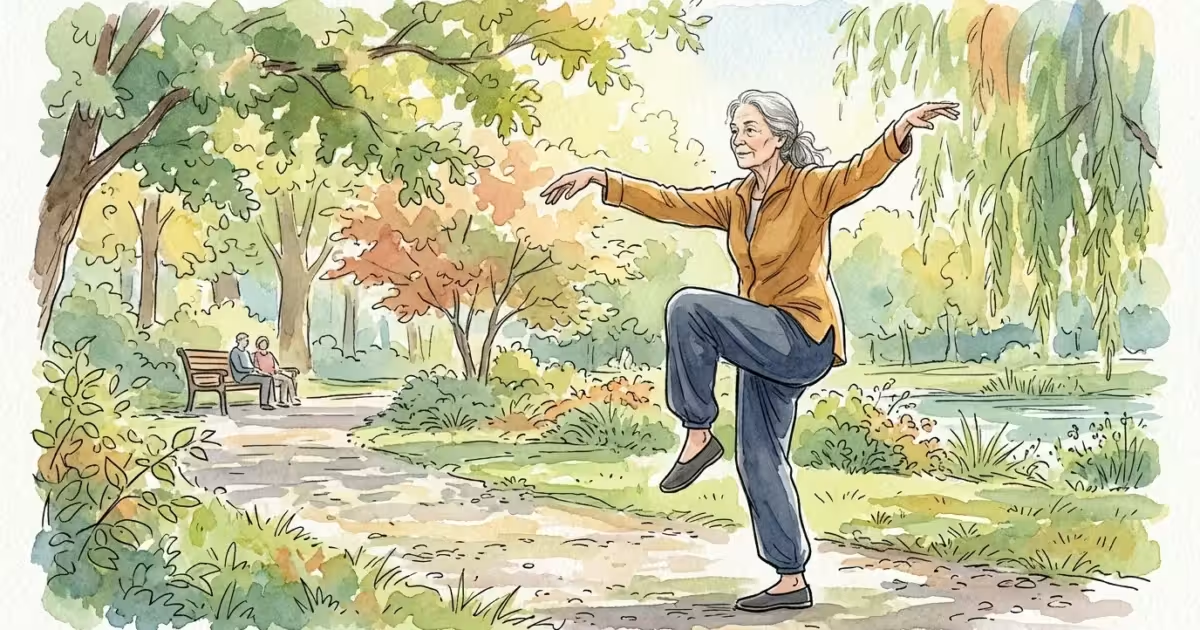
Safeguard your mobility and independence by understanding the common physical setbacks that occur later in life and actively working to prevent them. You can confidently navigate your golden years when you know exactly which vulnerabilities require your attention and how to fortify your body. As we age, changes in bone density, balance, and muscle mass naturally shift the way we move, sometimes increasing our risk for specific physical issues. By recognizing these common challenges—from unexpected fractures to subtle joint strains—you can take practical steps to protect your health. Empower yourself with this vital knowledge, adjust your daily routines for optimal safety, and ensure you continue enjoying your favorite activities with strength and resilience.
Tip #1: Hip Fractures from Accidental Falls
Hip fractures represent one of the most significant threats to your long-term independence, with the Centers for Disease Control and Prevention reporting hundreds of thousands of hospitalizations among older adults annually. As osteoporosis diminishes bone density, a simple trip over a loose rug can result in a severe break that requires surgery and extensive rehabilitation. You can dramatically reduce this risk by addressing the most common culprits inside your home.
Take time this week to clear walking paths, secure loose carpets with double-sided tape, and improve lighting in hallways and staircases. Additionally, building better balance serves as your internal safeguard against falls. Practice weight-shifting exercises or enroll in a local Tai Chi class to enhance your stability, strengthen your lower body, and improve your spatial awareness.
Tip #2: Wrist and Arm Strains from Catching Yourself
When you stumble, your natural instinct is to extend your hands to break the fall. This protective reflex often concentrates the entire force of your body weight onto your delicate wrist bones, leading to what medical professionals call a distal radius fracture. Even minor slips on damp pavements or freshly mopped floors can result in weeks of wearing a cast and struggling with basic daily tasks.
Protect your wrists by consciously keeping your hands free while you walk. Swap out heavy hand-held grocery bags or purses for an ergonomic crossbody bag or a supportive backpack. If you walk in icy or snowy conditions, wear footwear with heavy traction and consider using walking poles for extra stability. Furthermore, prioritize bone health by incorporating calcium-rich foods and asking your doctor if a vitamin D supplement is right for you.
Tip #3: Lower Back Strains from Improper Lifting
Your lumbar spine works tirelessly to support your body, but the discs and supporting muscles lose some of their elasticity over the decades. Lifting a heavy bag of potting soil or scooping up a joyful grandchild often triggers sudden, debilitating lower back strains. These injuries usually happen when you bend forward at the waist and twist simultaneously, placing immense sheer force on your lower vertebrae.
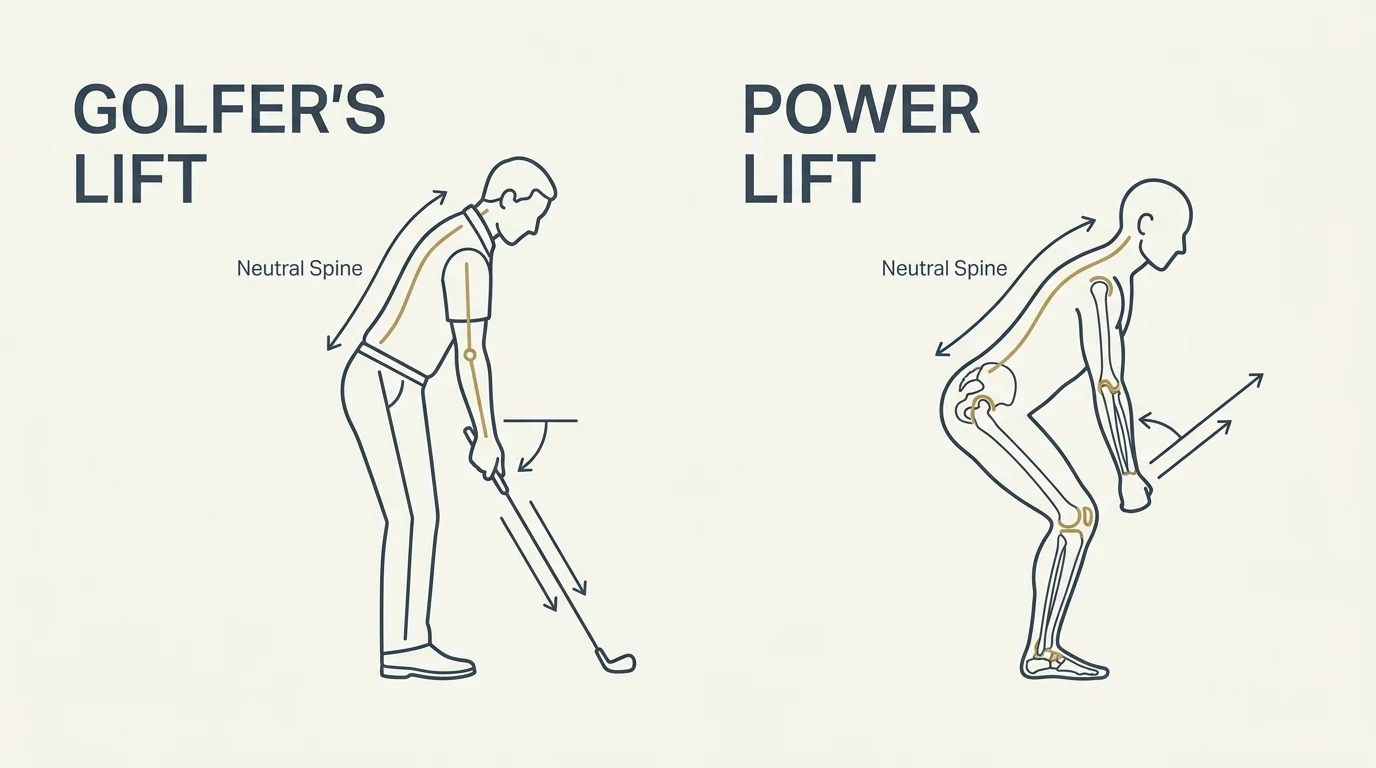
Rethink your lifting mechanics to protect your back. Always bend at your knees and hips, keeping your chest upright and the heavy object close to your center of gravity. Rely on the powerful muscles of your legs rather than the smaller muscles of your back. For lighter items, use the golfer’s lift: keep one leg straight and gently hinge at the hip while extending your other leg straight back behind you for counterbalance.
Tip #4: Rotator Cuff Tears from Repetitive Motions
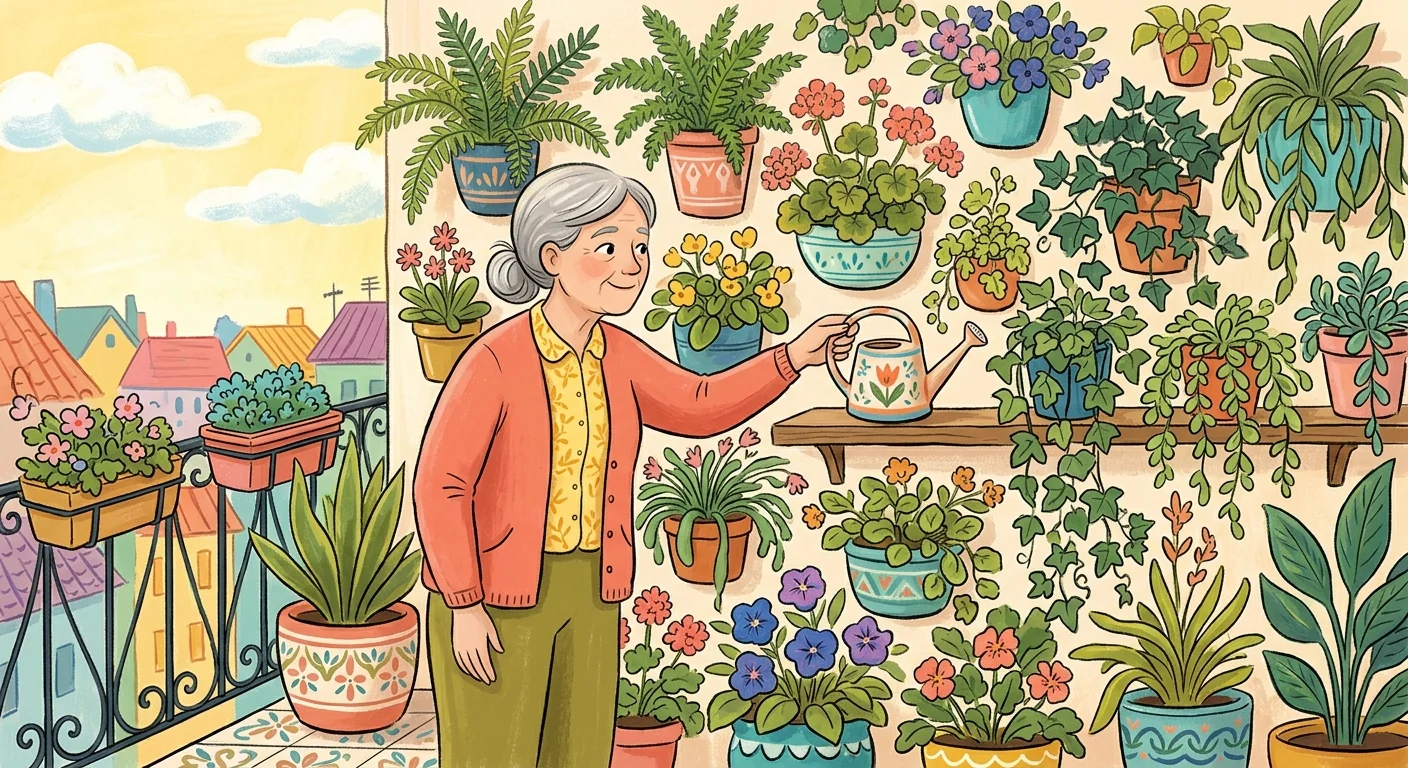
Your shoulder is an incredibly complex joint that relies on a network of tendons known as the rotator cuff. Over time, these tendons experience natural wear and tear, making them highly susceptible to microtears and inflammation. Reaching for heavy dishes on high shelves, aggressively pulling weeds in the garden, or even swimming with improper form can trigger sharp, lingering shoulder pain.
Modify your environment to keep your shoulders healthy. Reorganize your kitchen and workspace so your most frequently used items sit safely between waist and shoulder height. When tackling repetitive tasks like painting or gardening, take frequent breaks to stretch your arms and let the tendons rest. Incorporate simple pendulum exercises into your morning routine—gently swinging a relaxed arm in small circles—to maintain joint lubrication and flexibility.

Tip #5: Ankle Sprains from Uneven Surfaces
Your body’s proprioception—the internal sense of where your limbs are in space—gradually declines as you get older. This sensory shift means you might misjudge the height of a curb or fail to notice a hidden dip in the grass, resulting in a painful rolled ankle. Repeated sprains weaken the surrounding ligaments, creating a frustrating cycle of instability and reinjury.
Invest in proper, supportive footwear that features a wide base and a firm heel counter to hold your ankle securely in place. Ditch flimsy slippers or worn-out sneakers that offer zero lateral support. You can also actively train your ankles by practicing single-leg stands next to a sturdy chair; balancing on one foot forces your stabilizing muscles to fire, keeping your mind-muscle connection sharp.
Tip #6: Knee Meniscus Tears from Sudden Twists
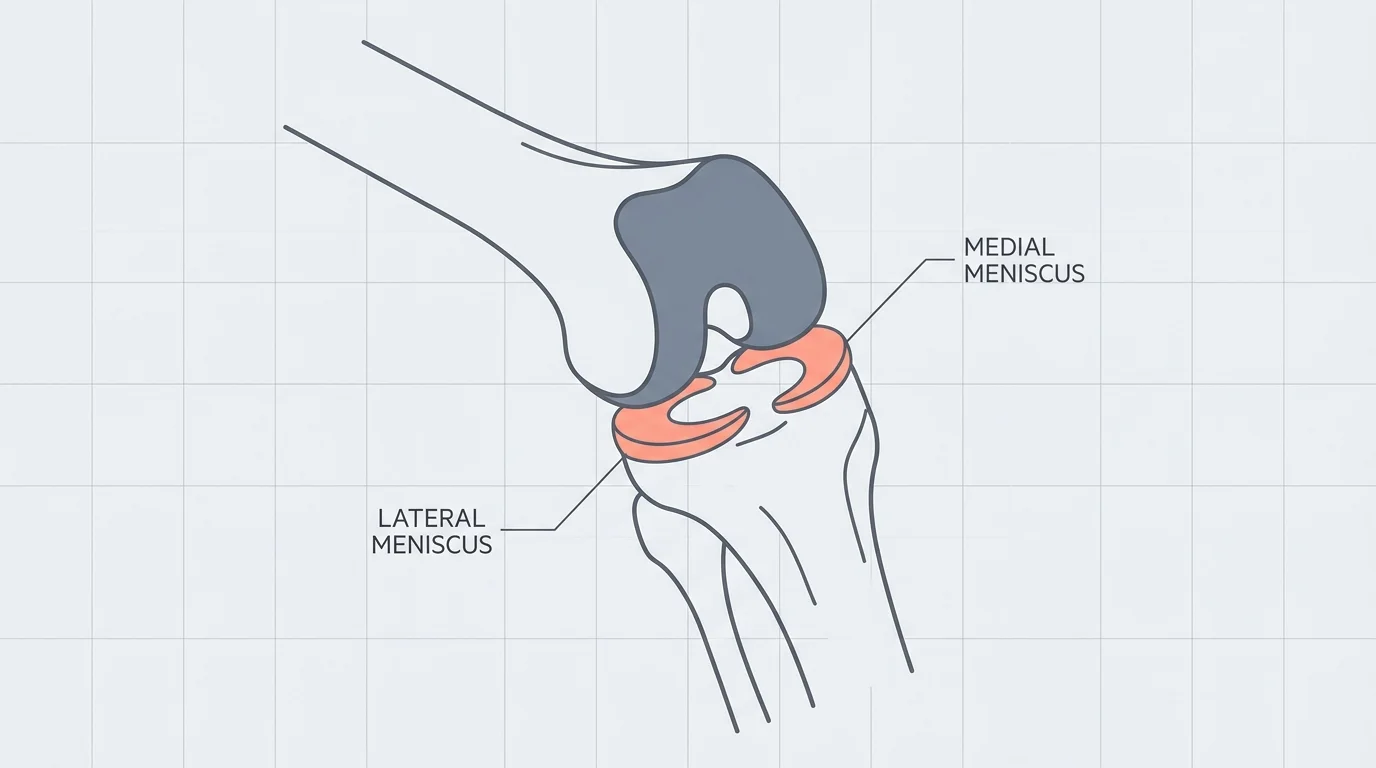
The meniscus acts as a crucial shock-absorbing cartilage pad between your thighbone and shinbone. As the years pass, this tissue dries out and becomes more brittle. Popular active hobbies like pickleball, tennis, or even dancing require rapid changes in direction, which can catch the knee joint off guard and cause the meniscus to tear.
Never skip your warm-up routine before hitting the court or the dance floor. Spend five to ten minutes doing dynamic movements like brisk walking, high knees, and side steps to increase blood flow to the joint. When turning to chase a ball or change direction, consciously pivot your entire body by picking up your feet, rather than keeping your feet planted and twisting your knees.
Tip #7: Head Injuries and Concussions from Slips
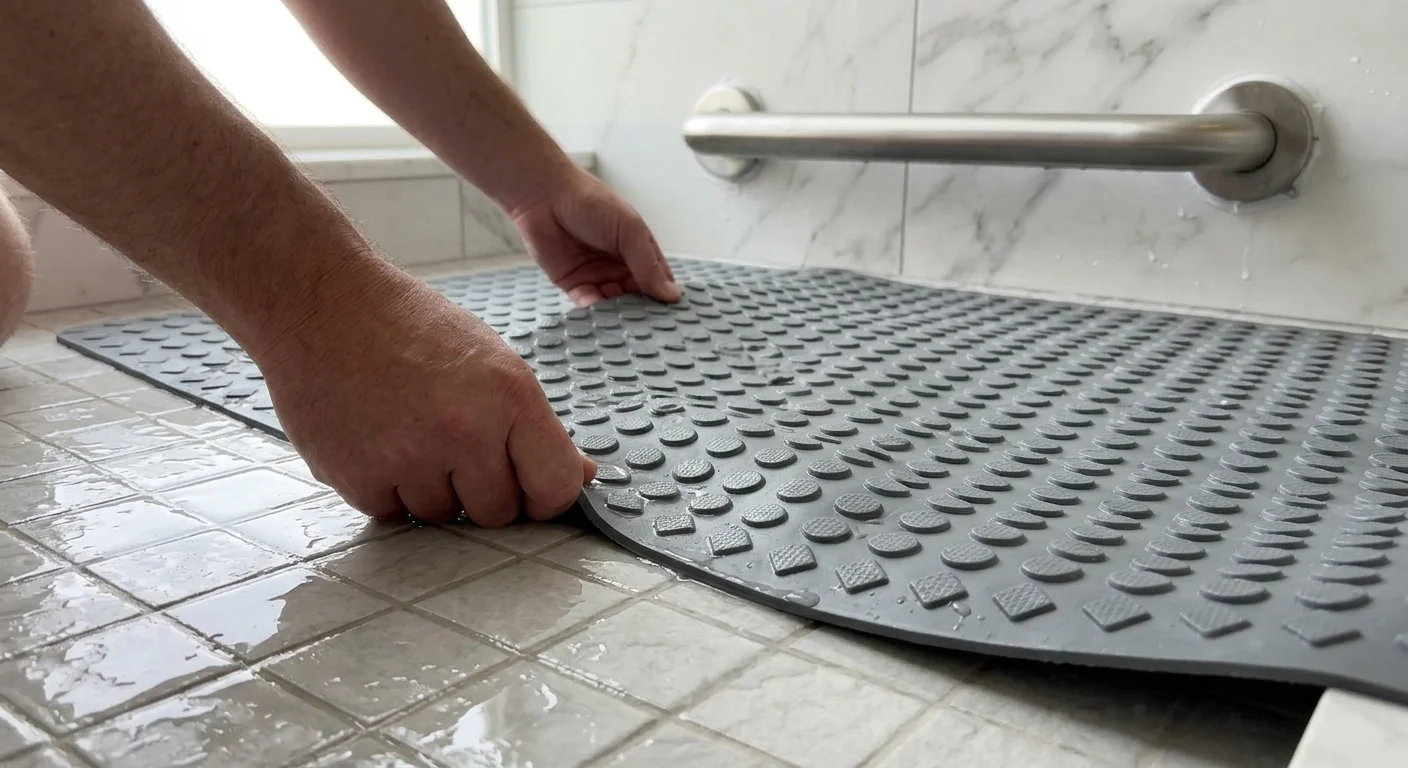
Head injuries demand immediate respect and attention, especially since aging blood vessels are more vulnerable to internal bleeding. A seemingly minor slip backward on a wet bathroom tile can result in a serious concussion or subdural hematoma. If you take blood-thinning medications for cardiovascular health, even a gentle bump to the head becomes a medical emergency.
Transform your bathroom into a safe haven. Install securely anchored grab bars inside the shower and right next to the toilet. Place non-slip rubber mats inside the tub and ensure your bath rugs have strong rubberized backing. Most importantly, if you ever experience a fall that involves hitting your head, seek a medical evaluation immediately—even if you feel completely fine at the moment.
Tip #8: Spinal Compression Fractures from Bone Thinning
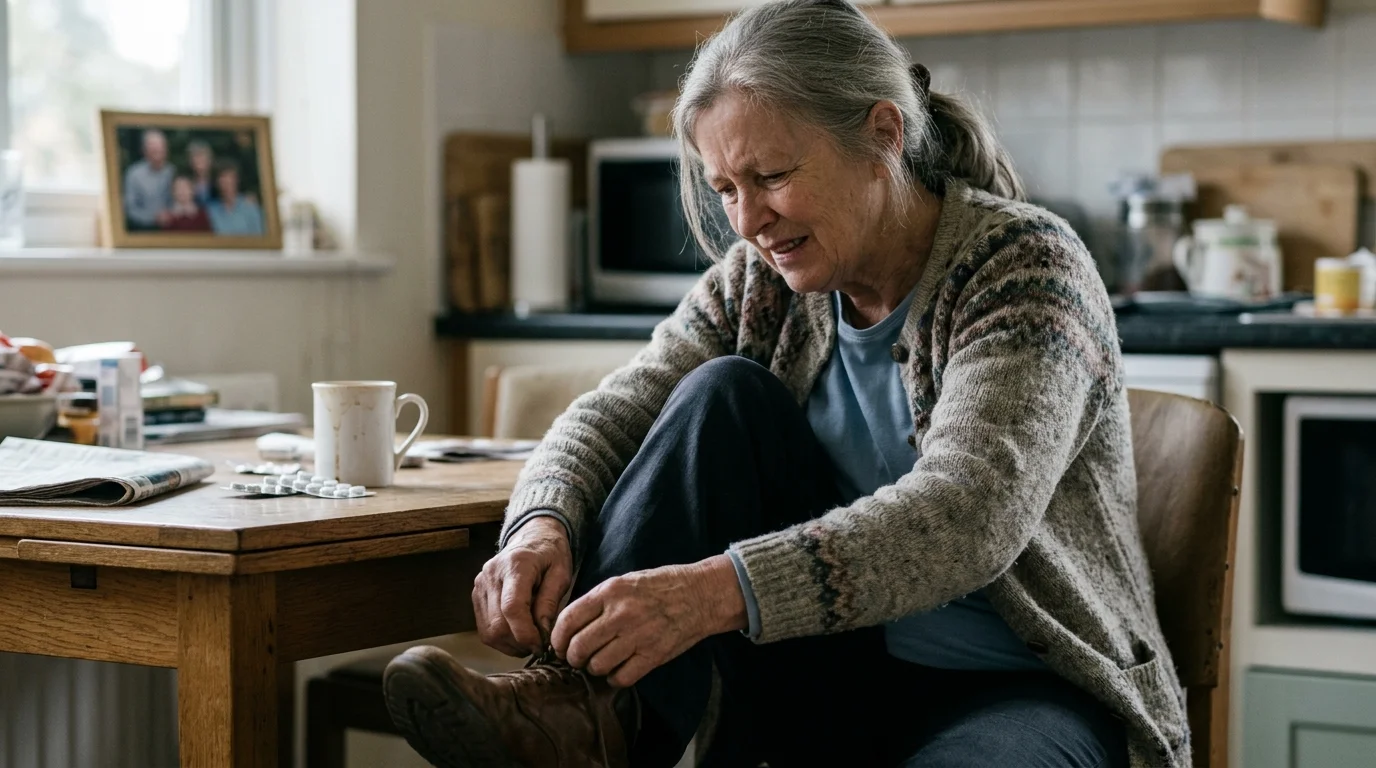
Unlike injuries caused by a dramatic fall, spinal compression fractures can happen during mundane daily activities. Severe osteoporosis weakens the cylindrical bones of the spine to the point where simply sneezing forcefully, coughing, or reaching out to open a heavy window can cause a vertebra to crack and collapse. This often leads to a gradual loss of height and a stooped posture.
Take a proactive approach to your bone density. Discuss scheduling a DEXA scan with your primary care physician to establish your baseline bone health. Engage in weight-bearing exercises like walking or light resistance training, which naturally stimulate your bones to retain their density. Practice good posture daily by gently rolling your shoulders back and down, keeping your spine properly aligned to distribute physical stress evenly.
Tip #9: Achilles Tendinitis from Sudden Activity Increases
Many active seniors fall victim to the “weekend warrior” syndrome. After a relaxing, sedentary winter, you might eagerly attempt a rigorous three-mile hike on the first sunny day of spring. This sudden spike in activity overwhelms the Achilles tendon at the back of your heel, causing severe inflammation and stiffness that makes walking agonizing.
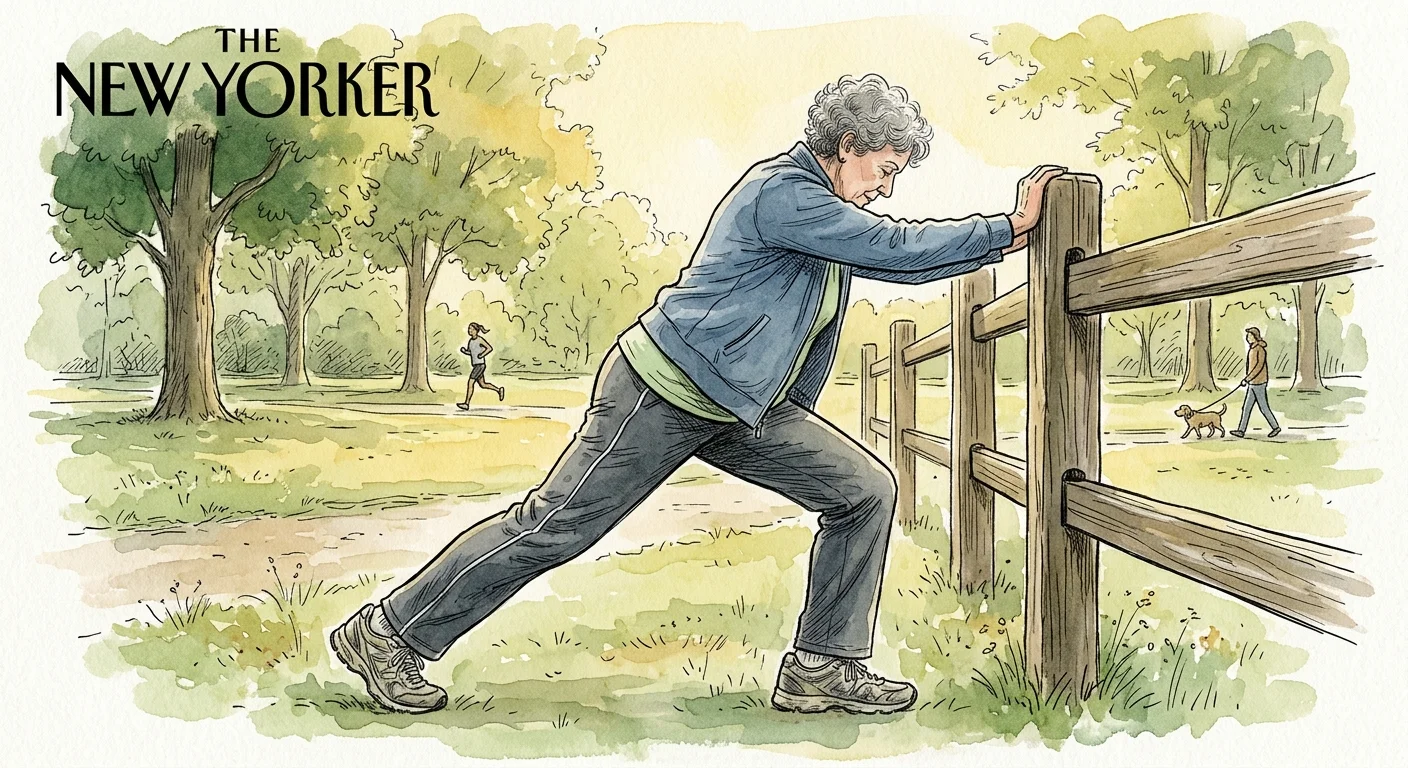
Protect your tendons by strictly adhering to the 10 percent rule: never increase your exercise duration, intensity, or distance by more than 10 percent per week. Give your body ample time to adapt to new physical demands. Always stretch your calves after a walk while your muscles are still warm; a supple calf muscle pulls less forcefully on the delicate Achilles tendon.

Tip #10: Rib Fractures from Minor Trauma
Because the rib cage is relatively exposed, it absorbs the brunt of many household impacts. Bumping into the sharp corner of a kitchen island or slipping against the edge of the bathtub can easily fracture a rib when bones are fragile. Rib fractures are uniquely frustrating because you cannot put them in a cast, and they make deep breathing and sleeping deeply uncomfortable.
Clear your home’s main arteries of unnecessary clutter and furniture that obstructs your natural walking path. Use bright nightlights in your bedroom and hallways to ensure you never have to navigate around heavy dressers in the dark. If you develop a persistent, heavy cough during cold season, visit your doctor promptly for treatment, as violent, repetitive coughing fits can crack weakened ribs.
Tip #11: Foot Pain and Plantar Fasciitis from Poor Cushioning
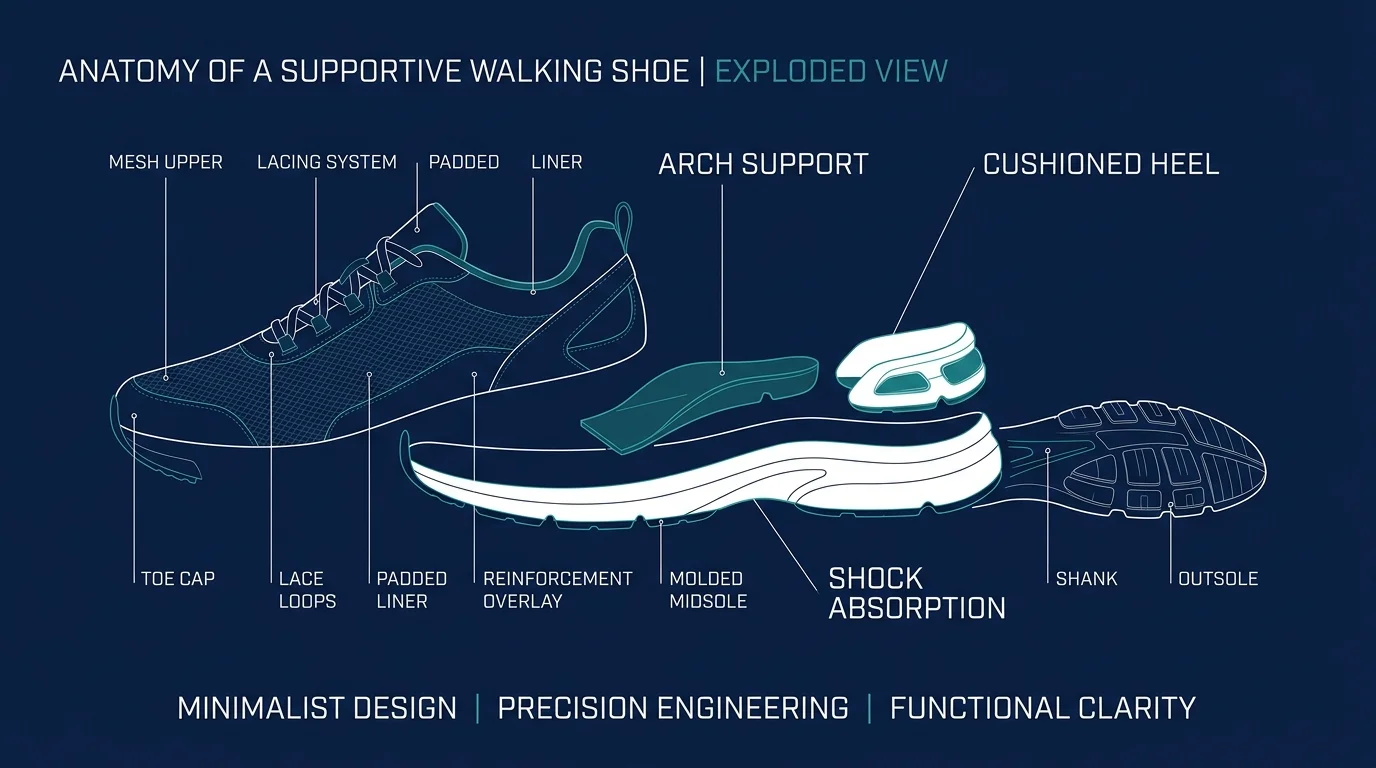
The protective fat pads on the bottom of your heels naturally thin out as the years go by, leaving your feet with less built-in shock absorption. Continuing to walk for exercise in worn-out shoes places excess stress on the plantar fascia—the thick band of tissue running across the bottom of your foot—resulting in a stabbing heel pain that is most severe during your first steps out of bed.
Track the mileage on your walking shoes and replace them every 300 to 500 miles, or whenever you notice the tread wearing unevenly. Purchase footwear late in the afternoon when your feet are naturally slightly swollen to ensure a proper fit. If you experience a flare-up of arch pain, freeze a small water bottle and gently roll the arch of your foot over it for ten minutes to reduce the inflammation.

Tip #12: Neck Strains from Poor Posture
Modern lifestyle habits, particularly staring down at smartphones, tablets, or e-readers, place immense strain on your cervical spine. This “tech neck” forces the muscles at the back of your neck to work overtime to support the weight of your head, leading to chronic muscle spasms, tension headaches, and stiffness that restricts your ability to check your blind spots while driving.
Optimize your ergonomics to give your neck a much-needed break. Prop up a pillow under your arms when reading in bed to elevate your book or tablet to eye level. Implement the 20-20-20 rule: every 20 minutes, look up from your screen at an object 20 feet away for at least 20 seconds. Also, ensure your sleeping pillow keeps your neck neutral, rather than pushing your chin forward into your chest.
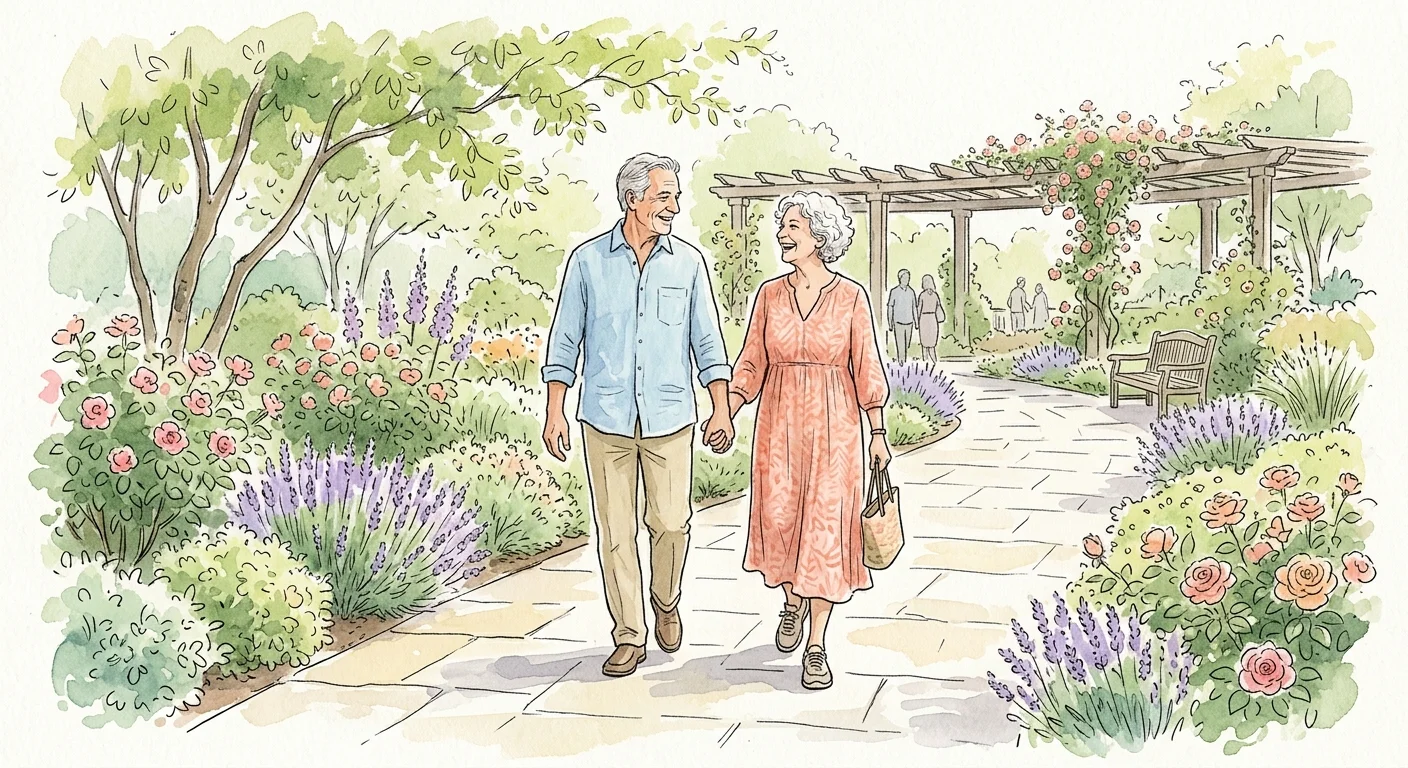
The Takeaway: Living a More Blissful Retirement
Understanding the common vulnerabilities that accompany aging is your greatest tool for maintaining lasting independence. You hold the power to shape your environment and adjust your daily habits in ways that actively protect your body. Simple, intentional choices—like optimizing the lighting in your hallways, investing in supportive footwear, and dedicating a few minutes each morning to dynamic stretching—build a powerful barrier against accidental injuries.
Do not let the fear of injury keep you sidelined. Instead, use this knowledge to engage in your favorite hobbies and activities with renewed confidence. Your body is incredibly resilient, and by providing it with the right support, sensible movement, and safe surroundings, you set the stage for a thriving, active, and deeply fulfilling lifestyle.
Frequently Asked Questions
How can I safely start a new exercise routine to prevent injuries?
Always consult your primary care physician before beginning a new fitness regimen. Start slowly with low-impact activities like swimming, recumbent cycling, or brisk walking. Focus specifically on exercises that build core strength and improve balance, as these foundational skills drastically reduce your risk of falling and straining muscles.
Are dietary changes genuinely effective for injury prevention?
Yes; your diet plays a massive role in maintaining the structural integrity of your body. Consuming adequate protein helps preserve vital muscle mass, while calcium and vitamin D directly support bone density. Incorporating anti-inflammatory foods like fatty fish, leafy greens, and berries also helps keep your joints supple and pain-free.
What should I do immediately after a minor slip or fall?
Take several deep breaths and remain entirely still for a few moments to accurately assess your body for pain. Do not rush to jump back up. If you feel severe pain, dizziness, or suspect a broken bone, call for help immediately. If you safely get up, monitor yourself closely over the next 48 hours for delayed swelling or signs of a concussion.
How often should I review my home for potential safety hazards?
Conduct a thorough safety walkthrough of your home at least once a year, or whenever your physical mobility changes. Check that all stair railings are securely fastened, test the backing on your area rugs to ensure they grip the floor, and verify that your shower grab bars remain firmly bolted to the wall.
For a wide range of resources for older adults, visit AARP and the National Council on Aging (NCOA). Health information is available from the National Institute on Aging.
Disclaimer: This article is for informational and inspirational purposes only. It is not a substitute for professional medical, financial, or psychological advice. Please consult with a qualified expert for guidance tailored to your individual needs.