

Unexplained shifts on the scale often signal underlying metabolic shifts rather than a simple need to diet, especially during your golden years. Recognizing the subtle signs of thyroid-related weight changes helps you take prompt action to maintain your energy and independence. As we age, the thyroid gland—a small, butterfly-shaped organ in your neck—can gradually underperform or overproduce hormones without setting off obvious alarms. Because the symptoms closely mimic the normal aging process, many older adults dismiss them entirely. By paying close attention to these often-overlooked physical clues, you can uncover hidden imbalances, seek the right medical support, and reclaim your vibrant quality of life.
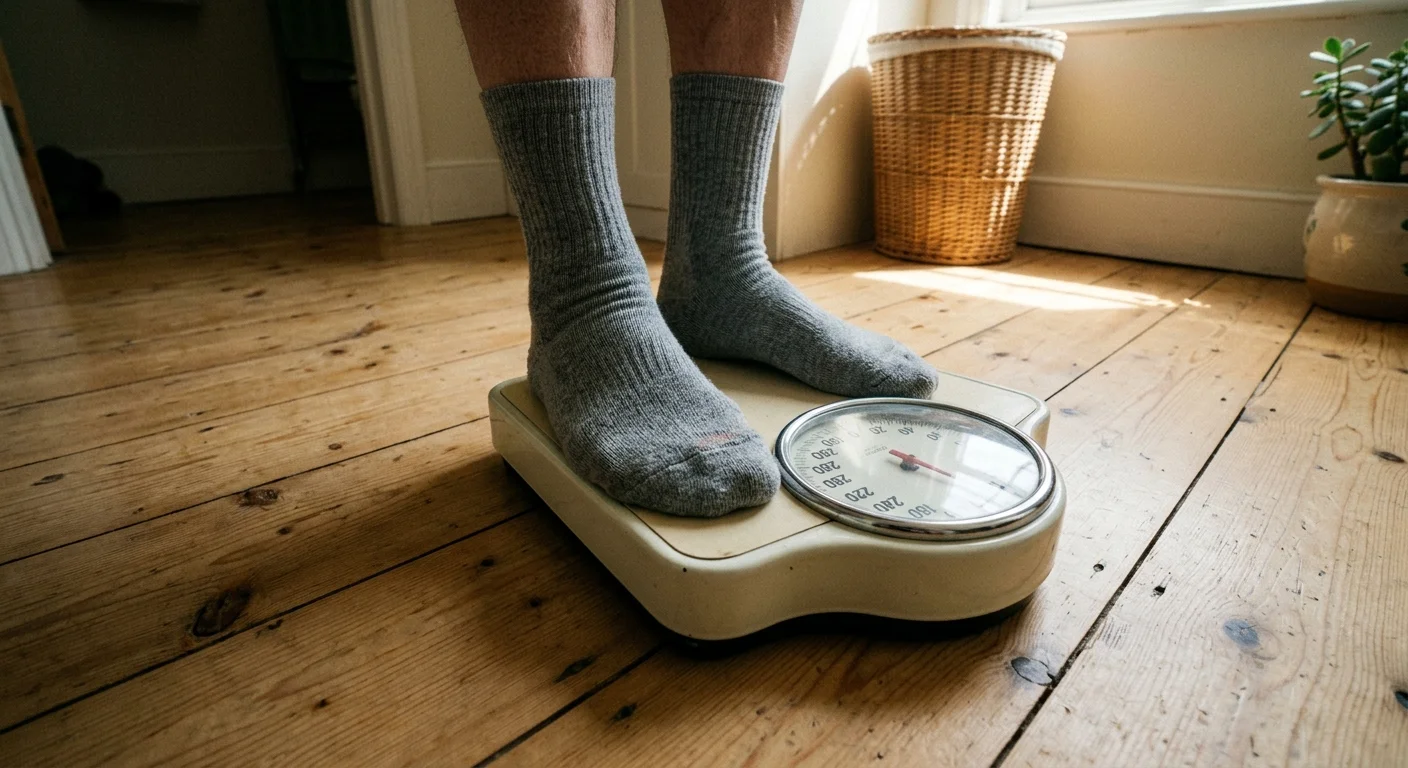
Tip #1: The Scale Creeps Up Despite a Consistent Diet
Stepping on the scale and noticing a steady upward trend can feel incredibly frustrating, especially when your daily habits remain exactly the same. You might eat your usual balanced meals, keep your portion sizes in check, and take your daily walks, yet your weight continues to climb. Many seniors mistakenly write this off as an inevitable part of healthy aging or a naturally slowing metabolism. However, a creeping scale in the face of a consistent diet serves as a classic, yet frequently ignored, sign of an underactive thyroid.
Your thyroid gland produces hormones that dictate your basal metabolic rate. This rate determines how efficiently your body converts the food you eat into usable energy. When you develop hypothyroidism, hormone production drops, and your internal engine slows to a crawl. Your body suddenly requires fewer calories to function, meaning the exact same diet you have maintained for years now provides a caloric surplus. This excess energy gets stored directly as fat.
Pay close attention to the timeline of your weight gain. Gaining five to ten pounds over a few short months without altering your lifestyle is a glaring red flag. Instead of strictly cutting calories—which further slows your metabolism and deprives your body of essential nutrients—track your meals and activity levels for a couple of weeks. Presenting a detailed log to your healthcare provider offers concrete proof that your weight changes stem from an internal metabolic issue, not a sudden lapse in willpower.

Tip #2: You Experience Sudden, Unintentional Weight Loss
Losing a few pounds without trying might sound like a dream come true for some, but sudden, effortless weight loss demands immediate medical attention. When your thyroid goes into overdrive—a condition known as hyperthyroidism—your metabolic rate skyrockets. Your body begins burning through calories at an alarming, unsustainable pace. Even if you eat significantly larger portions or indulge in high-calorie foods, the number on the scale continues to drop.
Older adults often overlook this symptom or attribute it to a harmless loss of appetite or age-related muscle thinning. Some even celebrate the unexpected slimming effect. Yet, this rapid weight loss strips away vital muscle mass and significantly diminishes bone density, increasing your risk for fractures and osteoporosis. Hyperthyroidism forces your heart to work much harder, often leading to heart palpitations, shortness of breath, and a racing pulse even while you sit comfortably in a chair.
Medical professionals consider losing five percent or more of your total body weight within a six-month period—without actively dieting or exercising more—a significant health warning. Look at how your clothing fits. If your favorite trousers suddenly require a belt, or your shirts hang loosely off your shoulders, schedule a comprehensive physical exam. Catching hyperthyroidism early prevents severe cardiovascular strain and protects your structural strength, keeping you active and mobile throughout your retirement.

Tip #3: Stubborn Fluid Retention and Puffiness
Not all weight gained during a thyroid flare-up consists of body fat. Hypothyroidism frequently triggers a unique form of severe fluid retention called myxedema. When your thyroid hormone levels plummet, your body begins accumulating specific sugar molecules, known as mucopolysaccharides, within your skin and deep tissues. These molecules act like microscopic sponges, pulling in massive amounts of water and trapping it beneath the surface.
This trapped fluid adds tangible, heavy weight to the scale, often masquerading as rapid fat gain. You might notice a distinct puffiness around your eyes when you wake up in the morning. Your rings may refuse to slide over your knuckles, and your shoes might feel uncomfortably tight by mid-afternoon. Unlike typical peripheral edema—which often leaves an indentation when you press your finger into your swollen ankle—thyroid-induced myxedema feels firm and unyielding to the touch.
Many seniors attempt to treat this sudden puffiness with over-the-counter diuretics or by drastically restricting their daily water intake. These tactics fail completely because the root cause relies on hormone deficiency, not standard water retention. Dehydrating yourself only leads to further fatigue and kidney strain. If you step on the scale and see a three-pound jump overnight accompanied by a swollen, heavy feeling in your face and limbs, request a thyroid panel. Only proper hormone replacement therapy can signal your body to release these trapped fluids.
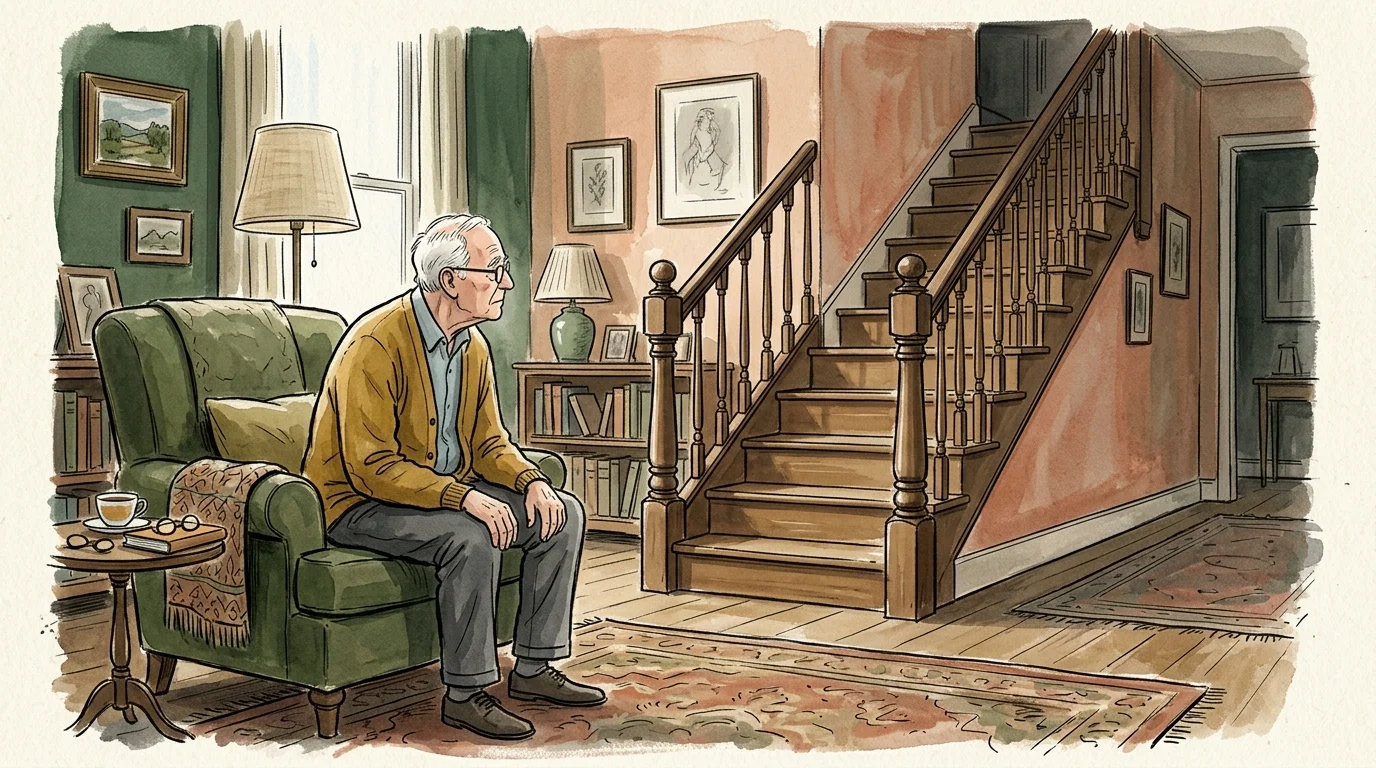
Tip #4: Muscle Weakness Masquerading as Fatigue-Induced Weight Gain
Thyroid disease profoundly impacts your muscular system, creating a deceptive cycle that directly alters your body weight. When your thyroid gland struggles to produce adequate hormones, you often develop proximal muscle weakness—a condition known as thyroid myopathy. This weakness primarily targets the large muscles closest to your body’s core, including your thighs, hips, and shoulders.
You might find it increasingly difficult to climb the stairs in your home, push yourself up from a deep armchair, or reach for a heavy dish in an upper cabinet. Alongside this weakness, profound fatigue settles into your bones. Because simple movements suddenly require monumental effort, you naturally begin moving less. You skip your morning walk, spend more hours reading on the couch, and rely on conveniences to save your energy.
This forced sedentary lifestyle drastically slashes the number of calories you burn each day. Consequently, your weight begins to rise, and you might falsely blame the weight gain purely on “getting older and slowing down.” Furthermore, the loss of active muscle mass slows your metabolism even further, compounding the weight gain. Recognizing that your lack of activity stems from actual muscular weakness rather than simple laziness empowers you to break the cycle. Treating the underlying thyroid disease restores your muscle strength, brings back your natural energy, and allows you to resume the active, calorie-burning hobbies you love.
Tip #5: Changes in Bowel Habits Influencing the Scale
The health of your digestive tract acts as a highly accurate mirror for your thyroid function. Your thyroid hormones directly govern gut motility—the speed and efficiency with which your digestive system moves food and waste through your intestines. When senior health declines due to a sluggish thyroid, your entire digestive timeline slows to a halt.
Hypothyroidism frequently causes severe, chronic constipation. This slowdown allows your body to extract too much water from waste, leaving you feeling heavily bloated and uncomfortable. The sheer physical weight of impacted stool and the resulting trapped intestinal gas can easily add two to four pounds to the scale. Older adults often battle constipation due to medication side effects or dietary changes, making it incredibly easy to overlook an underactive thyroid as the true culprit behind the bloat.
Conversely, hyperthyroidism hits the fast-forward button on your digestive tract. You might experience frequent, loose bowel movements multiple times a day. This hyper-motility prevents your intestines from properly absorbing vital nutrients and dietary fats. As food rushes through your system unabsorbed, your body resorts to burning stored fat and muscle for energy, directly fueling unintentional weight loss. If your bathroom habits shift dramatically and correlate with unexpected numbers on the scale, your digestive system is practically begging you to investigate your thyroid health.

Tip #6: Persistent Temperature Sensitivity Affecting Activity Levels
Your thyroid operates as your body’s internal thermostat. It dictates thermogenesis, the intricate process of generating physical heat through burning calories. When thyroid disease disrupts this system, your internal temperature regulation fails, leading to profound behavioral changes that heavily influence your weight.
If you suffer from hypothyroidism, your cellular engine runs far too cold. You might find yourself shivering in a perfectly temperate room, constantly reaching for heavy sweaters, or turning up the home thermostat while your family members complain about the heat. This persistent chilliness deeply discourages physical activity. You are far less likely to head out for a brisk neighborhood walk or attend a water aerobics class when you feel chilled to the bone. The resulting drop in physical activity directly contributes to weight gain.
On the flip side, hyperthyroidism turns your internal furnace up to an unbearable degree. You might sweat profusely while performing minor household chores or feel suffocated by normal summer weather. This intense heat intolerance drains your stamina rapidly, leaving you exhausted and severely dehydrated. You might lose your appetite entirely because eating feels too heavy in the heat, resulting in further weight loss. Monitoring how your body reacts to temperature compared to those around you provides an excellent, subtle clue regarding your metabolic health and subsequent weight changes.

The Takeaway: Living a More Blissful Retirement
Navigating the physical changes that accompany your golden years requires vigilance, compassion, and a proactive mindset. Unexplained weight changes—whether the scale stubbornly creeps upward or drops without effort—should never be dismissed as the inevitable cost of aging. Your body communicates its needs through these subtle signs, and understanding the vital role your thyroid plays empowers you to take charge of your well-being.
If you recognize any of these six subtle symptoms in your daily life, make an appointment with your healthcare provider to request a comprehensive thyroid blood panel. Simple tests measuring your TSH, Free T3, and Free T4 levels illuminate exactly what is happening beneath the surface. Armed with accurate data, you and your doctor can develop a targeted treatment plan that restores your metabolic balance.
Managing thyroid-related weight changes successfully involves a blend of proper medical care, nutrient-rich foods, and gentle daily movement. By actively addressing your thyroid health, you reclaim your vitality, stabilize your weight, and pave the way for a truly blissful, energetic retirement.
Frequently Asked Questions
How often should older adults have their thyroid levels checked?
Medical experts generally recommend that adults over the age of 60 receive a basic thyroid-stimulating hormone (TSH) test during their annual physical exam. If you possess a family history of autoimmune disorders, have previously undergone radiation treatments to your neck, or currently experience unexplained weight changes and severe fatigue, your doctor may recommend testing your thyroid levels every six months. Always communicate your symptoms clearly, as proactive testing catches metabolic issues before they cause significant lifestyle disruptions.
Can medication completely reverse thyroid-related weight changes?
Yes, appropriate prescription medication effectively stabilizes your metabolism, though the timeline varies for everyone. For hypothyroidism, doctors typically prescribe synthetic hormone replacements like levothyroxine. Once your hormone levels balance out, your basal metabolic rate normalizes, allowing you to shed excess water weight and respond normally to diet and exercise. However, medication alone is rarely a magic bullet. You must pair your treatment with a nutrient-dense diet and consistent physical activity to fully reverse the physical changes and rebuild lost muscle mass.
Are thyroid symptoms different for men and women over 60?
While the fundamental biological impact remains similar, the presentation of symptoms often shifts as we age, sometimes differing slightly between men and women. Older adults frequently experience a phenomenon known as “apathetic hyperthyroidism.” Instead of displaying the classic signs of hyperactivity and anxiety seen in younger patients, older adults might present with profound lethargy, muscle weakness, and weight loss. Women are statistically more likely to develop thyroid disorders than men, often confusing the early symptoms with lingering menopausal changes. Men, on the other hand, might attribute the muscle weakness and fatigue to a natural decline in testosterone.
What lifestyle changes best support thyroid health in seniors?
Supporting your thyroid involves creating a nurturing environment for your metabolism. Prioritize a diet rich in essential minerals like iodine, selenium, and zinc, which are crucial for hormone conversion. Foods like Brazil nuts, wild-caught fish, and eggs serve as excellent sources. Manage your daily stress through mindfulness or gentle yoga, as high cortisol levels actively interfere with thyroid function. Finally, engage in regular, low-impact strength training to preserve lean muscle mass. Maintaining your muscle not only keeps your metabolic rate healthy but also protects your joints and overall mobility.
For a wide range of resources for older adults, visit AARP and the National Council on Aging (NCOA). Health information is available from the National Institute on Aging.
Disclaimer: This article is for informational and inspirational purposes only. It is not a substitute for professional medical, financial, or psychological advice. Please consult with a qualified expert for guidance tailored to your individual needs.