

Staying vibrant throughout your golden years starts with tuning in to your body’s subtle health signals. Recognizing these quiet shifts gives you the power to protect your daily energy, wellness, and independence.
While classic warning signs like extreme thirst get the spotlight, diabetes often whispers before it shouts. In fact, over 11 million American adults currently live with undiagnosed diabetes without realizing it.
Spotting these surprising clues early puts you firmly in charge of your retirement health. Discover ten unexpected signs today so you can safeguard your active lifestyle.
Tip #1: Unexplained Hearing Changes
You might blame noisy restaurants or aging ears when you struggle to follow conversations. However, unexpected changes in your auditory sharpness often serve as hidden diabetes symptoms.
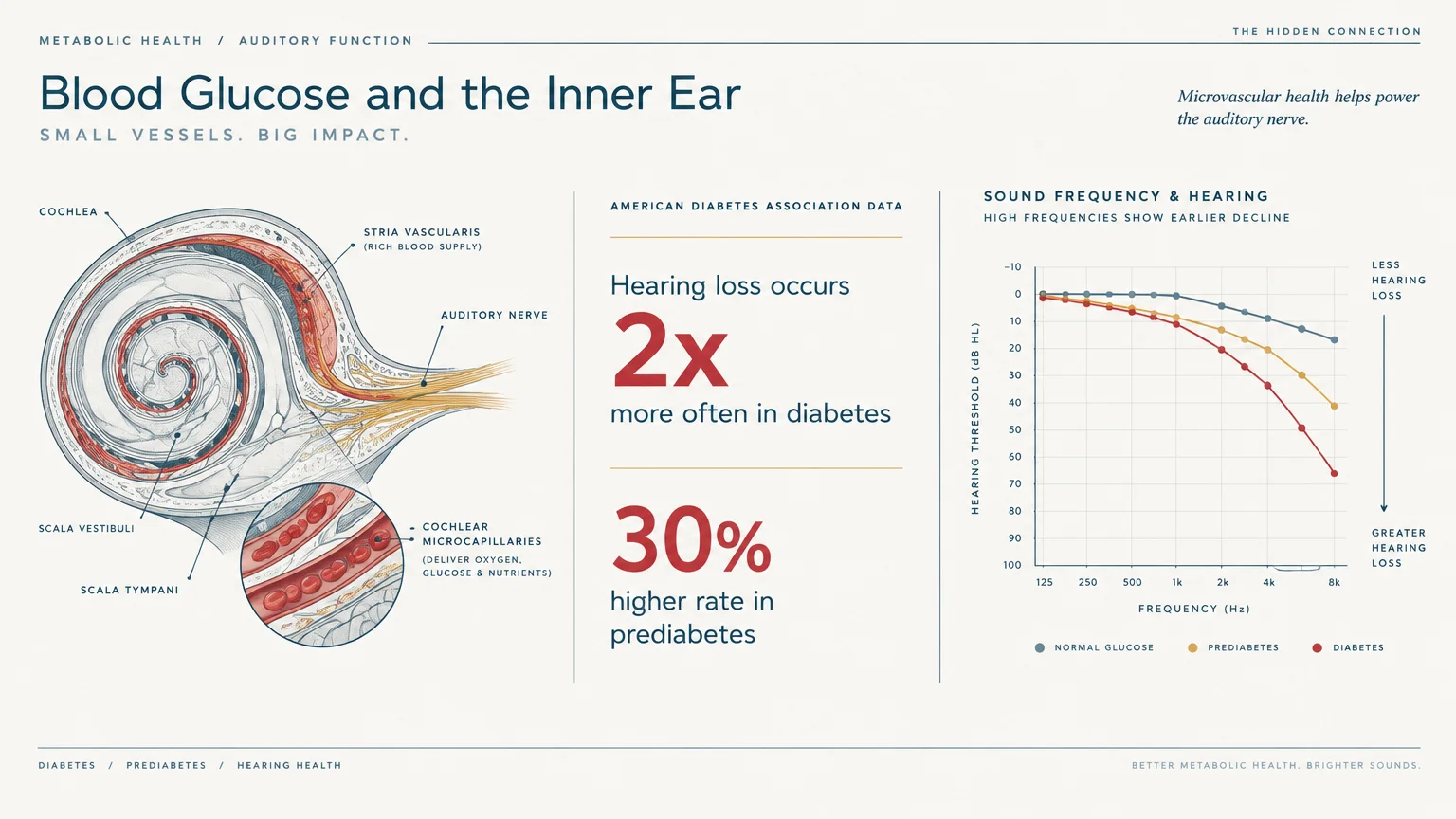
Research from the American Diabetes Association reveals that hearing loss occurs twice as often in people with diabetes. Even individuals with prediabetes experience a thirty percent higher rate of hearing impairment.
High circulating glucose damages the tiny blood vessels and delicate nerve fibers within your inner ear. Over time, this quiet vascular strain reduces your ability to process specific sound frequencies.
Pay close attention if you constantly turn up the television volume; this habit provides a meaningful clue. Requesting frequent repetitions during casual family chats also warrants an evaluation.
Schedule an audiogram with an audiologist to establish a baseline for your hearing health. Pair this hearing screening with a routine blood test to protect your auditory wellness and metabolic balance.

Tip #2: Persistent Shoulder Stiffness and Pain
Waking up with a stiff, aching shoulder can easily feel like a simple sleeping mishap. Yet stubborn shoulder pain may represent one of the most overlooked unusual signs of diabetes.
Clinical studies show that older adults with elevated blood glucose face two to four times the risk of developing adhesive capsulitis, commonly known as frozen shoulder.
Between ten and twenty percent of individuals with diabetes suffer from this condition, compared to just two to five percent of the general public.
Excess sugar molecules bond to collagen proteins within your shoulder capsule in a process called glycation. This biochemical reaction causes connective tissues to thicken, stiffen, and severely restrict your natural movement.
Track how easily you can reach overhead into high kitchen cabinets or fasten clothing behind your back. If gentle stretching fails to restore your range of motion, speak to your physician promptly.
Combining physical therapy with targeted blood sugar control helps loosen joint stiffness and relieves discomfort. Taking swift action protects your mobility so you can continue enjoying golf, gardening, and daily walks.

Tip #3: Frequent or Unexplained Skin Tags
Finding new, fleshy growths along your neck, eyelids, or underarms might seem like a harmless cosmetic nuisance. Nevertheless, a sudden surge in skin tags often acts as an external warning of insulin resistance.
When your cells resist insulin, your pancreas pumps out excessive amounts of the hormone to compensate. High circulating insulin triggers cellular growth factors that stimulate fibroblasts and keratinocytes in your skin.
You may also notice velvety, hyperpigmented patches in body folds, a related dermatologic condition known as acanthosis nigricans. These dark skin folds typically emerge along the back of the neck or armpits.
Examine your skin under good lighting during your morning grooming routine. Keep note of any new clusters of growths or darkening textures around skin friction areas.
Rather than simply clipping these tags at a salon, view them as an opportunity for metabolic wellness. Ask your healthcare provider to run an A1C screening test during your next wellness exam.

Tip #4: Sudden Bleeding or Receding Gums
Tender, swollen gums that bleed during brushing are easy to dismiss as minor dental irritations. However, periodontal challenges frequently serve as early diabetes symptoms that reflect what happens inside your bloodstream.
Research confirms that elevated blood glucose increases your risk of severe periodontal disease by two to three times. The connection between oral inflammation and systemic glucose regulation operates as a two-way street.
High blood sugar enriches the glucose levels in your saliva, feeding harmful bacteria that trigger plaque accumulation. At the same time, impaired circulation weakens your mouth’s natural defense mechanisms against common infections.
Watch for loose teeth, persistent bad breath, or gums pulling away from your enamel. These red flags indicate that oral bacteria are overwhelming your natural immune defenses.
Inform your dental hygienist about any family history of high blood sugar. Maintaining professional cleanings every six months preserves your bright smile and supports total systemic health.

Tip #5: Unexpected Vision Fluctuations
You might clean your reading glasses repeatedly, wondering why your eyesight feels crisp one morning and blurry the next afternoon. These rapid visual changes are prominent blood sugar symptoms to watch closely.
When glucose levels surge, fluid shifts across membranes and causes the crystalline lens of your eye to swell. This temporary swelling alters your eye’s focal distance, leading to inconsistent vision throughout the day.
Many retirees rush to purchase expensive new prescription lenses when their eyesight blurs. If fluctuating blood sugar causes the blurriness, however, your new glasses will stop working as soon as your glucose shifts.
Pay attention to whether your reading ability fluctuates after carbohydrate-dense meals. Document these visual changes alongside a food log to identify potential metabolic patterns.
Book a comprehensive dilated eye exam with an optometrist or ophthalmologist every year. Specialized imaging catches microvascular changes early, safeguarding your sight for decades of retirement adventures.

Tip #6: Recurrent or Stubborn Infections
A minor paper cut or scrape on your leg should heal within a few days. If tiny scratches linger for weeks or minor infections keep returning, take note of this biological message.
Slow-healing wounds and recurrent fungal infections are classic diabetes warning signs. Elevated glucose weakens neutrophil function, dampening the white blood cells responsible for destroying invading pathogens.
Poor microvascular circulation also starves injured tissues of fresh oxygen and vital healing nutrients. Consequently, simple skin blemishes or fungal foot irritations struggle to repair themselves efficiently.
Women over fifty should also watch for recurring urinary tract infections or stubborn yeast flare-ups. Pathogenic organisms thrive on the surplus glucose present in bodily tissues and secretions.
Clean and bandage small scrapes immediately, and inspect your skin daily for proper closure. If any lesion shows redness, warmth, or slow progress after several days, seek a professional medical review.

Tip #7: Puzzling Mood Shifts and Afternoon Brain Fog
Experiencing sudden mood swings or a thick mental fog around mid-afternoon can feel deeply frustrating. You might attribute your lack of focus to poor sleep, yet unstable glucose often drives these cognitive dips.
Your brain consumes roughly twenty percent of your body’s energy reserves, demanding a steady stream of fuel. When blood sugar spikes and plunges dramatically, your neurons struggle to maintain optimal cognitive processing.
Rapid glucose drops trigger the release of stress hormones like cortisol and adrenaline. These survival hormones leave you feeling jittery, anxious, irritable, and mentally depleted.
Notice if your patience wanes or concentration fades two hours after eating a starchy lunch. Recognizing these patterns helps you distinguish metabolic fatigue from normal everyday tiredness.
Stabilize your cognitive energy by pairing fiber-rich vegetables with clean protein and healthy fats at each meal. Balanced nutrition fuels steady brain function, keeping your memory sharp and spirits bright.

Tip #8: Uncharacteristic Daytime Dry Mouth
Feeling as though your mouth is filled with cotton despite drinking ample water feels bothersome and uncomfortable. This persistent dryness, known clinically as xerostomia, ranks among the subtle hidden diabetes symptoms.
When your bloodstream contains excess glucose, your kidneys work overtime to filter and excrete the surplus sugar. This natural osmotic process draws valuable fluids from your tissues, leaving your oral salivary glands dehydrated.
Chronic dry mouth creates more than just temporary discomfort; it also accelerates tooth decay and gum irritation. Without protective saliva, your mouth loses its primary defense against acidic bacterial byproducts.
Track your daily liquid consumption and observe how often you crave cold water throughout the day. If hydration fails to quench your parched tongue, your metabolism may need clinical attention.
Sip water infused with lemon or cucumber slices, and limit dehydrating caffeinated drinks. Bringing this symptom to your doctor’s attention can uncover underlying glucose challenges before complications arise.

Tip #9: Tingling or Burning Sensations in Your Feet
You might feel a gentle prickling, like pins and needles, across your toes while relaxing in the evening. This creeping sensation often signals diabetic peripheral neuropathy, an early indicator of elevated blood sugar.
Prolonged exposure to elevated blood sugar damages the protective myelin sheaths surrounding delicate sensory nerves. Because your longest nerves travel to your extremities, your feet and toes feel the effects first.
In early stages, neuropathy manifests as hypersensitivity, mild burning, or a strange sensation that you are wearing bunched-up socks. Over time, untended nerve distress can progress to dull numbness.
Perform a gentle self-check by running a soft cotton ball along the soles of your feet each evening. If certain areas feel noticeably dull or unusually sensitive, note the location.
Invest in well-cushioned, supportive shoes that protect your feet from undue pressure and friction. Sharing these sensory observations with your doctor allows for simple monofilament tests that evaluate nerve health accurately.

Tip #10: Restless Sleep and Night Sweats
Waking up damp with perspiration or tossing restlessly during the early morning hours disrupts restorative sleep. While many assume sleep issues are an inevitable part of aging, metabolic shifts frequently disrupt nighttime rest.
If your blood glucose drops during the night, your body initiates a natural counter-regulatory emergency response. Surging adrenaline stimulates glucose release from your liver, which triggers rapid heartbeats and sudden night sweats.
Frequent nighttime trips to the bathroom, known as nocturia, also interrupt deep sleep cycles repeatedly. Your kidneys pull water continuously to eliminate surplus glucose, fracturing your natural sleep architecture.
Keep a bedside sleep journal to record how often you wake up thirsty or sweating. Identifying these nighttime disruptions provides your clinician with valuable diagnostic context.
Enjoying a light, protein-focused evening snack like Greek yogurt or a handful of almonds can stabilize nocturnal glucose. Restoring restful sleep revitalizes your immune system and gives you vibrant morning energy.

The Takeaway: Living a More Blissful Retirement
Recognizing these ten unusual signs empowers you to take proactive ownership of your health journey. Modern medicine offers outstanding tools to manage and even reverse metabolic challenges when you catch them early.
Diabetes touches millions of households across the nation. According to the CDC, between 28.8% and 29.2% of American adults aged 65 and older live with diabetes today.
Furthermore, over 52% of older adults—representing approximately 31.3 million individuals—have prediabetes. Because early indicators remain quiet, 11.0 million adults remain completely undiagnosed.
You do not have to navigate these numbers with anxiety or fear. Proactive blood screenings make managing your health straightforward, empowering, and highly effective.
The American Diabetes Association recommends baseline screening for all adults starting at age 35, repeated every three years. The U.S. Preventive Services Task Force recommends screening for adults aged 35 to 70 who are overweight.
Diagnostic standards are transparent and simple to interpret with your doctor. A normal Hemoglobin A1C is below 5.7%, prediabetes sits between 5.7% and 6.4%, and diabetes measures 6.5% or higher.
For fasting plasma glucose, normal levels fall below 100 mg/dL, prediabetes ranges from 100 to 125 mg/dL, and diabetes begins at 126 mg/dL. Knowing these targets gives you clear metrics to celebrate as you build healthier habits.
Healthcare support is also more affordable than ever for older adults. Under the Inflation Reduction Act, Medicare caps covered insulin copayments at $35 per month with zero deductible requirements.
Through regular physical activity, wholesome nutrition, and open conversations with your physician, you can thrive throughout your retirement years. Your golden years belong to you, filled with joy, vitality, and endless possibilities.
Frequently Asked Questions
Can prediabetes be reversed after age 50?
Yes, prediabetes is entirely reversible at any stage of life. Modest lifestyle adjustments yield tremendous improvements in your metabolic sensitivity.
Losing just five to seven percent of your body weight can cut your risk of developing type 2 diabetes by over fifty percent. Engaging in brisk daily walking and eating whole, unprocessed foods produce rapid health dividends.
How often should older adults check their blood sugar if they have no symptoms?
Major clinical guidelines advise adults over age 35 to undergo diagnostic blood tests at least once every three years. If you carry risk factors like high blood pressure, annual testing offers greater peace of mind.
A simple fasting plasma glucose test or routine A1C blood draw can easily accompany your annual Medicare wellness visit. Regular checkups ensure you stay ahead of any creeping metabolic changes.
What makes unusual signs of diabetes easy to overlook in retirement?
Many subtle signs mimic standard, harmless side effects of growing older. Conditions like stiff joints, slight hearing loss, or dry mouth are frequently blamed on aging rather than glucose fluctuations.
By paying attention to combinations of these symptoms, you can identify blood sugar trends early. Discussing these interconnected clues with your doctor leads to comprehensive and timely wellness care.
How does Medicare help with diabetes prevention and management costs?
Medicare covers free annual wellness visits and preventive screening tests for beneficiaries with specific metabolic risk factors. They also cover accredited diabetes self-management training and nutrition counseling when recommended by your physician.
Additionally, federal regulations now cap covered insulin supplies at thirty-five dollars per month for Medicare Part D and Part B beneficiaries. This predictable pricing protects your retirement savings while supporting your daily health needs.
For a wide range of resources for older adults, visit AARP and the National Council on Aging (NCOA). Health information is available from the National Institute on Aging.
Disclaimer: This article is for informational and inspirational purposes only; it is not a substitute for professional medical, financial, or psychological advice. Please consult with a qualified expert for guidance tailored to your individual needs.