Tip #8: Hypoglycemia Risks with Combination Therapies
When taken as a standalone therapy, semaglutide carries a low risk of severe blood sugar drops—occurring in less than 1.5% of patients. Because GLP-1 drugs stimulate insulin secretion primarily in response to elevated blood glucose levels, they rarely drive blood sugar dangerously low on their own. However, the safety equation changes significantly when you combine semaglutide with other diabetes treatments.
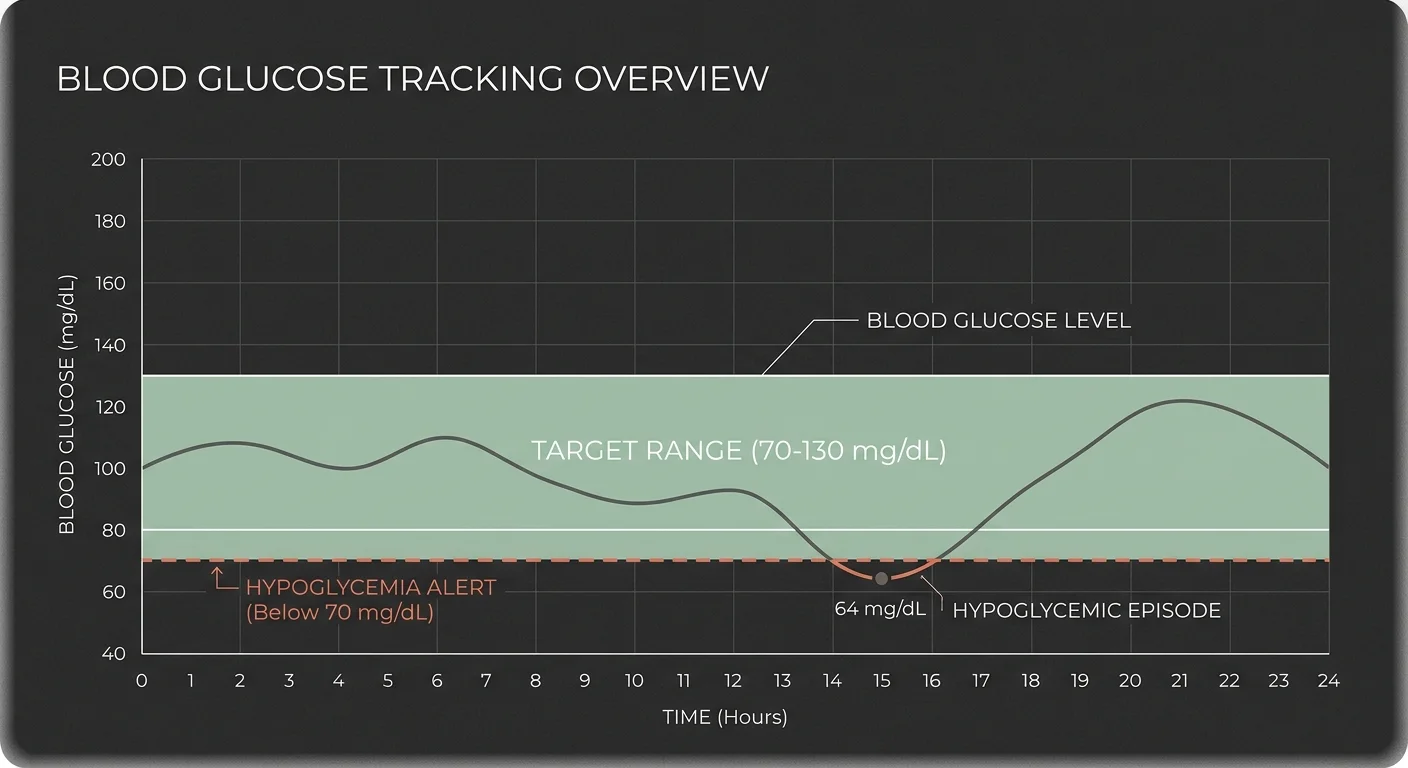
In September 2023, the FDA issued explicit warnings highlighting that combining semaglutide with insulin or insulin secretagogues, such as sulfonylureas, significantly increases your risk of severe hypoglycemia. A drastic drop in blood sugar can cause dizziness, confusion, shakiness, or even loss of consciousness.
If you take multiple diabetes medications, work closely with your physician to monitor your blood glucose patterns. Your doctor may adjust your doses of insulin or sulfonylureas downward when introducing semaglutide. Always keep fast-acting glucose tablets or a sweet drink nearby so you can respond quickly if your blood sugar dips below your target range.