
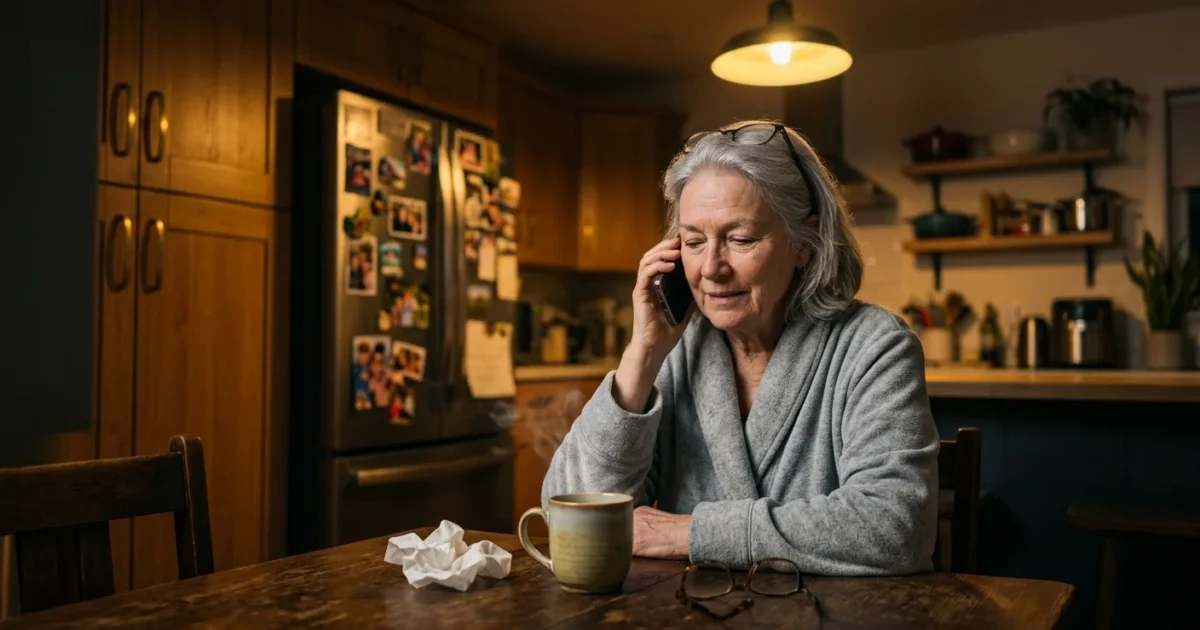
Navigating sudden health questions in retirement does not have to involve stressful late-night trips or expensive hospital bills. Calling a professional nurse hotline gives you immediate access to registered nurses who can evaluate your symptoms, explain medication guidelines, and help you decide your next medical step with confidence. Studies show that between 66% and 71% of emergency department visits involve non-emergent issues that primary care or urgent care could easily handle. By utilizing free nurse hotline services before rushing out the door, you protect your peace of mind and your budget while getting high-quality medical guidance tailored to your specific circumstances.
Tip #1: Evaluating Unexpected Non-Emergency Symptoms After Hours
You wake up at two in the morning with a low-grade fever, a mild persistent headache, or a scratchy throat that suddenly feels uncomfortable. Your primary care physician’s office is closed for the night, and panic might push you to head straight to the hospital. Understanding when to call a nurse hotline in these late-night moments can save you hours of sitting in a crowded waiting room while preserving your physical energy.
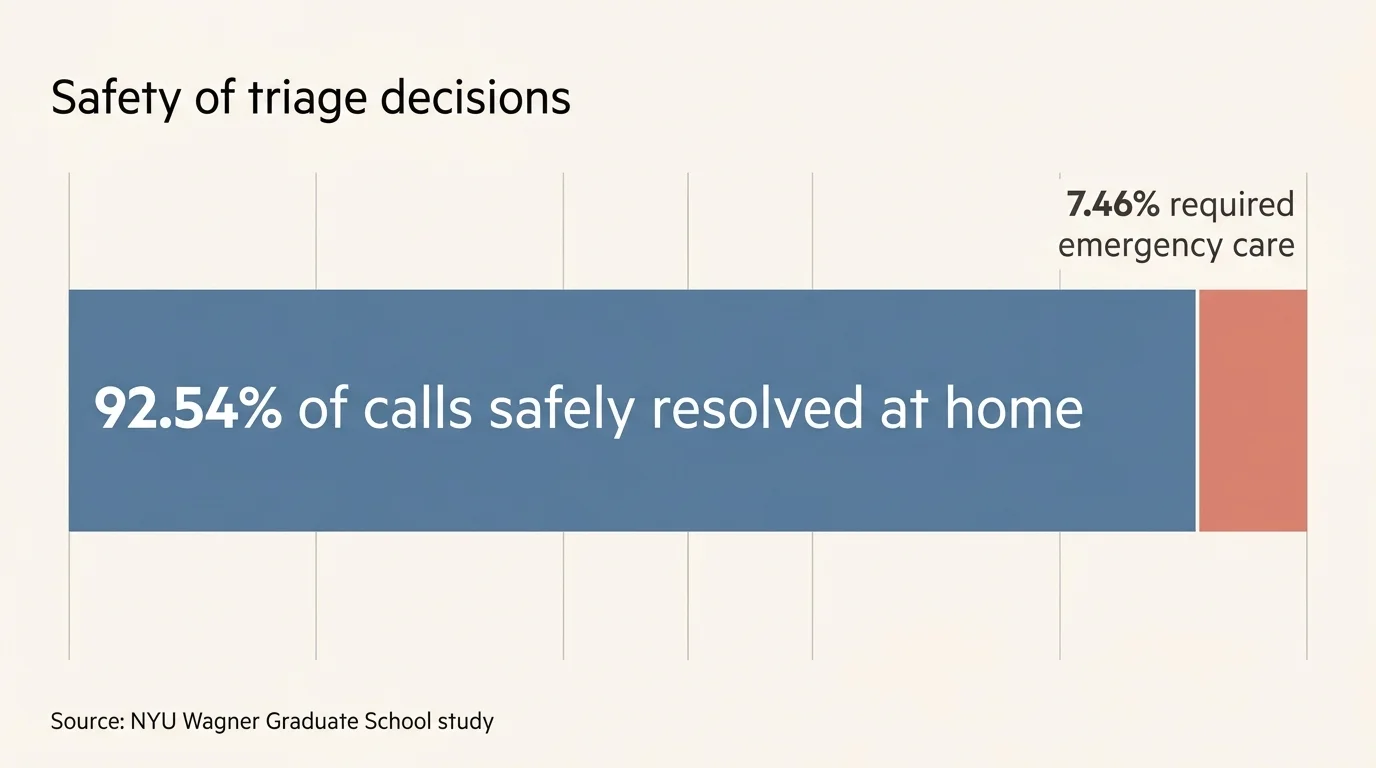
Registered nurses on triage hotlines use standardized clinical guidelines to evaluate your symptoms in real time. An influential study conducted by the NYU Wagner Graduate School of Public Service analyzed after-hours nurse triage services and discovered that 92.54% of calls were resolved safely without requiring an emergency room visit. These experienced medical professionals ask targeted questions about your body temperature, pain levels, and overall comfort to ensure you can sleep safely until morning or schedule a regular appointment with your doctor.

Tip #2: Managing Confusion Over New Prescription Medications or Dosages
Managing daily medications becomes more complex as doctors prescribe new therapies or adjust existing dosages. Perhaps you accidentally took an extra dose of your blood pressure pill, or you noticed mild dizziness shortly after starting a new prescription. Rather than guessing what to do next or stopping your treatment abruptly, reaching out for professional advice line assistance offers immediate clarity.
One of the primary benefits of using a nurse advice line is having immediate access to clinical databases that cross-reference pharmaceutical interactions and dosage guidelines. Triage nurses can evaluate whether your mild nausea is an expected side effect, advise you on how to adjust your next dose safely, and explain whether you need to take the medication with food. Their swift guidance prevents accidental drug errors and gives you complete confidence in your daily health regimen.
Tip #3: Deciding Between Urgent Care, Primary Care, or the Emergency Room
When physical discomfort arises, choosing the right level of care can feel daunting. Using a nurse hotline vs ER decision guide built into triage consultations helps you choose the safest, most cost-effective medical path. Hospital emergency rooms provide vital life-saving intervention, but using them for non-urgent care creates unnecessary financial stress and long wait times.
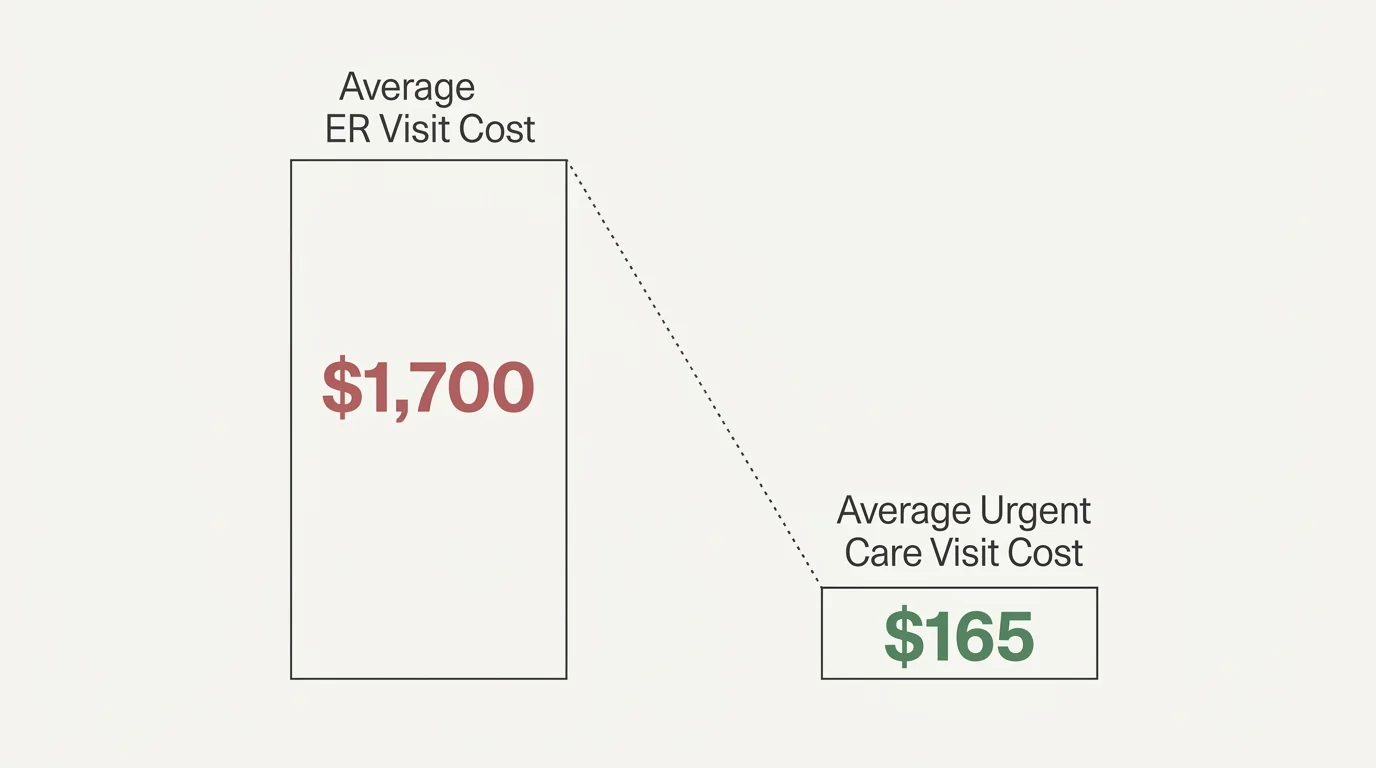
The average cost of an emergency room visit in the United States ranges between $1,500 and $3,000, with median allowed charges hovering around $1,700. In sharp contrast, a visit to an urgent care clinic averages approximately $165. A telephone triage nurse systematically evaluates your symptoms—such as a mild ankle sprain or localized abdominal discomfort—to determine if an urgent care visit or a next-day primary care appointment is appropriate, helping you save thousands of dollars without compromising your health.
Tip #4: Assessing Minor Injuries, Falls, or Bruises at Home
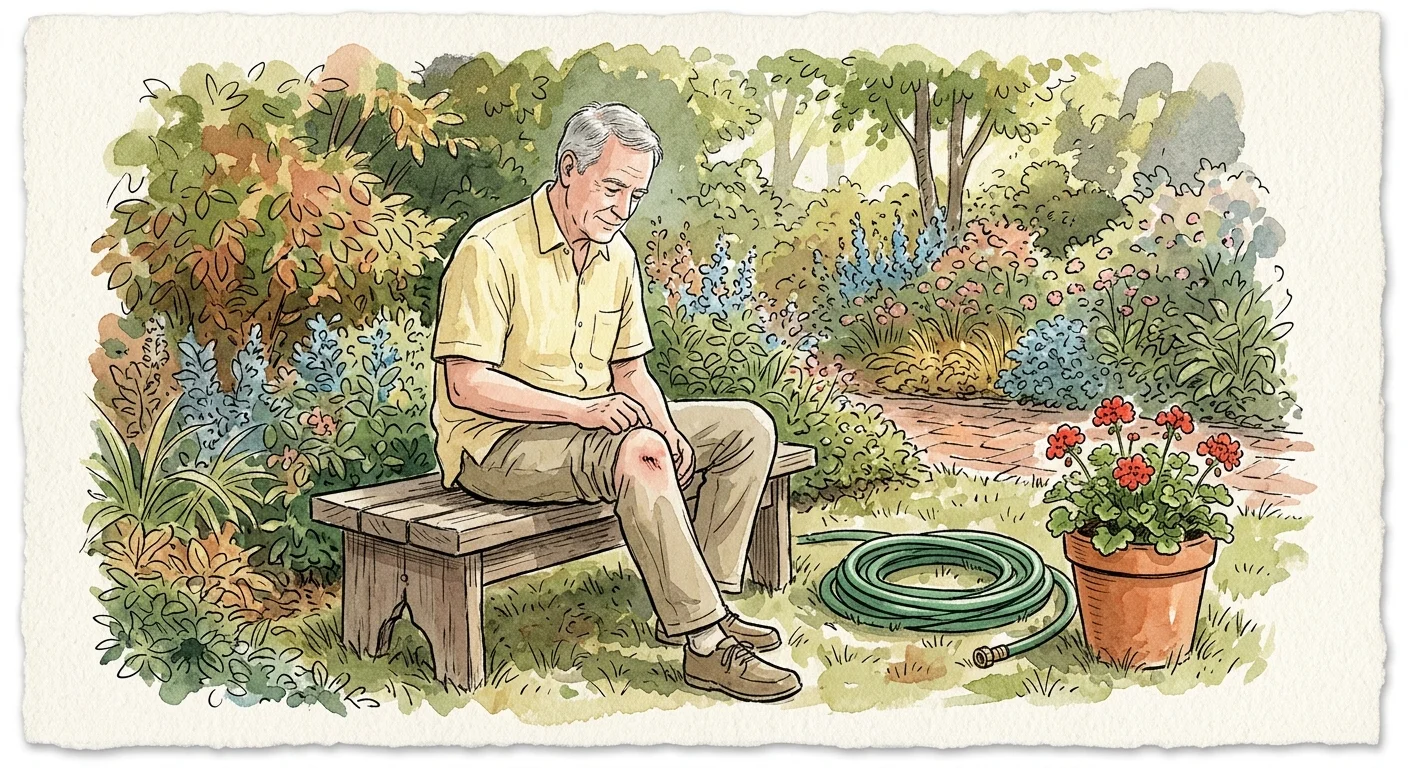
Active retirements bring immense joy, but minor accidents like tripping over a garden hose, bumping an elbow against a cabinet, or bruising a knee can happen to anyone. After a minor fall or impact, you might feel uncertain whether you sustained a simple bruise or a condition requiring diagnostic imaging. Reaching out to clinical nurses provides an immediate assessment of your physical safety.
During the call, the nurse evaluates key functional indicators, such as your ability to bear weight on the joint, your range of motion, and any changes in skin coloration or localized swelling. They guide you through proper home care protocols, including ice application, elevation, and rest. If your situation displays subtle signs of a hairline fracture or internal injury, the nurse will direct you to the nearest urgent care center for an X-ray.

Tip #5: Handling Mild Allergic Reactions or Unfamiliar Skin Rashes
Discovering an unexpected skin rash or sudden itching after trying a new food, topical lotion, or laundry detergent can trigger instant worry. Skin reactions can range from simple contact dermatitis to severe systemic allergic responses. Discussing specific situations for calling a nurse hotline reveals that skin issues are among the most common and easily triaged health concerns over the phone.
A triage nurse screens your condition to rule out severe medical emergencies like anaphylaxis, which involves airway swelling, severe shortness of breath, or tongue swelling. Once they establish that your breathing is fully compromise-free, they recommend soothing over-the-counter antihistamines, topical hydrocortisone creams, or cool compresses. They also outline precise warning signs that would require prompt follow-up care if the rash spreads or worsens.

Tip #6: Navigating Minor Post-Surgical Concerns or Recovery Questions
Recovering at home after a surgical procedure—such as a joint replacement, cataract surgery, or minor outpatient procedure—often brings unexpected physical sensations. You might notice mild redness around your incision line, slight swelling, or subtle fluid drainage and wonder if an infection is developing. Calling a triage line provides rapid clarity during your recovery journey.
Nurses can distinguish between normal wound healing processes and early indicators of surgical site complications. They review your discharge instructions with you, explain proper dressing change techniques, and assess whether your current body temperature or pain level falls within expected post-operative ranges. If necessary, they facilitate direct contact with your surgeon’s on-call clinical staff to modify your post-care instructions.
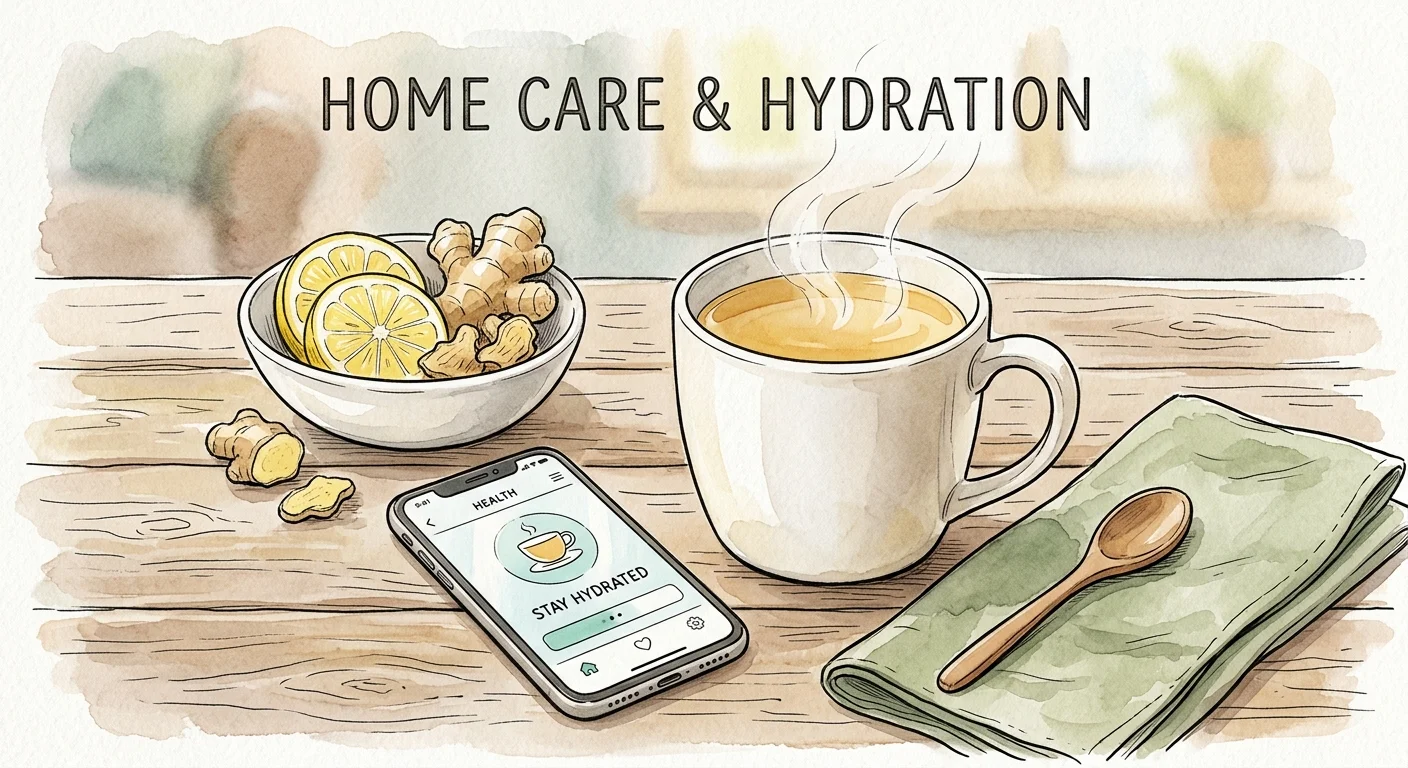
Tip #7: Managing Digestive Upset, Mild Dehydration, or Stomach Bugs
Gastrointestinal issues like sudden stomach cramps, mild diarrhea, or nausea after dining out can quickly drain your vitality. For older adults, digestive distress carries a higher risk of rapid fluid loss and electrolyte imbalances. Calling a nurse advice line equips you with practical, home-based recovery strategies designed to restore your digestive health safely.
The nurse calculates your risk of fluid deficit by assessing your oral intake, frequency of symptoms, and energy levels. They provide step-by-step guidance on gentle rehydration solutions, dietary progression strategies like bland food protocols, and ideal resting techniques. Furthermore, they outline critical red flags—such as severe localized pain, high fever, or signs of acute dehydration—that signify the need for hands-on medical evaluation.
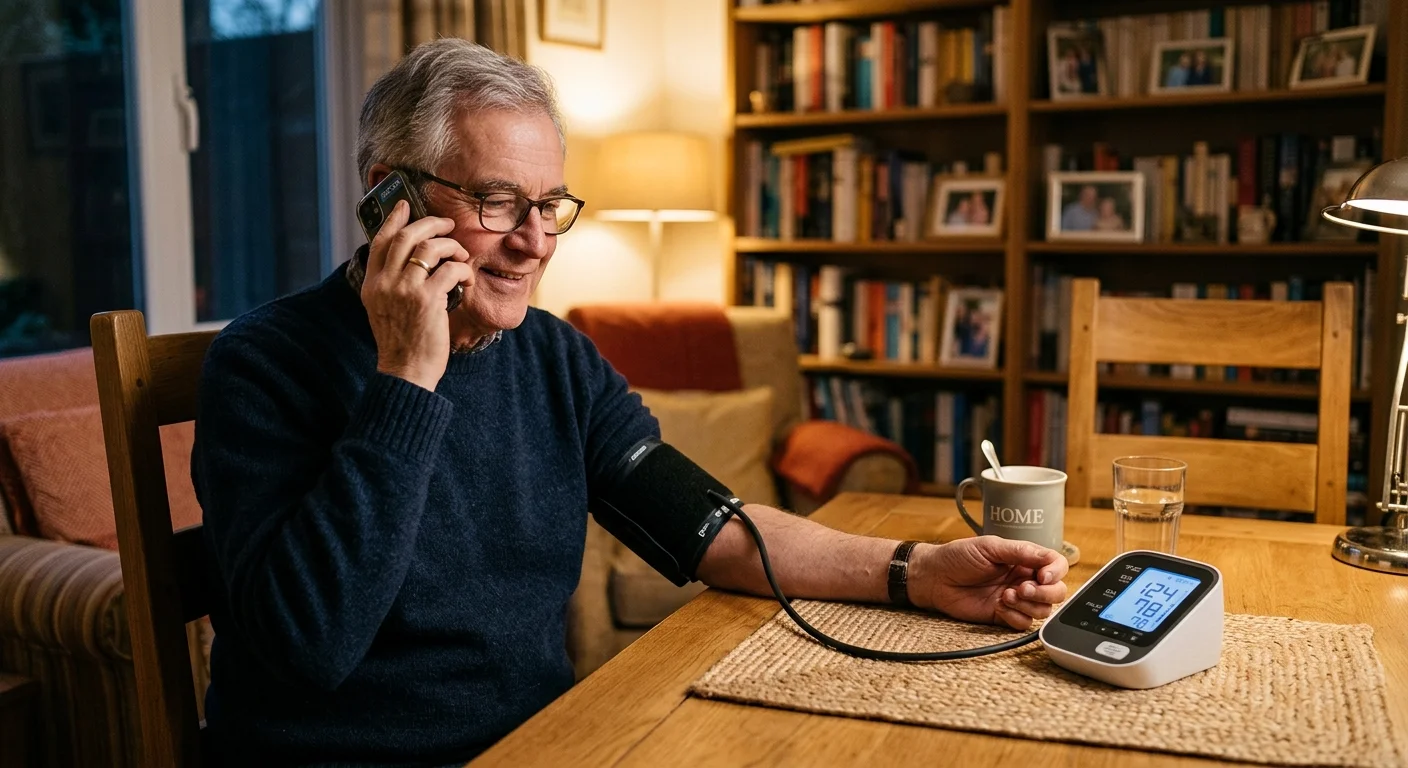
Tip #8: Experiencing Chronic Disease Flare-Ups or Unexpected BP Changes
Many seniors manage chronic health conditions like blood pressure changes, type 2 diabetes, or osteoarthritis. Monitoring your health at home using blood pressure cuffs or glucose meters is empowering, but seeing an unusually high or low reading can cause understandable distress. Calling a triage nurse offers a calm, systematic approach to interpreting your numbers.
Nurses guide you through proper diagnostic checks, ensuring that factors like posture, cuff size, recent physical activity, or short-term stress are not skewing your monitor results. They help you evaluate accompanying physical symptoms, such as dizziness, lightheadedness, or vision changes. Based on this thorough assessment, they advise whether to re-test after rest, take a prescribed adjustment medication, or contact your specialist directly.

Tip #9: Seeking Reassurance and Care Guidance for Spouses or Loved Ones
Caring for a spouse or partner in retirement is a profound act of love, but managing their sudden physical changes or health complaints can feel overwhelming. When your loved one experiences unexpected agitation, localized discomfort, or reduced mobility, having instant access to professional nursing advice removes the burden of solitary decision-making.
Triage nurses support caregivers by providing clear, step-by-step instructions for physical comfort, safety modifications, and symptom monitoring. They validate your observations, offer reassuring guidance on home comfort measures, and assist you in deciding whether your partner needs an immediate medical visit. This reliable assistance preserves your caregiver energy while keeping your loved one safe in familiar home surroundings.

Tip #10: Finding Immediate Emotional and Mental Health Triage Support
Retirement brings major life transitions, and managing health shifts alongside life changes can occasionally trigger feelings of anxiety, overwhelming stress, or loneliness. Your mental and emotional health is just as important as your physical well-being. Reaching out to health hotlines during moments of emotional burden ensures you receive compassionate, non-judgmental guidance.
Nurse advice lines evaluate both physical and psychological well-being, helping you connect with community resources, counseling services, or local senior wellness programs. Additionally, if you or someone you know experiences severe emotional distress or mental health crises, the nationwide 988 Suicide & Crisis Lifeline—launched in July 2022—provides free, 24/7 confidential support staffed by trained crisis professionals. Utilizing these resources strengthens your emotional resilience and supports a joyful retirement.

The Takeaway: Living a More Blissful Retirement
Embracing an active, vibrant retirement means taking proactive control of your wellness while making smart, informed healthcare choices. Nurse hotlines represent one of the most effective, underutilized medical tools available today, serving as a trusted bridge between home care and professional clinical settings. By consulting a registered nurse before rushing to an emergency department or urgent care facility, you safeguard your time, save significant healthcare expenses, and reduce unnecessary stress.
Accessing these invaluable services is easier than ever. While Original Medicare (Part A and Part B) does not cover standalone telephone nurse advice lines, the vast majority of Medicare Advantage (Part C) plans offer free nurse hotline services as a standard benefit for plan members. Take a moment today to check the back of your health insurance card, save the nurse advice number into your phone contacts, and feel empowered knowing that professional medical guidance is always just a phone call away.
Frequently Asked Questions
How do I access free nurse hotline services through my insurance?
You can locate your dedicated nurse advice number by examining the back of your health insurance or Medicare Advantage membership card. Most Medicare Advantage (Part C) plans and commercial retiree plans include 24/7 access to registered nurses at no additional cost. You can also call your health plan’s customer service number or visit their online portal to obtain direct contact details for their clinical triage team.
When should I bypass a nurse hotline and call 911 immediately?
You must call 911 immediately if you or someone around you experiences life-threatening medical emergencies. These symptoms include severe chest pain or pressure, sudden numbness or weakness in the face, arm, or leg, severe difficulty breathing, sudden loss of consciousness, uncontrolled bleeding, or major trauma. Nurse hotlines are designed for non-emergent triage and health guidance, not immediate life-saving interventions.
What information should I prepare before calling a nurse advice line?
To ensure a smooth and efficient call, keep a current list of your prescription and over-the-counter medications, including precise dosages. Write down your current symptoms, when they began, and any recent vitals you have measured at home, such as body temperature, blood pressure, or blood sugar levels. Having your health insurance card and primary doctor’s name handy will also assist the nurse in documenting your consultation.
Are telephone consultations with a triage nurse completely confidential?
Yes, nurse hotline consultations adhere strictly to federal HIPAA privacy laws and health data protection standards. Your conversation, personal details, and clinical triage recommendations remain completely confidential. The nursing team documents your call in a secure health system, and with your permission, they can forward a summary of the triage notes directly to your primary care physician to ensure seamless continuity of care.
For a wide range of resources for older adults, visit AARP and the National Council on Aging (NCOA). Health information is available from the National Institute on Aging.
Disclaimer: This article is for informational and inspirational purposes only. It is not a substitute for professional medical, financial, or psychological advice. Please consult with a qualified expert for guidance tailored to your individual needs.