Tip #3: Intestinal Blockage and Severe Gastrointestinal Slowing
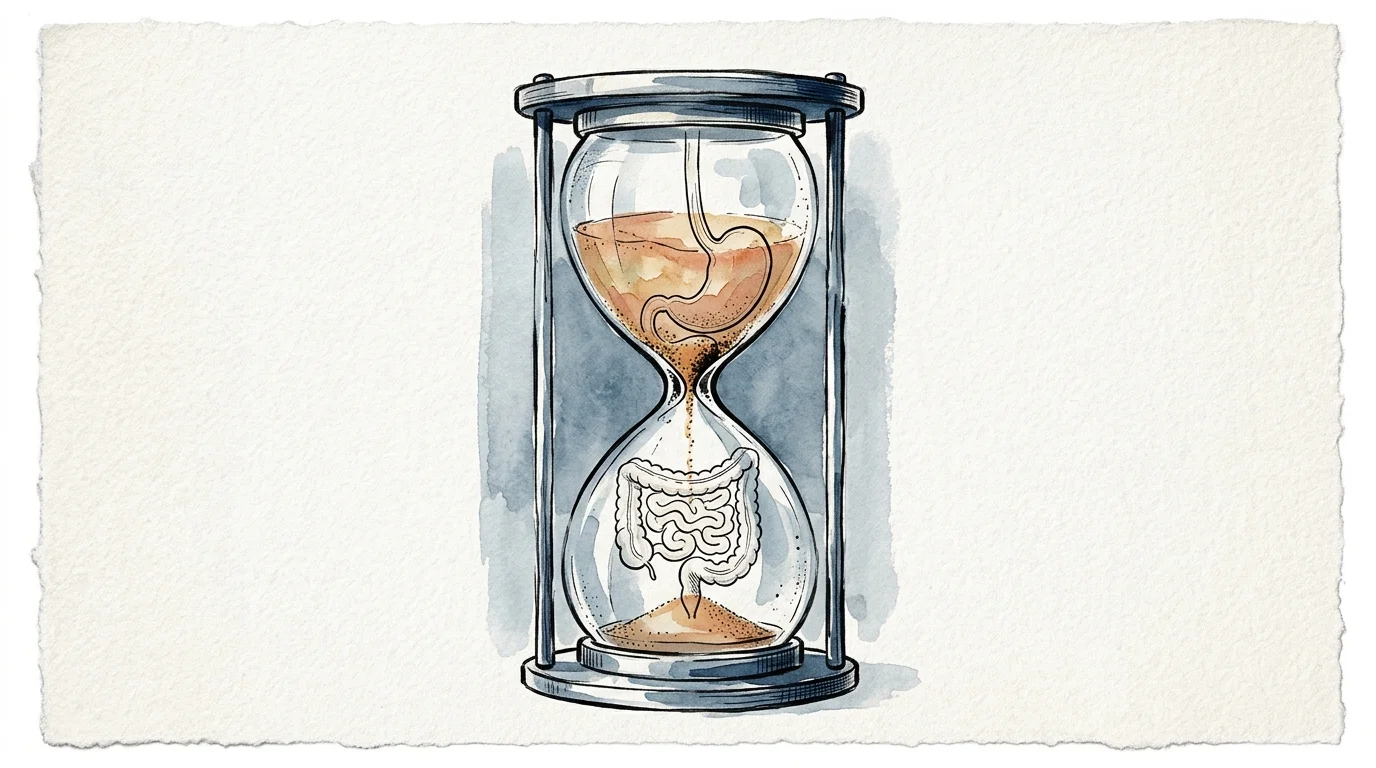
Ozempic works primarily by mimicking the GLP-1 hormone, which slows down how quickly your stomach empties its contents into the small intestine. While this mechanism helps you feel full longer, it can occasionally cause severe digestive complications. In September 2023, the FDA updated the official warning label for Ozempic to explicitly include ileus—a painful condition where the intestinal muscles become paralyzed, preventing food and waste from moving through your digestive tract.
When severe intestinal blockage occurs, it stops normal digestion and can lead to dangerous abdominal complications if left unaddressed. Mature adults are particularly sensitive to gastrointestinal shifts, making it vital to distinguish between mild digestive slowing and a serious intestinal blockage.
Stay attuned to your body by monitoring how your stomach responds to medication dose increases. Contact your doctor right away if you experience severe abdominal pain, persistent vomiting, extreme bloating, or an inability to pass gas or stool. You can support healthy digestion by drinking plenty of water, incorporating gentle physical activity like daily walking, and discussing dietary fiber adjustments with your physician.