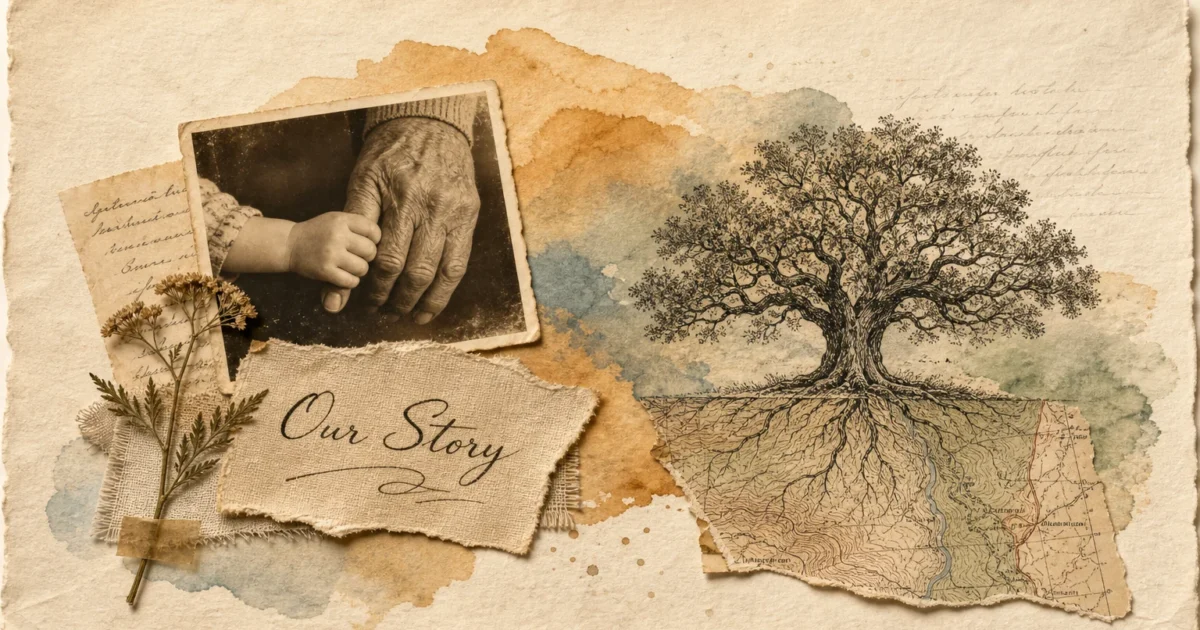
Building meaningful family traditions gives your children and grandchildren a lasting sense of identity, belonging, and joy. You hold the unique power to anchor your family through shared rituals that transcend generations and keep everyone connected in our fast-paced world. Whether you want to revitalize an old holiday custom or introduce fresh family bonding activities, intentional rituals provide stability and create cherished memories. Passing down generational traditions does not require expensive trips or elaborate planning; the most profound impact often comes from simple, consistent routines. Explore these ten powerful practices to bridge the generational gap, foster deeper relationships, and ensure your family legacy endures long after the moment passes.
Tip #1: The Annual Storytelling Circle
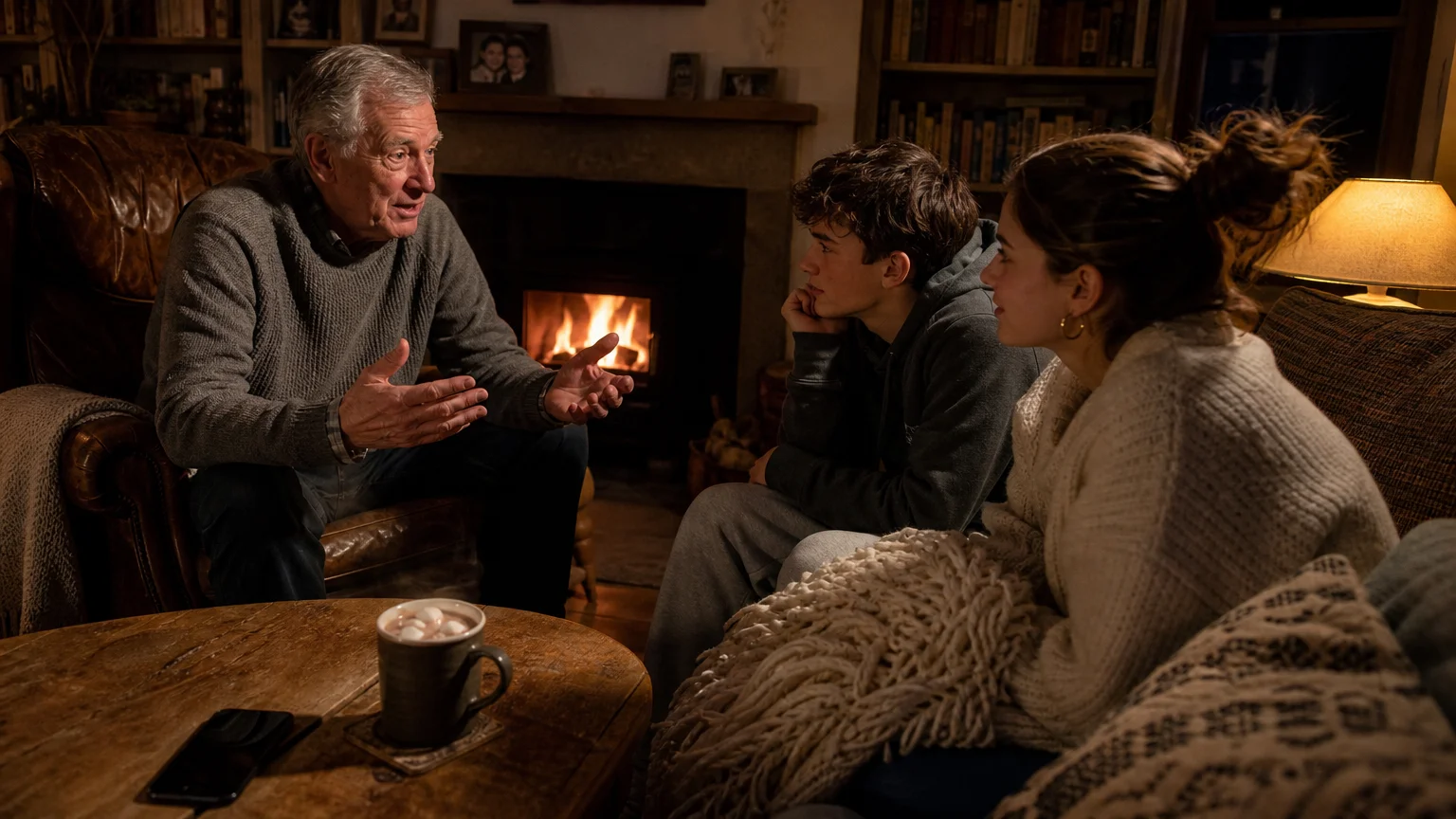
Passing down personal history anchors your family. Start an annual storytelling night where everyone gathers to share memories and pivotal life moments. You can center this around a specific theme. Good themes include “the hardest lesson I learned” or “my favorite childhood summer.” Giving your family members a prompt helps remove the pressure of coming up with a story on the spot.
Research shows that children who know their family narrative display higher resilience and emotional well-being. Share stories about your ancestors, your early career, and the challenges you overcame. Hearing how you navigated difficult times provides younger generations with a blueprint for handling their own struggles. This practice serves as one of the most meaningful family traditions you can establish.
Keep the atmosphere informal and cozy. Serve hot cocoa, light a fire, and let the conversation flow naturally. You might even want to record the audio on a smartphone to preserve the sound of your loved ones’ voices. By dedicating a specific night to this event, you ensure your legacy lives on in the minds and hearts of your family.
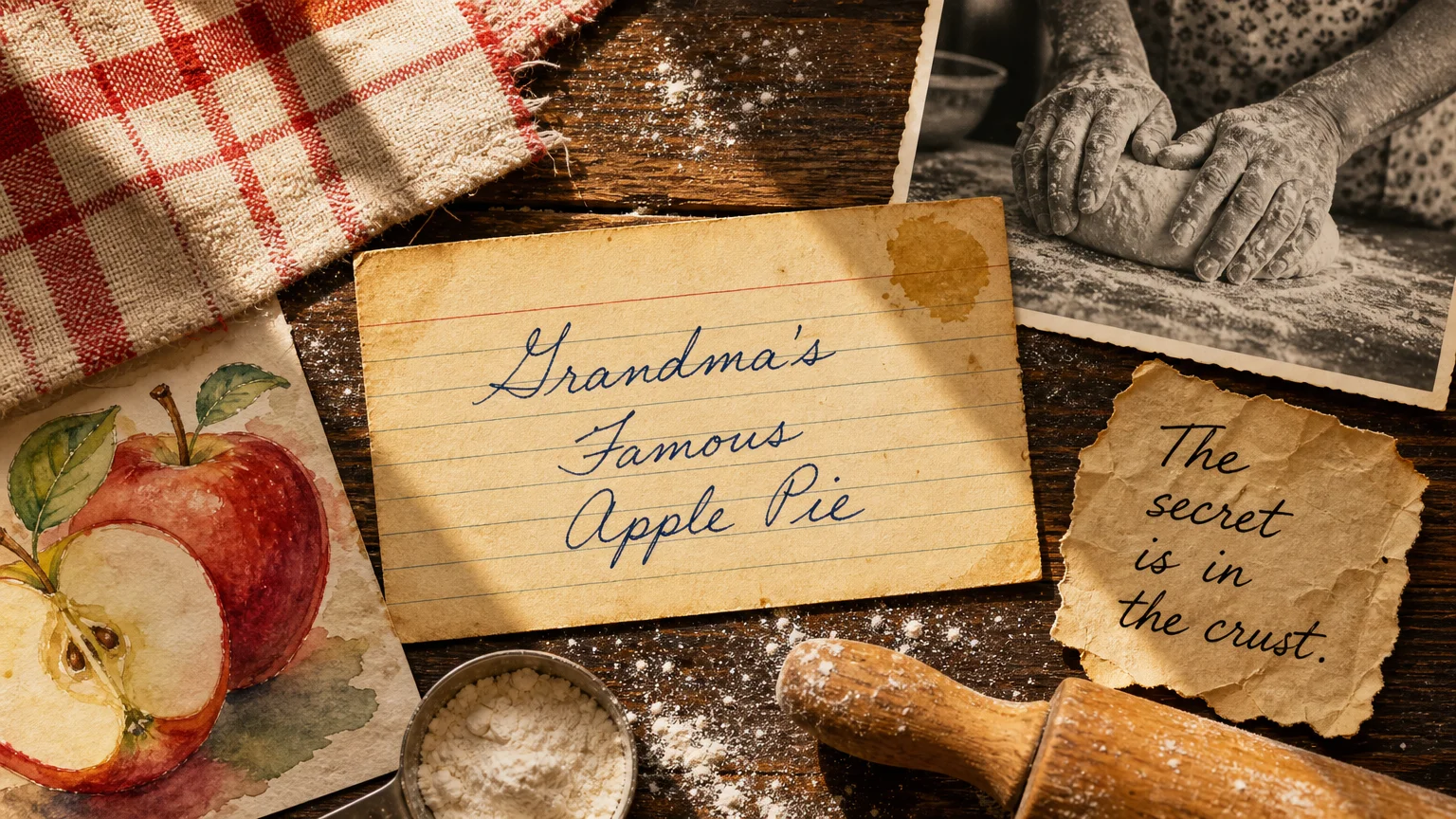
Tip #2: The Heirloom Recipe Collection
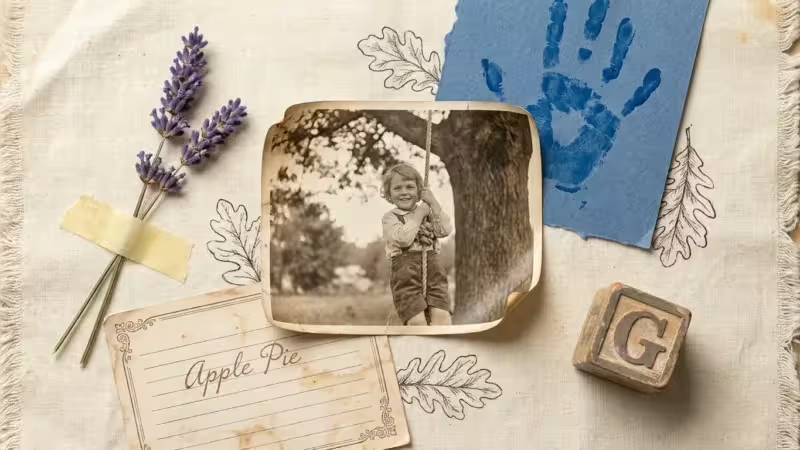
Food carries the profound ability to evoke memories and transport us back in time. Transform your daily meals into powerful generational traditions by compiling a heritage recipe book. Do not just write down the ingredients and measurements. Include the rich stories behind each dish to give the recipes a soul.
Explain why you always bake a specific pie for Thanksgiving or how you learned to roll pasta by watching your own grandmother. Invite your family into the kitchen to prepare these meals together. Working side-by-side provides a relaxed environment for natural conversation and bonding. Smells and tastes trigger memories faster than almost any other sense, making this an incredibly effective way to connect.
You can take this a step further by scanning handwritten recipe cards and printing bound copies for each family member. Take photos of the finished dishes and include them in the margins. Whenever they recreate your famous stew or signature dessert, they will feel your presence and love radiating throughout their own homes.
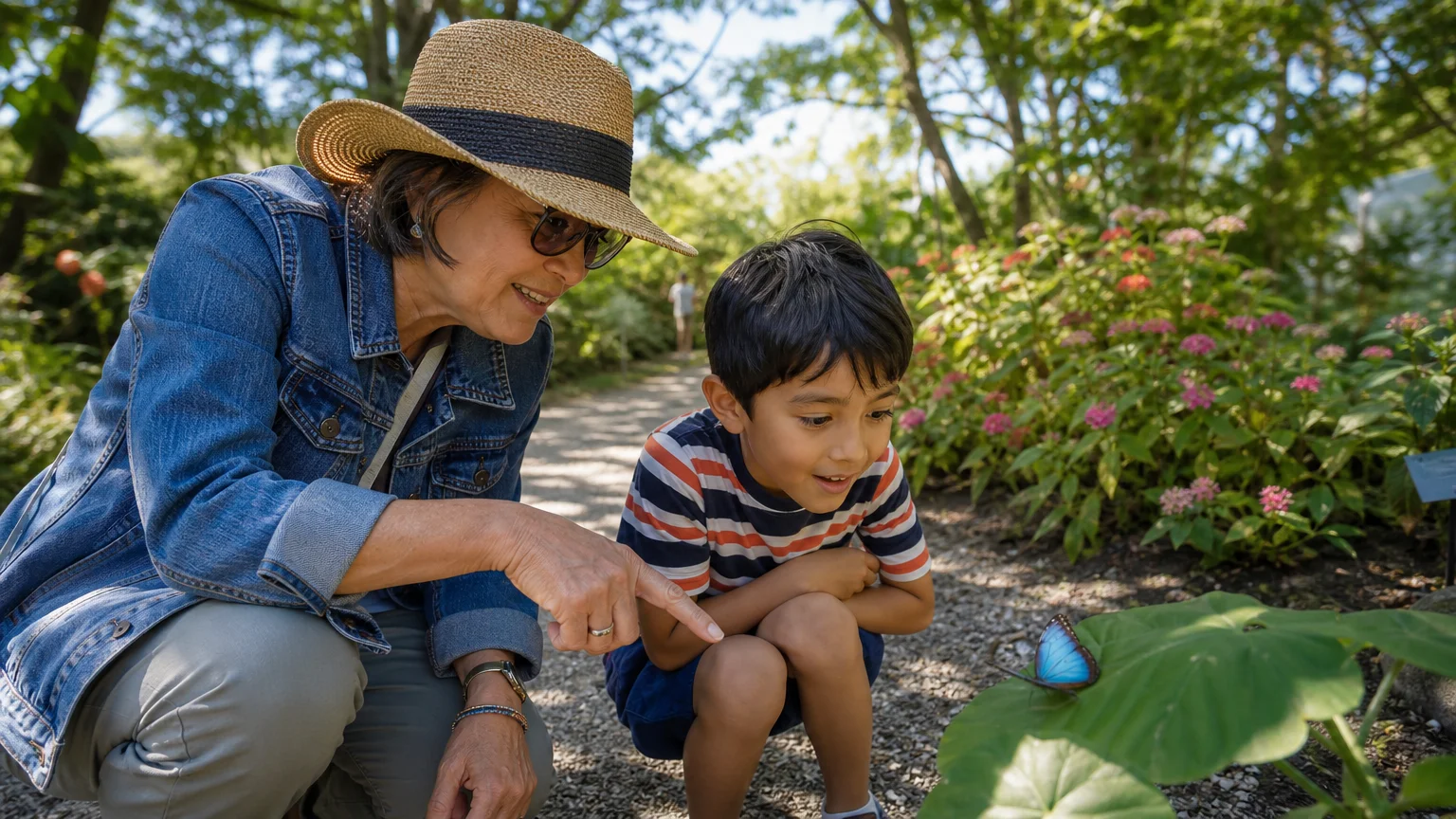
Tip #3: Dedicated One-on-One Grandchild Days
Group gatherings bring wonderful energy, but individual connections often require quiet, focused time. Establish dedicated one-on-one dates as special traditions for grandchildren. Take a single grandchild out for an afternoon tailored specifically to their interests and age group.
For a toddler, you might visit a local botanical garden or a neighborhood petting zoo. For a teenager, you could explore an interactive science museum or simply grab a coffee at a local cafe to chat. These individualized outings give you the chance to truly listen to their thoughts without the distraction of a bustling family room.
Children thrive when they receive undivided attention from an elder they respect. You also gain a unique window into their evolving personalities. Make this a monthly or quarterly commitment. The consistency proves to them that they are a priority in your life; they will cherish these singular memories far into adulthood.
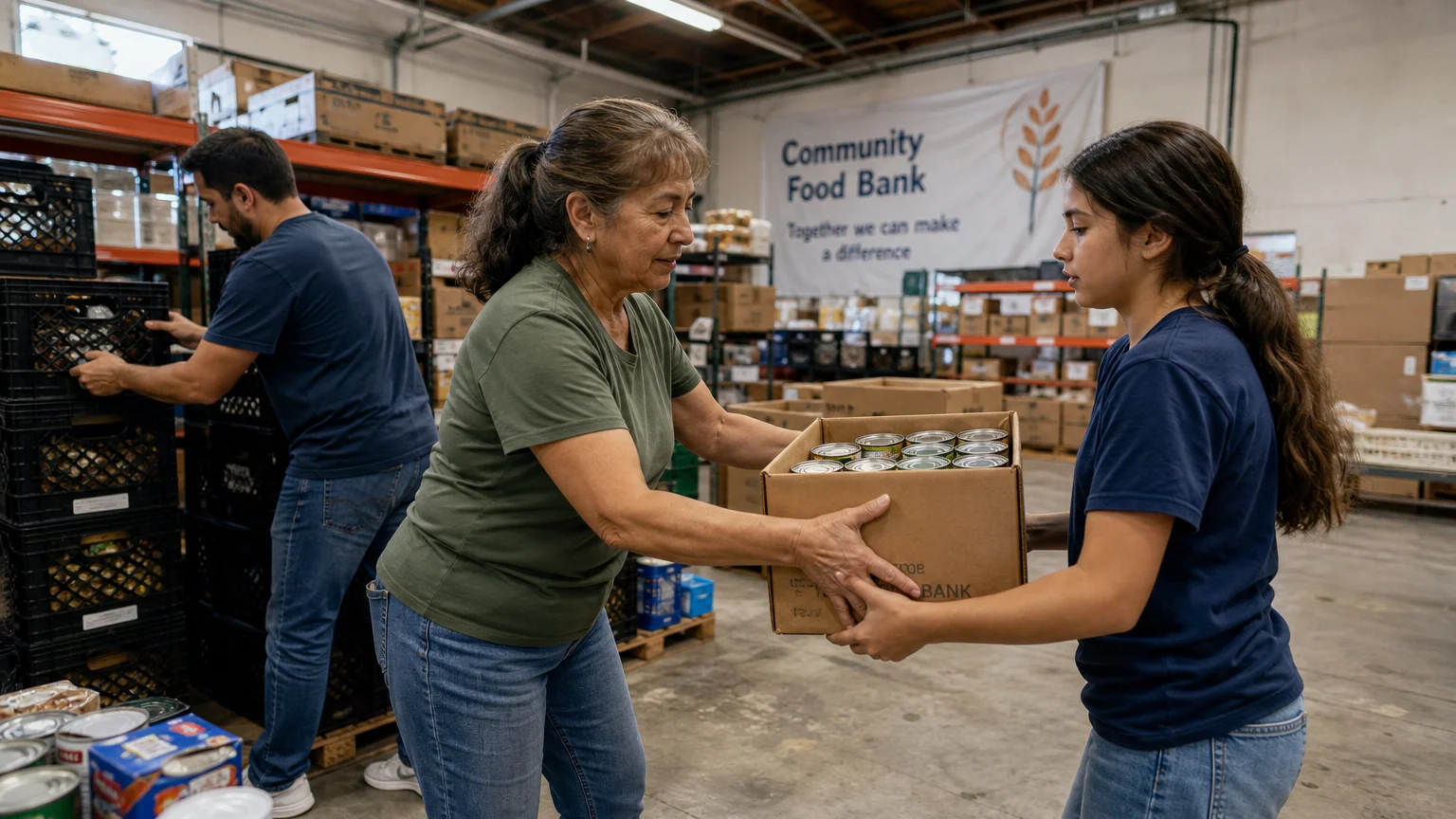
Tip #4: The Annual Volunteer Project
Shared values define a family just as strongly as a shared bloodline. Instill a deep sense of empathy and gratitude in the younger generations by establishing a volunteer tradition. Choose a cause that resonates directly with your family’s core principles.
You might spend a Saturday morning sorting cans at a local food bank. Alternatively, you could plant trees in a neighborhood park or assemble care packages for deployed service members. Engaging in community service stands out as one of the most impactful family bonding activities available.
Volunteering shifts the focus away from material possessions and directs attention toward collective goodwill. It helps younger family members put their daily grievances into perspective. When you serve alongside your children and grandchildren, you model compassion in real-time. They learn firsthand that true wealth stems from what we give back to our communities.
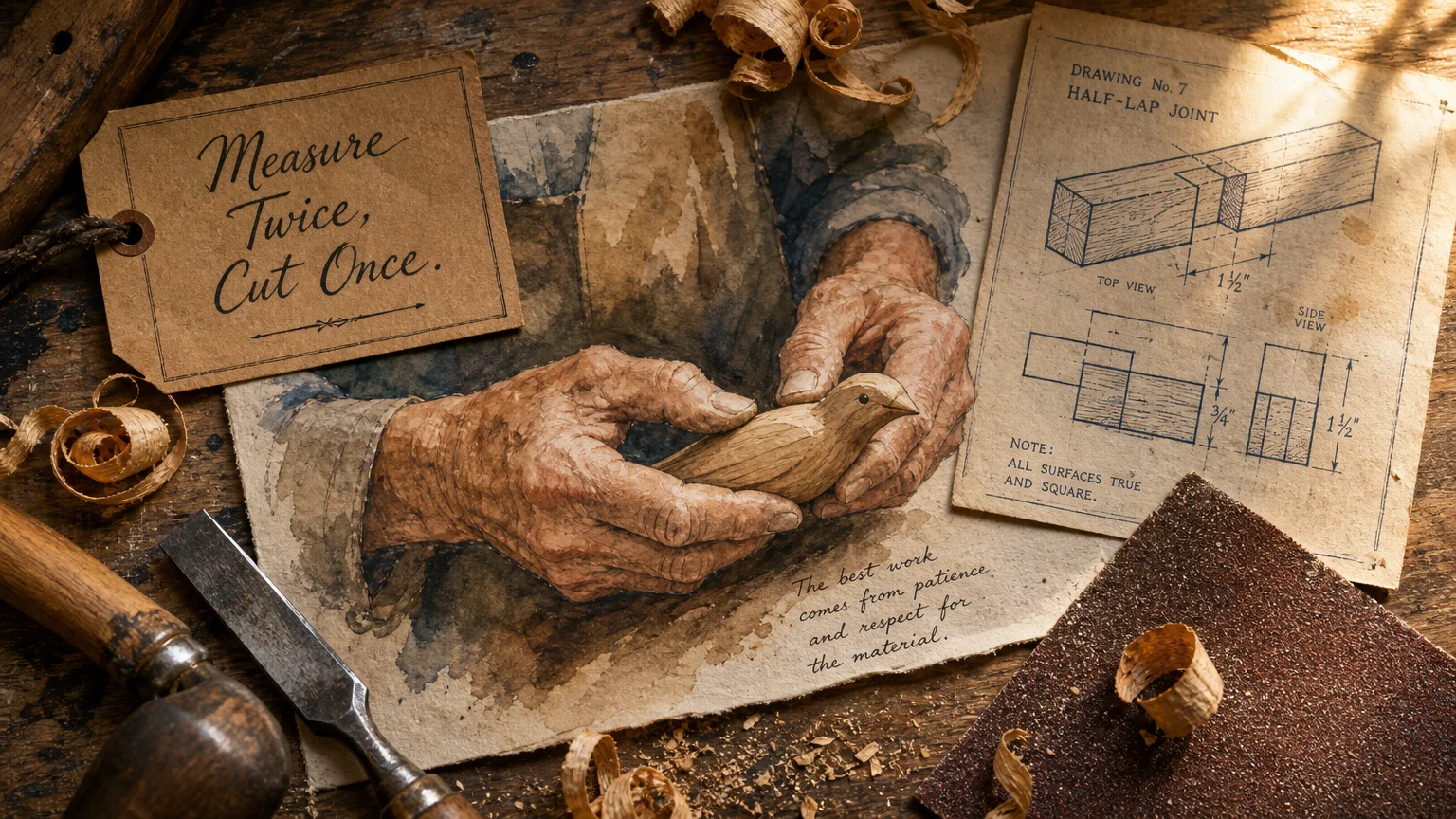
Tip #5: The Handcrafted Skill Workshop
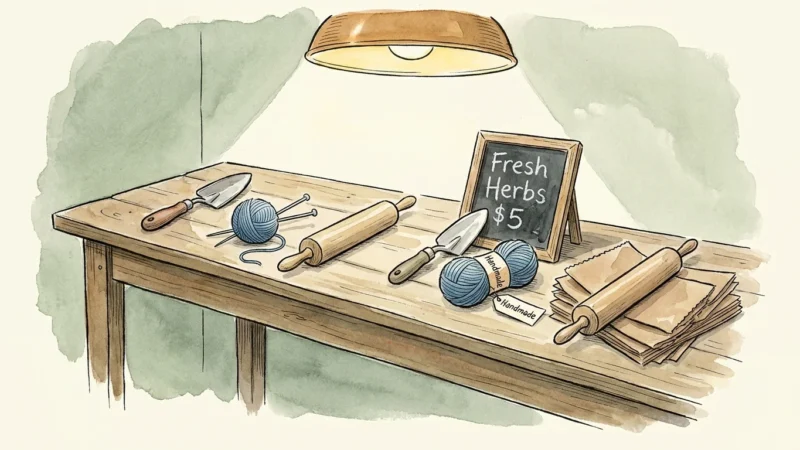
Technology evolves rapidly, often leaving traditional craftsmanship behind. Reclaim the art of creating things by hand by teaching your family a specific, tangible skill. Whether you excel at knitting, woodworking, gardening, or sewing, pass that knowledge down deliberately to the next generation.
Host a seasonal workshop in your garage, garden, or living room. Show your grandson how to properly sand a birdhouse. Guide your granddaughter through knitting her first scarf. Emphasize the sensory experience of working with raw materials and the deep satisfaction of completing a physical project from scratch.
Working with your hands requires patience. This represents a vital virtue that younger generations rarely get to practice in our fast-paced, digital age. This hands-on mentoring creates physical artifacts of your time together. Decades from now, that slightly crooked wooden birdhouse or imperfectly knitted blanket will serve as a cherished tangible reminder of your patience, guidance, and love.
Tip #6: The Milestone Time Capsule
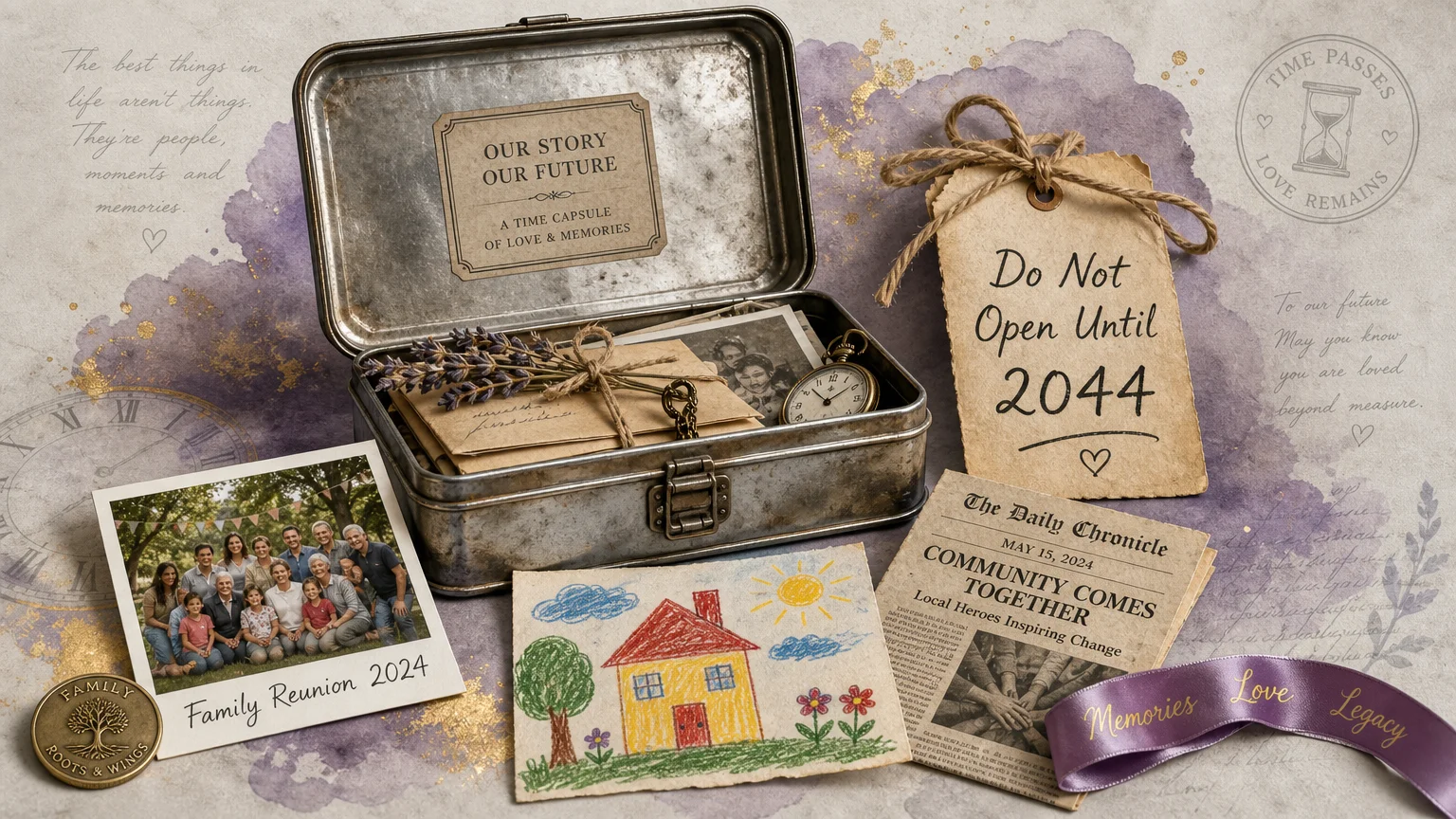
Mark significant family transitions by creating milestone time capsules. Choose specific events to gather meaningful items. Excellent occasions include a grandchild’s high school graduation, a 50th wedding anniversary, or a large family reunion.
Have everyone write a heartfelt, handwritten letter to their future selves. Do not underestimate the emotional weight of a handwritten note compared to a fleeting digital message. Include current photographs, ticket stubs, and small trinkets that represent the current year. Seal the container securely and agree on a specific date to open it, perhaps five or ten years down the road.
This practice encourages everyone to reflect on their current stage of life while looking forward to the future with optimism and hope. When the time finally arrives to unseal the capsule, the entire family experiences a joyful, nostalgic journey. You will share laughter over outdated fashion trends and shed happy tears reading the heartfelt letters of your past selves.
Tip #7: The Unplugged Nature Weekend
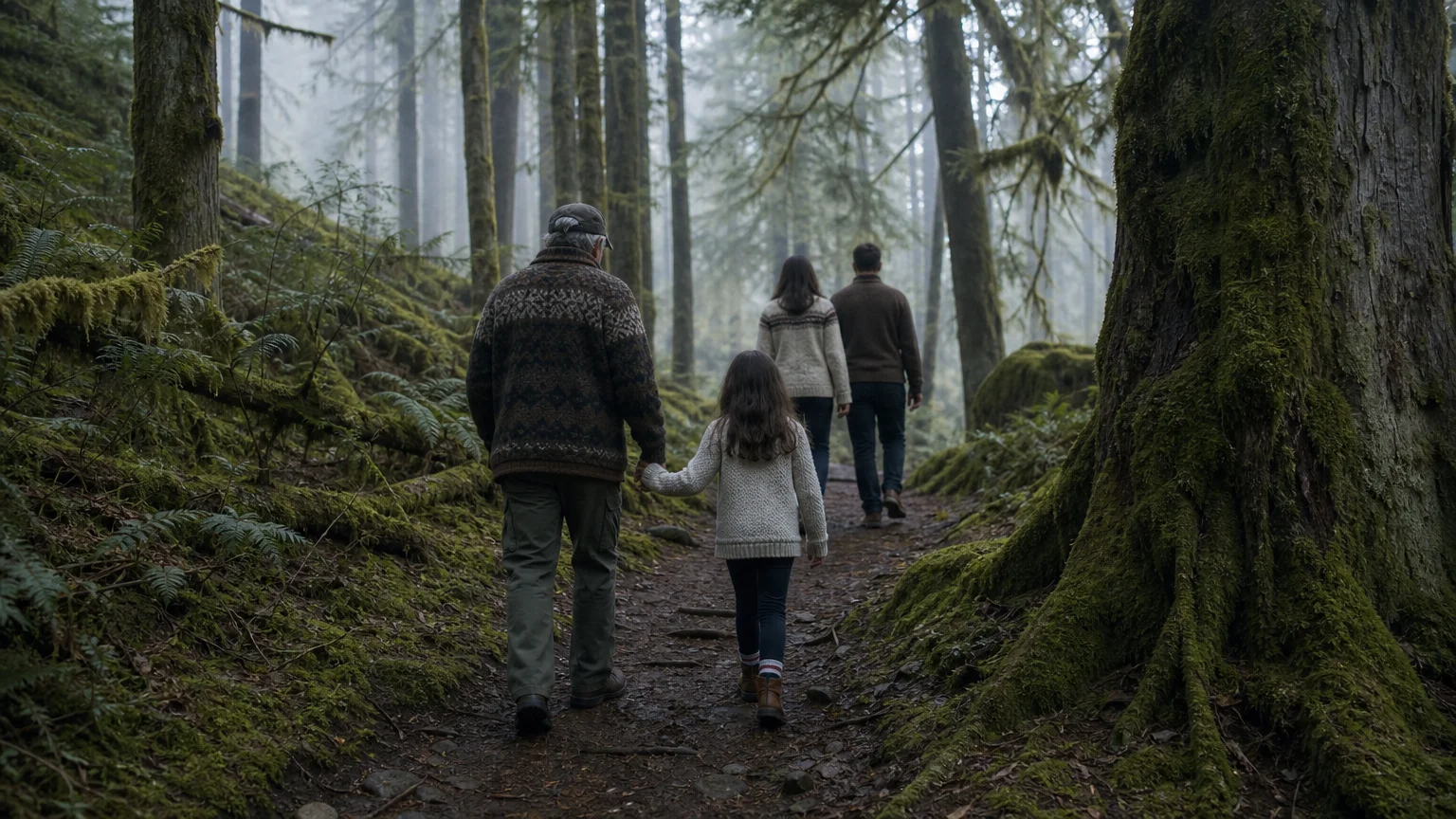
In an era dominated by screens and constant notifications, stepping away from technology offers profound relief. Organize an annual unplugged weekend retreat where phones, tablets, and laptops stay powered off and tucked away. Rent a modest cabin near a lake or pitch tents in a national park.
Medical studies confirm that spending time in nature reduces stress and lowers blood pressure. Without the distraction of social media, your family must rely on each other for entertainment. You will find yourselves playing board games by lantern light, hiking through quiet forests, and identifying constellations in the clear night sky.
These quiet moments in nature provide a spectacular backdrop for genuine connection. When you remove the digital noise, you create space for the deep, meaningful family traditions that sustain relationships through hard times. The fresh air and quiet environment will rejuvenate your spirit and strengthen your family ties.
Tip #8: The Cultural Heritage Celebration
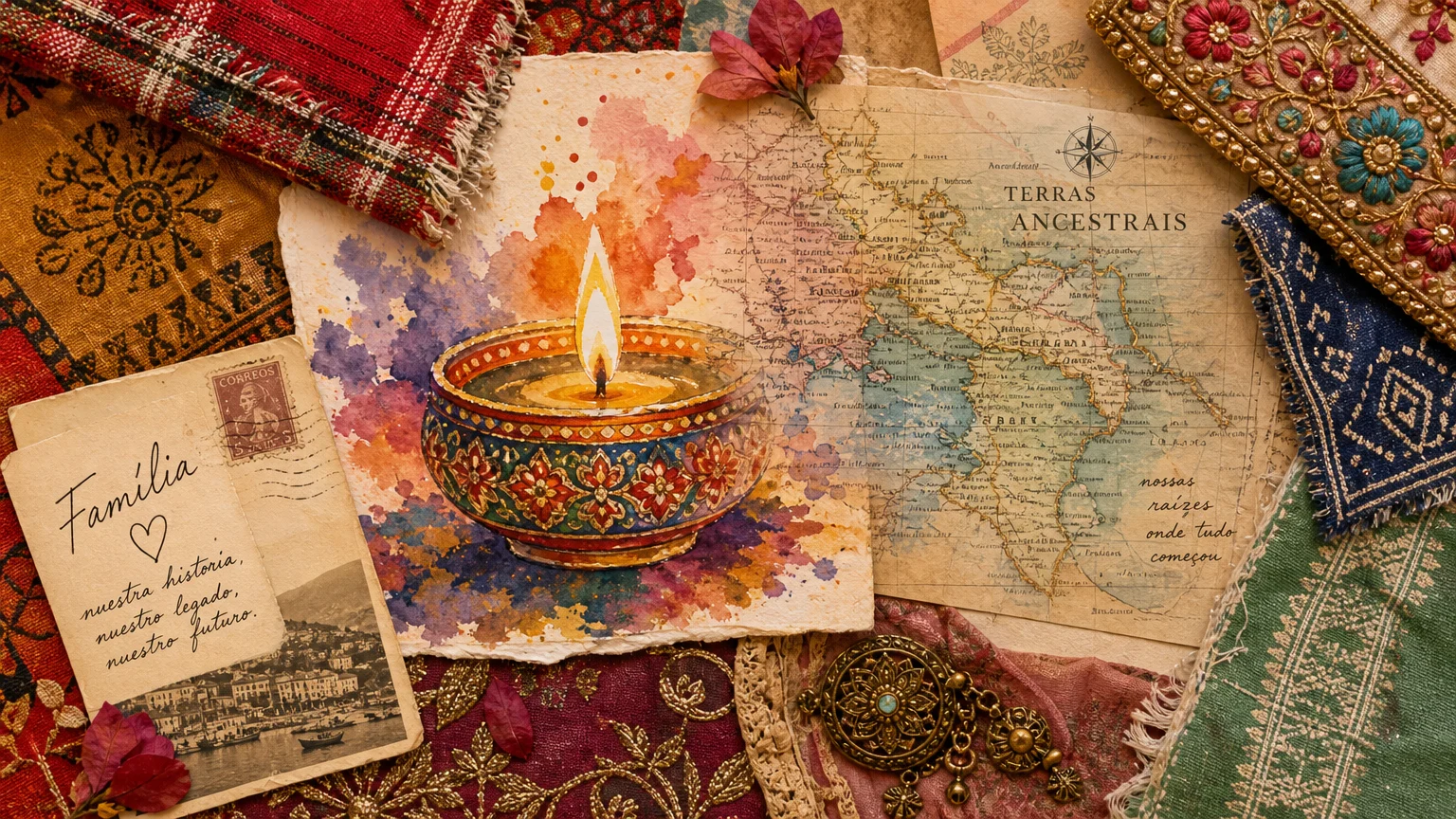
Every family possesses a unique cultural background that deserves recognition and celebration. Dedicate one day each year to honoring your family’s specific ancestry. By actively celebrating where you came from, you provide your grandchildren with a fascinating historical context for their own lives.
If your roots trace back to Italy, spend the evening playing traditional music, learning basic Italian phrases, and preparing an authentic regional feast. If your heritage spans multiple cultures, rotate the focus each year to ensure every background gets the spotlight. You can incorporate traditional clothing, historical documentaries, and old folk tales into the celebration.
Consider interviewing older relatives during this cultural day to capture lost historical details. Understanding one’s roots fosters a strong sense of identity and belonging, especially in younger family members. They learn to appreciate diverse backgrounds while remaining beautifully grounded in their personal family history.
Tip #9: The “Pass It On” Heirloom Rotation
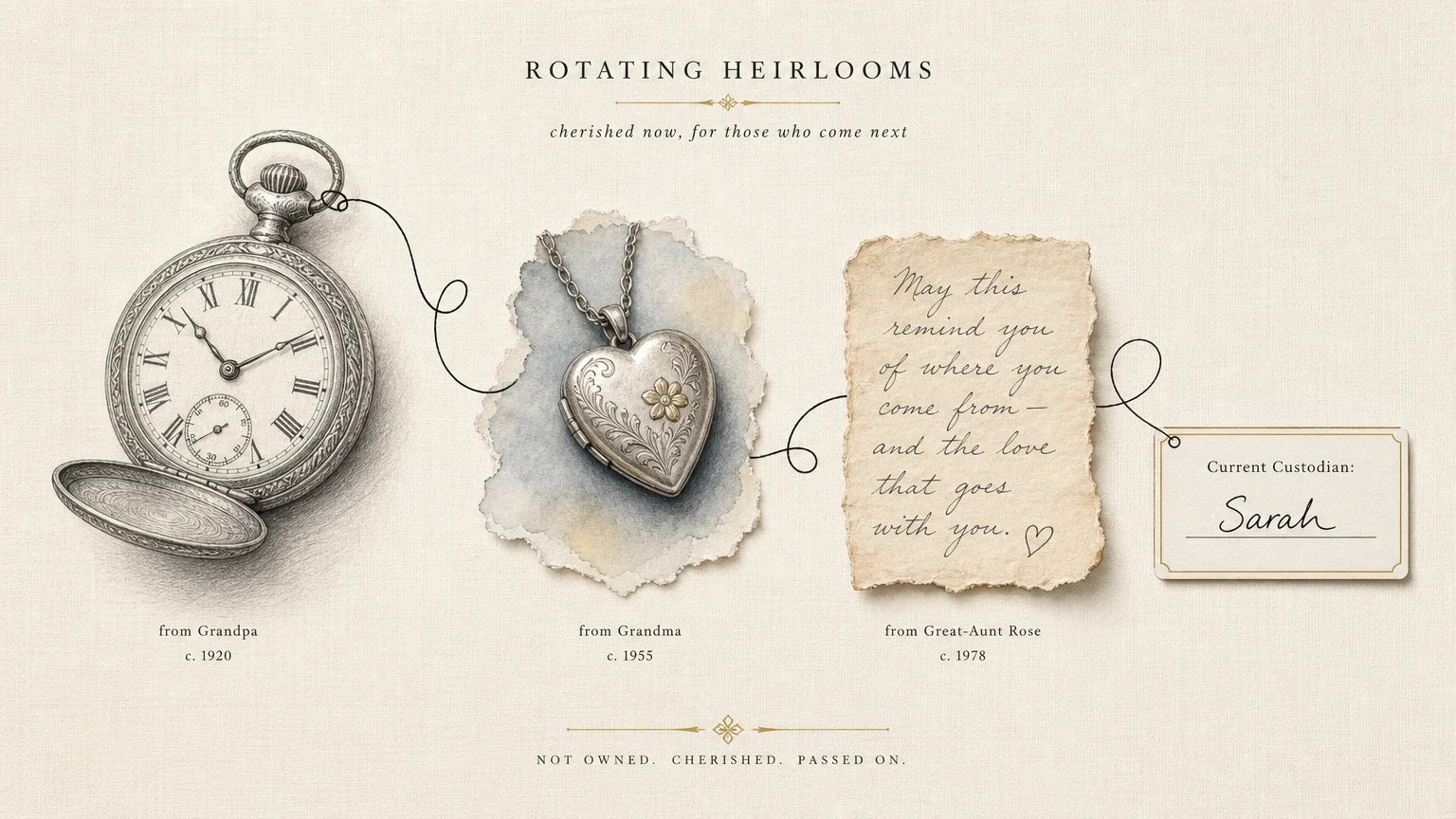
Rather than waiting for the end of your life to distribute treasured possessions, start a living heirloom rotation today. Identify a few significant items in your home. You might select a vintage compass, a specific piece of heirloom jewelry, or a classic first-edition book that holds sentimental value.
Pass the item to a different family member each year, along with a physical journal. The person holding the heirloom writes an entry about their experiences, challenges, and triumphs during that specific year. The journal acts as a living document mapping the family’s ongoing emotional journey.
At the next family gathering, the current holder passes the object and the journal to the next person. This continuous exchange transforms a static antique into a living, breathing testament to your family’s resilience. It ensures that everyone feels deeply connected to your family history while actively contributing their own chapter to the grand narrative.

Tip #10: The Sunday Evening Gratitude Circle
Traditions do not need to be rare, monumental events; weekly rituals often hold the most transformative power. Implement a Sunday evening gratitude circle to close out the weekend. You can gather around the dinner table or connect via video call with long-distance relatives.
Take ten minutes to share one positive moment from the past week. You can also share one thing you look forward to in the coming days. Framing your thoughts around gratitude serves as a scientifically proven method for boosting psychological well-being and reducing daily anxiety.
This consistent practice trains your family to look for the good in their lives, fostering a culture of profound optimism and mutual support. When you regularly celebrate small victories together, you build a resilient emotional foundation. This simple, elegant routine perfectly encapsulates the best family traditions ideas—bringing people together through shared intention and enduring love.

The Takeaway: Living a More Blissful Retirement
Retirement offers you the precious gift of time—time that you can invest directly into the people who matter most. Building and maintaining these rituals requires a little effort, but the emotional return on investment is truly immeasurable. You do not have to implement all ten of these ideas at once. Pick just one or two that resonate deeply with your lifestyle and start there.
As you weave these practices into your regular routine, you will notice a profound shift in your family dynamic. Conversations will grow richer, bonds will strengthen, and the generational divide will naturally fade away. By stepping into your role as the family anchor, you ensure that your golden years are filled with laughter, purpose, and enduring connection. You are writing a legacy of love that will echo through the lives of your children and grandchildren long after the calendar turns.
Frequently Asked Questions
How do I start a new tradition if my family is spread across the country?
Distance does not have to prevent you from building meaningful connections. You can leverage technology to host virtual storytelling nights, share digital recipe books, or hold a weekly video call for your Sunday gratitude circle. The key to success lies in your consistency rather than your physical proximity.
What if my older children show no interest in participating?
Resistance often stems from busy schedules or feeling overwhelmed by expectations. Start small. Instead of demanding a full weekend retreat, invite them over for a simple Sunday dinner. Make the traditions low-pressure and focus on genuine connection rather than rigid rules. Over time, as they experience the joy of these gatherings, their participation will likely grow organically.
Are traditions for grandchildren really that important for their development?
Yes; extensive research shows that children who participate in regular family rituals experience lower anxiety and a stronger sense of identity. These predictable routines provide a safe emotional anchor in an unpredictable world. When you spend dedicated time with your grandchildren, you give them the invaluable gift of stability and unconditional support.
Do we need to spend a lot of money to create lasting memories?
Absolutely not. The most profound generational traditions—like storytelling, cooking heirloom recipes, or volunteering—cost little to nothing. Your family craves your time, attention, and wisdom far more than expensive vacations. Focus entirely on the emotional connection rather than the financial investment.
For a wide range of resources for older adults, visit AARP and the National Council on Aging (NCOA). Health information is available from the National Institute on Aging.
Disclaimer: This article is for informational and inspirational purposes only. It is not a substitute for professional medical, financial, or psychological advice. Please consult with a qualified expert for guidance tailored to your individual needs.