

Every autumn brings fresh opportunities to optimize your healthcare, and taking time for a thorough medicare advantage plan review can protect both your financial well-being and peace of mind. As major insurance carriers adjust their regional networks and modify prescription formularies, thousands of retirees are discovering that their current coverage no longer matches their evolving health needs or personal budget. Re-evaluating your options during the fall open enrollment period ensures that your trusted doctors remain accessible while preventing unexpected out-of-pocket expenses in the coming year. By proactively reviewing your benefits today, you can secure tailored healthcare that supports a vibrant, worry-free retirement lifestyle tomorrow.

Tip #1: Uncover Network Changes and Hospital Departures
One of the most significant shifts happening in senior healthcare today involves changing relationships between hospital systems and private insurance companies. Across the country, major medical centers are severing ties with Medicare Advantage providers due to heavy administrative overhead, delayed claim reimbursements, and restrictive pre-approval mandates. Official industry data shows that 32 health systems dropped Medicare Advantage contracts in 2024, followed by 40 health systems in 2025, and another 25 in 2026. When a major medical system leaves your plan’s network, continuing to see those physicians can lead to expensive out-of-network bills or force you to search for new healthcare providers.
To protect your ongoing health routine, reach out to your primary physician and key specialists before finalizing your plan choice for next year. Ask their office staff directly whether they plan to stay in your plan’s network for the entirety of the coming calendar year. In addition, check whether your preferred emergency rooms, local hospital systems, and urgent care clinics remain fully covered. If your trusted physicians or local hospital system are no longer in-network, staying on your existing plan could disrupt your continuity of care; identifying these network shifts early gives you the leverage to switch to a plan that retains your complete medical team seamlessly.
Tip #2: Navigate Insurer Market Exits and Discontinued Plans
Beyond hospital network contractions, several prominent insurance carriers are restructuring their operations and pulling out of specific geographic markets altogether. Major insurers—including Humana, Clear Spring Health, Molina, Presbyterian Healthcare, and Providence—have recently chosen to exit selected regional Medicare Advantage markets or discontinue specific plan tiers. If your current insurance provider decides to leave your county or cancel your plan option, you will receive an official non-renewal notice in early autumn.
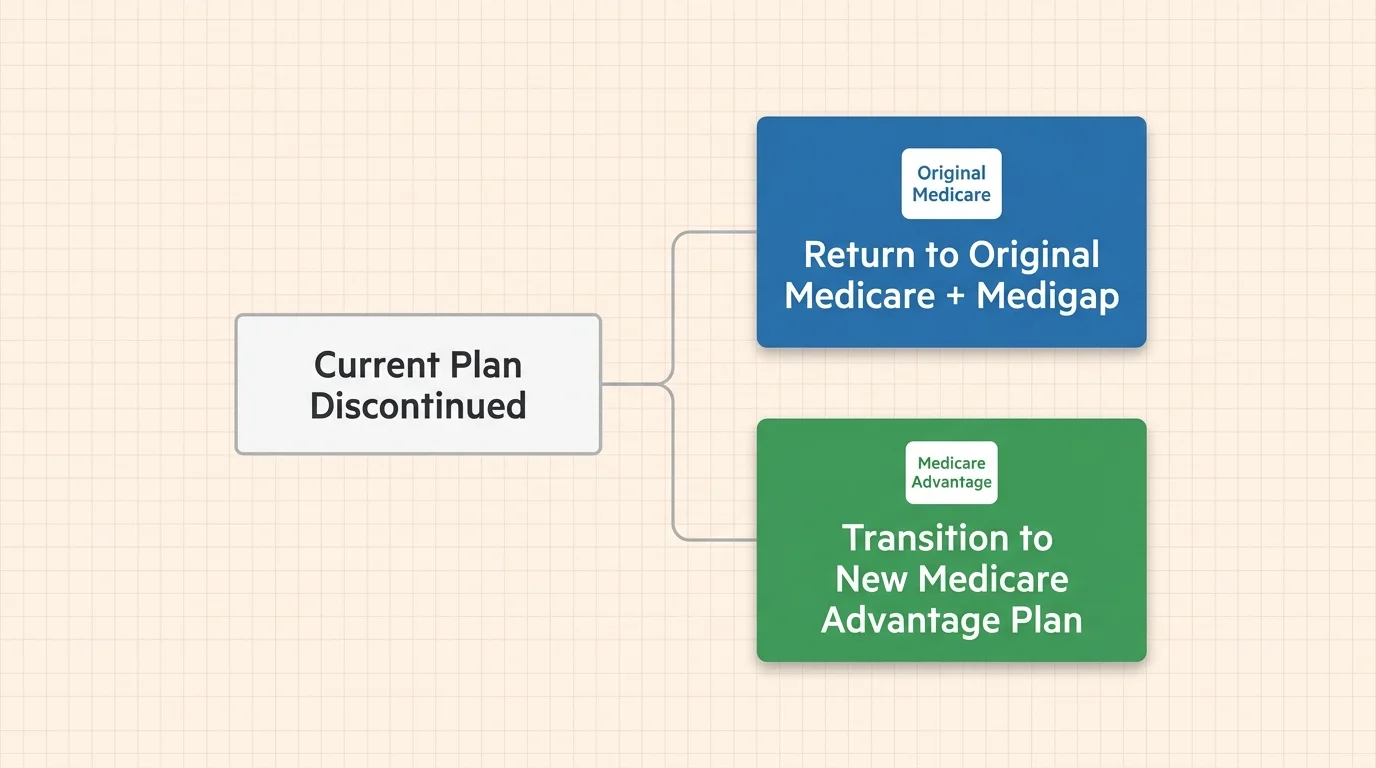
Receiving notice that your plan is ending might feel jarring at first, but it opens up valuable opportunities for switching medicare advantage plans to find superior value. When an insurer discontinues your plan, Medicare grants you a Special Enrollment Period; this window gives you extra time and flexibility to transition into a new plan or return to Original Medicare paired with a supplemental policy. When comparing replacement options, evaluate each carrier’s customer satisfaction ratings, financial stability, and established presence in your community. Taking decisive action during the fall ensures you experience no gaps in medical coverage when January 1 arrives.
Tip #3: Capitalize on New Prescription Drug Out-of-Pocket Caps
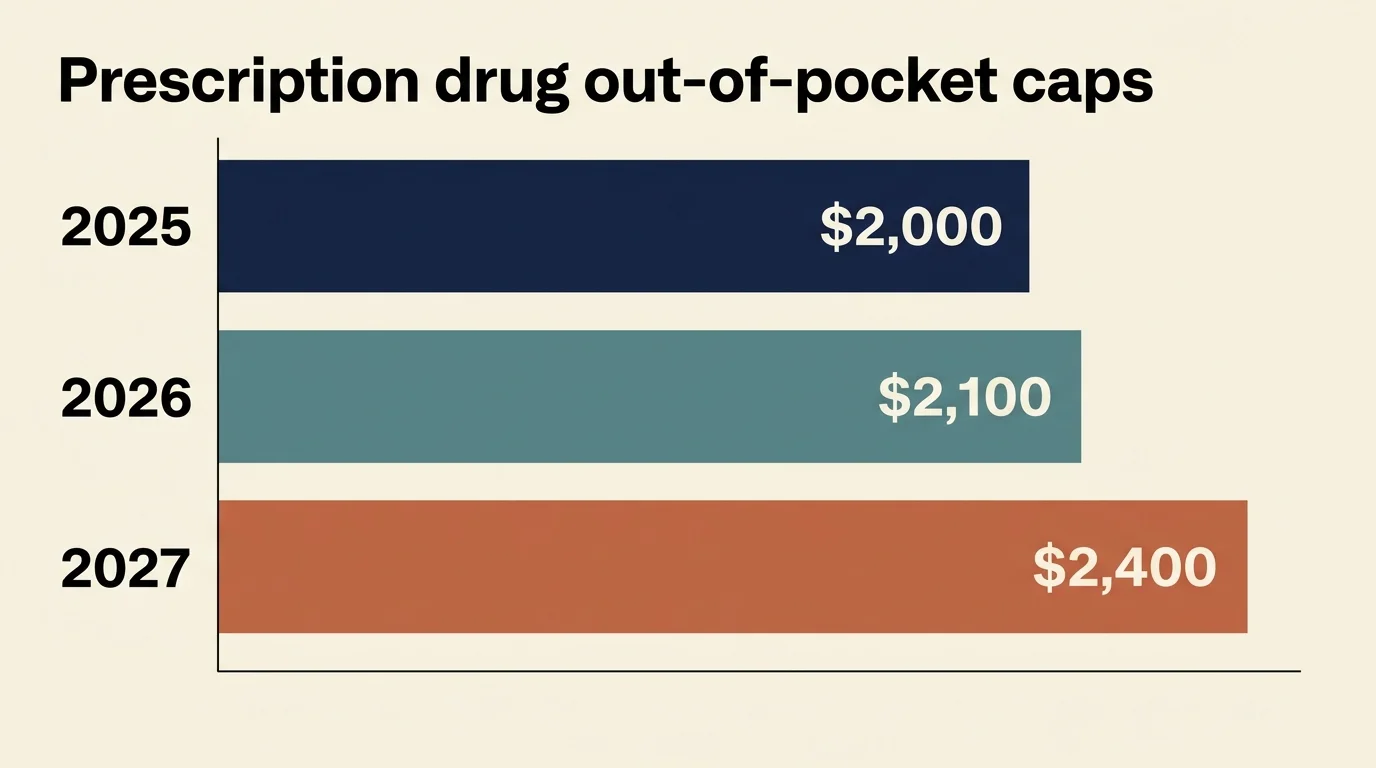
Prescription medication expenses often represent a substantial chunk of a retiree’s budget, but recent federal legislation delivers powerful relief. Under the Inflation Reduction Act, out-of-pocket prescription drug costs under Medicare Part D were capped at $2,000 in 2025 and set at $2,100 in 2026, with projections rising moderately to $2,400 for 2027. Once your out-of-pocket drug spending reaches this annual cap, you pay $0 for your covered Part D prescription medications for the rest of the calendar year. Furthermore, the maximum allowable Part D deductible for prescription plans is capped at $615 in 2026.
While these federal spending caps offer an essential financial cushion, conducting a careful process of reviewing medicare coverage for your personal drug roster remains vital. Insurance carriers frequently alter their drug formularies, which are the lists of medications they cover. A plan might reclassify your maintenance drug from a low copay tier to a higher coinsurance tier, or introduce strict quantity limits. To maximize your savings, plug your exact medication list into the official Medicare plan finder tool. Verify whether your prescriptions require special approvals, and confirm that your favorite local pharmacy remains in the plan’s preferred retail network.

Tip #4: Evaluate Out-of-Pocket Maximums and Hidden Cost Limits
Many retirees select Medicare Advantage plans because of appealing $0 monthly premiums; however, evaluating coverage based solely on monthly premiums can lead to costly surprises later on. Every Medicare Advantage plan features an annual maximum out-of-pocket limit, which shields you from runaway costs if you face serious illness or major surgery. For 2026, the federal government caps standard Medicare Advantage out-of-pocket limits at $9,250 for in-network medical services and $13,900 for combined in-network and out-of-network care. Crucially, these maximum limits apply only to medical services covered under Parts A and B, excluding your Part D prescription drug expenses.
When comparing plans this season, analyze how copayments and coinsurance structure your everyday care expenses. Take note of copays for specialist visits, inpatient hospital stays, outpatient procedures, and diagnostic imaging like MRIs or CT scans. If you manage a chronic health condition that requires frequent specialist care, a plan with a $20 monthly premium but lower $20 specialist copays can save you hundreds of dollars compared to a $0 premium plan charging $50 per specialist visit. Calculating your total expected health costs helps you pick a plan that delivers true long-term value.
Tip #5: Prepare for Evolving Prior Authorization Rules and 2027 Changes
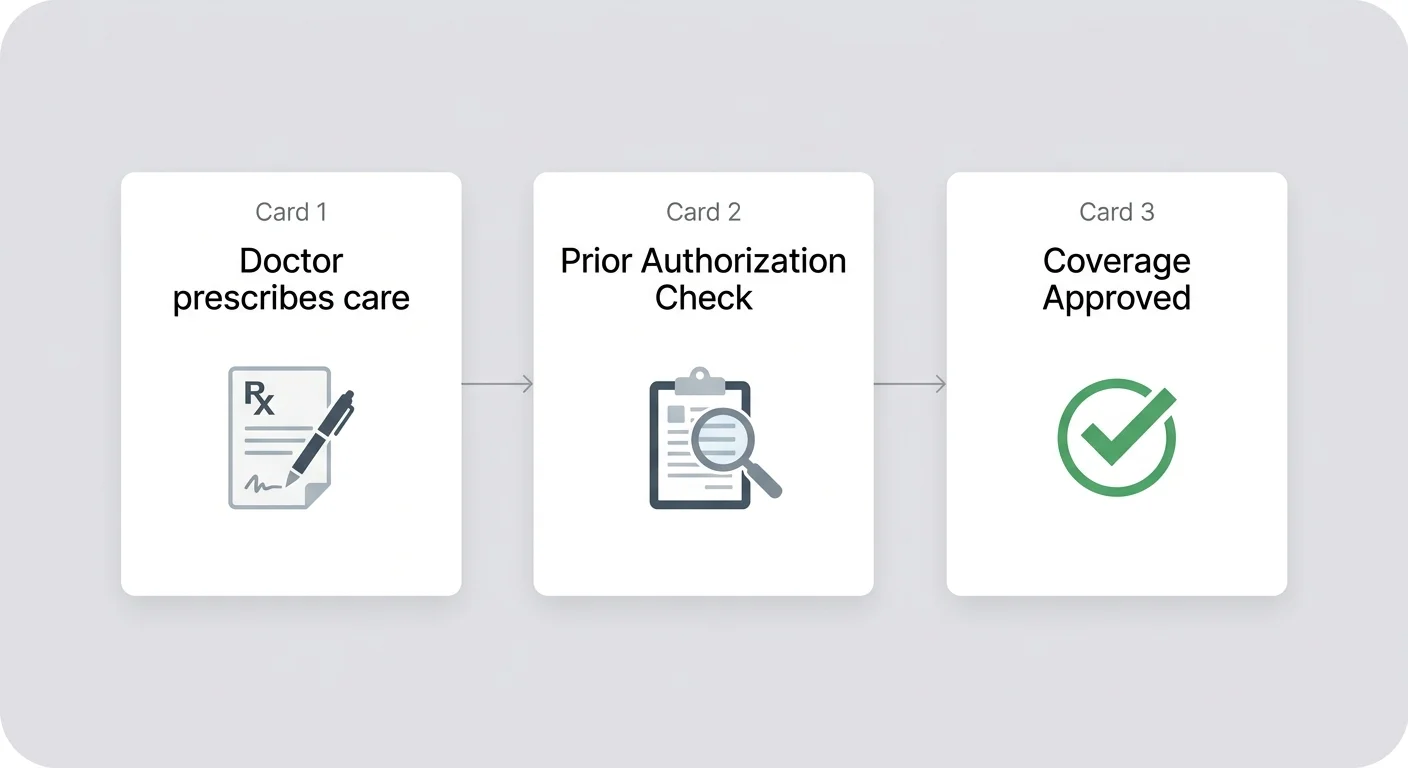
Prior authorization—the requirement that your physician secure approval from your insurance company before providing specific treatments or tests—remains a top frustration for many patients. Fortunately, positive regulatory changes are accelerating approval decisions across the board. Updated federal standards require Medicare Advantage plans to process standard prior authorization requests within 7 calendar days, drastically reducing wait times for necessary care. Furthermore, comprehensive electronic prior authorization Application Programming Interface (API) mandates will phase in fully through January 1, 2027, streamlining communication between medical providers and insurers.
Staying informed about these upcoming medicare advantage changes 2027 allows you to select plans that prioritize patient care over paperwork. While prospective federal improvements will make approval processes far more transparent, plans currently differ in how heavily they enforce pre-approval requirements. Some carriers require authorization for routine therapies and diagnostic scans, while others offer streamlined approvals. When reviewing prospective plans, consult independent insurance advisors or read plan guidelines to determine which insurers maintain lower denial rates and hassle-free approval tracks for the treatments you need.

Tip #6: Master Key Enrollment Timelines for Maximum Flexibility
Timing plays a vital role when optimizing your health coverage for the year ahead. The primary Medicare Fall Open Enrollment period runs annually from October 15 to December 7. Any coverage choices or plan adjustments you make during this timeframe go into effect on January 1 of the following year. Utilizing this fall period allows you to thoroughly compare drug formularies, double-check doctor networks, and line up coverage that matches your lifestyle goals. To make the most of this period, gather key medicare open enrollment tips: compile your medical records, write down your current prescriptions, and list all your preferred doctors before comparing plans.
If you select a Medicare Advantage plan during the fall and later realize it does not meet your needs, you get a built-in safety net. The Medicare Advantage Open Enrollment Period runs every year from January 1 to March 31. During this winter window, anyone currently enrolled in a Medicare Advantage plan can make a one-time change to switch to a different Medicare Advantage plan or return to Original Medicare paired with a standalone drug plan. Understanding these deadlines empowers you to make decisions with absolute peace of mind, knowing you have room to make adjustments if necessary.

The Takeaway: Living a More Blissful Retirement
Your golden years should focus on spending quality time with loved ones, discovering new passions, and enjoying vibrant daily living. Health coverage should serve as a comforting safety net that powers your lifestyle, not a source of worry or confusion. By taking a proactive approach to assessing hospital network updates, taking advantage of drug spending caps, and comparing out-of-pocket maximums this fall, you place yourself firmly in the driver’s seat of your healthcare journey.
View this annual enrollment season as an uplifting tune-up for your personal well-being. Healthcare plans and rules evolve over time, but your right to high-quality, reliable, and affordable care remains constant. Armed with clear data and practical insights, you can navigate your coverage options with confidence. Choose the coverage that aligns best with your dreams, lock in your financial security, and enjoy every moment of a healthy, radiant year ahead.
Frequently Asked Questions
What happens if my doctor leaves my Medicare Advantage plan network mid-year?
If your doctor leaves your plan’s network during the year, your insurance carrier must notify you in advance. You can continue seeing your physician, but you may pay higher out-of-network rates depending on your plan design. If you are actively undergoing treatment for a serious condition, you can request temporary continuity-of-care coverage to keep seeing your doctor at in-network copay rates.
Can I return to Original Medicare if I am unhappy with my Medicare Advantage plan?
Yes, you can return to Original Medicare during the Fall Open Enrollment Period (October 15 to December 7) or during the Medicare Advantage Open Enrollment Period (January 1 to March 31). Keep in mind that purchasing a Medicare Supplement (Medigap) policy outside your initial enrollment period may require medical underwriting in most states, unless you qualify for specific guaranteed issue rights.
How do prescription drug out-of-pocket caps help my financial planning?
The annual Part D drug out-of-pocket cap limits your total spending on covered prescription drugs to $2,100 in 2026. Once your out-of-pocket payments reach this cap, you pay $0 for covered medications for the remainder of the calendar year. This protective cap eliminates surprise drug costs and allows you to forecast your medical expenses accurately.
What should I do if my insurance company drops my plan in my county?
If your insurer discontinues your plan, you will receive a non-renewal notice before Open Enrollment begins. You automatically qualify for a Special Enrollment Period, which grants you additional time to pick another Medicare Advantage plan or switch back to Original Medicare. If you choose Original Medicare due to a plan cancellation, you also secure guaranteed issue rights to buy a Medigap plan.
For a wide range of resources for older adults, visit AARP and the National Council on Aging (NCOA). Health information is available from the National Institute on Aging.
Disclaimer: This article is for informational and inspirational purposes only. It is not a substitute for professional medical, financial, or psychological advice. Please consult with a qualified expert for guidance tailored to your individual needs.