
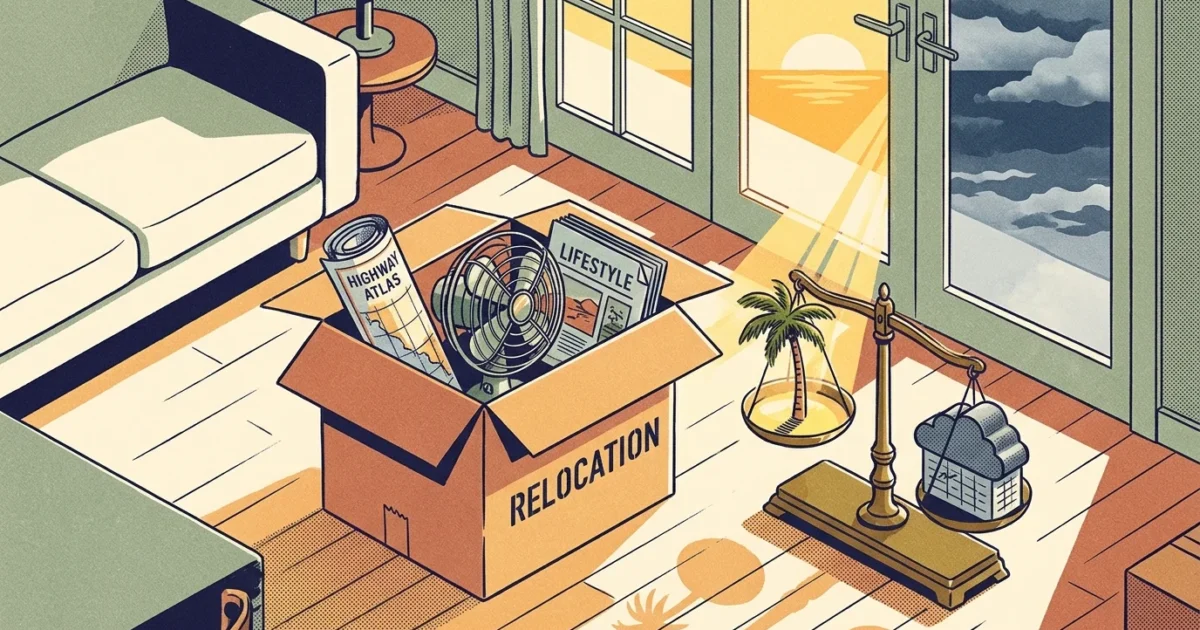
Moving in retirement promises sunny days, vibrant social circles, and total freedom from daily work routines. Yet many older adults quickly find that their new hometown brings financial strain and lifestyle regret.
Finding lasting happiness requires looking beyond travel brochures and analyzing real everyday costs. Before you pack your bags, you need to understand where retirement relocation often goes off course.
Exploring these five states will help you dodge costly pitfalls; you can protect your hard-earned nest egg while building a fun, connected life.
Lifestyle Idea #1: Florida and the Hidden Price of Sunshine
Florida has long symbolized the ultimate American retirement dream. You likely picture yourself playing morning pickleball, walking along sandy beaches, and enjoying tropical breezes every single afternoon.
According to U.S. Census Bureau data, the number of Americans aged 65 and older reached a record high of 61.2 million, representing roughly 18% of the nation’s population.
Furthermore, 19.5% of older adults remain in the labor force—the highest level in a decade—largely due to financial pressures and persistent inflation.
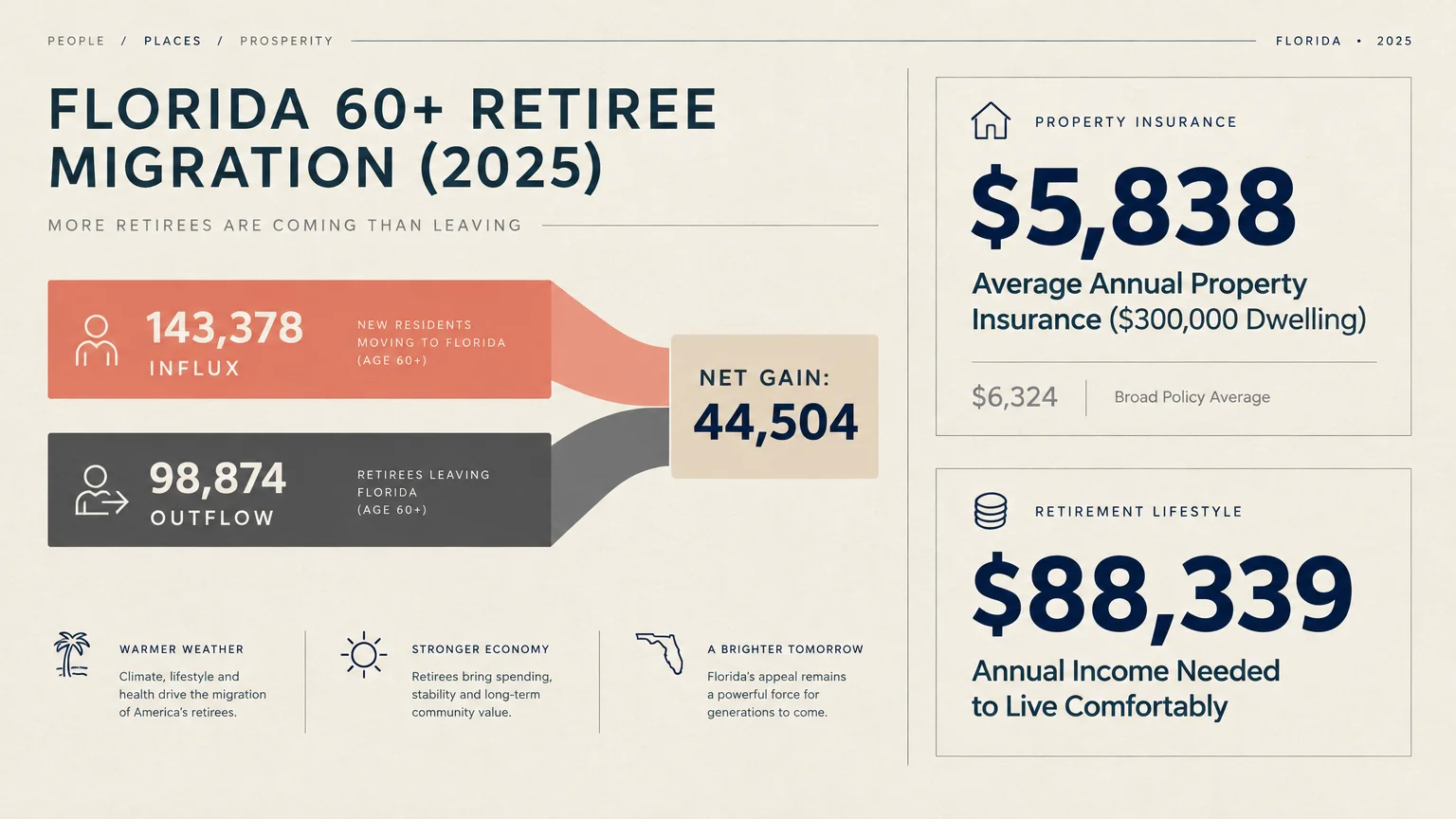
Many retirees head to Florida hoping to escape those economic headwinds. In fact, Census Bureau analysis shows Florida welcomed 143,378 adults aged 60 and older during 2025.
However, relocating to paradise does not guarantee permanent bliss. That same year, 98,874 older adults moved out of Florida, leaving a net gain of just 44,504.
This significant migration churn shows that thousands of retirees encounter harsh realities once they unpack. Skyrocketing property insurance premiums represent the most severe budget shock for new homeowners.
According to Bankrate’s June 2026 analysis, Florida homeowners pay an average of $5,838 annually for $300,000 in dwelling coverage. That figure is more than double the national average.
Broader coverage policies cost even more across the state. Insurify’s November 2026 data places average Florida rates at $6,324 per year across various coverage tiers.
General affordability poses another major hurdle for older adults on fixed incomes. GoBankingRates estimates that living comfortably in Florida now requires an annual retirement income of $88,339.
Condominium owners face additional financial strain through mandatory structural inspections and sudden special assessments. These mandatory assessments can require thousands of dollars in surprise out-of-pocket payments.
When essential home expenses devour your monthly savings, your active lifestyle suffers. You may find yourself canceling golf memberships, skipping dinners with friends, and reducing travel to visit grandchildren.
The local climate also introduces unexpected lifestyle limitations. Intense summer humidity and extreme heat advisories frequently force residents to stay indoors with the air conditioning running for months.
Staying trapped inside disrupts your daily exercise routines and limits spontaneous social interactions. Over time, that indoor isolation can drain your vitality and spark deep relocation regret.
Many active adults discover that purchasing seasonal passes or joining public tennis centers provides great recreation without expensive country club fees. Smart choices keep your recreational life active and affordable.
Staying socially active through volunteer work or local conservation groups also connects you with fellow retirees who share your values and lifestyle goals.
You can protect yourself by spending extended time in Florida before purchasing property. Rent a home during the sweltering late summer months to see if the climate truly suits your lifestyle.
Exploring inland towns or flexible rental communities lets you enjoy the sunshine and social scene without committing your entire net worth to turbulent coastal real estate.
Lifestyle Idea #2: Texas and the Property Tax Squeeze
Texas draws thousands of retirees each year with its welcoming culture, famous food traditions, and zero state income tax. You might assume your savings will stretch much further without state income taxes.
Unfortunately, the absence of an income tax often creates an expensive financial illusion. Local municipalities make up for lost state revenue by levying some of the highest property tax rates in the nation.
Frequent home value reassessments can cause your annual property tax bill to jump significantly. This constant volatility complicates your monthly budgeting, especially when living on fixed distributions.
Property insurance costs also rival the nation’s steepest rates. NerdWallet and Kiplinger report that Texas homeowners pay an average of $4,915 per year for home insurance.
That expense sits nearly $2,500 above the national average; Insurify calculates a comparable typical rate of $4,452 annually. Severe hailstorms, windstorms, and tornadoes keep insurance premiums exceptionally elevated across the state.
Furthermore, Oklahoma (#49 in WalletHub’s retirement rankings) and Texas share intense severe weather patterns that elevate insurance premiums across the southern plains. Keeping insurance deductibles manageable requires constant vigilance.
Extreme weather also strains your personal comfort and household utility budget. Summer heatwaves routinely push electric bills to astonishing levels as air conditioning units run without interruption.
When high utility and tax bills erode your disposable cash, your fun activities take a backseat. You have less freedom to explore local arts festivals, take weekend road trips, or treat your family.
During blazing summer afternoons, many retirees find community in indoor pursuits like library discussion groups, bowling leagues, and indoor walking clubs. Adapting your schedule to early mornings preserves your active routine.
Vast suburban geography introduces another major challenge for older adults. Major Texas metropolitan areas rely heavily on expansive highway networks, making walking to shops or cafes almost impossible.
Driving long distances on crowded expressways can become stressful and exhausting over time. If you decide to stop driving later in retirement, sprawling suburbs can leave you feeling isolated and dependent.
Maintaining a rich social circle requires accessible neighborhood hubs and walkable public spaces. Without nearby community centers or gathering spots, meeting new friends requires deliberate effort and lengthy commutes.
If you love the Lone Star State, consider renting in a walkable, master-planned community. That way, you can enjoy vibrant live music and social clubs without taking on massive property tax obligations.
Renting gives you maximum agility to relocate if summer heat or rising utility bills begin to overshadow your retirement happiness.
Lifestyle Idea #3: California and the Insurance Availability Crunch
California offers an undeniably appealing lifestyle filled with dramatic ocean vistas, cultural diversity, and near-perfect weather. You can garden year-round, hike scenic trails, and dine outdoors on warm evenings.
However, the Golden State presents severe economic headwinds for retirees who want predictability. Extremely high housing prices and steep sales taxes rapidly deplete retirement savings.
Beyond everyday expenses, a severe property insurance crisis now destabilizes communities statewide. Research from UC Berkeley’s Terner Center for Housing Innovation highlights severe insurance availability problems and widespread policy non-renewals.
Escalating wildfire dangers have led major insurance carriers to pull back coverage or withdraw from California altogether. When private companies refuse coverage, homeowners must seek expensive state-sponsored backup policies.
These alternative policies often cost significantly more while offering less comprehensive protection. Sudden premium spikes can force retirees to make painful cutbacks in their monthly recreation and leisure budgets.
Chronic financial anxiety quickly undermines the joy of retirement living. When you constantly worry about keeping your home insured, you cannot relax and enjoy your personal hobbies.
Budget pressures may force you to decline group outings, stop attending community fitness classes, and forgo travel. Over time, financial stress creates social isolation from your local community.
Many retirees also experience social churn as long-time friends move away to escape rising costs. Watching your established social circle scatter across other states can leave you feeling lonely.
High travel and lodging expenses can also make it costly for your children and grandchildren to visit. Hosting family becomes harder when smaller living spaces or tight budgets constrain your entertainment options.
Exploring affordable inland state parks or participating in local community college audit programs allows you to enjoy California’s rich educational culture without overspending.
You can still capture the California lifestyle without purchasing an expensive, high-risk home. Consider house-sitting or renting a small cottage during the glorious spring or autumn seasons.
Embracing seasonal stays gives you full access to coastal beauty, farmers markets, and outdoor recreation without the burden of California property ownership.
Lifestyle Idea #4: Louisiana and Severe Weather Budget Shocks
Louisiana welcomes newcomers with incredible hospitality, celebrated food traditions, and vibrant cultural celebrations. Outgoing retirees often find it wonderfully easy to make friends at neighborhood cookouts and musical festivals.
Initial housing prices also look remarkably attractive compared to national benchmarks. Redfin reports that Louisiana features a median home price of $251,700.
That median price sits nearly $200,000 below the national median home value of approximately $433,000. For anyone downsizing on a modest budget, purchasing a charming Southern home feels entirely within reach.
Unfortunately, ongoing homeownership expenses quickly erase those upfront savings. Insurify data shows that homeowners insurance in Louisiana averages $4,872 per year due to severe storm exposure.
When you combine steep property insurance with separate flood policies, your monthly housing budget expands dramatically. Frequent tropical downpours and storms also trigger regular repairs and expensive insurance deductibles.
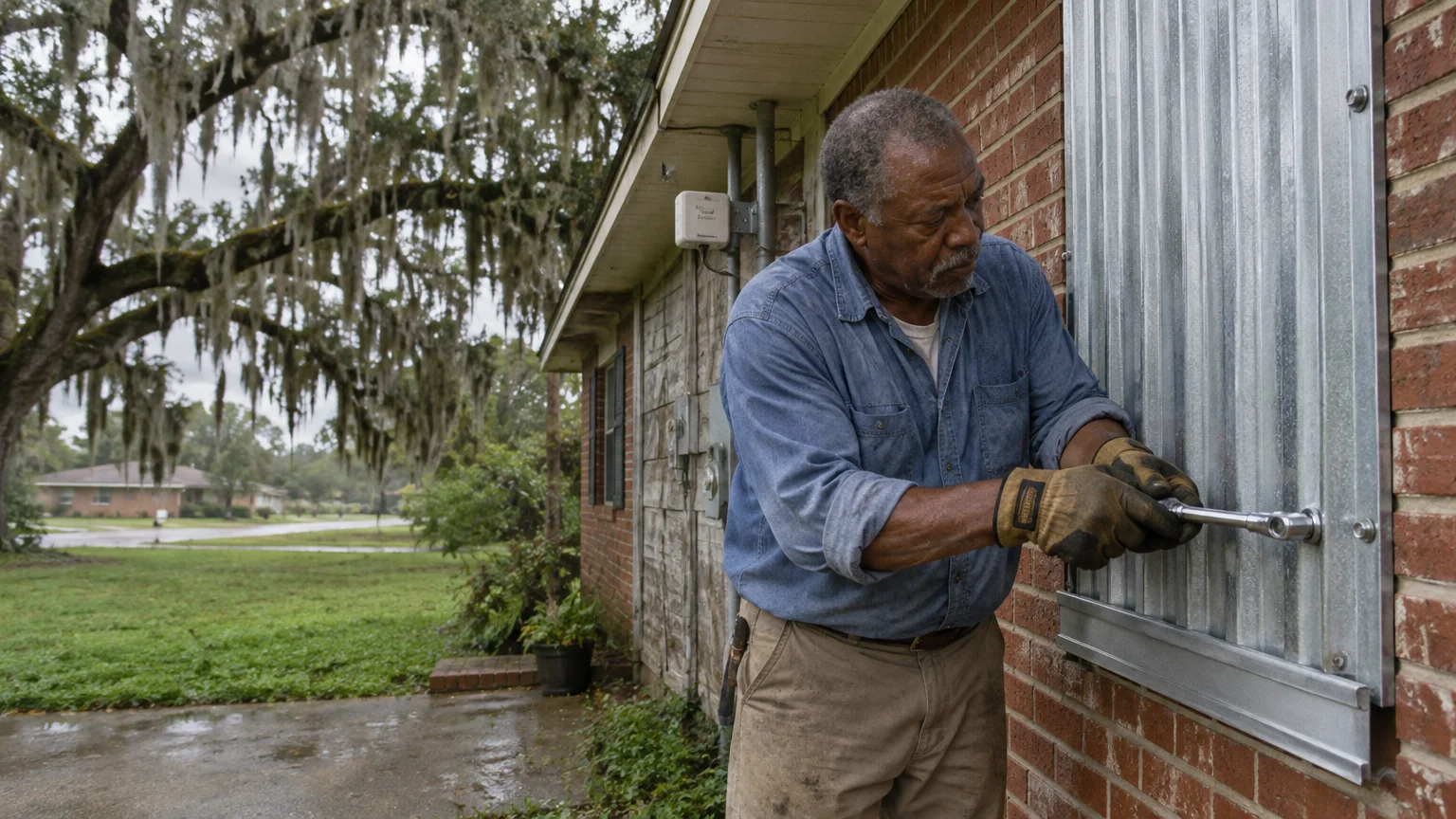
The emotional toll of living in hurricane territory represents an even heavier burden. Tracking tropical storm forecasts for months each year creates relentless worry and disruption.
Evacuating your neighborhood ahead of a major hurricane requires physical energy, stressful highway travel, and unexpected hotel expenses. Leaving home disrupts medical care routines and separates you from friends.
Healthcare infrastructure poses an additional consideration for older adults who require specialized care. In WalletHub’s evaluation of retirement destinations, neighboring Mississippi ranks #48, reflecting broader regional healthcare challenges.
Limited access to specialized physicians can complicate managing chronic medical conditions as you grow older. Reliable healthcare access is vital for preserving your energy and active independence.
If you choose to live in Louisiana, immersing yourself in local volunteer organizations can build an instant support system. Strong neighborhood bonds provide practical help and emotional reassurance when severe weather strikes.
Participating in community cooking circles and neighborhood preservation groups lets you celebrate the state’s storied heritage while forming enduring friendships.
You can savor Louisiana’s soulful cuisine and festive community spirit by visiting during the winter months. Enjoying extended vacations allows you to experience the fun without assuming severe weather risks.
Lifestyle Idea #5: North Carolina and the Retirement Account Tax Catch
North Carolina has rapidly evolved into one of the most desirable retirement hotspots in America. The state offers a marvelous blend of scenic mountain towns, championship golf courses, and coastal hamlets.
According to U-Haul’s midyear 2026 migration report, North Carolina and South Carolina both surpassed Florida for baby boomer customers moving across state lines. This migration shift pushed Florida to third place.
Despite its popularity, North Carolina surprises many newcomers with its specific tax structure. While the state exempts Social Security benefits, it taxes withdrawals from 401(k) plans and traditional IRAs as regular income.
If the bulk of your retirement savings resides in tax-deferred accounts, this state income tax creates a noticeable bite. Your monthly spendable income could be substantially lower than you projected.
Moving toward the coast brings additional financial friction through escalating insurance costs. Insurify reports that coastal home insurance in North Carolina now averages $3,228 per year.
Rapid population inflows have also placed heavy pressure on regional infrastructure. Busy roads, crowded recreational facilities, and packed restaurants can detract from the relaxed retirement pace you anticipated.
Healthcare access in fast-growing coastal areas has become another common source of frustration. Many clinics face lengthy appointment waitlists, making it challenging to establish care with new specialists.
Delays in scheduling medical appointments can create anxiety and interrupt your wellness routines. Staying proactive with your physical health requires reliable and timely local medical support.
Joining local hiking clubs or botanical societies provides an ideal way to explore the Blue Ridge mountains with peers. Shared outdoor adventures foster deep camaraderie and keep you physically active.
Connecting with regional arts councils also opens doors to pottery workshops, music festivals, and theater groups. These enriching pursuits help you build a vibrant social life outside of busy coastal centers.
You can still thrive in North Carolina by choosing your location with care. Consider settling in established inland university towns that offer lower insurance costs, rich cultural programming, and world-class medical centers.
Consult a qualified financial professional to calculate your exact state tax liability before buying property. Clear financial expectations ensure that you maintain ample funds for travel, hobbies, and social fun.

Putting It into Practice: Small Steps for Big Changes
Designing a joyful, regret-free retirement requires thoughtful exploration rather than hasty decisions based on brief vacations. Taking small, deliberate actions today protects both your hard-earned nest egg and your social well-being.
Start by scheduling an extended stay in your target destination before listing your current home for sale. Rent a furnished home for a month or two during the region’s least appealing season.
Experiencing summer heat, winter freezes, or humid storm seasons reveals the true daily reality of the area. You can observe whether the weather supports your favorite outdoor hobbies and daily walks.
Spend your time living like an everyday resident rather than a relaxed tourist. Shop at the local supermarket, visit nearby medical clinics, and navigate commuter traffic during peak morning hours.
Next, assemble a comprehensive relocation budget that accounts for realistic insurance and property tax rates. Contact local independent insurance agents to request binding quotes on specific prospective properties.
Consult a tax expert to review how your new state treats pension payments, capital gains, and IRA withdrawals. Understanding your exact net income protects your discretionary funds for dining and travel.
Evaluate the local social environment to ensure you can build meaningful friendships. Look for thriving pickleball clubs, community gardens, volunteer networks, and lifelong learning classes at nearby colleges.
Active social connection is one of the strongest predictors of longevity and mental happiness in retirement. A supportive community makes navigating post-career transitions both exciting and deeply fulfilling.
Factor grandparenting into your relocation equation from the very beginning. Calculate the true financial and physical cost of traveling back home for birthdays, holidays, and school milestones.
Maintaining close family bonds across long distances requires reliable travel funds and flexible schedules. Planning these trips into your annual budget prevents emotional strain and family distance.
Examine the proximity and reputation of local hospitals and specialty clinics. Ensuring you have prompt access to quality medical care gives you and your family immense peace of mind.
Keep in mind that staying in your existing community is also an empowering and wonderful choice. You can always use relocation savings to update your current home and travel whenever adventure calls.
Frequently Asked Questions
How can you test a retirement destination without overspending?
You can test a potential destination economically by booking long-term vacation rentals during shoulder seasons. Many rental hosts offer substantial weekly or monthly discounts when tourist demand declines.
Another creative approach involves house-sitting or pet-sitting for residents who are traveling. This strategy provides complimentary accommodation while letting you experience authentic neighborhood life firsthand.
You can also reach out to local senior centers and clubs before visiting to ask about guest passes. Engaging with active members gives you candid opinions about healthcare and actual neighborhood costs.
Which states currently tax Social Security benefits?
Only eight states currently tax Social Security benefits in some form: Colorado, Connecticut, Minnesota, Montana, New Mexico, Rhode Island, Utah, and Vermont. Most of these states offer income-based exemptions that protect middle-income earners.
Several states have recently eliminated benefit taxes entirely to attract older adults. Kansas, Missouri, and Nebraska eliminated their state taxes on Social Security benefits in 2024, while West Virginia completed its phase-out.
How do you establish a vibrant social circle after moving to a new state?
Building new friendships requires placing yourself in shared social environments on a consistent basis. Join local recreation leagues, community choirs, book discussion groups, or volunteer teams at regional non-profits.
Consistent weekly participation helps you naturally connect with like-minded neighbors over common passions. Over time, those casual weekly interactions blossom into dependable, supportive friendships.
Consider taking classes at local community colleges or joining walking groups organized through community centers. Sharing purposeful activities creates natural icebreakers and accelerates genuine bonding.
What steps should you take if you relocate and deeply regret your decision?
Begin by pinpointing whether your unhappiness stems from social isolation or severe financial strain. If you simply miss having close friends, commit to attending two local club meetings weekly for three months.
If runaway property taxes or insurance rates threaten your solvency, do not hesitate to pivot. Renting out your property, downsizing, or moving back near family can quickly restore your financial security and happiness.
For resources on retirement living, travel, and finance, visit AARP. Official information on Social Security is available at SSA.gov. For travel advisories, consult the U.S. Department of State.
Disclaimer: This article provides lifestyle suggestions for informational purposes. Financial, legal, or travel decisions should be made in consultation with qualified professionals.