

Picture your golden years filled with sunny walks to fresh bakeries, vibrant open-air markets, and top-tier healthcare at a fraction of domestic costs. More American retirees in Europe are turning this dream into their everyday reality.
Choosing the right destination provides financial peace of mind, rich cultural experiences, and an active lifestyle. Finding the best European cities to retire becomes simple when you know where your dollars stretch furthest.
From sun-drenched Mediterranean shores to charming river towns, these welcoming communities offer safety, fellowship, and comfort. Here are the top locations transforming expat retirement in Europe today.

Tip #1: Valencia, Spain
Why American Retirees Choose Valencia
Valencia combines a relaxed Mediterranean coastal rhythm with vibrant urban culture. You will enjoy over 300 days of sunshine each year alongside stunning architecture and lush green spaces.
The city transformed its former riverbed into the Turia Gardens, a five-mile park spanning the urban core. This car-free green ribbon allows you to stay active through scenic daily strolls and gentle cycling.
Residency Requirements and Cost of Living
Spain’s Non-Lucrative Visa (NLV) offers a straightforward path for self-funded American retirees. To qualify, you must show passive income equal to 400% of Spain’s IPREM index.
This requirement currently totals €2,400 per month, or €28,800 annually, for an individual. Each additional family member requires an extra €600 per month (€7,200 annually).
Rental prices and everyday groceries in Valencia cost significantly less than in Madrid or Barcelona. A couple can easily live an upscale lifestyle on $2,500 to $3,200 each month.
Healthcare Access and Wellness
Spain provides top-ranked healthcare facilities with English-speaking medical specialists. Initial residency requires private international insurance coverage, but long-term options are remarkably affordable.
After one year of legal residency, you can join the public healthcare system through the Convenio Especial program. This program costs approximately €60 monthly under age 65 and €157 monthly for seniors 65 and older.

Tip #2: Porto, Portugal
Northern Charm and Historic Splendor
Porto enchants retirees with historic tiled architecture, dramatic river views, and genuine local warmth. It ranks among the premier Europe retirement destinations for seniors seeking beauty and peaceful surroundings.
The city offers efficient light rail and tram systems connecting the historic downtown directly to scenic Atlantic beaches. English is widely spoken in shops, restaurants, and medical centers throughout the area.
Portugal D7 Visa and Recent Tax Updates
Portugal’s D7 Passive Income Visa remains one of the most accessible residency permits for retiring abroad in Europe. Applicants must demonstrate stable passive earnings from pensions, Social Security, or investments.
The statutory minimum requirement is €870 per month (€10,440 per year) for a single applicant. You will need an additional 50% (€435 monthly) for a spouse.
Portugal phased out its Non-Habitual Resident (NHR) 10% flat tax regime for new applicants on January 1, 2024. New residents are taxed under progressive brackets, so consulting a cross-border tax specialist is essential.
Daily Well-Being and Atlantic Living
Porto’s culinary scene revolves around fresh Atlantic seafood, crisp regional produce, and vibrant local markets. Daily walking along the Douro River keeps you energized, fit, and socially connected.
Modern private hospitals deliver rapid, high-quality care at costs far lower than typical American out-of-pocket deductibles. You can easily maintain optimal health while enjoying your seaside routine.
Tip #3: Lecce, Italy
The Golden Gem of Puglia
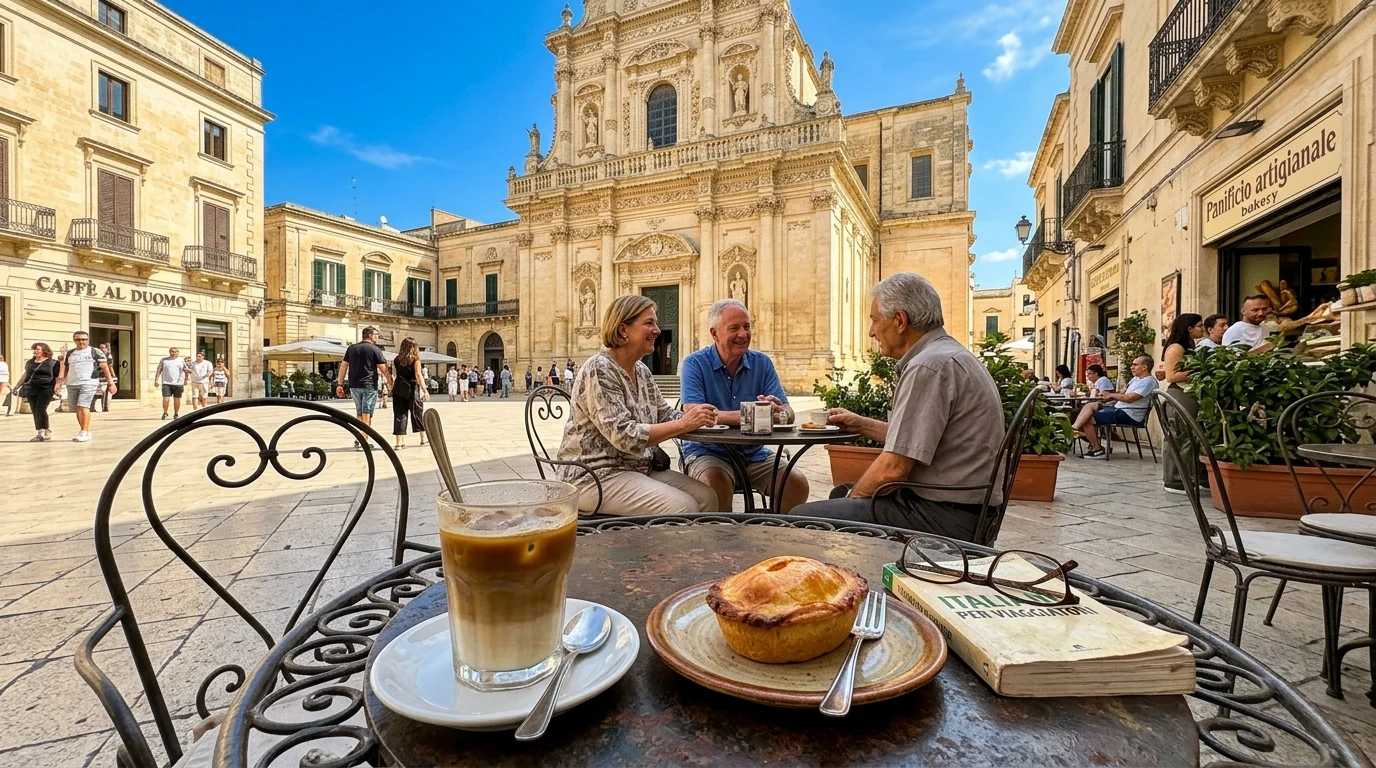
Known as the “Florence of the South,” Lecce features breathtaking baroque limestone architecture and warm southern Italian sunshine. It provides an authentic, leisurely lifestyle nestled between the Adriatic and Ionian Seas.
You can spend peaceful mornings exploring historic piazzas and afternoons savoring authentic regional cuisine at family-run trattorias. Lecce offers an intimate, welcoming environment where neighbors quickly become friends.
Italian Elective Residence Visa Guidelines
To settle in Italy, you can apply for the Italian Elective Residence Visa (ERV). Consular guidelines typically require proof of roughly €31,000 to €32,000 annually in passive income for single applicants.
Married couples must demonstrate combined passive earnings of approximately €38,000 per year. Remote work and local employment are strictly prohibited under this visa category.
The 7% Southern Italy Flat Tax Benefit
Italy offers an attractive 7% flat tax incentive on foreign income for qualifying retirees. This special program applies to participating municipalities with fewer than 20,000 residents across southern regions.
Eligible areas include Puglia, Abruzzo, Sicily, Calabria, Sardinia, Molise, Basilicata, and Campania. The flat tax rate remains locked for up to 10 years, offering tremendous financial savings.
Tip #4: Chania, Greece
Island Vitality and Mediterranean Longevity
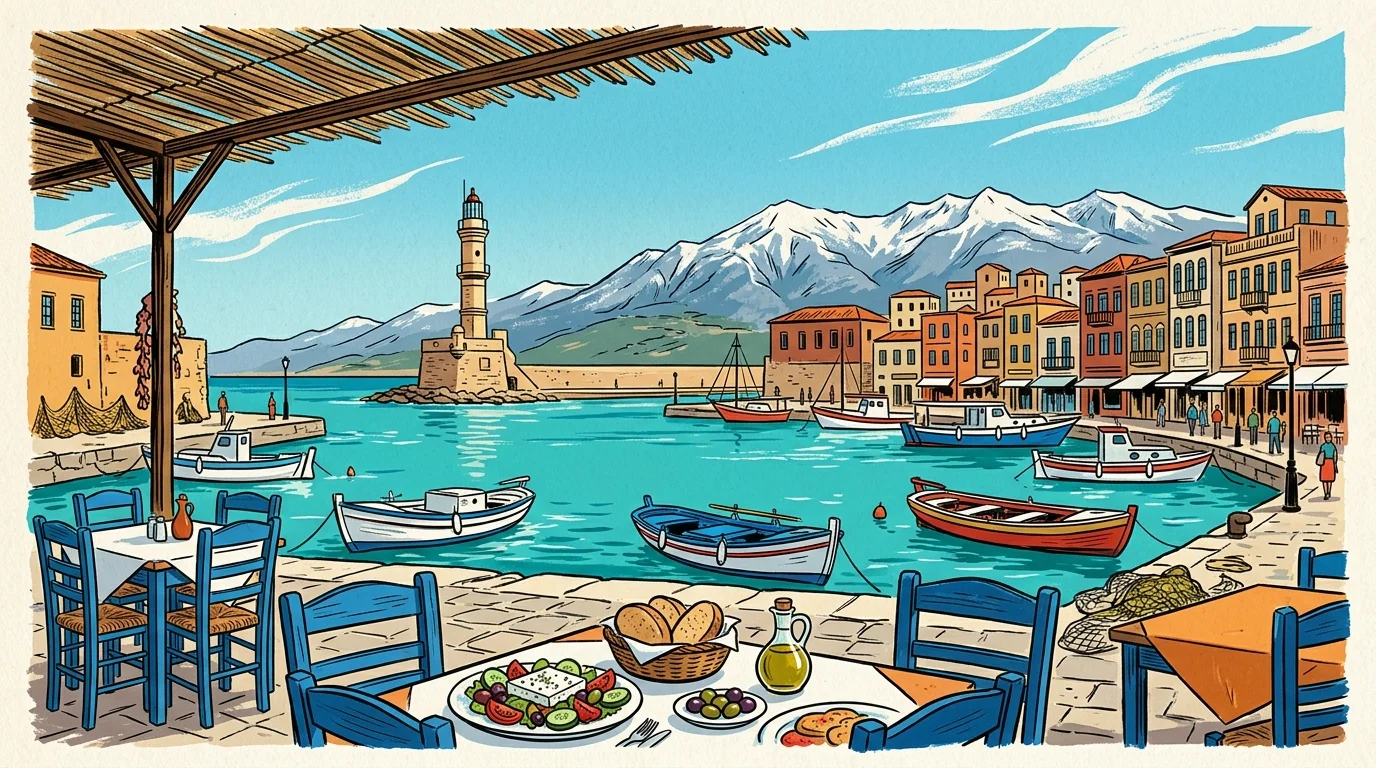
Chania rests on the northwest coast of Crete, combining a charming Venetian harbor with sweeping mountain views. Crete is globally celebrated for its healthy lifestyle, fresh cuisine, and remarkable longevity.
You will enjoy abundant sunshine, clean air, and locally grown olives, vegetables, and fresh seafood. The relaxed island atmosphere encourages rest, movement, and fulfilling community interactions.
Greek FIP Visa and 7% Pensioner Tax
Greece’s Financially Independent Person (FIP) Visa is designed specifically for self-funded retirees. It requires proof of recurring foreign income between €2,000 and €3,500 monthly, plus 20% for an accompanying spouse.
Foreign retirees who transfer their tax residency to Greece enjoy a 7% flat income tax rate on foreign pensions. This favorable tax treatment is guaranteed for up to 15 years.
Recent updates to the Golden Visa program raised the real estate investment minimum to €800,000 in prime regions. However, independent visa pathways like the FIP remain popular and accessible.
Community Safety and Exceptional Value
Chania maintains remarkably low crime rates, creating a secure and worry-free living environment. You can walk through cobblestone streets at any hour with complete confidence.
A retired couple can live comfortably here for $2,000 to $2,700 per month, including rent and private medical care. Your retirement funds will deliver an extraordinary standard of living.

Tip #5: Bordeaux, France
Sophisticated Culture and Effortless Living
Bordeaux delivers classic French elegance without the overwhelming pace or high prices of Paris. Its stately 18th-century boulevards, vibrant theaters, and riverside promenades create a truly inspiring daily backdrop.
The city’s modern tram system makes driving completely unnecessary for your daily routines. High-speed TGV trains connect you directly to downtown Paris in just two hours.
French Long-Stay Visa Requirements
To retire in France, you will apply for the Long-Stay Visitor Visa (VLS-TS Visiteur). This permit requires proof of passive income or savings equal to the French net minimum wage (*SMIC*).
Applicants currently need to demonstrate roughly €1,400 to €1,800 per month in net passive income. You must also provide proof of private health insurance and suitable local accommodation.
Favorable U.S.–France Tax Treaty Rules
The bilateral U.S.–France Double Tax Treaty offers substantial financial benefits for American retirees in Europe. Under this agreement, U.S. Social Security benefits and government pensions are taxed exclusively in the United States.
France provides a full tax credit to eliminate local income taxes on those foreign retirement distributions. This treaty prevents double taxation and keeps your financial planning straightforward.
World-Class Healthcare Infrastructure
France is globally recognized for its superior healthcare quality and patient-centered service. After three months of continuous residency, you can apply for inclusion in the statutory public healthcare system (*PUMA*).
Most expats pair public coverage with an inexpensive supplemental policy called a mutuelle. This ensures full reimbursement for prescriptions, dental care, and specialist visits.

Tip #6: Alicante, Spain
Microclimates and Sun-Kissed Coastlines
Alicante sits along Spain’s Costa Blanca, enjoying a gentle microclimate with over 320 days of annual sunshine. The city features palm-lined pedestrian boulevards, calm Mediterranean waters, and pristine urban beaches.
An established, welcoming international community ensures you will make friends quickly through walking clubs, language exchanges, and dining groups. You can easily stay active and socially engaged.
Affordable Coastal Living
Alicante offers one of the lowest costs of living among coastal Europe retirement destinations. Furnished modern apartments near the sea rent for a fraction of American coastal rates.
Spain’s Non-Lucrative Visa income baseline of €2,400 monthly easily affords an abundant, comfortable lifestyle here. You can dine out frequently and enjoy leisure activities without financial worry.
Easy Travel Connections and Modern Care
Alicante-Elche Airport offers extensive direct flights across Europe and convenient links to the United States. Family visits and international travel remain quick, stress-free, and affordable.
Modern private medical centers provide English-speaking doctors, rapid appointments, and top-tier preventive medicine. Your physical wellness is fully supported every step of the way.
Tip #7: Cascais, Portugal
Refined Coastal Living Near Lisbon
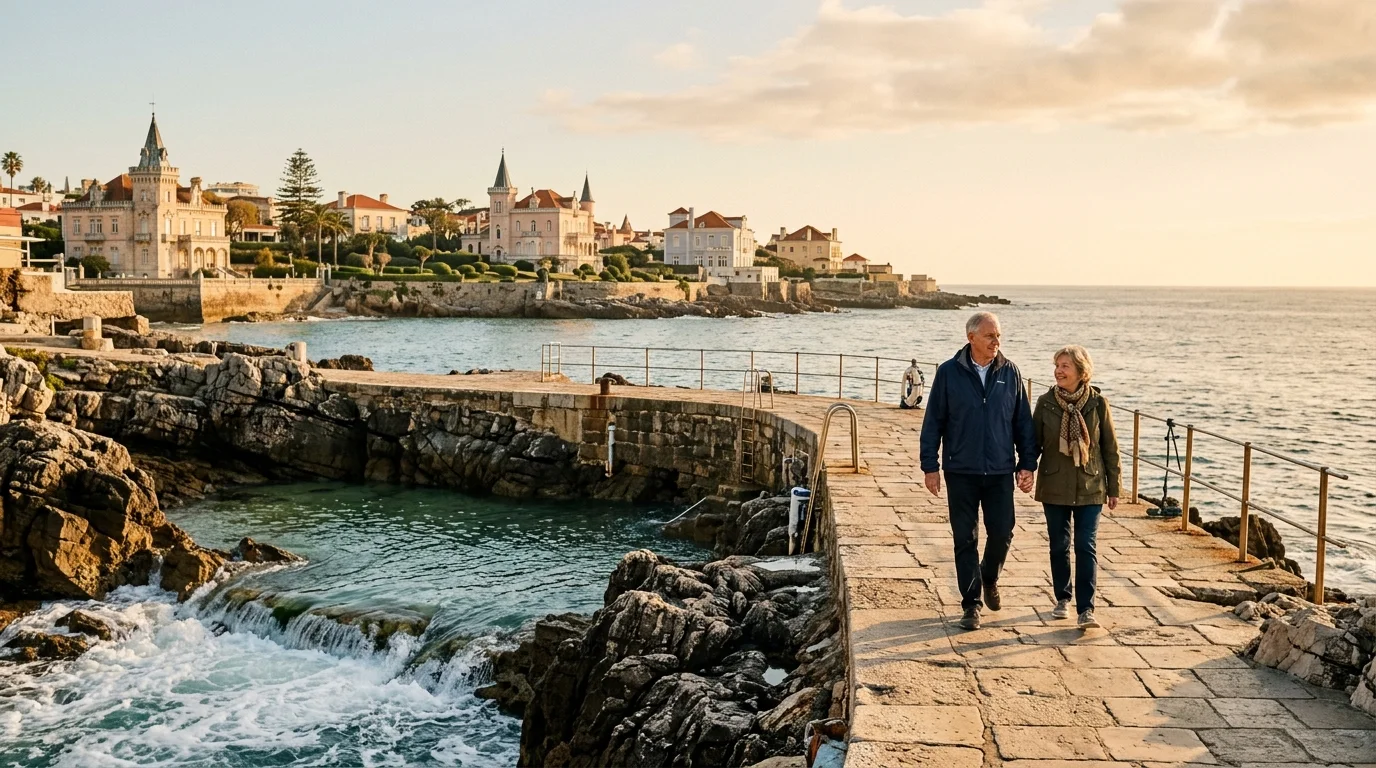
Cascais blends traditional Portuguese charm with sophisticated resort amenities along the Atlantic coastline. Located just 30 minutes west of Lisbon, it offers immediate access to big-city culture and world-class healthcare.
Retirees enjoy a scenic beachfront promenade, world-renowned golf courses, and an active international sailing community. It is widely considered one of the best European cities to retire for ocean lovers.
Community, Safety, and Connectivity
Cascais has one of Portugal’s highest concentrations of English-speaking residents and medical professionals. You will feel comfortable navigating daily life, banking, and social activities from day one.
A scenic commuter train connects Cascais directly to central Lisbon along the picturesque Tagus River. You can easily attend Lisbon operas, art exhibits, and international conferences without owning a vehicle.
Financial Planning and Real Estate
While Cascais is more upscale than northern Portugal, its living expenses remain lower than major American metropolitan areas. The D7 Visa passive income threshold of €870 monthly provides a clear entry requirement.
Dining on fresh grilled sardines, walking coastal paths, and enjoying year-round ocean breezes create a vibrant retirement lifestyle. Cascais offers the perfect balance of serenity and cosmopolitan excitement.

The Takeaway: Living a More Blissful Retirement
Retiring abroad in Europe represents an empowering new chapter filled with discovery, improved wellness, and financial peace. Over 700,000 American retirees and beneficiaries currently receive their monthly Social Security payments overseas with ease.
Because Medicare does not cover routine healthcare abroad, purchasing private international health insurance is an essential first step. This ensures both visa compliance and comprehensive medical protection.
Take time to visit your favorite destinations on extended scouting trips before committing to a permanent relocation. Renting a furnished apartment allows you to test daily life, neighborhood transit, and local amenities.
Your golden years are meant to be cherished, celebrated, and lived to their absolute fullest. Moving to Europe can reward you with vibrant health, deep cultural connections, and lasting happiness.
For a wide range of resources for older adults, visit AARP and the National Council on Aging (NCOA). Health information is available from the National Institute on Aging.
Disclaimer: This article is for informational and inspirational purposes only, and it is not a substitute for professional medical, financial, or psychological advice. Please consult with a qualified expert for guidance tailored to your individual needs.
Frequently Asked Questions
Can I receive my U.S. Social Security benefits while living in Europe?
Yes, the U.S. Social Security Administration directly deposits monthly benefit payments into foreign bank accounts in most European nations. You can maintain your payments seamlessly without returning to the United States.
Does U.S. Medicare cover healthcare expenses for retirees living abroad?
No, standard Medicare Parts A and B do not cover routine medical care outside the United States. You must purchase private international health insurance or enroll in local public systems where eligible.
How much passive income do I need to retire comfortably in Europe?
Income requirements vary by country, generally ranging between €870 per month in Portugal to roughly €2,400 per month in Spain. Most couples live very comfortably on $2,500 to $4,000 per month.
Do I need to renounce my U.S. citizenship to live in Europe permanently?
No, you do not need to give up your American citizenship. Long-stay visas and permanent residency permits allow you to live abroad legally while keeping your U.S. passport and citizenship intact.