

You can trade frosty mornings for warm breezes without tying yourself down to an expensive annual lease. Flexible winter housing lets you explore vibrant, sun-drenched communities on your own terms.
Whether you prefer a coastal condo or a furnished desert casita, short term winter rentals offer ultimate freedom. You simply pack your bags, enjoy the sunshine, and leave when spring arrives.
Modern booking platforms and monthly rentals for retirees make escaping the freeze smoother than ever. Here is how you can claim your personal seasonal paradise this year.

Tip #1: Phoenix and Scottsdale, Arizona — Furnished 30-Day Desert Casitas
The Arizona desert provides mild winter weather, dramatic mountain views, and endless sunshine. You can easily rent furnished casitas, condos, or patio homes across the Valley of the Sun without signing an annual contract.
Booking a stay of at least 30 consecutive nights unlocks significant financial perks. In most U.S. jurisdictions, 30 days marks the legal transition from a short-term lodging stay to a residential month-to-month agreement.
Crossing this 30-day threshold allows you to bypass strict local short-term rental bans. It also shields you from the heavy hotel taxes that short-term visitors must pay.
Arizona sweetens this arrangement even further for visiting retirees. Effective January 1, 2025, and continuing onward, Arizona cities stopped charging residential rental tax on stays of 30 days or more.
This permanent tax elimination makes a 30-night booking significantly cheaper than a 28- or 29-night visit. You keep more money in your pocket while enjoying a peaceful home environment.
Active adult communities in Mesa, Sun City, and Scottsdale offer exceptional amenities. You can spend your days playing pickleball, swimming in heated pools, and hiking scenic desert trails.
To find these properties, search mid-term rental websites or connect with local property managers directly. Many homeowners eagerly welcome reliable retirees who want to stay through March.
When reviewing rental agreements, always confirm whether pool heating and utilities are included in the monthly price. Clear communication upfront guarantees a warm, stress-free winter escape.
Pack layered clothing to accommodate desert temperature swings comfortably. While afternoons are delightfully warm and sunny, crisp desert evenings require a cozy jacket for outdoor dining.

Tip #2: The Florida Gulf Coast — Turnkey Monthly Snowbird Condos
Florida remains the classic winter destination, and the Gulf Coast offers gentle waves and breathtaking sunsets. Charming communities like Sarasota, Venice, and Fort Myers provide rich cultural arts and tranquil white-sand beaches.
Many coastal condominium associations enforce strict 28- to 30-night minimum stays. While this rule deters weekend vacationers, it creates an ideal, peaceful atmosphere for seasonal snowbird rentals.
Planning your budget requires looking closely at current regional market rates. According to AirROI Gulf Coast data, the median monthly asking rent for a two-bedroom snowbird condo is $4,800 to $4,953.
This nightly breakdown equals roughly $160 to $165 per night. A full three-month escape from January through March typically totals about $14,859.
Because demand is high, you must plan your Gulf Coast getaway early. Month-long winter stays in Florida are booked a median of 153 days—roughly five months—prior to arrival.
Locking in your reservation by late summer ensures you secure your preferred building and floor plan. Waiting until autumn often leaves you with limited choices and higher prices.
Keep state tax regulations in mind when calculating your final lodging costs. Florida’s 6% state transient rental tax, plus county tourist taxes, applies to all rental stays of six months or less.
Despite lodging taxes, renting directly eliminates annual property maintenance, lawn care, and insurance costs. You simply unlock your front door, walk to the beach, and soak up the sunshine.
Ask the owner about elevator access and assigned parking before finalizing your booking. Having a reserved ground-floor spot makes grocery trips and beach outings effortless.
Tip #3: Extended-Stay Hotel Suites Across the Sunbelt
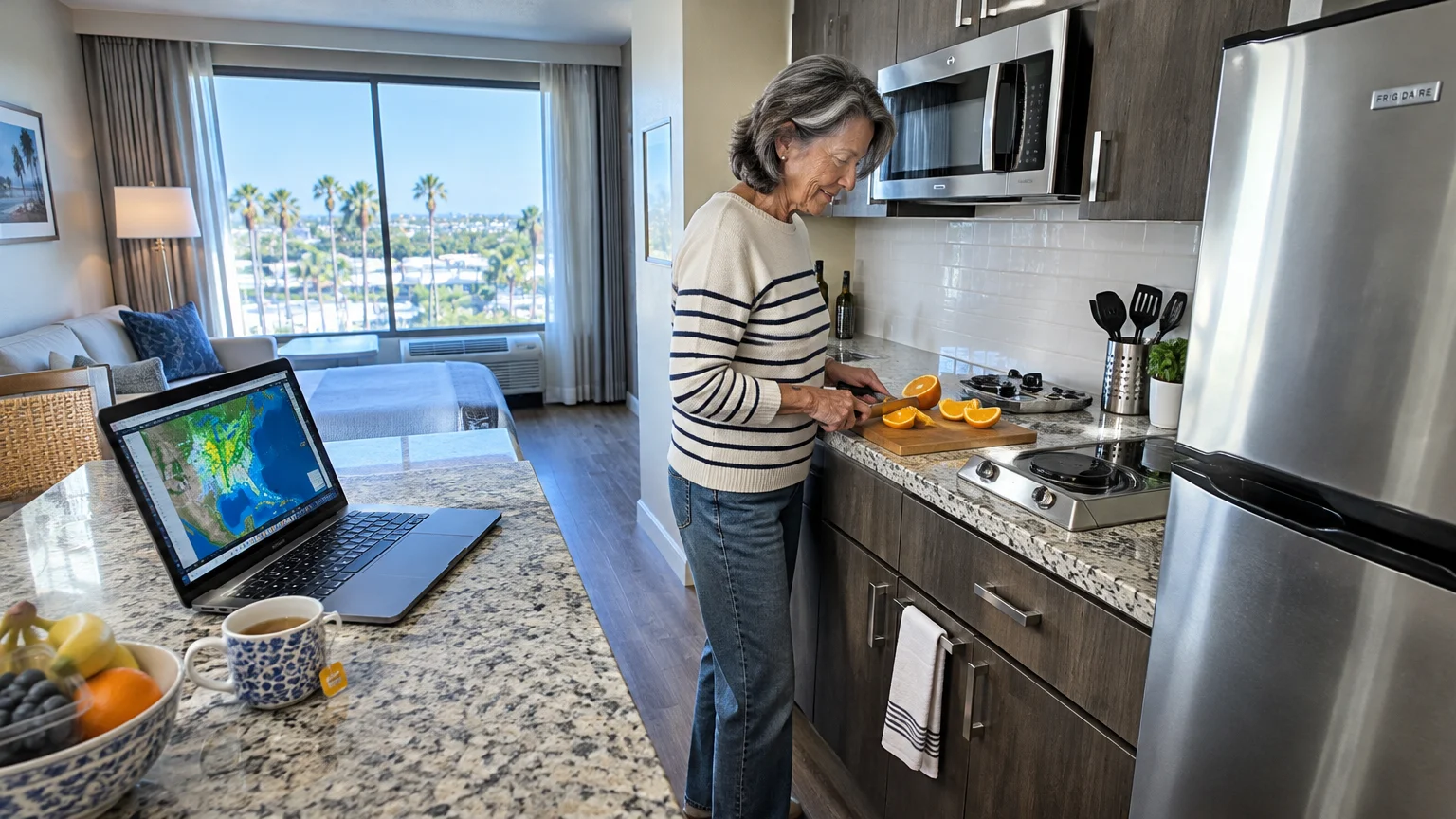
If you prefer skipping lease paperwork and background checks, extended-stay hotels offer unparalleled freedom. These comfortable properties provide furnished suites with full kitchens, weekly housekeeping, and all utilities included.
Extended-stay properties cater specifically to travelers staying several weeks or months at a time. Across the country, rates average $1,200 to $3,000 per month, or $300 to $800 per week.
Choosing an extended stay typically delivers a 30% to 50% discount compared to standard nightly hotel rates. You get residential comfort alongside the convenience of hospitality services.
You can easily select a brand tier that fits your retirement finances. Budget and economy brands, such as Extended Stay America, generally cost between $800 and $1,500 per month.
Midscale brands usually cost $1,200 to $2,500 monthly, offering fitness centers and grab-and-go breakfasts. Upscale residences range from $2,500 to over $6,000 monthly and feature spacious layouts, hot breakfasts, and evening social hours.
You can renew your room on a weekly or monthly basis without long commitments. If weather turns unseasonably cold, you can pack up and drive further south without penalty.
Always speak directly with the on-site general manager rather than using a central call center. Managers frequently have authority to reduce monthly rates for mature, quiet guests during the winter.
Staying in hotels also allows you to accumulate substantial loyalty reward points. You can redeem those points for free weekend road trips to visit grandchildren later in the spring.
Inspect the suite kitchen when you arrive to ensure it has all the cookware you need. Housekeeping can readily supply extra blenders, baking dishes, or fresh linens upon request.

Tip #4: Coastal Texas and the Rio Grande Valley — Resort Cottages
Coastal Texas and the Rio Grande Valley provide warm winters, friendly neighbors, and fantastic value. Known as “Winter Texan” territory, towns like Rockport, Port Aransas, and Harlingen welcome thousands of northern retirees annually.
You do not need to purchase an RV to enjoy these vibrant communities. Many top-rated resorts offer fully furnished resort cottages and park models for flexible, lease-free monthly stays.
These cottages feature private bedrooms, full kitchens, covered porches, and cable television. You step outside your door into a bustling community filled with craft workshops, shuffleboard, and live music.
If you do travel with a recreational vehicle, camping passes make your stay remarkably economical. The entry-level Thousand Trails Camping Pass retails at $775 per year, or roughly $65 per month.
During autumn promotional periods, this pass frequently drops to around $535 for one regional zone. Additional regional zones cost just $140 per year, giving you broad geographic flexibility.
This pass allows stays of up to 14 consecutive nights with zero nightly fees, followed by seven nights out of the system. It lets you hop between scenic coastal resorts all winter long.
For retirees seeking longer continuous stays, upgraded tiers like Journey, Explore, or Adventure run $163 to $313 per month. These plans permit park-to-park travel with no required days out.
Low living costs and welcoming social clubs make Texas a standout option. You can dine on fresh Gulf shrimp and dance to country music without straining your nest egg.
The flat terrain and mild climate make walking and cycling easy for seniors. You can spend sunny mornings birdwatching along protected estuaries and bays.
Tip #5: Palm Springs and the Coachella Valley, California — Mid-Century Monthly Rentals
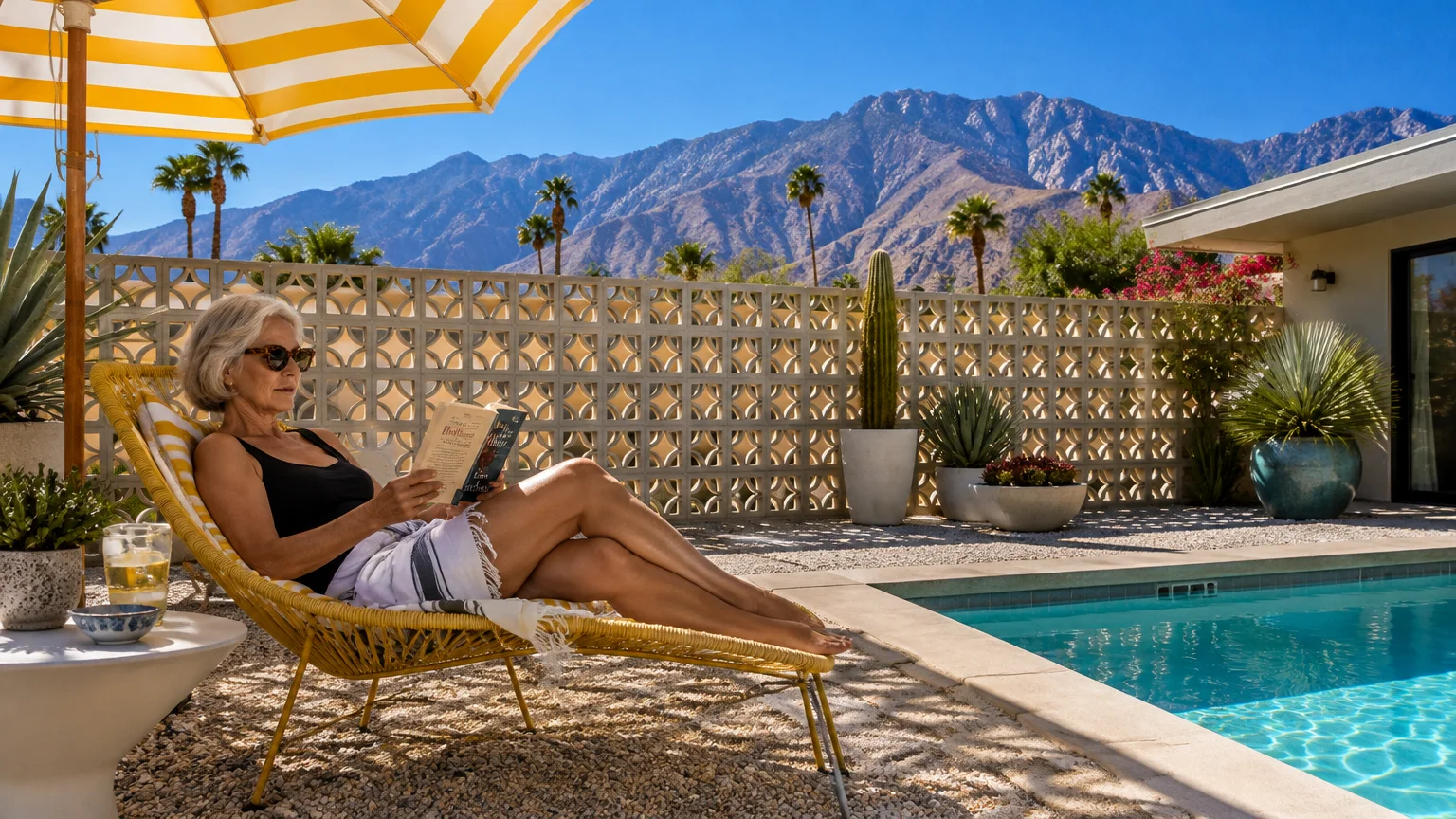
Framed by soaring mountain peaks, the Coachella Valley offers warm winter sunshine and mid-century glamour. Palm Springs, Palm Desert, and Rancho Mirage provide an idyllic escape for retirees seeking relaxation and recreation.
Many desert cities enforce strict caps on short vacation rentals to preserve neighborhood peace. However, almost all municipalities welcome guests booking monthly rentals without long leases.
In most U.S. jurisdictions, reserving 30 consecutive nights or more classifies your stay as a residential tenancy. This legal distinction lets you bypass local vacation rental bans and enjoy private residential neighborhoods.
When browsing online platforms like Airbnb, understanding fee structures protects your budget. In U.S. search results, Airbnb displays a fee-inclusive total price before taxes by default.
Keep in mind that Airbnb’s guest service fees typically range from 14.1% to 16.5% of the booking subtotal. That fee covers customer service and platform protections throughout your stay.
You can often save money by booking directly through established local property management companies. Local managers know the region intimately and can help you select a quiet, single-story home.
Spend your days swimming in heated community pools, visiting botanical gardens, and shopping at village art walks. The Coachella Valley delivers a joyful, restorative winter lifestyle without legal strings attached.
Many desert neighborhoods feature scenic paved trails and golf-cart-friendly streets. You can safely walk or cruise to nearby coffee shops, libraries, and pharmacies every day.
Confirm that your rental provides functional air conditioning and heating units before arriving. While winter days remain sunny and warm, desert nights occasionally dip into the fifties.

Tip #6: Costa del Sol, Spain — Mediterranean Mid-Term Apartments
If you crave an international adventure, southern Spain offers mild Mediterranean warmth and rich European culture. Coastal havens like Malaga, Estepona, and Nerja boast over 300 days of annual sunshine.
Recent European housing regulations have created unprecedented opportunities for visiting snowbirds. EU Regulation 2024/1028 took effect on May 20, 2026, enforcing mandatory national registration numbers across all 27 member states.
This comprehensive regulation led to the delisting of roughly 66,000 non-compliant properties across Spain. Facing tighter oversight, thousands of Spanish property owners shifted their homes into flexible mid-term monthly rentals.
Because mid-term stays avoid short-term rental restrictions, retirees now enjoy an expanded supply of 30- to 90-day rentals. You can secure modern, furnished beachfront apartments at deeply discounted off-season rates.
Daily living in Spain is remarkably economical compared to many American metropolitan hubs. You can buy fresh produce at open-air markets, savor delicious tapas, and enjoy affordable, world-class healthcare.
Public transportation throughout the Costa del Sol is spotless, safe, and easy to navigate. High-speed trains and coastal buses allow you to explore ancient Andalusian cities without renting a car.
Mid-term rental platforms cater specifically to international retirees by providing bilingual customer support and verified listings. You can enjoy an enchanting Mediterranean winter without signing long legal leases.
Check that your rental includes high-speed fiber internet before booking your stay. Reliable Wi-Fi ensures seamless video calls with children and grandchildren back home.
Walking along the sunlit coastal boardwalks keeps you physically active and invigorated. You will embrace a relaxed lifestyle centered on wellness, community, and joyful living.
Tip #7: The Algarve, Portugal — Sunny Coastal Villas
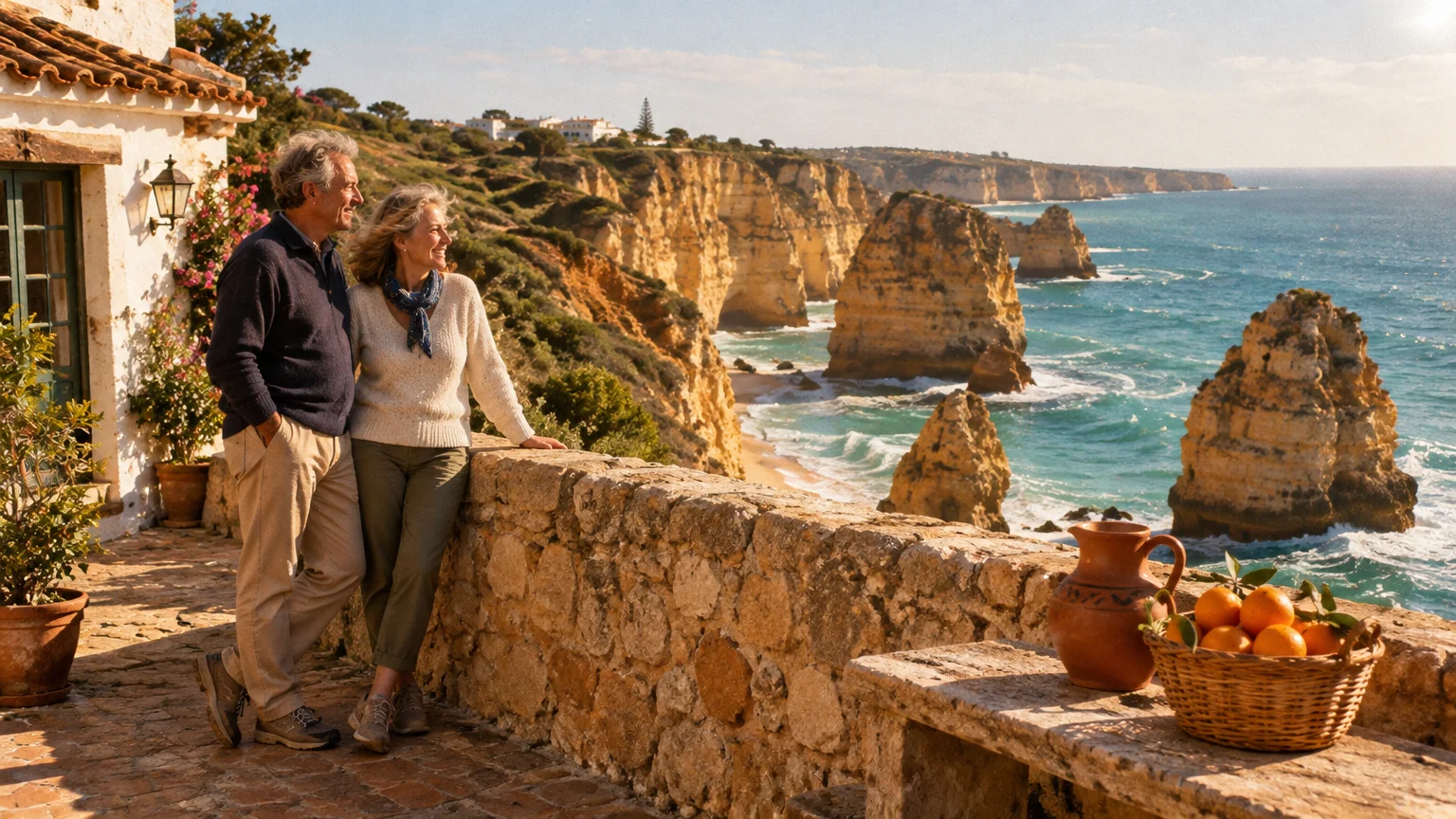
Portugal’s Algarve region charms retirees with golden limestone cliffs, tranquil Atlantic breezes, and exceptionally mild winter weather. Picturesque fishing towns like Lagos, Tavira, and Albufeira offer a peaceful, relaxed pace of life.
Portugal has embraced new housing rules that encourage seasonal stays over rapid-turnover tourism. In Lisbon, authorities revoked 40% of short-term rental permits to stabilize local housing markets.
Following this policy change, many property owners along the southern coast now prioritize respectful, month-long winter guests. You can easily rent spacious coastal villas and modern condominiums without committing to annual contracts.
The Algarve is renowned for its welcoming culture, high safety ratings, and widespread English fluency. You will feel comfortable ordering at local cafes, visiting pharmacies, and interacting with friendly neighbors.
Winter temperatures remain pleasantly cool during mornings and sunny throughout the afternoons. It is the perfect climate for clifftop walks, coastal golf, and leisurely seaside lunches.
When booking, verify that your apartment includes an energy-efficient heat pump or heating system for cooler winter evenings. Reputable European rental platforms clearly display all heating amenities and included utilities.
Renting on a 30- to 60-day basis lets you savor the best of Europe on your own terms. You gain an inspiring international lifestyle while maintaining complete personal freedom.
Comprehensive travel health insurance provides affordable, high-quality medical coverage while abroad. Portugal’s private healthcare facilities are modern, accessible, and staffed by English-speaking medical professionals.
Take time to explore local olive groves, vineyards, and pottery studios during your stay. The gentle rhythm of southern Portugal will leave you feeling deeply recharged.

Tip #8: House-Sitting Placements in Sun-Soaked Communities
Imagine spending your winter in a beautiful desert villa or coastal cottage without paying any rent. House-sitting creates a wonderful exchange where you care for pets and plants in return for free accommodation.
Many homeowners travel south for the holidays or take extended winter cruises. They search for trustworthy, mature adults who will keep their homes secure and their pets happy.
As a retiree, your life experience and schedule flexibility make you a highly sought-after house sitter. You can secure stays lasting anywhere from two weeks to three full months.
Established platforms connect homeowners and sitters safely. TrustedHousesitters offers annual memberships at $129 for Basic, $169 for Standard, and $259 for Premium.
Under their current policy, Basic and Standard plans charge an additional $12 per-sit booking fee on every confirmed sit. Choosing the Premium tier waives this fee and includes travel cancellation protections.
If you seek a budget-friendly alternative, MindMyHouse lists at just $29 per year with no per-sit booking fees. Both platforms provide background checks and detailed homeowner reviews for added security.
House-sitting completely eliminates rental expenses, utility bills, and binding contracts. In return, you enjoy the companionship of loving pets and live comfortably in prime winter destinations.
Build an attractive profile highlighting your pet-care experience, homeownership background, and personal references. Homeowners value responsible retirees who treat their properties with respect and care.
This arrangement allows you to test out different cities before deciding where to spend future winters. It is an adventurous, deeply rewarding way to travel without housing costs.

Tip #9: Gulf Shores and Orange Beach, Alabama — Off-Season Beach Homes
Alabama’s Gulf Coast offers sugar-white sand, southern hospitality, and delightfully mild winter temperatures. Gulf Shores and Orange Beach transform into calm, uncrowded sanctuaries once the autumn chill arrives up north.
Condominium owners in this region enthusiastically welcome seasonal retirees. Because summer tourism has ended, monthly rental rates drop by as much as 60% compared to peak season prices.
You can rent high-rise oceanfront condominiums on simple month-to-month terms without signing long leases. Most complexes feature indoor heated pools, hot tubs, fitness centers, and covered parking.
The local community actively supports visiting snowbirds through organized social clubs and events. You can participate in weekly luncheons, charity drives, pickleball tournaments, and nature walks.
Gulf State Park sits right in town, offering 28 miles of paved trails winding through scenic coastal dunes. You can spot wildlife, ride bicycles, or simply sit on park benches watching coastal birds.
Local real estate companies often manage these winter rentals directly, allowing you to bypass online platform service fees. Their local staff provide prompt maintenance and personalized check-in assistance.
Alabama provides an affordable, easy-to-reach winter haven with all the warmth of southern coastal living. You will love waking up to crashing waves without long-term financial commitments.
Take advantage of abundant off-season specials at waterfront seafood restaurants and local golf courses. You will enjoy world-class coastal recreation at a relaxed, gentle pace.
Pack comfortable walking shoes for peaceful beach walks along the coastline every morning. The soothing sound of the surf provides an idyllic soundtrack for your retirement days.

Tip #10: Volunteer and Cultural Work-Exchange Winter Retreats
Active retirees looking for purposeful travel can trade light assistance for free winter accommodations. Work-exchange programs let you contribute your skills for 15 to 20 hours weekly in exchange for private lodging.
You might assist with gardening at a boutique resort, manage front-desk duties at a bed-and-breakfast, or care for rescue animals. Hosts deeply value the reliability, patience, and practical wisdom of older adults.
These exchanges eliminate rent and utility expenses while introducing you to like-minded travelers. You never sign a lease, and you can move on whenever you wish.
Joining verified exchange networks ensures your safety and peace of mind. Workaway costs $69 per year for a solo traveler and $79 for a couple.
Another respected platform, Worldpackers, costs $49 per year and offers responsive support and verified host reviews. Both services let you browse hosts across sunny regions like Hawaii, Florida, and California.
Your daily schedule leaves ample free time to read, swim, socialize, and explore regional attractions. You stay mentally engaged and physically active in an uplifting, warm environment.
Work exchanges offer an empowering alternative to traditional retirement housing. You gain fresh experiences, build meaningful connections, and escape winter chill without spending your savings.
Clarify the duties, weekly schedule, and accommodation details with your host before confirming your stay. Clear mutual expectations ensure a positive, enriching experience for both you and your host.
Volunteering connects you deeply with local communities in ways that regular vacationers rarely experience. You will return home in spring feeling energized, inspired, and deeply fulfilled.

The Takeaway: Living a More Blissful Retirement
Retirement offers you the freedom to design your life without the constraints of an annual lease or a permanent mortgage. Flexible winter housing empowers you to chase warm sunshine and discover exciting new communities each year.
Whether you choose an extended-stay hotel, a 30-day desert casita, or a coastal condo, options abound. You hold the power to craft a winter lifestyle that nurtures your health and honors your budget.
Taking advantage of off-season rates and monthly rental discounts keeps your hard-earned retirement savings safe. You can enjoy resort-style living while retaining complete control over your time and schedule.
Embrace this golden chapter of life with excitement and curiosity. Start planning your winter escape today, and look forward to sunny skies, gentle breezes, and blissful new memories.
Frequently Asked Questions
How far in advance should I reserve a winter rental?
You should begin researching and reserving your winter rental roughly five to six months before your planned arrival date. Industry data shows month-long Florida winter stays are booked a median of 153 days in advance.
Booking by late summer guarantees the best selection of single-story units, pet-friendly homes, and prime locations. Waiting until autumn often forces you to pay higher rates for remaining properties.
Why is booking a 30-day stay often more economical than 28 days?
In most U.S. jurisdictions, stays of 30 consecutive nights or more qualify as residential month-to-month tenancies rather than transient hotel stays. This shift often exempts you from hefty local lodging and tourism taxes.
For example, Arizona cities stopped charging residential rental tax on stays of 30 days or more as of 2025. Adding two extra days to reach 30 nights frequently lowers your total cost.
What extra fees should I watch for when booking flexible rentals?
When booking on major platforms like Airbnb, guest service fees typically range from 14.1% to 16.5% of the booking subtotal. You should also check for pet fees, departure cleaning fees, and monthly utility caps.
Contacting property managers directly or choosing extended-stay hotels can eliminate many of these platform surcharges. Always request a written breakdown of all fees before making your deposit.
Do extended-stay hotels require long-term contracts or security deposits?
No, extended-stay hotels do not require formal leases, long-term contracts, or utility deposits. You reserve your room on a weekly or monthly basis and pay as you go.
You can check out whenever you decide to travel elsewhere without breaking a lease. This makes extended-stay hotels one of the most flexible options for seasonal winter living.
For a wide range of resources for older adults, visit AARP and the National Council on Aging (NCOA). Health information is available from the National Institute on Aging.
Disclaimer: This article is for informational and inspirational purposes only. It is not a substitute for professional medical, financial, or psychological advice. Please consult with a qualified expert for guidance tailored to your individual needs.