
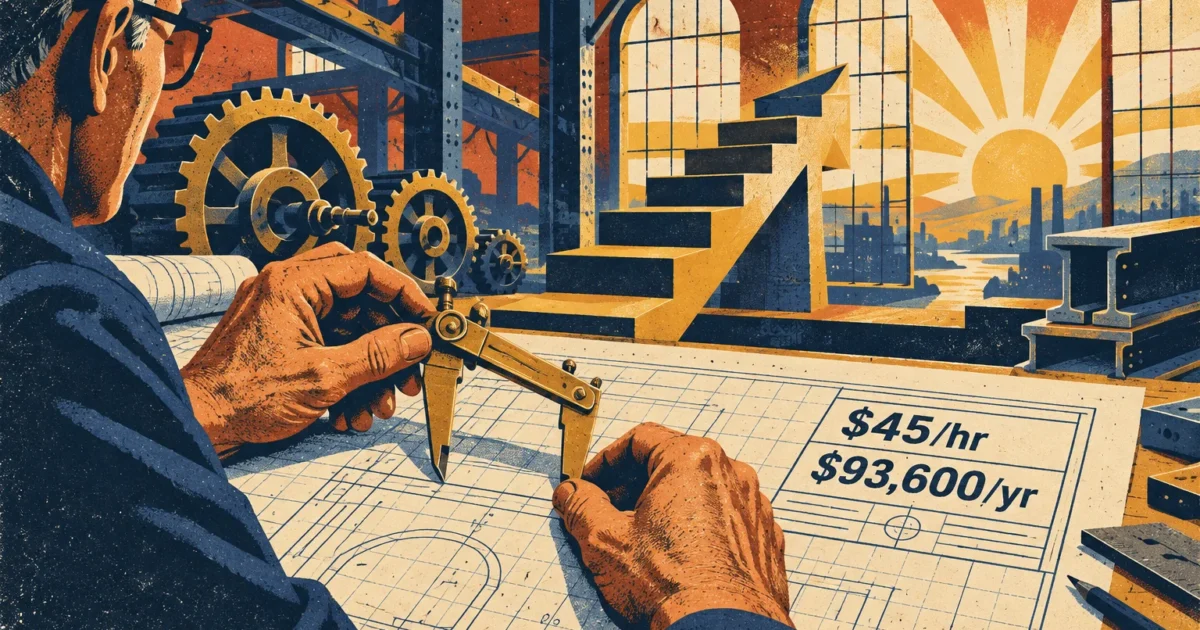
You can supercharge your retirement savings and fund your dream travel by tapping into high-earning skilled trades. Earning $45 an hour equals $93,600 a year, giving you incredible financial freedom without needing a four-year college degree.
Whether you want an active encore career or a lucrative consulting role, your hands-on problem-solving skills have never been more valuable. Employers actively seek seasoned adults to solve critical labor shortages across the country.
Discover the top blue-collar careers that deliver premium wages and keep your mind sharp. These rewarding paths prove that your golden years can be your most prosperous chapter yet.
Lifestyle Idea #1: Elevator and Escalator Specialists
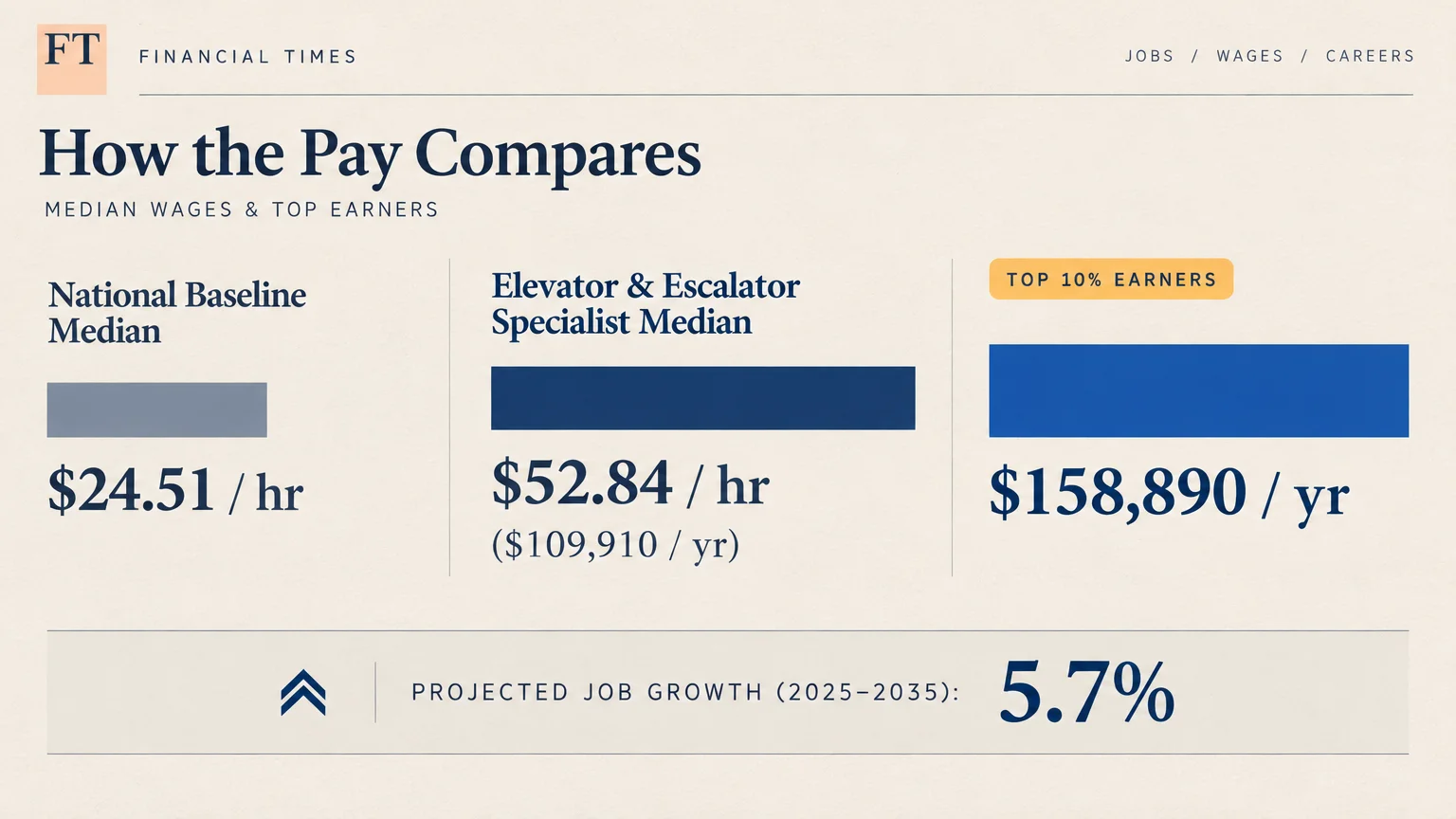
Elevator and escalator repairers stand at the absolute pinnacle of skilled trades salary benchmarks. These elite technicians earn a median wage of $52.84 per hour, which equals $109,910 per year.
Top earners in this specialized field make more than $158,890 annually. That substantial compensation far surpasses the national baseline median hourly wage of $24.51 across all occupations.
You do not need a four-year college degree to enter this lucrative trade. Becoming an installer requires a high school diploma and completing a formal, paid apprenticeship program.
The Bureau of Labor Statistics projects employment will grow 5.7% from 2025 to 2035. That growth translates into consistent demand for reliable technicians who understand modern mechanical and electronic systems.
Seasoned adults excel in this craft because precision diagnostics matter much more than brute physical strength. Your patience and methodical mindset help you troubleshoot microprocessors, hydraulic valves, and electrical wiring safely.
Elevator technicians enjoy powerful union representation, comprehensive health insurance, and structured pension plans. Those dependable benefits protect your personal well-being while funding a secure, worry-free retirement lifestyle.
The predictable work hours also leave your evenings and weekends completely free for personal enrichment. You can easily schedule golf outings, host family dinners, or take weekend camping trips.
Earning well over $50 an hour provides discretionary income to spoil your grandchildren and explore dream destinations. You can book luxury European river cruises or upgrade your home without financial anxiety.
To explore this path, contact your regional Joint Apprenticeship and Training Committee. Union organizers appreciate mature candidates who demonstrate reliability, accountability, and strong interpersonal communication skills.
Lifestyle Idea #2: Transportation and Storage Distribution Managers
Managing logistics and freight distribution represents a seamless career evolution for experienced workers. This high-paying management role commands a median wage of $51.55 per hour, or $107,230 annually.
Average industry earnings reach an impressive mean of $121,600 per year across the country. That earning power lets you comfortably eliminate debt and build an enviable travel fund.
This role serves as an ideal pivot if you have past experience in trucking, warehousing, or manufacturing. You step away from heavy lifting while directing warehouse operations, delivery routes, and fleet dispatchers.
Your workday revolves around strategic coordination, tracking inventory software, and solving real-time logistics challenges. The position keeps your mind alert and active without placing unnecessary strain on your knees and back.
Mature professionals thrive here because supply chains demand emotional stability, clear communication, and calm leadership. When unexpected shipping delays strike, your practical wisdom reassures both clients and staff.
The vibrant social atmosphere of a bustling distribution hub keeps you engaged with diverse coworkers every day. Mentoring junior coordinators and young drivers gives you a rewarding sense of purpose and contribution.
Many regional distribution centers operate predictable daytime shifts that promote work-life balance. You can maintain a fulfilling career while still having energy for gardening, cycling, and socializing with friends.
Surplus income from these high paying trade jobs allows you to invest heavily in personal wellness. You can hire personal trainers, purchase premium organic groceries, or take rejuvenating health retreats.
Update your resume to emphasize your organizational abilities, safety record, and supervisory experience. Earning a short credential in warehouse logistics will make you an attractive candidate for regional distribution hubs.
Lifestyle Idea #3: Nuclear Power Reactor Operators
Nuclear reactor operations provide exceptional compensation for detail-oriented individuals seeking high-impact careers. Operators in this sector earn a staggering median wage of $59.08 per hour, or $122,890 annually.
The top 10% of licensed nuclear operators earn more than $71.78 per hour, equaling $149,310 each year. That remarkable wage scale makes this one of the most lucrative jobs without a degree anywhere.
Entering this field requires a high school diploma or equivalent alongside extensive on-the-job training and licensing. Utilities invest hundreds of hours training you on simulators to master reactor controls and emergency protocols.
Although employment is projected to decline 5.9% through 2035, roughly 400 openings arise annually due to retirements. Facilities actively recruit disciplined operators who respect standard operating procedures.
Your working environment consists of a modern, climate-controlled control room filled with advanced monitoring consoles. This setup provides supreme physical comfort, making it an outstanding career choice for long-term joint health.
Shift rotations often provide bundled days off, such as working consecutive shifts followed by four or five days off. These long breaks allow you to travel, pursue photography, or visit family across the country.
The tremendous responsibility of generating clean baseload energy brings deep professional pride and community respect. You play an indispensable role in powering homes, schools, and hospitals across entire metropolitan regions.
Earning close to $60 an hour enables you to create generational wealth for your loved ones. You can easily fund college savings plans for grandchildren or purchase a dream vacation home.
Start by looking into entry-level nuclear technician or equipment operator postings at regional energy utilities. Commercial energy providers value candidates with mature judgment, military backgrounds, or mechanical aptitude.

Lifestyle Idea #4: Conventional Power Plant Operators
Operating conventional electrical power plants offers another fantastic path to financial independence. Power plant operators earn a median wage of $49.06 per hour, which equals $102,040 per year.
Top performers in conventional generation facilities earn more than $131,940 annually. That high earning ceiling lets you live comfortably while supercharging your nest egg during your 50s and 60s.
You can qualify for these roles with a high school diploma and comprehensive technical training provided by the utility. You learn to manage boilers, steam turbines, generators, and auxiliary plant machinery safely.
The national mean wage across all occupations is $33.54 per hour, making this career significantly more rewarding financially. Operators earn premium compensation because uninterrupted municipal power generation is vital to modern society.
The work primarily involves monitoring digital screens, regulating electrical output, and dispatching field mechanics when equipment needs maintenance. This balance of mental oversight and light walking keeps you sharp and active.
Working alongside experienced engineers and maintenance specialists creates strong bonds of mutual respect. You will enjoy collaborating with a dedicated crew that values safety and craftsmanship above all else.
Power plant shift work often includes built-in overtime that rapidly boosts your annual take-home pay. You can designate that surplus cash for adventurous international journeys or funding beloved creative hobbies.
Many utilities offer comprehensive wellness stipends, tuition assistance, and generous paid time off. Those perks support an active lifestyle, helping you maintain vitality and fitness outside of work.
Check the employment pages of your municipal utility districts and regional energy cooperatives for openings. Highlighting your mechanical comprehension, dependability, and safety awareness will make your application stand out immediately.
Lifestyle Idea #5: Electrical Power-Line Technicians
Electrical power-line installers and repairers perform essential outdoor work that keeps regional electrical grids running. These skilled linemen command a median wage of $45.83 per hour, totaling $95,320 per year.
Linemen in the top 10% earn more than $128,690 annually, with emergency storm restoration adding lucrative overtime. That compensation easily places linemen among the highest paying blue collar jobs in America.
Employment for power-line technicians is projected to surge 10.3% from 2025 to 2035. That rapid expansion generates approximately 10,900 annual job openings across the country.
Working outdoors in the elements keeps your cardiovascular system strong and builds functional physical fitness. Many mature workers prefer this dynamic outdoor environment over sitting in a fluorescent-lit cubicle all day.
As you accumulate experience, you can move into low-impact specialties like bucket truck operations, substation maintenance, or safety auditing. These senior roles allow you to earn top wages while protecting your joints.
Line crews share deep camaraderie, functioning as tight-knit teams that rely on trust and mutual support. That intense sense of brotherhood brings genuine social fulfillment and lasting friendships to your working life.
The financial rewards of line work allow you to invest aggressively in your retirement lifestyle. You can purchase recreational vehicles, pay off personal real estate, or fund unforgettable family reunions.
Linemen frequently take seasonal leaves of absence after completing intense storm contracts. You can use those extended multi-week breaks to winter in warm climates or hike national parks.
To begin, check out line worker training academies or utility apprentice programs at nearby vocational schools. Obtaining a commercial driver’s license demonstrates commitment and provides an immediate advantage during the hiring process.
Lifestyle Idea #6: Construction and Extraction Site Supervisors
Transitioning into site supervision allows you to capitalize on your extensive construction wisdom without the heavy physical toll. First-line supervisors earn a national mean wage of $86,450 per year, or $41.56 per hour.
Experienced supervisors and construction managers earn a median of $50.43 per hour, routinely surpassing $100,000 annually. This high-income bracket lets you enjoy substantial financial freedom while guiding major commercial projects.
The construction sector faces an acute workforce deficit as older workers retire. Associated Builders and Contractors estimates the industry needs to attract 349,000 net new workers in 2026.
That shortage intensifies in 2027, when construction must attract an estimated 456,000 additional workers to satisfy demand. Contractors urgently seek seasoned leaders who can manage job sites and mentor inexperienced crews.
Your primary responsibilities include inspecting build quality, enforcing safety guidelines, coordinating subcontractors, and managing project milestones. You spend your days walking active jobs, staying healthy and mobile without moving heavy materials.
Leading construction projects gives you immense creative satisfaction as you watch modern buildings emerge from architectural plans. You leave a lasting physical imprint on your community that friends and family can appreciate.
Daily interaction with architects, engineers, city officials, and trade crews keeps your social life engaging and diverse. Your guidance helps young tradespeople develop technical skills, creating a deeply rewarding mentoring legacy.
Supervisors often enjoy flexible schedules and company vehicles that simplify daily commuting. The steady, reliable income allows you to plan stress-free vacations and comfortably fund your personal passions.
To secure a supervisory position, emphasize your leadership history, project coordination experience, and safety certifications. General contractors value mature candidates who communicate clearly and resolve problems calmly.
Lifestyle Idea #7: Aircraft and Avionics Mechanics
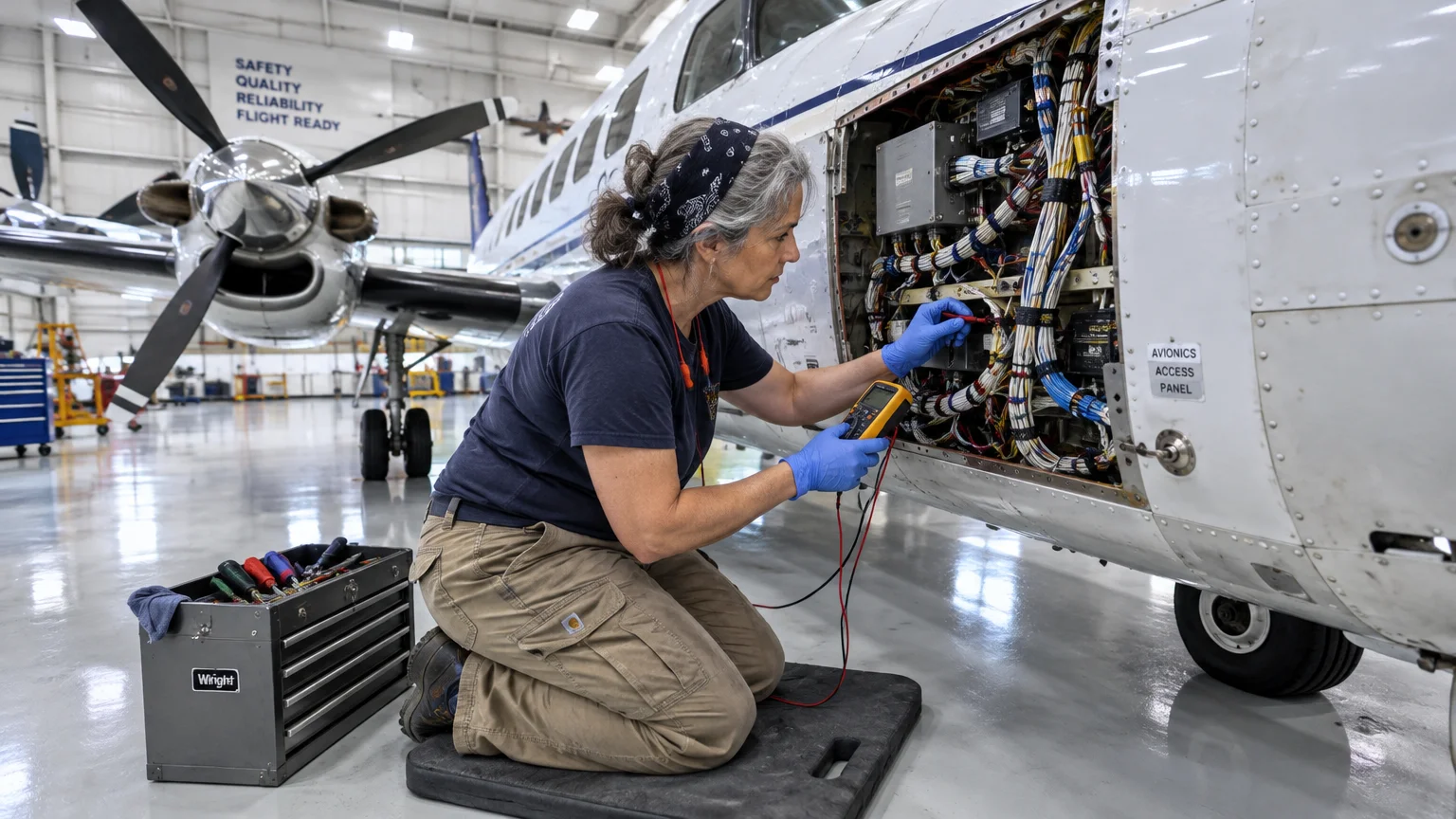
Aircraft and avionics equipment mechanics maintain commercial airliners, corporate jets, and cargo freighters. Technicians working specifically in the air transportation sector earn a median wage of $96,170 per year, or $46.24 per hour.
The top 10% of aviation mechanics earn over $128,890 annually, which translates to $61.97 per hour. These impressive figures prove that skilled trades salary levels can rival those of traditional corporate executives.
Industry projections indicate approximately 11,400 annual openings for aircraft mechanics through 2035. Airlines and repair stations actively hire qualified technicians to replace retiring specialists and maintain modern commercial fleets.
Working in aviation maintenance appeals to anyone fascinated by aerospace engineering and precision mechanics. Diagnosing avionics, turbine engines, and flight controls provides continuous intellectual stimulation and keeps your mind sharp.
Aviation maintenance hangars provide clean, well-lit, and climate-controlled workspaces equipped with pneumatic cranes and diagnostic computers. You will not face the punishing outdoor physical strain found in heavy construction trades.
One of the greatest lifestyle perks of working for major airlines is worldwide standby flight privileges. You and your spouse can travel internationally at negligible cost, checking off dream destinations on your bucket list.
Aviation teams take immense pride in their rigorous standards and mutual accountability. That culture of excellence fosters deep professional respect and meaningful social bonds among crew members.
Aviation mechanics can use their high earnings to fund exciting personal pursuits outside of work. You can take flying lessons, restore classic cars, or invest in fine woodworking equipment.
You can earn your Airframe and Powerplant certification through community college programs or FAA-certified vocational schools. Mature students often excel in these programs because precision, patience, and rule-following are essential.
Lifestyle Idea #8: Railroad Signal and Track Switch Specialists
Railroad signal and track switch repairers maintain the complex electrical and mechanical systems that guide rail traffic safely. These specialized technicians earn a median wage of $44.45 per hour, or $92,450 per year.
Average earnings for experienced signal maintainers reach a mean wage of $90,410 annually. Seasoned specialists working night shifts or overtime easily cross the $45 per hour threshold.
This trade requires a high school diploma combined with extensive on-the-job training provided by major railroad carriers. You learn to service automated signaling systems, grade crossing mechanisms, and fiber-optic communication relays.
Working along scenic rail corridors allows you to enjoy the quiet beauty of rural and semi-rural landscapes. Many technicians find that driving through open country to service remote relay bungalows feels peaceful and liberating.
Railroad careers offer unmatched retirement stability through the Railroad Retirement Board system rather than standard Social Security. This specialized retirement program delivers generous pensions that provide lifetime peace of mind for you and your spouse.
The focus in signal maintenance rests heavily on electrical diagnostics, testing relays, and calibrating electronic sensors. This intellectual focus makes it far less physically punishing than laying heavy track ties.
Railroad employees belong to historic, tightly knit fraternal unions that prioritize workplace safety and member welfare. You will enjoy a warm social brotherhood that looks out for your career and personal interests.
A reliable railroad salary allows you to purchase quality outdoor gear, finance comfortable travel trailers, and explore scenic railways. You can enjoy your free time traveling across the continent with total financial peace of mind.
Explore openings with Class I freight railroads or regional passenger transit agencies in your area. Rail companies actively seek candidates who demonstrate an aptitude for basic electronics, self-discipline, and uncompromised safety habits.

Lifestyle Idea #9: Petroleum and Refinery System Operators
Petroleum pump system operators and refinery gaugers manage the flow of fuels, gases, and chemical products through modern refineries. These industrial operators earn a median wage of $42.22 per hour, with a mean of $42.65.
Senior refinery operators and unit leaders frequently command top-tier compensation well over $45 an hour, or $93,600 per year. Overtime and holiday shifts can rapidly lift your total income past the six-figure mark.
Refinery operators qualify for their positions with a high school diploma and rigorous on-the-job apprenticeship training. Facilities provide comprehensive instruction on process chemistry, high-pressure piping, and computer-automated control consoles.
The position balances quiet time monitoring automated distributed control systems with routine walking tours to verify equipment operation. This balanced cadence keeps you mentally engaged while supporting your daily physical fitness.
Mature adults excel in process operations because safety and adherence to environmental regulations require steady, patient execution. Your life experience helps you avoid rash decisions and maintain operational stability during process upsets.
Refinery schedules frequently utilize modified rotating shifts that generate long stretches of consecutive days off. You can use these extended off-shift blocks to go fishing, take family road trips, or work on home improvements.
Energy corporations typically offer industry-leading healthcare coverage, matched 401(k) accounts, and annual performance bonuses. Those financial incentives provide the resources you need to build long-term prosperity and enjoy your hobbies.
High hourly wages give you the freedom to support community charities and mentor young relatives entering the workforce. You can become the generous cornerstone of your extended family, creating unforgettable holiday gatherings.
Look for process operator trainee openings at coastal refineries, inland pipeline terminals, and chemical processing facilities. Employers prioritize applicants who show mechanical reasoning skills, emotional maturity, and a strong safety mindset.
Lifestyle Idea #10: Construction and Building Inspectors
Construction and building inspectors verify that new homes, commercial complexes, and bridges comply with building codes and zoning laws. The national mean wage for inspectors is $37.37 per hour, or $77,730 per year.
Senior certified municipal inspectors and specialized private code examiners easily exceed $45 an hour. That wage scale makes inspection an exceptional low-impact option for skilled tradespeople seeking a gentler daily routine.
You can transition smoothly into inspection after working as an electrician, carpenter, or plumber. You trade heavy tools for a tablet, digital camera, and laser measuring device, eliminating daily joint stress.
Inspectors enjoy tremendous day-to-day autonomy, traveling between active construction sites and managing their own inspection schedules. That independence gives you the flexibility to handle personal errands, schedule doctor visits, and maintain balance.
Walking through new developments keeps you active and outdoors without requiring repetitive bending or heavy lifting. This gentle daily movement supports heart health and keeps you feeling energized throughout the workweek.
Your work directly safeguards the health and safety of your local community. You will take deep pride in knowing your vigilant eye ensures homes and commercial facilities remain safe for generations.
Municipal inspection roles provide comprehensive government benefits, including generous sick leave, paid holidays, and defined retirement pensions. Those protections offer incredible peace of mind as you plan your retirement timeline.
A reliable inspector’s salary allows you to comfortably pursue active hobbies like pickleball, sailing, or foreign language study. You will have both the financial means and the physical energy to enjoy your downtime fully.
Prepare for this pivot by studying model building codes and taking certification exams through the International Code Council. Many local municipal building departments readily hire trade veterans and sponsor their advanced inspection credentials.
Lifestyle Idea #11: Industrial Machinery and Precision Specialists
Industrial machinery mechanics and precision machinists keep America’s automated manufacturing facilities running smoothly. Mature workers are the backbone of these crafts, with 27.7% of industrial machinery mechanics aged 55 or older.
In addition, 31.4% of precision machinists are age 55 or older, with a median age of 45.7. Seasoned specialists routinely command consulting rates that exceed $45 per hour to troubleshoot complex systems.
A major study by Deloitte and the Manufacturing Institute projects manufacturing will need 3.8 million new workers through 2033. Up to 1.9 million of those jobs risk remaining unfilled due to mass retirements.
The Bureau of Labor Statistics also projects 44,400 annual openings for industrial machinery mechanics alone. Plants urgently need seasoned problem solvers who can repair computer-controlled robotics and automated packaging lines quickly.
Working in precision mechanics delivers intense intellectual engagement as you analyze hydraulic circuits, optical sensors, and microswitches. Your daily troubleshooting exercises your brain, keeping your cognitive faculties sharp and youthful.
Experienced mechanics command enormous respect from production workers, supervisors, and plant managers. Your unique troubleshooting ability makes you a celebrated hero whenever you restore a stalled production line.
Because skilled specialists are in high demand, many facilities offer flexible part-time or seasonal contracts. You can work during the winter months and take the entire summer off for sailing and travel.
High wages from industrial consulting allow you to equip your dream home workshop or invest in real estate. You can turn your lifelong passion for mechanics into rewarding creative projects during your leisure hours.
Look into technical certifications in programmable logic controllers or mechatronics at your local community college. Highlighting your past mechanical experience will help you secure lucrative maintenance contracts at regional manufacturing plants.
Putting It into Practice: Small Steps for Big Changes
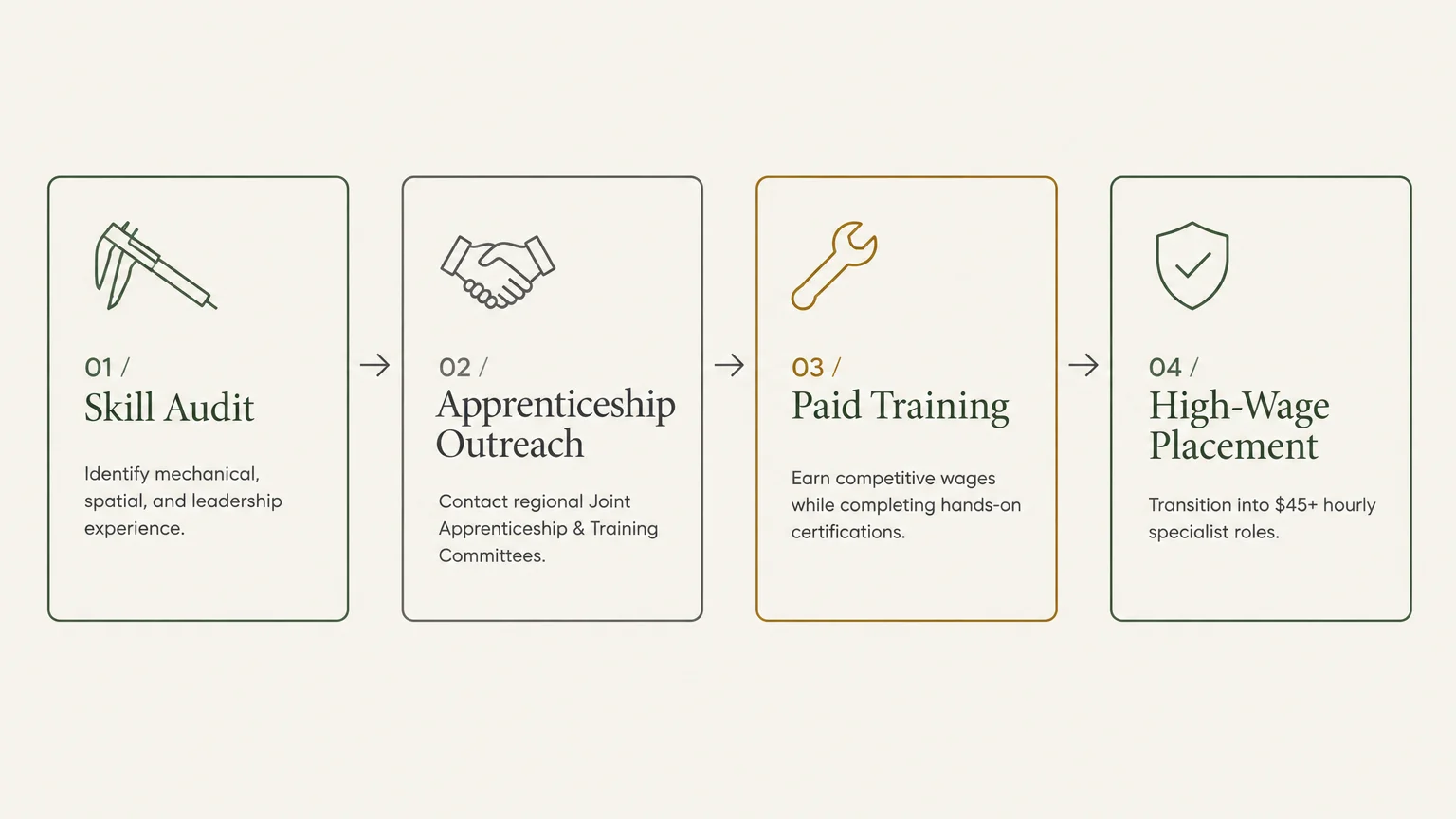
Transitioning into a lucrative blue-collar role begins with clear, actionable steps that align with your lifestyle goals. Take a thorough inventory of your existing mechanical skills, organizational abilities, and leadership strengths.
Explore short-term credential programs at your regional community college or vocational institute. Many trade schools offer flexible evening courses designed specifically for working adults looking to make a career change.
Visit local trade union halls, contractor associations, or regional utility offices to ask about adult apprenticeship paths. Program coordinators enthusiastically welcome mature applicants who demonstrate punctuality, strong communication skills, and reliability.
Set up informal coffee meetings with working tradespeople to learn about daily conditions and local wage rates. These casual conversations provide practical insights and help you build a valuable network in your target trade.
Define clear financial goals for how your new income will enhance your retirement lifestyle. Earning $45 an hour equals $93,600 annually, giving you ample resources to fund travel, hobbies, and family adventures.
Prioritize your physical vitality by incorporating daily stretching routines, ergonomic awareness, and proper footwear into your schedule. Staying proactive with your wellness ensures you enjoy your work while keeping plenty of energy for leisure.
Frequently Asked Questions
Can you enter high paying trade jobs after age 50 without prior experience?
Yes, employers across the country actively seek mature workers to fill critical workforce gaps caused by retirements. Many trades offer paid apprenticeships and short credential programs that teach you essential skills while you earn a wage.
Roles such as building inspector, distribution manager, and plant operator emphasize judgment and safety over brute strength. Your decades of life experience give you a significant advantage in communication, reliability, and problem solving.
Will jobs that pay $45 an hour impact your Social Security benefits?
If you have reached your full retirement age, you can earn unlimited wages without losing any Social Security benefits. In fact, high wages might even boost your future benefit calculations by replacing lower historical earning years.
If you claim Social Security before your full retirement age, earnings above statutory annual limits temporarily reduce monthly checks. Coordinate with a financial advisor or consult government resources to plan your work income strategically.
How can older workers protect their physical joints while working in blue collar jobs?
Focus on trade specialties that emphasize diagnostics, supervision, inspection, or climate-controlled console operation rather than repetitive manual lifting. Careers like utility plant operations, site management, and code inspection protect your physical longevity.
Always use modern lifting equipment, ergonomic hand tools, and supportive footwear to reduce strain on your body. Establishing a daily stretching and mobility routine keeps your muscles flexible, strong, and injury-free throughout your career.
Do jobs without a degree provide reliable long-term retirement security?
Yes, earning $45 an hour provides an annual salary of $93,600 without the heavy burden of college loan payments. That level of income enables you to fund tax-advantaged retirement accounts aggressively and eliminate personal debt quickly.
Furthermore, widespread labor shortages across the skilled trades guarantee strong job stability for years to come. Your specialized expertise ensures you can command premium wages for as long as you want to remain active.
For resources on retirement living, travel, and finance, visit AARP. Official information on Social Security is available at SSA.gov. For travel advisories, consult the U.S. Department of State.
Disclaimer: This article provides lifestyle suggestions for informational purposes. Financial, legal, or travel decisions should be made in consultation with qualified professionals.