

Stepping away from the traditional workforce gives you the freedom to redesign your everyday schedule. You can channel your professional experience into high-impact service that provides immense purpose and genuine structure.
Many modern volunteer roles for retirees offer the intellectual challenge and camaraderie of an executive career without corporate stress. You set your availability, direct critical projects, and transform lives in your community.
Discovering the right second career volunteering opportunity allows you to stay socially connected while applying your hard-earned talents. Here are twelve inspiring positions that truly feel like a rewarding second career.
Tip #1: SCORE Small Business Mentor
You can guide ambitious entrepreneurs through the complex hurdles of starting and scaling a small business. As a SCORE mentor, you draw on your management, marketing, or financial background to help local enterprises thrive.
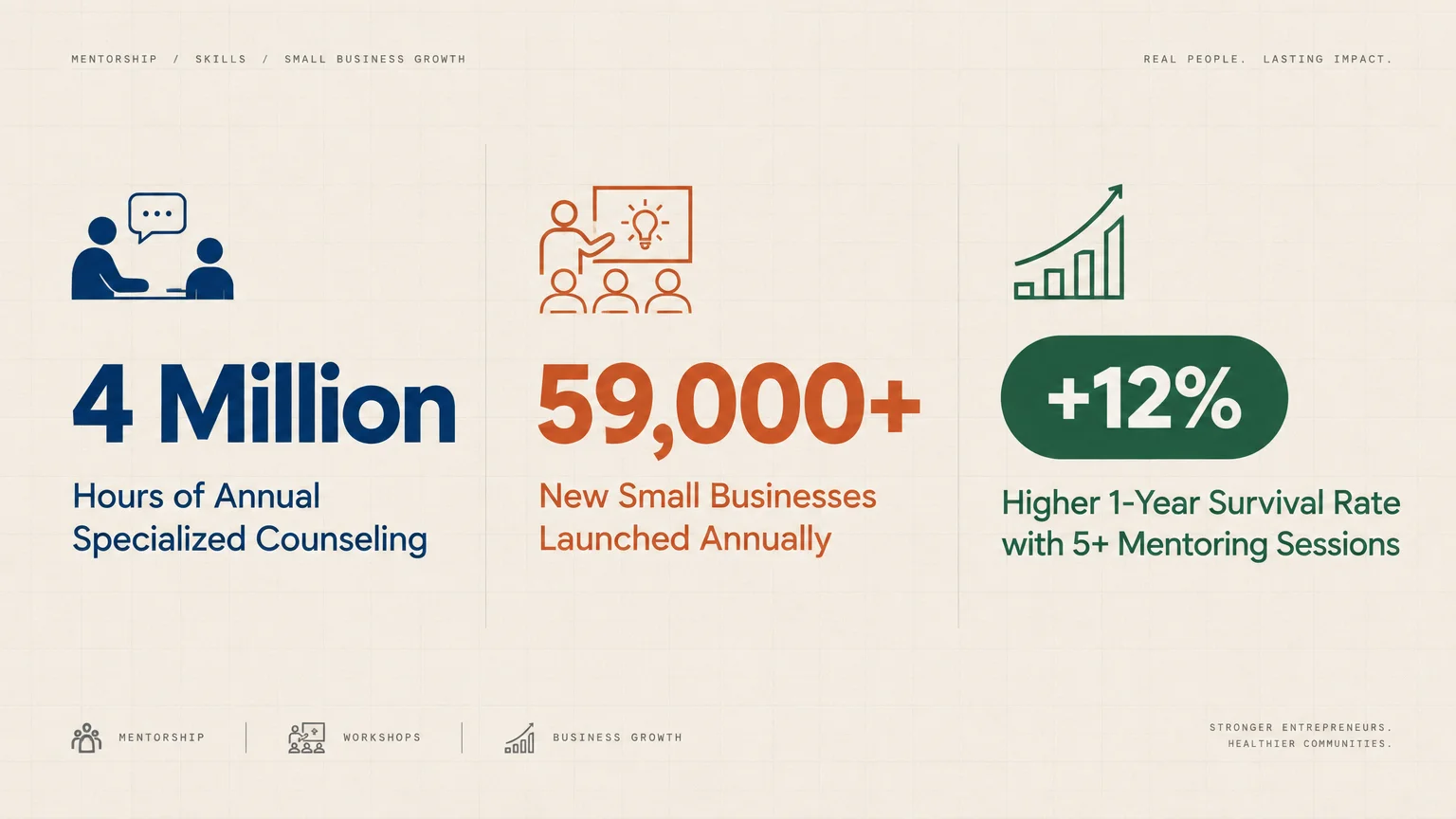
SCORE mentors provide roughly four million hours of specialized counseling every single year. Their dedicated guidance helps launch over 59,000 new small businesses across the nation annually.
Research confirms that business owners who attend five or more mentoring sessions achieve a 12 percent higher survival rate after one year. Your strategic advice directly fuels economic growth and creates meaningful community jobs.
This role gives you the familiar rhythm of executive consulting, including scheduled client meetings and tactical problem-solving. Best of all, you choose your own caseload and mentor remotely from home or at local offices.
Tip #2: State Health Insurance Assistance Program (SHIP) Counselor
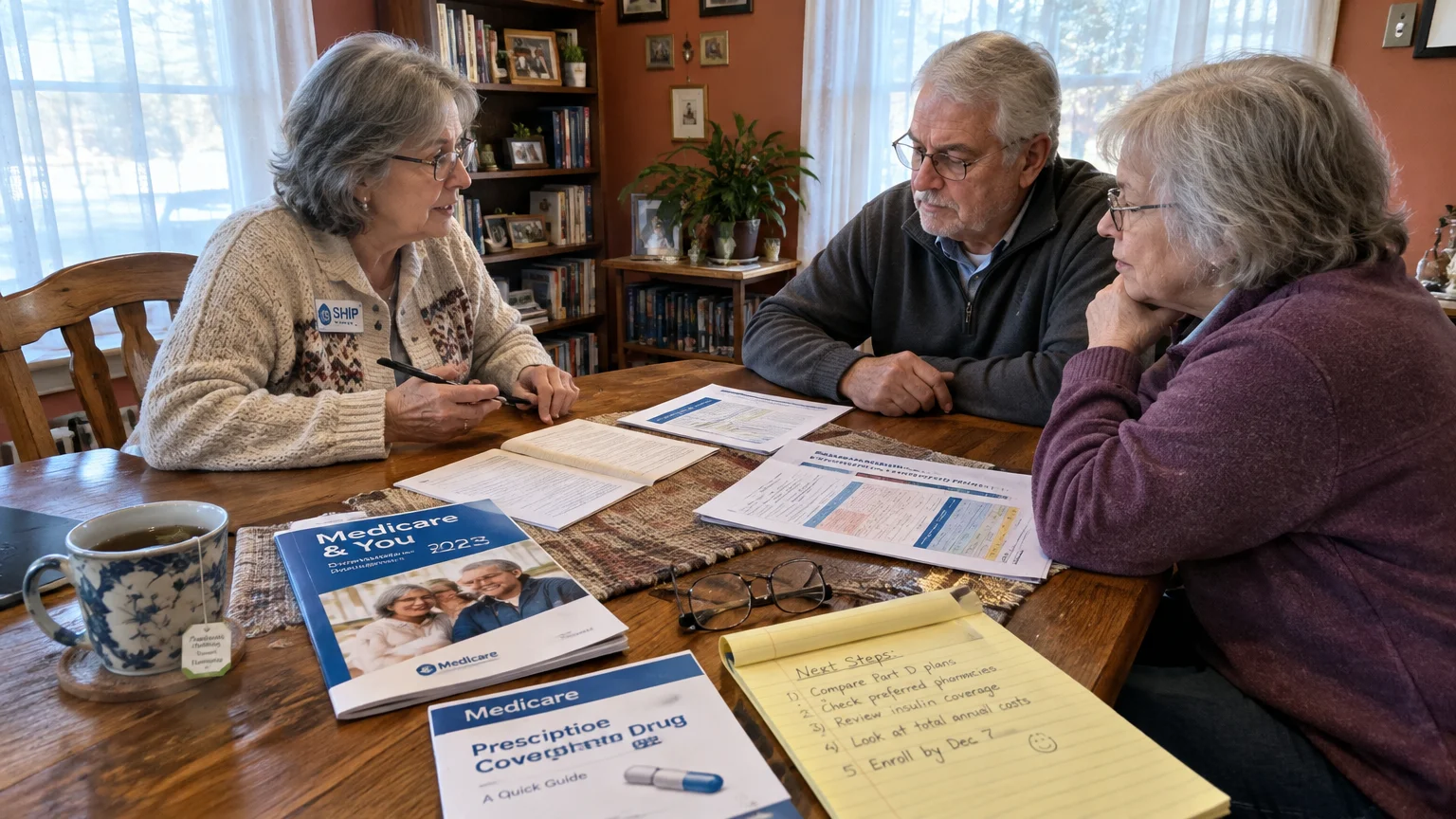
Navigating Medicare is notoriously complex for new enrollees and their families. As a trained SHIP counselor, you provide objective, personalized guidance to help seniors evaluate healthcare coverage and prescription plans.
This specialized position requires completing 24 to 30 hours of rigorous initial training, followed by 12 hours of annual re-certification. The coursework teaches you the technical nuances of Medicare parts, supplemental policies, and state assistance.
Federal conflict-of-interest regulations strictly prohibit counselors from holding active insurance licenses or associating with private insurers. Because you sell nothing, clients place immense trust in your completely unbiased advice.
The intellectual stimulation mirrors professional casework or client advocacy in a corporate environment. You solve real financial puzzles for seniors, protecting them from costly penalties and unexpected medical bills.

Tip #3: AARP Foundation Tax-Aide Preparer
If you love crunching numbers and solving practical problems, tax counseling is a great match. Programs like AARP Foundation Tax-Aide and VITA assist low-to-moderate-income families with accurate, timely tax preparation.
You will complete comprehensive annual training and pass the IRS Volunteer Standards of Conduct exam alongside advanced tax law testing. These rigorous credentials ensure you handle complex returns with professional precision.
Serving as a preparer or quality reviewer feels identical to working in an accounting firm. You collaborate with a dedicated team, interview taxpayers, and review documentation to secure vital credits and refunds.
The active tax season runs from February through mid-April, offering a structured and predictable work schedule. Once filing ends, you enjoy complete freedom for the remainder of the year.

Tip #4: Court Appointed Special Advocate (CASA)
CASA volunteers act as the eyes and ears of family court judges for children who have experienced abuse or neglect. You advocate tirelessly to ensure every child lands in a safe, permanent home.
After completing intensive classroom instruction, you delve into court records, interview social workers, and meet regularly with your assigned youth. You then write formal factual recommendations directly to the presiding judge.
Judges rely heavily on CASA reports when making life-altering legal decisions. Your objective voice cuts through bureaucracy to represent the child’s absolute best interests in court hearings.
This meaningful volunteer work carries the gravitas of a legal or social services career. The emotional investment is significant, but the profound difference you make in a young life is unforgettable.
Tip #5: Museum Docent or Living History Educator
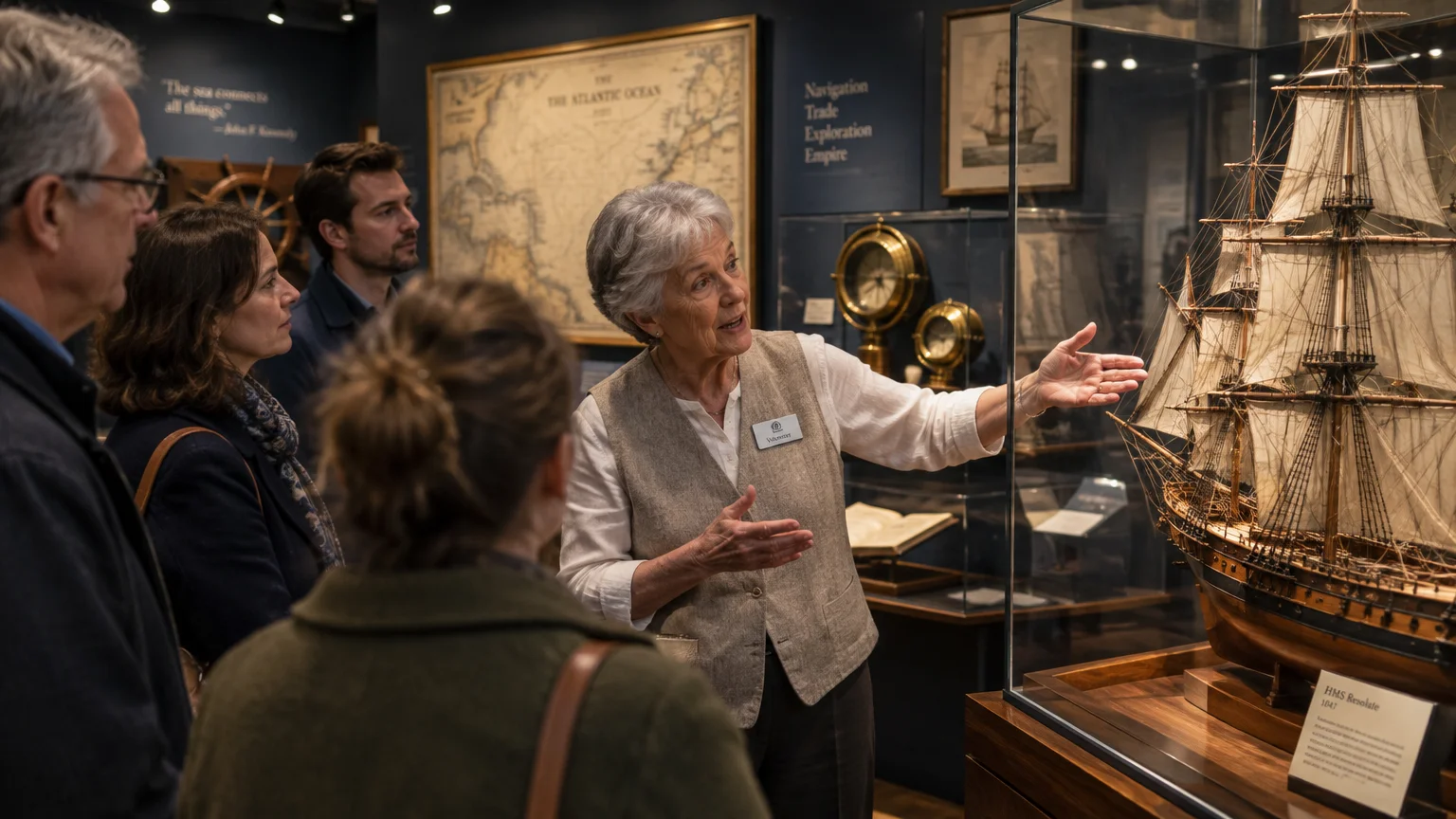
If you have a passion for art, science, or local history, becoming a museum docent transforms your curiosity into public education. Docents bring complex exhibits to life through engaging, guided gallery tours.
Cultural institutions provide in-depth training curriculums covering research methods, art history, and public speaking techniques. You master fascinating historical narratives and present them dynamically to school groups, tourists, and patrons.
Docents often enjoy exclusive behind-the-scenes access to museum archives and curatorial lectures. You work closely with professional curators and fellow history enthusiasts, creating an intellectually rich social circle.
Standing before an eager audience and sparking their curiosity delivers the buzz of a teaching career. You cultivate public appreciation for culture while remaining physically active on your feet.

Tip #6: Habitat for Humanity Site Crew Leader
Habitat for Humanity construction roles let you combine project management skills with hands-on physical craftsmanship. As a core volunteer, you help build affordable, safe housing alongside future homeowners.
Experienced retirees often step up as site safety leaders, tool room managers, or crew mentors. You coordinate daily work crews, train novice volunteers, and monitor job-site safety protocols throughout the construction process.
The day begins with a structured safety briefing and proceeds through clear, tangible milestones like framing, insulation, or painting. At day’s end, you look back at concrete progress made with your own hands.
This active role keeps you physically fit and outdoors, replacing the monotony of a desk job. It provides camaraderie and teamwork that closely matches the camaraderie of a successful project team.

Tip #7: AmeriCorps Seniors Foster Grandparent
AmeriCorps Seniors connects volunteers aged 55 and older with youth who need academic support and emotional encouragement. You serve in local elementary schools, head start centers, or daycares as a dedicated mentor.
A longitudinal study by AmeriCorps found that after two years of service, 88 percent of older participants reported decreased isolation. Furthermore, 84 percent reported stable or improved physical health outcomes.
Income-eligible volunteers serving 15 or more hours weekly receive a tax-free stipend of $4.00 per hour. You also receive supplemental accident insurance and transportation reimbursements that help offset travel costs.
Working on basic reading skills alongside classroom teachers mirrors the structure of an educational aide. You build transformative bonds with children while enjoying a reliable, weekly classroom routine.
Tip #8: Disaster Action Team Emergency Responder
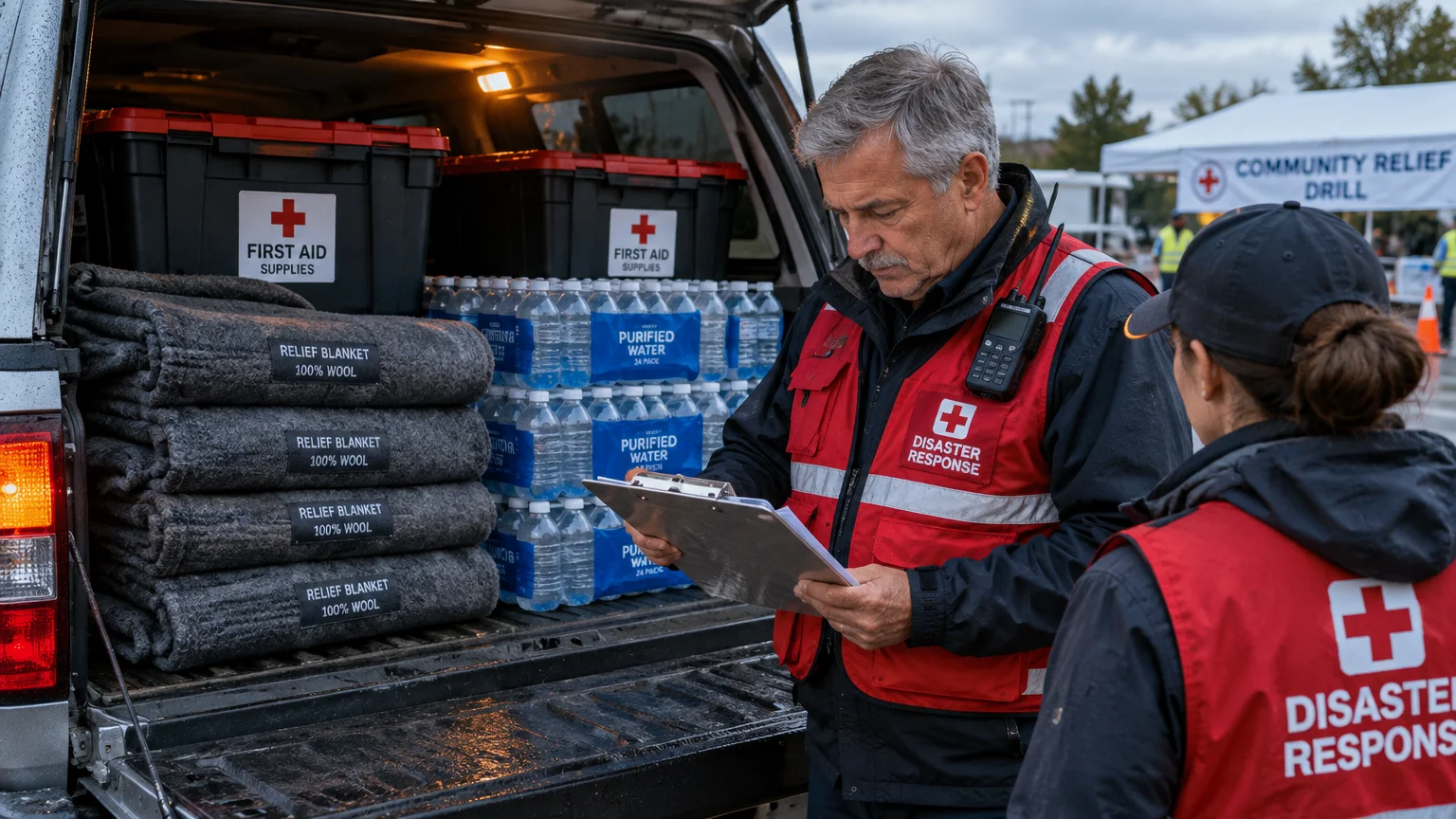
When home fires, seasonal floods, or severe weather displace families, Disaster Action Teams deploy immediately to provide relief. You deliver immediate emergency lodging, food, emotional support, and recovery resources.
The American Red Cross delivers specialized training in casework, emergency logistics, and psychological first aid. You operate within a structured incident command system that relies heavily on disciplined teamwork and swift decision-making.
Volunteers take scheduled on-call shifts, coordinating relief operations from home dispatch centers or responding directly in mobile command vehicles. You assess damage, disburse financial assistance cards, and comfort traumatized residents.
The rapid pace and tactical coordination mirror high-stakes emergency management or operations logistics. You serve your community on its worst days, offering immediate stability during catastrophic moments.

Tip #9: Hospital Patient Navigator and Advocate
Modern medical centers are vast and intimidating, leaving vulnerable patients confused and overwhelmed. As a hospital navigator, you help patients and families locate clinics, understand administrative procedures, and access comfort services.
Patient advocates receive specialized orientation on patient privacy laws, hospital ethics, and infection control standards. You listen attentively to patient concerns, relay questions to medical staff, and ease anxiety during long hospital stays.
Many retirees with past careers in nursing, administration, or social work find this work exceptionally natural and rewarding. Your calm demeanor and problem-solving skills provide steady reassurance in fast-paced clinical environments.
This role re-establishes a professional healthcare rhythm, complete with security badges, shift rotations, and collaborative team briefings. You know with certainty that your presence relieved someone’s pain and worry.
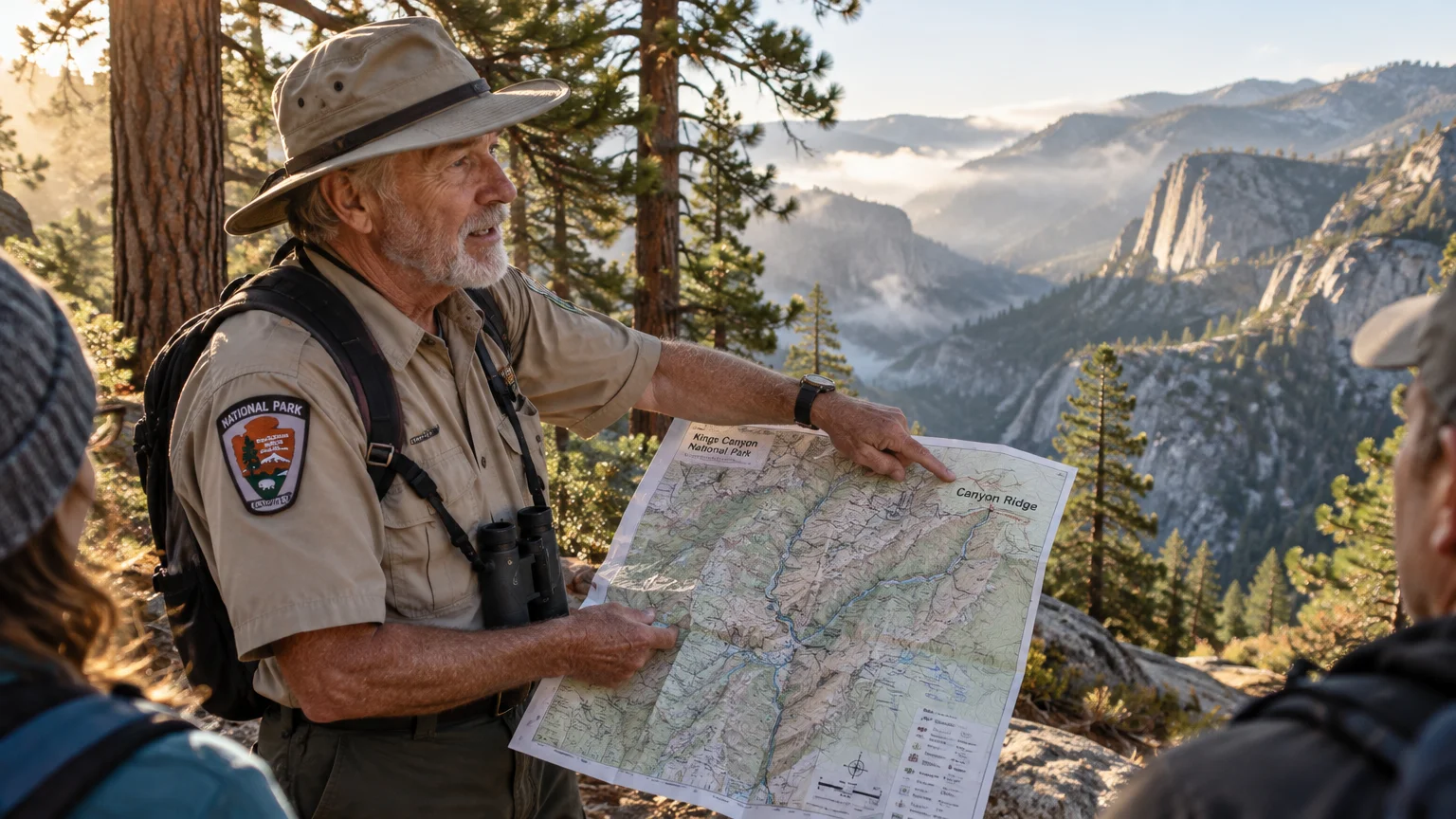
Tip #10: National Park Volunteer-in-Parks (VIP)
If you long to spend your retirement in nature, public lands offer prestigious senior volunteer opportunities. State and National Park VIPs protect pristine natural resources while educating thousands of visitors each season.
Duties range from staffing visitor information desks and cataloging native flora to monitoring wildlife trails and leading interpretive nature walks. You wear an official park uniform and represent our nation’s most treasured landscapes.
Many parks offer seasonal RV campsites with full hookups for volunteers who commit to 20 to 32 hours weekly. This arrangement enables retirees to travel extensively while enjoying meaningful, structured work in world-class settings.
Managing park operations gives you the feel of an environmental scientist or park ranger. You stay physically active, preserve public lands, and inspire stewardship in tourists from around the world.
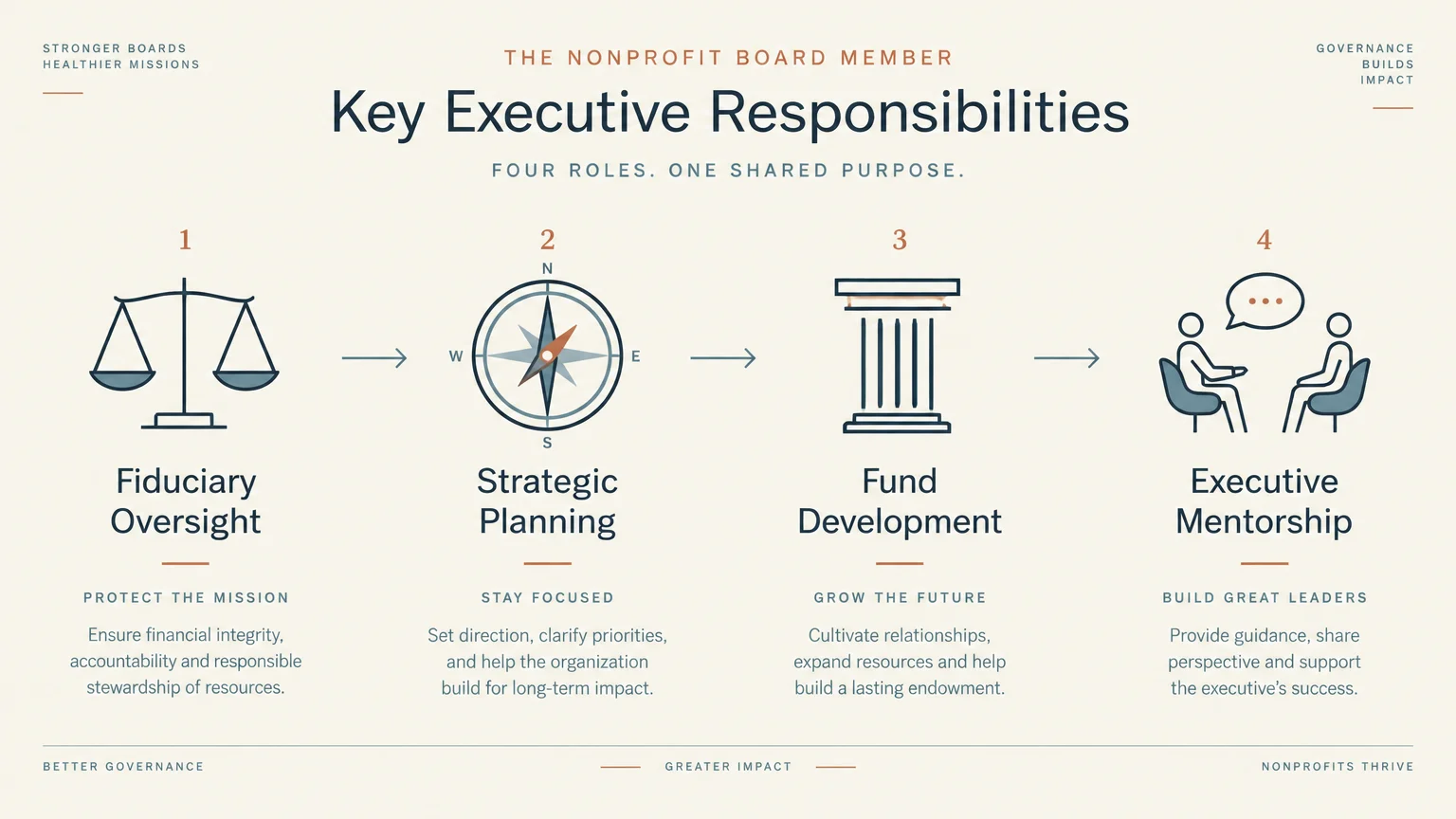
Tip #11: Nonprofit Board Member or Committee Chair
You do not need to walk away from governance, financial planning, or organizational leadership when you retire. Local charities, arts councils, and community foundations eagerly seek experienced professionals to join their boards of directors.
In this executive role, you establish organizational policies, supervise executive directors, and ensure fiscal responsibility. You use your career acumen to analyze balance sheets, guide strategic campaigns, and open doors for fundraising.
Serving on a board involves structured quarterly meetings, parliamentary procedures, and committee oversight. You collaborate closely with fellow community leaders, lawyers, and entrepreneurs who share your civic vision.
This volunteer work lets you operate at the highest strategic tier of leadership without day-to-day administrative burdens. Your executive wisdom helps a vital nonprofit expand its reach and secure its future.

Tip #12: Master Gardener Community Educator
University cooperative extension offices train Master Gardeners to translate agricultural research into practical home gardening advice. You complete 40 to 60 hours of botany, soil science, and pest management coursework.
After graduating, you staff hotlines, diagnose plant diseases, and lead workshops on sustainable horticulture and water conservation. You actively demonstrate best practices in demonstration gardens, schoolyards, and community plots.
The role functions like a professional extension agent or horticulture consultant. You conduct scientific field diagnostics, evaluate soil health, and empower local homeowners to grow nutritious food cleanly and efficiently.
Digging into science keeps your mind sharp while physical gardening boosts flexibility and stamina. You build a vibrant network of fellow green thumbs who share your enthusiasm for plants and conservation.

The Takeaway: Living a More Blissful Retirement
Stepping into a high-level volunteer role proves that retirement is not an ending, but a vibrant transition. You can reinvent yourself while retaining the dignity, purpose, and community connection of an impactful career.
According to the Harvard T.H. Chan School of Public Health, volunteering at least 100 hours annually—just two hours weekly—substantially reduces mortality risks. It also markedly decreases depression and physical limitations among adults over 50.
The broader economic impact of this dedication is immense. Americans contribute nearly five billion hours of formal volunteer service every year, generating an astonishing economic value of over $167 billion.
Independent Sector calculates that a single volunteer hour is worth $36.14 in economic value. Older adults lead this movement, delivering more than half of all volunteer hours across the United States.
As an added benefit, the IRS permits a charitable mileage deduction of 14 cents per mile for volunteer travel. You give your time generously, and your community flourishes because of your commitment.
Choose a path that ignites your curiosity, leverages your strengths, and brings joy to your weekly calendar. Your golden years offer an extraordinary opportunity to build a legacy that truly matters.
Frequently Asked Questions
How many hours a week should I commit to volunteer work in retirement?
Most retirees find that committing 4 to 10 hours per week provides the ideal balance of routine and free time. The landmark Harvard study highlights that just two hours per week (100 hours per year) provides major health and cognitive benefits.
Can I deduct my volunteer-related expenses on my federal taxes?
Yes, if you itemize deductions on your federal tax return. Under 26 U.S. Code § 170(i), you can deduct unreimbursed parking fees, tolls, and charitable travel at 14 cents per mile.
You can also deduct out-of-pocket costs for uniforms, supplies, or required training materials that directly support a qualified charity. Be sure to retain receipts and detailed travel logs for your records.
What is the difference between formal volunteering and informal helping?
Formal volunteering takes place through recognized organizations, featuring defined job descriptions, training, and set schedules. Informal helping involves neighboring, such as watching a friend’s pet or helping someone with yard work.
Interestingly, Baby Boomers lead all generations in informal community support at 58.7 percent. However, formal volunteer roles for retirees provide the professional structure and accountability that feels most like a second career.
Will second career volunteering restrict my ability to travel?
Most nonprofit organizations deeply appreciate seasonal schedules and offer great flexibility for snowbirds and active travelers. Many roles, such as SCORE mentoring or tax assistance, operate remotely or run during specific, concentrated months.
Simply communicate your anticipated travel plans with your volunteer coordinator before committing to an assignment. Nonprofits value reliable, transparent communication and are happy to accommodate your seasonal calendar.
For a wide range of resources for older adults, visit AARP and the National Council on Aging (NCOA). Health information is available from the National Institute on Aging.
Disclaimer: This article is for informational and inspirational purposes only. It is not a substitute for professional medical, financial, or psychological advice. Please consult with a qualified expert for guidance tailored to your individual needs.