

Retirement grants you the gift of time, but filling those hours should never strain your finances. You can easily build an active, vibrant lifestyle without spending a fortune.
According to the Bureau of Labor Statistics, retirees average over seven hours of daily leisure time. You deserve engaging, uplifting ways to enjoy every moment of your newfound freedom.
Discovering cheap things to do when retired will keep your mind sharp and your spirit refreshed. Here are twenty fulfilling, budget-friendly activities you can start exploring today.

Tip #1: Unlock Your Public Library’s Digital Vault
Your local library card offers far more than traditional printed books. It grants you free access to premium digital platforms like Libby, Hoopla, and Kanopy.
Through these apps, you can stream thousands of commercial-free movies, classic documentaries, and audiobooks from home. Many library systems also include free streaming of The Great Courses.
Ask your librarian about culture passes, too. Many branches offer cardholders free single-day family admission passes to local botanical gardens, zoos, and art museums.
Tip #2: Explore Federal Lands with a Senior Pass
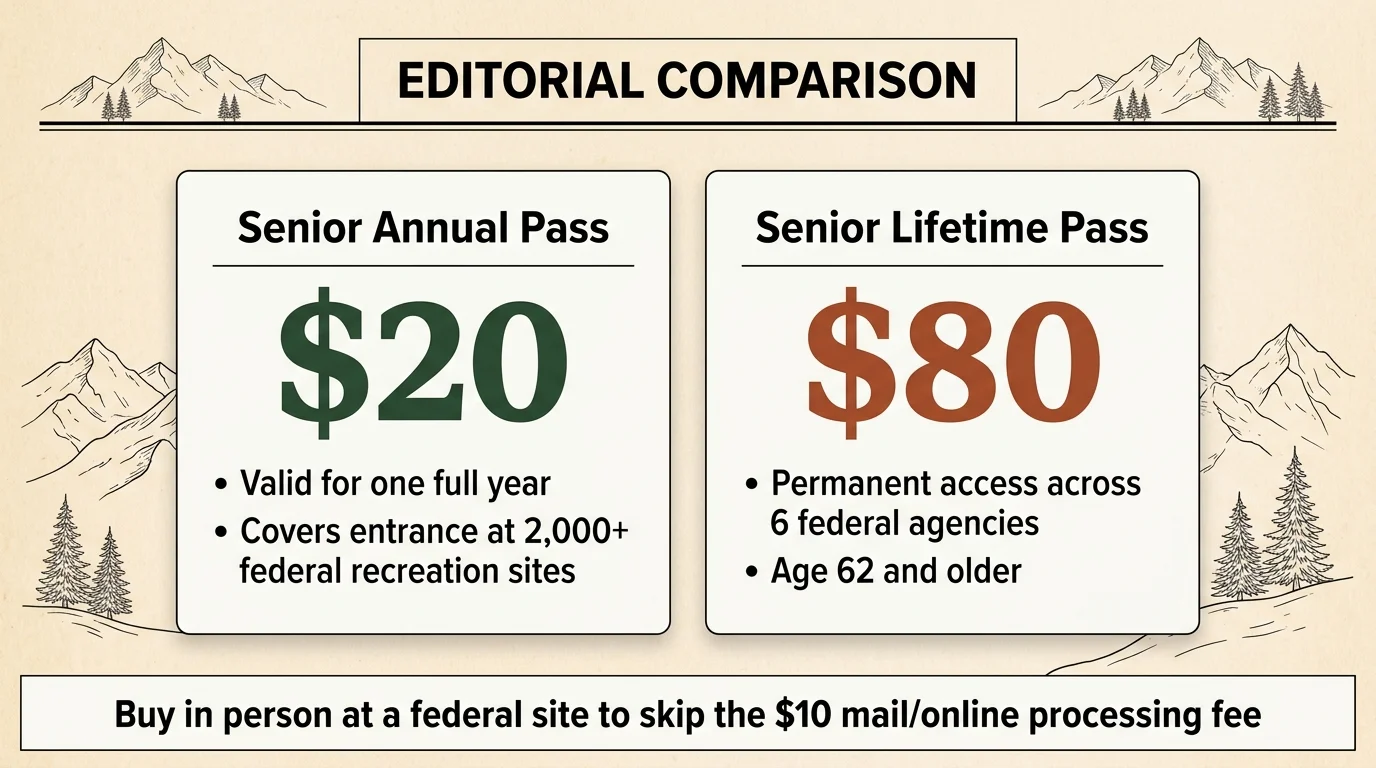
If you are age 62 or older, you qualify for the U.S. National Parks Senior Pass. This pass covers entrance fees at more than 2,000 federal recreation sites nationwide.
You can purchase a Senior Annual Pass for just $20. Alternatively, invest $80 in a Senior Lifetime Pass for permanent access across six participating federal agencies.
Ordering online or by mail adds a $10 processing fee, so buy your pass in person at a federal recreation site. It unlocks spectacular low-cost things to do in retirement.
Tip #3: Exercise for Free with Medicare Advantage Perks
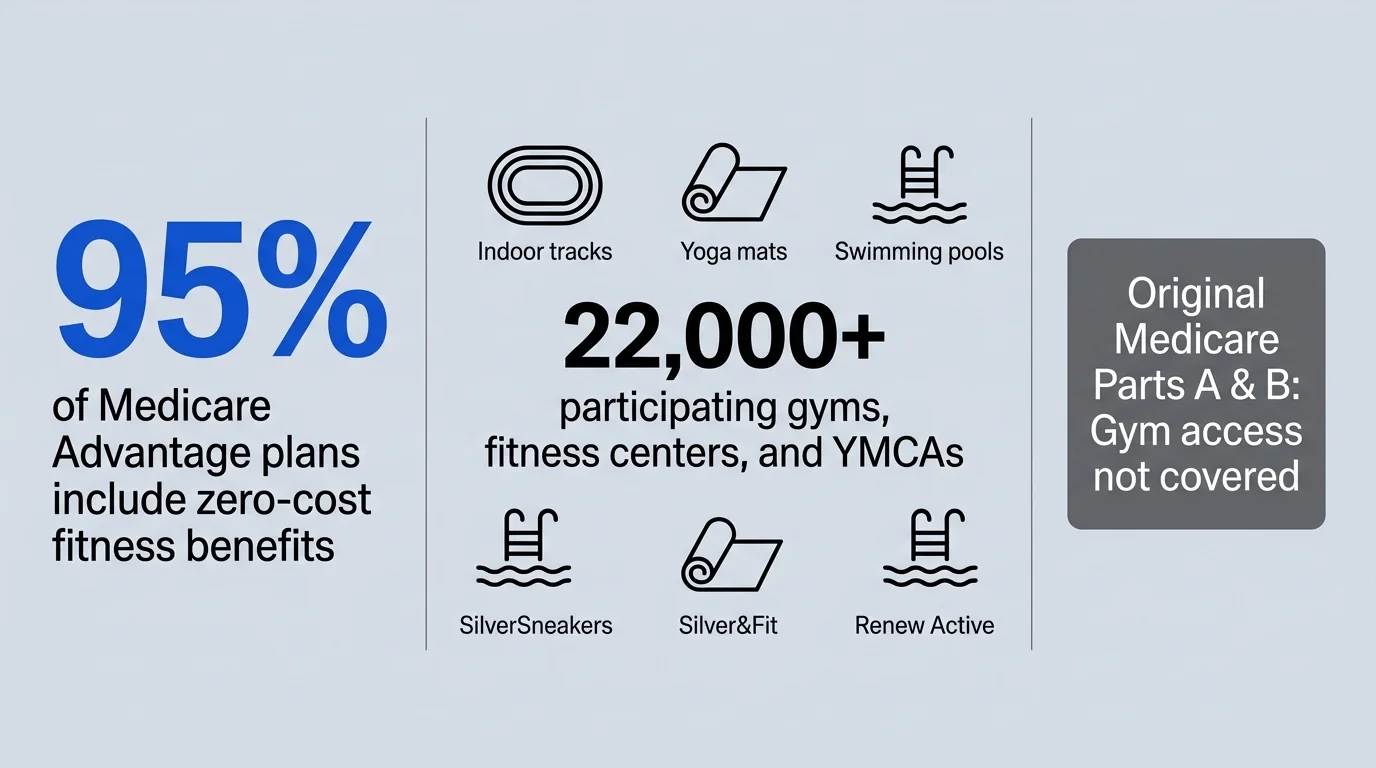
Staying physically fit does not require an expensive gym membership. Approximately 95% of Medicare Advantage plans include a fitness membership benefit at zero additional charge.
Popular programs like SilverSneakers, Silver&Fit, and Renew Active grant access to over 22,000 gyms, fitness centers, and YMCAs. They also offer live, on-demand virtual workout classes.
Keep in mind that Original Medicare Parts A and B do not cover gym memberships. You must be enrolled in a participating Medicare Advantage plan or select Medigap policy.

Tip #4: Audit College Classes Through Lifelong Learning Programs
Feeding your curiosity keeps your brain agile and engaged. Most U.S. states have statutory provisions or university policies that waive college tuition for older state residents.
For example, Texas allows adults aged 65 and older to audit up to six credit hours for free. Washington state community colleges offer similar tuition waivers for adults 60 and older.
You can also join Osher Lifelong Learning Institutes, hosted across 120 campuses nationwide. These programs offer non-credit, test-free courses designed specifically for adults aged 50 and older.

Tip #5: Give Back Through AmeriCorps Seniors and RSVP
Volunteering gives your schedule meaningful structure and introduces you to passionate community members. The federally funded Retired and Senior Volunteer Program welcomes anyone aged 55 and older.
You choose your commitment level, from a few hours a month up to 40 hours weekly. RSVP pairs your career skills with local non-profit and civic partner organizations.
Whether you mentor students, support community food pantries, or assist local shelters, you make a tangible difference. Volunteering provides deeply rewarding, purpose-driven free senior activities.
Tip #6: Become a Community Citizen Scientist
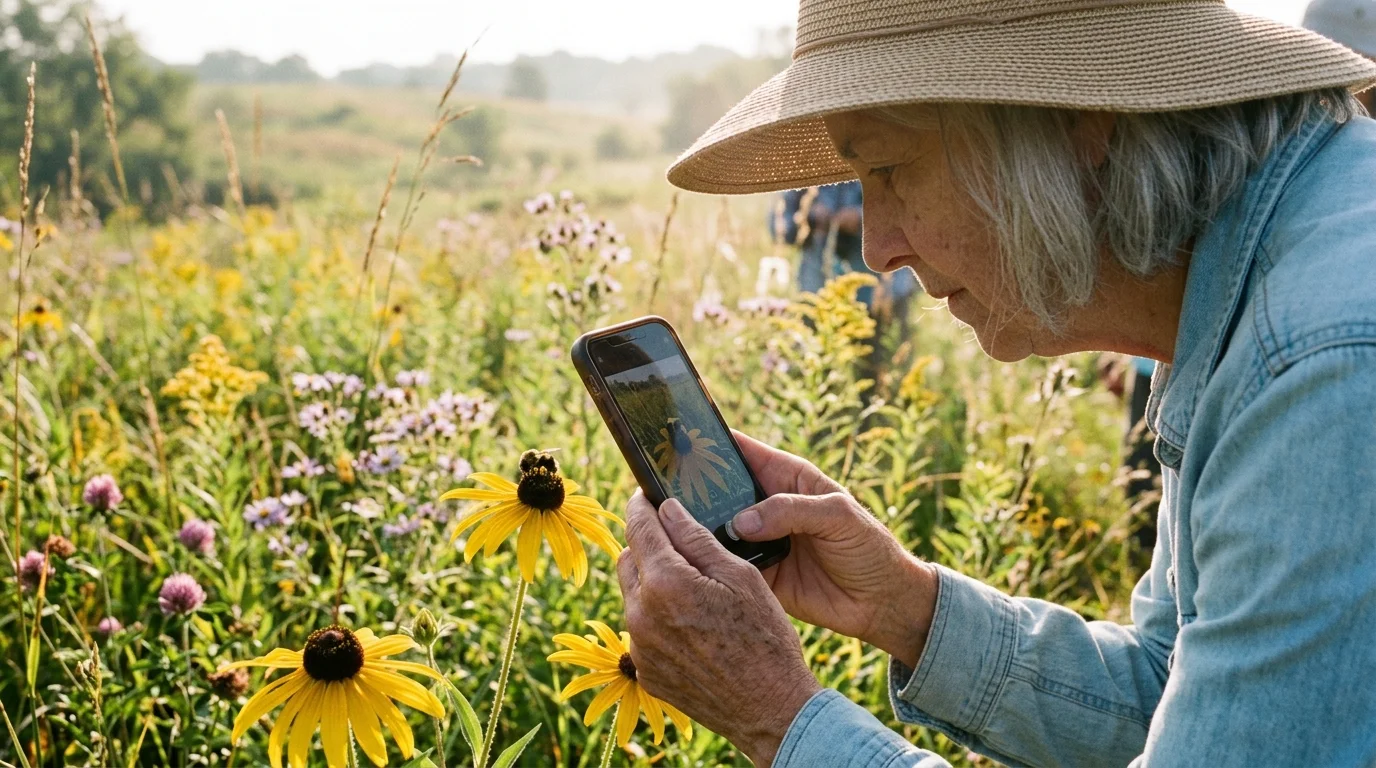
Turn your daily walks into valuable scientific research without spending any money. Free mobile apps like iNaturalist and eBird let you document local plants, insects, and bird migrations.
Professional researchers use your logged observations to track environmental shifts, monitor endangered species, and study biodiversity patterns. You become an active field researcher right from your local park.
Organizations like NASA and the Audubon Society also host periodic public bird counts and weather observations. Participating requires no scientific background—only your eyes and a curious mind.

Tip #7: Form a Neighborhood Walking Club
Walking remains one of the simplest, most effective physical activities for maintaining cardiovascular health. Starting an informal walking group with neighbors costs nothing and creates wonderful social accountability.
Pick a consistent morning meeting location, such as a local park bench or corner sidewalk. Strolling together allows you to chat, share neighborhood news, and build lasting friendships.
According to federal time-use data, retirees spend over 4.3 hours each day watching television. A regular walking group replaces sedentary screen time with energetic, laughter-filled movement.

Tip #8: Master Gardening Through Seed Swaps and Propagation
Gardening provides serene physical exercise and fresh air, but buying mature nursery plants adds up quickly. You can cultivate a thriving garden for pennies through plant propagation and community seed libraries.
Many municipal libraries maintain free seed catalog cabinets where patrons borrow and donate flower and vegetable seeds. You take seeds in the spring and return harvested seeds in the autumn.
You can also propagate houseplants and outdoor perennials by snipping stem cuttings from friends. Rooting clippings in small jars of water costs zero dollars and yields dozens of new plants.
Tip #9: Trace Your Family Genealogy Online
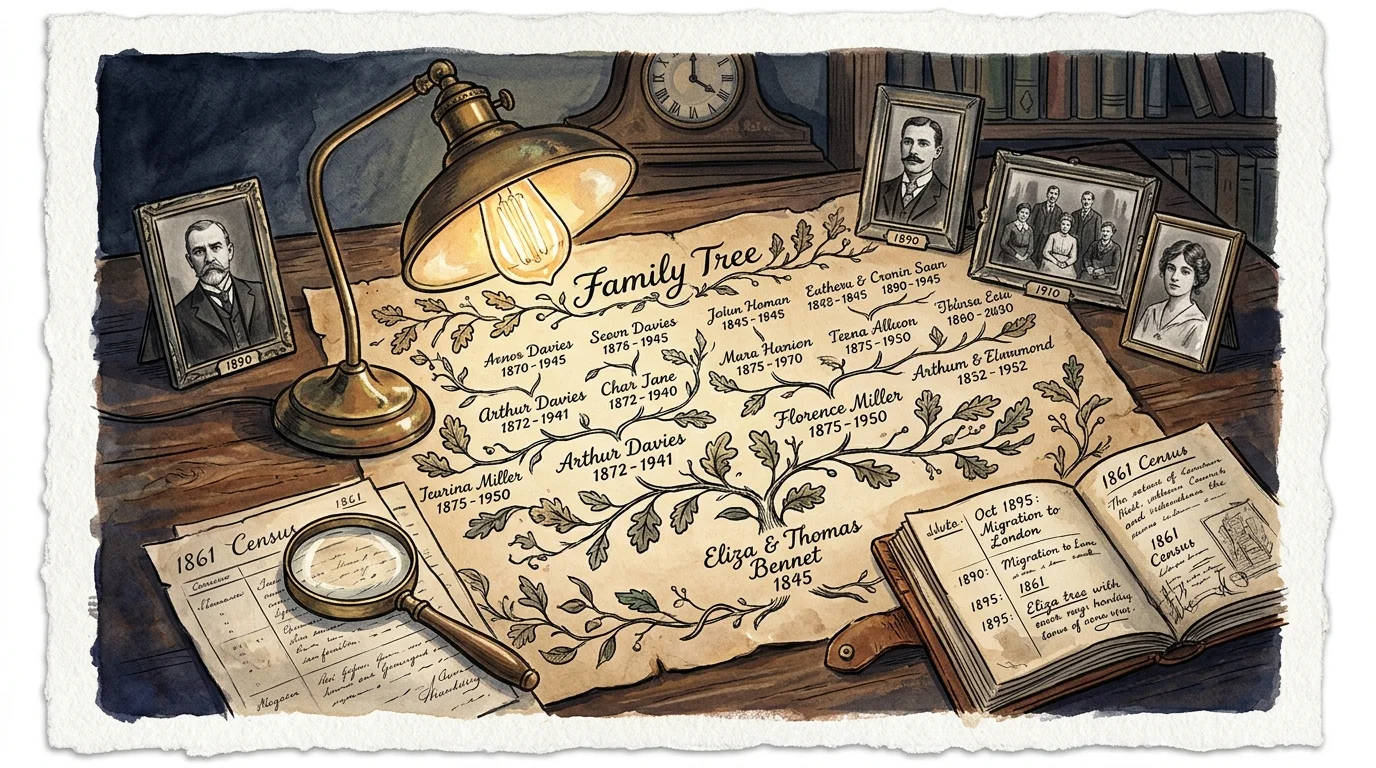
Uncovering your ancestral heritage is an intriguing adventure that challenges your research skills. Platforms like FamilySearch.org provide billions of digitized global historical records completely free of charge.
Many public libraries also provide free in-building access to Ancestry Library Edition. You can examine vintage census records, military draft cards, and passenger ship manifests without paying subscription fees.
Piecing together family history preserves a priceless heirloom for future generations. It stands as one of the most absorbing free retirement activities you can pursue.

Tip #10: Tour World-Famous Museums from Your Living Room
You do not need an expensive plane ticket to admire world-class artwork and ancient artifacts. Major cultural institutions across the globe now provide high-resolution virtual walking tours of their galleries.
Through Google Arts & Culture, you can wander virtually through the Louvre in Paris, London’s British Museum, and the Smithsonian in Washington, D.C.
Zoom in on famous brushstrokes, examine ancient sculptures in 360-degree detail, and read curated historical commentary. These digital exhibitions deliver world-class cultural enrichment directly to your screen for free.

Tip #11: Learn a New Language with Free Digital Tools
Acquiring a second language builds cognitive resilience and sharpens memory recall as you age. Free mobile apps like Duolingo turn language learning into playful, bite-sized daily lessons.
Your local public library card may also grant free access to premium platforms like Mango Languages or Rosetta Stone. These services feature interactive voice recognition technology to polish your accent and pronunciation.
Practice fifteen minutes each morning learning conversational phrases in Spanish, Italian, German, or French. Consistent daily practice keeps your neurons firing without costing a single penny.

Tip #12: Rediscover Classic Board Games and Chess
Dust off the classic board games tucked away in your closets and game cupboards. Timeless games like Scrabble, chess, and backgammon stimulate strategic thinking and provide wholesome entertainment.
Check your local community center or public park for regular drop-in game days. Many senior centers host weekly bridge tournaments and casual chess meetups that welcome new players warmly.
If you prefer playing online, websites like Lichess provide unlimited chess matches against real opponents for free. Friendly tabletop competition fosters laughter, strategic problem-solving, and meaningful social bonds.
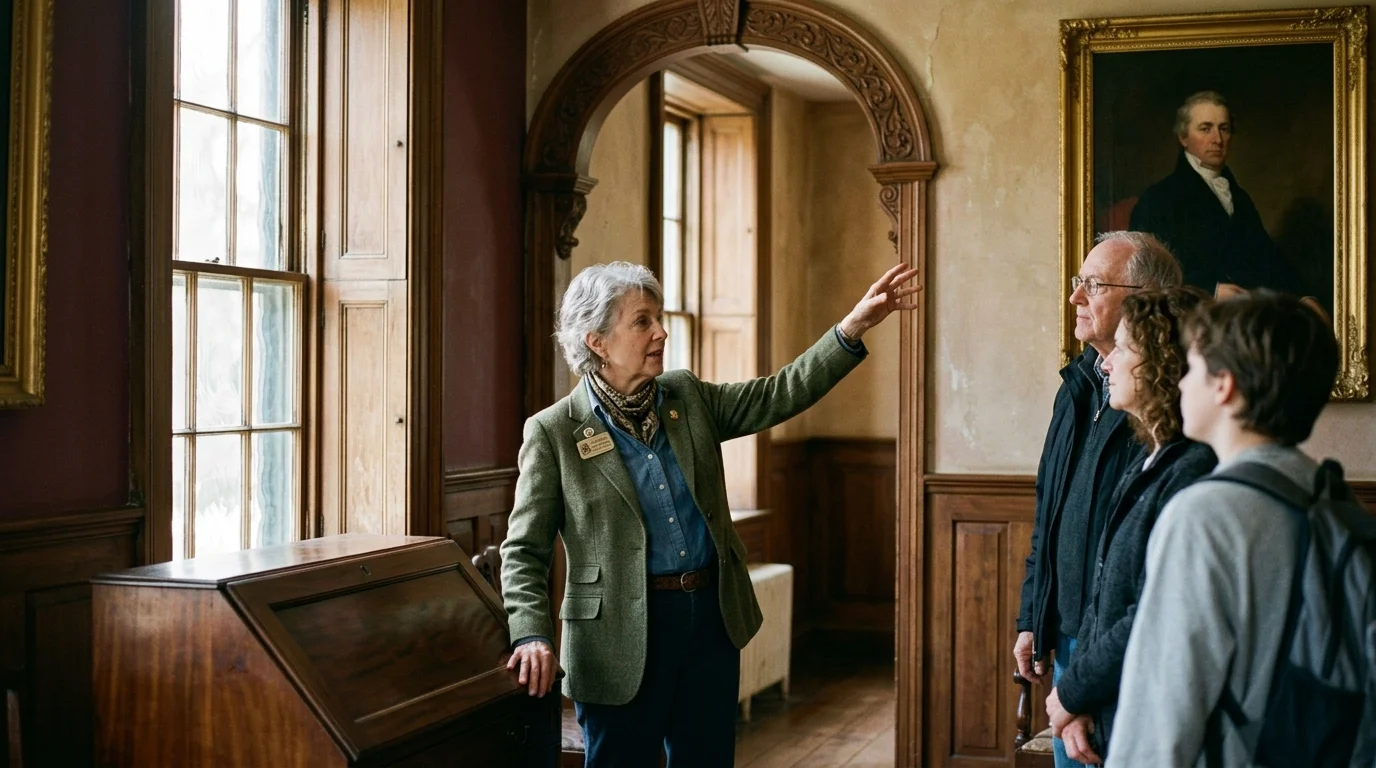
Tip #13: Become a Docent for Local Historic Sites
If you love regional history and public storytelling, consider volunteering as a docent. Local historical societies, botanical gardens, and historic house museums constantly seek friendly, articulate guides.
Institutions provide thorough training sessions that teach you the captivating background of their collections. You will lead small tour groups, answer questions, and inspire inquisitive visitors from around the country.
Serving as a docent deepens your understanding of local heritage while offering fulfilling public interaction. It ranks among the most rewarding free senior activities available today.

Tip #14: Host a Frugal Recipe Swap or Potluck
Dining out at commercial restaurants can rapidly deplete your monthly retirement budget. Gathering friends for a themed recipe swap or potluck dinner solves that challenge delightfully and deliciously.
Invite four or five friends to bring a signature homemade dish along with printed copies of the recipe. Everyone enjoys a varied feast while splitting the total food preparation costs evenly.
Focus on creative, budget-friendly themes, such as heirloom soup recipes, pantry pasta creations, or seasonal vegetable bakes. Sharing mealtime conversations keeps your social life vibrant on a modest budget.
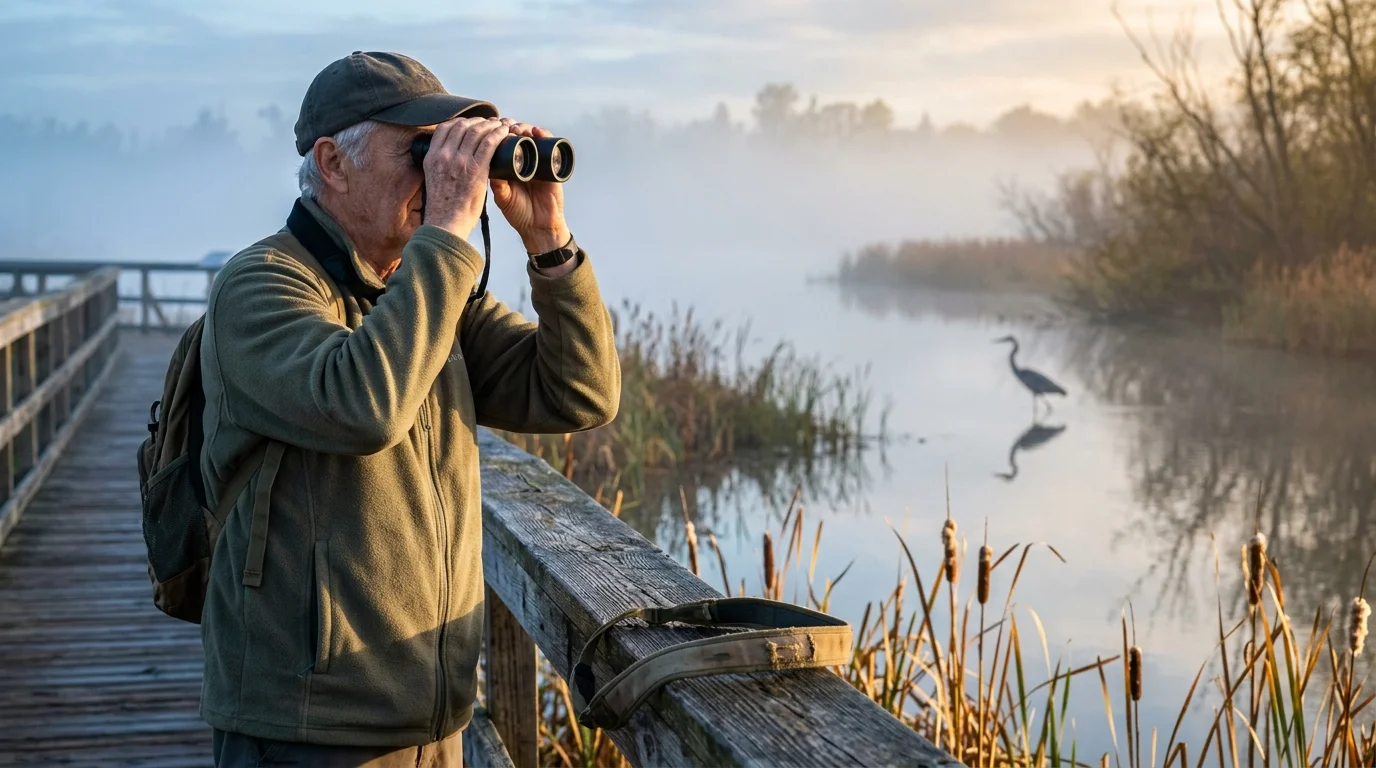
Tip #15: Take Up Birdwatching in Local Parks
Birdwatching invites you to slow down, observe subtle outdoor details, and immerse yourself in nature. You do not need expensive optical binoculars or specialized clothing to begin enjoying avian wildlife.
Download the free Merlin Bird ID app, created by the Cornell Lab of Ornithology. The app identifies wild birds instantly through photos or by analyzing real-time audio song recordings.
Visit local county parks, municipal wetlands, or community nature trails to spot resident songbirds and waterfowl. Birding is one of the most peaceful retirement hobbies on a budget.
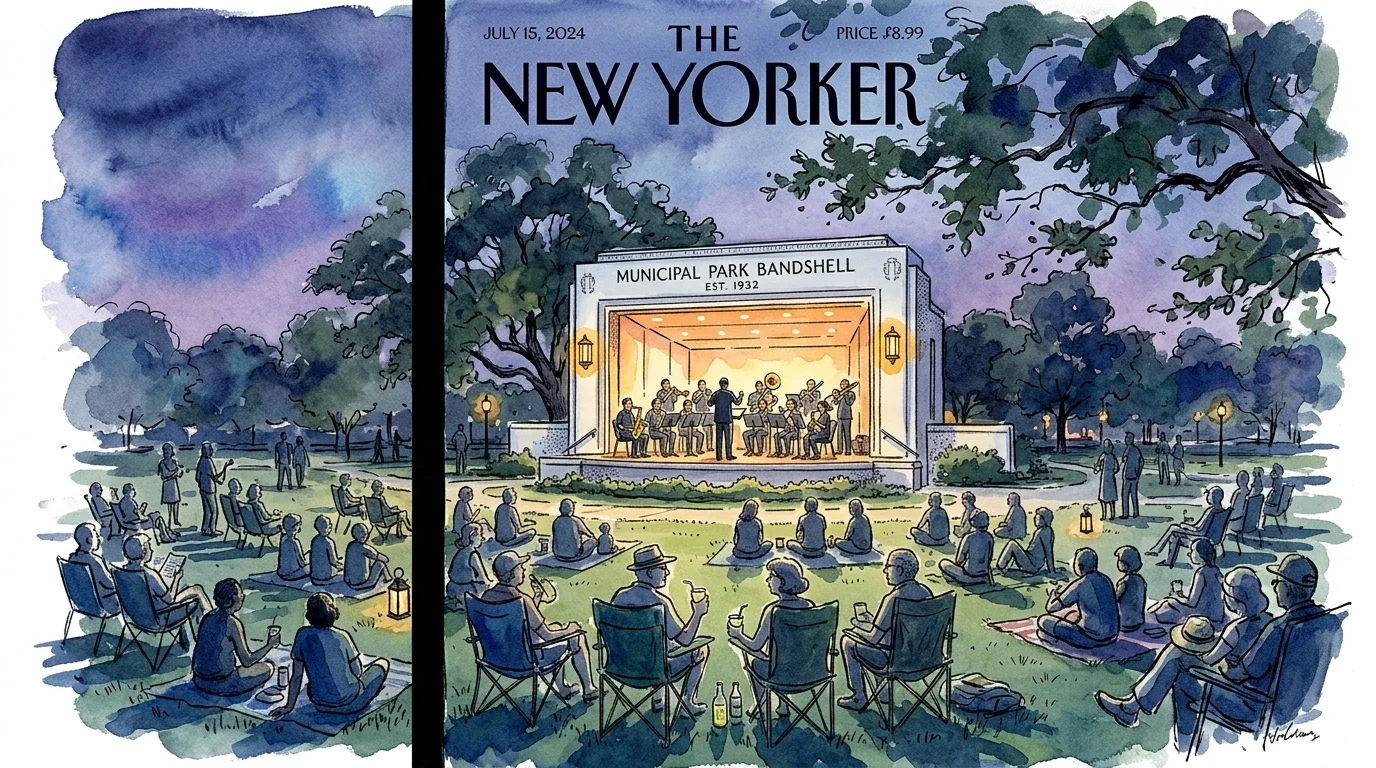
Tip #16: Attend Free Community Concerts and Lectures
Your town or county government likely funds an extensive calendar of free public cultural events. Check municipal websites and local community bulletin boards for schedules of open-air band concerts, movie nights, and festivals.
Public universities and civic libraries regularly sponsor free evening lectures by acclaimed authors, scientists, and historians. These events offer outstanding intellectual stimulation in a welcoming, community-centered environment.
Pack a folding lawn chair, a lightweight blanket, and a thermos of iced tea. You will enjoy an enchanting evening of live arts and entertainment without spending a single dollar.
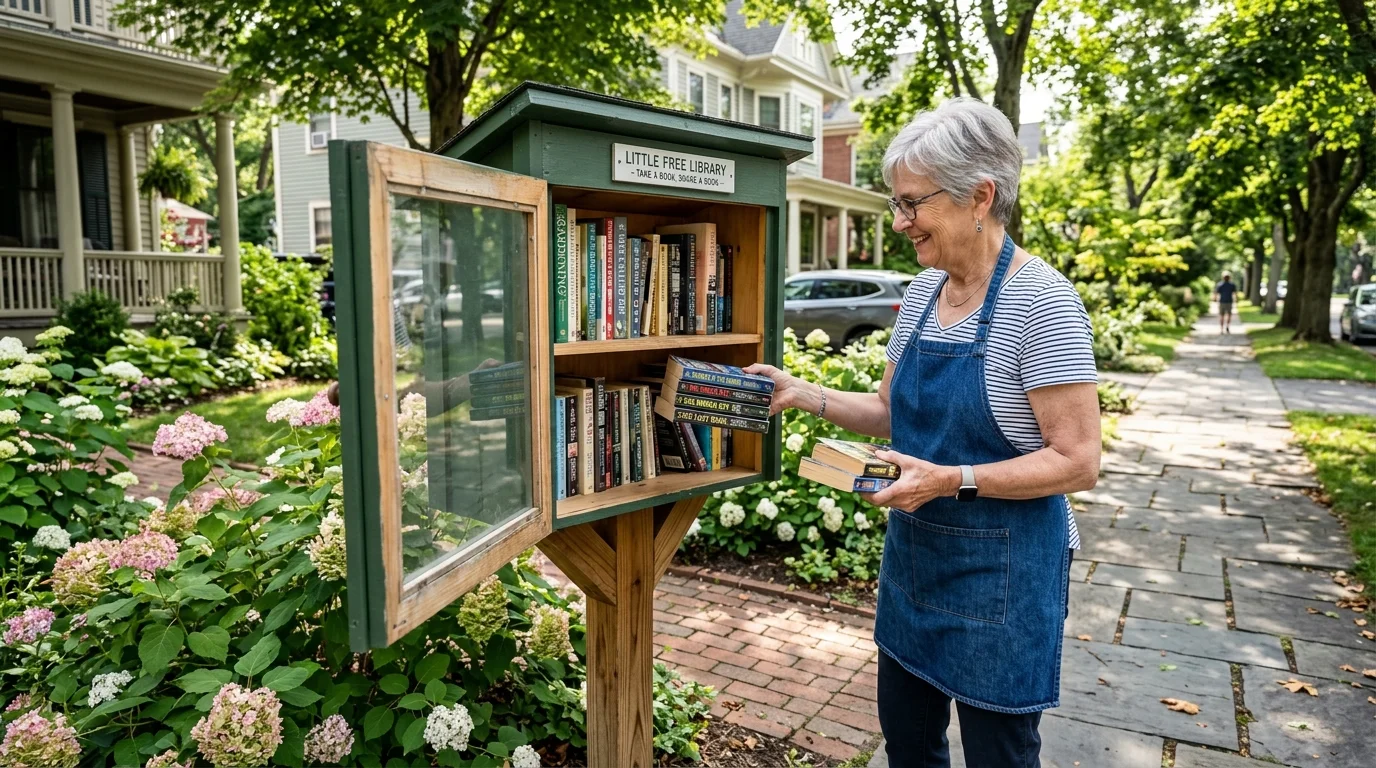
Tip #17: Organize a Community Book Exchange
Passionate readers never run out of compelling material when they share stories with their neighbors. You can launch an informal paperback exchange right on your front porch or cul-de-sac.
Alternatively, seek out Little Free Library boxes scattered throughout your neighborhood and local parks. The sharing philosophy is refreshingly simple: take a book you like, leave a book you finished.
Swapping books keeps your home shelves decluttered and introduces you to intriguing authors you might otherwise overlook. It creates a heartwarming, low-cost literary bond within your local neighborhood.

Tip #18: Write Your Personal Memoirs and Family Stories
You carry a lifetime of invaluable wisdom, historic observations, and unforgettable life lessons. Documenting your personal memoirs requires nothing more than a spiral notebook or a basic computer word processor.
Do not worry about commercial publishing or complex grammar rules. Focus on recording childhood anecdotes, holiday traditions, career milestones, and major turning points for your children and grandchildren.
Writing fosters deep self-reflection, exercises your memory, and keeps your mind remarkably creative and sharp. It stands as one of the most enduring, cheap things to do when retired.

Tip #19: Foster Shelter Pets or Volunteer at Animal Rescues
Interacting with animals lowers blood pressure, reduces stress, and diminishes feelings of loneliness. However, full-time pet ownership brings recurring veterinary bills, grooming fees, and pet food expenses.
Fostering offers a compassionate, budget-friendly compromise. Most municipal animal shelters supply all the necessary pet food, medical care, and bedding while you provide a warm, temporary home.
If home fostering is not feasible, volunteer to walk rescue dogs or socialize shelter cats. Your companionship brightens vulnerable animals’ lives while boosting your own daily physical activity.

Tip #20: Master Smartphone Photography and Digital Scrapbooking
Modern smartphones feature built-in cameras that rival dedicated digital equipment from past decades. Learning the principles of natural lighting, framing, and perspective will transform ordinary snapshots into compelling works of art.
Watch free online video tutorials to learn photographic fundamentals, such as the classic rule of thirds. Then, experiment during your daily morning walks by capturing morning dew, garden blooms, or dynamic streetscapes.
Use free mobile editing applications to fine-tune exposure, crop images, and enhance colors. You can assemble your favorite captures into digital photo albums to share digitally with family and friends.
For a wide range of resources for older adults, visit AARP and the National Council on Aging (NCOA). Health information is available from the National Institute on Aging.
The Takeaway: Living a More Blissful Retirement
Retirement offers you the freedom to design each day on your own terms. Living on a fixed income should never limit your joy, personal growth, or social connections.
By taking advantage of community resources, educational waivers, and national park passes, you can fill your calendar with thrilling pursuits. Genuine fulfillment stems from curiosity and engagement, not costly consumer spending.
Pick two or three ideas from this list and explore them this week. Your golden years can be your most vibrant and rewarding chapter yet.
Frequently Asked Questions
How can I find free senior activities in my immediate area?
Start by visiting your local public library and municipal recreation center. Both locations publish monthly activity calendars featuring free exercise classes, book clubs, guest lectures, and craft groups.
Does Original Medicare provide free gym memberships?
No, Original Medicare Parts A and B do not include gym memberships. However, roughly 95% of Medicare Advantage plans provide free wellness programs like SilverSneakers or Silver&Fit.
Can older adults audit college courses for free?
Many public universities offer tuition waivers for state residents aged 60 to 65 and older. Courses are typically available on a space-available, audit basis, though campus parking fees may apply.
Where can I get help finding local volunteer opportunities?
You can connect with AmeriCorps Seniors and their RSVP program online. They pair adults aged 55 and older with community non-profits matching their skills and schedule.
Disclaimer: This article is for informational and inspirational purposes only. It is not a substitute for professional medical, financial, or psychological advice. Please consult with a qualified expert for guidance tailored to your individual needs.