

A major federal lawsuit challenges grocery restrictions across eighteen states, defending your personal choices at checkout. Low-income seniors can take heart knowing monthly benefit amounts remain safe while judges review these state rules.
Understanding these shifting guidelines helps you shop with total confidence and dignity. Let us explore what this legal battle means for your kitchen, your budget, and your peace of mind.
Clear facts empower you to protect your household resources every single month. Here is your essential guide to navigating these changes effortlessly.
Tip #1: Track the New Food Stamps Lawsuit
On November 18, 2026, seventeen participants and a retail association filed Meyer v. Rollins in federal court. This landmark food stamps lawsuit challenges waivers that restrict grocery choices for low-income households.
The legal complaint asserts that federal officials lacked authority to approve state bans without standard public notice. U.S. District Judge Amy Berman Jackson currently presides over the ongoing proceedings.
Tip #2: Know Your Monthly Benefit Amounts Remain Protected
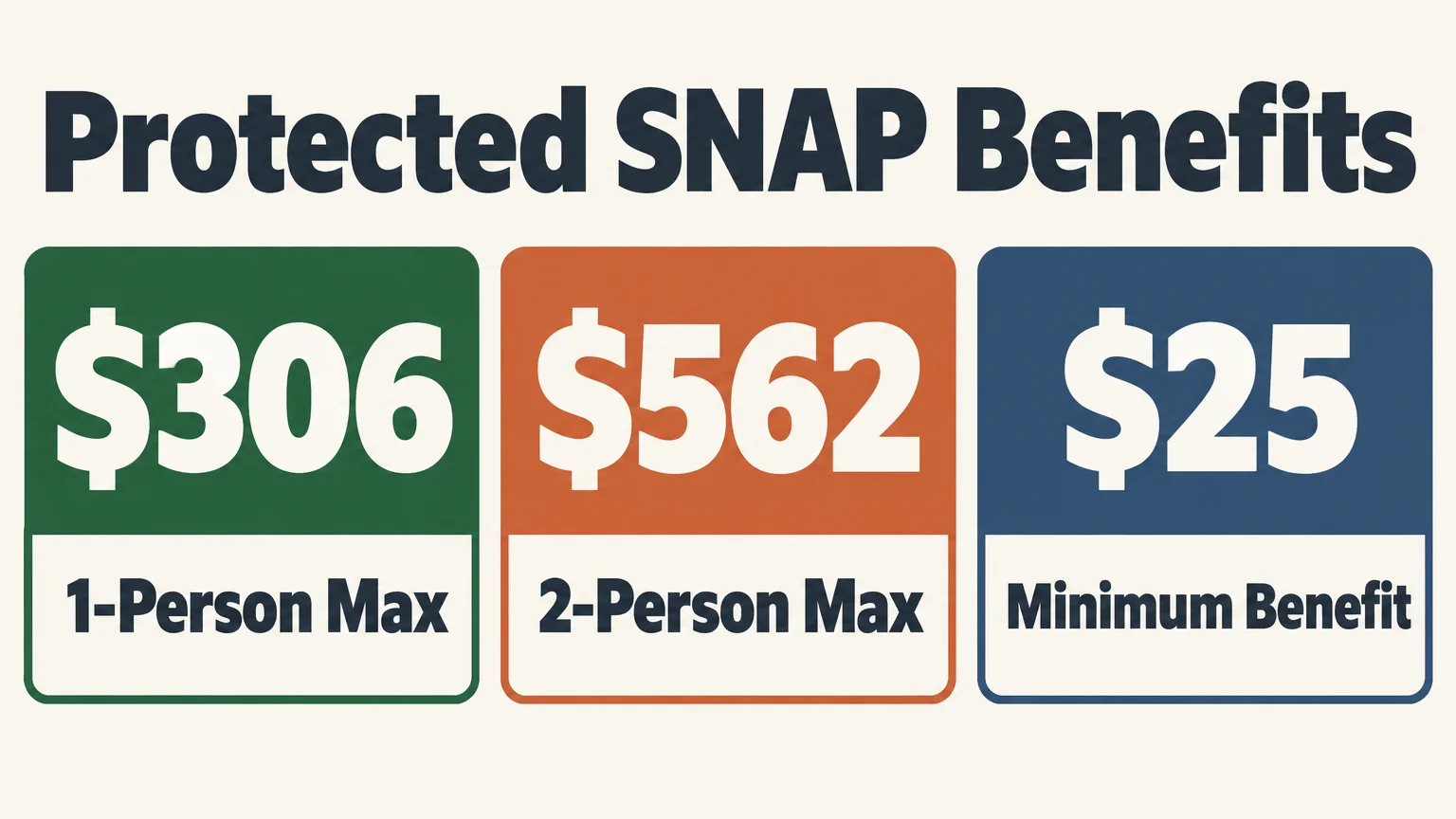
These contested state policies do not reduce your monthly benefit allotment or change program eligibility. Under standard USDA rules, maximum monthly benefits rose to $306 for a one-person household on October 1, 2026.
Two-person households receive up to $562 each month, while the minimum benefit is $25. Your allocated dollars stay secure even if restrictions take effect in your home state.
Tip #3: Check Your State’s Active Implementation Timeline
Twelve states already enforce food restrictions, including Indiana, Florida, Louisiana, and Texas. Meanwhile, six additional states have approved demonstration projects scheduled to begin during 2027 or 2028.
Wyoming, Kansas, and Missouri begin in 2027; Hawaii, Ohio, and Nevada follow later. Checking your state’s specific start date helps you plan shopping trips smoothly.

Tip #4: Recognize Contested Items Versus Protected Staples
State waivers specifically target non-staple goods like soda, sweetened beverages, energy drinks, and candy. In Florida, Missouri, and Montana, restrictions also include prepared desserts like packaged cookies and snack cakes.
Essential staple groceries remain fully eligible nationwide. You can always use your snap benefits to buy wholesome bread, cereals, fresh produce, meat, and dairy products.
Tip #5: Manage Diabetes and Hypoglycemia Strategically
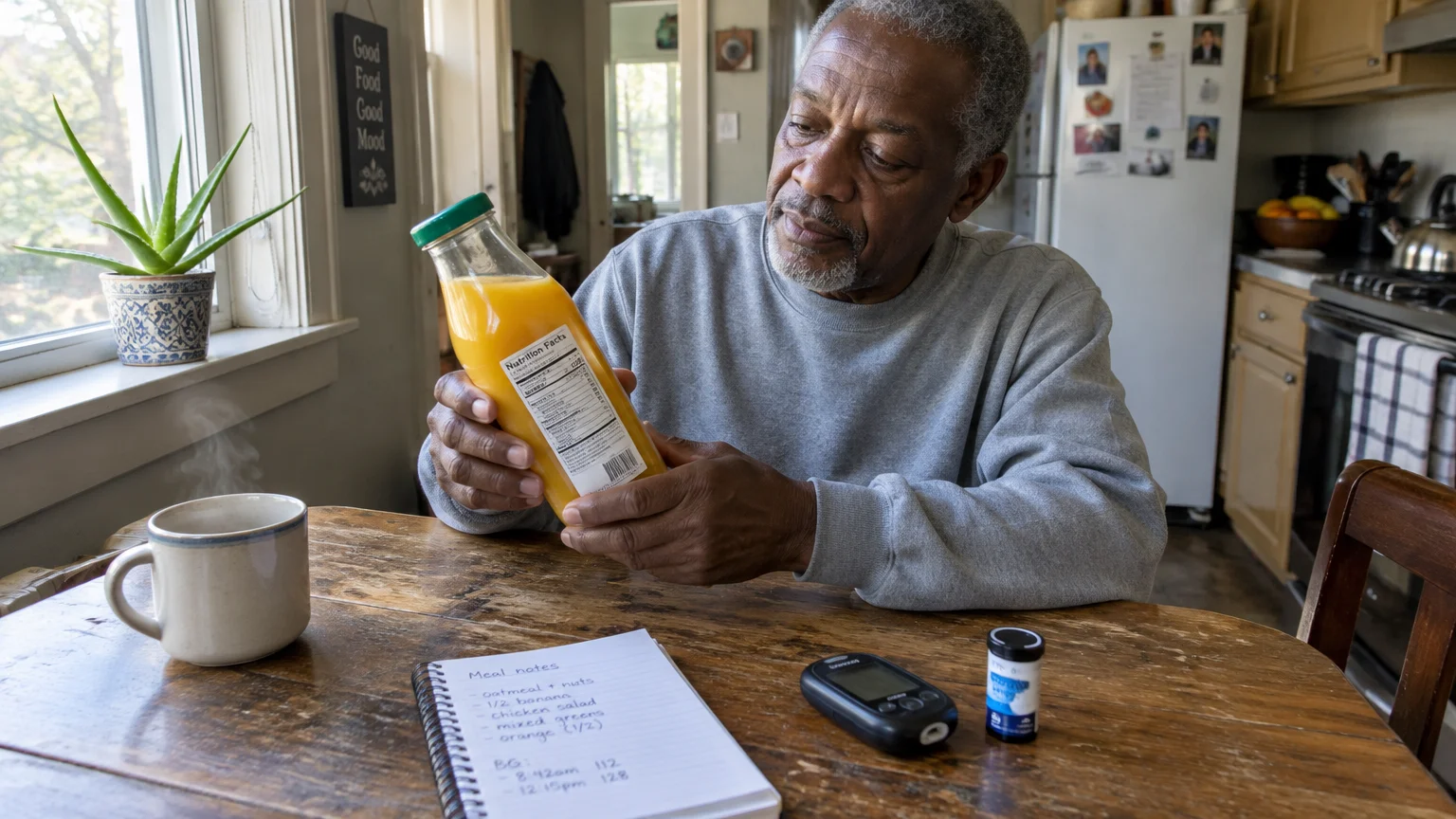
The approved demonstration projects do not include medical exemptions for individuals managing conditions like diabetes. The lawsuit highlights participants who rely on quick-acting sweets to treat sudden, dangerous drops in blood sugar.
If you face hypoglycemia, keep eligible alternatives on hand; one hundred percent fruit juice remains fully approved. Planning your emergency carbohydrates protects your physical wellness without checkout surprises.
Tip #6: Prepare for Occasional Checkout System Errors
With over 650,000 grocery items on store shelves, automated register systems sometimes mislabel eligible goods. Retail groups report that checkout registers have mistakenly blocked compliant items like bottled water and unsweetened tea.
If an approved item gets blocked at the register, stay calm and request a cashier review. Understanding your rights ensures you leave the store with everything you need.
Tip #7: Understand Prior Court Victories in Related Cases
On June 22, 2026, the federal court ruled in Aragon v. Rollins that officials could not redefine food via waivers. That decision vacated food bans across Colorado, Iowa, Nebraska, Tennessee, and West Virginia.
Although the government appealed in August 2026, the victory shows how legal challenges protect consumer choice. The current lawsuit builds directly upon those established legal principles.
Tip #8: Maximize Your Uncapped Senior Shelter Deduction
Adults age 60 and older receive substantial advantages when calculating household net income. While younger households face a strict $769 cap on excess shelter deductions, older adults can deduct all qualified housing expenses.
Deducting your rent, mortgage, and utilities lowers your countable income and can boost your monthly food assistance. Ensure your caseworker records every monthly housing cost during your next review.
Tip #9: Claim Every Out-of-Pocket Medical Expense
If you are 60 or older, you can deduct verified out-of-pocket medical costs that exceed $35 per month. Eligible expenses include prescription co-pays, dental treatments, hearing aids, and transportation for healthcare visits.
Claiming these health costs lowers your net income, which often triggers a higher monthly grocery benefit. Keep receipts in a designated folder so you can document every expense easily.
Tip #10: Track the 274-Day EBT Expungement Policy
Federal rules beginning November 23, 2026, state that benefit balances older than 274 days are permanently expunged. Unused funds leave your account even if you swipe your card regularly for newer purchases.
Avoid losing hard-earned benefits by spending your monthly allotment consistently on healthy, shelf-stable groceries. Rotating your pantry supplies ensures every food dollar works directly for your household.
Tip #11: Navigate Work Rules for Adults Ages 55 to 64
Recent federal legislation expanded work documentation rules to include adults ages 55 through 64 without dependents. Affected individuals must verify 80 hours monthly of employment, job training, or community volunteering.
However, reaching age 60 shields you through special senior exemptions under federal program guidelines. Check with your local office to confirm if your age or health status exempts you entirely.
Tip #12: Rely on Higher Asset Limits for Older Adults
Preserving your emergency savings is essential for a peaceful and stress-free retirement. Households with a member age 60 or older enjoy a generous $4,750 asset limit, compared to $3,000 for standard households.
This protective rule allows you to maintain a modest rainy-day fund without jeopardizing your nutrition assistance. You never have to choose between financial security and wholesome meals.
Tip #13: Invest in Nutrient-Rich Foods to Reduce Healthcare Costs
Older adults participating in nutrition assistance save an average of $2,360 annually in medical costs. Furthermore, consistent access to wholesome food is linked to slower cognitive decline as you age.
Use your monthly grocery allowance to purchase vibrant produce, lean proteins, and fiber-rich legumes. Wholesome eating revitalizes your physical energy and supports vibrant longevity.
Tip #14: Maintain Confidence and Dignity at the Register
Register confusion or shifting grocery policies should never make you feel uncomfortable in the checkout line. Your EBT card represents earned support designed to safeguard your nutritional health.
Approach every grocery visit with pride and dignity. You deserve delicious, nourishing groceries that keep you thriving every day.
Tip #15: Utilize Streamlined Senior Recertification Periods
Many states offer senior households extended recertification cycles lasting up to twenty-four or thirty-six months. These simplified programs significantly reduce paperwork and eliminate repetitive annual office visits.
Ask your local agency whether your household qualifies for an extended reporting period. Less administrative stress frees up your time to enjoy the activities and hobbies you love.
Tip #16: Watch for Updates from the Food and Nutrition Administration
Effective June 1, 2026, the USDA renamed its oversight agency the Food and Nutrition Administration. Always look for this updated agency name on official notices and renewal mailings.
Staying attentive to official agency updates ensures you receive authentic program information and avoid misleading rumors. Accurate knowledge keeps you in full control of your household benefits.
Tip #17: Connect with Senior Legal and Advocacy Networks
National advocacy organizations actively monitor the ongoing litigation in Washington, D.C. These dedicated groups work tirelessly to defend consumer autonomy and promote clear grocery access for seniors.
Reach out to local legal aid societies if you experience wrongful item denials at nearby grocers. Community advocates stand ready to assist you in securing your rightful grocery benefits.
Tip #18: Create a Joyful, Budget-Friendly Meal Routine
Cooking delicious meals at home is one of the simplest ways to celebrate your golden years. Plan your weekly meals around fresh, affordable ingredients like seasonal vegetables, whole grains, and aromatic herbs.
Sharing wholesome, home-cooked dishes with loved ones fosters deep joy and connection. A well-stocked pantry brings both comfort and culinary delight to your daily routine.
The Takeaway: Living a More Blissful Retirement
Legal battles and changing policies may dominate headlines, but your access to healthy food remains secure. Focus on the everyday choices that nourish your body, uplift your spirit, and bring happiness home.
By staying informed about your benefits and taking full advantage of senior deductions, you protect your wellbeing. Embrace this vibrant chapter of life with confidence, optimism, and peace of mind.
For a wide range of resources for older adults, visit AARP and the National Council on Aging (NCOA). Health information is available from the National Institute on Aging.
Disclaimer: This article is for informational and inspirational purposes only; it is not a substitute for professional medical, financial, or psychological advice. Please consult with a qualified expert for guidance tailored to your individual needs.
Frequently Asked Questions
Does the federal lawsuit stop grocery bans immediately?
No, the lawsuit does not halt current state bans automatically. Restrictions remain in effect across active states unless the federal judge issues an injunction or final ruling vacating the waivers.
Will this legal challenge lower my monthly benefit payment?
No, the lawsuit and state demonstration projects alter only which products are eligible at checkout. Your monthly dollar allotment remains completely unaffected by these food restriction rules.
Can I still buy fruit juice with my EBT card?
Yes, one hundred percent natural fruit and vegetable juices remain fully eligible across all states. Only beverages with less than fifty percent juice or high added sugars face restrictions in certain states.
What should I do if an eligible food item is rejected?
Ask the store clerk or grocery manager to verify the product in their point-of-sale inventory system. If problems persist, report the barcode error to your state social services office for prompt correction.