

Creating a fair will preserves your family harmony and protects your hard-earned legacy. You can ensure your estate brings lasting joy rather than unintentional conflict by understanding true fairness today.
Many parents assume splitting assets into equal percentages guarantees peace among siblings. However, genuine fairness often requires looking beyond simple arithmetic to consider taxes, caregiving, and individual needs.
Taking proactive control of your estate planning empowers you to enjoy complete peace of mind. Here is how you can evaluate your estate plan and build a legacy of genuine harmony.
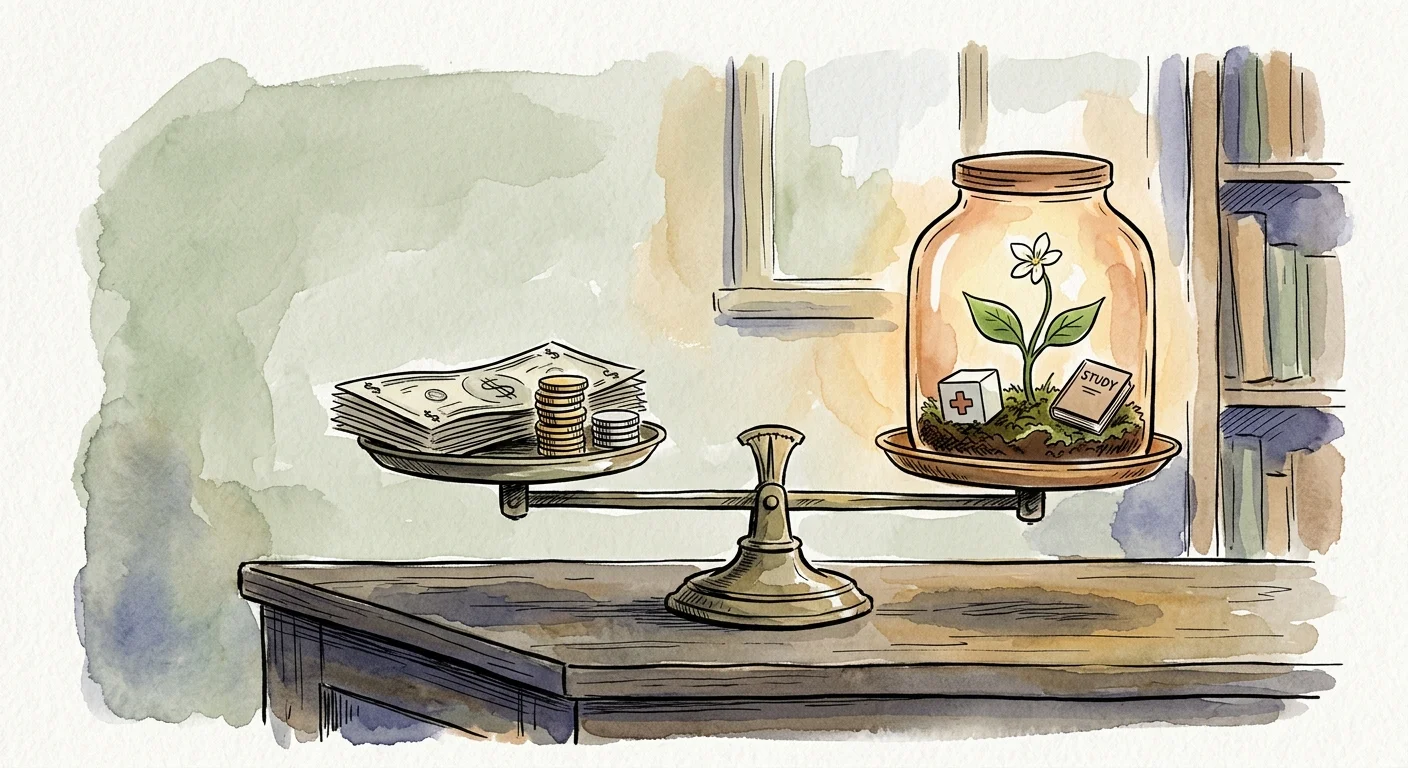
Tip #1: Distinguish Between Equal Dollars and Equitable Value
Many people believe dividing an estate into identical fractions represents the only fair approach. In reality, identical numbers do not always produce equitable outcomes for your heirs.
Your adult children likely navigate very different personal, medical, and financial realities. One child may enjoy a secure career, while another manages a chronic illness or supports a child with special needs.
Equitable estate planning focuses on providing each loved one with the specific resources they need to thrive. This personalized approach demonstrates deep parental love and thoughtful understanding.
When you align your estate plan with real-world needs, you provide meaningful security rather than rigid mathematical formulas. Your estate plan becomes an authentic reflection of your family values.
Consider whether a special needs trust or a discretionary trust serves a vulnerable beneficiary better than an outright distribution. Structuring gifts thoughtfully protects their long-term stability and eligibility for vital assistance.
Estate planning tips emphasize that equity honors unique situations while preserving mutual dignity. You can create a balanced framework that supports every member of your family effectively.
Tip #2: Factor in the Post-Tax Reality of Inherited Accounts
Leaving assets with identical dollar values can create surprising inequalities after taxes are paid. Different asset types carry radically different tax consequences for your beneficiaries.
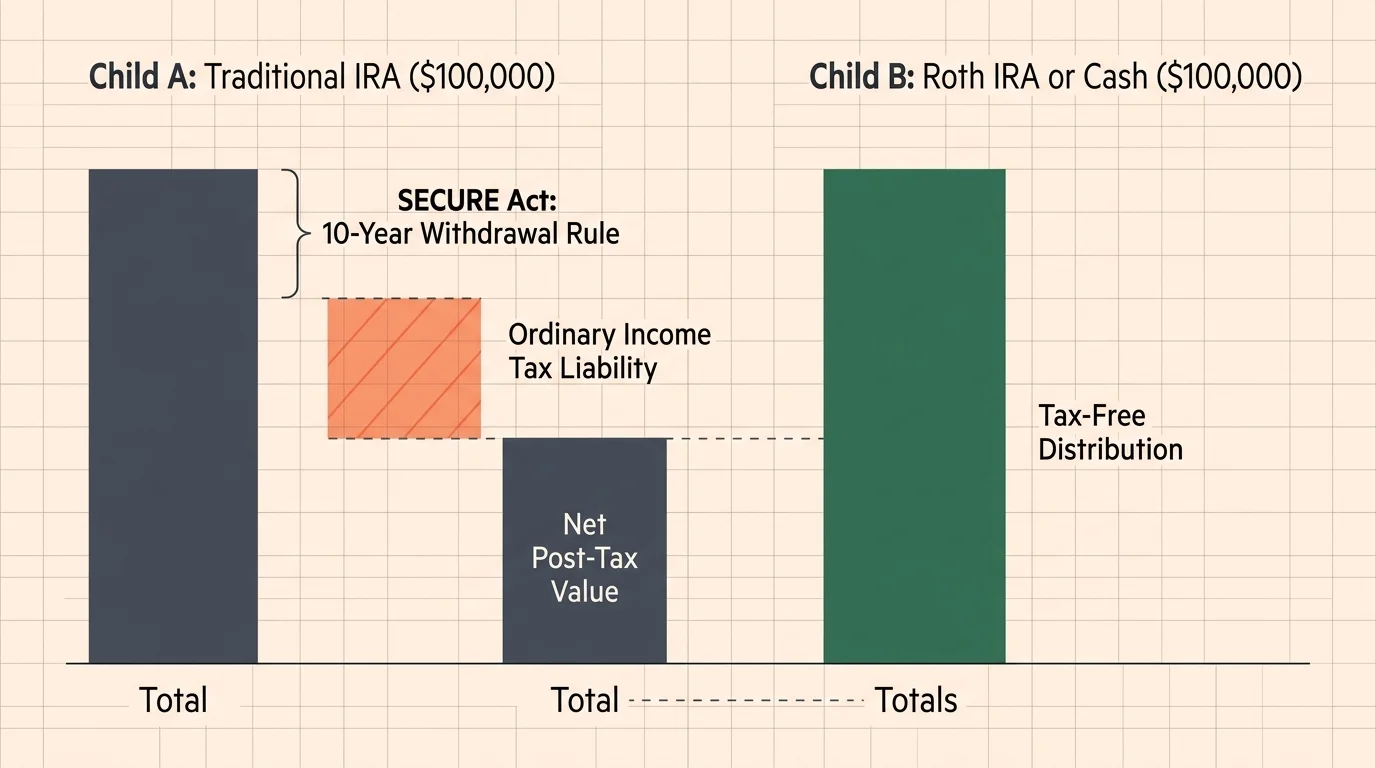
Under current rules established by the SECURE Act and SECURE 2.0, non-spouse beneficiaries must empty inherited traditional IRAs within 10 years. Every withdrawal triggers ordinary income taxes at the beneficiary’s tax rate.
If you leave a $100,000 traditional IRA to one child and $100,000 in cash or a Roth IRA to another, their net inheritances are not equal. The child receiving the pre-tax IRA might lose a large portion to taxes.
This hidden tax disparity frequently sparks unintended resentment among siblings. The beneficiary facing heavy income taxes may feel unfairly penalized despite your loving intentions.
Real estate also carries unique tax attributes, including a step-up in basis that eliminates capital gains taxes upon inheritance. Comparing pre-tax retirement accounts to real estate requires careful calculations.
You can balance these differences by calculating estimated after-tax proceeds across all your accounts. Equalizing post-tax value ensures fair inheritance planning that truly benefits every heir.

Tip #3: Account for Significant Lifetime Gifting and Financial Support
Lifetime financial assistance plays a major role in how heirs perceive testamentary fairness. Substantial help provided during your life often lingers in your family’s collective memory.
Perhaps you provided one child with a home down payment or funded years of private schooling. Another child may have achieved financial independence without requesting any parental financial assistance.
Decide whether lifetime transfers represent outright gifts or early advances on their final inheritance. Clarifying this distinction eliminates confusion and prevents lingering bitterness among siblings.
In 2026, the IRS annual gift tax exclusion stands at $19,000 per recipient, or $38,000 for married couples splitting gifts. You can leverage this annual exclusion to balance support during your lifetime.
Strategically gifting funds while you are alive allows you to see your loved ones enjoy their blessings today. It also gradually equalizes financial support across your family without complex court oversight.
Documenting past lifetime gifts in your personal records prevents misunderstandings after you pass away. Transparent records reassure all heirs that you treated everyone with thoughtful consideration and fairness.
Tip #4: Prevent Conflict Over Sentimental Heirlooms and Keepsakes
Family estate disputes rarely start over stock portfolios or bank accounts. Instead, bitter arguments frequently erupt over personal belongings with deep sentimental value.
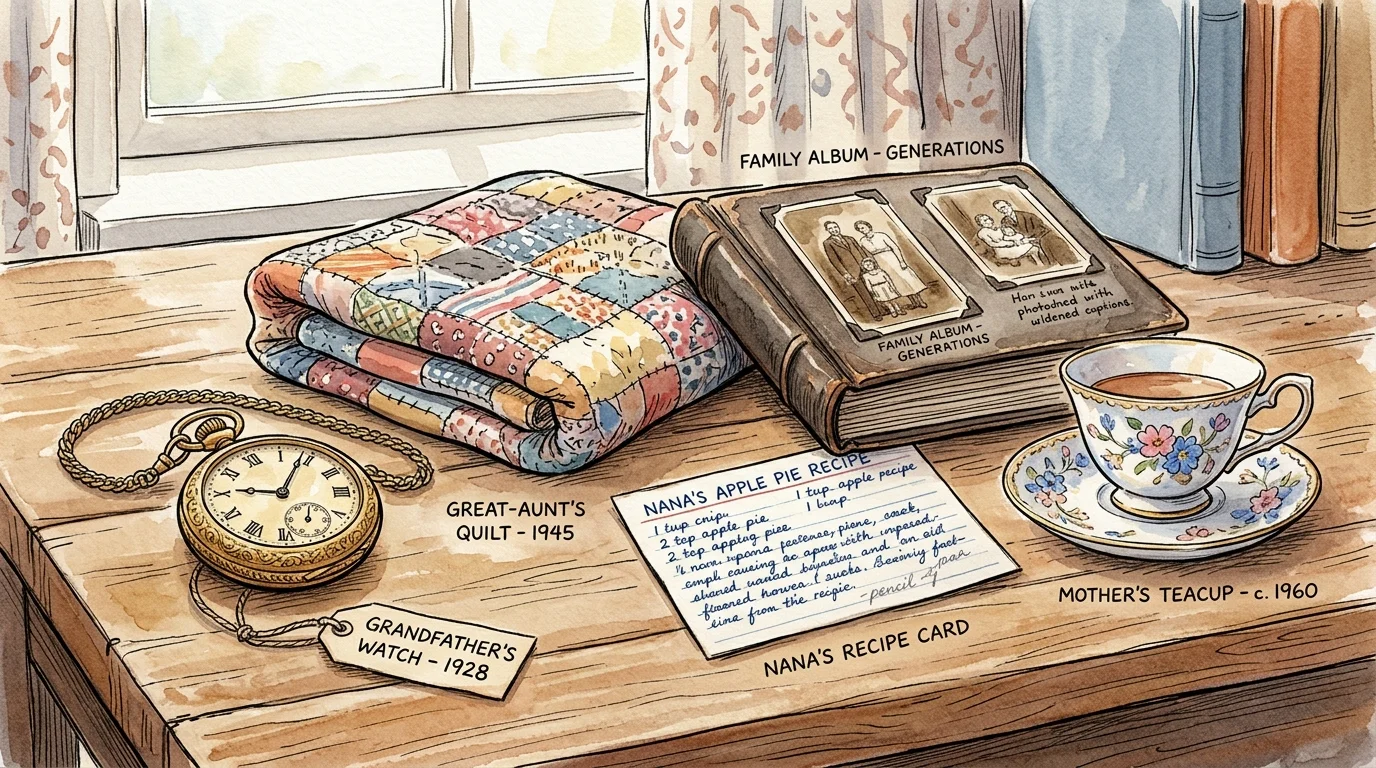
A parent’s wedding jewelry, vintage photo albums, or a handmade quilt carry irreplaceable memories. When multiple siblings desire the same heirloom, emotional tensions can escalate rapidly.
Writing a will with vague clauses like “divide personal property equally” invites family confusion. An executor cannot easily divide a family heirloom or antique furniture into equal physical shares.
You can prevent disputes by drafting a separate personal property memorandum that clearly designates specific items. Most states recognize these written lists as legally binding when referenced in your will.
Invite your family to share which sentimental keepsakes hold special meaning for them today. Open conversations allow you to allocate treasures peacefully while you are present to explain their history.
You might also implement a rotating selection process for remaining household goods. Structured selection methods give everyone an equal voice and preserve warm sibling bonds for generations.

Tip #5: Compensate Family Caregivers Transparently and Fairly
Family dynamics often shift as parents grow older and need extra everyday support. Frequently, one dedicated child steps forward to provide hands-on caregiving, transportation, and home management.
A caregiving child often makes major personal sacrifices, including stepping away from career advancement or spending personal savings. Ignoring these contributions in your estate plan can feel deeply unfair to them.
You can honor their selfless dedication through your estate planning documents. Providing an additional inheritance allocation acknowledges the time, effort, and love they invested in your comfort.
Another effective strategy involves setting up a formal caregiver agreement during your lifetime. Paying your caregiving child a fair market wage compensates them immediately and transparently.
Formal agreements keep family relationships clear and prevent other siblings from questioning inheritance adjustments later. Transparent caregiving arrangements maintain family trust and prevent resentment.
Equal inheritance distribution does not always reflect moral fairness when one child shouldered immense responsibilities. Recognizing real caregiving sacrifices brings genuine justice and gratitude to your legacy.

Tip #6: Align Direct Beneficiary Designations with Your Will
Many people assume their will governs how all of their assets pass to heirs. However, contractual beneficiary designations on financial accounts supersede whatever you write in your will.
Accounts with transfer-on-death or payable-on-death designations bypass the probate process entirely. Life insurance policies, IRAs, 401(k) plans, and certain bank accounts transfer directly to named beneficiaries.
If your will specifies an equal split but your retirement account names only one child, that child receives the entire account balance. This common oversight unintentionally disrupts even the most carefully drafted wills.
Check every financial account to ensure that your named beneficiaries match your current estate intentions. Coordinated designations ensure your entire estate distributes according to your true plan.
Review your primary and contingent beneficiaries on every policy and bank account today. Taking this simple administrative step prevents accidental disinheritance and protects your family harmony.
Consistent alignment across all assets guarantees that your fairness strategy functions exactly as planned. Cohesive planning eliminates legal loopholes and protects your estate from costly errors.

Tip #7: Communicate Your Estate Plan Openly to Prevent Resentment
Silence represents one of the greatest threats to family harmony after a parent passes away. Surprises discovered in a will often create feelings of shock, hurt, and mistrust.
An Ameriprise Financial study revealed that 25% of respondents experienced family friction, resentment, or open disputes directly related to inheritance distributions. Clear communication dramatically reduces these risks.
Research shows that up to 58% of families report estate disputes or unintended court control when comprehensive documents are absent. Proactive discussions eliminate ambiguity before conflicts arise.
Pew Research Center data shows that only 46% of U.S. adults in their 60s and 66% in their 70s have a legally executed will. Caring.com reports that 43% of adults without a will cite simple procrastination.
Host a relaxed family meeting to explain the reasoning behind your estate distribution. Explaining your decisions personally ensures that your children hear your love and intent directly from you.
You can also compose a heartfelt letter of intent to accompany your legal documents. A personal letter explains your rationale and reinforces your lasting affection for each family member.
Tip #8: Review and Refresh Your Plan After Major Life Transitions
A will created ten or fifteen years ago rarely reflects your family’s current reality. Marriages, divorces, births of grandchildren, and evolving relationships alter your optimal estate plan.
Federal tax thresholds remain generous, with the 2026 lifetime estate and gift tax exemption standing at $15,000,000 per individual. Because federal estate taxes affect few families, modern fairness focuses on family dynamics.
Outdated wills often name executors who are no longer capable of serving or exclude newly born family members. Regularly refreshing your documents prevents administrative gridlock during difficult times.
Schedule an estate planning review every three to five years or immediately following any major family transition. Routine checkups guarantee that your legal documents match your present life circumstances.
Working with a licensed estate planning attorney ensures your documents comply with your state’s legal requirements. Professional guidance provides confidence that your wishes will be carried out smoothly.
A current, valid will is a precious gift of clarity for those you love most. Keeping your documents up to date protects your legacy and brings lasting serenity.

The Takeaway: Living a More Blissful Retirement
Estate planning is not merely a legal chore; it is an uplifting act of love for your entire family. Taking time to ensure your will is truly fair lifts a heavy emotional weight from your shoulders.
When you clarify your intentions and account for real-world nuances, you protect your children from future misunderstandings. You foster an environment where family bonds grow stronger over time.
Knowing that your affairs are organized allows you to embrace your retirement years with joy, enthusiasm, and peace of mind. You can fully immerse yourself in travel, hobbies, and precious moments with loved ones.
Step into this chapter of life with confidence, knowing you have created a thoughtful, balanced legacy. Your proactive planning ensures that your warmth, generosity, and wisdom will endure for generations to come.
Frequently Asked Questions
Does a fair will always mean dividing assets equally among all children?
No, a fair will does not require an identical mathematical division of assets among all children. Fairness means considering each child’s needs, previous lifetime support, and unique life circumstances.
Equitable distribution honors individual realities while treating every family member with deep care and respect. Open communication helps your family understand and accept your personalized decisions.
How does the SECURE Act impact the fairness of my retirement accounts?
The SECURE Act requires most non-spouse beneficiaries to withdraw all funds from inherited traditional IRAs within 10 years. These mandatory withdrawals generate ordinary income taxes for the recipient.
Leaving a pre-tax retirement account to one child and a Roth IRA or cash to another creates an unequal after-tax inheritance. You should calculate the post-tax value of each account to ensure genuine fairness.
What is the best way to handle sentimental family heirlooms without causing arguments?
The most effective strategy is creating a separate personal property memorandum that designates specific items to specific heirs. You can update this document easily without redrafting your entire will.
Holding open conversations with your children about their personal preferences helps prevent surprises. Structured selection methods, such as taking turns choosing items, also ensure fairness and preserve harmony.
How often should I review and update my estate planning documents?
You should review your will and beneficiary designations every three to five years. You should also review your documents immediately following major life events like marriages, divorces, or births.
Regular reviews ensure that your legal documents reflect current state laws and changing family relationships. Keeping your plan updated guarantees that your estate distributes according to your exact wishes.
For a wide range of resources for older adults, visit AARP and the National Council on Aging (NCOA). Health information is available from the National Institute on Aging.
Disclaimer: This article is for informational and inspirational purposes only. It is not a substitute for professional medical, financial, or psychological advice. Please consult with a qualified expert for guidance tailored to your individual needs.