

Your decades of life experience, practical habits, and consumer opinions hold real value for companies and medical researchers today. Paid research studies seniors can join offer a stimulating way to share your voice while funding travel, hobbies, or gifts for the grandkids.
You do not need a technical background or a rigid weekly schedule to get started. Whether you enjoy lively conversations from your living room or want to help shape tomorrow’s healthcare, legitimate opportunities exist at every comfort level.
Below, you will find practical ways to get paid for studies, realistic pay ranges, and essential safeguards for your retirement benefits.

Lifestyle Idea #1: Share Your Perspective in Online Focus Groups and Interviews
Brands, nonprofits, and universities constantly look for adults over 50 to test new products, evaluate ad campaigns, and discuss everyday habits. Moderated interviews and focus groups turn a simple conversation into rewarding extra income seniors can earn right from home.
General consumer sessions typically pay $50 to $250 for 60 to 90 minutes of your time. Specialist or professional interviews can pay even more, often reaching $250 to $500 per project depending on your career background.
Platforms like User Interviews average around $45 per study, with qualifying sessions commonly paying $50 to $150 per hour. Respondent lists average payouts between $75 and $95 per project, while FocusGroup.com regularly pays $50 to $150 for standard sessions.
Beyond the extra cash, focus groups bring a refreshing social spark to quiet weeks. You get to trade stories with peers and feel genuinely heard by decision-makers.
Create free profiles on reputable platforms and answer demographic questions honestly so screeners match you accurately. Thoughtful, complete screener answers quickly set you apart from rushed applicants.
Lifestyle Idea #2: Test Websites, Apps, and Everyday Products from Home
If you enjoy learning new tools at your own pace, usability testing lets companies pay you to click through websites and mobile apps while speaking your thoughts aloud. Designers rely on older adults to spot confusing menus, tiny fonts, and clunky checkout steps.
Unmoderated tests usually pay between $5 and $60 and take just 15 to 20 minutes on your own schedule. For instance, UserTesting averages $10 per short test, Userbrain pays roughly $5, and live moderated UserTesting video calls pay $30 to $120.
Diary studies let you document how a product fits into daily life over several days. On dscout, these short missions commonly pay up to $100 or more, roughly $1 per minute.
You only need reliable internet, a quiet room, and a device with a microphone. Sharing honest reactions helps engineers build digital tools that truly work for older adults.
Lifestyle Idea #3: Contribute to Medical Breakthroughs Through Clinical Trials
Healthcare researchers urgently need clinical trials older adults are willing to join because mature bodies process medications differently than younger ones. Adults aged 65 and older grew to 18% of the U.S. population in 2024 and account for over 34% of prescription drug use.
Still, 37% of clinical trials fail to enroll enough volunteers, slowing vital medical progress. To close that gap, the National Institutes of Health enforces an Inclusion Across the Lifespan policy requiring NIH-funded studies to include older adults unless scientifically or ethically justified.
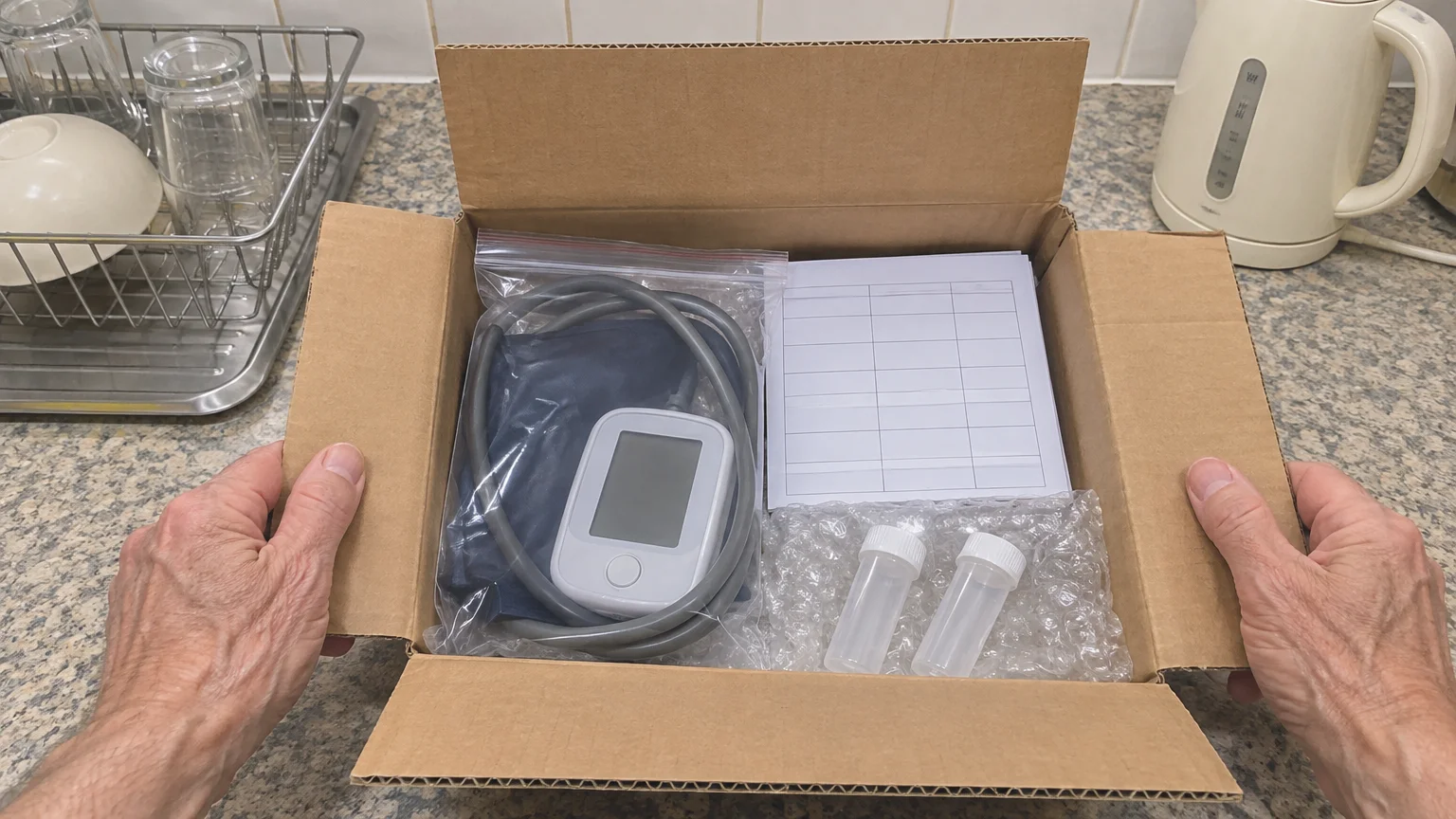
You do not have to commute to a major hospital for every study, either. Research literature notes that 74% of older adults prefer remote or decentralized trial options, and many modern studies mail supplies to your home or use video check-ins.
Start your search on ClinicalTrials.gov, which lists 613,368 studies across all 50 states as of November 2026. For memory, dementia, or caregiving research, the National Institute on Aging recommends the Alzheimers.gov Clinical Trials Finder.
Keep in mind that ClinicalTrials.gov listings are not individually approved by the U.S. government, so ask about Institutional Review Board oversight. Federal rules require payments to be fair, accrue gradually over time, and never coerce your consent.

Lifestyle Idea #4: Turn Health and Caregiving Experience into Paid Advisory Sessions
Living with a chronic condition or caring for a spouse gives you hard-won insight that medical innovators cannot learn from textbooks. Healthcare companies actively recruit patients and family caregivers to evaluate educational materials, packaging designs, and support programs.
Specialized networks connect your lived experience directly with researchers who respect your time and privacy. For example, Rare Patient Voice pays $120 per hour for medical research interviews with both patients and caregivers.
Sharing your health journey feels meaningful because your feedback shapes clearer labels, gentler devices, and better clinic care. You also connect with patient communities right from home.
Lifestyle Idea #5: Build Steady Pocket Money with Academic and Consumer Surveys
When you have 15 spare minutes with morning coffee, paid surveys research offers a relaxed way to stay engaged. Steady participation easily covers streaming bills, birthday gifts, or weekend lunches.
General consumer survey sites pay modestly, typically between $0.50 and $3 per completed questionnaire. Established panels such as Pinecone Research pay around $3 for a 15 to 20 minute survey, giving you predictable returns without flashy promises.
Academic platforms tend to treat participants even better because university researchers value thoughtful, consistent data. Prolific enforces a minimum rate of $8 per hour—recommending $12 per hour—and lets you cash out via PayPal once you hit $6.
Skip tedious questionnaires paying pennies for half an hour of clicking. Focusing on higher-paying academic portals protects your leisure time while keeping your mind sharp.

Lifestyle Idea #6: Protect Your Benefits, Taxes, and Wallet While Participating
Smart planning ensures your research payouts add joy to retirement instead of unexpected paperwork. Under Public Law 119-21, the IRS raised the 1099 reporting threshold to $2,000 per calendar year starting in 2026, up from $600.
Even below $2,000, stipends and honoraria generally remain taxable income you should track. Documented reimbursements for study travel, parking, or lodging, however, are not taxable.
If you collect Social Security before Full Retirement Age all year, you can earn up to $24,480 in 2026 before benefits are temporarily withheld. That limit rises to $25,560 in 2027, and disappears once you reach Full Retirement Age.
SSI recipients can exclude the first $2,000 yearly from qualifying rare-disease clinical trials under federal rules. Other stipends count as earned income for disability programs, while Medicare covers routine care in qualifying trials under National Coverage Determination 310.1.
Finally, protect yourself from fake product-tester schemes highlighted by the Federal Trade Commission and Better Business Bureau. Legitimate studies never charge sign-up fees, ask for gift cards or bank logins upfront, or lock you into auto-shipments; report scams at ReportFraud.ftc.gov.

Putting It into Practice: Small Steps for Big Changes
Starting small keeps this hobby fun rather than overwhelming. Create a dedicated email address just for research invitations so opportunities never get buried beneath bills or newsletters.
Pick one category that matches your personality—whether that is lively focus groups, short UX tests, or health studies—and register with two trusted platforms. Set aside a quiet hour on Tuesday or Thursday mornings to complete screeners while sipping tea.
Keep a simple notebook listing each study name, payout date, and travel reimbursement. Watching small deposits fund weekend getaways or grandkid outings feels deeply satisfying.
Treat paid studies as one flexible piece of a vibrant week. Always put your health, family dinners, and social clubs first.
Frequently Asked Questions
How do I know if a paid research study is legitimate?
Real researchers never charge membership fees, ask for gift cards, or send checks to wire back. Look for clear privacy policies, upfront pay terms, and Institutional Review Board approval.
Before sharing sensitive details like your Social Security number or bank routing info, confirm why they are needed for tax reporting after acceptance. Never enter financial credentials into an initial screener.
Will getting paid for studies affect my Social Security or Medicare?
Once you reach Full Retirement Age, study income will not reduce your Social Security retirement checks at all. Younger retirees should stay mindful of annual earnings caps and track every stipend carefully.
If you receive SSI or SSDI, check with a benefits counselor first because non-exempt pay counts toward monthly limits. Medicare generally covers routine care inside qualifying clinical trials.
What if I feel nervous about group talks or new technology?
You can choose formats that fit your comfort zone, such as one-on-one phone interviews or asynchronous academic surveys. Nobody expects you to master complicated software before joining.
Moderators welcome honest, everyday perspectives and guide conversations warmly so everyone gets a turn to speak. Trying one short 15-minute test first builds confidence quickly.
How much extra income can seniors realistically earn each month?
Survey-only participants often bring in modest amounts each month, while regular focus group and UX testers can earn a few hundred dollars. Payouts depend on your health profile and availability.
View paid studies as rewarding bonus money rather than guaranteed wages. Combining an occasional $100 interview with a few short usability tests creates steady spending cash without stress.
For resources on retirement living, travel, and finance, visit AARP. Official information on Social Security is available at SSA.gov. For travel advisories, consult the U.S. Department of State.
Disclaimer: This article provides lifestyle suggestions for informational purposes. Financial, legal, or travel decisions should be made in consultation with qualified professionals.