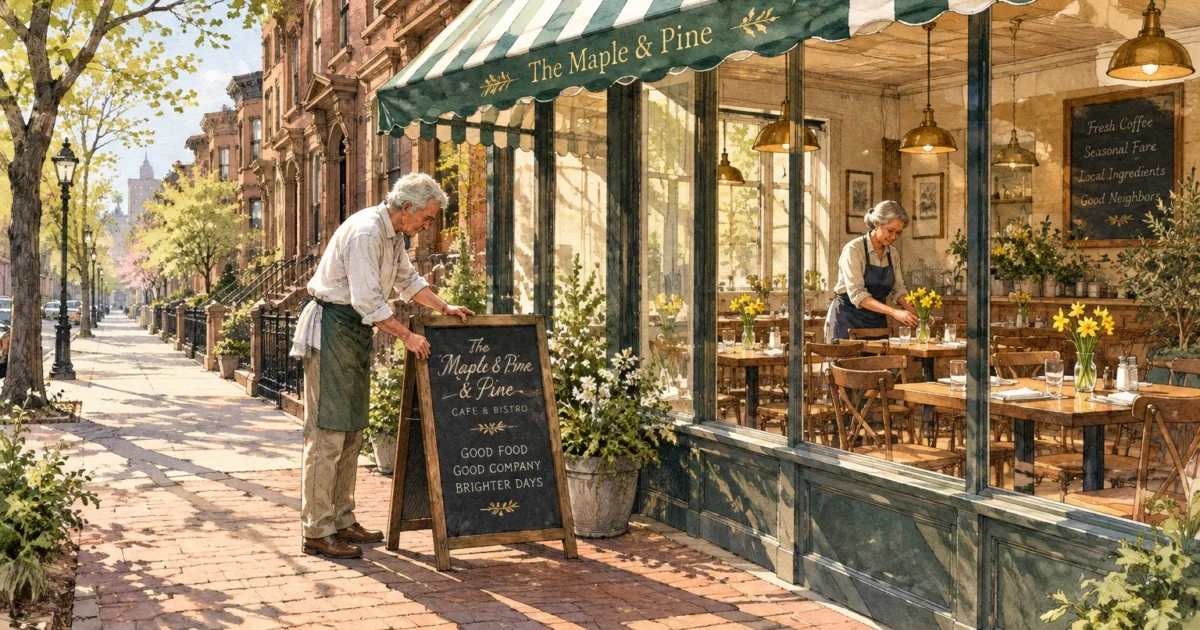
Finding flexible part-time restaurant work can instantly boost your retirement income while keeping your daily social life vibrant. Many local dining establishments actively seek dependable older adults who bring patience, warmth, and reliable communication to their teams.
Whether you want a steady routine or extra funds for travel, the hospitality industry offers varied roles that fit your lifestyle. You can choose daytime hours, connect with neighbors, and enjoy a fulfilling second act on your own terms.
Explore these practical opportunities to find a role that matches your personal schedule, physical comfort, and financial goals.

Tip #1: Welcoming Host or Hostess
Creating a Friendly First Impression
As a restaurant host, you serve as the welcoming face of the dining room. Your warm greeting sets an upbeat tone for every guest walking through the door.
This position allows you to channel your natural social grace without requiring heavy culinary labor. You manage incoming reservations, take phone inquiries, and guide diners smoothly to their tables.
Manageable Physical Pace
Hosting keeps you moving at a comfortable, steady pace. You stay lightly active on your feet, which supports cardiovascular wellness without causing undue physical fatigue.
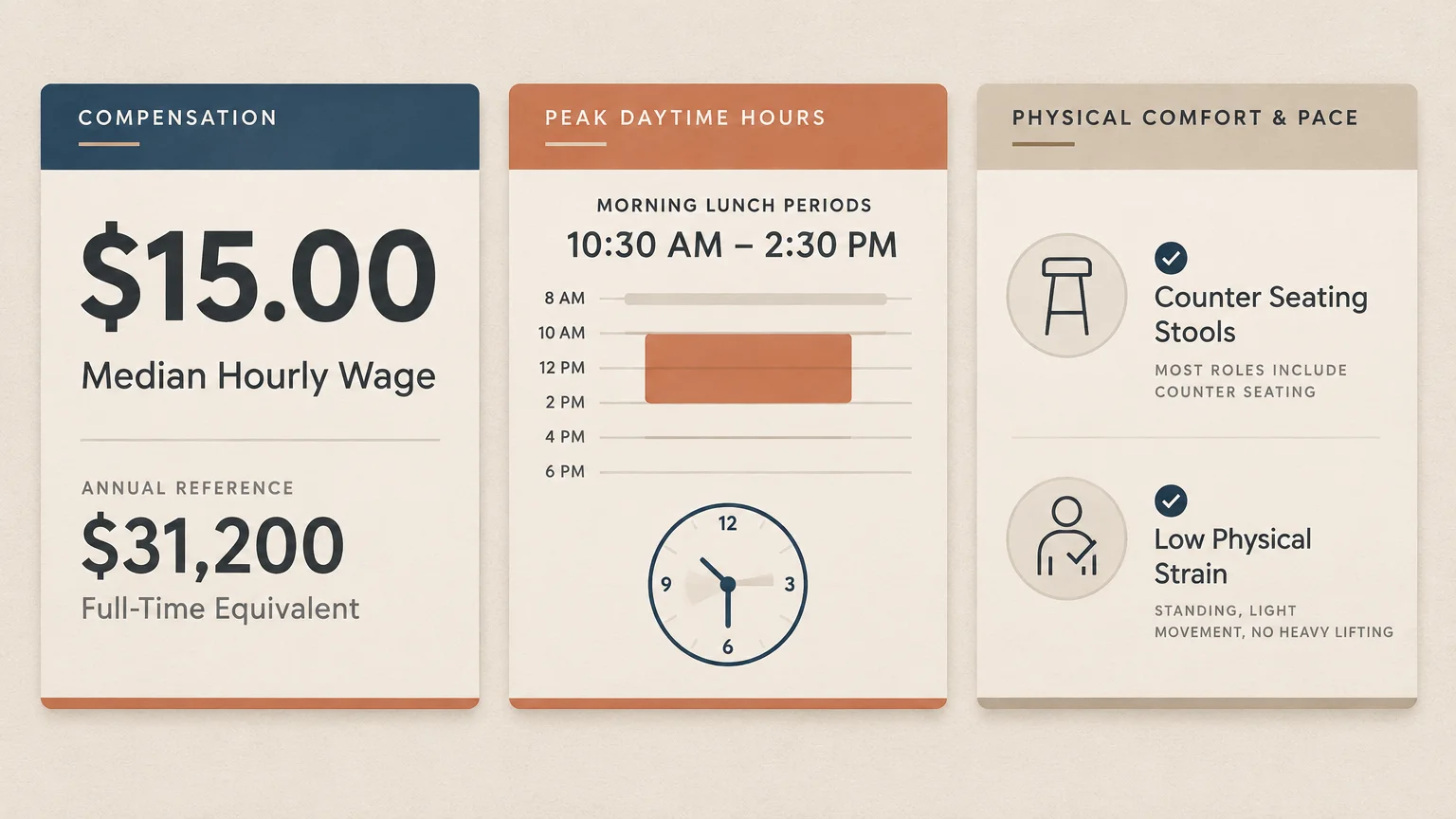
Most restaurants provide comfortable seating or tall stools at the reception stand. You can rest your legs between greeting arriving parties and organizing seating rotations.
Pay and Scheduling Flexibility
Official Bureau of Labor Statistics wage data indicates that hosts and hostesses earn a median pay of $15.00 per hour. That equals $31,200 annually for full-time schedules, though part-time arrangements are widely available.
You can easily target lunch shifts or early evening dinner services. These predictable hours let you return home early while avoiding chaotic late-night closing duties.
Key Action Steps for Aspiring Hosts
Highlight your organizational skills and courteous phone manner when applying for host positions. Restaurant managers prize dependable team members who remain calm during sudden rushes.
Familiarize yourself with digital seating systems like OpenTable or Resy before interviewing. Most platforms require simple tablet taps that you can easily master in an afternoon.
Bring a positive, smiling attitude to your interview to show managers how guests will feel under your care. Hospitality leaders hire personality and train technical tasks.

Tip #2: Morning Cafe Barista
Energizing Your Morning Routine
Working as a morning barista immerses you in the comforting aroma of freshly ground coffee and warm baked pastries. It provides an invigorating start to your day while surrounding you with friendly faces.
You will craft specialty espresso drinks, brew drip coffees, and manage counter orders. The work follows an enjoyable rhythm that turns beverage preparation into a creative, satisfying art form.
Connecting With Your Community
If you thrive on social interaction, a neighborhood cafe offers unmatched daily conversation. You will quickly learn the names, morning routines, and favorite beverages of local patrons.
These brief, cheerful interactions build meaningful community ties. You leave every shift feeling socially connected and energized by the pleasant chatter.
Wages and Morning Hours
Counter workers and baristas earn a median wage of $15.00 per hour, reflecting $31,200 annually for full-time schedules. Most coffee shops also distribute generous customer tips at the end of each shift.
Shifts typically start early, such as 6:00 AM or 7:00 AM, and finish before early afternoon. You finish your workday by lunchtime, leaving your afternoons open for personal passions and hobbies.
How to Excel Behind the Counter
Focus on memorizing drink recipes and operating the milk steamer safely during your training period. A calm, methodical approach will always keep the morning drink line moving smoothly.
Do not feel intimidated by commercial espresso machines; modern cafe equipment features intuitive digital interfaces and automated dosing that simplify the process.
Ask your manager for a fixed morning schedule of two or three days a week. Consistent shifts allow you to build genuine rapport with regular morning commuters.
Tip #3: Friendly Restaurant Cashier
Efficient Customer Service at the Counter
Fast-casual restaurants, delicatessens, and family diners rely heavily on front-counter cashiers to process orders accurately. You greet guests, record meal selections on a touch-screen monitor, and handle card or cash transactions.
Your life experience and calm temperament make customers feel valued and respected. Diners appreciate interacting with a mature worker who takes the time to ensure total order accuracy.
Massive Industry Demand
The Bureau of Labor Statistics projects an impressive 521,300 annual openings for cashiers across the nation between 2025 and 2035. Dining establishments constantly seek dependable staff to fill these vital positions.
Cashiers earn a median wage of $15.81 per hour, which equals $32,880 annually. Part-time positions often include employee meal discounts, giving your monthly personal grocery budget a welcome boost.
Manageable Physical Demands
Cashier roles generally keep you within a designated counter area rather than requiring miles of walking across large dining rooms. Anti-fatigue rubber mats behind registers provide cushioned comfort for your feet and joints.
You can request three-hour or four-hour shifts during peak lunch windows. This schedule provides consistent supplementary earnings without testing your physical stamina.
Practical Advice for New Cashiers
Invest in a pair of supportive, slip-resistant shoes to protect your lower back and knees. High-quality footwear makes standing at the counter feel comfortable throughout your shift.
Spend a few minutes during quiet periods familiarizing yourself with menu ingredients and allergy substitutions. Diners will appreciate your prompt answers when they ask about specific dish components.
Keep a pleasant, unhurried demeanor even when a small line forms. Guests appreciate patience and thorough service far more than hasty, error-prone interactions.
Tip #4: Early Shift Prep Cook
Working in a Peaceful Kitchen Setting
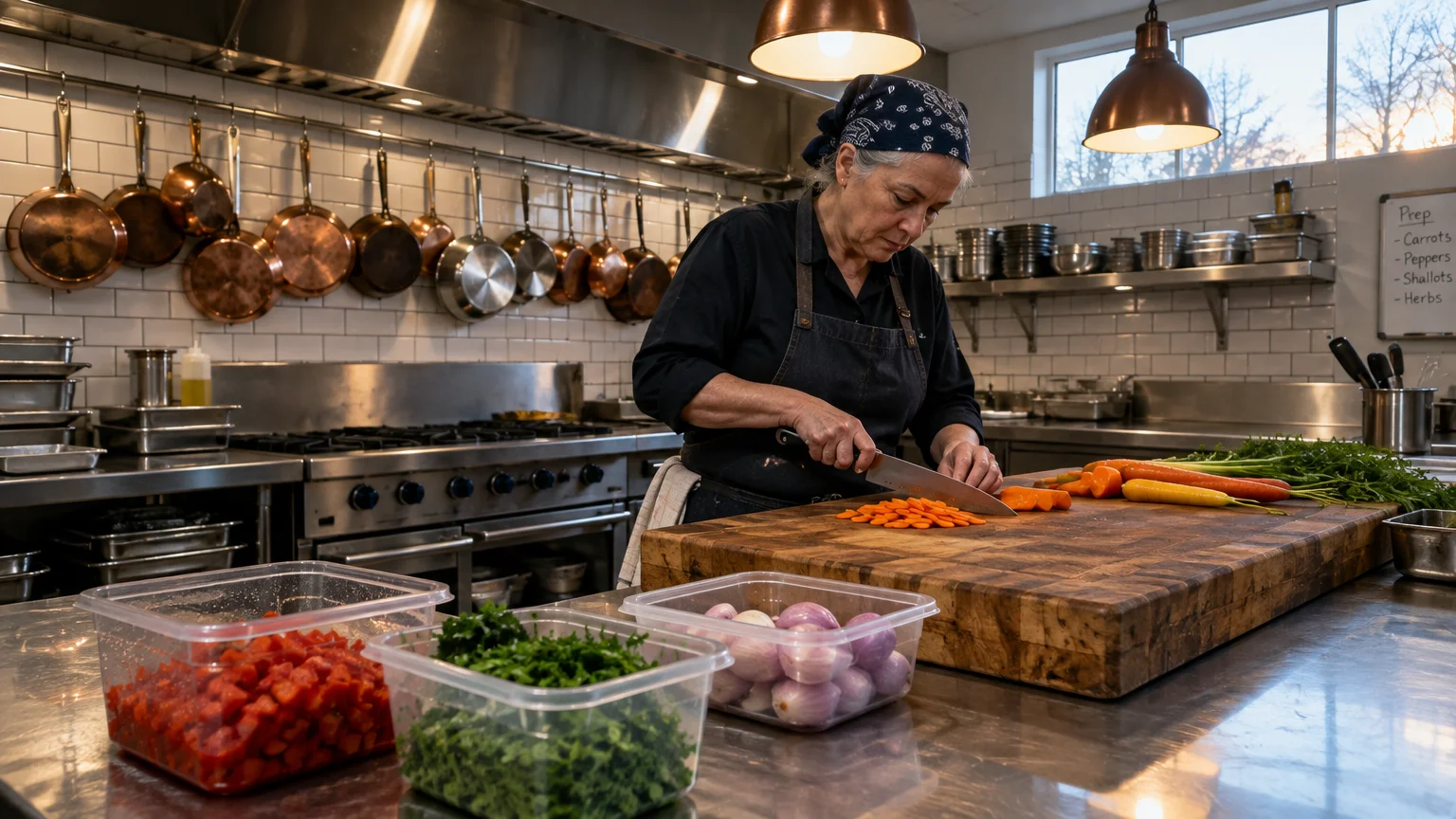
If you prefer working behind the scenes rather than serving the public, prep cooking provides an ideal setting. You spend your mornings slicing fresh vegetables, trimming meats, and preparing house sauces.
Prep cooks generally complete their duties in a quiet kitchen before the dining room opens for lunch. You can focus on straightforward culinary tasks without experiencing customer-facing pressure.
Steady Pay and Broad Opportunities
Prep cooks earn a median wage of $16.98 per hour, representing $35,320 annually for full-time schedules. The Bureau of Labor Statistics anticipates 135,700 annual openings for food preparation workers through 2035.
Executive chefs deeply value mature prep cooks because punctuality and consistency prevent costly kitchen delays. Your careful work ensures that the line cooks have every ingredient ready for service.
Required Certifications and Costs
Most local health departments require kitchen workers to hold an accredited Food Handler certification. Basic online ANAB-accredited courses cost only $7 to $20, such as $6.95 in Texas or $7.95 in California.
These convenient training programs cover critical food safety principles and cross-contamination prevention in a couple of hours. Many restaurant owners gladly reimburse this modest course fee upon your hire.
Strategies for Prep Kitchen Success
Focus on precision and uniform cuts rather than sheer speed. Kitchen leaders prize consistent vegetable dimensions and meticulous hygiene far more than rushed knife work.
Ask the kitchen manager for an organized prep sheet at the beginning of each workday. Ticking off completed culinary tasks gives you a satisfying sense of accomplishment.
Wear lightweight cut-resistant safety gloves while dicing and chopping. These protective kitchen accessories boost your confidence and keep your hands safe while prepping bulk vegetables.

Tip #5: Attentive Dining Room Server
Rewarding Income Potential
Serving tables remains one of the most financially rewarding front-of-house positions in dining. You present daily specials, enter orders, deliver hot entrees, and ensure patrons enjoy an outstanding meal.
Waiters and waitresses earn an overall median pay of $16.94 per hour, or $35,230 annually, which factors in reported customer tips. High-end lunch bistros and popular family diners often yield even greater hourly take-home pay.
Navigating Wage and Tipped Regulations
The federal tipped minimum wage sits at $2.13 per hour, though over 20 states mandate substantially higher baseline rates. Customer gratuities typically push your hourly earnings well beyond baseline standards during steady shifts.
Federal regulations require employers to pay the difference if your combined tips and direct cash wage fall below the federal minimum wage of $7.25 per hour. You always enjoy baseline financial protection.
High Industry Demand and Health Perks
The Bureau of Labor Statistics projects 423,100 annual job openings for servers through 2035. Ongoing hospitality demand ensures ample opportunities for reliable older workers seeking flexible weekly shifts.
Serving provides a brisk, low-impact aerobic workout as you move between tables and the kitchen. You can easily log several thousand healthy steps during a single lunch shift.
Practical Advice for Older Servers
Target lunch shifts rather than evening dinner services whenever possible. Lunch crowds typically dine more briskly, enabling you to finish early and enjoy restful evenings at home.
Utilize folding tray stands rather than holding heavy oval platters on your shoulder. Smart body mechanics protect your posture and keep your service smooth and elegant.
Cultivate a warm connection with your table bus team and kitchen expediter. A friendly, cooperative kitchen environment ensures your guests receive prompt, attentive care.
Tip #6: Morning Bakery Assistant
The Pleasures of Commercial Baking
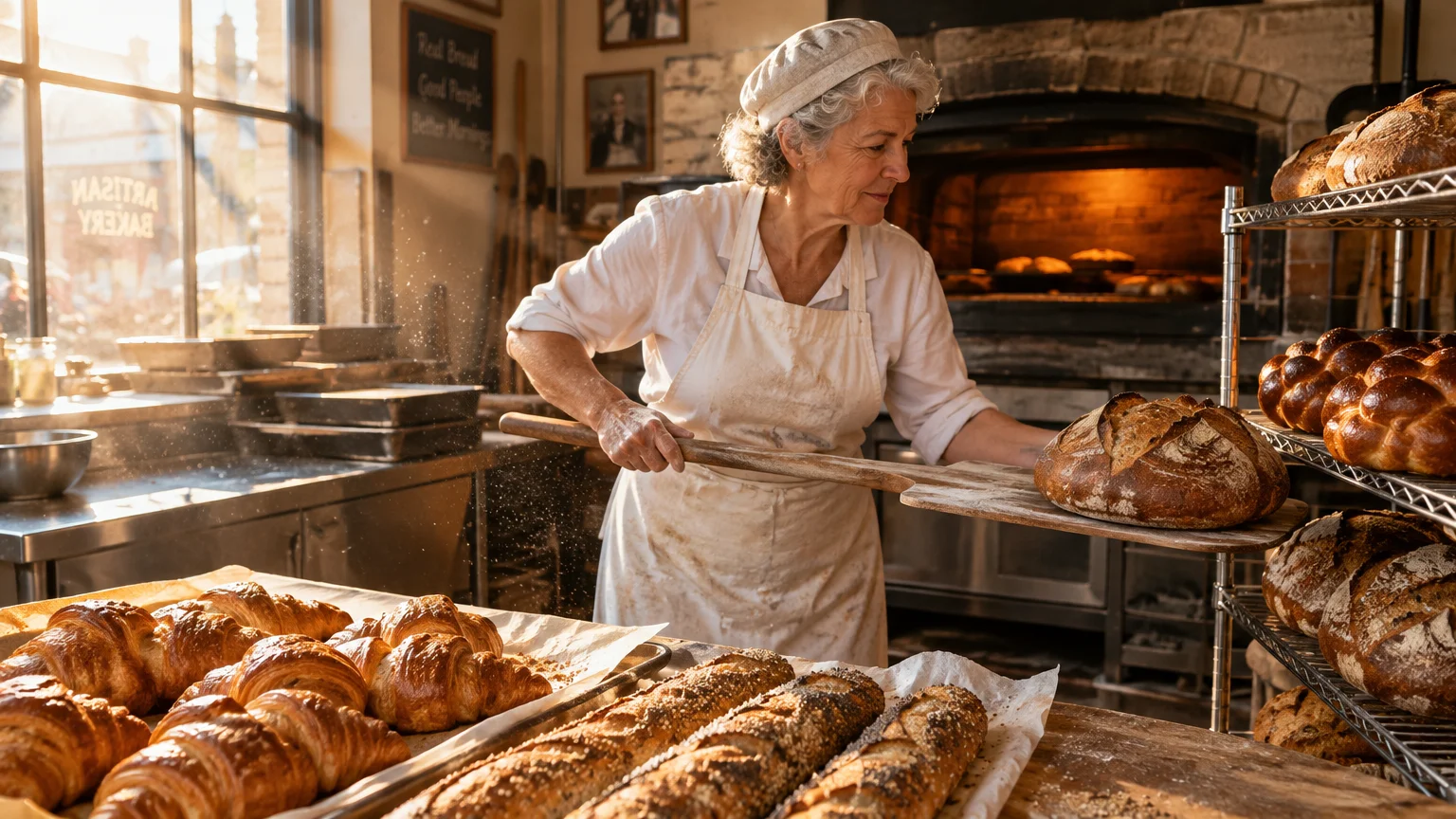
Working in a local retail bakery or bakery-cafe combines hands-on baking craft with quiet morning hours. You help measure ingredients, mix doughs, shape pastries, and package freshly baked artisan loaves.
The tactile rhythm of working with flour and yeast offers soothing, stress-relieving benefits. You watch simple ingredients bake into gorgeous, fragrant treats that bring delight to neighborhood customers.
Generous Wages and Delicious Perks
Bureau of Labor Statistics data shows that bakers earn a median wage of $17.87 per hour, which equates to $37,160 annually. This positions bakery positions near the top tier of culinary hourly earnings.
Bakery workers frequently enjoy substantial employee discounts on artisan breads, specialty cakes, and morning pastries. Bringing home gourmet baked goods provides a wonderful bonus for your family table.
Ideal Hours for Early Risers
Bakery shifts often begin in the quiet dawn hours, frequently between 4:00 AM and 6:00 AM. If you naturally awaken early, this timetable allows you to work without cutting into your daytime plans.
You finish your workday before midday arrives, leaving your afternoons wide open for relaxation, gardening, or grandchildren. Your daytime hours remain completely under your control.
Landing a Bakery Assistant Position
Share photos of your favorite homemade breads or pastries when speaking with local bakery owners. Demonstrating genuine culinary enthusiasm and attention to cleanliness will set your application apart.
Highlight your willingness to follow exact recipe formulas and weight measurements. Commercial baking requires strict scientific precision, making dependable, detail-oriented workers exceptionally valuable to head bakers.
Practice lifting moderate flour bags with your legs rather than your back. Maintaining proper lifting technique ensures your baking shifts remain comfortable and energizing.

Tip #7: Daytime Event or Casual Bartender
A Relaxed, Daytime Social Atmosphere
While late-night nightclub bartending can prove exhausting, daytime bartending offers a wonderfully civilized experience. You pour craft beers, mix iced spritzers, and serve wines to relaxed afternoon patrons.
Country clubs, hotel patios, golf course clubhouses, and banquet halls frequently employ daytime bartenders. These upscale settings attract courteous guests who appreciate charming service and pleasant conversation.
Strong Tipped Earnings
Bartenders earn a median pay of $16.51 per hour ($34,340 annually), with daytime banquet servers often making significantly more through event tip pools. Private gatherings offer excellent gratuities without late-night hassles.
Event venues often hire on-call bartenders for afternoon wedding receptions, anniversary banquets, and corporate luncheons. This setup lets you accept shifts when you feel like working and decline when you prefer time off.
Low Physical Strain and Tidy Workspaces
Daytime bartenders focus on slicing citrus garnishes, polishing glassware, and pouring beverages for guests. Dedicated bar backs or facility staff generally handle heavy keg moving and ice replenishment.
You spend your shift behind a tidy counter conversing with friendly patrons about travel, sports, and community events. It provides an enjoyable social pastime while providing steady supplemental income.
Helpful Steps for New Bartenders
Familiarize yourself with popular wine varietals and standard drink builds, such as a refreshing Tom Collins or classic Bloody Mary. Most daytime event guests prefer timeless, uncomplicated refreshments.
Check local regulations regarding responsible beverage server certification, such as TIPS or ServSafe Alcohol. These straightforward training modules educate you on safe alcohol service and enhance your resume.
Maintain an organized, dry workstation to keep your service area safe and spotless. A tidy bar allows you to fulfill drink orders quickly and calmly.
Tip #8: Daytime Line Cook or Breakfast Chef
The Thrill of Morning Griddle Cooking
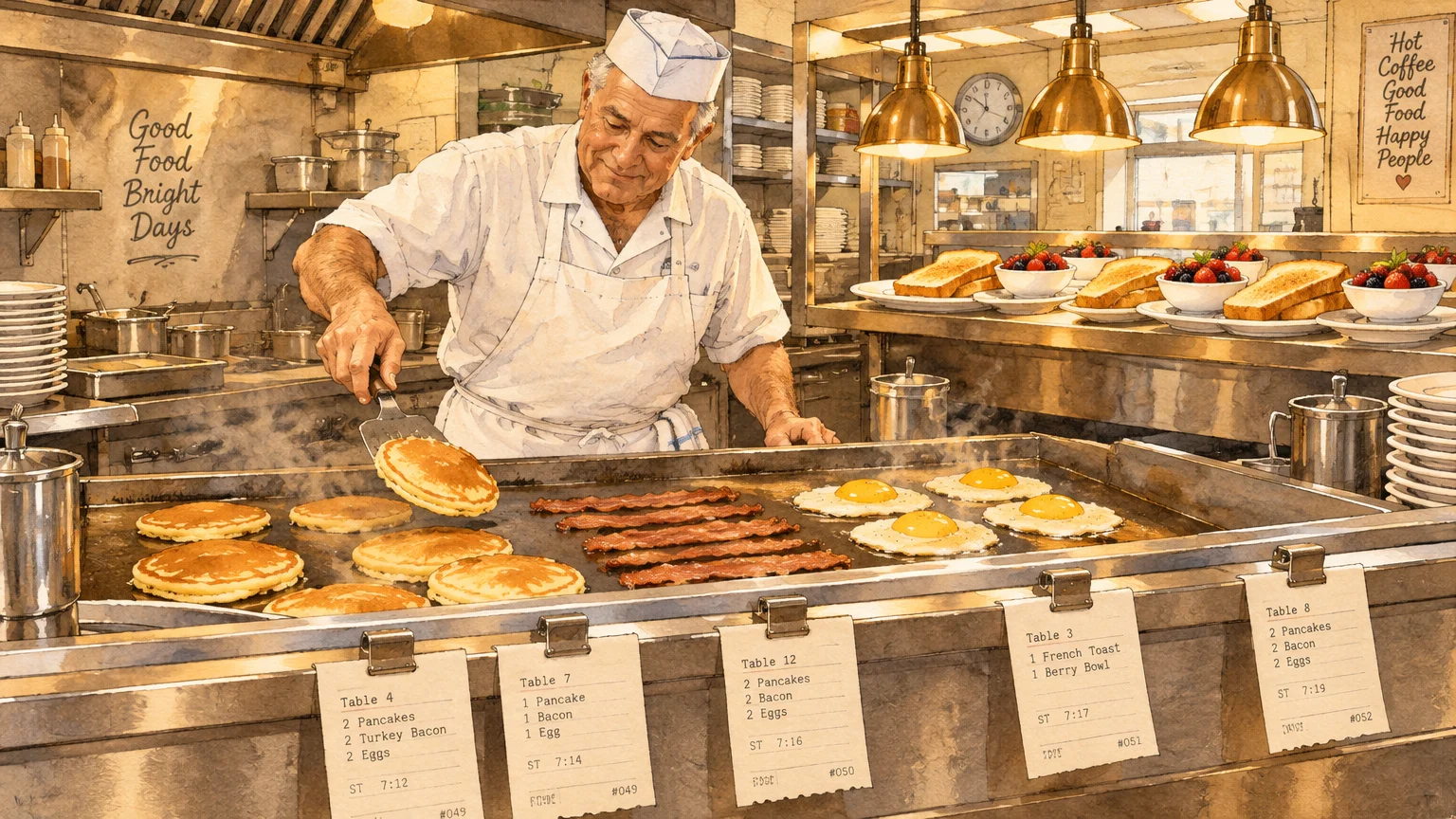
If you love the aroma of sizzling bacon and fresh pancakes, short-order line cooking offers deep satisfaction. You prepare golden hash browns, flip fluffy omelets, and toast artisanal brunch sandwiches.
Diners and breakfast cafes value mature cooks who remain calm when order tickets start stacking up. Your emotional steadiness brings reassurance and focus to the entire kitchen line.
Competitive Hourly Wages
Restaurant cooks earn a median wage of $17.62 per hour, which equals $36,640 annually for full-time work. Talented breakfast cooks who demonstrate reliable attendance can frequently negotiate higher starting wages.
Managing multiple breakfast pans exercises your executive function and spatial coordination. This brisk culinary coordination provides an engaging mental workout that keeps your mind agile.
Daylight Schedules That Fit Your Life
Most dedicated breakfast cafes close their kitchens by 2:00 PM or 3:00 PM. Working early daytime hours means you avoid dark commutes and irregular sleep patterns.
You complete your shift with your entire evening available for quiet dining and family activities. This predictable timetable promotes excellent sleep hygiene and healthy daily habits.
Actionable Cooking Advice
Master your pan temperature control to cook tender eggs without browning or sticking. Proper heat management makes breakfast preparation smooth, rapid, and visually appealing.
Communicate proactively with your prep team and expediter during busy weekend rushes. Friendly teamwork and positive reinforcement turn intense rushes into exhilarating culinary successes.
Keep a clean side towel and sanitize your prep surfaces between tickets. Clean workspaces keep food flavors distinct and ensure sanitary standards remain spotless.
Tip #9: Shift Supervisor or Food Service Lead
Putting Your Life Experience to Work
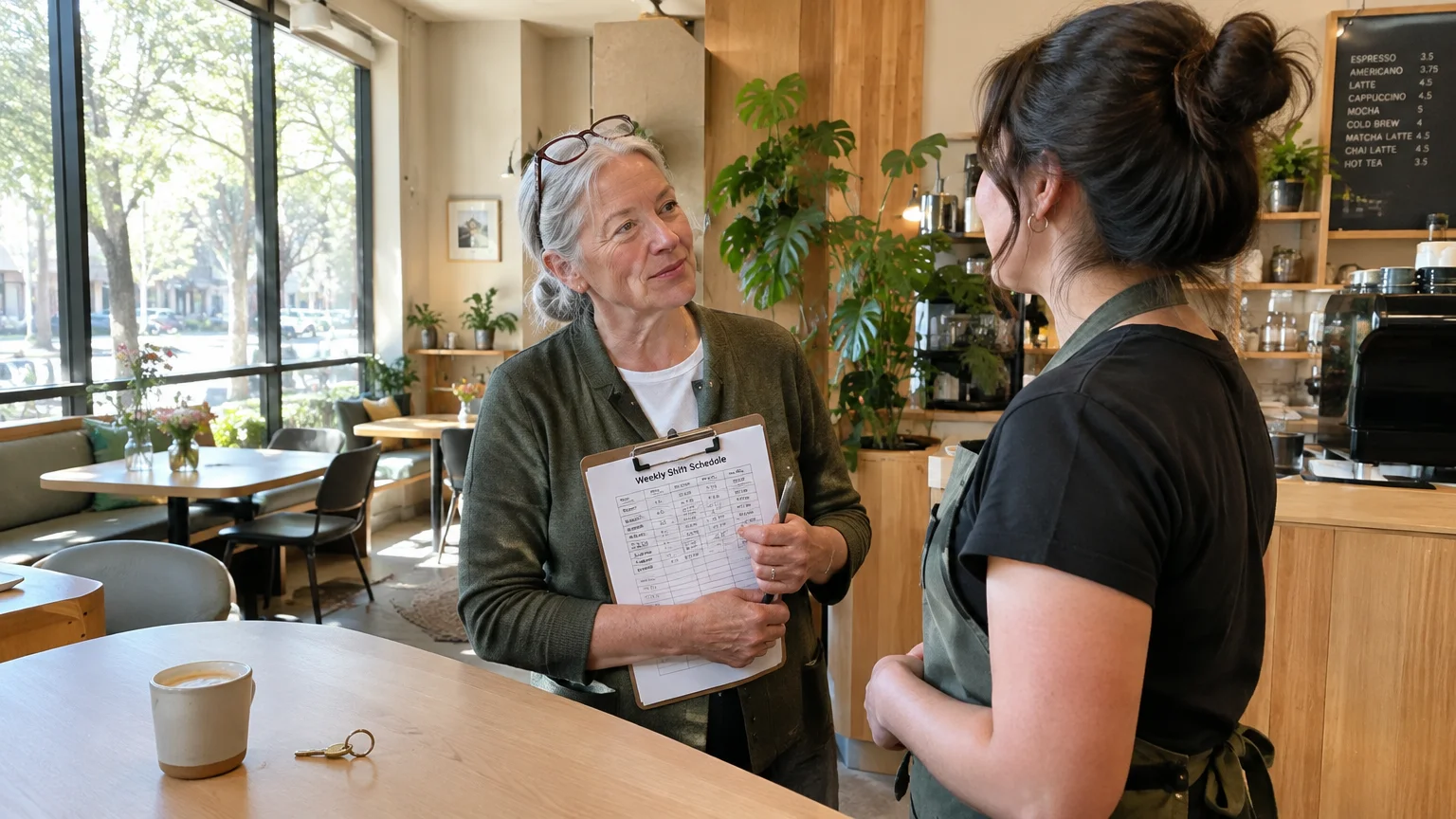
Your accumulated life wisdom and professional background make you a standout candidate for part-time supervisory roles. Fast-casual dining rooms and cafes regularly recruit older adults to guide floor teams and maintain service standards.
You do not need fifty-hour workweeks to serve as a food service lead. Many restaurant owners gladly schedule mature supervisors for targeted twenty-hour weekly shifts during high-traffic lunch hours.
Substantial Leadership Pay
According to Bureau of Labor Statistics data, food service managers earn a median wage of $33.36 per hour ($69,390 annually). Even part-time team leads command competitive hourly pay above typical entry-level rates.
Supervisors oversee opening cash floats, verify sanitation logs, and resolve occasional customer service hiccups. These supervisory responsibilities keep your strategic planning and leadership faculties sharp.
Inspiring and Mentoring Younger Staff
A deeply gratifying aspect of food service leadership is guiding younger crew members. You can model punctuality, active listening, and calm problem-solving for teenagers and young adults navigating their first jobs.
Your youthful colleagues will appreciate your patient advice and supportive encouragement. These intergenerational bonds bring joy to your work and establish a family-like atmosphere.
Credentials That Boost Your Prospects
Earning a recognized Food Safety Manager certification will quickly elevate your supervisory credentials. These comprehensive credentials cost between $65 and $160 and validate your understanding of public health rules.
Showcase your prior career history in project management, team training, or administrative coordination during interviews. Restaurant owners recognize that strong leadership traits transfer seamlessly across diverse careers.
Lead with empathy and clear expectations when guiding your team through a shift. A calm, supportive supervisor brings out the finest performance in every kitchen and dining room crew.

The Takeaway: Living a More Blissful Retirement
Stepping into a part-time restaurant role can revitalize your retirement with purpose, engaging social contact, and reliable supplemental income. You maintain complete control over your schedule while making valuable contributions to your local dining community.
The restaurant industry is experiencing massive hiring demand that welcomes your mature reliability. The Bureau of Labor Statistics projects that food preparation and serving occupations will generate 2.4 million job openings annually between 2025 and 2035.
Within this broad sector, food and beverage serving positions alone will provide 1,078,500 annual openings. Restaurant operators actively seek mature, dependable workers who show up on time with a warm attitude.
If you collect Social Security benefits in 2026, keep annual income thresholds in mind. Retirees under Full Retirement Age can earn up to $24,480 ($2,040 per month) without benefit reductions.
If you reach Full Retirement Age during 2026, you can earn up to $65,160 ($5,430 per month) in the months before reaching your milestone. Once you attain Full Retirement Age, all earnings limits vanish completely.
Full Retirement Age is 66 years and 10 months for those born in 1959, and 67 for those born in 1960 or later. Reaching this milestone allows you to earn unlimited wages without any offset to your monthly benefit checks.
Federal law also protects your workplace rights. The Age Discrimination in Employment Act safeguards applicants aged 40 and older against age bias at businesses with 20 or more employees.
Select the role that brings joy to your spirit, whether greeting regulars as a host or preparing artisan treats as a baker. Embrace this uplifting chapter of active, engaged living with confidence.
Frequently Asked Questions
How do part-time restaurant wages affect my Social Security in 2026?
If you have reached Full Retirement Age, you can earn unlimited part-time wages without any reduction to your Social Security benefits. Full Retirement Age is 66 years and 10 months for individuals born in 1959, and 67 for those born in 1960 or later.
For retirees under Full Retirement Age for all of 2026, the annual earnings limit is $24,480 ($2,040 monthly). The Social Security Administration deducts $1 from benefits for every $2 earned above that cap.
If you attain Full Retirement Age during 2026, you can earn up to $65,160 prior to your birthday month. In that scenario, only $1 is deducted for every $3 earned beyond the threshold.
Are older workers legally protected from age discrimination when applying?
Yes, older job applicants receive strong federal protections under the Age Discrimination in Employment Act. This landmark legislation safeguards workers aged 40 and older from age-related discrimination in hiring, compensation, and scheduling.
The law applies to all private employers, employment agencies, and labor organizations with 20 or more employees. Restaurant operators value maturity, punctuality, and emotional composure, making older adults highly sought-after hires.
How can I protect my joints and feet during restaurant shifts?
Invest in high-grade, slip-resistant footwear featuring firm arch support and cushioned insoles. Quality supportive shoes prevent joint strain and keep you moving comfortably throughout your shift.
Request shifts that feature anti-fatigue floor mats or provide opportunities to sit periodically. Staying hydrated and performing gentle calf stretches before each shift will also maintain joint flexibility.
Do I need a food safety certification before I can get hired?
Many states and counties require basic Food Handler cards for workers handling food, though you usually have thirty days after hiring to complete the course. Online ANAB-accredited courses cost just $7 to $20, such as $6.95 in Texas or $7.95 in California.
If you pursue a supervisory position, you may need a Food Safety Manager certification, which costs between $65 and $160. Many restaurant employers cover these testing costs for committed team members.
For a wide range of resources for older adults, visit AARP and the National Council on Aging (NCOA). Health information is available from the National Institute on Aging.
Disclaimer: This article is for informational and inspirational purposes only. It is not a substitute for professional medical, financial, or psychological advice. Please consult with a qualified expert for guidance tailored to your individual needs.