

You can save hours of frustration by discovering exactly which tasks federal agents cannot handle over a telephone call. Knowing these clear boundaries empowers you to manage your retirement benefits smoothly and with complete confidence.
While a phone representative can answer standard questions, federal regulations protect your identity by requiring in-person visits or digital tools for sensitive actions.
Understanding these official rules helps you avoid unnecessary hold times and protects your financial peace of mind. Here are the crucial limitations you must know to navigate your golden years with ease.
Tip #1: Verifying Original Documents and Identity Records
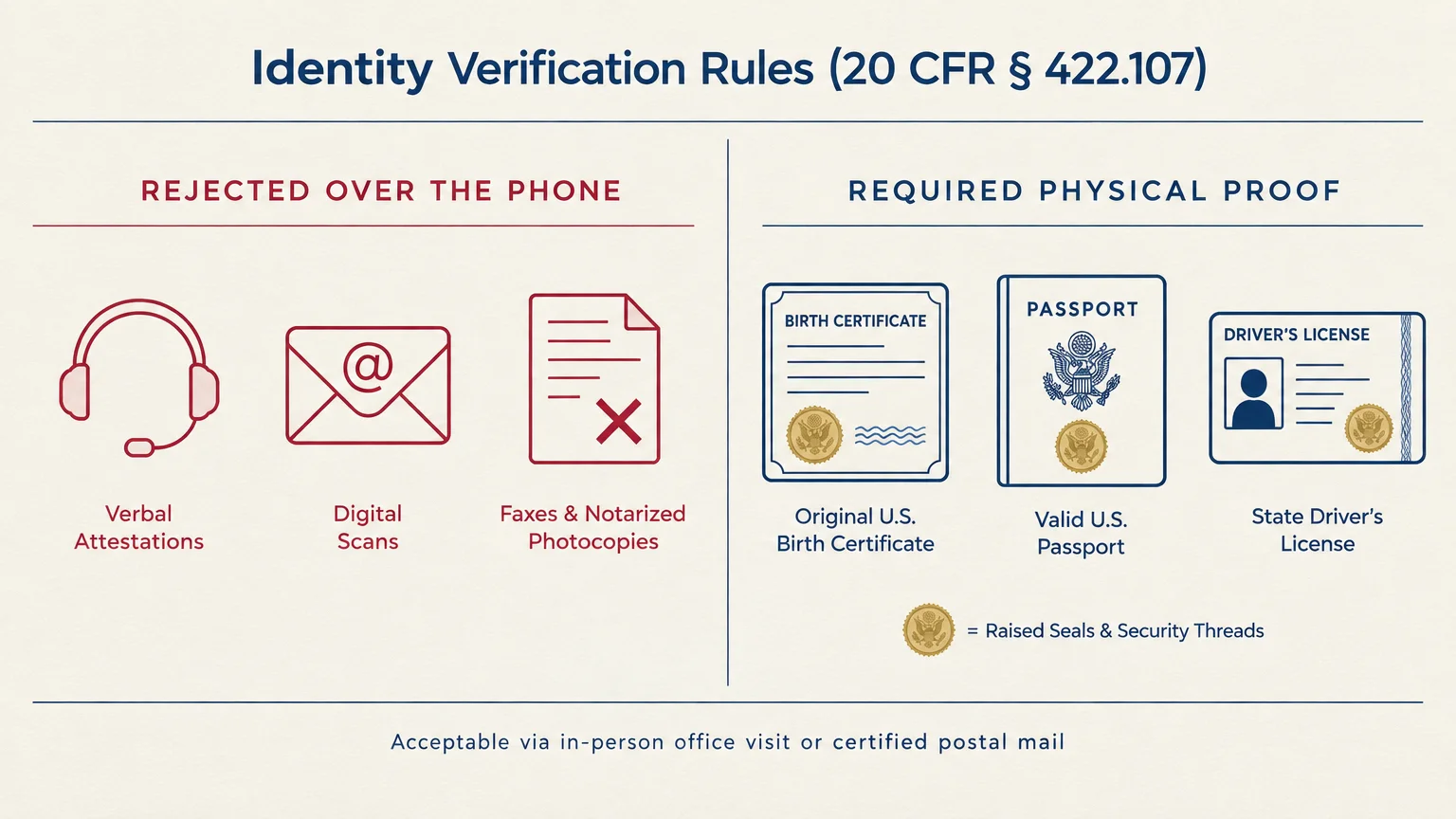
When you contact Social Security by phone, agents can answer general questions about your record. However, representatives cannot verify your citizenship or identity documents over a voice call.
Federal regulations under 20 CFR § 422.107 strictly prohibit staff from accepting verbal attestations. The law protects your identity by requiring verifiable, physical proof.
You cannot read document numbers aloud or email digital scans during a call. The agency also rejects faxes and notarized photocopies for identity verification.
Instead, you must present original documents or certified copies issued by the creating agency. You can deliver these papers during a scheduled Social Security office visit or through the mail.
Common acceptable records include your official U.S. birth certificate, valid passport, or state-issued driver’s license. Agents examine the physical paper, security threads, and raised seals directly.
Storing your vital certificates together in a secure home lockbox saves time when appointments arise. You will always know where to find your essential paperwork.
Preparing your vital paperwork creates an organized foundation for your retirement years. It also gives you total peace of mind whenever you manage your public benefits.
Knowing these requirements in advance saves you from unnecessary phone queues and repeated follow-ups. You can complete your business cleanly in a single, well-prepared step.
Tip #2: Handing You a Physical Social Security Card Instantly
You might need a replacement card to start a new job or update financial accounts. However, customer service representatives cannot print or hand you a card over the phone.
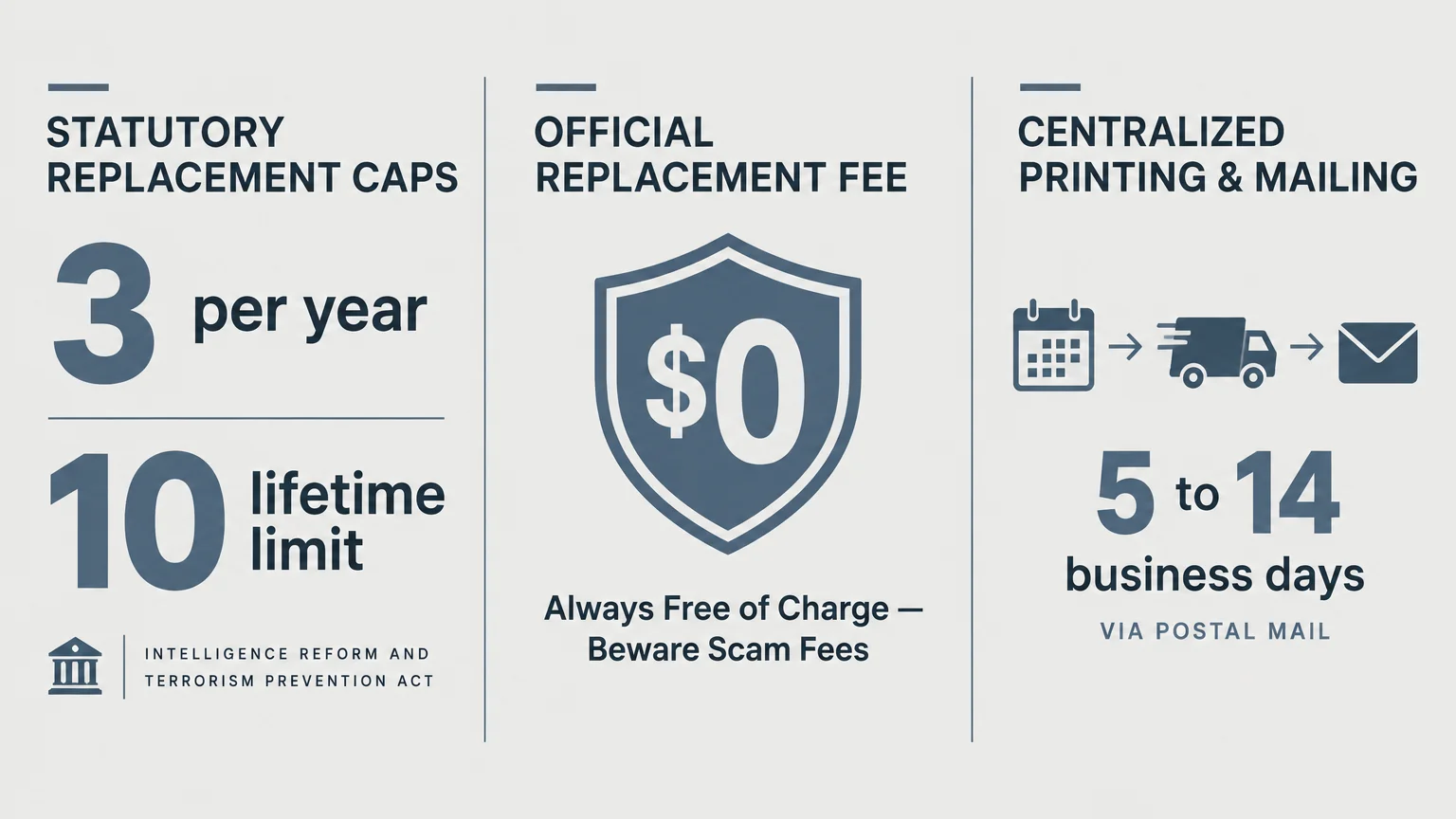
The agency prints all physical cards through secure, centralized printing facilities. After agents verify your paperwork, your new card arrives by postal mail.
Delivery typically takes between 5 to 14 business days. Representatives cannot expedite this shipping process during your phone conversation.
Furthermore, federal law under the Intelligence Reform and Terrorism Prevention Act establishes strict replacement caps. You can receive a maximum of 3 replacement cards per year.
The law also enforces a lifetime limit of 10 replacement cards. Fortunately, legal name changes and citizenship updates do not count toward these statutory caps.
Keep in mind that authentic card replacements cost exactly $0. If someone on the phone requests a fee to issue your card, hang up immediately.
In many daily situations, you rarely need to carry the physical paper card anyway. Memorizing your nine-digit number or noting it securely often satisfies most administrative requests.
You can check the status of your card safely through your online account. This transparent process keeps your vital credentials protected throughout your retirement.

Tip #3: Updating Direct Deposit Information Without Multi-Factor Authentication
Safeguarding your monthly income remains a top priority for federal administrators. For this reason, representatives cannot modify your direct deposit bank information strictly over the telephone.
Under updated anti-fraud guidelines, callers must pass rigorous multi-factor authentication before agents update banking details. This security barrier stops identity thieves from diverting your retirement funds.
To approve a telephone update, you must generate a one-time passcode through your personal my Social Security account. You then provide that secure code directly to the representative.
If you cannot authenticate your identity electronically, the phone agent must stop the transaction. You must then schedule a Social Security in person appointment at your local office.
Bringing a valid government photo ID and a voided check solves the issue smoothly. Agents will review your credentials and update your payment routing without delay.
Updating your bank account online through the official portal provides an easy alternative. You can complete the process from your home computer without dialing customer service.
These robust precautions may feel inconvenient, yet they guard your hard-earned pension. Your financial security remains intact so you can enjoy your golden years worry-free.
Taking a few extra minutes to verify your bank details ensures your benefit arrives reliably each month. You can sleep soundly knowing your retirement nest egg stays fully protected.

Tip #4: Finalizing Legal Name Changes on Your Record
Life brings wonderful transitions, such as marriage or retirement celebrations. Yet when your legal name changes, you cannot complete the update over the telephone.
Agents cannot accept your word or verbal confirmation to change the name on your Social Security record. Federal guidelines demand primary, certified legal documentation for every modification.
You must present original documents, such as a certified marriage certificate, divorce decree, or court-ordered name change certificate. Photocopies and digital snapshots are never acceptable.
You can submit these vital documents through certified mail or during an in-person appointment. The agency inspects the official stamps and seals before issuing your updated card.
Updating your legal name properly ensures your Medicare coverage and benefit checks match your legal records. Taking this step promptly prevents annoying payroll and banking disruptions later.
Keeping your identification uniform across all government systems makes personal travel and healthcare visits effortless. It spares you endless administrative confusion down the road.
Once the agency updates your record, your new card arrives in the mail within two weeks. You can then celebrate your new life chapter with complete confidence.
Embrace this administrative milestone as a positive step toward keeping your golden years organized. Every updated document represents another milestone in your ongoing journey.
Tip #5: Demanding Immediate Payments or Wire Transfers
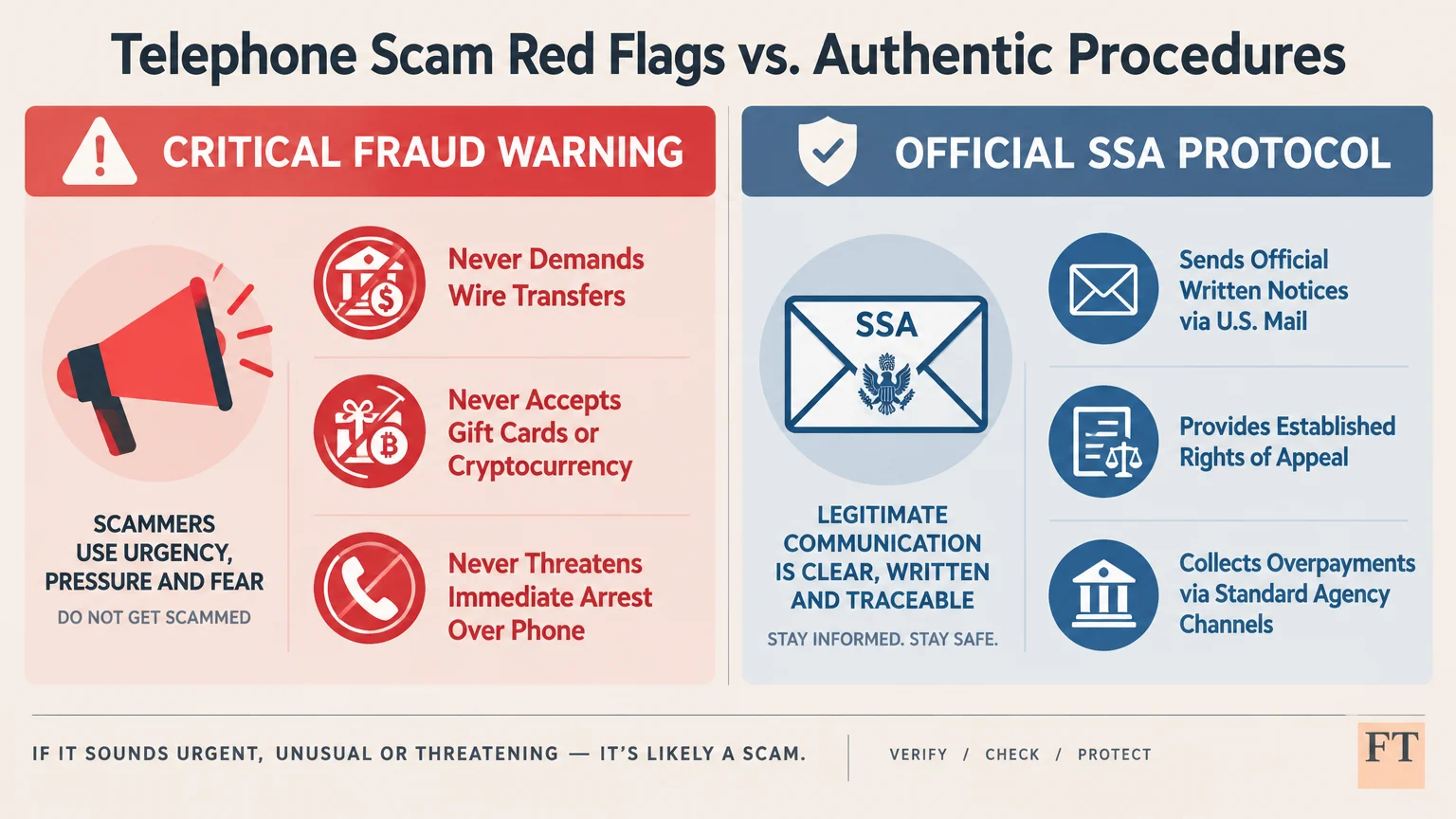
Scammers frequently impersonate government workers to exploit retirees and seniors. Fortunately, genuine agency representatives will never demand immediate payment over the telephone.
Legitimate employees cannot ask for money transfers using gift cards, cryptocurrency, or wire services. Federal regulations prohibit staff from requesting these untraceable payment methods.
In addition, official representatives will never threaten you with immediate arrest or asset seizure. They cannot legally suspend your benefits during an unexpected telephone call.
If you ever owe an overpayment or administrative debt, the agency contacts you by official postal mail. That formal notice clearly outlines your due process and appeal rights.
Understanding these social security phone limitations shields your retirement savings from deceitful predators. You hold the power to protect your financial independence.
Always verify unexpected callers by hanging up and calling the official hotline directly. Taking control of the conversation stops criminal schemes right in their tracks.
If a suspicious caller makes aggressive threats, remain calm and disconnect the call. Report the incident directly to the Office of the Inspector General to protect other seniors.
Sharing scam warnings with your friends and neighbors builds a safer community for everyone. Knowledge remains your strongest shield against financial deception.
Tip #6: Guaranteeing Walk-In Appointments at Your Local Office
In previous years, seniors could visit their neighborhood field office whenever questions arose. However, agency policies have modernized how offices handle community visits.
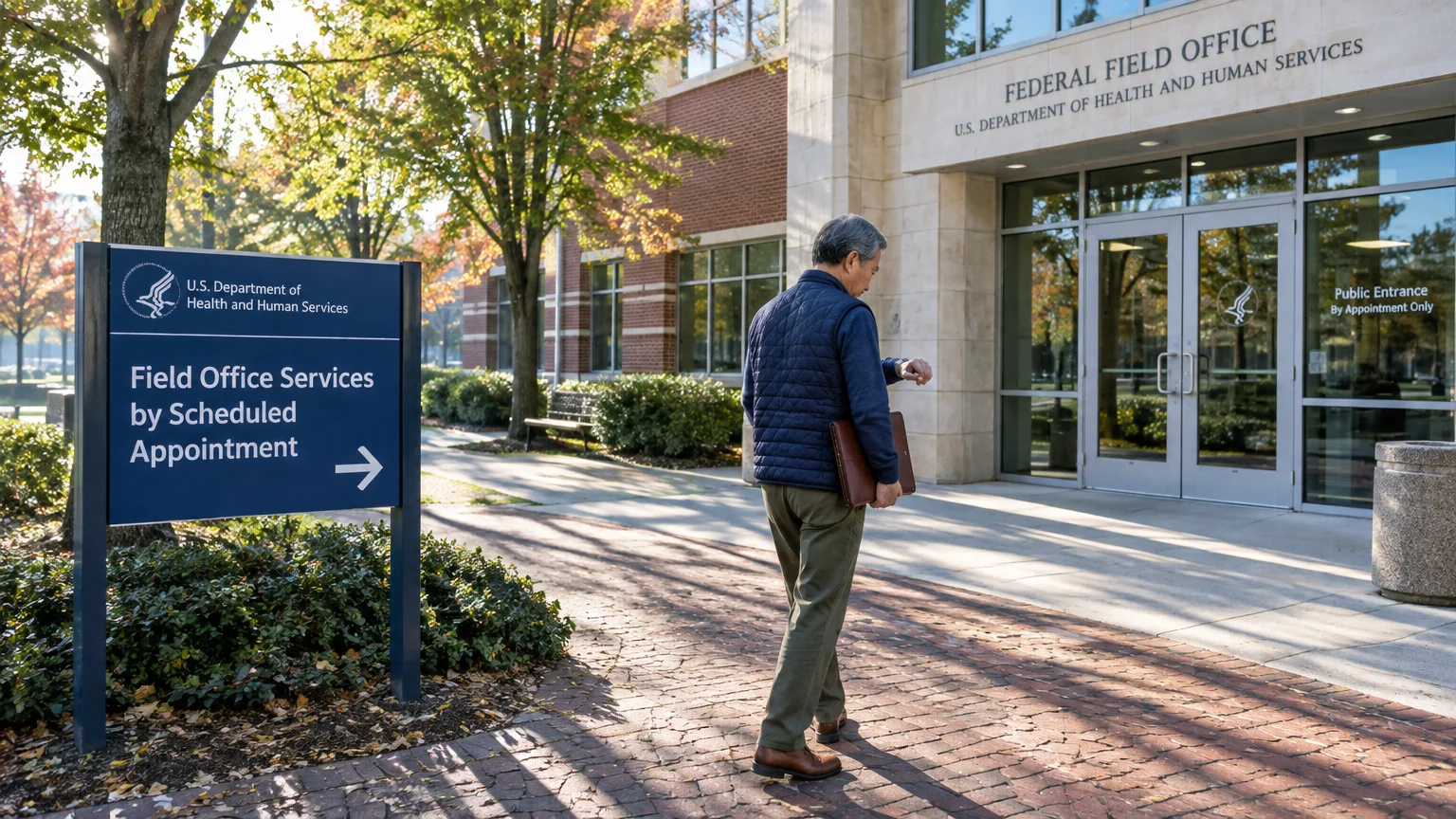
Starting January 6, 2025, the agency implemented a nationwide appointment mandate for most field office visits. Telephone representatives cannot guarantee service if you arrive without a reserved time slot.
Walk-in services now apply only to rare situations, such as dire financial emergencies or severe vulnerability. For standard card replacements and benefit applications, you must schedule ahead.
When you contact Social Security by phone, agents can help you book a formal time slot. This system reduces crowded lobbies and drastically shortens your waiting room experience.
You can reach the national helpline at 1-800-772-1213, Monday through Friday, from 8:00 a.m. to 7:00 p.m. local time. Live agents can locate your nearest office and secure your booking.
TTY users can connect using the dedicated support number at 1-800-325-0778 during the same operating hours. Automated telephone services also run around the clock for basic informational requests.
Scheduling ahead guarantees that a knowledgeable representative dedicates focused time to your specific needs. Your visit becomes efficient, productive, and completely stress-free.
Treat your scheduled appointment like a friendly consultation that keeps your retirement plans flourishing. Preparedness transforms a government errand into a quick, positive task.

Tip #7: Resolving Complex Disability Medical Reviews Solely by Voice
Applying for disability benefits or undergoing a Continuing Disability Review requires extensive medical substantiation. Telephone agents cannot complete these complex medical evaluations over a simple call.
A phone representative can collect basic personal information and intake forms. However, state Disability Determination Services examiners must evaluate your formal clinical evidence.
Examiners require comprehensive medical records, diagnostic test results, and formal statements from treating physicians. You cannot convey clinical details through telephone conversations alone.
In some circumstances, the agency may schedule a consultative medical examination with an independent physician. That hands-on evaluation provides objective data regarding your functional limitations.
You can track your claim status and upload digital medical documents through your online portal. This combination of digital tools and clinical reviews ensures a fair, objective evaluation.
Maintaining an ongoing dialogue with your medical team helps ensure that doctor notes reflect your daily capabilities. Clear clinical notes provide the evidence adjudicators need to evaluate your situation.
Staying proactive with your doctor helps build a complete, detailed record for the examiners. Your thorough preparation moves your claim forward with greater speed and clarity.
Embracing patience during this detailed process allows examiners to review your health circumstances thoroughly. You can feel proud of taking organized steps to secure the care you deserve.
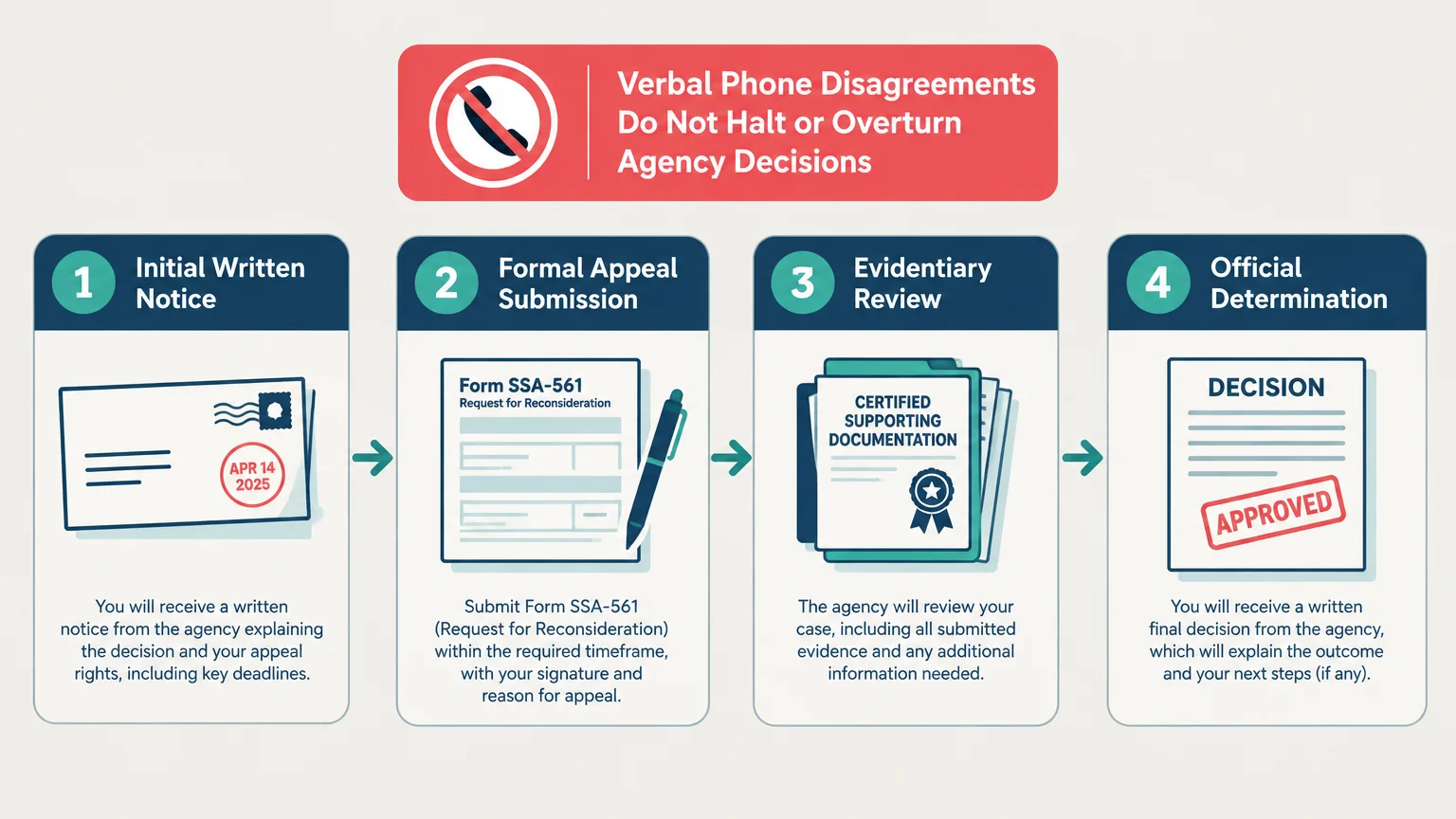
Tip #8: Overturning Benefit Decisions Without Written Documentation
If you disagree with an official benefit calculation or eligibility ruling, you have rights. However, telephone agents cannot overturn an administrative decision based on a phone complaint.
Agency rules require a formal, written appeals process with strict procedural timelines. You generally have 60 days from the date of your notice to file an appeal.
The appeals process includes distinct stages: Reconsideration, a hearing before an Administrative Law Judge, and the Appeals Council. Each level demands clear factual evidence and official forms.
While a phone agent can explain the reasons behind a decision, they cannot modify the determination. You must submit Form SSA-561 or complete your appeal through the agency’s website.
Submitting written documentation establishes a permanent, verifiable legal record for your case. It ensures impartial adjudicators examine your facts fairly and thoroughly.
Keeping detailed copies of all correspondence, postal receipts, and submission dates protects your appeal. A tidy binder of records gives you clarity and structure throughout the review.
Taking charge of your appeal gives you control over your financial destiny. You can advocate for your rightful benefits calmly, methodically, and successfully.
Remember that many seniors navigate appeals successfully by remaining persistent and organized. You possess the resilience and determination to resolve any administrative hurdle that arises.

The Takeaway: Living a More Blissful Retirement
Navigating federal programs becomes simple and rewarding when you know the rules of the road. Understanding what phone agents can and cannot do saves you countless hours of stress.
With modern online portals and scheduled visits, you can manage your retirement affairs with poise. You deserve a smooth, dignified experience every time you interact with public agencies.
Take advantage of available tools, keep your original documents secure, and advocate for yourself. Embracing these practical steps frees your energy for the hobbies, passions, and loved ones you cherish.
Retirement offers an extraordinary opportunity to savor life, explore new interests, and celebrate your achievements. Ensuring your administrative affairs remain organized supports that carefree lifestyle.
Your golden years represent a wonderful season of joy, purpose, and personal growth. By mastering your public benefits, you build a solid foundation for a bright, worry-free future.
Step forward with enthusiasm knowing you hold the tools and knowledge to handle any government inquiry. Your peaceful, fulfilling retirement is well within your grasp.
Frequently Asked Questions
What is the best time of day to contact Social Security by phone?
Call early in the morning between 8:00 a.m. and 9:00 a.m., or later in the afternoon. Calling Tuesday through Friday typically results in shorter wait times than calling on Mondays.
Mid-month days also tend to see lower call volumes than the first week of the month. Planning your call during these calmer windows makes your experience much faster.
How long do phone callers typically wait for a representative?
Published average telephone wait times range from 7 to 16 minutes during normal volume periods. However, during peak surge hours, automated callback queues can exceed an hour.
Choosing the automated callback feature lets you go about your day without staying glued to your handset. Representatives will call your number once your spot in line arrives.
Can I handle all Social Security services online instead of calling?
Most routine tasks are available online, including estimating retirement benefits and checking application statuses. You can also view your complete earnings record anytime through your personal profile.
However, name changes and original document verifications still require an office visit or postal mail. Combining online services with occasional in-person visits offers the greatest efficiency.
Does Social Security charge fees for phone support or replacement cards?
The agency never charges fees for customer assistance, benefit applications, or replacement Social Security cards. Official card issuances are always completely free under federal law.
Beware of private companies or telephone callers asking for payment to process your paperwork. You can access every legitimate government service directly without spending a penny.
For a wide range of resources for older adults, visit AARP and the National Council on Aging (NCOA). Health information is available from the National Institute on Aging.
Disclaimer: This article is for informational and inspirational purposes only. It is not a substitute for professional medical, financial, or psychological advice. Please consult with a qualified expert for guidance tailored to your individual needs.