
Sign #1: You Are the First Contact for Every Medical Update and Emergency
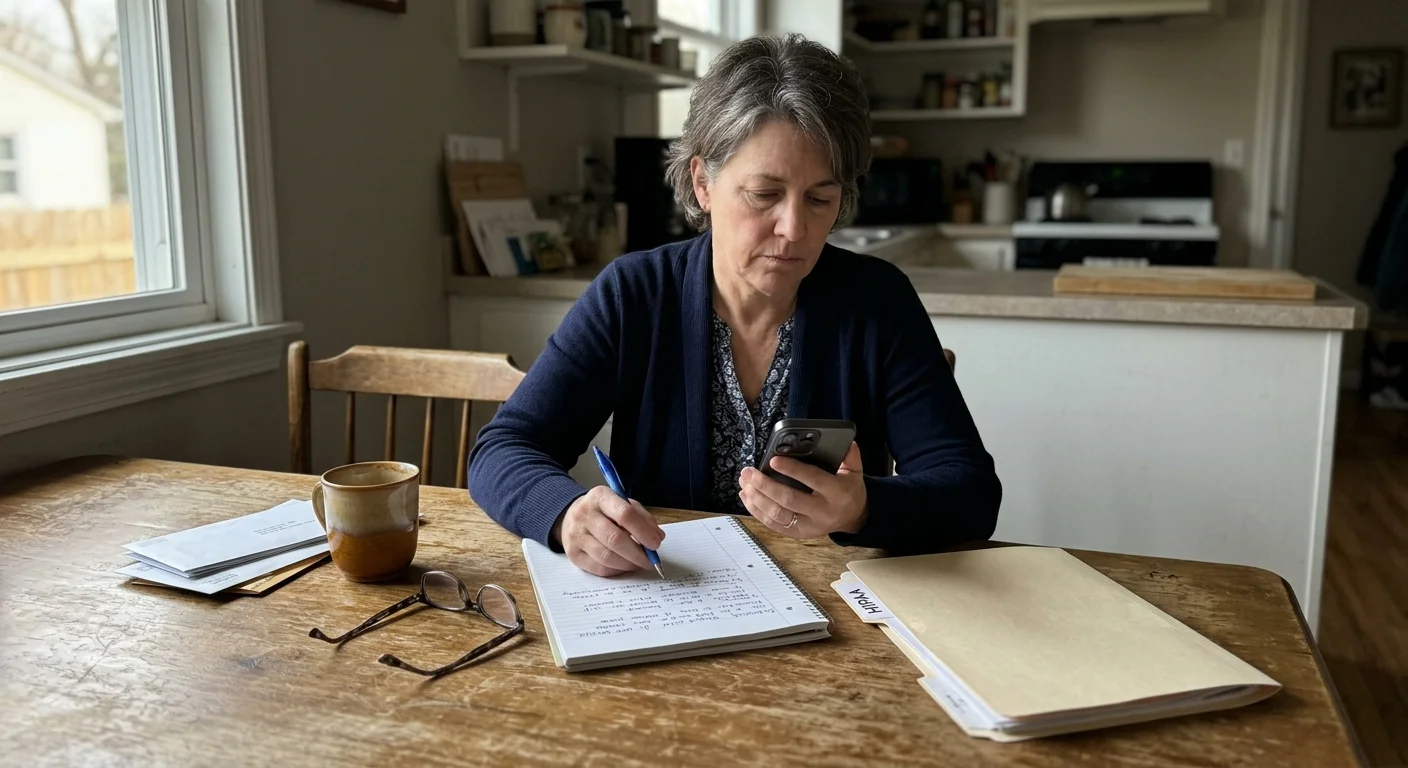
When a physician calls with lab results, a physical therapist adjusts a rehabilitation schedule, or an emergency room nurse needs a medical history, your phone rings first. You find your name listed as the primary contact on every medical portal, intake form, and insurance record. While stepping up during an acute health crisis comes naturally, staying in this primary frontline position permanently transforms a temporary act of kindness into an unwritten full-time job. Becoming a family caregiver often starts with a single hospitalization where you offered to take notes; over time, however, relatives begin deferring all medical decisions and communications to you.
In America today, the average family caregiver is 52 years old—a pivotal time when managing complex health systems demands significant emotional energy. If healthcare providers bypass other family members and contact you exclusively, you have quietly absorbed the role of primary care coordinator. To restore balance, contact your loved one’s care team and add secondary family contacts to official HIPAA records. Establish a shared digital communication thread or group messaging system so every relative receives medical updates simultaneously. Distributing these notifications ensures everyone stays informed without placing the entire organizational load on your shoulders.