
Protecting your physical mobility ensures that your retirement years remain active, joyful, and deeply satisfying. Recognizing early joint changes allows you to address discomfort before it interrupts your favorite daily walks.
Many adults dismiss aches as inevitable milestones of aging, yet timely medical evaluations unlock effective, non-invasive treatments. Paying close attention to subtle shifts in your movement protects your long-term independence.
Knowing when to see a doctor for hip pain helps you make proactive health choices with complete confidence. Learning these key indicators empowers you to enjoy every adventure with greater comfort and ease.
Tip #1: Persistent Groin or Upper Thigh Discomfort
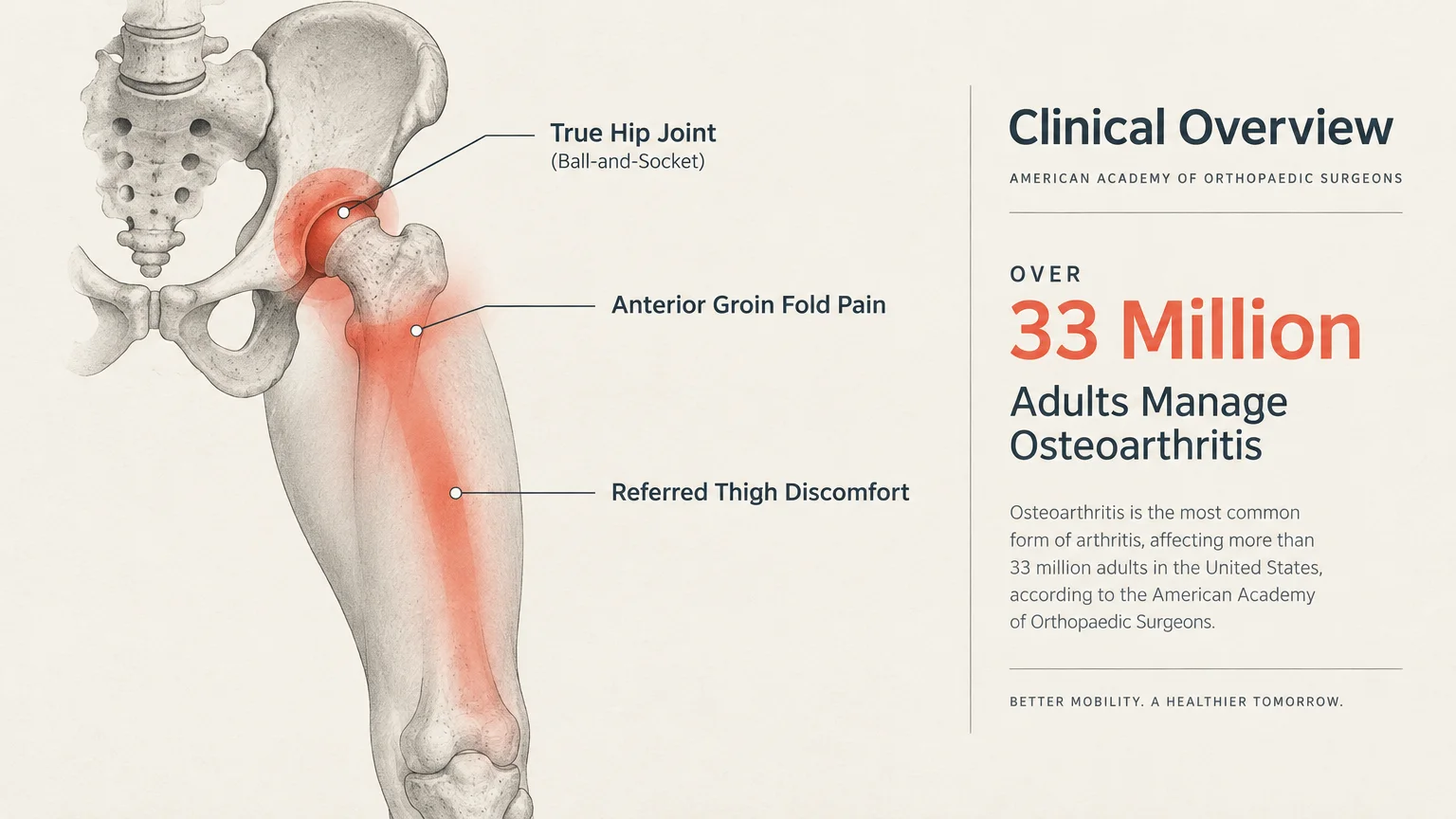
Many people mistakenly assume hip discomfort primarily appears on the outer upper leg or buttock. In reality, the primary joint sits deep within your pelvis where your leg connects to your torso.
Clinical standards from the American Academy of Orthopaedic Surgeons clarify that true hip joint distress refers outward into your groin. You may also feel this persistent ache travel downward along the front of your thigh toward your knee.
When exploring common hip pain causes, cartilage thinning within the socket remains a leading explanation. Over 33 million American adults manage osteoarthritis, making wear and tear a very frequent occurrence.
If you experience a dull, nagging ache in your groin fold after walking through the grocery store, note it carefully. Discomfort in this specific area rarely stems from a simple muscle strain.
You might also find that sitting for extended periods deepens this anterior groin ache. Lingering soreness while driving or dining out indicates that your ball-and-socket joint needs professional clinical attention.
Discussing this localization with your doctor helps differentiate joint pathology from ordinary muscle soreness or lower back issues. Tracking when this groin ache occurs gives your physician invaluable diagnostic clarity during your appointment.
Listening to these early hip problems symptoms empowers you to take decisive action before routine walking becomes painful. Your physician can quickly order targeted imaging to see exactly what is happening inside the socket.

Tip #2: Morning Stiffness Under Sixty Minutes
Waking up with joints that feel rigid and reluctant to bend is a classic sign of hip arthritis. You might notice that stepping out of bed requires a few moments of careful hesitation.
The American College of Rheumatology notes that morning stiffness lasting less than 30 to 60 minutes strongly points to osteoarthritis. This mechanical stiffness typically eases as you begin moving around your kitchen and preparing breakfast.
In contrast, joint stiffness that persists for more than an hour often suggests an inflammatory condition like rheumatoid arthritis. Sharing the exact duration of your morning rigidity helps your physician pinpoint the underlying biological process.
Global health data reveals that over 73 percent of people living with osteoarthritis are older than 55. Women experience this condition at significantly higher rates after age 50 due to hormonal and biomechanical shifts.
Gentle morning mobility routines, such as slow knee-to-chest stretches while lying in bed, can help loosen tight tissues. Bringing a daily symptom log to your doctor will clarify whether your stiffness reflects common degenerative changes.
Understanding how hip pain seniors experience shifts throughout the morning gives you an active role in your healthcare. Early clinical detection enables gentle physical therapy to restore comfortable flexibility before joint tightness solidifies.
Do not assume waking up stiff is an unavoidable consequence of a life well lived. Modern physical therapies can restore fluid movement to your mornings with remarkable speed.
Tip #3: The “Start-Up” Hesitation After Prolonged Sitting
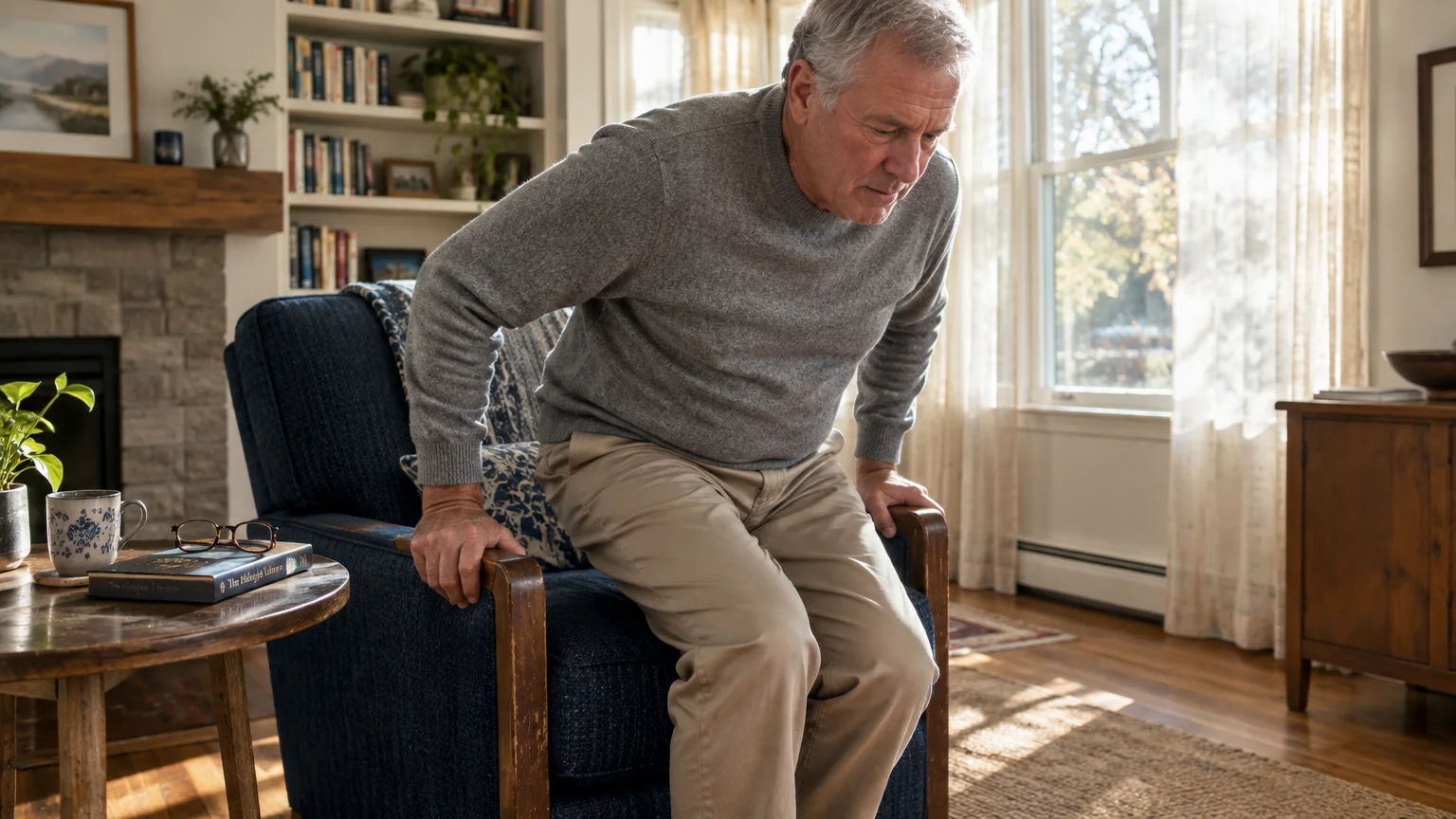
Have you ever stood up from an armchair or car seat and felt momentarily frozen in place? Orthopedic specialists call this sensation the “gelling” phenomenon, which occurs when resting joint fluid thickens.
As protective cartilage erodes, the joint surfaces struggle to glide smoothly after remaining stationary for thirty minutes or more. You may need several deliberate strides before your hip joint loosens enough to walk normally.
This temporary friction represents one of the most reliable hip problems symptoms seen in maturing adults. It signals that your joint capsule requires active movement to distribute lubricating synovial fluid effectively.
To manage this stiffness throughout the day, try standing up and shifting your weight every twenty minutes. Taking brief walking breaks while watching television or reading keeps your hip tissues supple and nourished.
Investigating these hip pain causes with your doctor provides vital insight into your current cartilage health. Your medical provider can recommend targeted therapeutic exercises that preserve natural lubrication and reduce daytime friction.
Staying proactive about start-up hesitation helps you maintain spontaneous enjoyment during social outings, movie nights, and dinner parties. You deserve to rise from any chair with effortless confidence and complete comfort.
Simple workstation adjustments, such as using an ergonomic cushion or slightly raised chair, can also ease standing transitions. Sharing these daily obstacles with your physical therapist yields immediate, practical solutions.
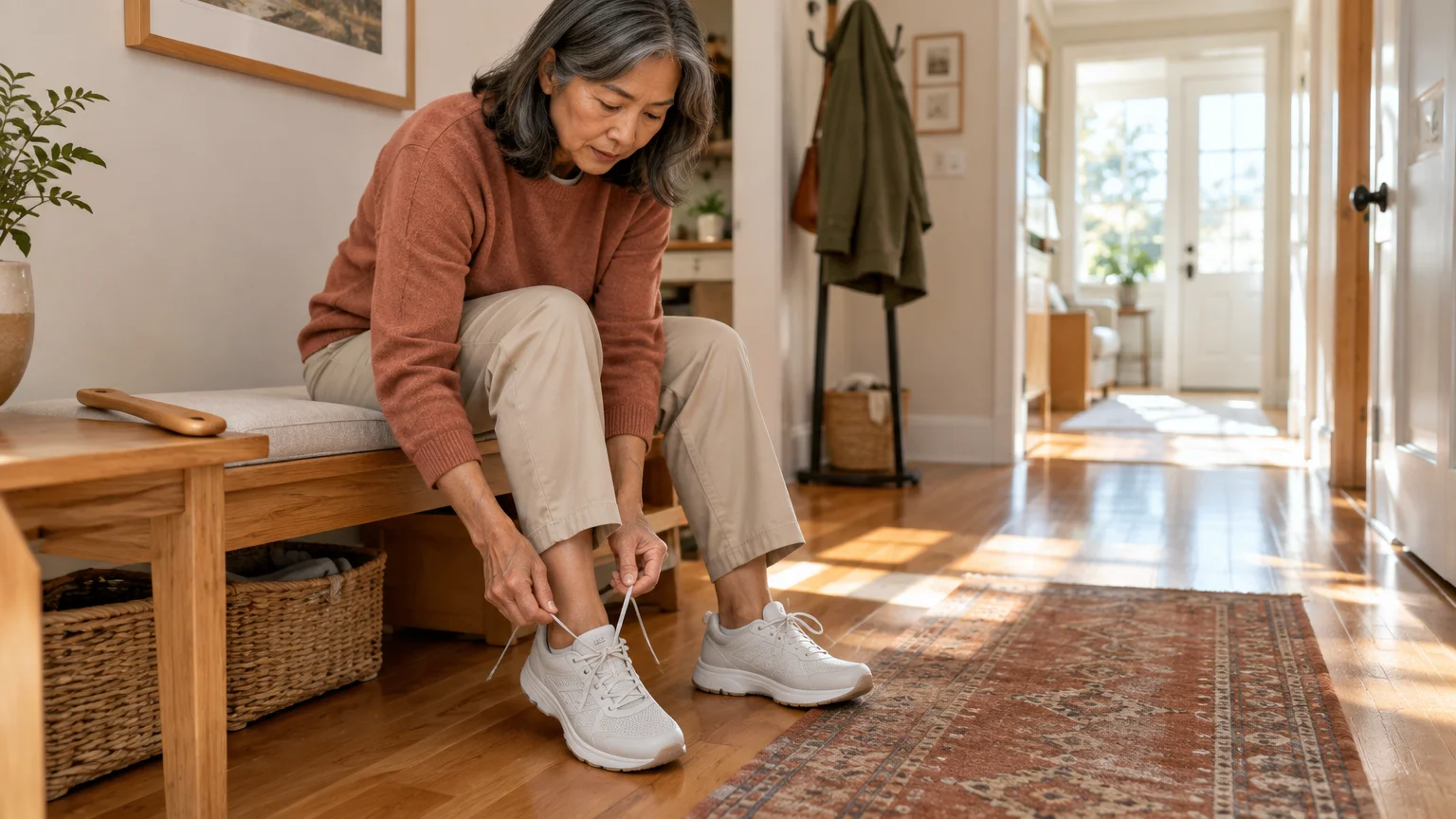
Tip #4: Difficulty Putting on Shoes and Tying Laces
Healthy hip joints provide an impressive range of multi-directional motion, allowing smooth bending, rotating, and flexing. When joint degeneration advances, you may struggle with simple personal routines like putting on socks or tying shoes.
This limitation occurs because internal rotation and deep flexion are often the very first movements compromised by joint wear. You might find yourself leaning awkwardly to the side or asking your partner for daily assistance.
Struggling with basic self-care tasks can feel frustrating, but it serves as an unmistakable clinical signal. Functional limitations often prompt older adults to seek timely medical evaluations that restore personal comfort and independence.
These movement restrictions are hallmark signs of hip arthritis that your physician can measure accurately in minutes. A physical exam using simple range-of-motion assessments will demonstrate precisely how much rotation your hip has lost.
Using adaptive tools like long-handled shoehorns or elastic laces provides immediate relief while you pursue medical care. These thoughtful adjustments protect your spine and hips from unnecessary strain during your daily morning routine.
Describing these functional struggles helps your doctor gauge how hip pain seniors encounter alters their daily independence. Concrete examples of limited movement give your medical team practical benchmarks for developing an effective care strategy.
Restoring your ability to dress comfortably begins with targeted joint-mobilization stretches guided by an experienced physical therapist. You can regain valuable degrees of motion through consistent, gentle therapy.
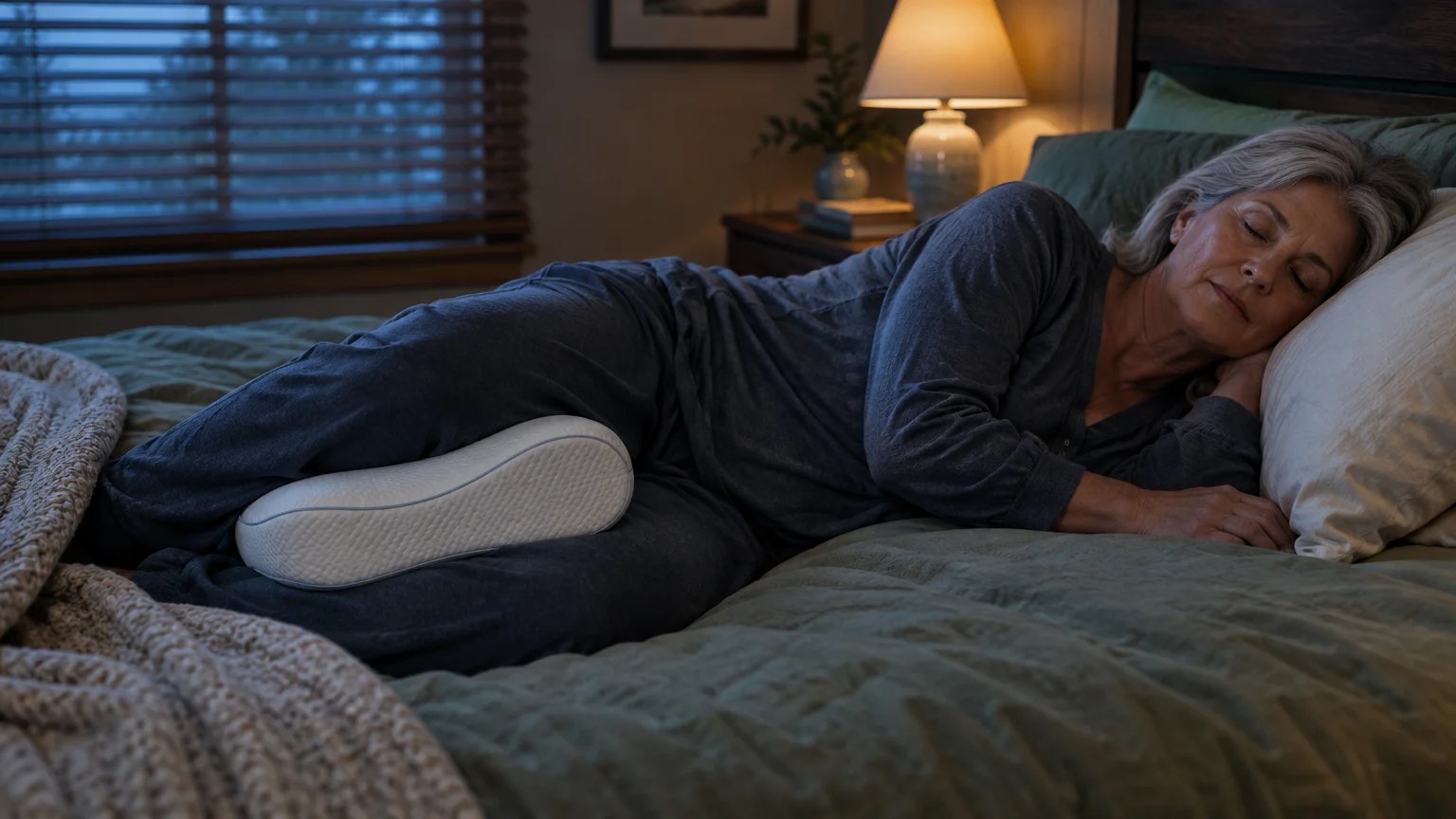
Tip #5: Lateral Aches and Tenderness When Sleeping
Pain focused directly on the outside curve of your hip often presents different challenges than internal joint wear. If lying on your side at night wakes you with sharp throbbing, you are likely experiencing outer hip irritation.
Orthopedic guidelines highlight that discomfort along the lateral hip commonly indicates trochanteric bursitis or tendon irritation. Fluid-filled sacs called bursae cushion your bone, and they can become inflamed from altered walking mechanics or repetitive friction.
In some cases, nerve compression within your lower lumbar spine can also send radiating discomfort to your outer hip region. A skilled physician can easily distinguish between soft tissue inflammation, spinal nerve irritation, and deep socket disease.
Placing a contoured pillow between your knees while sleeping on your back or unaffected side provides immediate mechanical relief. This simple alignment pillow prevents your upper leg from pulling across your body and irritating sensitive lateral tissues.
Exploring these distinct hip pain causes ensures you do not waste time treating the wrong anatomical structure. Your doctor can quickly locate tender points over the greater trochanter to pinpoint the exact origin of your ache.
Knowing when to see a doctor for hip pain ensures you receive the correct diagnosis before soft tissue issues worsen. Targeted physical therapy, supportive cushioning, or targeted anti-inflammatory injections frequently resolve outer hip bursitis quite rapidly.
Restful sleep is the foundation of energy and emotional joy throughout your retirement. Relieving nocturnal lateral pressure lets you wake up recharged, energized, and ready for your morning plans.
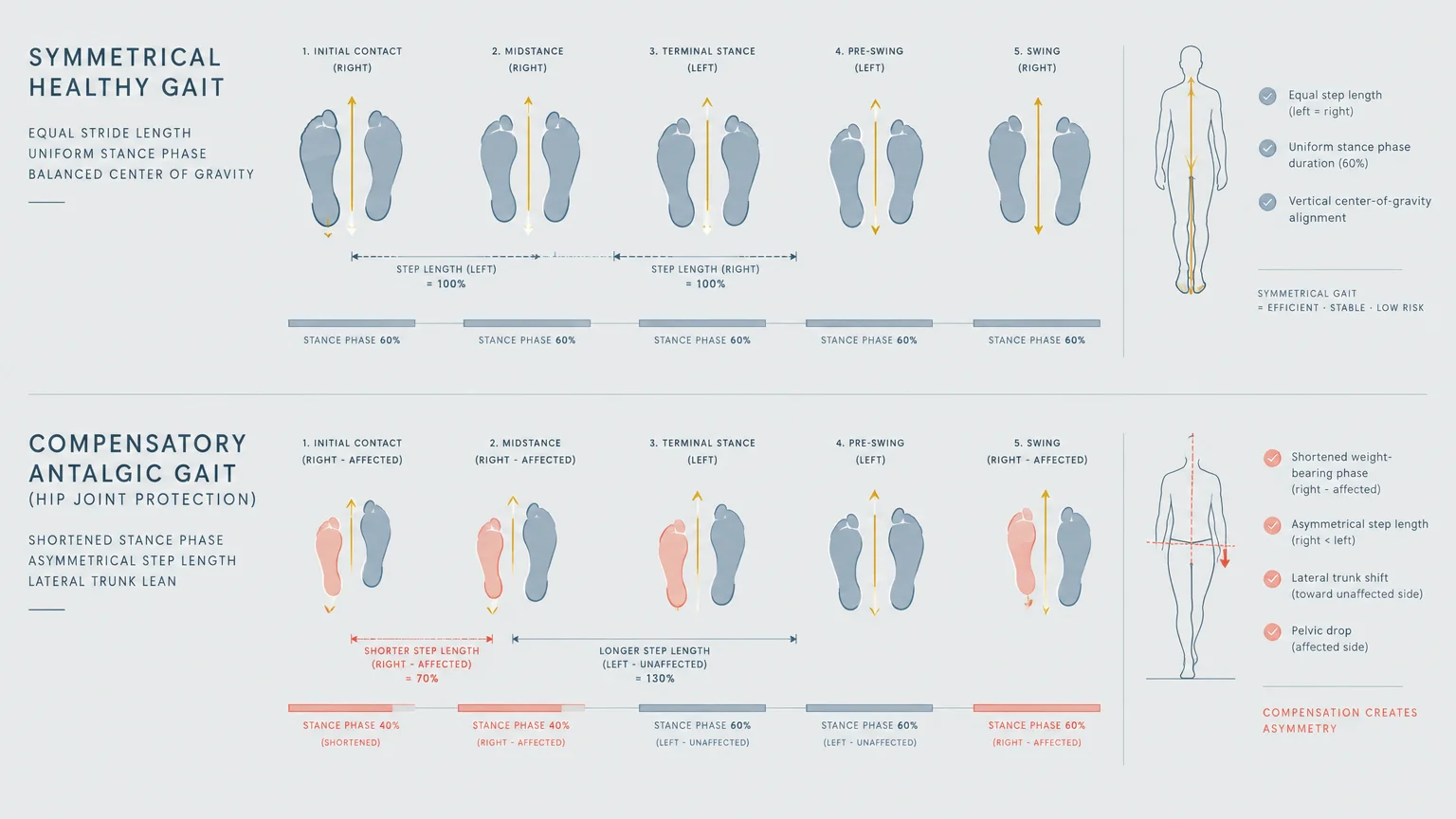
Tip #6: An Uneven Gait or Compensatory Limping
Subtle changes in how you walk often develop gradually as your body works to shield an aching hip. You might subconsciously shorten your stride on one side to minimize weight-bearing pressure on the uncomfortable joint.
This compensatory limp, known clinically as an antalgic gait, places extra mechanical stress on your opposite knee and lower spine. Over time, walking unevenly can cause muscle fatigue and compromise your natural balance.
Maintaining steady balance is essential, as CDC data shows more than 300,000 older adults face hospitalization annually for hip fractures. Over 95 percent of these serious fractures result directly from sideways falls, with women experiencing 75 to 80 percent of cases.
An uneven walking pattern significantly increases your risk of losing footing during daily outings or neighborhood strolls. Addressing your hip pain early protects your gait, strengthens your stability, and safeguards you against accidental falls.
Noticing gait changes among your primary hip problems symptoms gives you the chance to correct imbalances right away. A physical therapist can retrain your muscles and help you rebuild symmetry across both legs.
Your doctor can evaluate your gait and recommend balance training, custom orthotics, or supportive walking aids. Embracing these proactive supports allows you to navigate community activities with complete poise, safety, and confidence.
Managing hip pain seniors face requires protecting balance before minor missteps lead to serious injury. Walking smoothly restores your joy in active exploration and keeps your retirement vibrant.
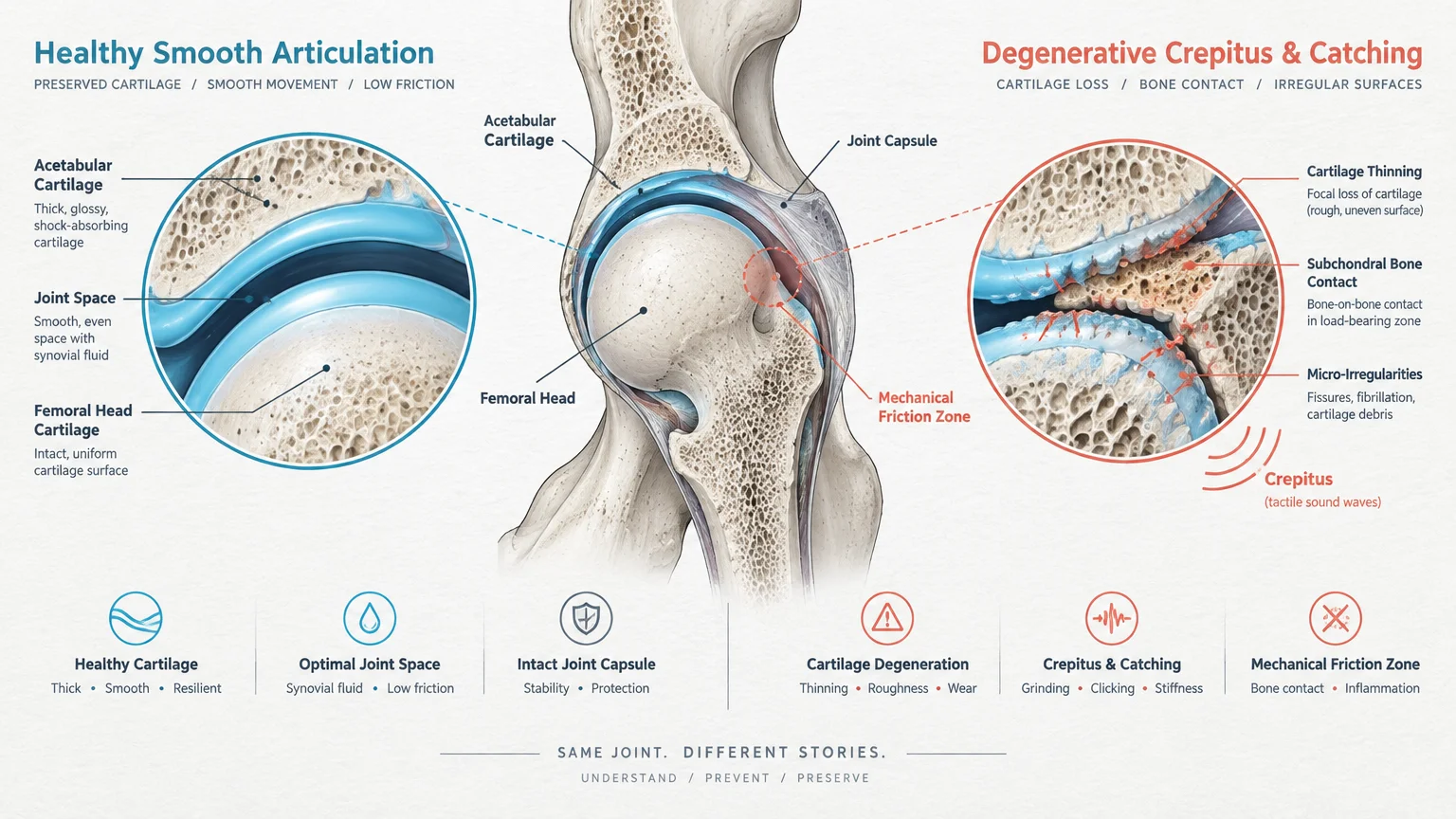
Tip #7: Grating Sensations and Mechanical Catching
Feeling or hearing an audible click, snap, or crunchy grinding sound when moving your hip requires medical attention. Physicians describe this grinding sensation as crepitus, which occurs when protective cartilage erodes away entirely.
As smooth cartilage thins, irregular bone surfaces rub directly together, creating friction and stimulating the growth of bone spurs. These bony changes can make your hip feel like it catches or locks during ordinary steps.
Experiencing crepitus accompanied by sharp catches represents one of the most definitive signs of hip arthritis. Ignoring mechanical catching can accelerate wear on surrounding ligaments and restrict your favorite recreational hobbies.
Each year, between 450,000 and 550,000 adults undergo total hip replacements in the United States to eliminate this friction. Data from the American Joint Replacement Registry shows this volume is projected to grow by over 170 percent by 2030.
Modern orthopedic care offers a spectrum of solutions ranging from regenerative physical therapy to advanced, joint-sparing procedures. Discussing these grating sensations openly with your physician allows you to explore every conservative option before joint deterioration progresses.
Recognizing when to see a doctor for hip pain gives you control over your health journey before cartilage loss becomes severe. Your healthcare team can pinpoint bone spurs and design customized interventions to preserve your movement.
You do not have to endure grinding discomfort while gardening, golfing, or playing with your grandchildren. Today’s advanced treatments can eliminate mechanical friction and restore effortless glide to your stride.

The Takeaway: Living a More Blissful Retirement
Your golden years should be defined by curiosity, memorable journeys, and joyful time spent with family and friends. Aches in your joints should never force you to abandon the active lifestyle you cherish and deserve.
Early conversations with your primary care provider or an orthopedic specialist provide clear answers and peace of mind. Modern medicine focuses on keeping you moving comfortably through gentle, non-operative therapies whenever possible.
When surgical intervention is appropriate, today’s joint replacement procedures deliver extraordinary, long-lasting outcomes for active seniors. Extensive studies in The Lancet confirm that modern hip implants boast a 20- to 25-year survivorship rate exceeding 90 percent.
Contemporary ceramic and cross-linked polyethylene components ensure modern implants withstand decades of daily use without revision. This durability gives you confidence that surgical solutions offer permanent freedom from chronic joint pain.
Prepare for your next doctor appointment by noting when your discomfort peaks and what activities feel most challenging. Bringing a detailed list of your symptoms empowers your healthcare team to design a personalized treatment plan.
Taking charge of your joint wellness today preserves your vitality and independence for countless wonderful seasons ahead. With proper medical guidance and proactive care, you can look forward to walking, dancing, and thriving throughout retirement.
Frequently Asked Questions
How do I know if my hip pain originates in my joint or lower back?
Lower back problems typically send radiating pain downward through your buttock or along the back of your leg. True hip joint dysfunction almost always concentrates in your groin fold or the front of your thigh.
What non-surgical therapies help reduce hip arthritis discomfort?
Low-impact water aerobics, structured physical therapy, and targeted strength routines build muscular support around your joint capsule. Your physician may also recommend oral anti-inflammatories or targeted corticosteroid injections to relieve acute flare-ups.
When should I seek immediate medical attention for sudden hip pain?
Seek immediate medical care if you cannot bear any weight on your leg following a fall or slip. Urgent evaluation is also necessary if your joint appears visibly misaligned or is accompanied by fever and sudden swelling.
Does regular walking improve or worsen degenerative hip joint symptoms?
Moderate walking stimulates synovial fluid production, which naturally lubricates your cartilage surfaces and relieves morning stiffness. However, wearing supportive footwear and choosing flat walking surfaces prevents excessive joint pounding during your outings.
For a wide range of resources for older adults, visit AARP and the National Council on Aging (NCOA). Health information is available from the National Institute on Aging.
Disclaimer: This article is for informational and inspirational purposes only; it is not a substitute for professional medical, financial, or psychological advice. Please consult with a qualified expert for guidance tailored to your individual needs.