
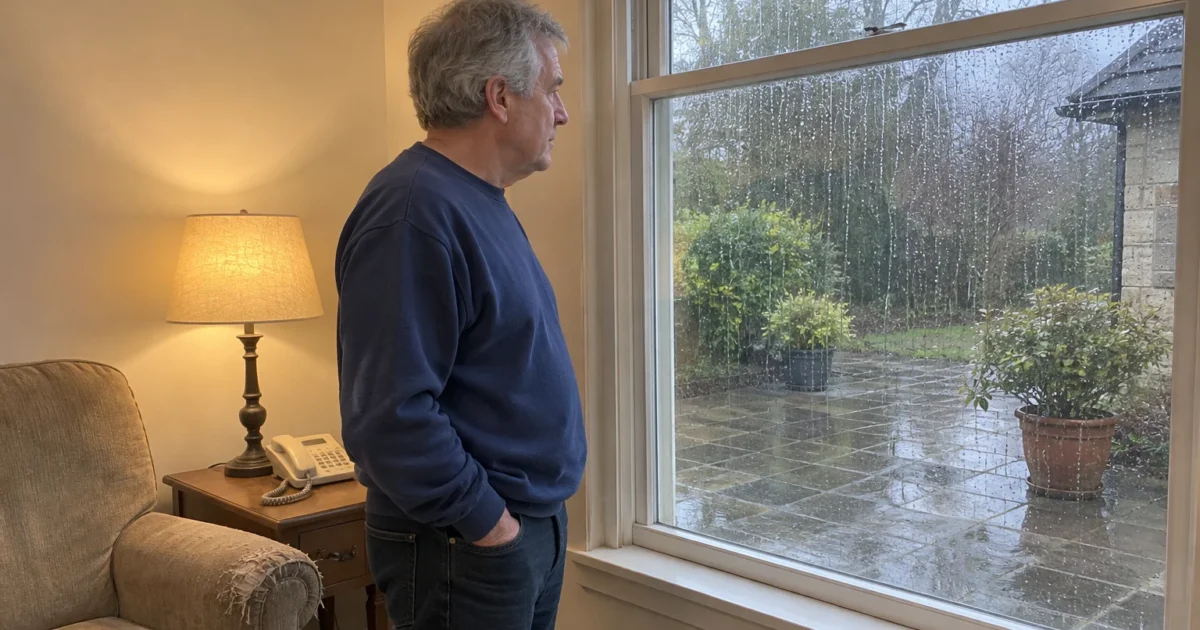
Turning 60 or stepping away from a long career can bring unexpected emotional storms. You might suddenly feel restless, unmoored, or unsure of who you are without your old routine.
Researchers call this difficult shift a late life crisis. A University of Greenwich survey found that 32% of men and 33% of women experience a crisis after turning 60.
Learning to spot these shifts early gives you a gentle path back to steady ground. Here are six clear signs to watch for and practical steps to help you heal.
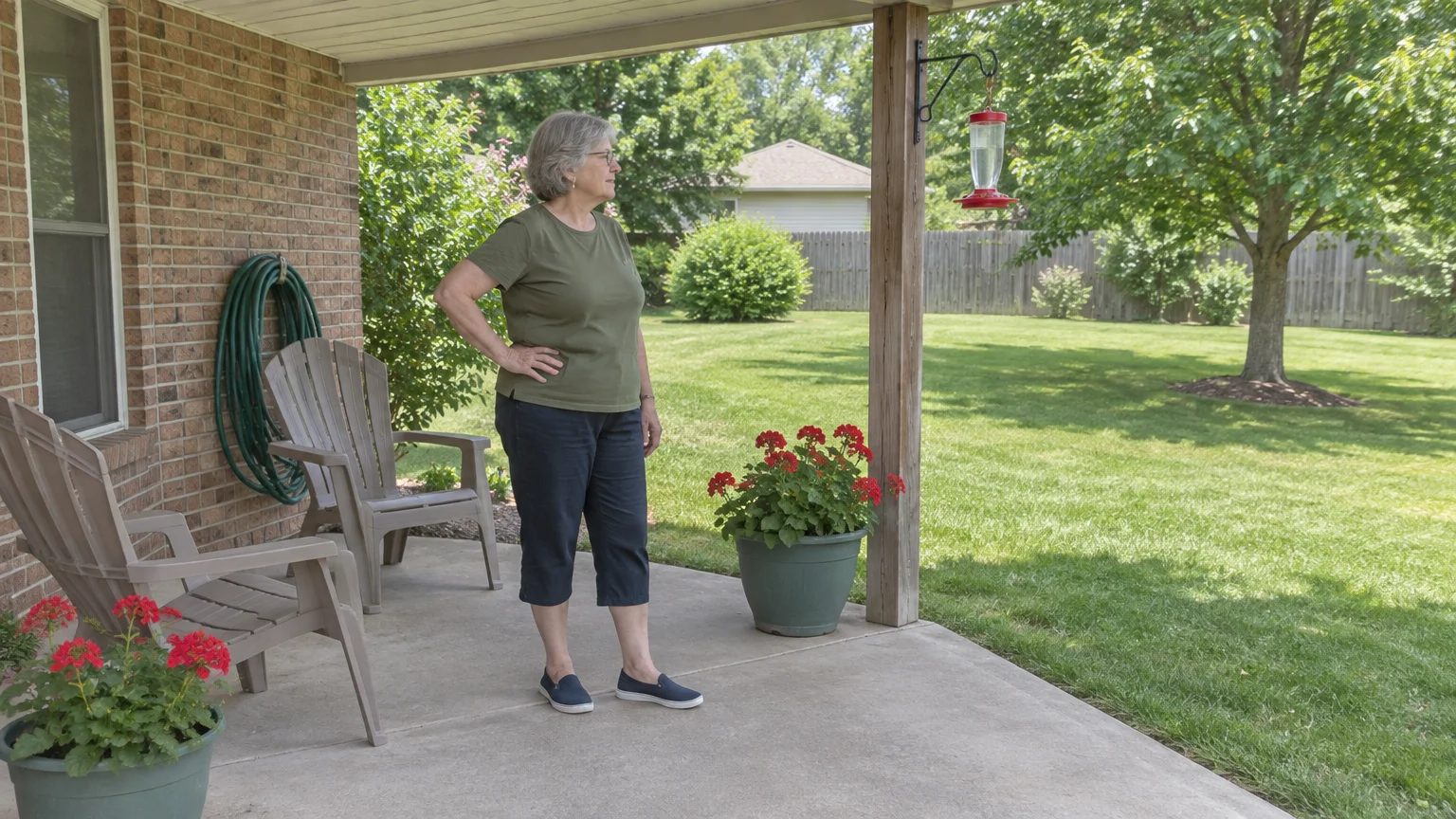
Sign #1: Losing Your Sense of Identity After Retirement
For decades, your career may have shaped your schedule, your friendships, and your pride. When work stops, many people struggle with aging and identity.
Leaving a job does not always happen on your own terms. Gallup data from 2026 shows U.S. retirees stopped working at an average age of 61, earlier than the expected age of 66.
The Employee Benefit Research Institute also reports in its 2026 survey that 46% of retirees left work earlier than planned. Among those early exits, 76% were caused by factors outside their control, such as health issues, company changes, or caregiving.
That sudden loss of daily structure can hurt your retirement mental health. You might wake up wondering why your days feel empty or why nobody needs your skills anymore.
Try writing down three values that guided your career, such as teaching, fixing problems, or caring for others. Look for one small weekly activity where you can use those same strengths today.
Sign #2: Pulling Away From Friends and Family
Skipping family dinners or ignoring phone calls often signals deep emotional exhaustion. When life feels overwhelming, hiding away can seem easier than pretending you feel fine.
Unfortunately, loneliness grows quickly in later years. A 2024 University of Michigan poll found that 33% of adults aged 50 to 80 felt lonely, while 29% felt isolated.
The Centers for Disease Control and Prevention warns that social isolation carries serious health risks. Chronic loneliness raises your risk of heart disease by 29% and raises dementia risk by up to 50%.
Rebuilding social ties does not require big parties or crowded rooms. Start with one low-pressure connection each week, like sharing coffee with a neighbor or calling an old friend.
If meeting people feels hard, join a local walking group or library book club. Showing up in the same place every week helps new friendships form naturally.

Sign #3: Emotional Numbness or Unexplained Physical Aches
Many people expect a crisis to look like loud anger or constant tears. In older adults, deep distress often shows up as quiet numbness or physical pain instead.
The National Institute on Aging notes that late-life depression often hides behind fatigue, poor sleep, irritability, or body aches. You might also lose interest in hobbies you once loved.
These feelings differ from classic midlife crisis signs, which often center on chasing youth or status. After 60, distress more often stems from clustered losses, such as illness or grief.
Pay close attention if these heavy feelings stick around for more than two weeks. Write down your sleep patterns, energy levels, and mood shifts in a simple notebook.
Bring that notebook to your primary care doctor for an honest talk. Treating physical pain and mood changes together can lift a huge weight off your shoulders.
Sign #4: Questioning Long-Term Relationships or Caregiving Roles
Major life changes after 60 often test your closest bonds at home. Without the busy routines of raising kids or working full days, unspoken tension can rise to the surface.
Divorce later in life has become much more common across the United States. Pew Research Center data shows the divorce rate for adults 50 and older more than doubled between 1990 and 2023.
Caring for an aging spouse or parent can also push you past your emotional limits. An AARP and National Alliance for Caregiving report found that 64% of caregivers for adults 50 and older feel emotional stress.
Before ending a long marriage or carrying caregiving alone, pause and ask for outside support. Respite care programs can give you a few hours each week to rest and breathe.
A licensed couples counselor can also help you and your partner rebuild trust during retirement. Talking openly with a neutral guide prevents sudden choices you might later regret.

Sign #5: Deep Fear About Money and the Future
Worrying about outliving your savings can turn every quiet evening into a spiral of panic. Financial strain weighs heavily on both your sleep and your sense of safety.
A 2025 Pew Research Center survey found that 58% of adults 65 and older feel stressed or anxious at least sometimes. Income plays a big role in that stress.
In that same survey, 73% of upper-income seniors rated their mental health as excellent or very good. Only 45% of lower-income peers felt the same way.
Rules around retirement income can also create pressure. Under Social Security rules, full retirement age is 67 for anyone born in 1960 or later, though reduced benefits start at age 62.
Instead of avoiding bank statements, sit down with a trusted financial advisor or nonprofit credit counselor. Creating a clear monthly spending plan turns vague fear into steps you can manage today.
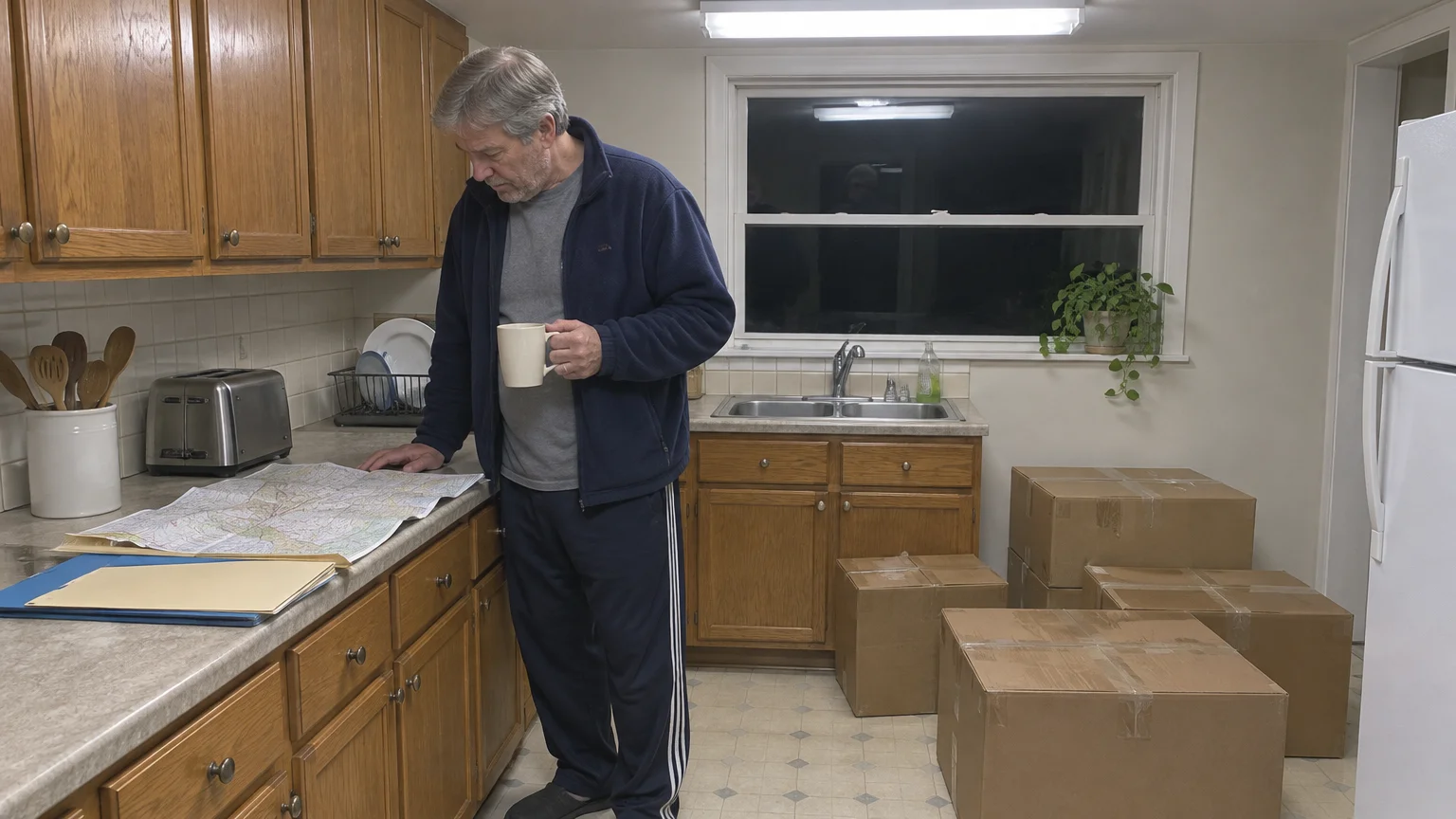
Sign #6: Sudden Urges to Escape or Remake Everything
You may feel a sudden urge to sell your home, move far away, or cut ties with your past. Facing mortality often sparks a fierce desire to start fresh before time runs out.
Psychologist Dr. Oliver Robinson found that crises after 60 often force people to rethink their life goals. Wanting change is healthy, yet acting on impulse can leave you stranded and lonely.
Give yourself a calm 30-day waiting period before making any major move or large purchase. Use those four weeks to test what you truly want from your next chapter.
If you crave adventure, book a two-week stay in a new town before selling your house. Small experiments satisfy your curiosity without putting your comfort or savings at risk.
Embracing the Journey of Aging with Grace
Growing older does not mean your best days sit behind you. In fact, a 2025 Pew Research Center survey found that 66% of adults 65 and older feel optimistic most of the time.
Your life changes after 60 offer a rare chance to drop old pressures and focus on what matters most. You get to choose how you spend your time, energy, and love.
Treat yourself with the same kindness you would offer a dear friend going through a hard season. Healing takes patience, and every small step forward counts.
Start a short gratitude practice before bed each night. Naming just two good moments from your day trains your mind to notice peace even during change.

When to Seek Professional Support
Clinical depression and severe anxiety are medical conditions, never a normal part of aging. Talking with a trained doctor or counselor can help you feel like yourself again.
Original Medicare Part B covers one free annual depression screening at a primary care clinic. You pay nothing for that screening if your doctor accepts Medicare assignment.
Medicare Part B also covers ongoing therapy with licensed counselors, psychologists, and marriage and family therapists. After meeting the $283 annual deductible in 2026, you generally pay 20% coinsurance.
If you ever feel hopeless or think about harming yourself, call or text the 988 Suicide & Crisis Lifeline. Free, confidential support is open 24 hours a day, seven days a week.
For mental health resources, visit the National Institute of Mental Health (NIMH) and Mental Health America. The NCOA also offers resources for seniors’ mental well-being.
Disclaimer: This article is for informational purposes and is not a substitute for professional mental health care. If you are experiencing emotional distress, please reach out to a licensed therapist, counselor, or a crisis support hotline.
Frequently Asked Questions
How is a late life crisis different from midlife crisis signs?
Midlife worries often center on career pressure, raising children, or chasing status. A crisis after 60 more often stems from retirement, health shifts, caregiving, or losing loved ones.
Both stages challenge your sense of purpose, yet later-life transitions invite deeper reflection on legacy and peace.
Is it normal to feel lost after retiring?
Yes, feeling untethered after leaving work is very common. Your job likely provided daily structure, social contact, and a strong sense of belonging for decades.
Give yourself six months to adjust, and replace lost work hours with volunteering, hobbies, or part-time projects.
Can caring for a spouse trigger a crisis?
Yes, full-time caregiving drains both your body and your spirit. Watching someone you love decline while managing daily chores can leave you feeling trapped and lonely.
Reaching out to local support groups and respite services helps protect your own health while you care for others.
How do I know if sadness is actually depression?
Normal grief or stress usually eases in waves over time. Depression lasts most of the day for two weeks or longer and makes daily tasks feel impossible.
Schedule a visit with your doctor if low mood, fatigue, or numbness will not fade.