

Spotting subtle health shifts early gives your family the power to protect your loved one’s independence and dignity. Taking action quickly opens doors to groundbreaking medical treatments and supportive community care.
When you notice unexpected changes in daily routines, knowledge becomes your greatest source of comfort. Understanding early signs of dementia helps you respond with patience, empathy, and proactive solutions.
Across the globe, more than 55 million individuals navigate memory changes alongside devoted family members. Learning what to look for empowers you to make thoughtful, loving choices for the road ahead.
Tip #1: Forgetting Recently Learned Information
Memory slips happen occasionally to everyone, but persistent forgetfulness regarding recent conversations signals a deeper shift. You might notice your mother asking the exact same question three times during Sunday dinner.
Unlike normal aging—where a forgotten detail returns to mind later—these memory loss warning signs involve information vanishing completely. Your parent may lean heavily on reminder sticky notes or calendar alarms for basic routines.
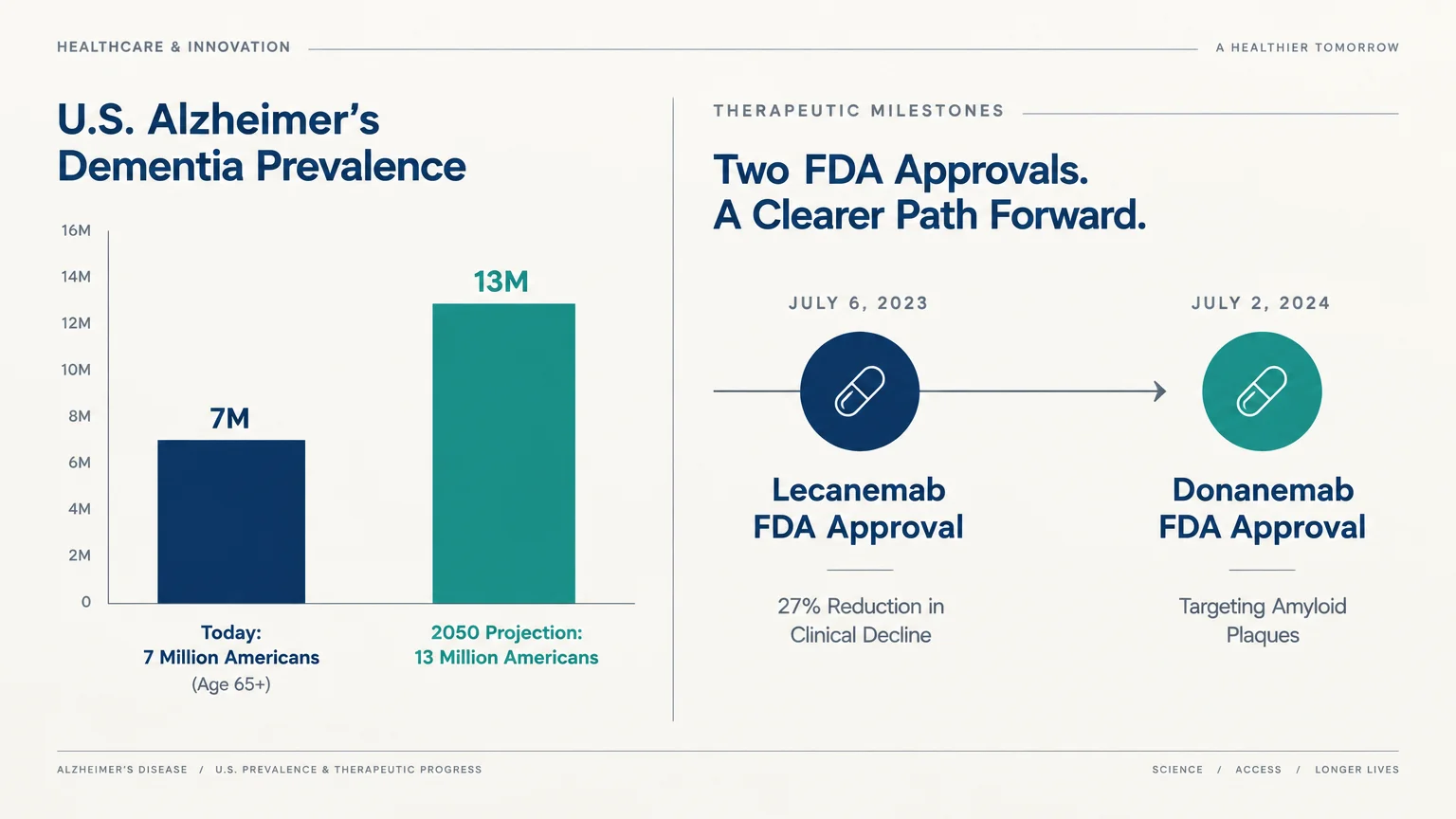
Today, an estimated 7 million Americans aged 65 and older live with Alzheimer’s dementia. Researchers project that number will climb to nearly 13 million by 2050 as our population ages.
Spotting these memory gaps early creates a meaningful opportunity to seek timely medical intervention. Healthcare providers can evaluate cognitive baselines and explore therapeutic strategies to preserve everyday mental sharpness.
Crucially, modern medical treatments require swift action during mild cognitive impairment or mild dementia stages. The FDA approved Lecanemab on July 6, 2023, after trials proved a 27% reduction in clinical decline.
Another breakthrough arrived when Donanemab received FDA approval on July 2, 2024. These disease-modifying therapies target amyloid plaques, giving families newfound hope when they identify symptoms promptly.
Tip #2: Difficulty Completing Familiar Daily Tasks
Longstanding habits should feel effortless, like muscle memory guiding a seasoned musician. When routine household tasks suddenly cause confusion, you may be observing critical early signs of dementia.
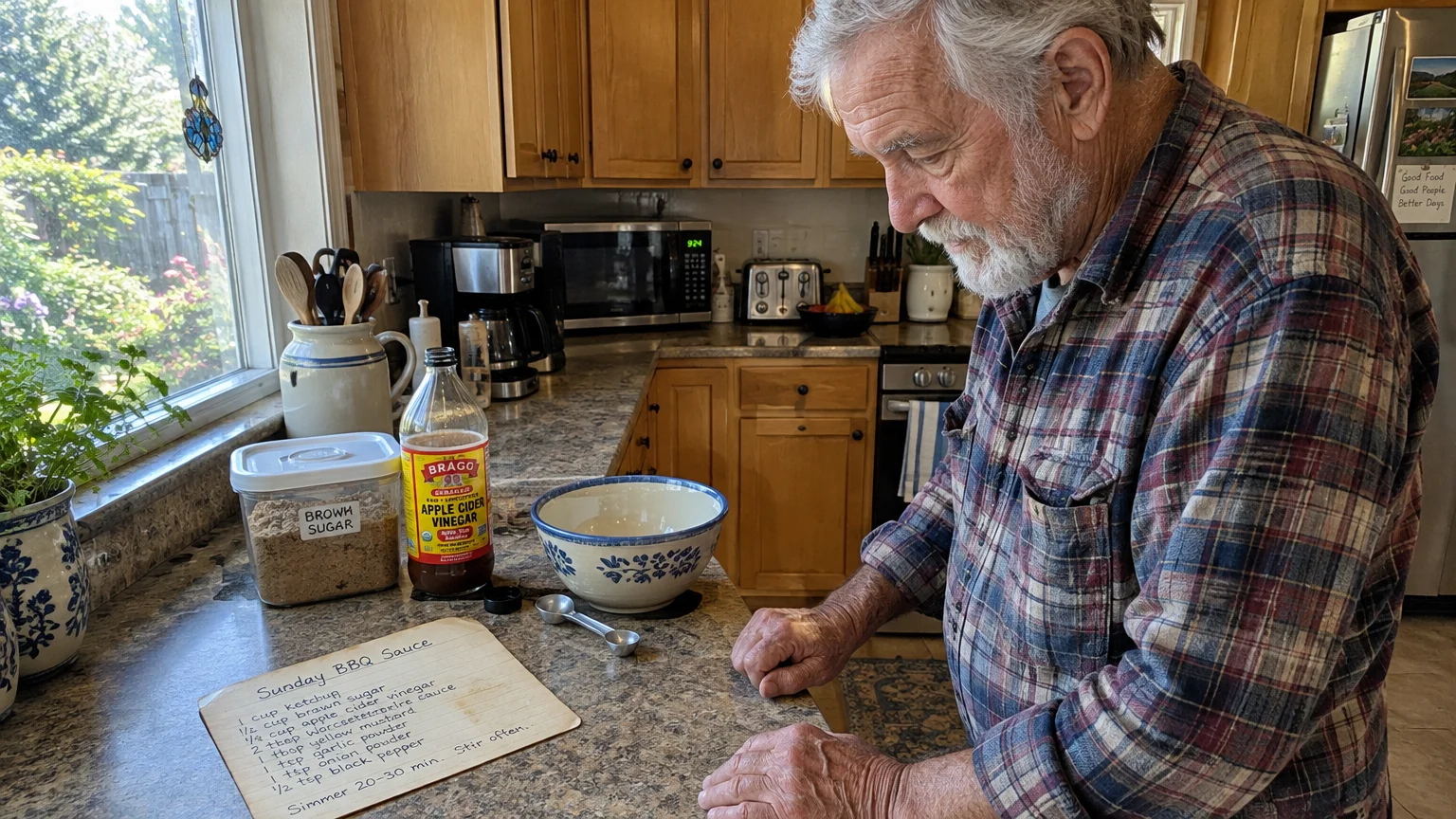
Your father might struggle to follow his signature barbecue recipe after making it for decades. You could also notice your spouse hesitating while operating the microwave or television remote.
Occasional tech hiccups trouble everyone, especially when software updates change an interface. In contrast, dementia symptoms create persistent hurdles with longstanding, familiar steps that previously required zero conscious effort.
You can support your loved one by gently breaking complex tasks into simple, manageable pieces. Labeling kitchen cabinets or writing down basic steps preserves their autonomy while minimizing daily frustration.
Scheduling an assessment provides immediate clarity and opens up practical healthcare coverage. Under Medicare Part B, the Annual Wellness Visit covers an annual cognitive impairment assessment with a $0 copay.
This cost-free wellness exam gives your family a trusted baseline without financial stress. Addressing task completion difficulties early keeps daily life fulfilling, safe, and productive.

Tip #3: Confusion with Dates, Time, and Environments
Losing track of dates, seasons, or the passage of time represents another common early indicator. Your loved one might dress in winter woolens during a warm July afternoon.
They may also forget where they are or how they arrived at a neighborhood grocery store. These disorienting moments can feel frightening for seniors who pride themselves on self-reliance.
Typical age-related changes involve momentarily forgetting what day of the week it is before remembering quickly. With cognitive decline, a person often struggles to anchor themselves in present reality.
Installing high-contrast digital clocks that clearly display the day, date, and time brings steady reassurance. Keeping a large wall calendar in the kitchen also helps maintain a clear daily rhythm.
If disorientation recurs, ask your primary physician for a comprehensive diagnostic assessment. Medicare Part B covers a dedicated cognitive assessment and care-planning visit under CPT Code 99483.
While this specialized visit requires standard 20% coinsurance after the deductible, it provides an invaluable roadmap. Having an expert evaluate orientation issues protects safety and restores peace of mind.

Tip #4: Subtle Shifts in Language and Conversational Flow
Following conversations should feel natural, yet early cognitive shifts often disrupt effortless dialogue. You may notice your loved one pausing mid-sentence, searching desperately for a common word.
They might substitute an unusual term like “hand clock” when referring to a wristwatch. Repeating stories within a fifteen-minute span also points toward evolving dementia symptoms.
Understanding these linguistic changes allows you to adjust your own speaking style with loving patience. Give them ample time to articulate thoughts without finishing sentences for them abruptly.
Gender plays a notable role in cognitive health statistics across the aging population. At age 45, the lifetime risk of developing Alzheimer’s is approximately 1 in 5 for women and 1 in 10 for men.
Because women face higher lifetime odds, adult daughters frequently spot communication changes in aging mothers first. Being alert to subtle speech hesitation enables prompt interventions that protect verbal confidence.
Warm, unhurried family chats maintain strong emotional connections despite emerging linguistic hurdles. Keeping conversations light and engaging ensures your loved one stays connected and valued.

Tip #5: Misplacing Possessions and Losing Steps
Everyone misplaces car keys or reading glasses during a frantic morning rush. However, placing items in bizarre locations marks one of the classic memory loss warning signs.
You might find an ice cream scoop inside a bedroom dresser or television remotes tucked into the refrigerator. More importantly, your loved one cannot retrace their physical steps to recover the missing object.
As frustration mounts, an affected parent may accuse neighbors or family members of stealing their belongings. Recognizing this behavior as a medical symptom helps you respond with soothing validation rather than defensive anger.
Create dedicated, brightly labeled drop spots for essential items by the front entryway. Placing decorative bowls for keys, wallets, and glasses eliminates unnecessary searching and reduces daily anxiety.
Installing Bluetooth tracking devices on key rings or purses also prevents distress. These simple modern tools safeguard precious belongings while preserving your loved one’s sense of order and dignity.
Maintaining tidy, clutter-free living spaces simplifies everyday routines and reduces visual confusion. A well-organized environment empowers older adults to navigate their homes with effortless independence.
Tip #6: Changes in Financial Judgment and Decision-Making
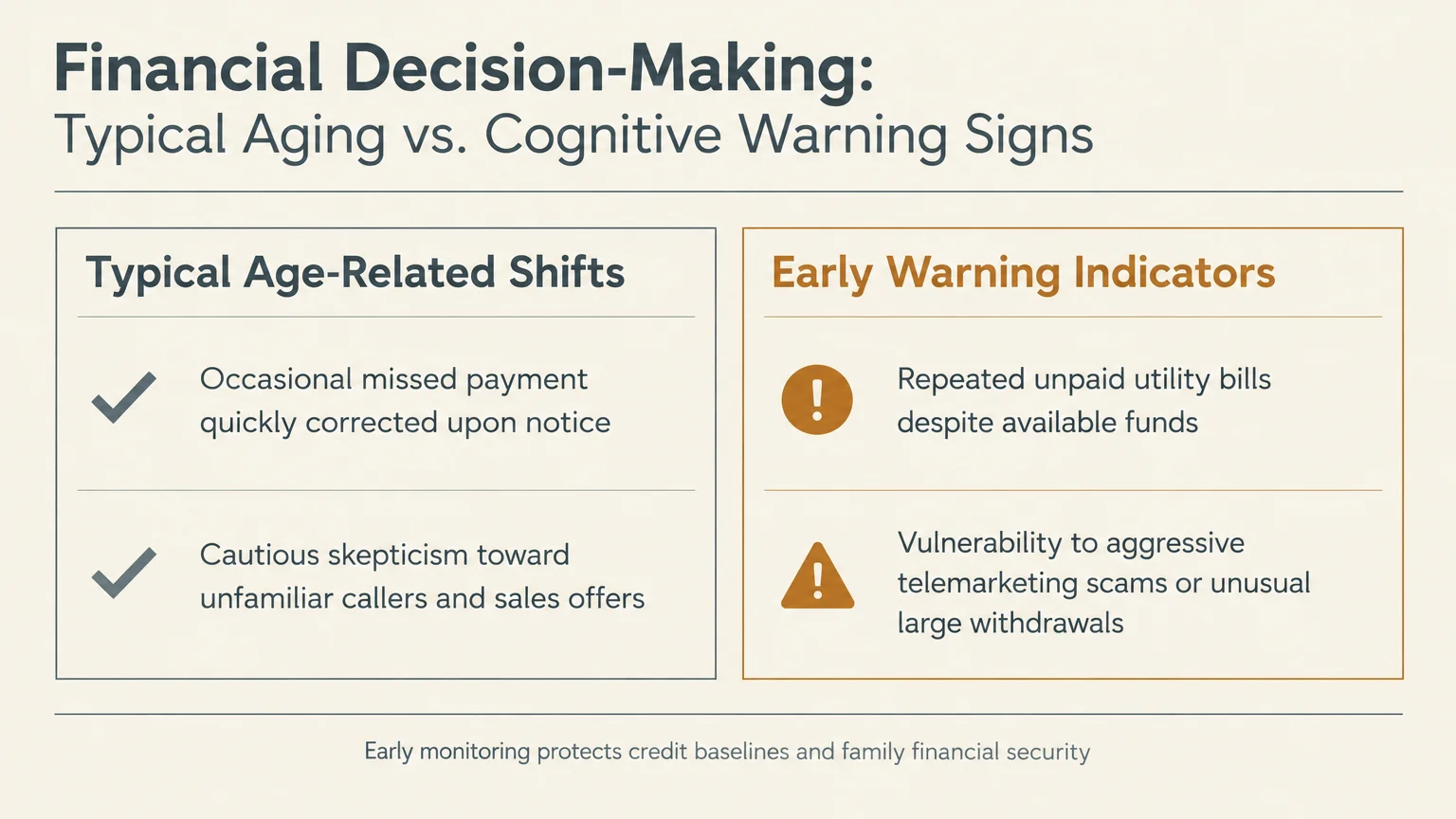
Managing household finances demands high-level executive function and sharp mathematical reasoning. Sudden financial mistakes often serve as glaring early alzheimers signs that family members identify first.
A meticulous parent might overlook utility bills, leading to unexpected service shutoffs. Conversely, they could make extravagant, impulsive purchases or fall prey to aggressive telemarketing scams.
Judgment lapses may also appear in everyday personal safety and wardrobe choices. You might find your loved one walking barefoot across icy driveways or neglecting seatbelts during brief car rides.
Approaching financial oversight requires deep tact to avoid making your parent feel diminished. Suggesting shared account monitoring or setting up automated payments protects their nest egg while honoring their pride.
Early planning also enables you to establish power of attorney while your parent maintains full legal capacity. Securing these protective legal documents early safeguards their golden years and prevents future administrative headaches.
Partnering with a trusted elder law attorney ensures your family honors your parent’s exact preferences. Proactive planning transforms financial anxiety into lasting security and structural protection.

Tip #7: Withdrawal from Hobbies and Social Gatherings
Active social engagement fuels emotional well-being and brain health throughout your retirement years. When a vibrant loved one abruptly abandons community groups or beloved pastimes, take careful note.
An avid quilter may stop sewing because following intricate patterns feels overwhelming. Similarly, an outgoing church volunteer might manufacture excuses to avoid lively coffee hours or neighborhood dinners.
Social withdrawal often stems from an intuitive awareness that cognitive processing is slowing down. Retreating into isolation shields them from the embarrassment of forgetting names or losing conversational threads.
Family support plays a critical role in bridging this widening social gap. In the United States, nearly 12 million family members and unpaid caregivers care for someone experiencing cognitive decline.
Remarkably, two-thirds of these dedicated caregivers are women, with adult daughters representing over one-third of the caregiving force. Their compassionate presence keeps isolated parents tethered to comforting social circles.
Encourage gentle, low-pressure social interactions, like a quiet backyard stroll or listening to favorite vintage records together. These calm activities foster joy without triggering sensory or cognitive overload.

Tip #8: Noticeable Shifts in Mood and Personality
Dementia alters more than just memory; it actively reshapes how the brain processes emotional inputs. A historically patient parent might suddenly exhibit severe irritability, paranoia, or acute anxiety.
These emotional swings often intensify late in the afternoon, a phenomenon clinicians call sundowning. Sudden mood swings represent significant dementia symptoms that can leave family members feeling heartbroken and perplexed.
Your loved one may become unusually suspicious of longtime friends or fearful in unfamiliar environments. Understanding that neurological changes drive these reactions prevents you from taking harsh words personally.
Establishing predictable daily routines provides a comforting anchor against emotional turbulence. Consistent mealtimes, soothing afternoon music, and gentle lighting create an atmosphere of warmth and security.
Validating their feelings rather than arguing about logic de-escalates tense situations with profound grace. A calm voice and a reassuring embrace communicate unconditional love when words fall short.
Consulting with a geriatric specialist can also reveal whether co-occurring depression requires targeted clinical therapy. Treating underlying mood disorders often restores substantial emotional equilibrium and daily comfort.
Tip #9: Struggling with Spatial Relationships and Visual Cues
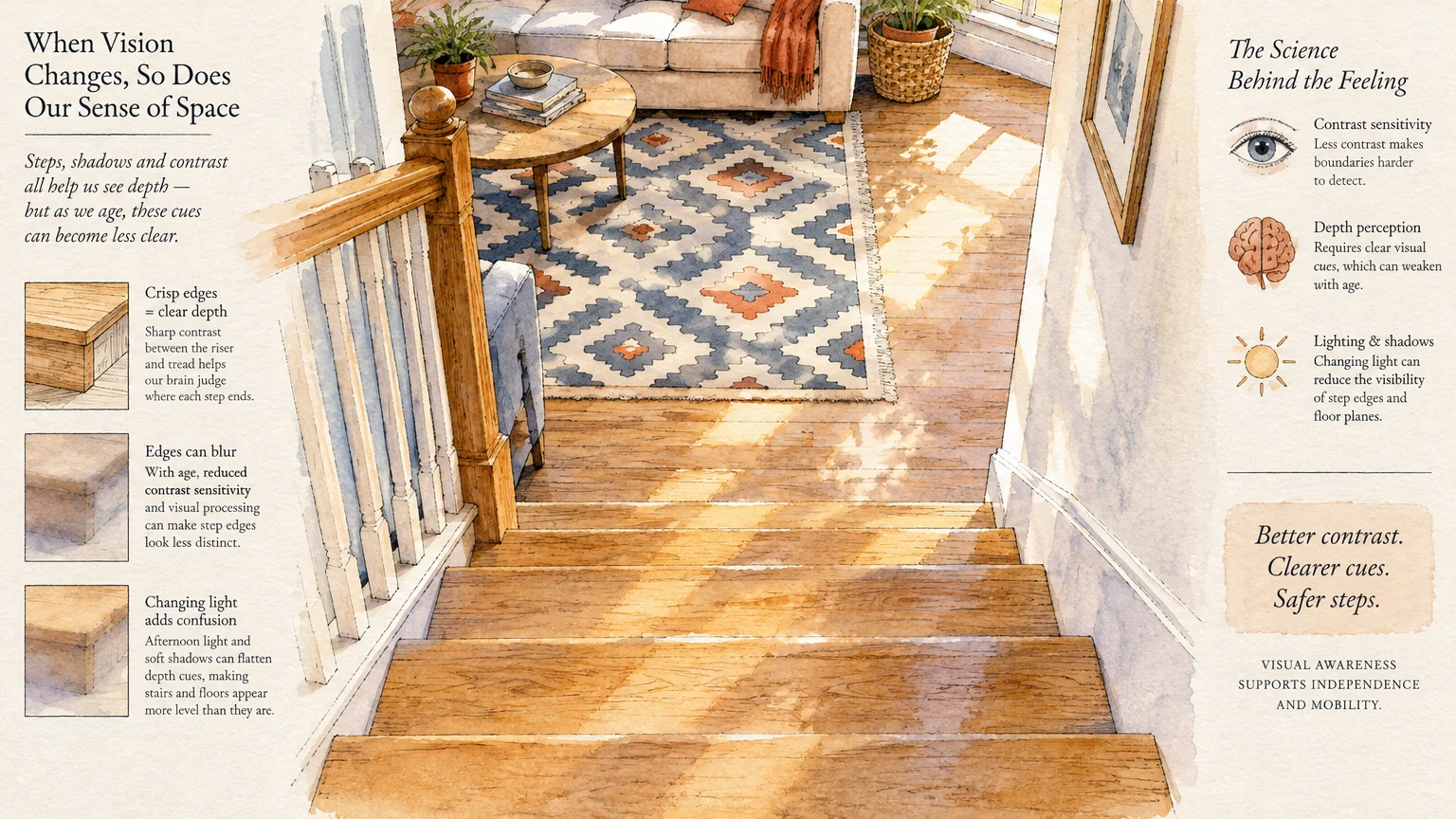
Cognitive health directly influences how the brain interprets visual signals and spatial depths. You might observe a loved one struggling to judge distances while driving or parking.
They may also misread colors, stumble over low thresholds, or perceive dark rugs as deep holes in the floor. These perceptual challenges extend far beyond standard age-related vision changes like cataracts.
Reading a book may become strenuous as tracking lines of text across a page falters. When depth perception diminishes, ordinary household stairs can transform into dangerous falling hazards.
Enhancing home lighting and increasing visual contrast significantly improves daily safety. Applying bright tape to step edges and removing busy, patterned floor coverings prevents accidental trips.
Comprehensive eye exams rule out optical disorders and clarify underlying neurological issues. Addressing spatial difficulties promptly preserves mobility, keeping your loved one active and self-assured in their home.
Encouraging low-impact physical exercise like chair yoga or supervised walking also builds core balance. Strengthening motor coordination protects physical confidence throughout everyday retirement activities.

Tip #10: Lapses in Personal Hygiene or Home Upkeep
Spotting changes in personal grooming often provides the clearest evidence of dementia in parents. A parent who once dressed impeccably might wear soiled clothing or forget routine bathing.
You may also open their refrigerator to discover expired groceries or notice piles of unwashed laundry multiplying. Executive dysfunction makes organizing multistep hygiene routines feel like an insurmountable mountain.
Because personal grooming feels deeply private, confronting your parent requires extraordinary tenderness. Frame your assistance around pampering and comfort rather than highlighting perceived personal failures.
Seeking community and governmental caregiving programs provides immense relief for overwhelmed family units. Medicare launched the Guiding an Improved Dementia Experience (GUIDE) Model on July 1, 2024.
This comprehensive eight-year pilot program connects eligible families with 24/7 care support navigation. It also delivers up to $2,500 per year in covered respite care services to relieve family caregivers.
Utilizing these progressive resources ensures your loved one receives pristine care while protecting your own emotional reservoir. You do not have to walk this caregiving pathway in isolation.

The Takeaway: Living a More Blissful Retirement
Recognizing cognitive decline early is not a signal to despair; it is an invitation to take positive, empowered action. Knowledge equips you to plan thoughtfully, seek cutting-edge medical care, and design a joyful, safe retirement lifestyle.
Breakthrough advancements are reshaping the landscape of dementia care every single month. Disease-modifying medications like Lecanemab and Donanemab show measurable success when administered during early symptomatic stages.
Beyond medical therapies, establishing strong support systems transforms the journey for both you and your loved one. Community programs, respite care, and Medicare initiatives offer steady pillars of strength throughout every stage.
Cherish the moments of laughter, share heartfelt memories, and lean on the wealth of resources available to older adults. Facing cognitive changes together strengthens family bonds and ensures a retirement filled with dignity, peace, and purpose.
Proactive families turn uncertainty into resilience by focusing on what truly matters most. With compassionate guidance and timely medical screenings, you can navigate the golden years with unwavering confidence and optimism.
Surrounding your loved one with affection and understanding creates an uplifting environment where joy continues to flourish. Each proactive step you take today helps preserve the cherished relationships and vibrant moments of tomorrow.
For a wide range of resources for older adults, visit AARP and the National Council on Aging (NCOA). Health information is available from the National Institute on Aging.
Disclaimer: This article is for informational and inspirational purposes only. It is not a substitute for professional medical, financial, or psychological advice. Please consult with a qualified expert for guidance tailored to your individual needs.
Frequently Asked Questions
How do normal aging lapses differ from early dementia symptoms?
Normal aging involves occasional memory slips, such as misplacing eyeglasses or momentarily forgetting an acquaintance’s name. In contrast, early dementia symptoms involve persistent forgetfulness, disorientation, and inability to retrace one’s steps.
When lapses interfere with daily routines, scheduling a professional evaluation provides clarity and peace of mind.
Does Medicare cover cognitive screenings for aging parents?
Yes, Medicare Part B covers an annual cognitive impairment assessment during the Annual Wellness Visit with a $0 copay. No deductible applies to this yearly wellness exam.
If doctors detect cognitive impairment, Medicare covers a comprehensive assessment and care-planning visit under CPT Code 99483, subject to standard Part B coinsurance.
Why is early detection vital for new Alzheimer’s treatments?
Modern anti-amyloid therapies are specifically indicated for individuals in the mild cognitive impairment or mild dementia stages. Identifying warning signs early allows eligible seniors to access these groundbreaking treatments before advanced damage occurs.
Clinical trials demonstrate that medications like Lecanemab and Donanemab significantly slow cognitive decline when started early in the disease process.
What should you do first if you notice memory loss warning signs?
Begin by documenting specific behavioral changes, dates, and recurring patterns in a private journal. This detailed record helps healthcare professionals evaluate cognitive health during medical appointments.
Next, schedule an appointment with your family physician to rule out treatable conditions like vitamin deficiencies or thyroid issues.