

Your monthly retirement budget might face unexpected pressure when the upcoming benefit adjustments roll out. Understanding who could see a smaller Social Security check in 2027 will help you safeguard your lifestyle and spending plans.
A headline cost-of-living boost sounds wonderful, but hidden deductions and threshold limits can quietly erode your take-home pay. Preparing your finances now ensures your retirement stays joyful, secure, and stress-free.
Crucial rule updates will impact working seniors, new Medicare enrollees, and middle-income households across the country. Let us explore how these shifts work and what you can do to keep your retirement thriving.
Lifestyle Idea #1: Navigating the 2027 Retirement Earnings Test
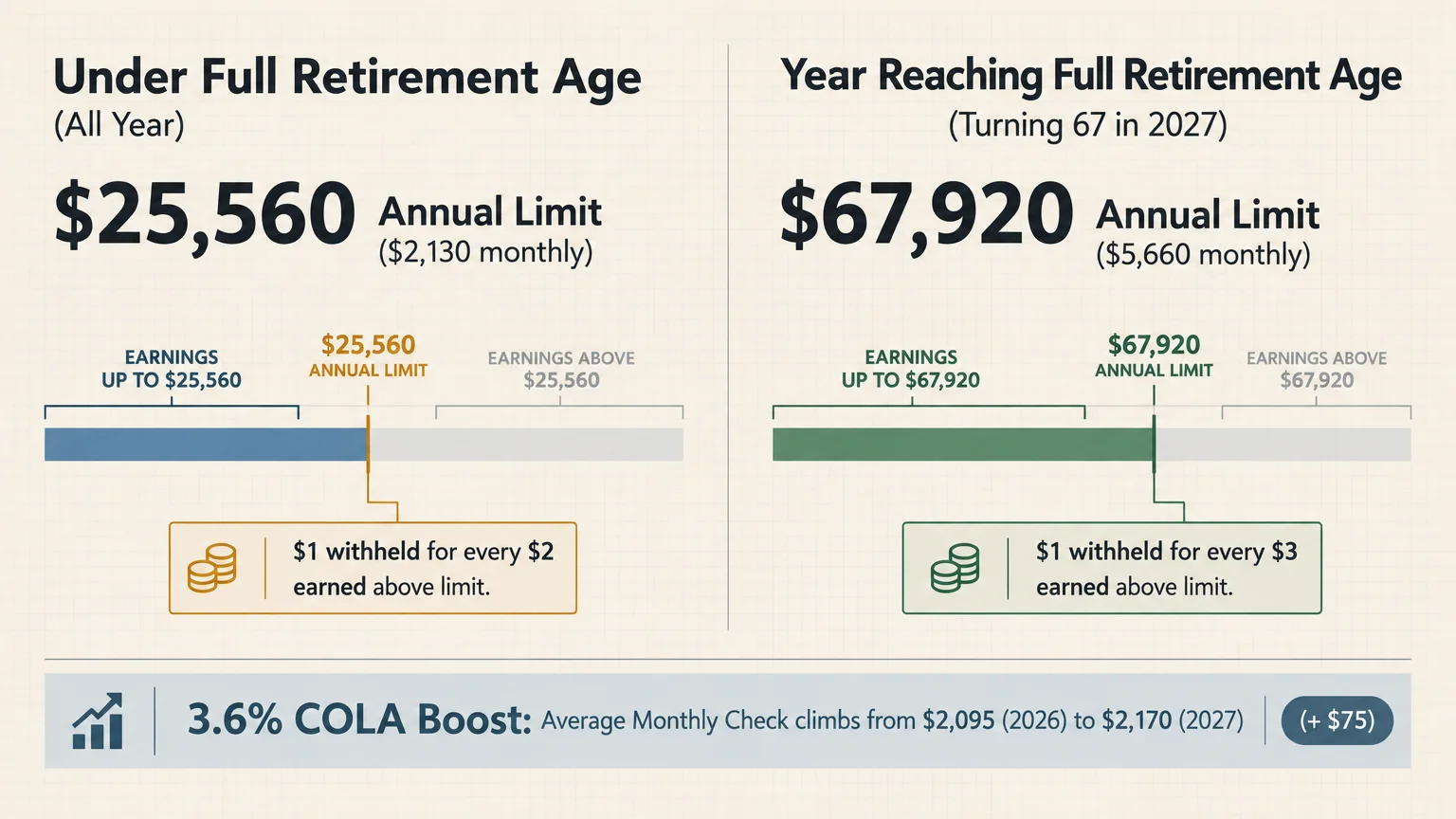
The Social Security Administration announced a 3.6% cost-of-living adjustment for 2027. This increase marks an encouraging step up from the 2.8% boost delivered in 2026.
For the average retired worker, monthly checks will climb by approximately $75. That adjustment elevates the typical monthly payment from $2,095 in 2026 to $2,170 in 2027.
Nearly 72 million beneficiaries will see these larger payments arrive starting in January 2027. Supplemental Security Income recipients will receive their updated payments earlier, on December 31, 2026.
Despite this general raise, many working seniors could experience an abrupt benefit reduction. If you collect retirement benefits before reaching full retirement age, strict earnings limits apply to your wages.
The annual earnings limit rises to $25,560 in 2027 for those who remain under full retirement age all year. This equals $2,130 per month, rising from the 2026 threshold of $24,480.
If your job earnings surpass this limit, the agency withholds $1 from your benefits for every $2 earned above the line. That reduction can quickly erase your monthly check.
The earnings rule changes dramatically in the calendar year you reach your full retirement age. For seniors turning 67 in 2027, the earnings cap jumps to $67,920.
This higher ceiling allows you to earn up to $5,660 monthly in 2027 without facing penalties. In 2026, that threshold was set at $65,160.
Above that threshold, officials withhold $1 for every $3 you earn until your 67th birthday month arrives. After reaching that milestone, all earnings limits vanish completely.
The way the government withholds these excess earnings often catches retirees completely unprepared. Officials do not trim small fractional amounts from each monthly check throughout the year.
Instead, the agency withholds entire monthly benefit checks starting in January until the excess penalty is satisfied. That practice can leave you without any Social Security income for months.
Fortunately, these withheld checks are not permanently forfeited to the government. When you reach full retirement age, the agency recalculates your benefit upward to credit back the withheld amounts.
To safeguard your monthly cash flow today, tailor your work commitments around these statutory earnings caps. Consider taking on project-based freelance assignments or part-time consulting roles that keep your monthly earnings steady.
Working part-time provides tremendous social stimulation and keeps your skills sharp without jeopardizing your financial security. You can teach a specialty workshop, tutor local students, or consult in your former industry.
Coordinate closely with your clients or employer to structure payments evenly throughout the calendar year. Structuring your assignments prevents surprise income spikes that trigger abrupt check withholdings.
Balancing meaningful work with leisure allows you to enjoy traveling, gardening, and spending precious time with grandchildren. Staying informed about these social security updates gives you the power to design a joyful retirement schedule.
Lifestyle Idea #2: Managing Medicare Part B Deductions and Surcharges
Maintaining great health allows you to enjoy every moment of retirement with enthusiasm and vigor. However, rising healthcare premiums represent a primary reason some seniors face a smaller Social Security check.
The Medicare Board of Trustees projects that standard Part B monthly premiums will rise by $6.60 in 2027. That projection moves the baseline monthly premium from $202.90 in 2026 to $209.50 in 2027.
Because Medicare Part B premiums are automatically deducted from Social Security payments, premium hikes directly reduce your take-home check. This automatic deduction often masks the true net value of your annual cost-of-living raise.
Many beneficiaries believe the federal hold harmless provision guarantees that checks will never decrease from one year to the next. That legal provision protects beneficiaries when standard Part B premium hikes exceed the dollar value of their COLA.
However, roughly 30% of Medicare enrollees do not qualify for this critical statutory protection. Seniors who enroll in Medicare Part B for the first time in 2027 are completely excluded from hold harmless rules.
Beneficiaries who do not have premiums deducted directly from their Social Security benefits also do not receive protection. In addition, higher-income retirees subject to the Income-Related Monthly Adjustment Amount, or IRMAA, face full exposure.
The federal government bases your 2027 IRMAA surcharges on your modified adjusted gross income from your 2025 tax return. If you realized a large capital gain or retired in late 2025, your surcharges could surge.
These substantial surcharges apply to both Part B medical insurance and Part D prescription drug plans. For many seniors, rising surcharges can completely overwhelm the modest $75 average monthly cost-of-living bump.
When surcharges exceed your COLA raise, your deposited check shrinks compared to the prior year. You can combat these healthcare cost increases by adopting healthy, engaging lifestyle habits.
Joining local walking clubs, water aerobics classes, or community pickleball leagues keeps your energy high and medical bills low. Active social exercise connects you with wonderful peers while supporting long-term physical wellness.
Cooking wholesome, plant-rich meals with friends turns healthy eating into a delightful weekend social event. Sharing culinary duties reduces household grocery bills and introduces you to delicious, nutritious recipes.
If your income dropped significantly after 2025 due to retirement or work reduction, file an official appeal with the agency. You can submit Form SSA-44 to request an IRMAA reduction based on life-changing events.
Documenting your life changes promptly can remove unwarranted surcharges and restore hundreds of dollars to your monthly check. Protecting your retirement income ensures you have abundant resources for theater outings, family vacations, and creative hobbies.
Proactive healthcare planning keeps your finances stable while allowing you to focus on the vibrant experiences retirement offers. Staying mindful of these social security changes 2027 helps you navigate premium adjustments with total confidence.
Lifestyle Idea #3: Mitigating the Stealth Tax on Benefit Checks
A 3.6% cost-of-living increase provides welcome relief against everyday expenses, but federal taxation can silently undercut your gains. Outdated federal income tax thresholds mean many seniors will surrender a significant portion of their raise to the IRS.
Congress originally established the income thresholds for taxing Social Security benefits in 1983 and 1993. Lawmakers have never indexed these taxation thresholds to account for general economic inflation.
Because these thresholds remain completely static, each annual cost-of-living raise pushes thousands of middle-income retirees into taxable territory. Financial planners widely call this phenomenon the stealth tax on retirement benefits.
Your tax liability depends on your combined income, which follows a specific formula established by federal law. Combined income includes your adjusted gross income, nontaxable interest income, and exactly half of your Social Security benefits.
Many seniors are surprised to learn that municipal bond interest, normally tax-free, counts directly toward your combined income. Even modest nontaxable yields can inadvertently trigger taxes on your retirement benefits.
For single tax filers, a combined income between $25,000 and $34,000 exposes up to 50% of benefits to taxation. If a single filer earns more than $34,000, up to 85% of benefits become taxable.
Married couples filing jointly face a $32,000 threshold for the 50% taxable tier. If a couple’s combined income exceeds $44,000, up to 85% of their benefits become subject to regular income taxes.
Recent federal tax legislation introduced a temporary $6,000 tax deduction for eligible seniors age 65 and older through 2028. While this deduction provides welcome overall tax relief, it does not alter the underlying 1983 and 1993 benefit taxation thresholds.
As a result, the 2027 COLA increase will push more retirees across these unindexed barriers, triggering a net benefit reduction. Fortunately, thoughtful withdrawal strategies can shield your monthly income from excessive taxation.
Consider drawing funds from Roth IRA accounts or health savings accounts during years when your income approaches these thresholds. Qualified distributions from Roth accounts do not count toward your combined income calculation.
If you are age 70 and a half or older, utilize qualified charitable distributions directly from your traditional IRA. These direct gifts satisfy annual required minimum distributions without boosting your adjusted gross income.
Supporting your favorite local animal shelters, community gardens, or youth arts programs keeps your taxable income low while enriching your community. Charitable giving connects you with inspiring people who share your philanthropic values.
You can also host potluck dinners, organize book clubs, and explore public nature reserves with friends to maintain an exciting social life. Enjoying free or low-cost activities keeps your spending low and your taxable distributions minimal.
Collaborating with an experienced tax professional will help you model your distributions and protect your monthly benefit check. Managing your tax exposure ensures that your hard-earned benefits remain dedicated to family celebrations, travel, and personal passions.

Lifestyle Idea #4: Offsetting Payroll Tax Adjustments for Working Seniors
Modern retirement is no longer defined by full withdrawal from productive work and community contribution. Many retirees choose to maintain part-time consulting careers, launch creative artisan businesses, or take on flexible consulting contracts.
Staying professionally active expands your social network, stimulates your mind, and provides an invigorating sense of purpose. However, high-earning seniors who continue working will face higher payroll taxes under the social security rule change 2027.
The maximum amount of annual wages subject to the 6.2% Social Security payroll tax jumps to $192,300 in 2027. This marks a notable increase from the 2026 taxable maximum limit of $184,500.
If you earn at or above the new wage base limit, you will pay payroll taxes on an additional $7,800 of income. For employed seniors, this adjustment results in up to $483.60 more in payroll taxes deducted from your paychecks.
Self-employed professionals and independent contractors carry an even heavier burden under this rule change. Because self-employed individuals pay both employee and employer portions, they face a 12.4% total Social Security tax rate.
That means self-employed retirees could pay up to $967.20 more in payroll taxes in 2027 compared to 2026. This extra tax burden reduces your take-home pay, leaving less disposable cash for travel, dining, and hobbies.
You can offset this payroll tax hike by optimizing your legitimate business deductions and professional expenses. Deducting qualified home office expenses, business mileage, and technology upgrades reduces your net self-employment earnings.
Another appealing option is to intentionally adjust your schedule and trade billable hours for leisure time. Reducing your client workload slightly can keep your annual earnings below the higher wage cap while opening up free time.
Use those freed-up hours to pursue creative interests like painting, woodworking, photography, or learning a foreign language. Exploring creative hobbies introduces you to supportive community groups and enriches your everyday life.
Consider channeling your professional expertise into unpaid board service or volunteering with local entrepreneurial incubators. Mentoring younger professionals allows you to give back meaningfully without adding taxable payroll income to your bottom line.
Maintaining a balanced work schedule ensures that work supports your lifestyle rather than consuming your retirement years. Keeping your earnings in harmony with tax limits lets you enjoy professional engagement without facing unnecessary financial strain.
Lifestyle Idea #5: Preventing Overpayment Claws and Maintaining SSI Compliance
Living your best retirement life requires emotional calm and freedom from administrative anxiety. In 2027, the Social Security Administration is enforcing strict data verification to identify overpayments and inaccurate benefit disbursements.
If you received benefit payments in prior years based on outdated income figures, you could face automated recovery actions. The agency often withholds complete monthly benefit payments until it claws back the entire overpaid amount.
Losing an entire monthly check without warning can instantly derail your household budget and disrupt your plans. Maintaining accurate and transparent communication with the agency is essential to protect your ongoing monthly income.
Recipients of Supplemental Security Income must remain especially vigilant regarding federal resource limits and income thresholds. For 2027, the maximum federal SSI payment rises to $1,029 per month for eligible individuals.
Eligible married couples can receive up to $1,544 per month in federal SSI support starting on December 31, 2026. However, countable financial resources must remain below strict federal limits of $2,000 for individuals and $3,000 for couples.
Even modest financial gifts, unexpected bank deposits, or changes in shared living expenses can trigger an immediate benefit freeze. Reporting any changes in your wages, residency, or marital status within ten days of each month protects your benefits.
Establish an orderly home filing system to track all pay stubs, bank statements, and official government correspondence. Use a simple, labeled binder or a secure digital folder on your tablet to keep everything easily accessible.
Dedicate one afternoon each month to review your financial files over coffee with your spouse or a trusted companion. Turning administrative tasks into a relaxed, organized routine removes fear and builds total confidence in your finances.
If you receive an unexpected overpayment notice from the agency, do not panic or ignore the letter. You have the legal right to file an appeal or request a waiver if the overpayment was not your fault.
You can also negotiate an affordable monthly repayment schedule rather than permitting the agency to withhold your entire check. Protecting your baseline income ensures you can continue enjoying weekend farmer’s markets, library events, and social gatherings.
Being proactive about compliance eliminates stressful surprises and keeps your golden years joyful and worry-free. Clear financial records give you the freedom to focus on the relationships, creative projects, and adventures you love most.

Putting It into Practice: Small Steps for Big Changes
Taking charge of your retirement finances does not require complex spreadsheets or endless stress. Simple, deliberate actions taken today will protect your checks and enhance your overall quality of life.
Begin by creating or logging into your personal profile on the official Social Security Administration portal. Review your posted earnings record thoroughly to ensure officials accurately recorded all your historical wages.
If you plan to work while claiming early benefits in 2027, map out your monthly earnings carefully. Keep your monthly wages below $2,130 to ensure you avoid triggering painful check withholdings early in the year.
If you celebrate your 67th birthday in 2027, plan your earnings ceiling at $5,660 monthly prior to your birthday month. Once your birthday month arrives, you can work without any earnings caps whatsoever.
Review your 2025 tax returns to anticipate whether Medicare IRMAA surcharges will affect your Part B or Part D coverage. If your income dropped after 2025 due to retirement, submit Form SSA-44 immediately to appeal those surcharges.
Evaluate your combined income alongside your tax advisor to determine whether the 3.6% COLA pushes you into taxable territory. Explore utilizing Roth withdrawals or qualified charitable distributions to keep your taxable income below statutory thresholds.
Embrace enriching, budget-friendly lifestyle activities that build strong social connections without draining your wallet. Join community gardening cooperatives, walking groups, book clubs, and free local arts workshops.
Host relaxed potluck dinners and board game nights with neighbors to nurture friendships and share wonderful laughter. Meaningful relationships and joyful shared experiences represent the true wealth of a fulfilling retirement.
Schedule a quarterly financial check-in with your partner or a trusted friend to review your budget and upcoming plans. Clear communication and proactive preparation ensure that your retirement remains an exciting chapter filled with growth and connection.
Frequently Asked Questions
What should you do if your net Social Security check drops unexpectedly in 2027?
Start by logging into your official online account to examine your detailed monthly benefit breakdown. Review your statement to determine whether Medicare Part B premium increases or IRMAA surcharges caused the deduction.
Check whether the agency withheld payments due to excess earnings under the Retirement Earnings Test. If an error occurred or your income declined, file an appeal or submit proof of life-changing events promptly.
Can you work part-time without facing a benefit reduction?
Yes, you can work part-time while collecting retirement benefits as long as your earnings stay below federal thresholds. In 2027, you can earn up to $25,560 annually if you remain under full retirement age all year.
If you reach your full retirement age of 67 in 2027, the limit rises to $67,920. Once you reach full retirement age, all earnings restrictions disappear completely, allowing you to earn unlimited income.
How can you maintain an active social life on a tighter monthly budget?
An enriching social life does not require spending significant amounts of money on expensive outings. You can participate in free community events, library discussion groups, amateur sports leagues, and volunteer initiatives.
Organize casual home gatherings, potluck suppers, and afternoon tea sessions with dear friends and neighbors. True friendship and meaningful connection thrive on shared presence, heartfelt conversation, and mutual support rather than costly entertainment.
Does the temporary senior tax deduction eliminate taxes on Social Security benefits?
No, the temporary $6,000 tax deduction for eligible seniors age 65 and older does not eliminate benefit taxation. It reduces your overall taxable income, but the underlying 1983 and 1993 statutory thresholds remain completely unchanged.
If your combined income exceeds $25,000 for single filers or $32,000 for joint filers, benefits remain subject to tax. Working with a qualified tax professional helps you plan distributions effectively and minimize your tax exposure.
For resources on retirement living, travel, and finance, visit AARP. Official information on Social Security is available at SSA.gov. For travel advisories, consult the U.S. Department of State.
Disclaimer: This article provides lifestyle suggestions for informational purposes. Financial, legal, or travel decisions should be made in consultation with qualified professionals.