
Where you spend your retirement years shapes your daily energy, medical costs, and longevity more than you might realize. Fresh 2026 national data reveals a striking gap between top-performing states for older adults and those falling behind.
Knowing how your state stacks up helps you spot hidden risks and tap into better local resources. Even better, you can build the daily habits behind the healthiest states anywhere, whether you stay put or pack your bags.
Explore which states lead the nation, which ones struggle, and how you can turn these findings into thriving routines.
Lifestyle Idea #1: Mirror the Daily Habits of the Top Ten States
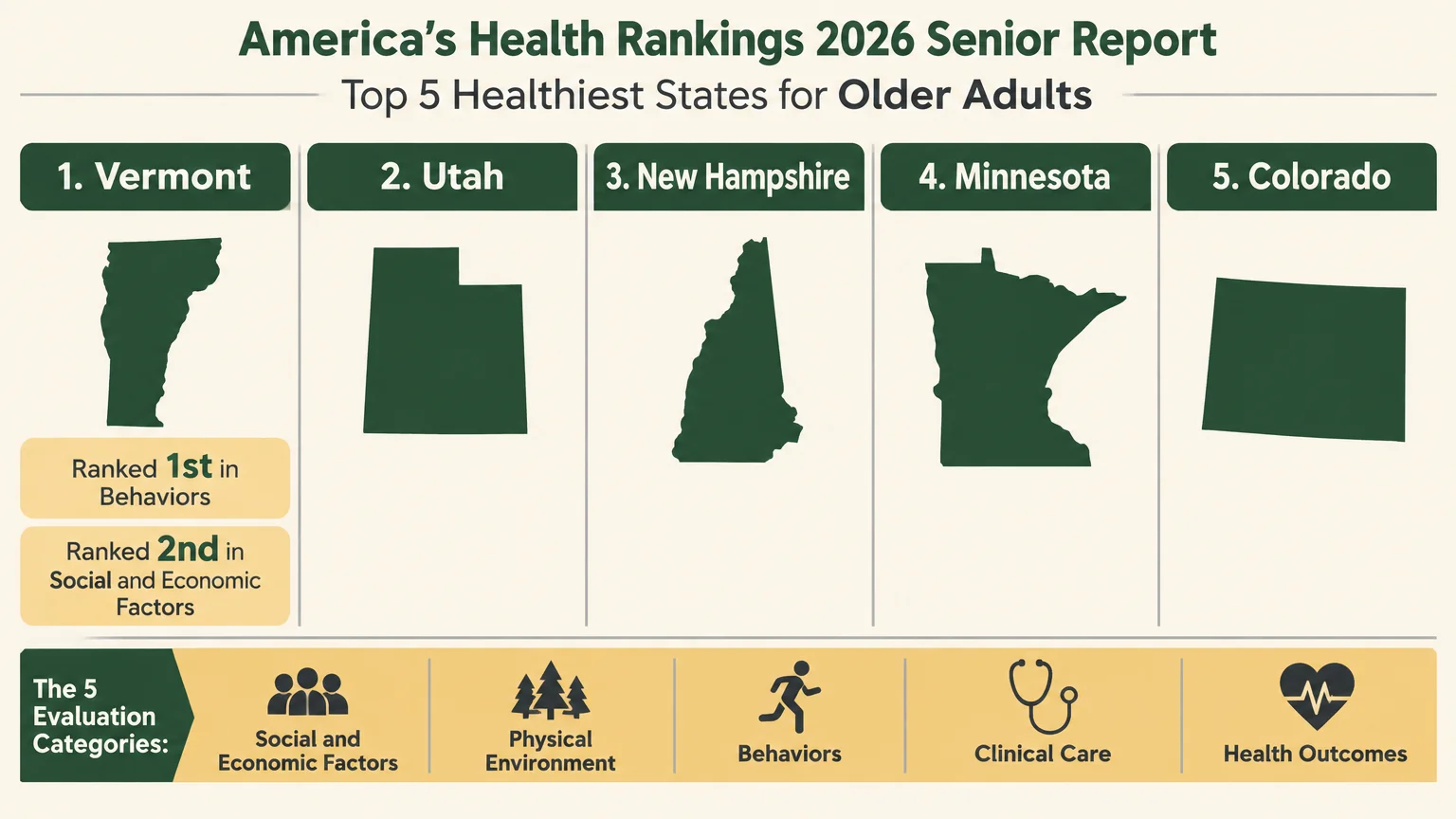
New national rankings show that geography and daily culture play huge roles in how well older adults thrive. In its 14th annual report published on May 14, 2026, the United Health Foundation analyzed 56 health measures from 25 data sources.
Overall state placements in America’s Health Rankings 2026 Senior Report rely on 36 measures across five key areas. Those categories cover Social and Economic Factors, Physical Environment, Behaviors, Clinical Care, and Health Outcomes.
Vermont claimed the number one spot among the healthiest states for seniors for the second consecutive year. Utah, New Hampshire, Minnesota, and Colorado rounded out the top five.
Massachusetts, Washington, Connecticut, Maryland, and Hawaii completed the top ten list. If you live in one of these states, strong community infrastructure already works in your favor.
Vermont earned its lead by ranking first in Behaviors and second in Social and Economic Factors. Older adults there report low poverty rates, low physical inactivity, and very little cost-related care avoidance.
Still, even the highest-ranked state carries challenges you should watch closely. Vermont struggled with a high suicide rate, a steep housing cost burden, and low hospice use.
You can borrow the best habits from these top-ranked senior health rankings regardless of your address. Start by weaving regular social movement into your calendar, such as a neighborhood walking club or community garden shift.
You can also protect your budget from high housing expenses by reviewing local property tax exemptions for older homeowners. Staying proactive with both your social life and your living expenses keeps independence within reach.
Lifestyle Idea #2: Counter the Risks Behind the Lowest-Ranked States
Looking at the bottom of the 2026 United Health Foundation rankings reveals clear patterns that you can actively push back against. Louisiana ranked 50th, dropping one spot from 2025, followed by Mississippi at 49th and Kentucky at 48th.
Arkansas, West Virginia, Oklahoma, Alabama, Tennessee, New Mexico, and Missouri filled out the bottom ten. These states face tough structural hurdles, yet individual lifestyle choices still hold tremendous power.
Louisiana placed in the bottom five across four major categories: Behaviors at 47th, Health Outcomes at 48th, Social and Economic Factors at 48th, and Clinical Care at 49th. High cigarette smoking rates, frequent mental distress, and higher poverty drove those low scores.
However, the state data also highlighted unexpected strengths that families can lean on. Louisiana maintained a low suicide rate and offered high numbers of home health care workers per 1,000 seniors.
If your state appears near the bottom of national state health data, treat the numbers as an early warning system rather than a fixed outcome. You control how you structure your mornings, meals, and friendships.
Quitting tobacco at any age delivers fast circulation and breathing benefits you can feel on your next walk with grandkids. Connecting with local senior centers, faith groups, or volunteer boards also eases mental distress before isolation sets in.
When local clinics feel stretched thin, build your own support team early by researching trusted home-care agencies and telehealth options. Taking charge of daily routines lets you beat state averages from your own living room.
Lifestyle Idea #3: Audit Your Local Medicare Performance and Drug Costs
Healthcare affordability and access vary dramatically across state lines, directly affecting how much money you keep for travel and hobbies. The Commonwealth Fund’s October 2025 State Scorecard on Medicare Performance evaluated 31 indicators for more than 68 million Medicare beneficiaries.
Vermont, Utah, Minnesota, Rhode Island, and Colorado earned the highest marks for Medicare performance. Louisiana, Mississippi, Kentucky, Oklahoma, and Arkansas ranked lowest.
Chronic illness burdens look vastly different depending on your zip code. According to 2023 CMS data cited in the scorecard, fewer than half of traditional Medicare beneficiaries in Vermont managed three or more chronic conditions, compared with 68% in Louisiana.
Avoidable hospital stays show a similar divide. Potentially preventable hospital admissions ranged from roughly 14 per 1,000 beneficiaries in Idaho to 35 per 1,000 in West Virginia.
Out-of-pocket costs can quietly push older adults to delay doctor visits. In 2024, 5% of older adults in Mississippi skipped care due to cost, compared with less than 3% in Utah.
Prescription drug expenses also swing wildly by state. Medicare beneficiaries paid just 4.5% out of pocket for prescriptions in New York, compared with 12.8% in North Dakota.
Prior authorization rules create another hidden hurdle you should check before choosing coverage. In 2025, about one-third of Medicare Advantage plans in Minnesota required prior authorization for specialist or preventive care, versus more than half in Kentucky and over 70% in Washington.
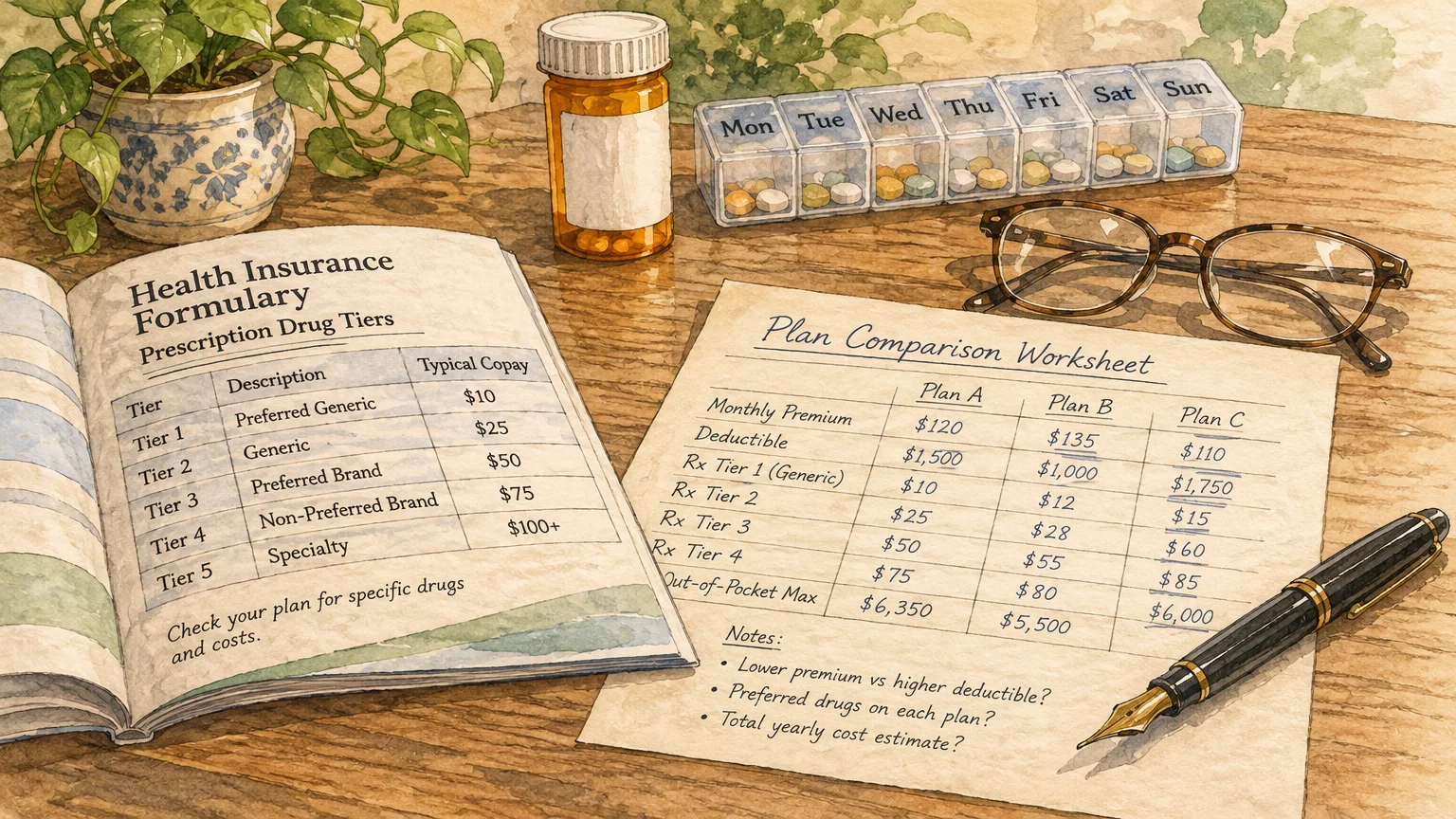
Put this insight to work during every open enrollment window by comparing local plans side by side. Ask whether your preferred specialists require prior approvals and check generic drug pricing so medical surprises never derail your retirement plans.
Lifestyle Idea #4: Focus on Active Healthspan Over Birthdays Alone
Living longer matters most when those extra years feel vibrant, independent, and full of joy. Official state life tables from the CDC National Center for Health Statistics show a 7.8-year life expectancy gap across the United States.
In final 2022 state data published in December 2025, national life expectancy at birth averaged 77.5 years before rising to 78.4 years in 2023. Hawaii led the nation at 80.0 years, followed by Massachusetts at 79.8 and New Jersey at 79.6.
New York at 79.5 years and Connecticut at 79.4 years completed the top five. At the other end, West Virginia averaged 72.2 years, Mississippi averaged 72.6 years, and Kentucky averaged 73.6 years.
America’s older population continues to grow rapidly, making healthy aging more important than ever. According to the U.S. Census Bureau’s August 2026 report and the National Council on Aging in September 2026, adults 65 and older made up 18.9% of the population in 2025.
That represents about 64.6 million older Americans, with projections showing adults 65 and older will reach 23.4% by 2060. Yet the Census Bureau also warned that the share of years lived in full health after age 60 declined by more than 2 percentage points.
On a brighter note, early deaths among young retirees are moving in the right direction. The United Health Foundation’s May 2026 report found that the early death rate for adults ages 65 to 74 fell 2% between 2023 and 2024, marking three straight annual drops.
You can protect your own healthspan—the years you feel strong enough to travel, garden, and play with grandchildren—through purposeful daily structure. Pair nutrient-rich home cooking with regular sleep schedules and meaningful community roles to keep both mind and body sharp.
Lifestyle Idea #5: Turn Weekly Exercise Into Social Connection and Home Strength
Movement is one of the fastest ways to boost your mood, balance, and independence regardless of where you live. Encouragingly, the May 2026 United Health Foundation report showed that inactivity among older adults is dropping.
Between 2023 and 2024, the share of adults 65 and older in fair or better health reporting zero physical activity fell by 16%. More seniors are lacing up their sneakers, yet most still miss key strength and balance targets.
Federal exercise guidelines updated by the CDC and HHS in December 2025 lay out clear weekly goals. Older adults should aim for at least 150 minutes of moderate-intensity aerobic activity, such as brisk walking, or 75 minutes of vigorous activity each week.
You should also add muscle-strengthening activities on two or more days per week alongside regular balance-improving movement. However, CDC data from 2022 showed that only 13.9% of U.S. adults 65 and older met federal benchmarks for both aerobic and strength training.
You do not need an intimidating health club to close that gap in your own routine. On July 31, 2026, the Community Preventive Services Task Force reaffirmed that structured home-based exercise combining aerobic, strength, and balance work preserves mobility and delays disability.
Make movement something you genuinely look forward to by pairing fitness with friendship. Invite a neighbor for morning walks, join a beginner pickleball league, or stream a short balance video with your spouse before breakfast.
Keep light resistance bands near your favorite chair so you can knock out ten minutes of strength work during commercial breaks. Consistent small sessions keep your joints fluid and your confidence high for every trip on your wish list.
Lifestyle Idea #6: Stay Current on Cancer Screenings and Fall-Proof Your Home
Preventive care acts like an insurance policy for your retirement lifestyle, catching small concerns before they interrupt your plans. Between 2022 and 2024, preventive breast and colorectal cancer screenings among older adults climbed 4%, according to the May 2026 United Health Foundation report.
Access to specialized senior care has also expanded across the country. Home health care workers grew 5% between 2023 and 2024, while geriatric clinicians rose 4% between September 2024 and September 2025 to a record 41.5 clinicians per 100,000 older adults.
Use current U.S. Preventive Services Task Force guidelines to guide conversations at your next checkup. Routine colorectal cancer screening is recommended for adults ages 45 to 75, with individualized decisions from ages 76 to 85.
Under updated April 2024 guidance, biennial mammography screening for breast cancer is recommended for women ages 40 to 74, while evidence remains insufficient for ages 75 and older. Routine cervical cancer screening generally continues through age 65 for women with adequate prior negative results and no high-risk history.
Alongside medical screenings, protecting your balance at home deserves urgent attention. CDC data updated in September 2026 shows that falls remain the leading cause of injury and injury-related death among adults 65 and older.
Over 14 million older adults—roughly one in four—report falling each year. Worse, the age-adjusted fall death rate rose 21%, climbing from 64.7 per 100,000 in 2018 to 78.4 per 100,000 in 2024.
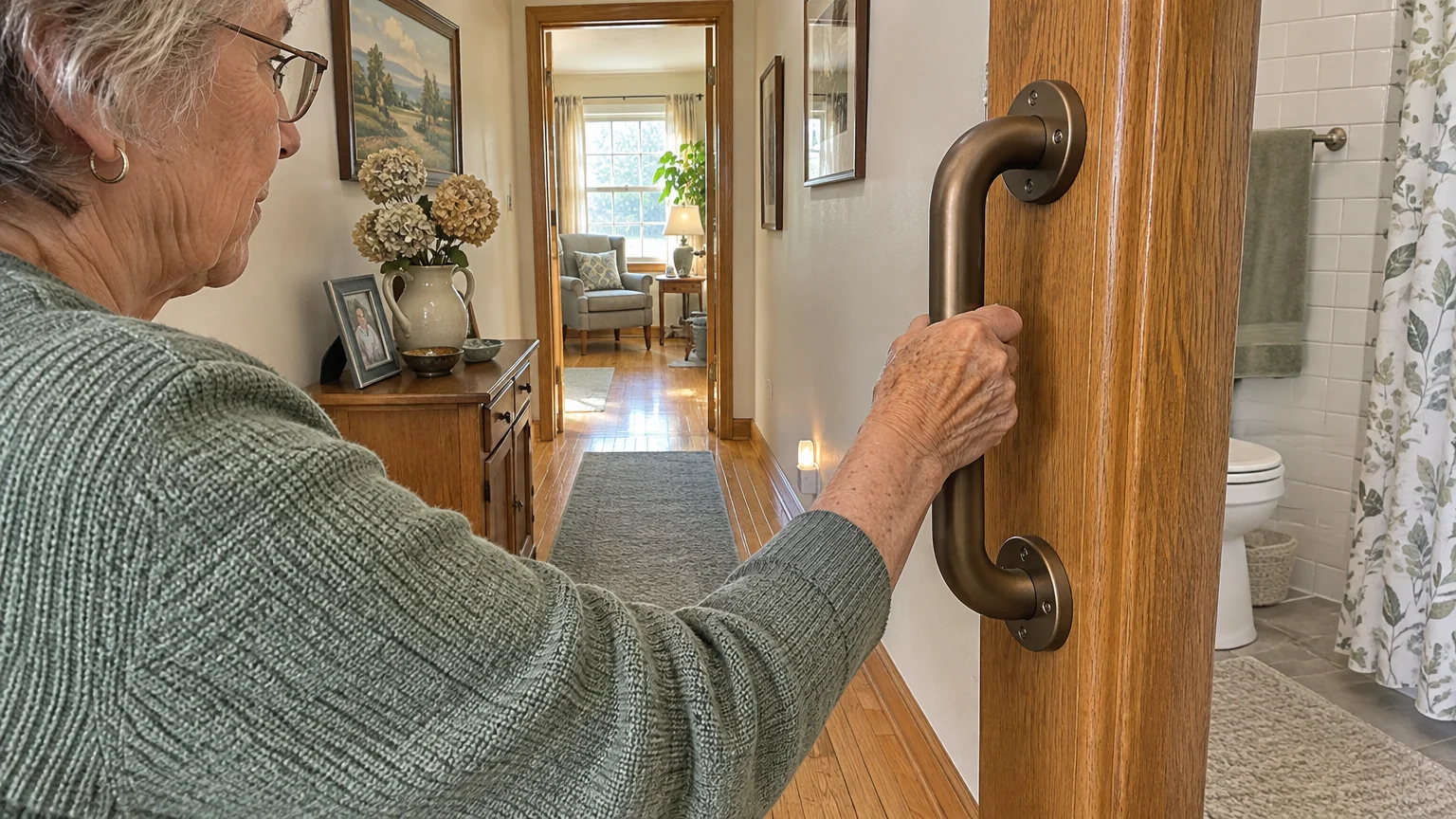
Walk through your home this weekend with fresh eyes to spot simple hazards. Secure loose throw rugs, brighten dim hallways with motion-sensing nightlights, and install sturdy grab bars in bathrooms so you can move freely without worry.
Lifestyle Idea #7: Safeguard Your Mental Health, Food Budget, and Digital Life
True aging well by state goes far beyond blood pressure numbers and gym memberships. The May 2026 United Health Foundation report sounded alarms over rising behavioral, nutritional, and online threats facing older Americans.
Drug-related deaths among adults 65 and older jumped 38% between 2019–2021 and 2022–2024, rising from 9.9 to 13.7 deaths per 100,000. Adults ages 65 to 74 were the only age group to record a significant increase in drug deaths between 2022 and 2023.
Alcohol habits also deserve honest reflection during retirement transitions. Excessive drinking among adults 65 and older increased 10% between 2023 and 2024, rising from 6.9% to 7.6%, and older adults accounted for 40.9% of all alcohol-attributable deaths in 2022–2023.
Emotional strain is climbing alongside substance risks. Suicide among older adults increased 4% between 2019–2021 and 2022–2024, reaching 17.6 deaths per 100,000, while 8.7% of seniors reported frequent mental distress.
Food budgets and online safety present growing daily pressures as well. Between 2022 and 2023, food insecurity climbed 6% to affect roughly 7.4 million adults 60 and older, an increase of 500,000 people.
Meanwhile, internet crime complaints among adults 60 and older surged 55% between 2023 and 2024, jumping from 11.2 to 17.4 per 10,000. Protecting yourself against these modern risks keeps your retirement peaceful and secure.
Ask your pharmacist to review all prescriptions and over-the-counter supplements once a year to prevent dangerous interactions. Swap quiet solo drinks for afternoon tea with friends, book clubs, or volunteer shifts that lift your spirits.
If grocery costs feel tight, explore local senior farmers-market vouchers and community dining programs that combine fresh meals with lively company. Online, turn on two-factor authentication and make a firm pact with a trusted relative to double-check any urgent payment request before sending money.
Putting It into Practice: Small Steps for Big Changes
National rankings offer a helpful roadmap, yet your daily choices write the real story of your retirement years. Whether you live in one of the best states for older adults or a state working to catch up, small actions compound quickly.
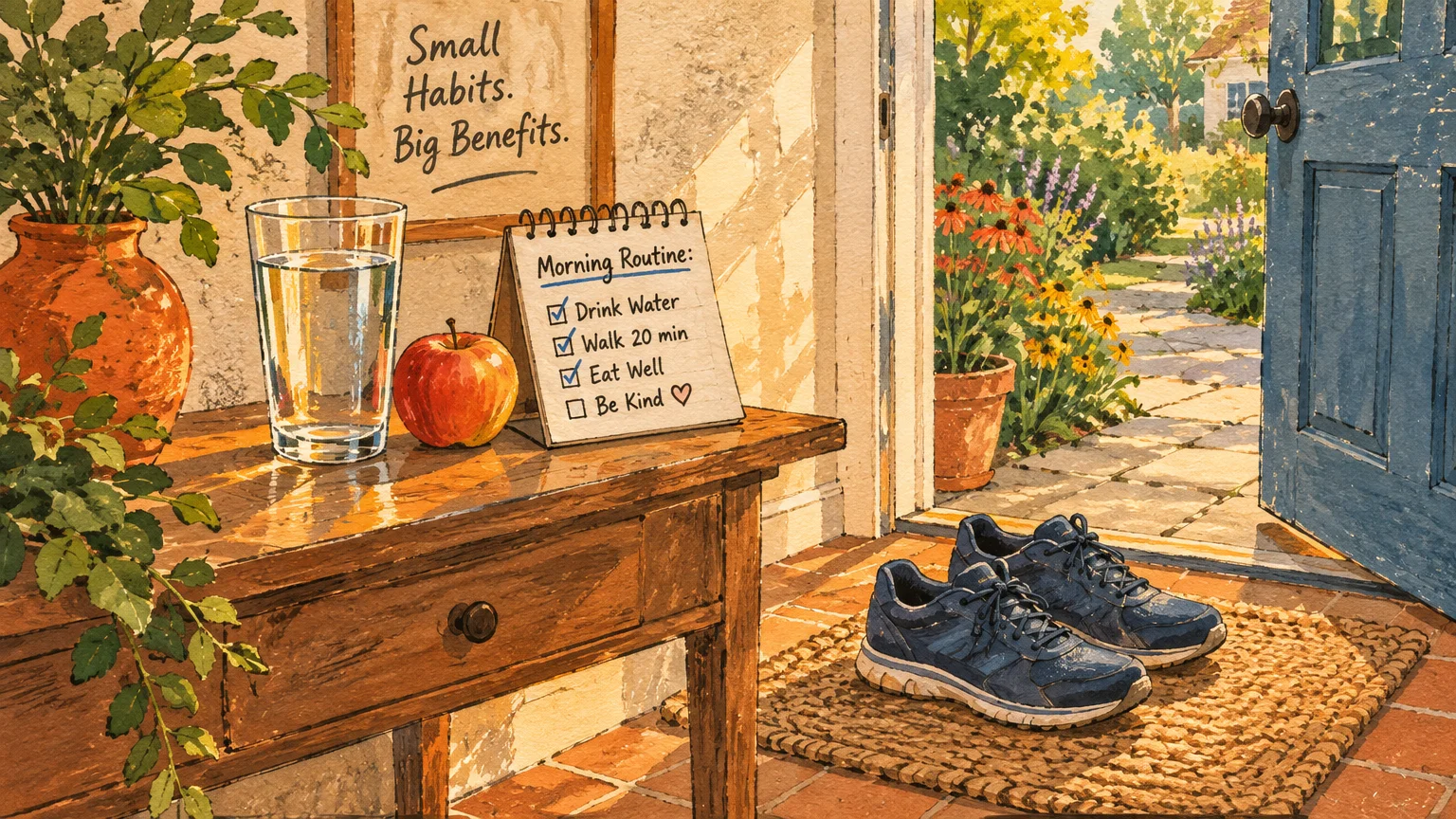
Pick one practical step this week rather than trying to overhaul everything at once. Schedule your overdue annual wellness visit, call a friend for a twenty-minute stroll, or clear clutter from your bedroom walkway.
Next week, tackle one financial or digital safeguard. Review your Medicare Advantage or prescription plan details, update your main email password, and explore a new local hobby group that sparks your curiosity.
When you pair smart healthcare planning with active friendships and safe routines, any state can become your personal haven for vibrant living.
Frequently Asked Questions
Can I still age well if I live in a lower-ranked state and cannot move?
Yes, your personal habits matter far more than your state’s overall ranking. Even in bottom-ten states, walking regularly, staying smoke-free, attending preventive checkups, and nurturing active friendships dramatically improve your healthspan and energy.
Tap into local assets such as community centers, faith networks, telehealth clinics, and senior discounts to bridge regional gaps. Creating your own supportive micro-community helps you thrive right where you are.
How can I reach 150 weekly minutes of exercise without paying for a gym?
Brisk walking around your neighborhood, local parks, or indoor shopping malls counts toward your 150-minute aerobic goal at zero cost. Adding bodyweight exercises like chair squats, wall pushups, and single-leg balance holds twice a week checks off strength and stability guidelines.
Try breaking movement into ten-minute bursts after meals so the routine feels effortless. Inviting a friend or walking a dog turns daily exercise into a favorite social ritual.
What can I do if social anxiety or retirement loneliness makes connecting hard?
Start with structured, low-pressure activities where conversation flows naturally around a shared task. Volunteering at a library, joining a beginner art class, or helping at a community garden removes the stress of making small talk from scratch.
Aim for just one recurring weekly outing at first so familiar faces slowly turn into genuine friends. Consistent small appearances build comfort and confidence over time.
How do I keep Medicare and prescription drug costs from squeezing my fun budget?
Compare plans carefully every fall instead of letting your current coverage renew on autopilot. Check prescription tiers, prior authorization rules, and out-of-pocket caps so you are not surprised by steep copays mid-year.
Ask your doctor whether safe generic alternatives exist for daily medications. Free local Medicare counseling programs can also help you uncover extra savings tailored to your state.
For resources on retirement living, travel, and finance, visit AARP. Official information on Social Security is available at SSA.gov. For travel advisories, consult the U.S. Department of State.
Disclaimer: This article provides lifestyle suggestions for informational purposes. Financial, legal, or travel decisions should be made in consultation with qualified professionals.