
Decades of shared history create a calm rhythm that brings genuine comfort to your daily life. You can easily determine whether this peaceful routine reflects deep emotional intimacy or a slow drift into practical cohabitation.
Long-term partners often mistake quiet predictability for an absence of passion. Evaluating your emotional bond helps you protect your warmth and bring fresh vitality into your shared retirement.
A few clear indicators will show you where your partnership stands today. You possess the practical tools to shift your connection from polite coexistence back into an affectionate, deeply romantic bond.
Tip #1: Track the Depth of Your Daily Conversations
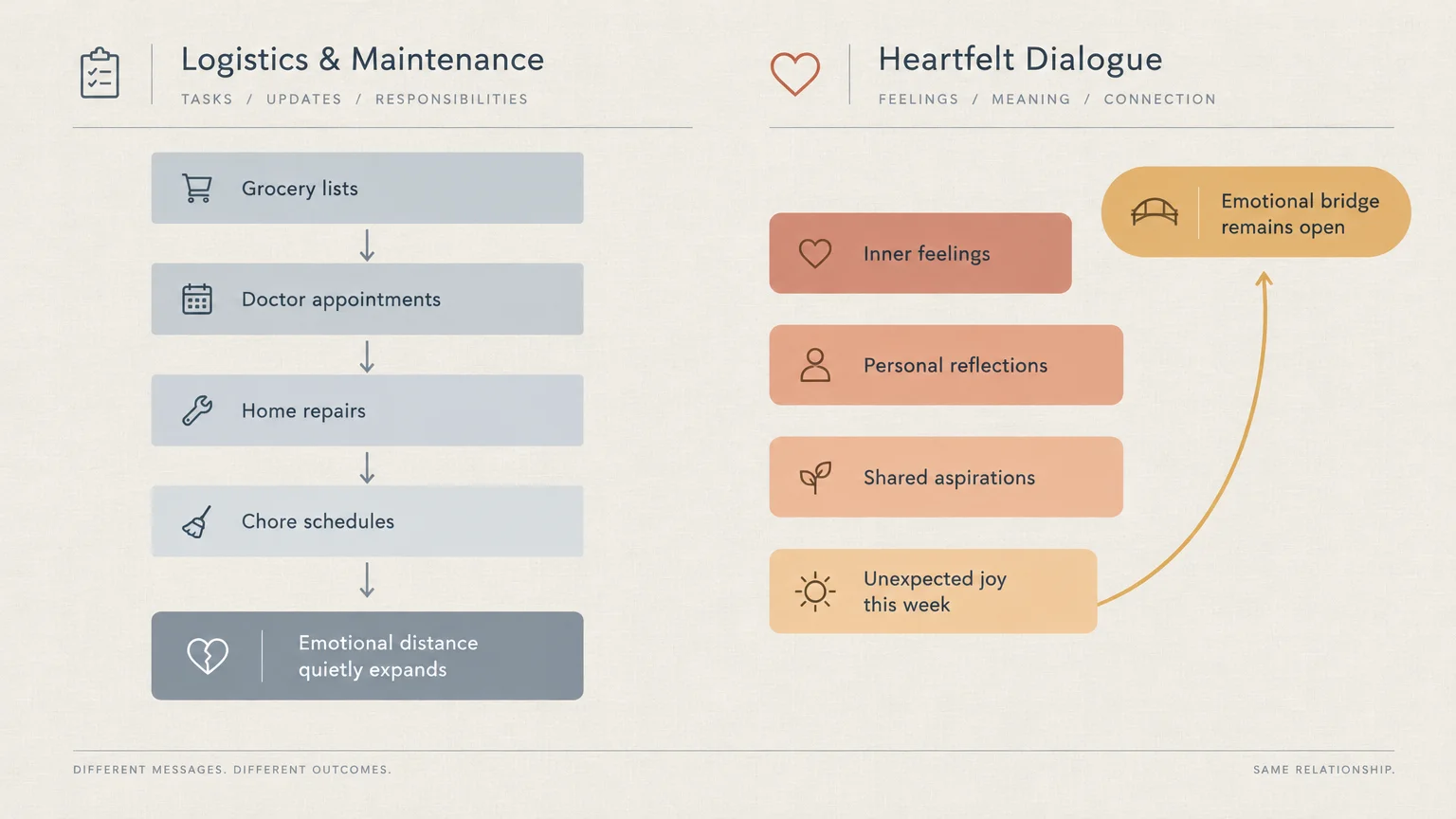
Pay close attention to what you discuss when you sit together each evening. Thriving couples exchange inner feelings, dreams, and personal reflections rather than mere household updates.
Roommates talk almost exclusively about practical logistics like grocery lists, doctor appointments, and home repairs. When conversations revolve solely around maintenance, emotional distance quietly expands between you.
Notice if you still share your private thoughts and curiosities with your spouse. Partners who preserve deep emotional intimacy confide in one another about their worries and aspirations.
Understanding the difference between roommates vs partners begins with the subjects you choose to explore. Functional coordination keeps a house running, but heartfelt dialogue keeps a marriage alive.
You can test this dynamic tonight by asking an open-ended question that avoids domestic chores. Ask your spouse what brought them the most unexpected joy this week.
Their reaction will tell you a great deal about your communication patterns. An eager response shows that your emotional bridge remains open and ready for deeper exploration.

Tip #2: Notice the Frequency of Spontaneous Physical Touch
Gentle, casual touch serves as a reliable barometer of your romantic connection. Healthy lovers reach out instinctively as they pass in the hallway or sit on the sofa.
Couples who slip into roommate territory often eliminate physical contact without even realizing it. They may live side by side for days without an affectionate squeeze or a warm embrace.
Consider whether you still hold hands during an evening walk or share a lingering morning kiss. These small physical moments release bonding hormones that reinforce emotional closeness.
If physical distance has settled into your daily life, you can deliberately rekindle romance through simple gestures. Resting your hand on your spouse’s arm creates immediate warmth and reassurance.
Touch signals to your brain and body that you share a special, intimate bond. Restoring gentle touch bridges the gap between polite cohabitants and passionate life partners.
Start small by offering an unprompted shoulder squeeze or holding hands while watching television. Consistent physical warmth invites reciprocal tenderness over time.
Tip #3: Distinguish Between Peaceful Contentment and Emotional Apathy
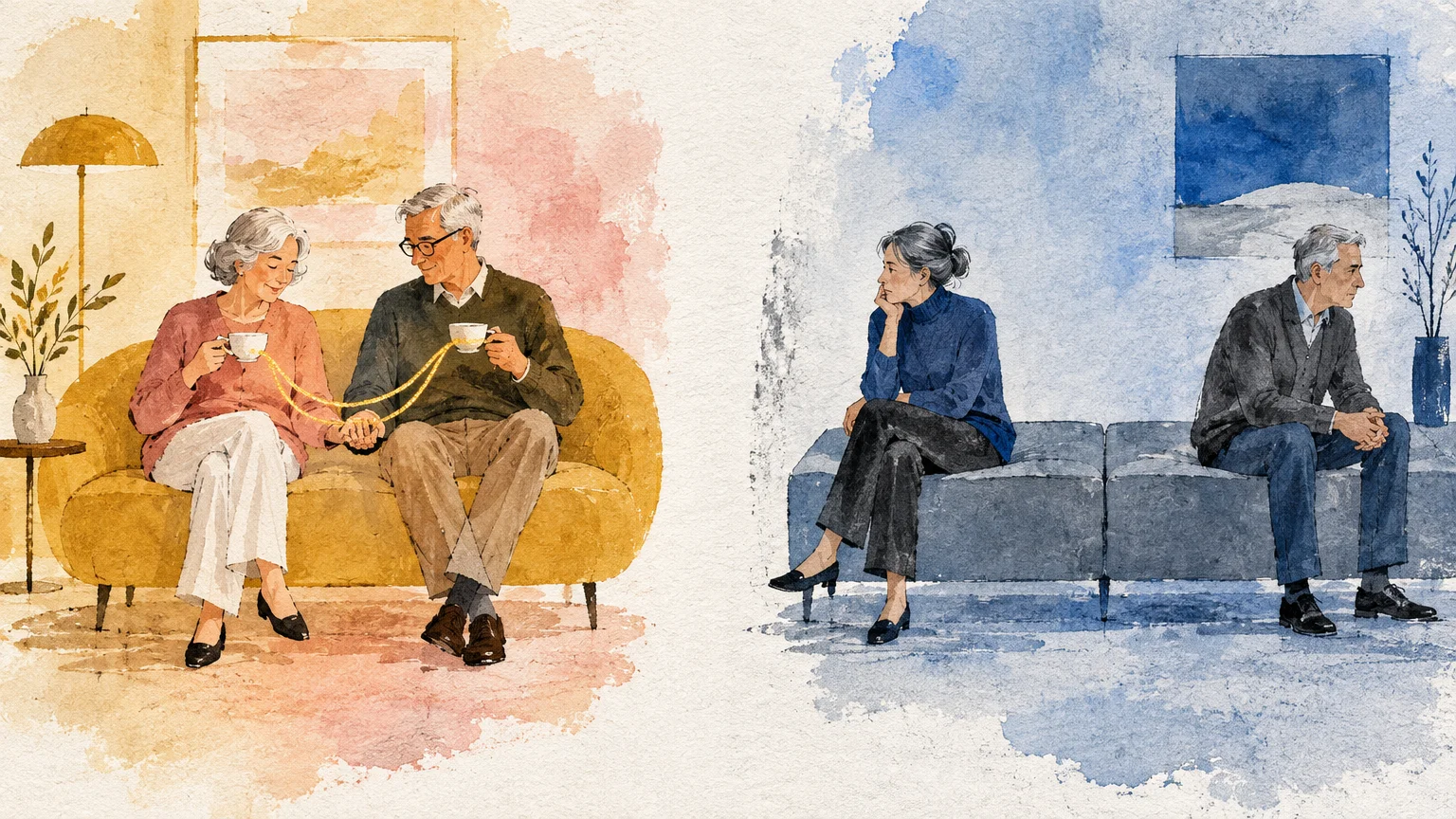
Silence in a home can signify either profound peace or heavy disconnection. You must learn to distinguish between quiet comfort and emotional detachment.
A peaceful silence feels safe, soothing, and warm. You feel genuinely connected even when neither of you utters a single word across the living room.
Apathetic silence, by contrast, feels cold, hollow, and distant. It often points toward signs of a loveless marriage where spouses emotionally check out to avoid friction.
When you stop sharing your feelings because you simply do not care anymore, disconnection grows. Emotional indifference poses a far greater threat to your marriage than occasional disagreements.
Take time to reflect on how you feel during quiet moments together. If you feel lonely while sitting right next to your partner, your bond requires immediate attention.
Acknowledge that feeling without panic or self-blame. Recognizing emotional numbness is the first courageous step toward reviving genuine closeness.
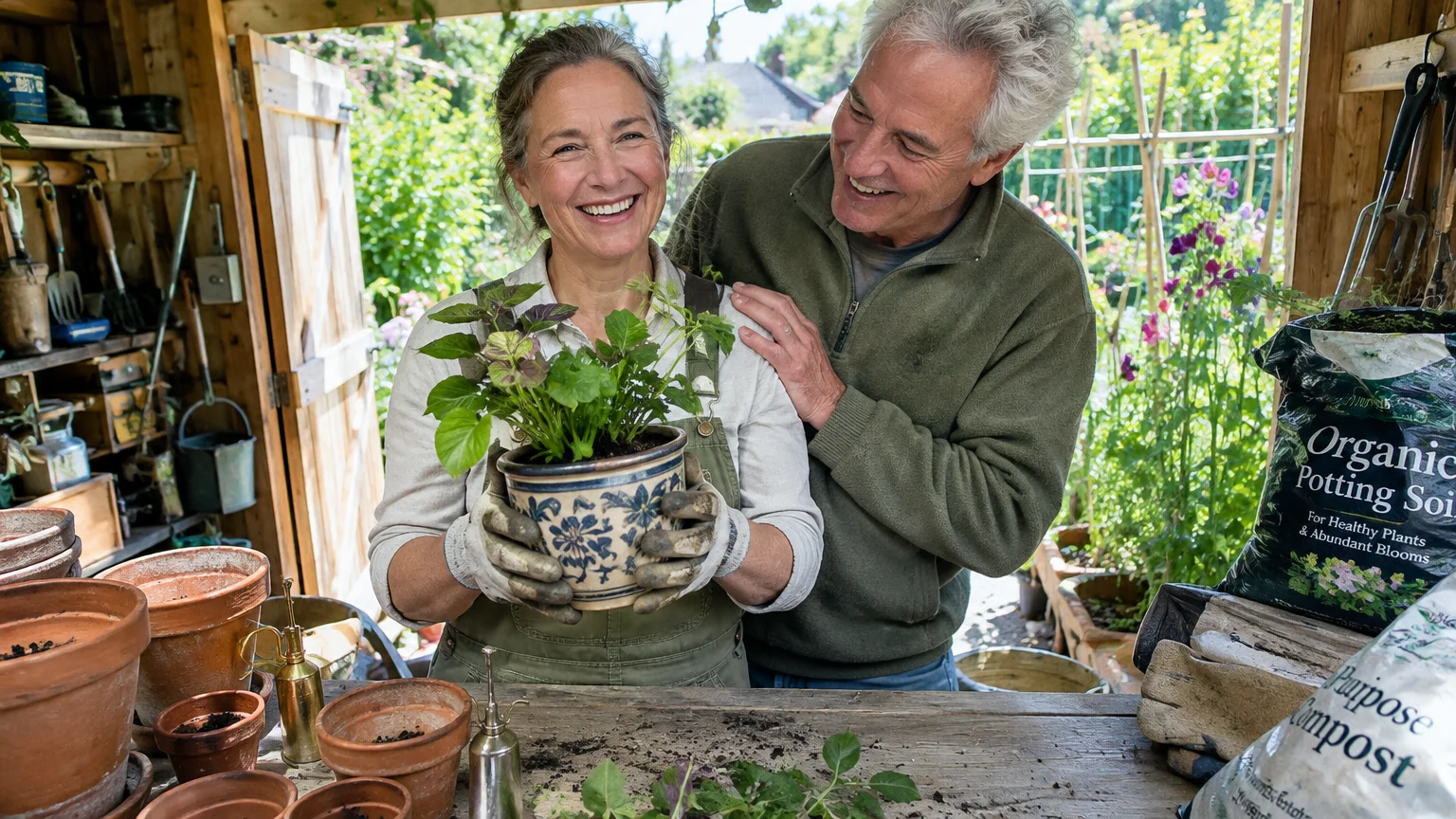
Tip #4: Evaluate How You Celebrate Each Other’s Joy
Notice how your partner responds when something exciting happens in your life. Enthusiastic support during joyful moments reveals strong relational health.
Psychologists call this active constructive responding; it strengthens marital bonds significantly. True partners lean in, ask follow-up questions, and amplify your happiness with genuine excitement.
Roommates, on the other hand, frequently respond with mild indifference or distracted nods. A flat acknowledgment like “that is nice” drains the joy from your special moment.
Consider whether you celebrate each other’s individual triumphs, no matter how modest they seem. Sharing good news should invite mutual celebration and shared smiles.
Cultivating shared joy strengthens your resilience through the challenges of aging. Celebrating your partner’s wins proves that you remain deeply invested in their happiness.
Make a conscious effort to champion your spouse the next time they share good news. Put down your reading glasses, look into their eyes, and celebrate their success enthusiastically.

Tip #5: Observe the Presence of Playful Laughter and Banter
Playfulness keeps the spirit of youth alive in any partnership. Shared humor serves as emotional glue that bonds two people through decades of change.
Sustaining a vibrant relationship after years of shared routine requires mutual amusement. Do you still share private jokes that make both of you chuckle across a crowded room?
When playfulness disappears, marriage can feel like a solemn business enterprise. Co-managing a household without laughter quickly turns romantic lovers into weary colleagues.
Bringing humor back into your daily interaction relieves accumulated tension. It reminds both of you of the lighthearted connection that drew you together in the first place.
Try teasing each other gently or reminiscing about funny mishaps from your past travels. Shared amusement instantly breaks through polite domestic monotony.
A simple giggle over morning coffee can soften hard edges and restore emotional intimacy. Never underestimate the healing power of shared silliness in your golden years.
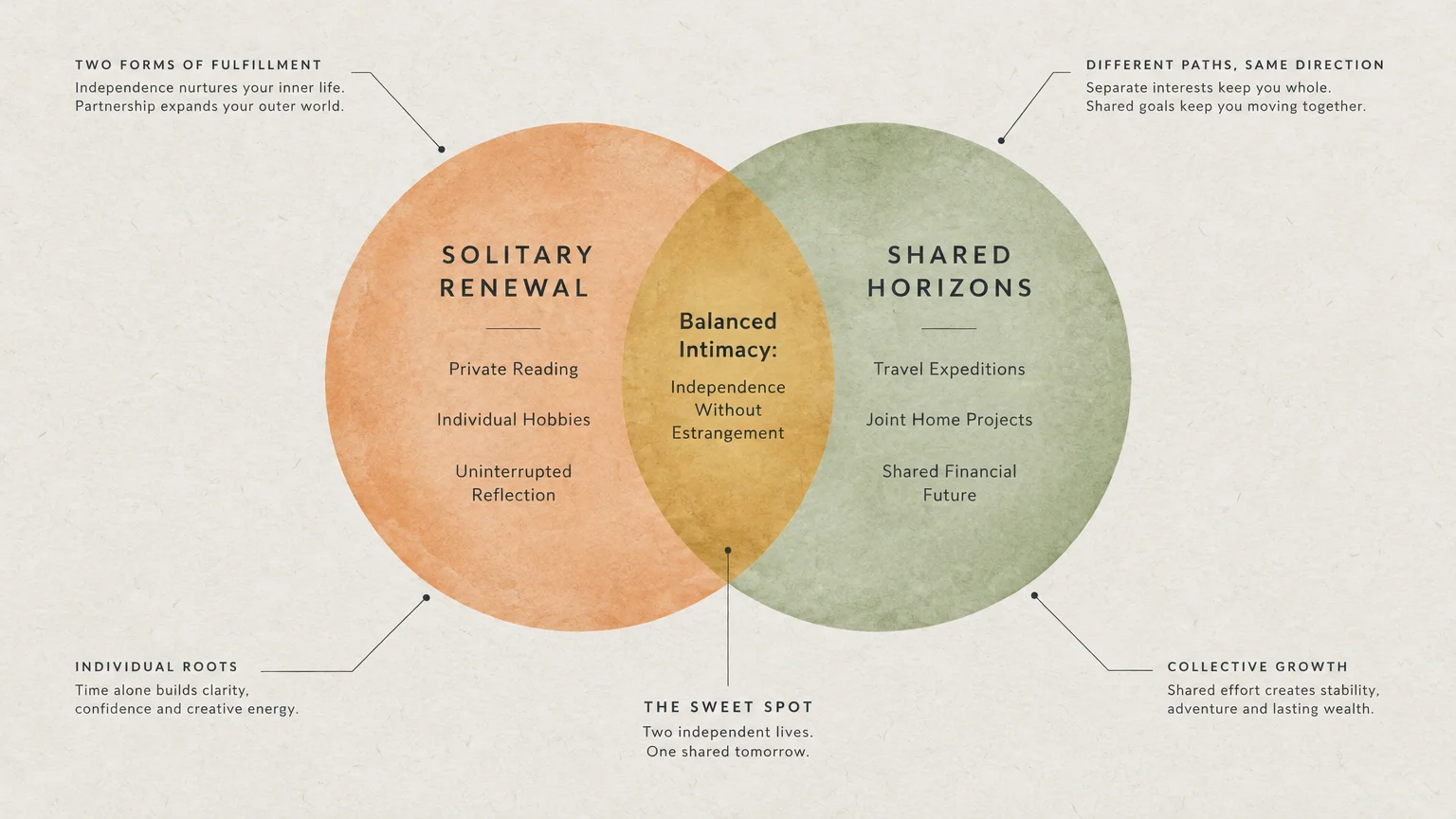
Tip #6: Examine Your Balance Between Shared Goals and Solitary Habits
Independence is healthy, but total operational separation creates emotional drift. Look closely at how you spend your free hours during retirement.
Retirees often develop separate schedules, hobbies, and routines that never intersect. While personal space matters, living entirely parallel lives turns lovers into mere flatmates.
Check whether you still plan common adventures, projects, or shared learning experiences. Strong couples actively build shared memories rather than just passing time in adjacent rooms.
Finding common ground does not require giving up your beloved individual pastimes. You simply need a meaningful pursuit that you both look forward to enjoying together.
Consider starting a shared garden, cooking a new cuisine, or planning a weekend road trip. Joint projects reignite collaboration and revive your shared sense of purpose.
Shared purpose generates exciting conversation topics and deepens mutual admiration. Invest intentional energy into crafting shared experiences that you both cherish.

Tip #7: Check Whether You Flirt Beyond Practical Chores
Flirting is not reserved exclusively for young daters or the early months of courtship. Flirtatious energy reminds your partner that you still desire them as a romantic individual.
When you slip into comfortable cohabitation, compliments often vanish entirely. You might express gratitude for dinner, but you forget to praise your partner’s attractive appearance.
Practicing long term relationship love requires deliberate appreciation and romantic admiration. Notice your spouse’s smile, compliment their clothing, or send an unexpected sweet text message.
Compliments ignite a spark of romantic validation that everyone craves, regardless of age. Flirting signals that you do not take your partner’s presence for granted.
Dress up for an evening out together just as you did years ago. Treating your spouse like a date rather than a housemate resets your relational mindset.
Small romantic gestures demonstrate that your partner remains your chosen romantic companion. Watch their face light up when you express genuine attraction and admiration.
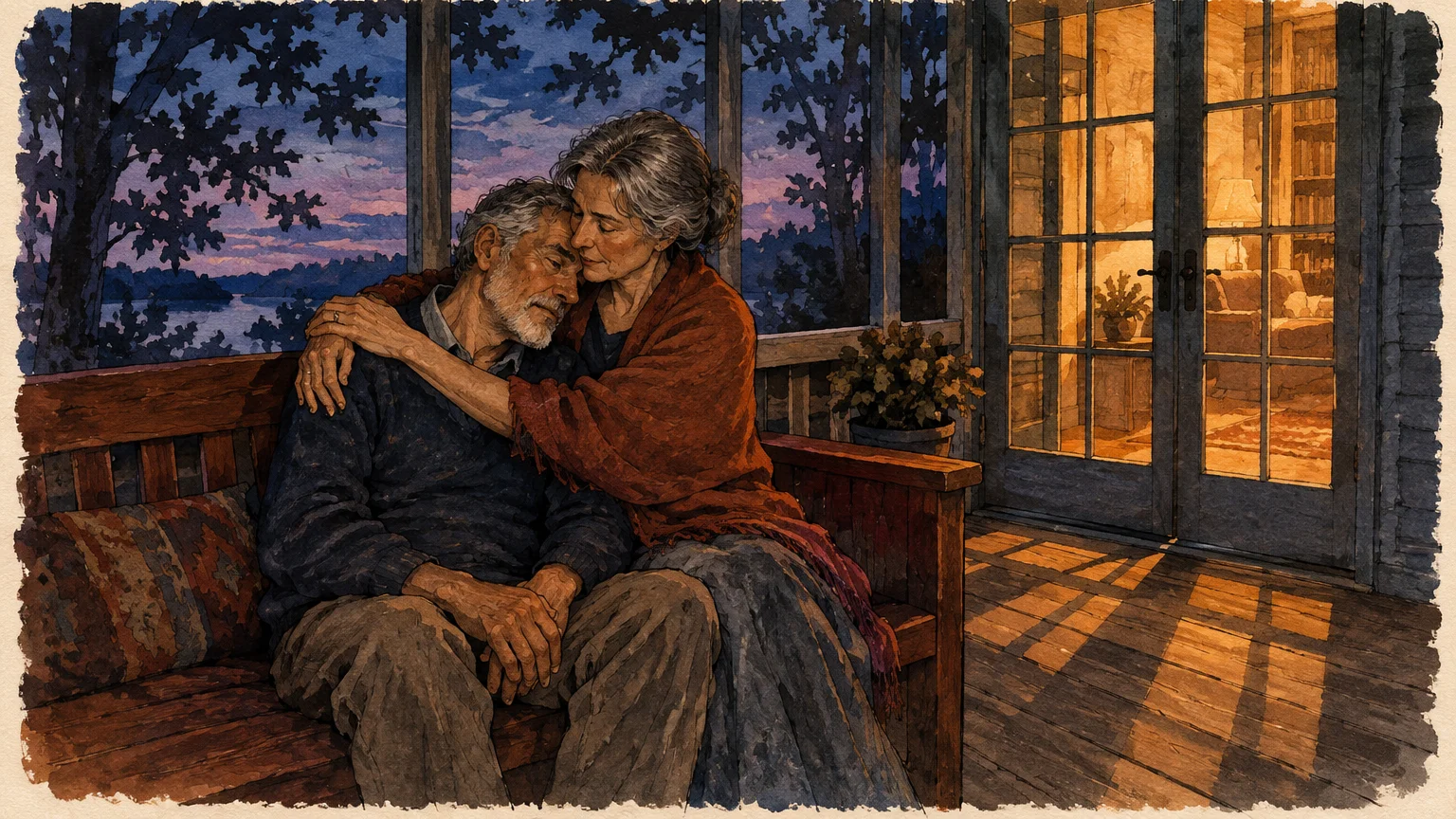
Tip #8: Assess How You Respond to Emotional Vulnerability
Emotional safety forms the bedrock of every enduring romantic union. Can you still share your deepest fears, health worries, and tender hopes with your spouse?
In a roommate arrangement, partners tend to keep their worries to themselves or turn to outside friends. They avoid burdening their spouse because emotional transparency has quietly faded.
True intimacy requires lowering your defenses and welcoming your partner’s tender vulnerabilities. When your spouse opens up, responding with patience and compassion cements your emotional bond.
Notice if you offer comfort or criticism when your partner expresses sadness or anxiety. Empathetic listening reassures your partner that their heart remains safe in your hands.
Rebuilding emotional safety creates the fertile ground necessary for romance to flourish anew. When vulnerability is met with unconditional warmth, deep love naturally returns.
Dedicate time this week to listen without offering unsolicited fixes or advice. Simply being fully present communicates unconditional acceptance and renewed devotion.
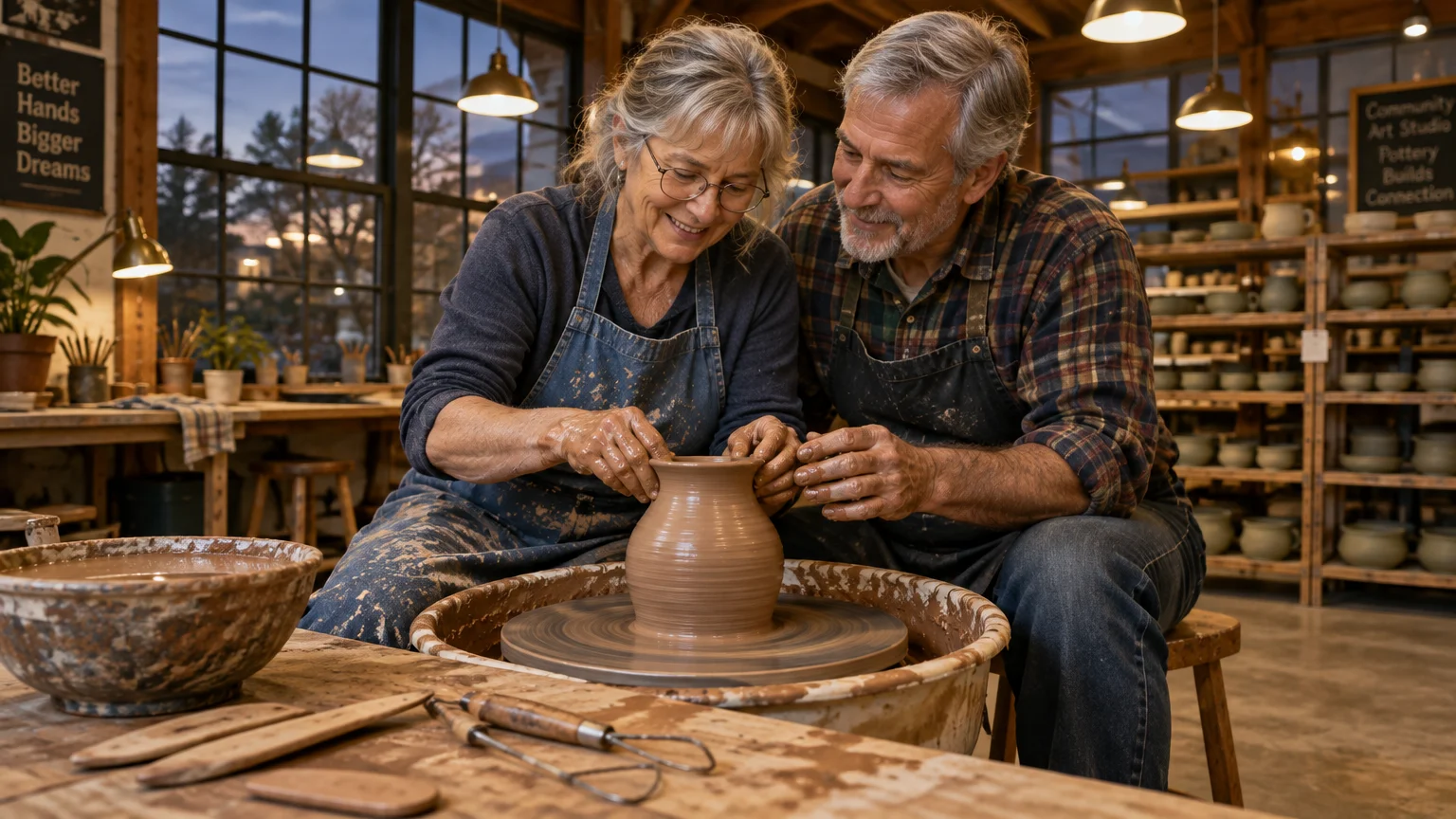
Tip #9: Review Your Mutual Curiosity and Willingness to Learn Together
Assuming you already know everything about your spouse dampens relationship vitality. Even after decades together, your partner continues to evolve in their thoughts and perspectives.
Roommates operate on assumptions and predictable patterns, rarely asking new questions. Romantic partners stay curious about their spouse’s changing worldview and emerging interests.
Cultivating genuine curiosity uncovers fresh dimensions of your partner’s personality. You might discover an unexpected hobby they want to pursue or a new book that inspired them.
Approach your partner with the eager inquisitiveness of a student of their heart. Asking about their current perspectives proves that you still find them endlessly fascinating.
Read an engaging book together or attend an interesting community lecture. Exploring new ideas as a team sparks stimulating discussions that keep your mental connection vibrant.
Intellectual intimacy feeds emotional intimacy in powerful, lasting ways. When you learn together, you continuously expand the shared landscape of your marriage.

Tip #10: Notice How You Look at Each Other Across the Room
Eye contact conveys affection more powerfully than words ever could. Notice whether you truly look at your partner or simply glance past them during the day.
Roommates often look at television screens, tablets, or newspapers while speaking to each other. This lack of visual engagement signals divided attention and emotional detachment.
Make a deliberate effort to catch your partner’s eye from across the room and offer a warm smile. Lingering eye contact communicates presence, admiration, and romantic attentiveness.
Gazing into your spouse’s eyes activates neurological pathways associated with trust and attachment. It creates an instantaneous feeling of warmth and quiet understanding.
Pause for three full seconds when greeting your spouse at the front door. Look directly into their eyes before speaking to establish an immediate, heartfelt connection.
This simple visual habit anchors your awareness in the beauty of your bond. Conscious visual connection reminds you both that you are cherished romantic partners.
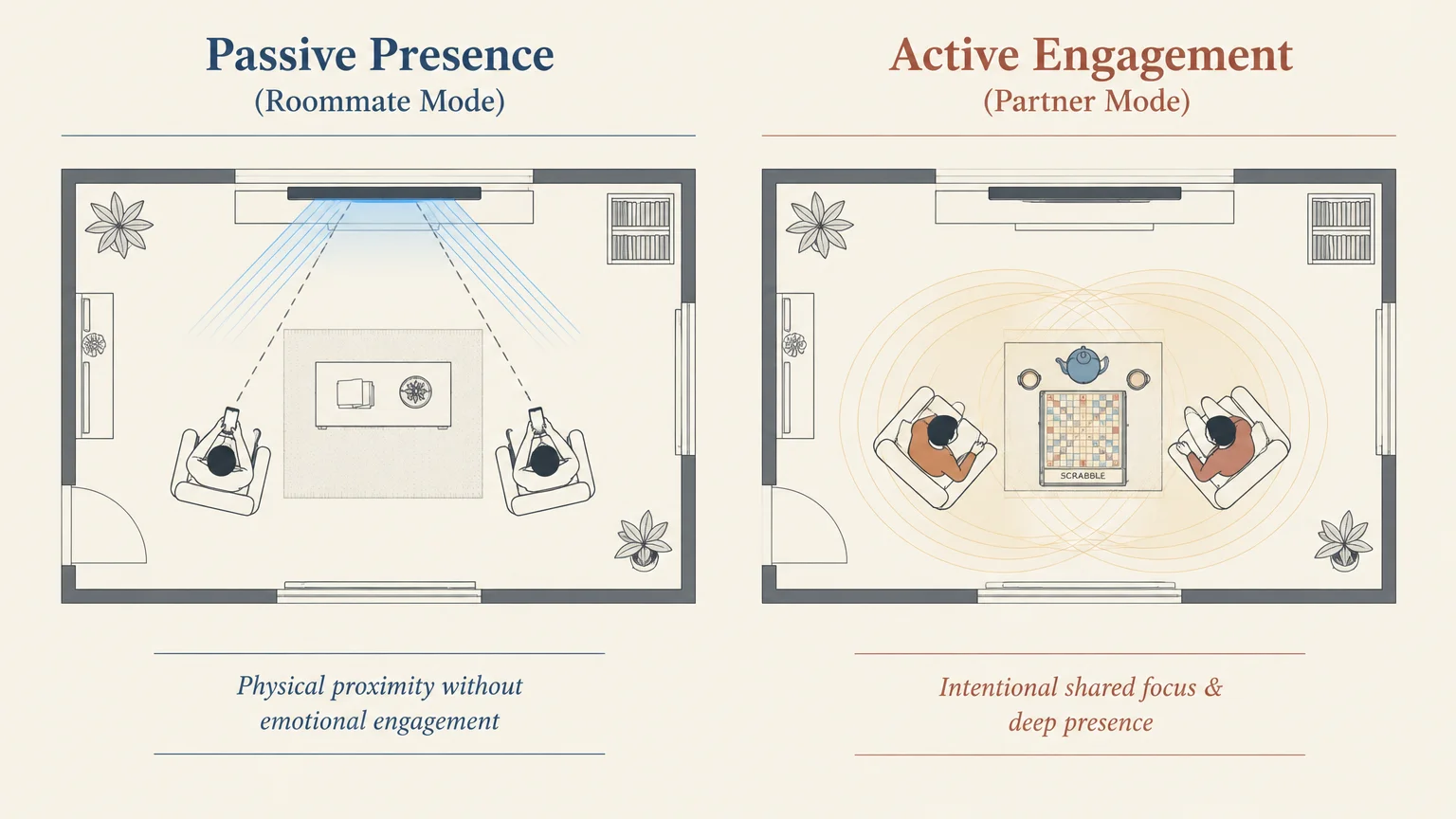
Tip #11: Evaluate How You Prioritize Quality Time Over Passive Presence
Existing in the same room is entirely different from enjoying meaningful quality time together. Sitting side by side while scrolling on separate digital screens does not build romance.
Roommates share physical space out of logistical convenience and routine. Romantic partners, however, designate focused periods where their attention centers entirely on each other.
Schedule intentional moments where you turn off background distractions and focus on your bond. Even twenty minutes of dedicated connection can transform your emotional atmosphere.
Share an evening cup of herbal tea on the back porch without any devices present. Focus your conversation entirely on your feelings, memories, and personal hopes.
Quality time demonstrates that you value your partner above the endless distractions of modern life. It creates a sacred sanctuary where your relationship can flourish and breathe.
Protect this shared time just as fiercely as you would protect an important doctor visit. Treating your relationship as a top priority reinforces your mutual dedication.

Tip #12: Practice Daily Gratitude for Your Shared History
A long partnership represents an extraordinary tapestry of shared challenges, triumphs, and quiet moments. Cherishing that history keeps gratitude at the forefront of your mind.
Roommates often focus on daily irritations like unwashed dishes or untidy counters. Romantic partners choose to view their spouse through a lens of appreciation and thankfulness.
Express specific gratitude aloud every day for something your spouse did or said. Thanking your partner reinforces positive feelings and melts away lingering resentment.
Reminisce about the obstacles you overcame together early in your marriage. Remembering your shared resilience builds pride in the lasting bond you have constructed.
Gratitude transforms mundane routines into meaningful reminders of your lifelong journey. It reminds you that your partner has stood beside you through life’s deepest storms.
Speak your appreciation clearly and watch how it softens your partner’s demeanor. Consistent gratitude creates a loving atmosphere where romantic intimacy naturally thrives.

The Takeaway: Living a More Blissful Retirement
Transitioning into a comfortable rhythm is a completely natural phase of long-term companionship. Comfort proves that you have created a stable, trusting foundation across many seasons of life.
Yet you do not have to settle for polite coexistence when vibrant romance remains fully within reach. You can enjoy both the stability of long-standing familiarity and the joy of romantic connection.
Small, deliberate changes yield remarkable emotional transformation over time. A tender touch, a playful remark, or a sincere compliment can instantly bridge an emotional divide.
Retirement offers you the precious gift of time to reinvest in your partnership. Approach your relationship with curiosity, patience, and a renewed sense of adventure.
You and your spouse have navigated decades of life together. Choosing to actively nurture your romantic flame ensures that your golden years shine with authentic love and joy.
Frequently Asked Questions
Is it normal for married couples to feel like roommates eventually?
Yes, feeling like roommates is extremely common in long-term marriages, especially during retirement transitions. Years of focusing on careers, childrearing, and household tasks can push romantic connection into the background.
Normalizing this phase removes guilt and opens the door to constructive change. With intentional effort, you can easily shift your daily dynamic back toward romantic closeness.
How can we rekindle romance if we have felt distant for years?
Start with small, consistent daily actions rather than grand, overwhelming gestures. Focus on daily eye contact, gentle touch, and expressing gratitude for your partner’s presence.
Plan weekly dates that break your standard routine, such as visiting a new park or taking a cooking class together. Novel shared experiences stimulate dopamine and reignite emotional attraction.
What is the difference between a peaceful companionate marriage and a loveless one?
A companionate marriage is filled with mutual warmth, kindness, respect, and emotional safety. Both partners feel valued and content, even if intense passion has evolved into gentle affection.
A loveless marriage, by contrast, feels cold, lonely, and characterized by apathy or active resentment. In a loveless union, spouses feel emotionally isolated and indifferent toward each other’s well-being.
When should we consider professional marriage counseling?
You should consider professional guidance if attempts to communicate consistently result in defensive arguments or painful withdrawal. A counselor provides an objective, safe environment to unpack unresolved grievances.
Seeking help early prevents resentment from taking deep root. Many couples discover that a few guided sessions restore clarity, mutual empathy, and renewed joy.
For a wide range of resources for older adults, visit AARP and the National Council on Aging (NCOA). Health information is available from the National Institute on Aging.
Disclaimer: This article is for informational and inspirational purposes only. It is not a substitute for professional medical, financial, or psychological advice. Please consult with a qualified expert for guidance tailored to your individual needs.