
Reclaiming your vitality starts with recognizing when restful ease transforms into unintentional stagnation. While you earned every quiet morning and lazy afternoon after decades of hard work, an overly predictable schedule can quietly diminish your enthusiasm, mental sharpness, and physical energy. Identifying the subtle cues that your everyday patterns have become too safe empowers you to reignite your passions, strengthen your social connections, and embrace exciting new adventures. By refreshing your retirement lifestyle with purposeful challenges, creative hobbies, and meaningful goals, you can easily turn everyday comfort into genuine, lifelong fulfillment and daily joy.
Tip #1: Recognize When Your Days Begin to Blur Together
One of the earliest signs your retirement routine needs change is the loss of distinct time markers. When Monday morning feels indistinguishable from Thursday afternoon or Saturday evening, your brain stops encoding vivid memories. While eliminating rigid corporate schedules feels wonderfully liberating at first, an unstructured expanse of identical days can gradually erode your sense of vitality. Without variety, weeks slip away in an instant, leaving you wondering where the month went.
Your mind thrives on cognitive novelty. Experiencing fresh environments and diverse activities stimulates neuroplasticity, keeping your brain sharp and responsive. When your daily habits become entirely automated—eating the same breakfast at the exact same hour while staring at the same window—your cognitive engagement slows down significantly.
Break this pattern by injecting deliberate variety into your weekly calendar. Dedicate specific days to distinct themes; for example, designate Tuesday for culinary experiments, Thursday for nature walks in new parks, and Saturday for cultural events. Even small alterations, such as taking a different walking path through your neighborhood or exploring a farmers market across town, provide the sensory contrast your brain needs to stay vibrant.
Tip #2: Notice If Screen Time Has Replaced Real-World Engagement
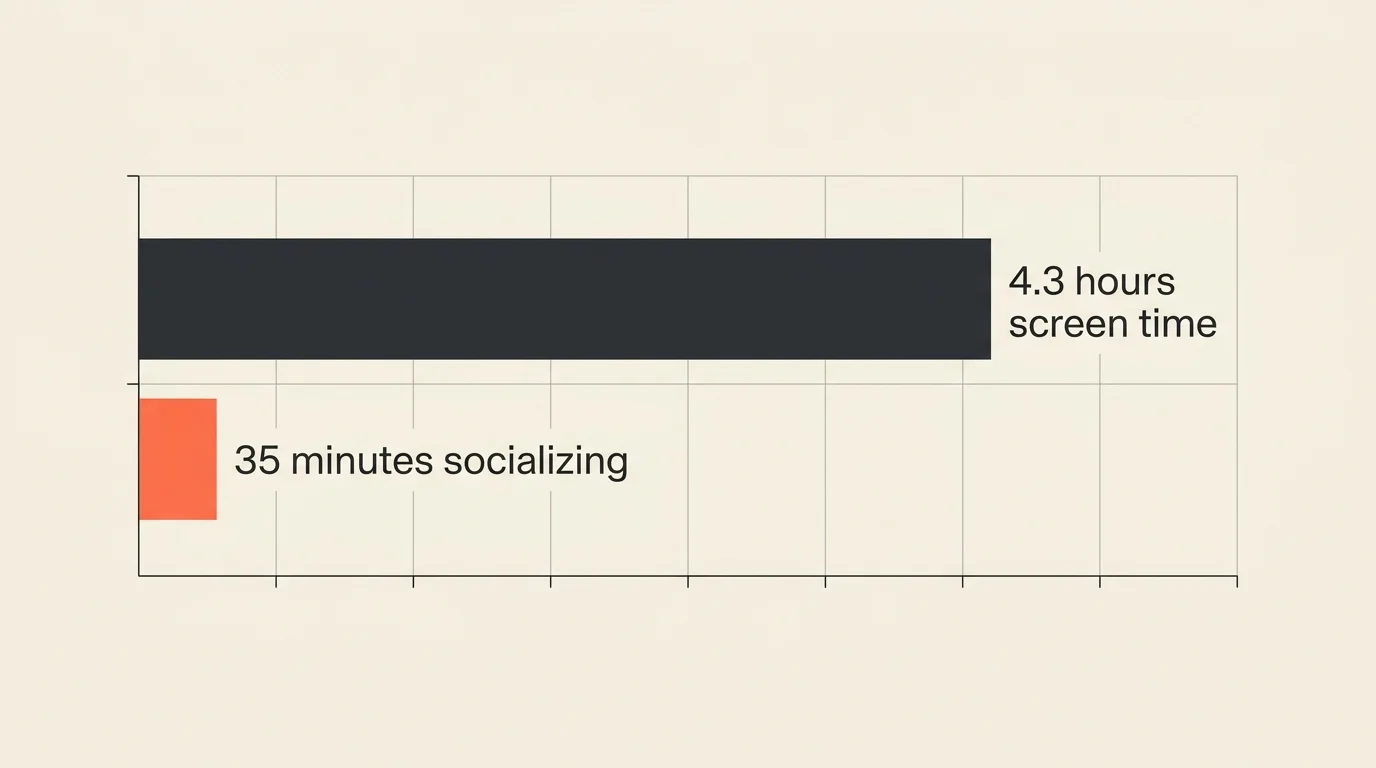
Settling into an easy chair with a television remote or a tablet computer offers effortless relaxation, but excessive passive entertainment often signals a routine that has grown stagnant. According to the U.S. Bureau of Labor Statistics American Time Use Survey, Americans aged 65 and older average over seven hours of leisure time daily, with more than 4.3 hours dedicated to television and screen viewing. In contrast, older adults spend only about 34 to 35 minutes per day socializing or communicating with others.
When screen viewing consumes the majority of your waking hours, it often acts as a digital pacifier rather than a source of genuine rejuvenation. Passive entertainment delivers immediate gratification, yet it frequently leaves you feeling more depleted and lethargic than before you sat down. Staring at screens for long stretches displaces meaningful hobbies, physical movement, and direct human connection.
You can begin refreshing your retirement lifestyle by establishing intentional screen-free intervals each day. Replace an hour of evening television with creative pursuits like watercolor painting, woodworking, playing an instrument, or reading engaging literature. Set a digital curfew an hour before bedtime and redirect your evening toward relaxing, hands-on activities that foster true peace of mind.

Tip #3: Pay Attention When Social Interactions Grow Rare
Leaving the workforce eliminates dozens of casual daily interactions that you may have taken for granted, from quick hallway chats to collaborative team lunches. Over time, staying at home feels increasingly comfortable, but retreating into total self-reliance can lead to unintentional social isolation. Data from an AARP Loneliness Survey reveals that 40 percent of adults aged 45 and older report feeling lonely, with men reporting slightly higher rates at 42 percent compared to 37 percent for women.
Human beings are fundamentally wired for connection, and regular social engagement serves as a powerful protective factor for cognitive health, cardiovascular wellness, and emotional stability. When you go several days without having a meaningful conversation with a friend or neighbor, your world naturally begins to shrink.
Focus on breaking out of a retirement rut by creating consistent social touchpoints. Reach out to an old acquaintance for a standing weekly lunch, join a community choir, or volunteer at a local animal shelter. Participating in group recreational activities like walking clubs or community gardening immediately embeds you in a supportive, lively network that enriches your daily routine.

Tip #4: Spot the Lack of Anticipation on Your Calendar
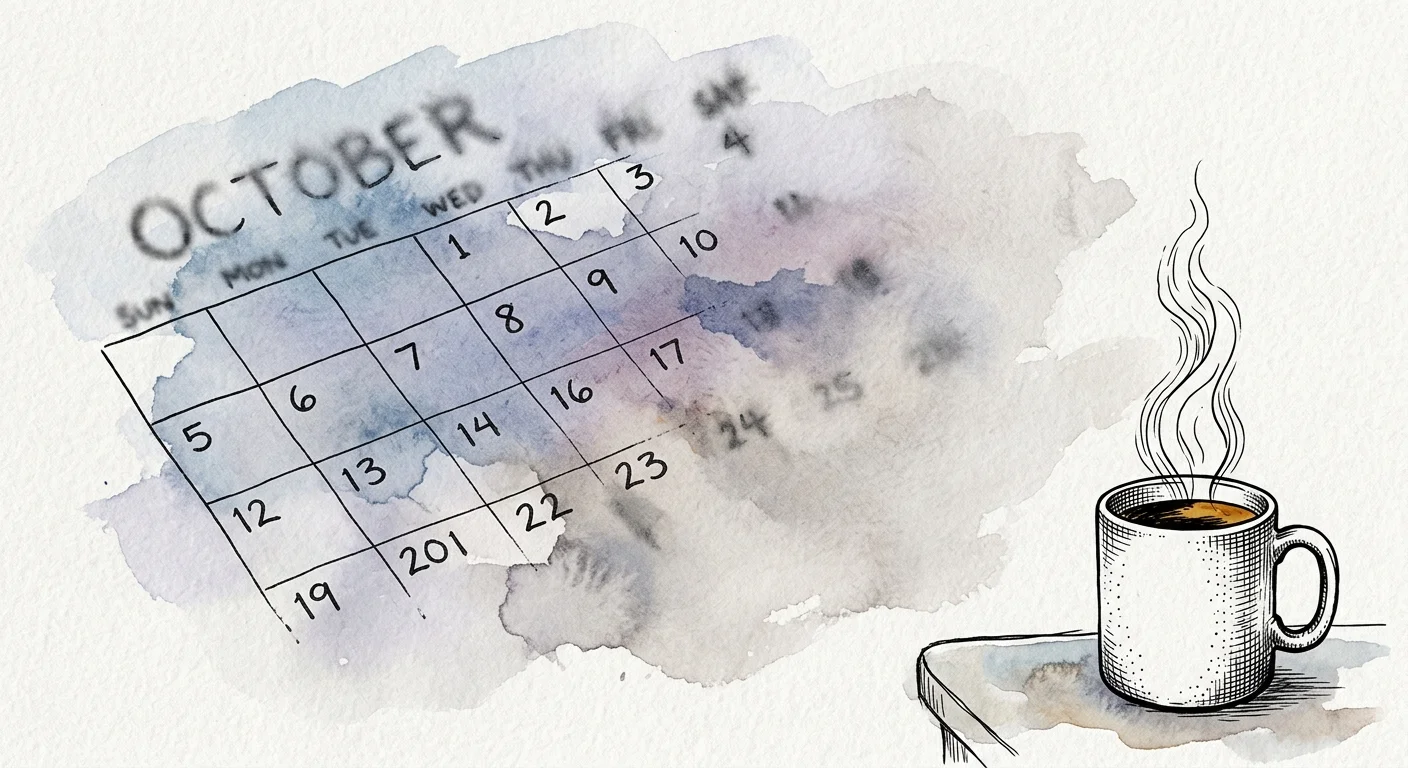
Take a close look at your monthly wall calendar or smartphone planner. If the only entries you see are routine medical checkups, dental cleanings, and grocery runs, you are experiencing clear signs retirement has become stagnant. Psychological research consistently demonstrates that “anticipatory joy”—the excitement of looking forward to an upcoming event—is a vital contributor to overall happiness and emotional well-being.
When your future lacks distinct milestones or planned highlights, your days feel flat and uninspiring. Anticipating a trip, a dinner party, or a concert floods your nervous system with healthy dopamine, boosting your daily motivation and giving you something uplifting to talk about with others.
Start populating your calendar with events that excite you weeks in advance. Plan micro-adventures, such as visiting a nearby botanical garden, booking tickets to a local community theater production, or organizing a weekend picnic with your grandchildren. Knowing that an engaging event awaits you on the horizon transforms an ordinary week into an exciting countdown.

Tip #5: Catch Yourself Resisting Minor Changes or Novel Experiences
Comfort can slowly transform into behavioral rigidity if you are not mindful. When minor deviations from your standard habits—such as a friend suggesting an unfamiliar restaurant, a sudden road detour, or a slight shift in your morning schedule—trigger irritation or anxiety, your comfort zone has narrowed excessively. This emotional friction is one of the classic signs your retirement routine needs change.
Over time, avoiding unfamiliar experiences causes your world to contract. While sticking to familiar patterns creates an initial feeling of security, it ultimately reduces your psychological resilience and makes new situations appear unnecessarily intimidating.
You can gently rebuild your adaptability by practicing deliberate micro-disruptions throughout the week. Try ordering a completely new cuisine from a neighborhood bistro, shop at an international grocery market, or swap your standard morning coffee for herbal tea. Embracing small, safe novelties teaches your brain that change is stimulating rather than threatening.

Tip #6: Acknowledge Lingering Feelings of Lost Purpose or Direction
Many retirees experience an initial “honeymoon phase” filled with leisure, travel, and sleep, followed by a quiet sense of disorientation. A landmark Edward Jones and Age Wave study found that 33 percent of new retirees struggle to find a clear sense of purpose in retirement, while 39 percent report missing social stimulation and workplace camaraderie far more than their former paycheck.
Decades of building a career or raising a family provided a built-in mission and structured responsibility. When those demands disappear, endless free time without direction can lead to existential fatigue and restlessness. Lasting happiness requires feeling that your contributions matter to the world around you.
Reflect on how you want to channel your wisdom, experience, and talents during this golden chapter. These feelings are unmistakable signs you need new retirement goals that align with your core values. Consider tutoring young students in local schools, offering pro bono consulting to non-profit organizations, joining a civic board, or preserving family history through storytelling and writing.

Tip #7: Monitor When Physical Activity Drops Below Healthy Levels
Retirement offers wonderful opportunities for physical rest, but excessive sedentary habits can quietly sap your strength, flexibility, and daily stamina. Guidelines from the Centers for Disease Control and Prevention (CDC) and the World Health Organization (WHO) recommend that adults aged 65 and older complete at least 150 minutes of moderate-intensity aerobic exercise per week, alongside at least two days of muscle-strengthening and balance activities. Currently, fewer than 15 percent of older adults meet these comprehensive physical activity guidelines.
Remaining sedentary for hours each day tightens your joints, weakens postural muscles, and reduces cardiovascular endurance. Physical inactivity also directly affects your mental outlook, often leading to sluggishness and low mood that makes you want to stay on the couch even longer.
You can easily reverse this cycle by weaving enjoyable physical movement into your everyday rhythm. Start with brisk twenty-minute walks after breakfast, join a water aerobics class at your local community center, or practice gentle resistance band exercises while listening to your favorite music. Regular movement recharges your physical vitality, enhances sleep quality, and elevates your daily energy.

Tip #8: Observe If Your Conversations Revolve Solely Around the Past
Pay attention to the topics you discuss when speaking with family members, friends, or neighbors. While fond reminiscing is natural and emotionally grounding, relying exclusively on stories from past decades or previous workplace achievements suggests that your present life lacks captivating new material. When yesterday is more exciting than today, you have settled into an overly comfortable groove.
Living in the present requires creating fresh experiences that capture your imagination and spark lively discussion. When you actively learn, explore, and create in the present moment, you naturally generate dynamic stories and fresh perspectives that draw people closer to you.
Commit to becoming a beginner again in an area that fascinates you. Enroll in a lifelong learning course at a nearby community college, take up woodworking, learn digital photography, or join a local book discussion club. Acquiring new knowledge gives you fresh ideas to share and keeps your mind vibrantly oriented toward the future.

Tip #9: Identify the Itch for Mental Stimulation or Workforce Reentry
Do you find yourself daydreaming about structured deadlines, complex problem-solving, or professional collaboration? Feeling this pull does not mean you made a mistake by retiring; it simply indicates that your intellect is ready for a deeper challenge. In fact, research on workforce trends shows that between 20 percent and 25 percent of retirees eventually return to the workforce, with surveys indicating that 36 percent to 43 percent of these “unretirees” cite combating boredom, establishing a healthy routine, and seeking mental stimulation as their primary motivation.
A capable, active mind does not suddenly stop wanting to solve problems just because you reached retirement age. Total comfort without intellectual friction can leave you feeling underutilized and restless.
You do not need to take on a demanding fifty-hour workweek to satisfy your desire for accomplishment. Explore flexible, part-time opportunities such as freelance consulting, working at a local botanical garden, helping at a public library, or launching a boutique craft business online. Engaging your analytical and creative skills on your own terms provides the perfect blend of freedom and mental fulfillment.

The Takeaway: Living a More Blissful Retirement
True retirement bliss does not come from endless stillness; it blossoms at the intersection of well-earned comfort and invigorating growth. Rest and relaxation are vital rewards after decades of dedication, but your golden years represent an incredible opportunity for personal evolution, meaningful contribution, and joyful adventure. When your routine begins to feel too safe or repetitive, you have the power to reshape it.
Breaking free from a comfortable rut does not require an overwhelming lifestyle overhaul. Start by choosing just one or two small adjustments from this guide today. Whether you decide to schedule an exciting outing on your calendar, sign up for a creative workshop, or take a brisk walk in an unfamiliar park, every intentional action breathes fresh energy into your daily life.
Embrace your golden years as an ongoing journey of discovery. By staying curious, remaining physically active, and nurturing your social connections, you ensure that every single day of your retirement is rich with purpose, vitality, and genuine joy.
Frequently Asked Questions
How can I tell the difference between healthy relaxation and an unhealthy retirement rut?
Healthy relaxation leaves you feeling restored, energized, and enthusiastic about waking up the next day. An unhealthy retirement rut, on the other hand, often feels like passive time-wasting accompanied by persistent lethargy, boredom, and a vague sense of guilt. If your days lack variety and you consistently feel unmotivated despite having plenty of rest, your routine has likely crossed from restorative comfort into stagnation.
What is the fastest way to start breaking out of a retirement rut without feeling overwhelmed?
The most effective strategy is to implement micro-changes rather than attempting a total lifestyle transformation. Start by altering one small habit each day, such as taking a fifteen-minute walk in a new neighborhood, trying an unfamiliar recipe, or calling an old friend you have not spoken with in months. These small, low-pressure adjustments awaken your brain’s natural curiosity and build immediate positive momentum.
Is it normal to feel guilty about being bored after working so hard to retire?
Yes, feeling guilty about boredom is extremely common among retirees. Society often portrays retirement as a non-stop paradise of relaxation, leading many people to feel ungrateful when endless leisure feels empty. Acknowledging that your mind craves challenge, connection, and meaningful purpose is not ingratitude—it is a healthy recognition of your enduring vitality and potential.
How can I find exciting new retirement goals if I feel disconnected from my former passions?
Begin with playful curiosity rather than high expectations. Visit your local library, browse community center class catalogs, or attend free public lectures on topics you know nothing about. Give yourself permission to experiment with beginner workshops in art, gardening, technology, or fitness without committing long-term. Finding your next passion is a process of exploration, and simply trying new activities often sparks unexpected inspiration.
For a wide range of resources for older adults, visit AARP and the National Council on Aging (NCOA). Health information is available from the National Institute on Aging.
Disclaimer: This article is for informational and inspirational purposes only. It is not a substitute for professional medical, financial, or psychological advice. Please consult with a qualified expert for guidance tailored to your individual needs.