

You can safeguard your hard-earned nest egg by anticipating the specific expenses that outpace standard consumer price indexes. Knowing these numbers ahead of time gives you total control over your financial peace of mind.
While general inflation affects everyday goods, several critical lifestyle and medical bills climb at nearly double that rate. Identifying these expenses early allows you to adjust your savings strategy with poise and optimism.
With proactive planning, you can easily neutralize these rising retirement expenses and focus on enjoying your newfound freedom. Let us examine the key costs to watch so you can thrive throughout your golden years.
Tip #1: Prepare for Healthcare Costs in Retirement
Medical bills notoriously outstrip baseline economic measures year after year. The compounding effects of medical inflation demand intentional foresight from modern retirees.
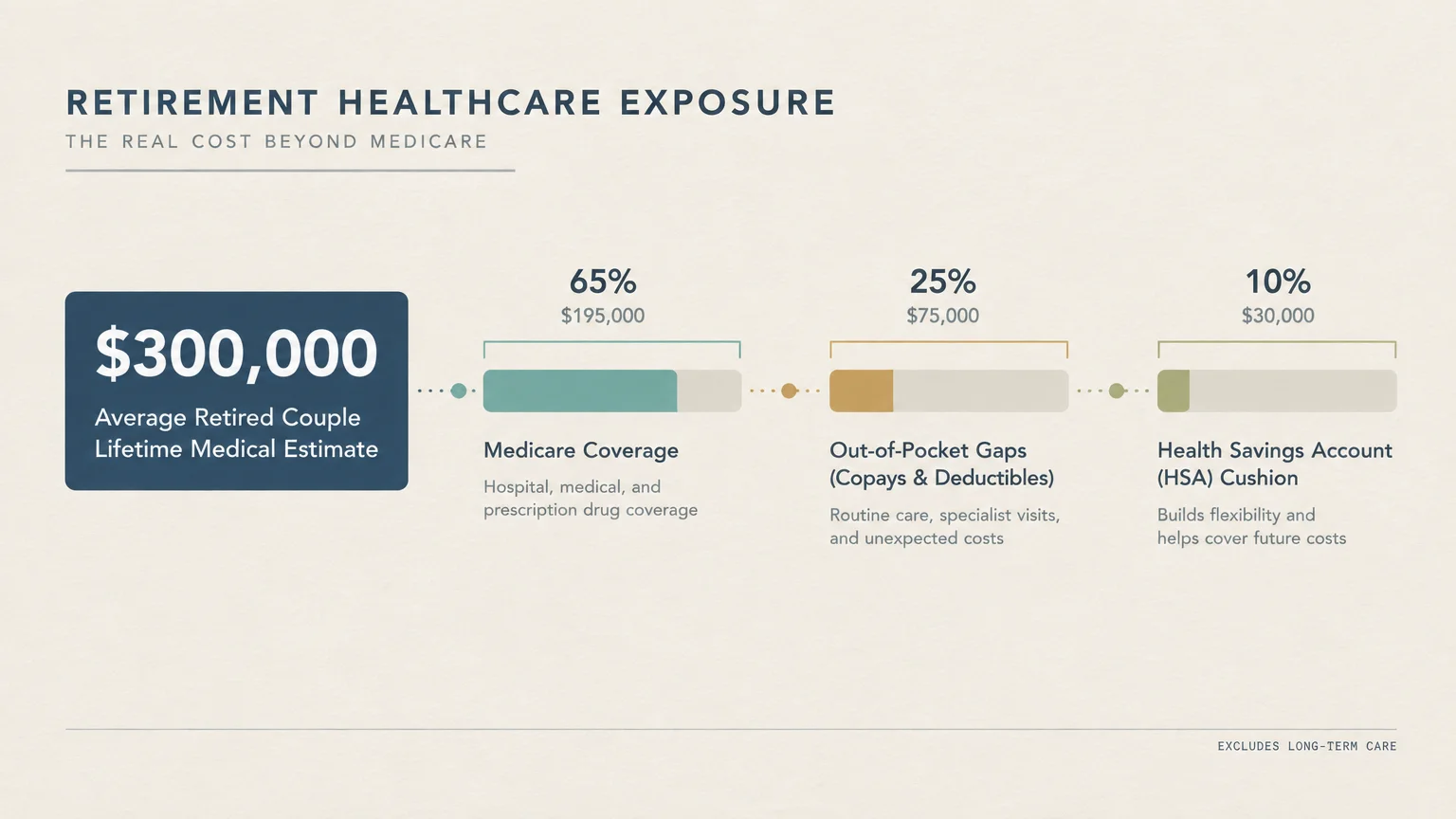
According to recent financial estimates, an average retired couple needs over $300,000 just to cover healthcare costs in retirement. This substantial figure excludes the potential need for nursing home assistance.
Medicare covers many essential hospital visits, but deductibles, copayments, and specialized treatments still accumulate rapidly. You should budget for these expenses as recurring line items rather than unexpected surprises.
Enrolling in a comprehensive Medicare Supplement plan or an advantageous Advantage policy helps cap your annual exposure. Evaluating your coverage every autumn during open enrollment guarantees you maintain peak protection.
If eligible, funding a Health Savings Account before leaving the workforce delivers triple tax advantages for future medical needs. You preserve your wealth while securing the first-class medical attention you deserve.
Maintaining daily wellness habits also lowers medical visits, keeping your vitality high and your wallet happy. Regular walking, wholesome nutrition, and preventive screenings pay massive dividends for both health and finances.
Consulting with an independent Medicare broker clarifies your choices without adding any extra fee to your policy. They identify coverage nuances that prevent surprise out-of-pocket bills down the road.

Tip #2: Account for Rising Long-Term Care Costs
Extended physical assistance remains one of the fastest-growing categories in modern elder care. Understanding these expenses early preserves your personal dignity and safeguards your family assets.
Data from national industry surveys reveals that private nursing home rooms often exceed $100,000 annually. Assisted living communities and home health aides have posted price increases far beyond core inflation metrics.
Traditional Medicare does not cover custodial help for basic activities of daily living like dressing or bathing. Recognizing this coverage gap empowers you to construct a dependable safety net long before any assistance is needed.
Exploring dedicated hybrid long-term care insurance policies can lock in valuable benefits while protecting your principal. Many modern policies return unused balances to your heirs if you never require care.
Alternatively, setting aside an earmarked investment reserve gives you autonomous control over your future living environment. Knowing you have funded these potential long-term care costs brings priceless tranquility to your daily life.
Family conversations regarding care preferences also alleviate confusion and ensure everyone shares identical expectations. Proactive communication turns a potentially stressful topic into an empowering family roadmap.
Aging in place with community support often delays or eliminates the need for expensive residential facilities. Minor home modifications like grab bars and zero-threshold showers keep you safe in the home you love.
Tip #3: Budget for Property Taxes and Home Repairs
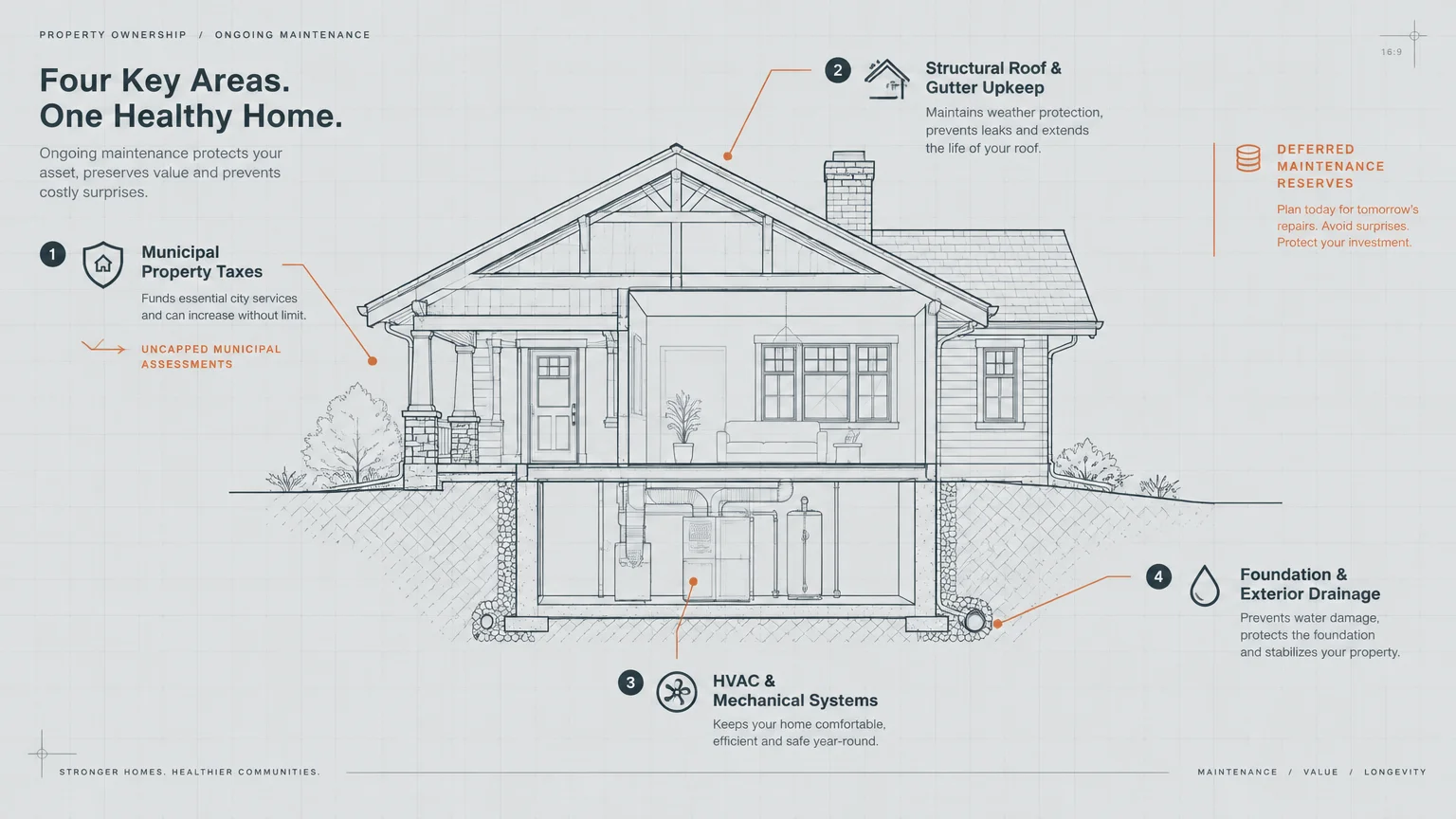
Even if you have paid off your mortgage, homeownership still carries escalating annual expenditures. Municipal budgets and surging labor rates drive up property levies and maintenance contracts consistently.
Municipalities frequently reassess real estate valuations upward, which pushes property tax bills higher than general cost-of-living increases. You should anticipate steady tax increases when charting your multi-year housing budget.
Meanwhile, skilled labor for plumbing, roofing, and electrical repairs continues to command historic premiums. A standard rule of thumb recommends saving one to two percent of your home value annually for upkeep.
Creating an automatic savings transfer specifically for residential preservation shields your primary retirement budget from shock. You will never have to stress when an aging water heater or roof shingle requires replacement.
You can also explore senior property tax exemptions or homestead freezes offered by your local municipal government. Many counties provide tax relief programs that substantially reduce annual real estate bills for older adults.
Downsizing to a modern, low-maintenance condominium or patio home presents another rewarding alternative. Simplifying your physical footprint frees up considerable cash flow and eliminates arduous weekend chores.
Energy efficiency upgrades such as smart thermostats and modernized insulation also curb recurring utility expenses. These modest home improvements provide immediate savings that protect your budget against utility rate hikes.

Tip #4: Navigate Escalating Prescription Drug Prices
Groundbreaking therapies deliver remarkable longevity, yet specialty pharmaceutical pricing continues to skyrocket. Prescription inflation frequently outpaces baseline inflation and retirees face the brunt of these price tags.
Novel specialty drugs for complex conditions routinely carry price increases that double standard consumer indexes. Even standard maintenance medications can jump in price when pharmaceutical manufacturers alter their pricing schedules.
Fortunately, federal reforms like the Medicare Part D out-of-pocket spending caps provide significant financial relief. You can build on these reforms by actively reviewing your drug formulary every single year.
Discussing therapeutic equivalents with your physician often reveals identical generic alternatives at a fraction of the cost. Many retail pharmacy discount programs also beat standard insurance copays for everyday generic prescriptions.
Non-profit patient assistance foundations can bridge the gap if you require high-tier specialty medications. A quick consultation with your clinic social worker can unlock thousands of dollars in annual prescription assistance.
Taking medications precisely as prescribed prevents acute hospitalizations and maintains peak physical energy. Partnering with your pharmacist ensures you optimize both your physical well-being and your monthly pocketbook.
Mail-order ninety-day prescription fills often provide substantial volume discounts compared to monthly retail pick-ups. Setting up automatic delivery saves valuable time while securing the lowest available per-dose price.

Tip #5: Manage Climbing Property and Auto Insurance Premiums
Severe weather events and heightened replacement costs have pushed property and auto insurance rates dramatically higher. These essential protections represent some of the most visible retirement costs rising faster than inflation.
Insurance underwriters adjust premiums upward to offset expensive vehicle electronics, high labor fees, and severe climate damages. As a result, older drivers and homeowners often receive eye-opening renewal notices each policy term.
You can counteract these rising charges by bundling your home and vehicle coverage under a single reputable carrier. Insurers regularly grant loyalty discounts and multi-policy price reductions exceeding fifteen percent.
Raising your deductibles provides another instant method to lower recurring annual premium costs. As long as your emergency fund can comfortably cover the deductible, this strategy generates immediate monthly savings.
Completing a defensive driving course also secures permanent discounts on vehicle coverage in most states. These educational seminars sharpen your roadway confidence while simultaneously keeping insurance overhead manageable.
Re-shopping your insurance portfolio every two years ensures you never pay a hidden loyalty penalty. Independent insurance brokers can compare dozens of quotes simultaneously to pinpoint optimal coverage values for you.
Installing smart home sensors for water leaks and fire prevention can also earn meaningful policy discounts. These small technical additions protect your beloved home while cutting down your annual premiums.

Tip #6: Fund Comprehensive Dental, Vision, and Hearing Needs
Routine wellness extends directly to your eyes, ears, and teeth, yet standard Medicare excludes these vital services. Specialized sensory and oral treatments exhibit rapid price growth as cutting-edge medical technologies evolve.
A single dental implant, crown, or hearing device can easily cost several thousand dollars out of pocket. Because dental coverage caps have barely moved in decades, retirees absorb the majority of these price spikes.
Advanced digital hearing aids and cataract lens upgrades enhance life immensely, making them worthy lifestyle investments. Planning for these predictable sensory enhancements prevents sudden financial strain during your leisure years.
You can purchase specialized standalone dental and vision insurance policies or enroll in comprehensive Medicare Advantage plans. Dedicated dental discount networks also provide reduced negotiated rates for costly crowns and periodontal treatments.
Many top university dental and optometry schools offer world-class clinical care at steep community discounts. Receiving care at an accredited educational center yields extraordinary savings alongside meticulous supervisory standards.
Protecting your smile and sensory acuity directly enriches your social connections and mental sharpness. Prioritizing these foundational senses allows you to engage fully in dynamic conversations and joyful celebrations.
Regular preventive cleanings and comprehensive eye exams catch minor issues before they become complex, expensive surgeries. Investing a little time in prevention preserves your lifelong health and your retirement portfolio.

Tip #7: Tame Rising Food and Wholesome Dining Costs
Eating vibrant, nutrient-dense foods fuels an energetic retirement, yet grocery prices have climbed noticeably in recent years. Supply chain dynamics, fertilizer expenses, and transport logistics continue driving food bills upward.
Wholesome organic produce, lean proteins, and heart-healthy staples frequently see steeper increases than processed packaged goods. Retirees committed to optimal wellness must balance nutritional quality with mindful kitchen budgeting.
Planning weekly menus around seasonal farm harvests allows you to eat deliciously while cutting market expenses. Buying pantry staples in bulk and utilizing modern vacuum sealers prevents costly food waste in your kitchen.
Exploring local community-supported agriculture programs delivers farm-fresh vegetables directly to your table at sensible prices. You gain fresh, antioxidant-rich ingredients while actively supporting hardworking regional farmers in your community.
When dining out, enjoying leisurely mid-day luncheons provides the exact same culinary ambiance for substantially lower bill totals. Many premier bistros offer identical evening menu options during daytime hours at attractive discount pricing.
Preparing delicious culinary creations at home also transforms meals into fun, creative celebrations with your loved ones. Cooking wholesome meals alongside friends strengthens social bonds while keeping your lifestyle expenses beautifully balanced.
Growing culinary herbs and patio vegetables offers rewarding outdoor physical activity and eliminates pricey grocery store packages. Fresh basil, mint, and cherry tomatoes taste infinitely better when harvested steps from your kitchen.

Tip #8: Harness Technology Without Overpaying for Connectivity
Modern retirees rely on rapid internet connections, smart home devices, and mobile connectivity to stay informed. However, subscription software, streaming packages, and mobile plans routinely introduce stealth price increases.
Digital communications keep you seamlessly connected with grandchildren, telemedicine doctors, and lifelong friends across the globe. Left unchecked, multiple monthly digital subscriptions can quietly siphon away hundreds of dollars every single year.
Performing a semi-annual audit of your digital accounts quickly identifies redundant streaming channels and unused apps. Consolidating your family mobile phone plans often slashes monthly line fees by more than twenty percent.
Contacting your telecom provider to request current promotional rates reliably lowers high-speed broadband bills. Most telecommunications companies feature unadvertised loyalty credits reserved solely for customers who proactively ask for discounts.
You can also take advantage of community library memberships for free access to audiobooks, magazines, and movies. Public libraries provide incredible modern digital libraries that deliver endless top-tier entertainment at zero financial cost.
Embracing smart tech keeps your mind vibrant and simplifies your everyday household management. Managing these recurring tech subscriptions intentionally guarantees that your modern tools support your lifestyle without inflating your expenses.
Sharing multi-screen family streaming plans with grown children splits monthly costs while keeping everyone entertained. Collaborative digital sharing preserves household capital while keeping family conversations centered on shared favorite shows.

Tip #9: Enjoy Travel and Leisure While Outsmarting Surging Rates
Exploring scenic destinations and visiting family represents the sparkling centerpiece of an active, rewarding retirement. Yet airfares, hotel accommodations, and resort fees frequently outrun core inflation markers during high-demand travel seasons.
Surging travel demand and heightened hospitality operational expenses mean hotel room rates continue their upward ascent. Fortunately, your flexible schedule as a retiree grants you the ultimate superpower against high travel costs.
Traveling during off-peak shoulder seasons allows you to explore breathtaking world destinations without battling crowded tourist lines. You will discover luxury boutique resorts at a fraction of their peak summer or holiday rates.
Leveraging credit card travel reward points converts routine household purchases into free flights and hotel stays. Paying off balances every month ensures you reap valuable travel perks without incurring a single penny of interest.
Joining senior travel associations and auto clubs also unlocks exclusive, guaranteed discounts on lodging and car rentals. These established organizations negotiate preferred group rates that protect your leisure budget across every exciting mile.
Planning dynamic road trips and regional weekend adventures delivers boundless joy without costly international airline logistics. Rediscovering historic state parks and scenic national treasures revitalizes your spirit while keeping your spending grounded.
Renting residential vacation properties with full kitchens cuts expensive restaurant bills while providing spacious, relaxing comfort. You enjoy home-cooked breakfasts on private balconies while soaking in magnificent regional views.

The Takeaway: Living a More Blissful Retirement
Preparing for rising retirement expenses does not mean you must scale back on joy, adventure, or personal comfort. Proactive awareness simply grants you the clarity to align your resources with what truly matters most.
By anticipating these selective price pressures, you protect your assets and eliminate the fear of economic surprises. You hold the power to craft an extraordinary, fulfilling lifestyle that easily outlasts market fluctuations.
Focus your energy on physical vitality, cherished friendships, and creative passions that bring you lasting personal contentment. Financial peace of mind provides the secure foundation upon which your happiest years will unfold.
Celebrate your freedom, stay intentional with your investments, and embrace the remarkable journey ahead with boundless confidence. Your future remains exceptionally bright and full of inspiring opportunities.
For a wide range of resources for older adults, visit AARP and the National Council on Aging (NCOA). Health information is available from the National Institute on Aging.
Disclaimer: This article is for informational and inspirational purposes only; it is not a substitute for professional medical, financial, or psychological advice. Please consult with a qualified expert for guidance tailored to your individual needs.
Frequently Asked Questions
How does inflation affect retirees differently than working adults?
Working individuals often receive cost-of-living salary increases that help offset rising prices for goods and services. Retirees rely on fixed distributions and investments, making them more sensitive to inflation and retirees spending categories.
Furthermore, older adults spend a larger portion of their budgets on medical care and housing. These specific sectors historically experience much faster price inflation than consumer electronics or standard clothing.
What is the best way to hedge against healthcare costs in retirement?
Maximizing Health Savings Accounts before you retire creates a dedicated, tax-free bucket for qualified medical needs. Pair this savings with careful annual reviews of your Medicare Advantage or Medigap policies.
Investing in a diversified portfolio that includes growth assets also helps your capital outpace healthcare price gains. Prioritizing daily physical wellness remains your most effective personal shield against heavy prescription and clinical costs.
Can Social Security cost-of-living adjustments keep pace with real retirement expenses?
Social Security annual cost-of-living adjustments help preserve purchasing power, but they use broad consumer price calculations. These general indexes often underweight the rapid price spikes seen in senior healthcare and residential insurance.
Supplementing Social Security with personal investments, annuities, or part-time consulting ensures your revenue grows steadily. Maintaining multiple income streams guarantees you stay comfortably ahead of selective price increases.
When should I start planning for long-term care costs?
The ideal window to evaluate long-term care insurance or hybrid asset-based policies is between ages fifty and sixty-five. Applying during this window secures lower annual premiums and protects you before chronic health conditions develop.
Early planning also allows you to design your home environment for graceful aging in place. Thoughtful renovations completed early can eliminate the necessity of moving into costlier institutional care facilities later on.