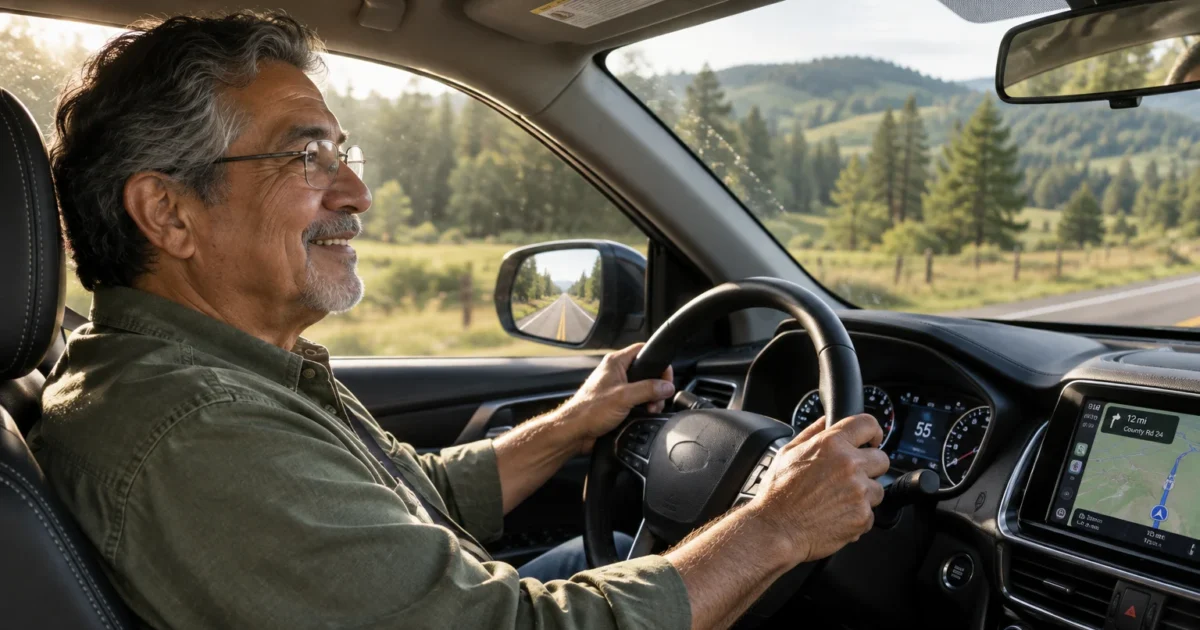
Turn your love of the open road into steady extra income and meaningful community connections during retirement. Flexible part-time driving roles let you set your own schedule while staying active behind the wheel.
Retirees across the country discover that driving jobs offer an ideal balance of social interaction, mental engagement, and financial freedom. You can explore your community, meet welcoming neighbors, and earn dependable wages.
Whether you prefer quiet routes transporting lab specimens or friendly conversations driving neighborhood shuttles, rewarding options await you. Here are seven outstanding driving opportunities perfectly tailored for your golden years.
Tip #1: Dealership Car Relocation Driver
Automotive dealerships constantly need dependable drivers to transport inventory between regional showroom locations. Dealerships frequently swap new sedans, trucks, and SUVs to fulfill specific customer orders across town.
You pick up a vehicle from one lot, drive it smoothly to another showroom, and ride back with a colleague in a chase vehicle. This setup creates a relaxed, team-oriented atmosphere without demanding physical strain.
According to the U.S. Bureau of Labor Statistics, motor vehicle operators in these specialized roles earn a median annual wage of $37,180. The middle 50% of drivers in this category earn between $31,220 and $48,980.
Most dealerships employ on-call driving pools, which gives you complete control over your weekly availability. You can accept relocation runs that fit your personal schedule while declining assignments when you prefer leisure time.
Unlike standard delivery roles, you handle zero freight and carry no cargo boxes. You simply adjust your mirrors, tune the stereo to your favorite station, and enjoy driving clean, brand-new automobiles.
Dealership managers prioritize mature drivers because older adults demonstrate exceptional caution and respect on the highway. Your clean driving record and reliable work ethic make you an outstanding candidate for these fleet teams.
Before departing the lot, you conduct a quick visual walk-around to verify tire conditions and exterior cleanliness. Catching minor scratches before leaving ensures smooth vehicle handoffs and protects your professional reputation.
To secure a position, visit local dealership group offices in person and request an application for lot driver or dealer-trade driver. Speaking directly with the inventory manager often leads to immediate on-call opportunities.
You will appreciate the predictable nature of dealer transport runs. Most trips take place during quiet mid-morning hours, allowing you to bypass congested rush-hour traffic completely.
Dealerships provide the fuel and cover all transit tolls during dealer swaps. You never incur personal out-of-pocket vehicular expenses while completing these enjoyable daytime assignments.
This role provides an exceptional balance of independent driving and camaraderie. You get to test-drive modern automotive technology while chatting with fellow retired drivers during the return journey.
Tip #2: Local Medical and Lab Courier
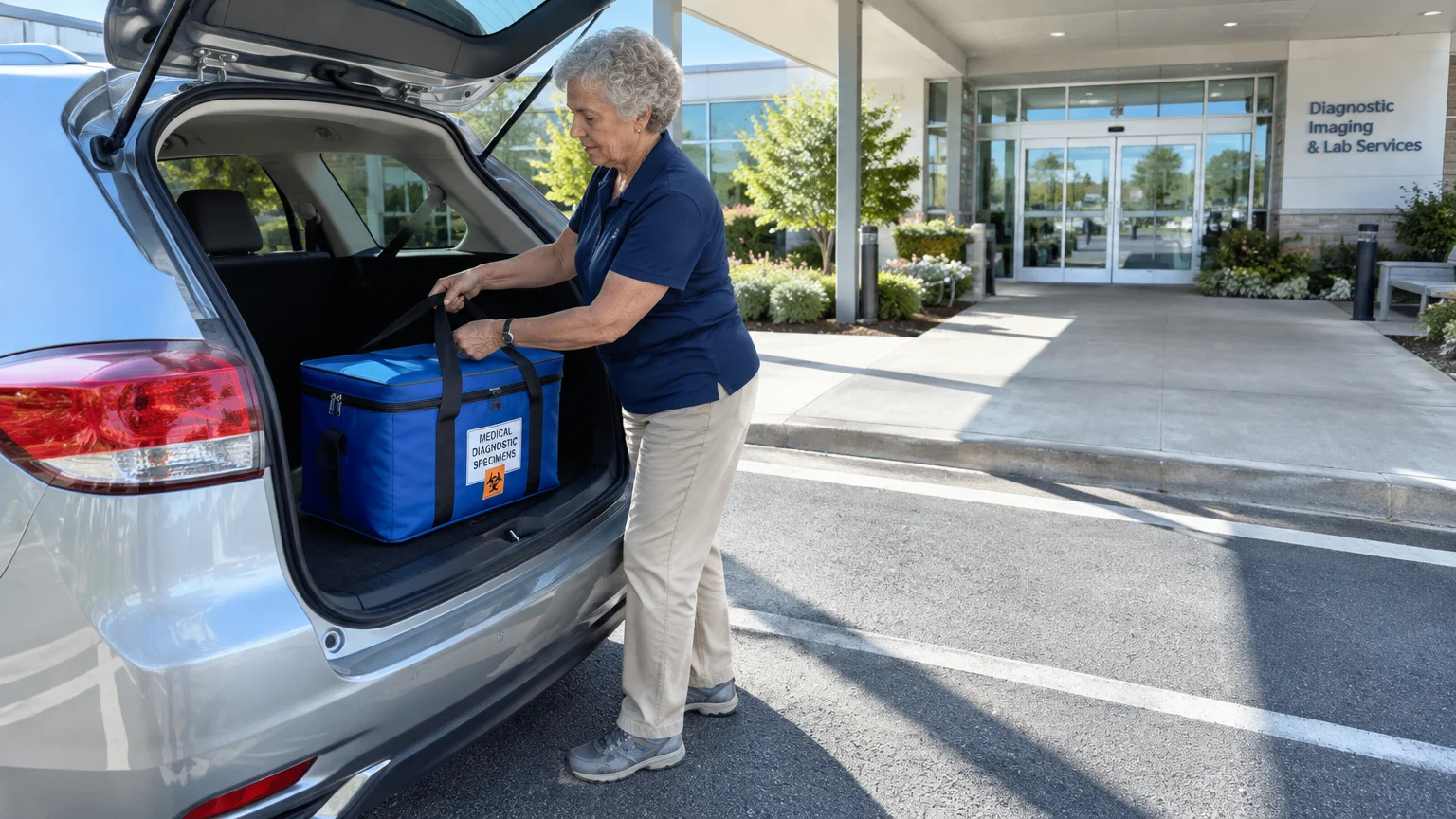
Healthcare networks, private laboratories, and outpatient clinics depend on precise couriers to move vital medical supplies daily. You transport blood samples, diagnostic kits, and patient records between testing facilities and doctor offices.
The Bureau of Labor Statistics classifies these professionals under couriers and messengers, noting a solid median wage of $18.85 per hour, or $39,200 annually. Employment in this sector is expanding rapidly.
In fact, the BLS projects an 8.0% job growth rate from 2025 to 2035 for couriers and messengers. This steady growth generates roughly 23,800 open positions each year across the country.
Medical courier work offers immense personal satisfaction because your timely deliveries directly support patient healthcare. Knowing that your daily route helps doctors diagnose illnesses provides profound meaning to your working hours.
Most healthcare facilities supply climate-controlled transport totes and clear routing schedules. You spend the majority of your shift in your vehicle, enjoying podcasts, classical music, or peaceful quietude.
Shifts often operate on regular daytime hours, preventing the fatigue associated with late-night driving. You can easily select morning or afternoon shifts that match your personal lifestyle routine.
Physical requirements remain notably light, as specimen containers and document packets rarely weigh more than a few pounds. You only need basic organizational skills to verify specimen transfer manifests at each stop.
Medical courier routes follow predictable loops between clinics, hospitals, and commercial testing facilities. Consistent driving stops make route planning easy and keep navigation stress at an absolute minimum.
Many hospitals provide fleet vehicles, covering all fuel, insurance, and routine maintenance costs. If you use your personal vehicle, you can deduct eligible business mileage on your tax return.
Healthcare logistics companies provide straightforward training on sample security and temperature preservation. These clear standard operating procedures ensure that you handle every medical package with total confidence.
Look for opportunities by searching regional hospital job boards or contacting third-party medical logistics firms. Emphasize your punctuality, clean driving record, and attention to detail during your interview.

Tip #3: Senior Living and Non-Emergency Shuttle Driver
Active adult communities, assisted living centers, and non-emergency medical transportation services require compassionate drivers for local passenger transit. You help fellow seniors attend crucial medical appointments, run grocery errands, and visit community events.
The Bureau of Labor Statistics reports that shuttle drivers and chauffeurs earn a median annual wage of $37,290, with a mean wage reaching $39,880 per year.
This driving role offers rich interpersonal rewards and deep social connection. You build warm friendships with regular passengers who appreciate your patience, careful driving, and friendly conversation.
Most senior living communities operate comfortable passenger vans or mini-buses during standard business hours. You drive familiar neighborhood routes, avoiding stressful long-distance highway travel.
Regulatory requirements for driving passenger shuttles remain straightforward and accessible. Under Federal Motor Carrier Safety Administration rules, vehicles designed for fewer than 16 passengers do not require a Commercial Driver’s License.
If you drive a commercial passenger van with a Gross Vehicle Weight Rating of 10,01 pounds or more in interstate commerce, federal regulations require a Department of Transportation medical card.
A qualified medical examiner issues this DOT certificate, which remains valid for up to 24 months. The exam simply verifies your vision, hearing, blood pressure, and overall physical readiness to drive safely.
Senior living facilities prioritize passenger comfort and safety above speed. You can take your time assisting riders, operating automated wheelchair lifts, and ensuring everyone feels secure before departure.
Retirement communities value older drivers because your gentle driving habits reassure anxious passengers. Your natural empathy and respectful approach make residents feel safe and supported during every outing.
Many organizations sponsor complimentary first aid and passenger assistance training for new hires. Gaining these practical caregiving skills enhances your confidence and elevates the standard of service you provide.
Apply directly at local assisted living facilities, senior centers, or municipal transit providers. These organizations frequently offer flexible morning schedules that leave your afternoons completely open for recreation.

Tip #4: School Bus and Student Van Driver
School districts across North America actively recruit responsible mature adults to transport students safely. You provide an essential community service while keeping children safe on their journeys to and from school.
According to the Bureau of Labor Statistics, school bus drivers earn a median hourly wage of $23.04, which translates to $47,920 annually. The field projects roughly 56,500 annual job openings between 2025 and 2035.
The split-shift schedule matches retirement living remarkably well. You drive an early morning route, enjoy a four-to-six-hour break during the middle of the day, and complete an afternoon run.
You can use that generous midday break to exercise, run personal errands, garden, or meet friends for lunch. You also receive school holidays, winter breaks, and full summers off to travel or relax.
Under FMCSA rules, driving a vehicle designed to transport 16 or more passengers requires a Commercial Driver’s License with passenger and school bus endorsements.
Do not let the licensing requirement deter you. Nearly all school districts provide free, paid commercial driver training and cover your testing fees entirely.
If you prefer smaller vehicles, many districts hire drivers for standard passenger vans to transport special-needs students. These student van positions do not require a CDL, making entry quick and simple.
Pre-trip inspections follow a clear, standardized checklist to ensure mechanical reliability before every run. Checking emergency exits, tire tread, and signal lamps becomes second nature after a few days of practice.
School districts also offer comprehensive benefits packages to part-time drivers, including healthcare access, life insurance, and paid sick leave. These valuable employment perks provide extra security for your household budget.
You will enjoy building positive relationships with young students and their parents throughout the school year. Your cheerful morning greeting sets an uplifting, encouraging tone for every child’s academic day.
Connect with your local school district transportation office to inquire about upcoming training classes. Your calm demeanor and life experience make you an ideal mentor figure for neighborhood children.

Tip #5: Auto Parts and Floral Delivery Specialist
Local retail businesses value reliable drivers who can represent their brand with courteous, friendly service. Auto parts retailers and floral shops offer two of the most enjoyable, low-stress driving jobs available.
The Bureau of Labor Statistics groups these roles under driver/sales workers, reporting a median annual pay of $38,770 and a mean annual wage of $40,730.
As an auto parts driver, you deliver components from supply warehouses to neighborhood repair garages and dealerships. Mechanics welcome your arrivals, creating pleasant professional relationships across your regular delivery circuit.
The work involves driving a company-owned compact pickup truck or cargo van. The employer pays for all gasoline, vehicle maintenance, and commercial auto insurance, removing any financial burden from your shoulders.
Floral delivery offers a uniquely joyful working environment. You deliver celebratory bouquets, anniversary arrangements, and holiday centerpieces, greeting delighted recipients at their front doors throughout the day.
Both roles feature predictable daytime hours without late-night shifts or grueling weekend demands. You can easily negotiate twenty to thirty hours per week to match your ideal retirement pace.
Physical tasks remain gentle on your joints and back. Auto parts suppliers package small components securely, while floral bouquets require only careful handling and basic carrying.
Florists provide specialized delivery boxes and floor stabilizers to keep flower vases upright during travel. These simple carrying tools make handling delicate floral arrangements effortless and mess-free.
You will quickly master your local street grid, discovering scenic back roads and avoiding congested highways. Driving through quiet residential neighborhoods keeps your mind sharp and oriented.
These positions offer a peaceful balance of solo driving and brief social greetings. You spend most of your shift listening to your vehicle radio while enjoying familiar community scenery.
Inquire directly with neighborhood auto parts supply stores or independent florists in your town. Independent shop owners appreciate mature employees who take pride in careful vehicle operation and punctual service.

Tip #6: Rideshare and Private Chauffeur Driver
Driving for rideshare platforms or private executive chauffeur services gives you absolute independence over your daily working calendar. You decide when to log into the application, where to drive, and when to return home.
The Bureau of Labor Statistics reports that taxi drivers and chauffeurs earn a median annual wage of $42,100, with a mean annual compensation of $49,930.
As an independent contractor, you unlock significant federal tax savings by tracking your business travel. The IRS business standard mileage rate is 72.5 cents per mile from January 1 through June 30, 2026.
That standard mileage rate increases to 76 cents per mile from July 1 through December 31, 2026. This generous mileage deduction offsets a substantial portion of your gross driving earnings at tax time.
You control your driving environment entirely by selecting daytime hours that match your comfort zone. Many senior drivers choose early morning airport runs or midday medical appointments while avoiding late-night social crowds.
Meeting diverse passengers keeps your social life vibrant and engaging during retirement. You converse with travelers, business professionals, and local residents who share captivating stories during their commutes.
To maximize your hourly profits, keep your vehicle clean, offer phone chargers, and drive smoothly. High passenger ratings lead to better ride requests and frequent cash or digital gratuities.
Installing an inexpensive dual-facing dash camera offers extra peace of mind on the road. Dash cameras record traffic events accurately, providing reliable visual documentation for your personal security.
Download a reliable mileage-tracking mobile application to record every business mile automatically. Maintaining clear tax records ensures you keep the largest possible share of your hard-earned fares.
Private livery and limousine companies also hire experienced older drivers for executive transfers. These private clients value punctuality, discretion, and courteous customer service, often providing generous gratuities.
Signing up takes just a few days through rideshare mobile apps or private livery companies. Once your background check clears, you can turn your car into a dependable source of retirement income.
Tip #7: On-Demand Grocery and Package Courier
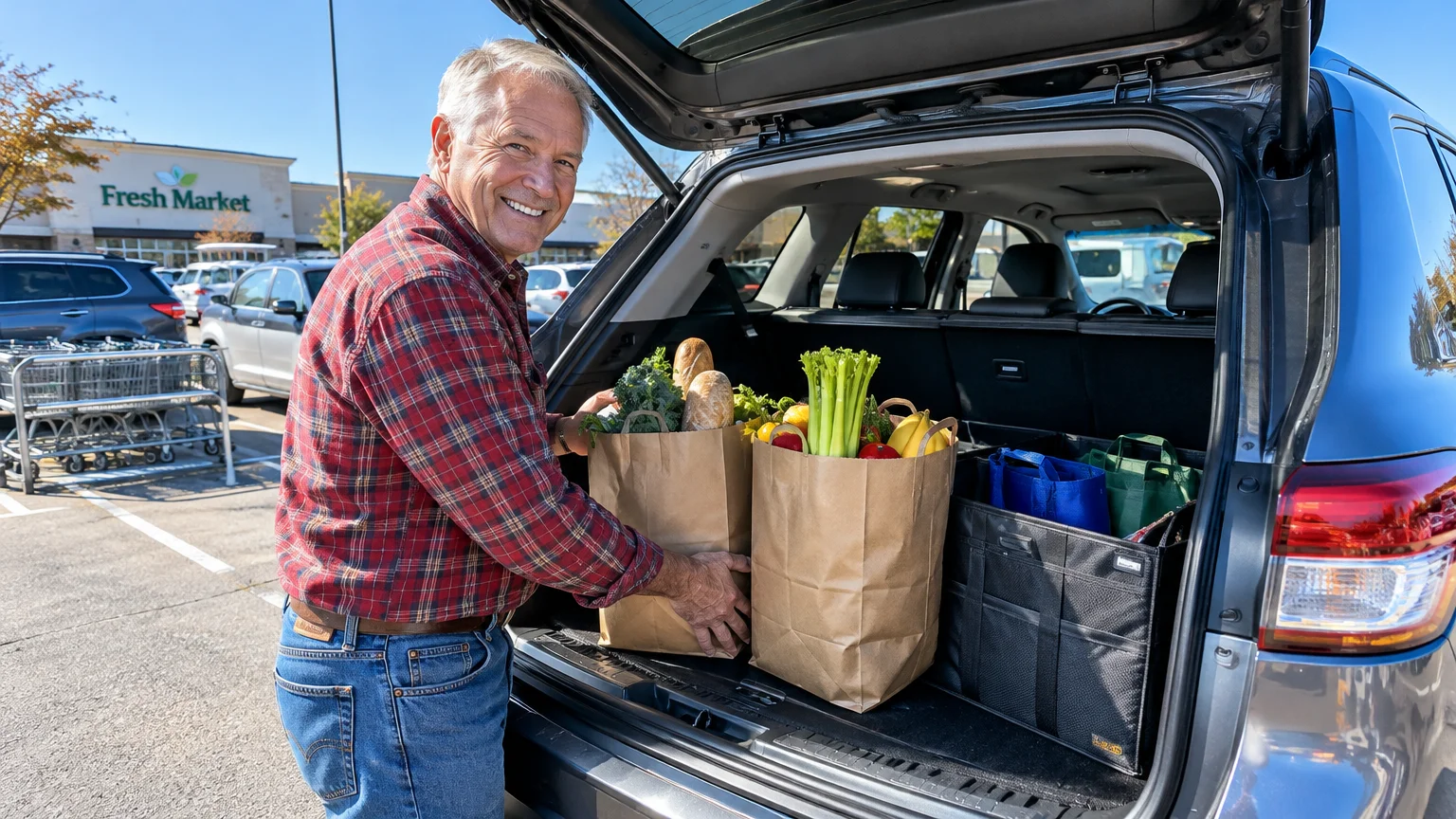
If you love driving but prefer working without passengers in your back seat, on-demand parcel and grocery delivery offers an outstanding solution. You pick up sorted orders and drop them at customer doorsteps at your own pace.
The Bureau of Labor Statistics reports that light truck and package delivery drivers earn a median hourly wage of $21.57, or $44,860 annually. Entry-level and part-time drivers in the lowest 10% average $14.81 hourly.
Platform delivery services like Amazon Flex allow you to reserve specific delivery windows called blocks. Amazon’s published U.S. base earnings range from $18 to $25 per hour gross before fuel and vehicle expenses.
When you deliver grocery orders through Amazon Flex or Whole Foods blocks, you keep 100% of customer tips. These tips often raise your effective hourly earnings well above the base rate.
You can also choose daytime delivery blocks from grocery apps like Instacart or Shipt. These platforms let you preview order details, mileage, and pay before accepting any delivery route.
Grocery and small-package delivery provides gentle, low-impact exercise as you walk between your car and front porches. Staying physically active throughout your shift supports joint mobility and cardiovascular health.
Use a lightweight folding cart in your trunk to transport multiple grocery bags effortlessly. This simple tool eliminates heavy lifting, protecting your back while speeding up your deliveries.
Organizing packages numerically in your vehicle before leaving the delivery station saves substantial time at each stop. Having items sorted ensures you can locate packages instantly without searching through cargo.
Independent parcel and grocery couriers also utilize the IRS standard mileage rate to lower taxable income. Tracking your business mileage preserves your earnings and maximizes your annual tax write-offs.
Thermal grocery bags maintain proper food temperatures during summer heat or winter cold. Delivering pristine frozen groceries creates delighted customers who reward your attentive care with higher tips.
Getting started requires only a reliable smartphone, an eligible vehicle, and a clean driving record. You can begin accepting shifts within days and schedule your driving around your retirement passions.

The Takeaway: Living a More Blissful Retirement
Embracing a part-time driving role does far more than boost your monthly bank account. It establishes a healthy daily structure, keeps your cognitive faculties sharp, and connects you with your broader community.
Before choosing your route, review how your driving earnings might interact with your Social Security benefits. Awareness of current rules ensures you maximize your earnings without unexpected benefit adjustments.
If you claim Social Security retirement benefits before Full Retirement Age—which is age 67 for individuals born in 1960 or later—the 2026 earnings limit is $24,480 annually.
This annual threshold equals $2,040 per month. If your earnings exceed this threshold, the Social Security Administration temporarily deducts $1 in benefits for every $2 earned above the limit.
During the calendar year you reach Full Retirement Age, the 2026 earnings limit rises substantially to $65,160, or $5,430 monthly. In those months, the SSA deducts $1 for every $3 earned above the limit.
Once you reach Full Retirement Age, all earnings limits disappear entirely. You can earn unlimited income from your part-time driving job without any deduction from your Social Security checks.
If you choose to drive as a volunteer for charitable non-profit organizations, the statutory charitable mileage deduction is 14 cents per mile. This deduction helps offset your travel costs when serving worthy causes.
When operating as an independent contractor, remember that commercial vehicle regulations depend on vehicle size. FMCSA guidelines mandate a Commercial Driver’s License only for vehicles with a Gross Vehicle Weight Rating of 26,001 pounds or more.
Vehicles designed to transport 16 or more passengers or those carrying hazardous materials also require a CDL. Most part-time driving roles fall well below these commercial thresholds, allowing you to drive stress-free.
Staying socially engaged and mentally alert behind the wheel supports emotional vitality throughout your golden years. Driving introduces you to new places, interesting people, and purposeful daily goals.
Driving offers freedom, flexible hours, and steady supplemental income tailored to your lifestyle. Choose an opportunity that ignites your passion, adjust your mirrors, and enjoy every mile of your golden years.
Frequently Asked Questions
Is there an upper age limit for professional driving jobs?
No federal maximum age limit exists for commercial or non-commercial drivers in the United States. Federal motor carrier safety regulations base driver eligibility on driving ability, health, and state licensing rather than chronological age.
As long as you maintain a valid state driver’s license and pass any required medical evaluations, you can drive professionally well into your seventies, eighties, and beyond.
Employers across the country value the mature judgment, defensive driving skills, and reliability that older drivers bring to the road.
Do I need a commercial driver’s license to drive part-time?
Most part-time driving positions require only a standard, non-commercial driver’s license. Under FMCSA rules, a Commercial Driver’s License is required only for vehicles with a Gross Vehicle Weight Rating of 26,001 pounds or more.
A CDL is also mandatory if the vehicle transports 16 or more passengers, including the driver, or hauls hazardous cargo. Standard passenger vans, delivery cars, and medical courier vehicles do not require a commercial license.
Commercial vehicles with a Gross Vehicle Weight Rating of 10,001 pounds or more in interstate commerce require a DOT medical card, but not a CDL.
How will driving earnings affect my Social Security retirement benefits?
If you have already reached your Full Retirement Age, your part-time driving income will not reduce your Social Security benefits in any way. You can earn unlimited wages while receiving your full monthly benefit.
If you are under Full Retirement Age, you can earn up to $24,480 in 2026 before benefit deductions begin. Earnings above this threshold result in a temporary reduction of $1 for every $2 earned.
For seniors reaching Full Retirement Age during 2026, the limit is $65,160 for the months before reaching full retirement age.
How does the business mileage tax deduction work for gig drivers?
Independent contractor drivers who transport rideshare passengers or deliver packages can deduct standard mileage on their federal tax returns. The IRS business mileage rate is 72.5 cents per mile for the first half of 2026.
That business mileage deduction increases to 76 cents per mile for the second half of 2026. Tracking every business mile with a dedicated smartphone app substantially lowers your annual taxable business profit.
Drivers volunteering for qualified charities can claim the statutory volunteer mileage deduction of 14 cents per mile.
For a wide range of resources for older adults, visit AARP and the National Council on Aging (NCOA). Health information is available from the National Institute on Aging.
Disclaimer: This article is for informational and inspirational purposes only. It is not a substitute for professional medical, financial, or psychological advice. Please consult with a qualified expert for guidance tailored to your individual needs.