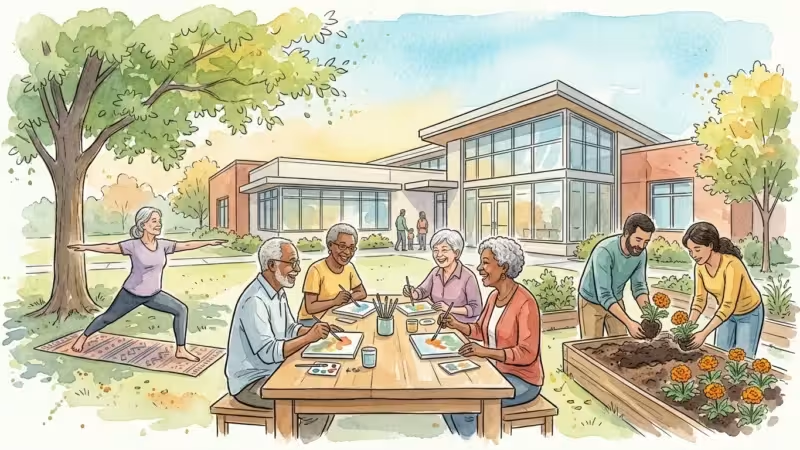

Living hundreds of miles away from your grandchildren does not mean you have to miss out on watching them grow, laugh, and thrive. Today, retirees are discovering innovative, joyful strategies to build deep and lasting relationships across any geographic expanse. Across the United States, roughly 65 million grandparents enrich family life, yet more than half live over 200 miles from at least one grandchild. Physical distance may change how you interact, but purposeful habits and modern tools allow you to nurture unbreakable bonds. You can easily weave yourself into your grandchildren’s everyday lives through practical, joyful long-distance grandparenting tips that keep your connection bright and resilient.
Tip #1: Master Micro-Visits Through Focused Video Calls
Many grandparents assume that meaningful virtual visits require long, formal conversations. In reality, attempting to hold an hour-long chat with a fidgety child often leads to frustration on both ends. You can transform your digital relationship by adopting the concept of micro-visits—brief, high-energy video calls designed around your grandchild’s natural attention span.
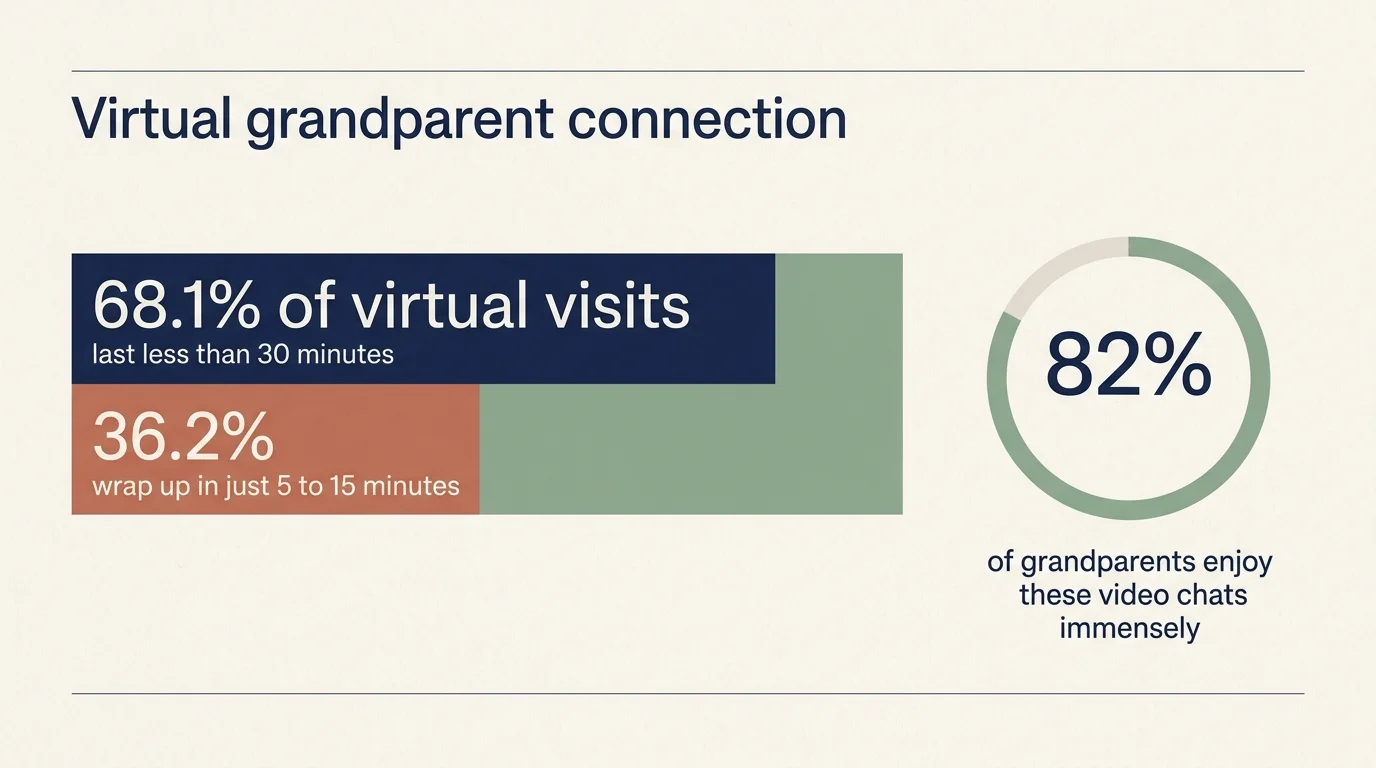
Research conducted by AARP in partnership with Georgetown University reveals that 68.1% of virtual visits between grandparents and young grandchildren last less than 30 minutes; in fact, 36.2% wrap up in just 5 to 15 minutes. The same study found that 82% of grandparents enjoy these video chats immensely, proving that frequent short bursts of contact build stronger emotional closeness than sporadic marathons. When you keep calls brief, you eliminate the pressure to perform.
Instead of asking open-ended questions like “How was your day at school?”, anchor your video calls with grandkids around a specific theme. Ask them to show you their newest drawing, introduce a favorite stuffed animal, or demonstrate a karate kick they learned that morning. You might also schedule a recurring ten-minute “goodnight check-in” where you sing a familiar lullaby or tell a three-minute bedtime story. These consistent micro-connections seamlessly integrate your presence into their regular weekly routine.

Tip #2: Share Daily Moments with Interactive Digital Frames
Visual reminders build emotional security for children and bring immense joy to retirees. Interactive smart photo frames offer a continuous, passive bridge between households, making them one of the most effortless ways to bond with grandchildren remotely. These devices sit on a table or counter and display fresh photos transmitted directly over Wi-Fi.
Two leading options dominate the market with distinct advantages. The 10-inch Skylight Frame typically retails for $139.99 and provides a dedicated email address so family members can send photos directly to the screen; an optional Skylight Plus cloud subscription is available for $39 per year to enable video playback. Alternatively, the 10.1-inch Aura Carver retails around $140 to $149 and includes free, unlimited photo and video cloud storage without any subscription fees.
To maximize this connection, place matching frames in both your home and your grandchild’s home. Encourage parents to help children upload snapshots of everyday victories—such as a lost tooth, a playground triumph, or a completed puzzle. In return, upload photos of your own daily life, like flowers blooming in your garden, your dog sleeping in funny positions, or the cookies you baked. This continuous visual dialogue creates a shared window into each other’s worlds without requiring a scheduled phone call.
Tip #3: Read and Play Together Using Shared Digital Apps
When you want interactive screen time that holds a child’s attention, specialized family apps turn ordinary video chats into immersive playdates. These platforms solve the common challenge of children wandering away from the camera by putting interactive content front and center.
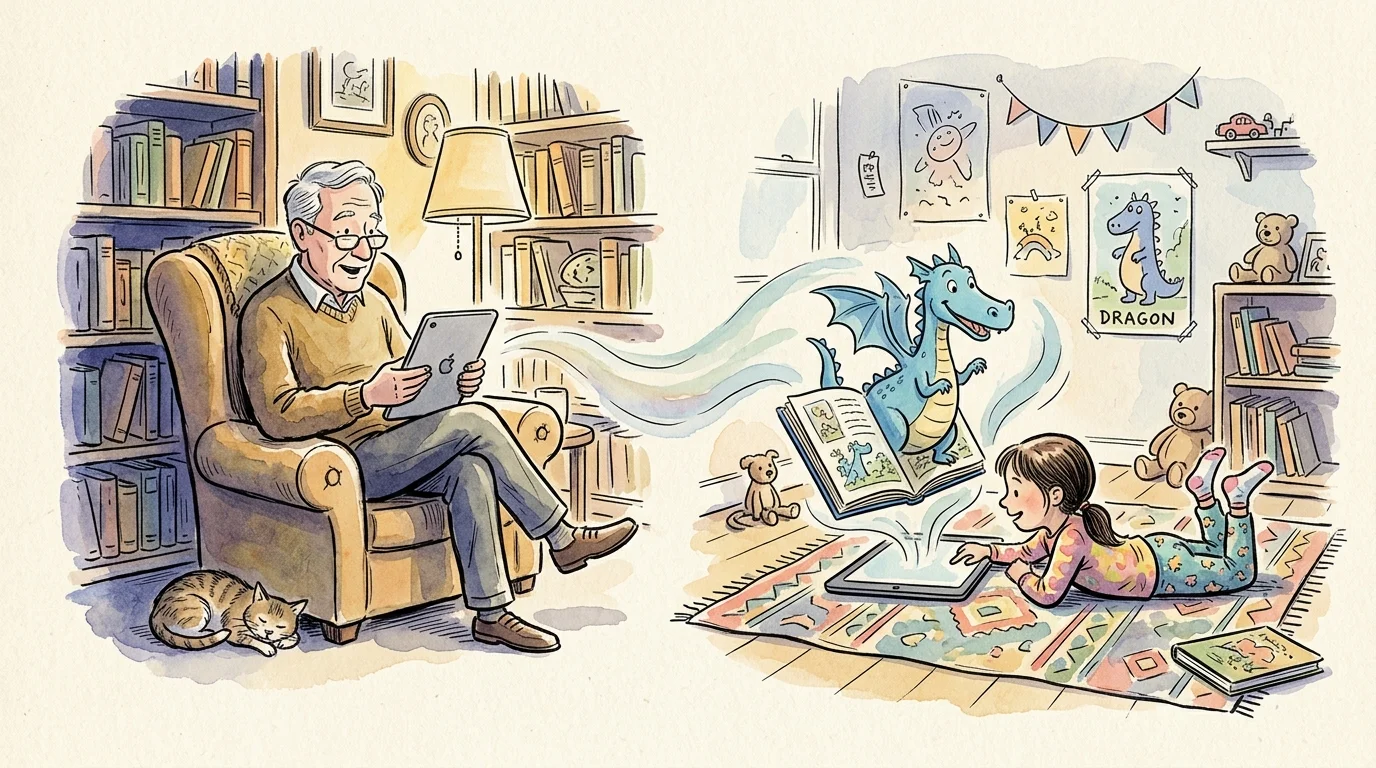
Dedicated connection apps, such as Caribu and Together Video Chat, integrate real-time video feeds alongside shared digital picture books, coloring pages, word puzzles, and classic board games. When you turn a digital page or draw with a virtual crayon, your grandchild sees the action instantly on their screen. This shared activity removes the burden of small talk and lets you bond over playful collaboration.
To establish a joyful habit, set up a weekly “story and sketch” date. Choose a book from the app’s digital library to read aloud, taking time to use expressive character voices and point out whimsical illustrations. Afterwards, open a joint coloring sheet within the app and color the scene together while chatting casually about their week. By focusing on a shared visual activity, you create memorable shared experiences that mimic sitting right beside them on the living room floor.

Tip #4: Create Anticipation with Snail Mail and Care Packages
In an era dominated by digital notifications, physical mail holds an almost magical charm for children. Opening a mailbox and finding an envelope addressed specifically to them provides an authentic tactile thrill that digital screens cannot replicate. Crafting deliberate, creative postal deliveries remains one of the most effective long distance grandparenting tips.
You do not need to send expensive gifts to make an impact. Flat envelopes filled with lightweight surprises—such as colorful sticker sheets, temporary tattoos, customized bookmarks, or origami animals—spark immense excitement. Consider writing serialized adventure stories across multiple postcards, ending each note on a suspenseful cliffhanger so your grandchild eagerly awaits the next delivery. Adding a gentle spritz of your familiar perfume or cologne to the stationery can also trigger powerful, comforting memories of your hugs.
Make the experience interactive by including a self-addressed, pre-stamped envelope along with a blank sheet of paper or a fill-in-the-blank questionnaire. Ask questions like “What made you laugh this week?” or “Draw your favorite lunch.” When children mail back their responses, they experience the satisfaction of two-way postal communication and develop foundational writing skills while staying connected with grandparents long distance.

Tip #5: Launch a Long-Distance Book Club or Movie Night
As grandchildren enter the tween and teenage years, their schedules grow busier and their communication styles evolve. Establishing a structured, shared cultural experience—such as a two-person book club or synchronized movie night—provides a natural foundation for deeper discussions.
Maintaining grandparent relationships from afar is vital for emotional well-being across generations. A landmark longitudinal study conducted by the Institute on Aging and the Department of Sociology at Boston College found that emotionally close relationships between grandparents and grandchildren are associated with significantly fewer symptoms of depression for both generations. Shared intellectual and leisure pursuits provide the common ground necessary to sustain that supportive bond through adolescence.
Pick a popular young-adult novel or graphic novel and agree to read two chapters each week. Send brief text messages with your immediate reactions, or schedule a weekend call to debate plot twists and character decisions. For movie nights, coordinate with platforms that sync streaming video, or simply press “play” at the exact same moment while keeping a phone call open on speakerphone. Mail a gourmet popcorn package or their favorite movie theater candy in advance so you can enjoy the same snacks while watching together.
Tip #6: Cook Family Recipes Together in Virtual Kitchens
Food carries deep emotional resonance and cultural heritage. Inviting your grandchild into a virtual kitchen session allows you to pass down cherished family recipes while engaging all five senses in a collaborative project.
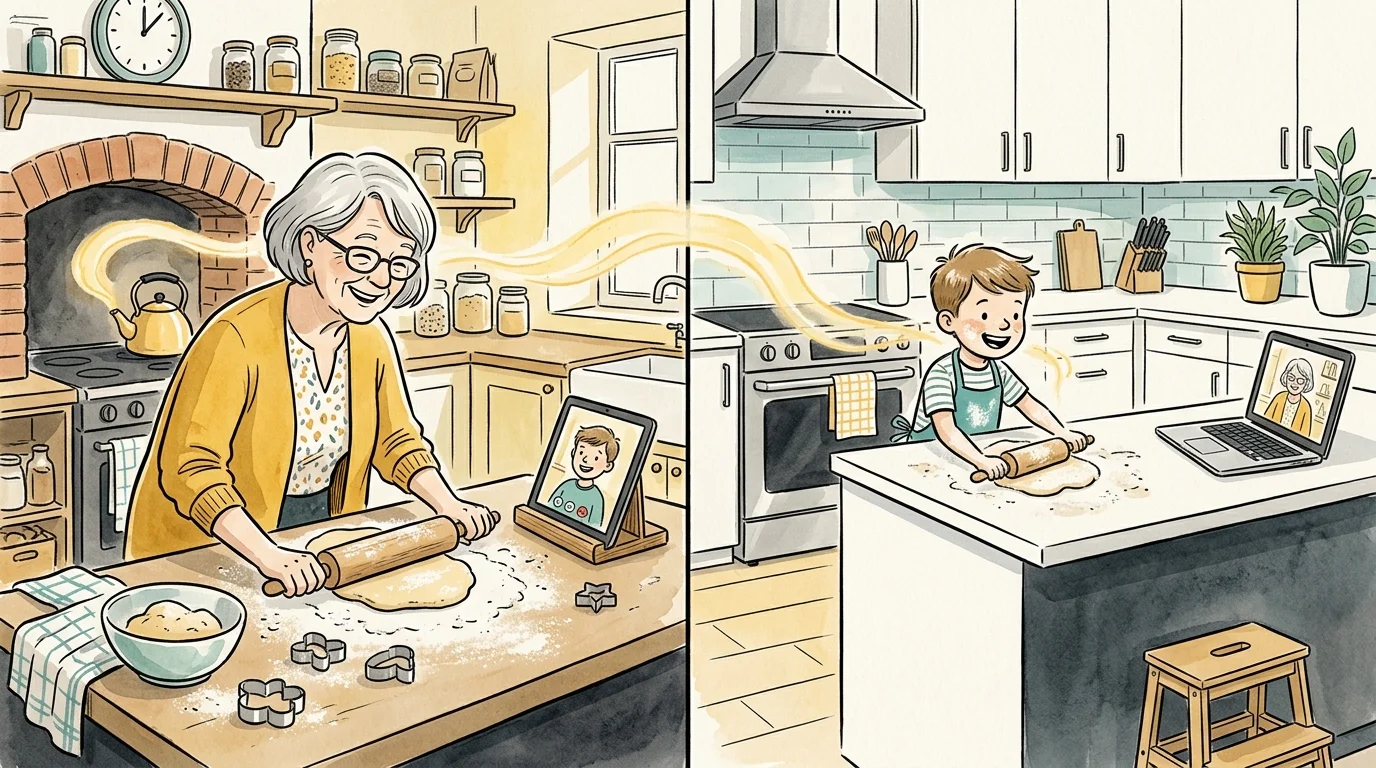
Set up a tablet or smartphone in a sturdy stand on your kitchen counter, positioned to capture your prep area. Coordinate with the child’s parents a few days in advance by sending a detailed ingredient list and a beautifully formatted recipe card. Whether you are baking your signature chocolate chip cookies, assembling homemade pizzas, or rolling traditional dumplings, work through the steps side by side in real time.
Cooking together creates natural pauses for storytelling. As you measure flour or knead dough, share memories of where the recipe originated, how your own parents prepared it, or funny kitchen mishaps from your past. Once the dish comes out of the oven, sit down at your respective tables and enjoy a virtual meal together. This delicious tradition blends culinary education with intergenerational bonding, leaving your grandchild with practical life skills and warm memories.
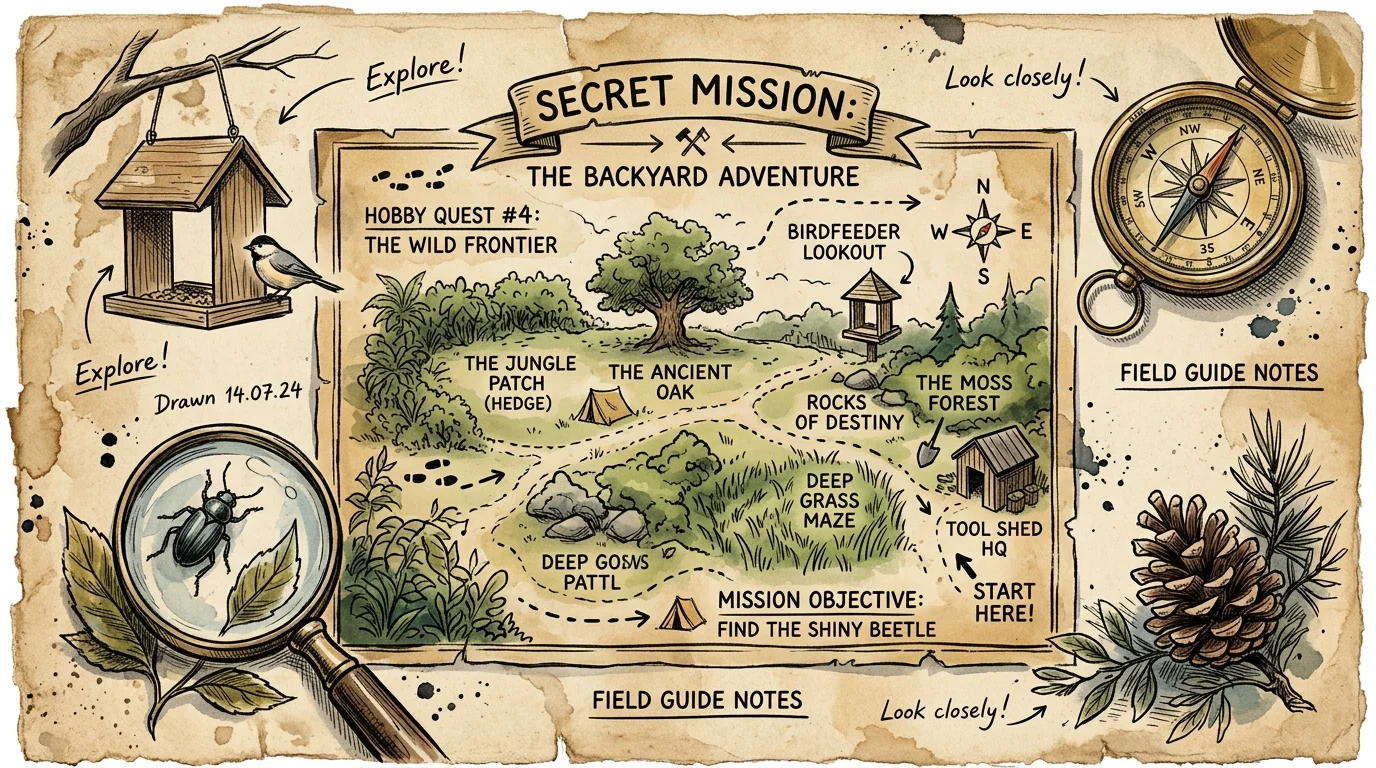
Tip #7: Establish Weekly Hobby Quests and Secret Missions
Children love a sense of mystery, friendly competition, and shared purpose. Designing ongoing collaborative quests or hobby challenges gives you a regular reason to interact without feeling like a chore. It also provides grandparents with cognitive stimulation and purposeful social engagement.
Staying active in your grandchild’s life offers profound personal health benefits. A study published in the journal Evolution and Human Behavior, drawing data from the Berlin Aging Study, found that socially engaged and caregiving grandparents experienced a 37% lower mortality risk over a 20-year follow-up period compared to disengaged peers. Investing your creative energy into your grandchildren literally supports your longevity.
Create a weekly “photo scavenger hunt” where you both search for specific items in your respective neighborhoods, such as a bird with red feathers, an unusual mailbox, or a blooming yellow flower. Exchange photos of your finds and award playful points. If your grandchild enjoys building, initiate a weekly LEGO challenge with a specific prompt, such as “build a futuristic spaceship” or “design a dream treehouse.” You can also play ongoing online chess matches or solve daily word puzzles together, celebrating each other’s clever solutions throughout the week.

The Takeaway: Living a More Blissful Retirement
Retirement offers you the freedom and perspective to cultivate relationships that truly matter. While geographic separation presents logistical challenges, it also invites you to become more intentional, creative, and playful in how you show your love. You do not need to live around the corner to serve as a steady anchor, confidant, and cheerleader for your grandchildren.
Remember that consistency always outweighs duration. A five-minute video call where you listen with your whole heart, a silly postcard that arrives on a rainy Tuesday, or a shared riddle over text messages creates an undeniable sense of closeness. By combining simple technology with authentic personal touches, you can build an enduring, joyful relationship that transcends every mile on the map.
For a wide range of resources for older adults, visit AARP and the National Council on Aging (NCOA). Health information is available from the National Institute on Aging.
Disclaimer: This article is for informational and inspirational purposes only. It is not a substitute for professional medical, financial, or psychological advice. Please consult with a qualified expert for guidance tailored to your individual needs.
Frequently Asked Questions
How often should I schedule video calls with grandkids without overwhelming parents?
The ideal cadence depends on the family’s schedule, but one or two planned micro-visits per week usually work best. Always communicate directly with the parents to identify low-stress windows, such as right after snack time or before evening wind-down routines. Keeping your video calls with grandkids short (around 10 to 15 minutes) ensures that parents view these visits as helpful, enjoyable moments rather than disruptive interruptions.
What are the best ways to connect with teenagers who rarely answer phone calls?
Teenagers communicate differently than younger children and often prefer asynchronous messaging over unscheduled phone calls. Meet them on their preferred communication channels by sending short text messages, funny internet memes, or sharing music playlists. Engaging them through shared interests—such as tracking a sports team together, discussing their favorite video games, or asking for tech advice—shows that you respect their growing independence and value their opinions.
How can I handle significant time zone differences when maintaining grandparent relationships from afar?
Time zone gaps require thoughtful asynchronous connection strategies. Leave cheerful audio or video voice notes that your grandchild can listen to when waking up for school, and invite them to send one back after soccer practice. Snail mail, digital photo frames, and shared online turn-based games like chess or word puzzles also work seamlessly across different time zones because they do not require both participants to be online at the exact same moment.
What should I do if a toddler gets easily distracted during a video call?
Toddlers naturally have short attention spans and learn through physical movement. If a toddler walks away from the screen, do not take it personally. Keep interactive props nearby, such as hand puppets, musical shakers, or colorful picture books. You can also ask the parent to place the camera where you can watch the toddler play while you provide cheerful commentary and sound effects, keeping the interaction low-pressure and fun for everyone involved.