You can protect your retirement nest egg by settling in warm climate cities where winter heating bills remain remarkably low. Escaping harsh winter freezes frees up substantial household income for travel, hobbies, and relaxation.
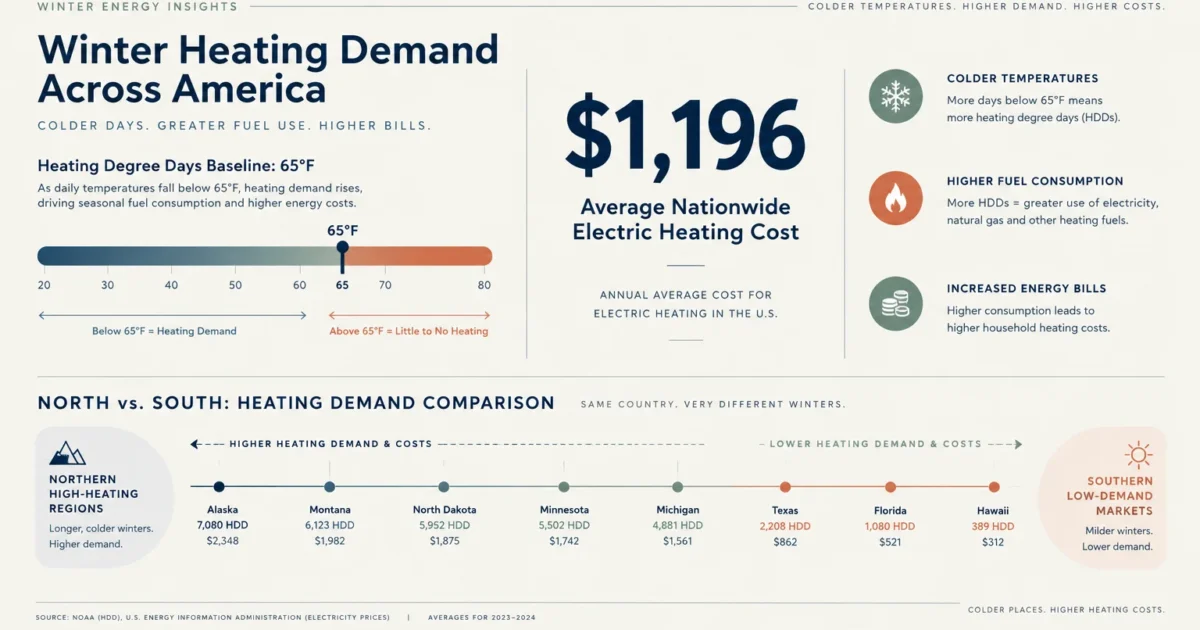
Heating Degree Days measure how much temperatures dip below 65 degrees, which directly determines your seasonal fuel usage. Selecting regions with lower utility bills allows you to enjoy comfortable winters without unexpected financial strain.
Exploring affordable destinations provides an empowering way to safeguard your fixed income against volatile energy prices across the country.
Tip #1: Yuma, Arizona
Yuma ranks among the premier warm climate cities for retirees seeking relief from freezing temperatures. The region delivers continuous winter sunshine, keeping daytime temperatures pleasant and outdoor living effortless.
Because the sun shines almost every day, your heating equipment stays idle for most of the season. You will rarely need to activate your central furnace during chilly mornings.
Arizona residential electricity averages 15.38 cents per kilowatt-hour, keeping power costs well below the priciest states. This reasonable rate provides cheap winter heating whenever you need a slight boost of warmth indoors.
The Energy Information Administration notes that electric heating expenditures average $1,196 nationwide. In contrast, Yuma residents face minimal Heating Degree Days, shielding your wallet from heavy seasonal costs.
Harnessing Natural Desert Warmth
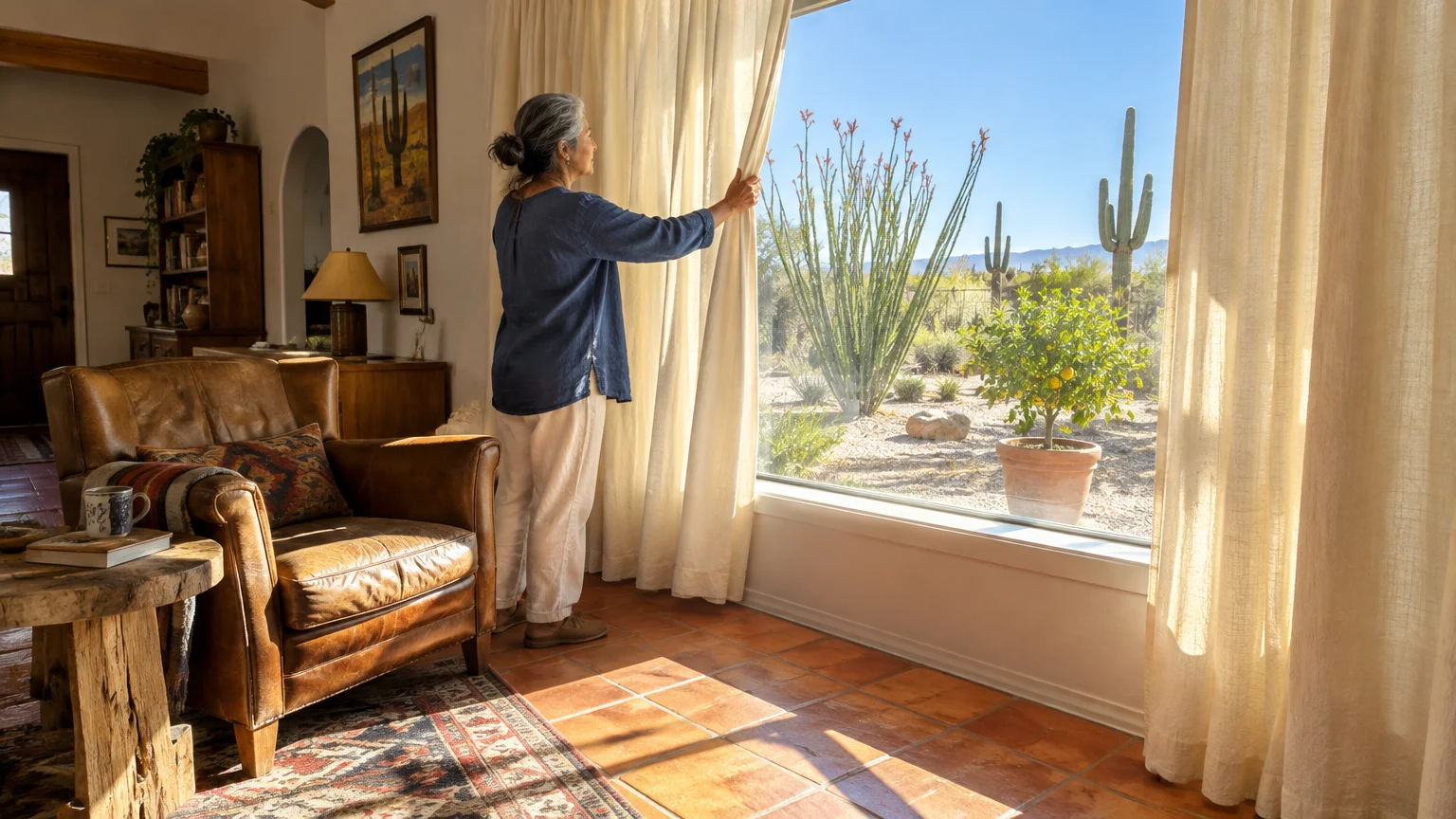
You can capture free thermal energy by opening south-facing window coverings during clear daylight hours. The incoming sunlight naturally warms your living areas without consuming a single watt of grid electricity.
When dusk arrives, shut heavy curtains to trap the collected thermal warmth inside your rooms. This simple daily ritual keeps your home comfortable throughout crisp desert evenings.
Inspect the weatherstripping around your front and back exterior doors before winter arrives. Replacing cracked seals prevents desert drafts from entering and ensures your conditioned indoor air stays stable.
If you need supplemental heating, consider using a high-efficiency electric heat pump. Modern heat pumps move warmth rather than generating it through resistance, maximizing your monthly savings.
Keep in mind that the federal Section 25C tax credit expired on December 31, 2025. You cannot claim federal tax deductions on new heating installations completed this year.
However, you can still access local utility rebates and state-administered programs to reduce equipment costs. Check with your regional power provider to identify rebates before installing modern heating hardware.
Set your thermostat to 68 degrees when you are awake and lower it further at night. Pairing this setting with warm fleece blankets keeps your utility statement surprisingly low.
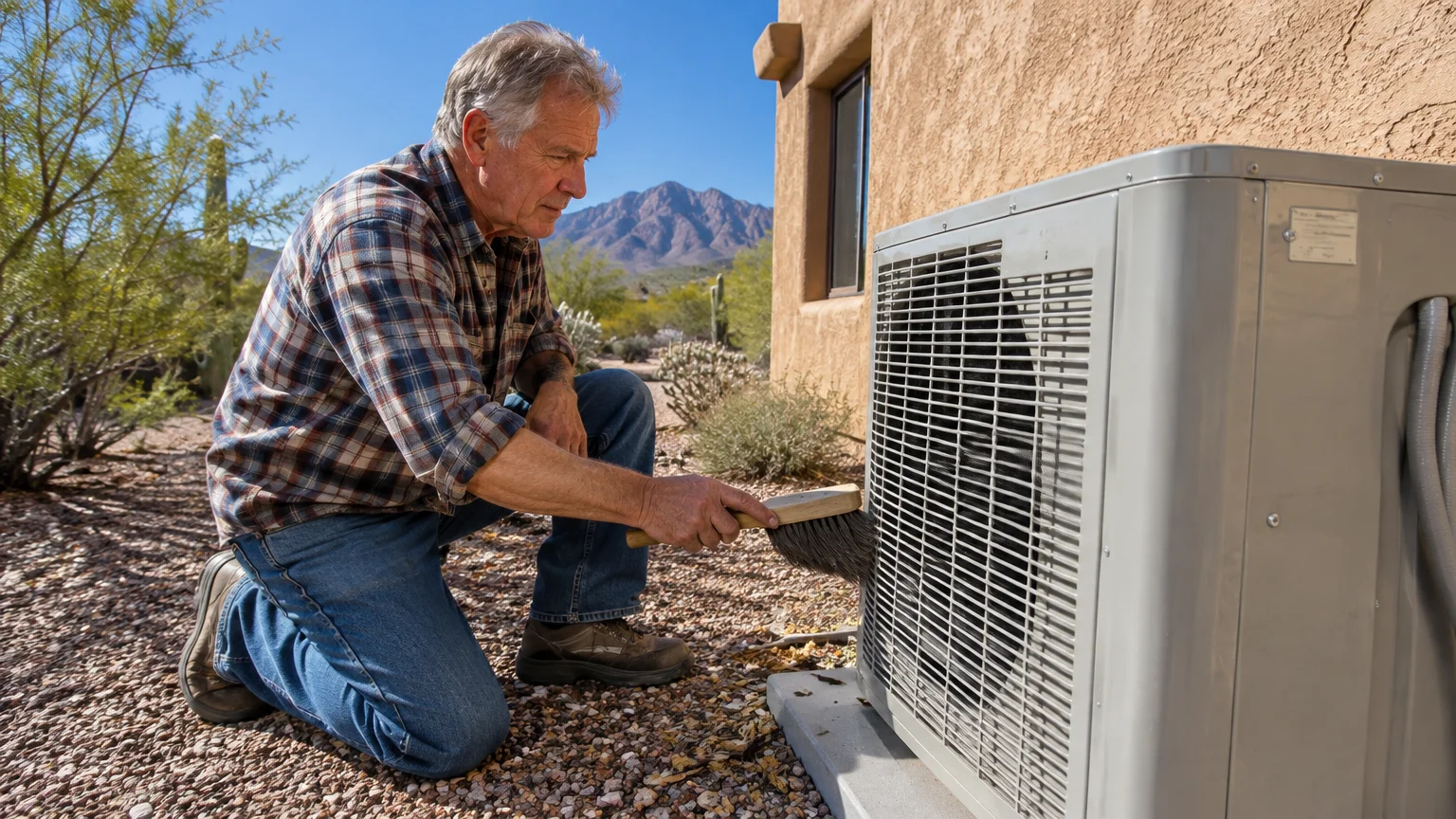
Clear debris and blowing sand away from your outdoor heat pump unit each month. Unrestricted exterior airflow prevents mechanical strain and allows your system to operate at peak efficiency.
By combining natural solar heating with favorable local electric rates, Yuma delivers genuine financial security. You will spend far less on seasonal utilities and gain more freedom to pursue your passions.
Tip #2: Las Vegas, Nevada
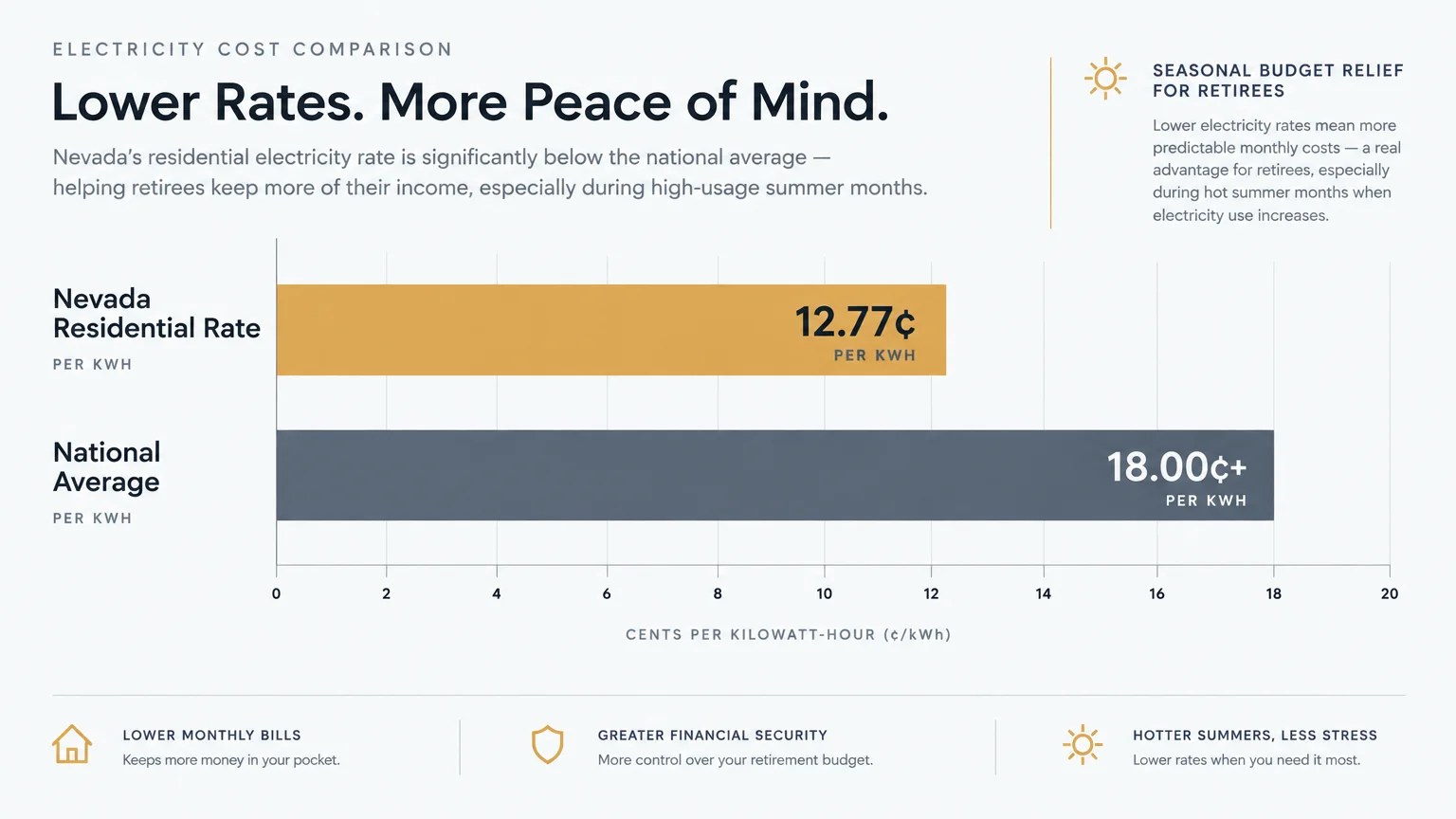
Las Vegas offers active seniors world-class entertainment alongside a mild Mojave Desert winter climate. While night temperatures can feel crisp, daytime sunshine warms neighborhoods quickly and keeps overall heating requirements modest.
Nevada boasts an impressive residential electricity rate of only 12.77 cents per kilowatt-hour. That affordable price gives local retirees a significant advantage over peers in cold northern markets.
For comparison, national electric rates average over 18 cents per kilowatt-hour, while California rates exceed 33 cents per kilowatt-hour. Living in Nevada ensures the energy costs retirees face elsewhere remain strictly contained.
Federal projections indicate that Western states will experience a 25 percent jump in Heating Degree Days this winter. Even with that regional increase, Nevada households benefit from remarkably low electricity rates.
Actionable Steps for Desert Comfort
Take advantage of cheap winter heating by adjusting your ceiling fan blades to rotate clockwise. Running the fan on low speed pushes rising warm air back down into your living space.
Install adhesive foam weatherstripping along exterior door frames to prevent cool desert breezes from slipping indoors. This quick afternoon fix seals small gaps and preserves valuable indoor warmth.
Invest in an intuitive programmable thermostat to regulate your overnight heating automatically. Lowering the target temperature slightly while you sleep beneath warm blankets trims unnecessary kilowatt-hour consumption.
Take time to review your utility account for flexible budget billing options. Spreading seasonal costs evenly across twelve balanced payments shields your retirement budget from sudden winter surprises.
Nevada also participates in federally funded state efficiency initiatives like the HOMES program. These programs assist eligible households with insulation and air sealing to preserve consistent indoor comfort.
Seal electrical outlet boxes on exterior-facing walls with inexpensive foam insulation gaskets. Cold air frequently seeps through uninsulated wall receptacles, creating subtle drafts across your living rooms.
Replace worn window caulking to maintain a secure thermal barrier against chilly nighttime air. Quality silicone sealants prevent heat loss and protect your home envelope against seasonal drafts.
Close vents and doors in unused guest rooms to direct heat toward primary living spaces. Focusing conditioned air where you spend your time eliminates unnecessary heating expenses.
Choosing Las Vegas allows you to preserve your independence and build an energetic, vibrant retirement. Low power rates and mild winters make this desert hub an outstanding choice for financial peace of mind.
Tip #3: Brownsville, Texas
Nestled near the southern tip of Texas, Brownsville provides retirees with a humid subtropical climate and balmy winters. Freezing weather remains extremely rare, meaning your central heating system rests through most of the year.
Texas residential electricity averages 15.88 cents per kilowatt-hour, providing dependable value for budget-conscious seniors. You can comfortably power your home without dreading the arrival of your monthly utility statement.
Heating oil users in the Northeast face projected winter expenditures averaging $2,115 per home. In Brownsville, you avoid expensive fuel deliveries entirely and enjoy warm climate cities living at its finest.
The National Energy Assistance Directors Association reports that overall household heating costs have risen 23.9 percent since 2021. Brownsville insulates you from these dramatic national spikes by removing severe winter cold altogether.
Maintaining Coastal Texas Efficiency
Inspect your central air filters every thirty days to keep airflow moving smoothly across your system coils. Clean filters reduce mechanical strain and keep your equipment running at peak operating efficiency.
Apply exterior silicone caulk around window frames to block humid sea breezes from degrading your indoor comfort. Maintaining tight envelope seals ensures your conditioned air stays inside where it belongs.
Take advantage of Texas retail electric choice by shopping for competitive fixed-rate electricity plans. Comparing competitive offers online enables you to lock in favorable rates before winter demand peaks.
Look into the Home Electrification and Appliance Rebates program if you plan to upgrade an aging heat pump. Qualified low-to-moderate-income homeowners can receive rebates up to $8,000 for energy-saving equipment.
Clean your dryer vent ductwork thoroughly to improve indoor air circulation and reduce home fire hazards. A clear vent pipe also prevents cold outdoor air from backing up into your laundry area.
Utilize door sweeps along exterior thresholds to block unwanted humidity and cool evening breezes. This simple DIY addition stabilizes your room temperature without raising your monthly electric consumption.
Schedule an annual preventative maintenance checkup for your heat pump before winter weather arrives. A professional tune-up ensures your reversing valve and electrical contacts operate safely and efficiently.
Brownsville combines lower utility bills with access to coastal recreation and rich cultural traditions. Moving here allows you to stretch your fixed income while enjoying continuous outdoor comfort.
Tip #4: St. George, Utah
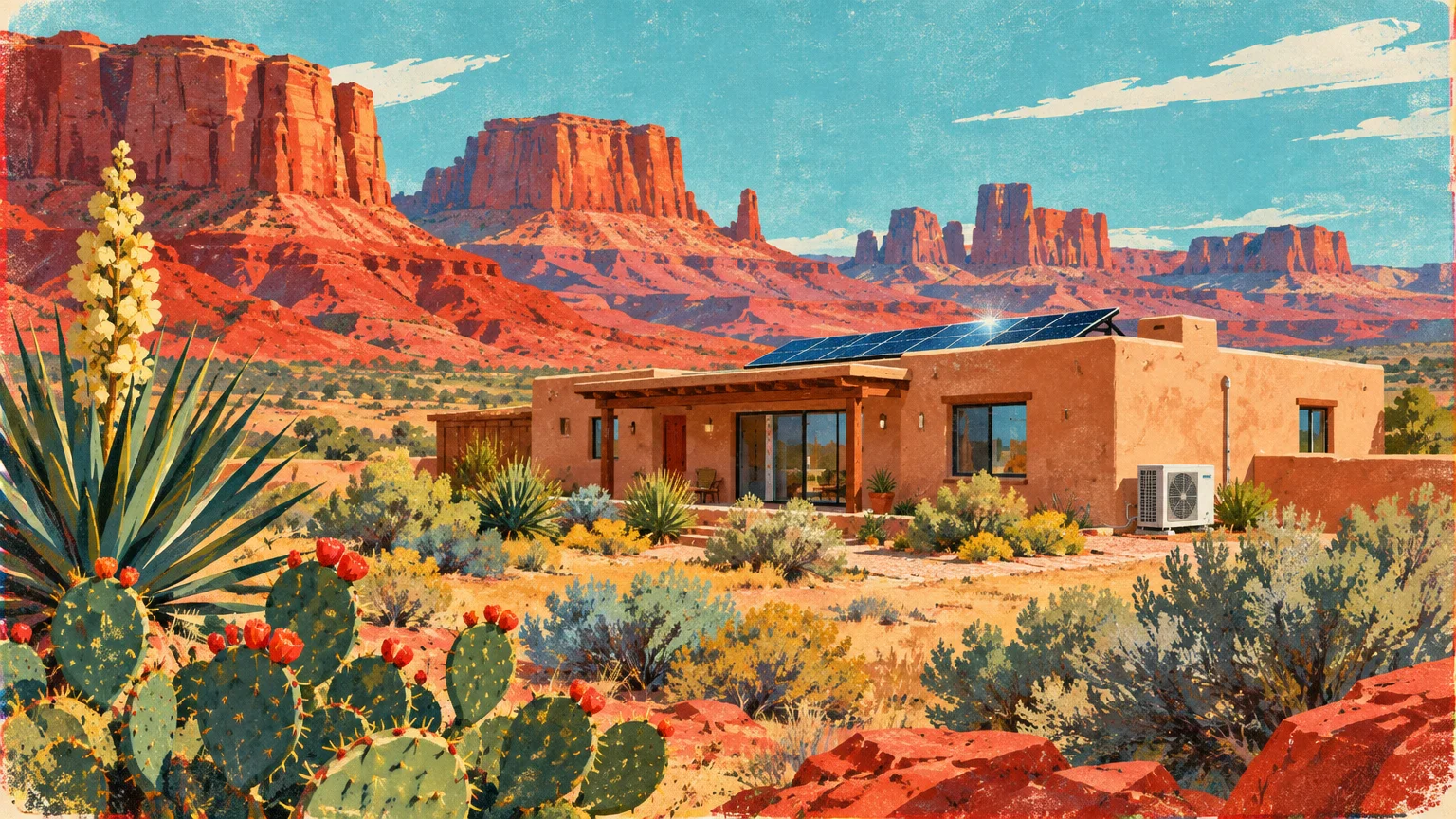
Located in southwestern Utah, St. George offers stunning red rock vistas and a remarkably mild winter climate. Known affectionately as Utah’s Dixie, the city sits at a lower elevation that escapes harsh mountain blizzards.
Utah residential electricity averages just 13.12 cents per kilowatt-hour, standing as one of the lowest rates nationwide. This economical pricing ensures the energy costs retirees encounter stay manageable all year long.
Furthermore, Utah offers residential natural gas at an off-peak baseline of $12.38 per Mcf. The Energy Information Administration projects national gas heating expenditures will average $640 this season, down 9 percent.
Delivered electricity costs 3.5 to 4.0 times more per MMBtu than natural gas across the country. Heating your home with natural gas in St. George unlocks extraordinary seasonal savings.
Maximizing Mountain West Savings
Schedule an annual furnace inspection to verify that your heating burners fire cleanly and safely. A qualified technician will clean sensors, check heat exchangers, and optimize fuel combustion before winter arrives.
Seal visible joints in exposed basement or attic ductwork with durable mastic sealant or metallic foil tape. Preventing duct leaks keeps conditioned air flowing directly into your rooms rather than escaping unconditioned spaces.
Although federal Section 25D clean energy credits expired on December 31, 2025, Utah utilities provide robust local incentives. Contact your gas and electric companies to secure cash rebates for installing high-efficiency furnaces.
Keep your south-facing windows clean to maximize the natural solar heating benefits of Utah’s crisp, sunny winter days. Clean glass allows maximum radiant heat to penetrate deep into your living areas.
Install a glass fireplace door or chimney balloon if your home features a traditional wood or gas fireplace. Closing off the chimney flue when not in use stops your furnace-warmed air from escaping up the stack.
Wrap exposed water supply pipes located in unheated crawl spaces or garages with pre-slit foam insulation tubes. Insulated pipes retain domestic hot water temperatures and eliminate unexpected plumbing disasters during freezing nights.
Lower your water heater thermostat setting to 120 degrees to curb continuous standby energy losses. This minor adjustment prevents accidental scalds while trimming your monthly natural gas or power expenses.
St. George delivers the ideal blend of desert sunshine, outdoor recreation, and affordable domestic energy. Retiring here gives you peaceful mountain beauty without the burden of crippling utility expenses.
Tip #5: Fort Myers, Florida
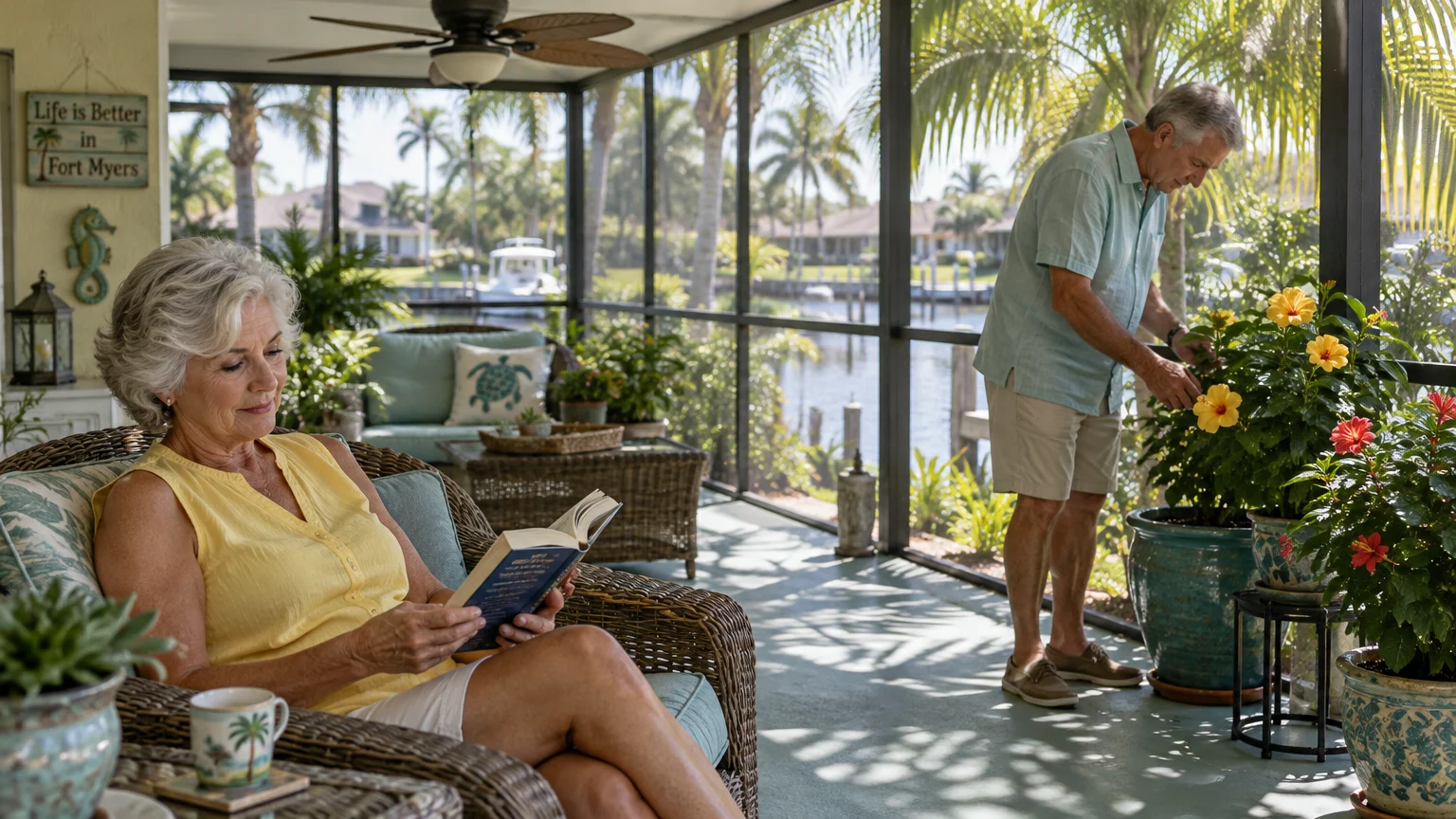
Fort Myers sits along Florida’s scenic Gulf Coast, attracting seniors who desire endless sunshine and tropical breezes. Winter heating needs here are virtually non-existent, as daytime highs stay warm and pleasant throughout January.
Florida residential electricity averages 15.03 cents per kilowatt-hour, remaining well below national benchmarks. Because you rarely switch on your heating elements, your winter electric consumption stays refreshingly minimal.
Across the United States, roughly 43 percent of homes rely primarily on electric heating systems. While those households face projected heating costs of $1,196, Fort Myers residents spend pennies keeping warm.
Living in this subtropical paradise means you will not worry about freezing water pipes or heavy snow removal. You can focus your energy and retirement budget on outdoor recreation, gardening, and community activities.
Smart Energy Habits in the Sunshine State
Use ceiling fans to maintain pleasant air movement during mild winter afternoons instead of running heating units. Circulating air creates a gentle breeze that keeps indoor spaces comfortable without consuming much electricity.
Check weatherstripping around exterior sliding patio doors to prevent warm, humid outside air from sneaking inside. Quality door sweeps help your home maintain consistent indoor temperatures with minimal mechanical cooling or heating.
If temperatures dip unexpectedly during a rare cold snap, use a small ceramic space heater in your immediate room. Warming only the room you occupy avoids activating whole-house heating systems and saves money.
Maintain your indoor relative humidity between 45 and 55 percent by using bathroom exhaust fans during showers. Balanced indoor humidity makes rooms feel warmer in winter without raising thermostat settings.
Plant deciduous shade trees on the southern exposure of your property to optimize seasonal sunlight. These trees shed their leaves in winter to welcome warming sunshine, then regrow foliage to cool your home in summer.
Explore local community action agencies if you ever need temporary assistance with household utility bills. Programs like the Low Income Home Energy Assistance Program provide essential safety nets for qualifying seniors.
Switch your interior lighting to energy-efficient LED bulbs to reduce electrical demand across every room. Modern LED bulbs emit very little waste heat and last for many years without replacement.
Fort Myers remains a top choice among warm climate cities for retirees seeking carefree living. The absence of winter heating expenses provides financial peace and enhances your overall quality of life.
Tip #6: Hot Springs, Arkansas
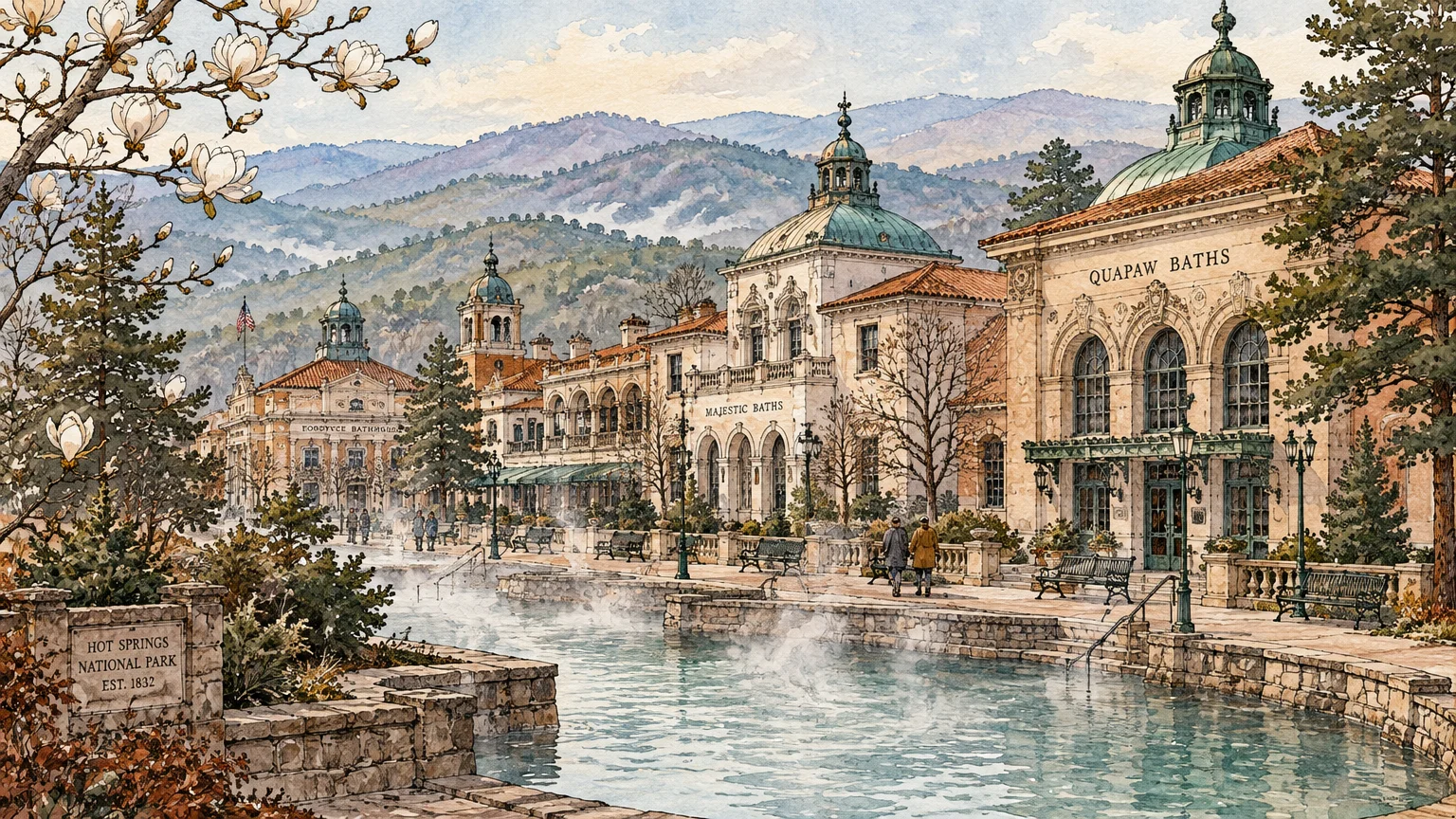
Hot Springs combines natural thermal springs, picturesque lakes, and historic architecture with a wonderfully mild winter season. Nestled in the Ouachita Mountains, the city provides scenic beauty without the harsh freezes of northern states.
Arkansas residential electricity averages an affordable 14.33 cents per kilowatt-hour, easing pressure on fixed incomes. Low power rates make Hot Springs one of the top cities low heating costs advocates celebrate.
Heating oil costs have surged across the country, with revised estimates reaching $2,627 per household. In Hot Springs, efficient electric heat pumps provide cheap winter heating without volatile oil delivery charges.
Data from energy directors shows national heating costs rising 8.7 percent year-over-year, outpacing general inflation. Retiring to Arkansas helps you dodge these steep increases through regional climate and pricing advantages.
Practical Home Upgrades in Arkansas
Add extra fiberglass batt insulation to your attic floor to prevent valuable heated air from escaping upward. Proper attic insulation creates a protective barrier that keeps your home cozy during cool mountain evenings.
Hang thick thermal curtains over large picture windows to block evening drafts and retain radiant room heat. Opening these drapes during sunny afternoons invites natural warmth inside to reduce furnace usage.
Check whether your local electric cooperative offers free in-home energy assessments for senior members. Professional energy auditors pinpoint air leaks and recommend cost-effective solutions to lower utility bills further.
Insulate your home crawl space perimeter to prevent cold ground air from cooling your subfloor. Crawl space encapsulation stabilizes your floor temperatures and keeps your feet warm all winter long.
Install a programmable thermostat that lowers your room temperature by five degrees while you sleep. Restoring normal temperatures thirty minutes before you wake up ensures comfort while shaving dollars off your monthly bill.
Remember that the Section 25C tax credit expired on December 31, 2025, eliminating previous IRS deductions. Focus instead on state-level efficiency incentives and utility equipment discounts to modernize your heating equipment affordably.
Bleed trapped air from hot water baseboard radiators if your home relies on a central boiler system. Removing air pockets allows hot water to circulate freely and warm your living space evenly.
Hot Springs welcomes retirees with Southern hospitality, outdoor recreation, and genuinely low living costs. You can enjoy cozy winter months surrounded by peaceful nature without draining your financial resources.
Tip #7: Tucson, Arizona
Surrounded by picturesque mountain ranges, Tucson provides retirees with dry desert air and abundant winter sunshine. Mild daytime conditions allow you to stay active outdoors while keeping seasonal indoor heating to a minimum.
Arizona households benefit from an average residential power rate of 15.38 cents per kilowatt-hour. This favorable rate keeps heating expenses low whether you utilize electric heat pumps or supplemental space heaters.
The Energy Information Administration notes that natural gas heats roughly 46 percent of American homes. Natural gas users nationwide will spend an average of $640, with Tucson gas rates offering great seasonal value.
Tucson experiences significantly fewer Heating Degree Days than communities across the Midwest or Northeast. This geographic advantage shields your monthly budget from the high fuel consumption common in colder states.
Optimizing Desert Heating Efficiency
Incorporate ceramic tile or stone flooring in rooms that receive direct winter sunlight through southern windows. These dense materials absorb radiant heat during the day and gently release it back into your rooms at night.
Install a ductless mini-split heat pump to achieve zoned heating across your most frequently used living spaces. Zoned systems allow you to warm the living room during the day without heating unused guest bedrooms.
Explore the federal HEAR program administered through state energy offices for substantial heating equipment assistance. Income-qualified households can access rebates up to $8,000 when upgrading to high-efficiency electric heat pumps.
Keep your heating vents clear of furniture, rugs, and heavy curtains to ensure balanced air distribution. Unobstructed airflow prevents furnace blowers from overworking and burning excess electricity or natural gas.
Clean ceiling fans and reverse their motor direction to clockwise at the onset of cooler weather. Pushing trapped hot air downward redistributes warmth into your living area and reduces heating cycles.
Seal gaps around outdoor plumbing penetrations using expanding foam sealant to block chilly desert air. Sealing these hidden entry points keeps pests out while protecting your indoor comfort.
Place draft stoppers at the base of exterior doors to eliminate ground-level drafts across hardwood or tile floors. This simple fabric roll provides instant thermal protection at virtually zero cost.
Tucson empowers retirees to lead active, healthy lifestyles bathed in warm winter sunshine. Choosing this Sonoran Desert gem ensures your retirement dollars support your dreams rather than utility companies.

The Takeaway: Living a More Blissful Retirement
Relocating to a city with lower utility bills represents a powerful strategy for protecting your golden years. Slashing your winter heating expenses preserves precious capital for leisure, family visits, and healthcare needs.
Utility debt currently impacts one in six American households, totaling an astonishing $23 billion nationwide. Moving to warm climate cities shields your fixed retirement income from overwhelming winter heating liabilities.
Understanding regional energy rates empowers you to make informed decisions before choosing your retirement destination. Pairing mild winter weather with competitive electricity rates produces substantial compounding savings over time.
Simple daily habits like sealing drafty doors and opening sunny window drapes maximize your home efficiency. These practical measures keep you comfortable indoors without requiring costly professional renovations or extensive equipment overhauls.
Stay informed about state rebate programs like HOMES and HEAR to offset modern appliance upgrades. Taking advantage of available regional incentives ensures your home operates at peak efficiency for years to come.
Before finalizing any relocation move, request twelve months of historical utility statements from the property seller or landlord. Reviewing historical heating costs ensures your projected monthly budget aligns with reality.
Choose a home with energy-efficient windows, updated insulation, and well-maintained heating equipment whenever possible. High-efficiency construction magnifies the natural benefits of living in a mild southern or western climate.
Embrace community living options such as active adult neighborhoods where shared exterior maintenance and group utility rates lower costs. Many senior communities provide energy-conscious amenities that further decrease personal living expenses.
Your retirement should be filled with joy, connection, and restorative peace of mind. Choosing a winter haven where heating bills stay low allows you to thrive without financial anxiety.
Frequently Asked Questions
How much does the average American spend on winter heating?
According to the Energy Information Administration, average winter heating costs vary dramatically by primary fuel source. Natural gas households spend roughly $640, while electric heating households face average expenditures of $1,196.
Heating oil users pay approximately $2,115, with some industry estimates climbing as high as $2,627. Relocating to milder climates dramatically reduces your annual heating consumption below these national figures.
Propane users also encounter substantial seasonal expenses, averaging $1,246 for winter heating nationwide. Choosing regions with abundant natural gas or affordable electricity protects your retirement savings from these high fuel prices.
Can retirees still claim federal tax credits for heating upgrades?
Federal tax credits under Section 25C and Section 25D officially expired on December 31, 2025. You cannot claim federal IRS tax credits for heat pumps or solar installations installed during 2026.
However, state-administered rebates through the HOMES and HEAR programs offer up to $8,000 for qualifying households. Local electric and gas utility companies also continue to provide independent equipment rebates.
Always verify current state program guidelines before purchasing new equipment to ensure your project qualifies for available funds. State energy offices maintain directories of approved contractors and eligible heat pump models.
What are Heating Degree Days and why do they matter?
Heating Degree Days measure how many degrees and days outside temperatures fall below 65 degrees. High numbers indicate colder local climates that force furnaces to run frequently throughout the winter season.
Cities low heating costs enthusiasts favor boast low annual Heating Degree Days. Fewer cold days translate directly into reduced fuel consumption and delightfully low monthly utility statements for retirees.
Monitoring Heating Degree Days helps you anticipate seasonal billing patterns and budget your monthly income effectively. Understanding this metric allows you to evaluate prospective retirement destinations with greater confidence.
What assistance is available if winter utility bills become unmanageable?
The Low Income Home Energy Assistance Program provides seasonal utility grants to qualifying seniors on fixed incomes. Federal funding sits at roughly $4 billion nationwide to assist households with energy obligations.
Contact your local power provider immediately to request balanced budget billing or payment protection plans. Most utility companies offer senior relief initiatives to prevent service interruptions during cold weather months.
Nonprofit organizations and local aging agencies also provide emergency hardship grants for seniors facing unexpected utility crises. Reach out to community advocates early to explore all available energy assistance resources.
For a wide range of resources for older adults, visit AARP and the National Council on Aging (NCOA). Health information is available from the National Institute on Aging.
Disclaimer: This article is for informational and inspirational purposes only. It is not a substitute for professional medical, financial, or psychological advice.
Please consult with a qualified expert for guidance tailored to your individual needs.