

Your grandchildren adore you, even when they roll their eyes at your funniest quirks. Understanding why certain grandparent habits make them chuckle—or playfully groan—can instantly strengthen your grandparent grandchild relationship and bring you closer together.
Generational gaps naturally create hilarious misunderstandings around technology, communication, and daily etiquette. When you recognize the little behaviors that leave your grandkids annoyed, you can adjust your approach while keeping your signature warmth intact.
Here are six classic things you might be doing that drive your grandchildren lovingly crazy, along with practical grandparenting tips to help you connect effortlessly.
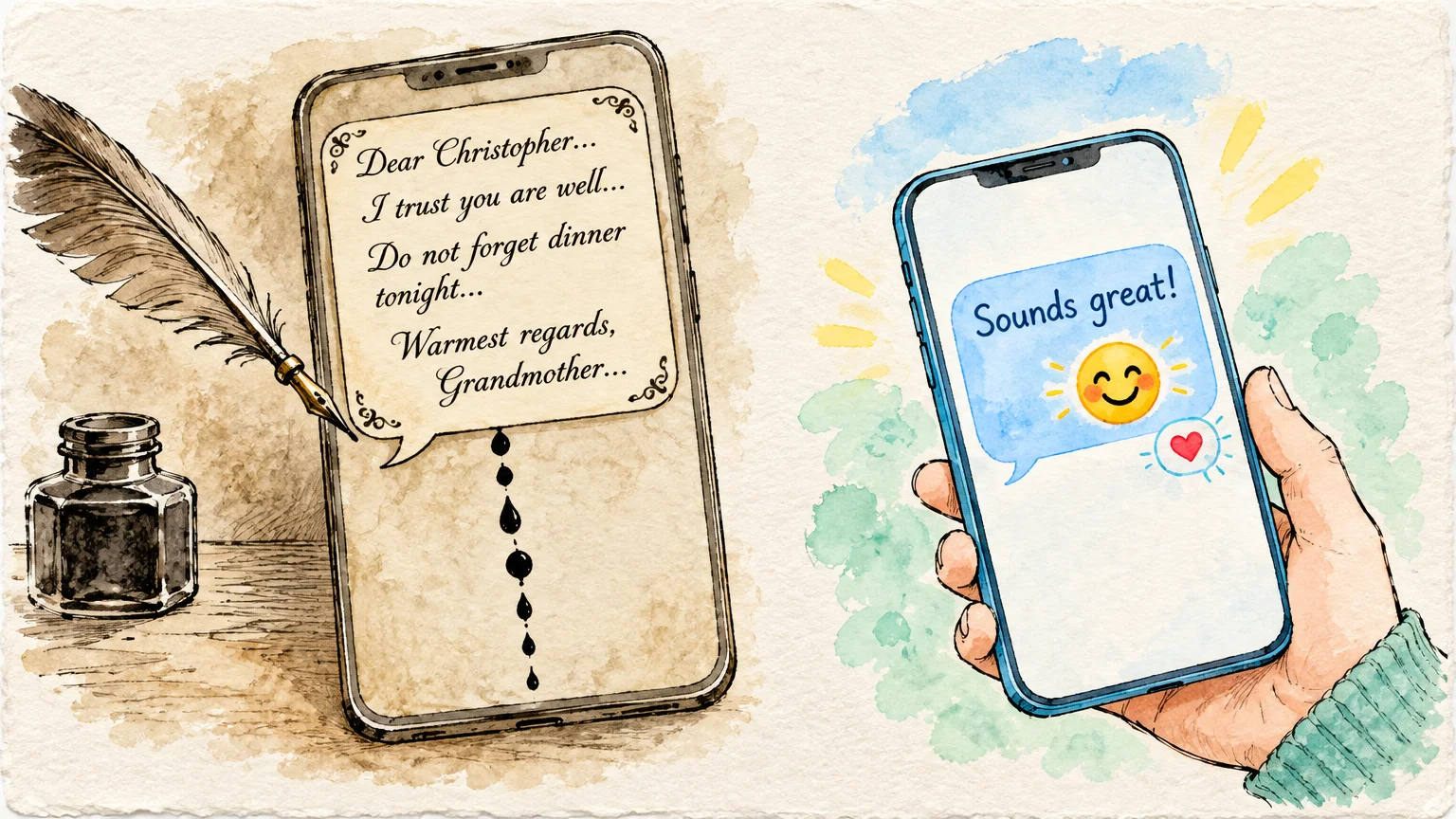
Tip #1: Treating Text Messages Like Formal Letters (Complete With Mysterious Dots)
You probably grew up learning that proper correspondence requires a greeting, a complete message, and a warm sign-off. When you bring those polite letter-writing rules into a family group chat, your grandchildren experience a hilarious case of digital culture shock.
Many grandparents sign every single text message with “Love, Grandma” or “Warmly, Papa,” even when replying to a simple question about dinner. Your grandkids already have your phone number saved in their contacts—they know exactly who sent the message before they even tap the screen.
Why Your Punctuation Sends Unexpected Signals
Beyond formal signatures, the way you use punctuation in text messages can accidentally change your entire tone. When you use a series of dots—known as an ellipsis—to separate your thoughts, younger generations read that pause as suspense, hesitation, or even subtle annoyance.
Writing “Sure… see you soon…” feels breezy and conversational to you, as if you are simply trailing off mid-thought. To a teenager or young adult, however, those trailing dots look ominous; they might wonder if they accidentally upset you.
The same generational translation issue happens when you reply with a single word followed by a period, such as “Ok.” or “Fine.” In modern texting etiquette, a period at the end of a one-word reply looks surprisingly stern, whereas an exclamation point or an emoji communicates warmth.
Using all capital letters is another common trap when you want to emphasize your affection or read the screen more easily. While typing “HAPPY BIRTHDAY SWEETHEART” looks cheerful and legible to you, digital natives interpret all-caps text as shouting at the top of your lungs.
How to Upgrade Your Texting Style Today
You do not need to abandon good grammar or adopt teenage slang to become your family’s favorite texter. Instead, try swapping out those trailing ellipses for simple commas or exclamation points; your messages will immediately read as upbeat and clear.
Drop the formal sign-off at the end of routine messages and save it for heartfelt birthday wishes or holiday notes. If a plain “Yes” feels too abrupt for your taste, add a smiling emoji or a heart icon to show your affection without extra typing.
You can also use the “tapback” reaction feature on your smartphone—simply press and hold a message to attach a thumbs-up or a heart. Your grandkids use this quick acknowledgment constantly, and they will love seeing you master their favorite communication shortcut.
If you struggle to see small text on your phone screen, adjust your device’s display settings rather than typing in capital letters. Head into your phone’s accessibility menu to increase the default font size; your eyes will thank you, and your messages will stay calm.

Tip #2: Posting Unflattering Photos on Social Media Without Checking First
Being a proud grandparent is one of life’s greatest joys, and wanting to show off your family to your friends is completely natural. However, snapping a candid photo while your grandchild is mid-bite at lunch and uploading it straight to Facebook is a fast way to make them cringe.
Younger generations grew up with social media, which means they view their online presence as a carefully curated extension of their identity. When an unapproved, blurry photo appears on a public profile—especially with their full name tagged—it disrupts the boundaries they work hard to maintain.
Understanding Digital Privacy Across Generations
To you, sharing a picture of your grandson in his pajamas or your granddaughter making a silly face feels just like pulling a wallet photo out at the grocery store. The crucial difference is scale and permanence; a wallet photo goes right back into your purse, while a social media post stays online indefinitely.
Many older grandkids are navigating college admissions, job searches, or tricky peer dynamics where their public image matters a great deal. Even younger grandchildren deserve agency over how their faces and personal milestones appear to strangers on the internet.
Privacy settings can also be deceiving when you are sharing family updates online. If your profile is set to public—or if you tag a friend whose profile is public—hundreds of people outside your immediate circle may see that backyard snapshot.
When your grandkids ask you to take a picture down, they are not rejecting your pride in them. They are simply protecting their personal comfort zone in a digital world that scrutinizes everything.
The Quick Approval Rule for Modern Grandparenting
You can easily avoid leaving your grandkids annoyed by adopting one simple habit before you ever hit the share button. Hand your phone over right after you take a picture and ask, “Do you like this photo, and may I share it with my friends?”
Giving your grandchild veto power transforms a moment of potential embarrassment into an act of mutual respect. Most of the time, if they do not like the first shot, they will happily pose with you for a second picture that you both love.
Consider creating a private, invite-only digital photo album or a dedicated family group chat for sharing everyday snapshots. This setup lets you swap funny moments with your adult children and close relatives without broadcasting those memories to the entire internet.
When you prove that you respect their digital boundaries, something wonderful happens to your relationship. Your grandchildren will relax around your camera, and they may even start sending you more photos from their daily lives because they trust your discretion.

Tip #3: Turning Every Visit Into a Clearinghouse for Your Clutter and Leftovers
Hospitality is likely woven into your DNA; you want everyone who visits your home to leave with a full stomach and their hands full of treasures. Whether you are packing soup into recycled butter tubs or offering up vintage porcelain figurines from your hallway cabinet, your generosity comes straight from the heart.
Still, your grandchildren often feel overwhelmed when every quick visit ends with an armful of items they did not ask for and have nowhere to store. They love your cooking and respect your history, yet they dread the polite negotiation required to decline another bag of household odds and ends.
Why Younger Generations Resist Extra Stuff
Many young adults today live in compact apartments with roommates, tiny kitchens, and minimal closet space. When you send them home with oversized serving platters, stacks of clipped magazine articles, or bulk packages of paper towels, those items quickly crowd their living quarters.
Beyond physical space constraints, younger generations frequently embrace a minimalist lifestyle that prioritizes experiences over physical possessions. They often feel guilty throwing away something their beloved grandparent gave them, which means your well-intentioned gifts can accidentally become a source of clutter anxiety.
Downsizing through guilt—such as saying, “Take this crystal bowl now so you have it to remember me by”—also puts heavy emotional pressure on a casual afternoon visit. Your grandkids want to enjoy your company in the present moment rather than sorting through your estate while you are standing right there.
Even food can become tricky if your grandchild has specific dietary preferences, a packed travel schedule, or a tiny dormitory refrigerator. Forcing a container of casserole into their hands after they say “no thank you” makes them feel unheard, even though you are only trying to nurture them.
How to Share Your Generosity Without the Clutter
Shift your gifting strategy from spontaneous offloading to intentional, permission-based sharing. Before you pack up leftovers or pull items from the closet, ask a clear question: “I have extra pasta and some vintage mugs—would either of those be useful in your apartment right now?”
When your grandchild says no, accept their answer cheerfully on the very first try. Smiling and saying, “More for my lunch tomorrow!” immediately relieves the tension and shows that you respect their word.
If you want to pass down family heirlooms, turn the process into a storytelling project rather than a surprise transfer of goods. Take a photo of the item, write down a short paragraph explaining its history in your family, and keep those notes in a binder for the future.
When you want to spoil them right now, opt for consumable treats they actually use—like a bag of their favorite coffee beans, a digital gift card for groceries, or taking them out for lunch. Experiences together take up zero closet space while creating memories that last a lifetime.

Tip #4: Offering Unsolicited Fixes When They Just Want a Safe Place to Vent
You have accumulated decades of hard-won wisdom, and you naturally want to spare your grandchildren from unnecessary bumps in the road. When your granddaughter sighs about a difficult boss or your grandson complains about a tough college class, your problem-solving instincts kick into high gear.
However, launching into a lecture about how to march into the manager’s office or how hard you worked back in the day often causes your grandkids to shut down. Instead of feeling supported by your life experience, they end up feeling judged or misunderstood.
The Difference Between Fixing and Connecting
Modern workplaces, universities, and social environments operate by very different rules than they did a generation ago. Suggesting that a young adult walk into a corporate headquarters with a paper resume and demand to see the hiring manager—while effective decades ago—simply does not work in an era of automated online applications.
When you immediately critique their approach or offer a step-by-step correction, your grandchild hears an unspoken message that they are handling their life poorly. Because they already receive plenty of corrective feedback from their parents, teachers, and bosses, they hope your home will be a pressure-free sanctuary.
Most of the time, when a grandchild shares a frustration with you, they are not looking for a strategic action plan. They are inviting you into their inner world and testing the waters to see if you are a safe listener.
If every vulnerable admission triggers an impromptu seminar on responsibility, your grandchildren will eventually stick to safe, superficial topics like the weather. Keeping the conversation deep requires holding back your advice until they actually ask for it.
The One Question That Transforms Family Conversations
Next time your grandchild shares a problem with you, pause before offering your perspective and use a proven communication tool. Ask them warmly, “Do you want to brainstorm solutions right now, or do you just want me to listen and be on your team?”
This single question works miracles for the grandparent grandchild relationship because it puts the speaker in the driver’s seat. Almost every time, you will see their shoulders drop with relief as they tell you what kind of support they actually need.
If they just want you to listen, lean into empathy by validating their feelings with phrases like, “That sounds exhausting,” or “I can see why you are frustrated.” You do not have to agree with every detail of their complaint to show that you care about their emotional well-being.
Curiously, once your grandchildren feel completely heard without judgment, they often turn around and ask what you would do in their shoes. By waiting for an invitation to share your wisdom, you ensure that your advice lands on open ears.
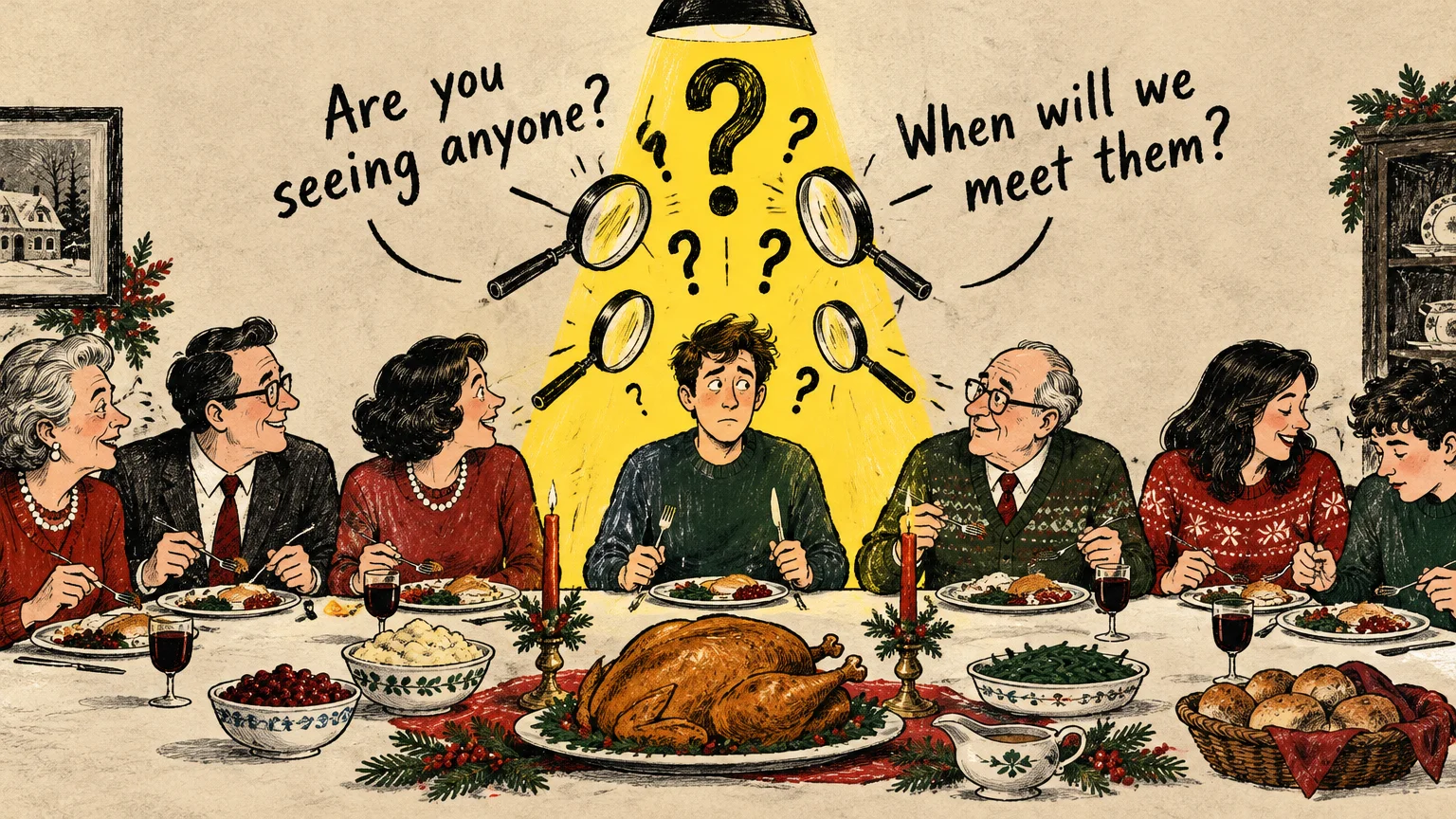
Tip #5: Interrogating Them About Their Romantic Life at Every Family Gathering
Few moments at a holiday dinner table are as universally dreaded by young adults as the inevitable spotlight turning toward their dating life. Asking “So, do you have a boyfriend yet?” or “When are you two finally going to tie the knot?” might feel like friendly small talk to you.
For your grandchild, however, these pointed questions in front of the whole family can feel like a stressful public audit of their personal life. Even if you ask out of pure excitement for their future happiness, the interrogation leaves many grandkids annoyed and eager to change the subject.
Why Dating Questions Feel So Loaded
Someone’s romantic status is often tied to tender emotions that do not belong over the mashed potatoes. Your grandchild might be nursing a recent heartbreak, struggling with the frustrations of modern dating apps, or simply enjoying a fulfilling season of independence.
When relatives repeatedly ask about romance, it can unintentionally imply that your grandchild’s life is incomplete until they find a partner. They may just have earned a promotion, run a race, or mastered a tough hobby, yet the family conversation reduces their accomplishments to whether they have a date for the holidays.
For grandchildren who are already in a relationship, constant nudges about marriage or babies add unnecessary pressure to their timeline. Every couple moves at their own pace, and fielding jokes about ticking clocks from across the dining table rarely speeds things up.
Furthermore, putting someone on the spot in a group setting forces them to give a rehearsed, one-word answer just to escape the attention. You miss out on learning who your grandchild truly is today when you focus exclusively on who they might marry tomorrow.
Better Questions That Spark Genuine Stories
You can become the relative your grandkids gravitate toward at every party simply by upgrading your conversation starters. Trade relationship check-ins for open-ended questions that celebrate their current passions, adventures, and opinions.
Try asking, “What is the best thing you have watched, read, or listened to lately?” or “What project has been keeping you excited this month?” These prompts have no wrong answers and allow your grandchild to talk about something that genuinely lights them up.
Another wonderful option is asking, “If you had a free weekend and an unlimited travel budget, where would you go right now?” Questions about dreams and curiosities lead to lively, fun debates that include everyone at the table without making anyone feel cornered.
Trust that when your grandchild has exciting romantic news to share, they will bring it up on their own terms. When you create a relaxed environment free of prying questions, you often become the very first person they call when someone special actually enters the picture.

Tip #6: Saving Up Every Tech Problem for the Minute They Walk Through the Door
Your grandchildren are likely wiz kids when it comes to smartphones, streaming televisions, and stubborn wireless printers. Because tasks that take you an hour of frustration take them only a few taps, keeping a running list of tech chores for their next visit makes practical sense.
Yet, greeting your grandchild at the front door with a tangled cord and an iPad password problem can unintentionally dampen the warmth of their arrival. While they are usually happy to help you out, nobody wants to feel like an on-call IT department every time they stop by for a hug.
Protecting the Joy of Your Visits
Think about how it feels when someone calls you only because they need a favor, rather than simply wanting to enjoy your company. When the first twenty minutes of every visit revolve around troubleshooting your email settings or resetting the router, the visit starts off feeling like a chore.
Tech trouble can also bring out frustration and impatience on both sides of the couch. You might feel flustered because your grandchild is tapping through screens too quickly to follow, while they might feel stressed trying to explain complex software menus from scratch.
Sometimes, a tech problem requires calling a customer service line or digging up lost account recovery information that neither of you can solve quickly. Letting a stubborn printer issue swallow up a precious afternoon visit robs both of you of quality connection time.
Modern grandparenting shines brightest when your grandchildren know that their presence—not their technical utility—is the main event. Keeping troubleshooting in its proper place protects the relaxed, affectionate atmosphere of your home.
The Visit First, Fix Later Approach
Set a personal rule that the first part of any visit is strictly a technology-free zone dedicated to catching up. Pour a drink, sit down together, and hear all about their week before you ever mention your rebellious television remote.
Better yet, give your grandchild a heads-up before they arrive so they can mentally prepare and budget their time. Sending a quick text like, “I cannot wait to see you for lunch—and if we have ten minutes afterward, could you show me how to update my tablet?” sets clear, respectful boundaries.
When they do sit down to help you, keep a dedicated notebook and pen right next to your chair. Instead of asking them to just fix the issue for you, ask them to go slowly while you write down the exact steps in your own words.
Taking notes empowers you to solve the problem yourself next time and shows your grandchild that you value their time and teaching effort. Always wrap up a tech session with a thoughtful thank-you—sending them home with a batch of their favorite requested cookies is a wonderful bonus!

The Takeaway: Living a More Blissful Retirement
Laughing at our own habits is one of the healthiest gifts we can bring to family life. None of the quirks on this list come from a bad place; in fact, every single one stems from how deeply you care about staying connected to your grandchildren.
Small adjustments—like dropping those mysterious dots in your text messages, asking before posting a photo, or listening without lecturing—show your grandkids that you see and respect the people they are becoming. That mutual respect is the secret ingredient to a lifelong bond that grows richer every year.
For a wide range of resources for older adults, visit AARP and the National Council on Aging (NCOA). Health information is available from the National Institute on Aging.
Pick just one of these grandparenting tips to practice this week and watch how warmly your family responds. Your willingness to adapt and grow alongside your grandchildren is what makes you not just a loving grandparent, but a truly unforgettable one.
Frequently Asked Questions
How can I tell if my grandparent habits are actually bothering my grandkids?
Pay attention to subtle shifts in body language, such as short one-word answers, polite deflections, or a sudden urge to check their phones when certain topics come up. You can also ask them directly with a warm smile: “I always want my home to be your favorite place to relax—is there anything I do that drives you crazy?”
Opening the floor with humor and humility makes it safe for them to be honest with you. When they share feedback, thank them openly rather than getting defensive so they know their honesty brings you closer.
What should I do if I already posted a photo that made my grandchild upset?
Delete the photo right away without arguing or trying to justify why you thought the picture looked cute. Follow up with a quick, heartfelt apology like, “I took the photo down right away; I am so sorry I did not check with you first, and I will always ask next time.”
A fast, no-strings-attached correction shows your grandchild that their comfort matters far more to you than social media likes. That single act of respect will repair trust almost immediately.
How do I stay close to teen and young adult grandkids who seem too busy to call?
Meet them where they already spend their time by switching from long phone calls to low-pressure text messages. Send a funny photo of your pet or a brief message saying, “Thinking of you during your big exam week—no need to reply, just sending love!”
Removing the obligation to respond takes the pressure off their busy schedules while reminding them that you are cheering them on. Over time, these low-stress touchpoints often encourage them to reach out to you more frequently.
How do I navigate rules when my adult children parent differently than I did?
Remember that supporting your adult children’s household rules—around screen time, snacks, or bedtimes—is the fastest way to earn more solo time with your grandkids. Even if a modern rule seems overly cautious to you, honoring it shows your children and grandchildren that you are a trustworthy team player.
If you are ever unsure about a boundary, ask the parents privately before the visit begins. Unified family rules create a calm, predictable environment where everyone can relax and have fun.
Disclaimer: This article is for informational and inspirational purposes only. It is not a substitute for professional medical, financial, or psychological advice. Please consult with a qualified expert for guidance tailored to your individual needs.