

Your Medicare choices can unlock vibrant health and save you thousands of dollars each year. Understanding supplemental perks ensures you protect your smile, eyesight, and hearing without straining your retirement savings.
Under federal statutory law, Original Medicare excludes routine dental care, vision exams, and hearing aids. Fortunately, modern private plans step in to fill these costly gaps with valuable extra benefits.
Over half of all Medicare-eligible Americans now enroll in Medicare Advantage to access these lifestyle-enhancing perks. Exploring these options helps you enjoy your golden years with complete financial peace of mind.
Tip #1: Zero-Dollar Preventive Dental Cleanings and Exams
Maintaining your teeth supports overall cardiovascular wellness and daily confidence. Section 1862 of the Social Security Act excludes routine oral hygiene and cleanings from Original Medicare.
Fortunately, approximately 98 to 99 percent of individual Medicare Advantage plans provide supplemental dental benefits. Most policies cover two annual cleanings, routine exams, and bitewing X-rays at a zero-dollar copay.
Visiting an in-network dental provider ensures you pay nothing out of pocket for these vital checkups. These preventive appointments catch minor gum irritation and early decay before they develop into painful conditions.
Regular cleanings also remove stubborn plaque that brushing alone cannot eliminate. This professional care preserves your natural teeth and protects your systemic health as you age.
Scheduling your appointments six months apart allows you to maximize your annual coverage without stress. Many clinics will even coordinate directly with your insurance plan to ensure smooth billing.
Finding quality medicare plans with dental makes preserving your natural smile simple and budget-friendly. Consistent preventive visits establish a solid foundation for vibrant, active living throughout your golden years.
Tip #2: Comprehensive Dental Caps for Major Restorations
Routine checkups keep teeth clean, but many seniors eventually face more complex dental work. Comprehensive dental benefits help cushion the financial impact of crowns, root canals, and deep gum therapies.
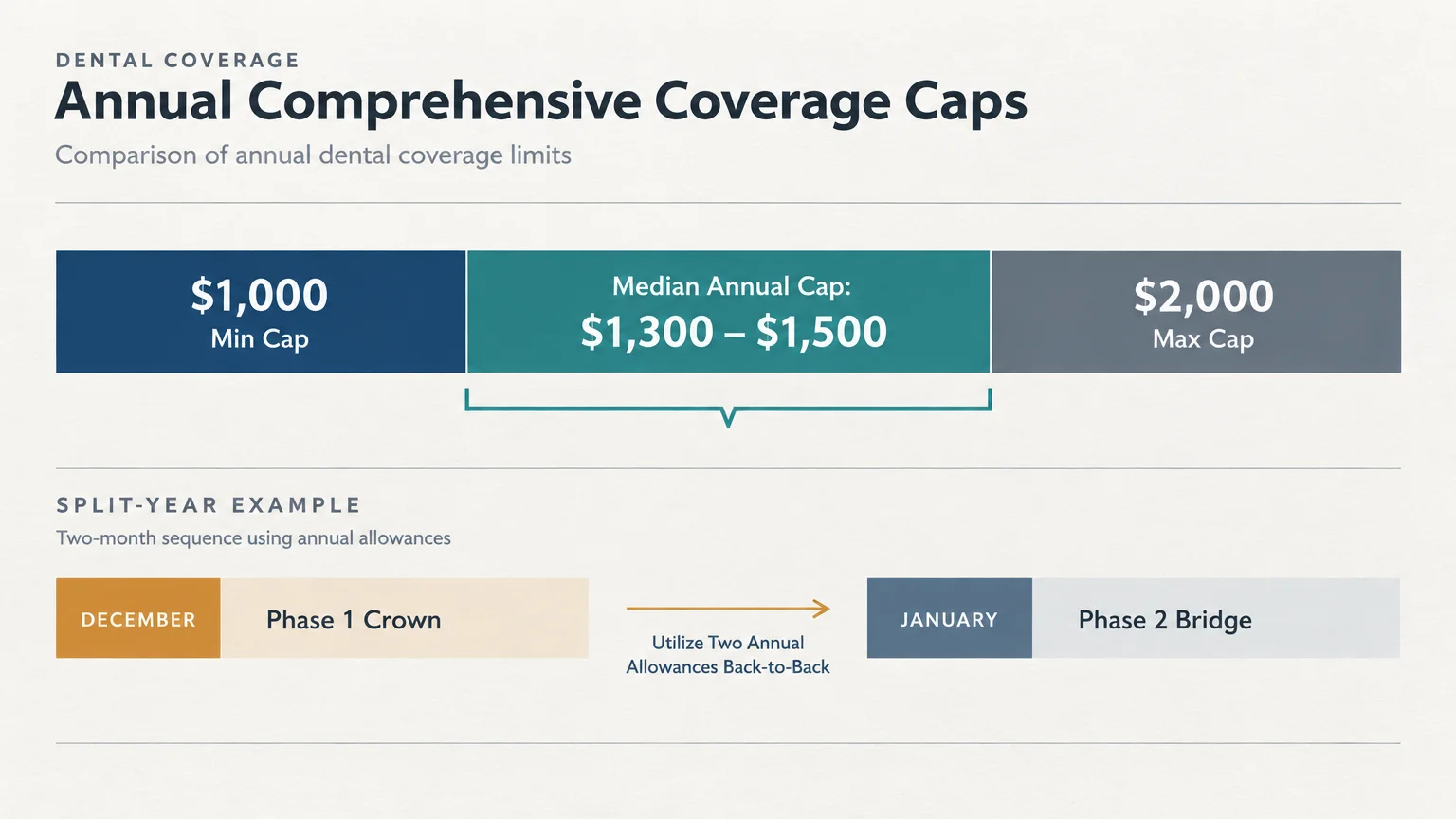
Medicare Advantage extra benefits frequently feature an annual maximum coverage cap between $1,000 and $2,000. Across individual plans, the median annual cap sits around $1,300 to $1,500.
Your insurance covers its designated percentage of the approved procedure cost until you hit that annual ceiling. Once you exceed this maximum limit, you pay any remaining expenses out of pocket.
Asking your dentist for a formal pre-treatment estimate prevents unpleasant billing surprises. This estimate clarifies your exact copayment and shows how much of your annual limit remains available.
If you need extensive restoration, you can sometimes schedule procedures across two plan years. Completing work in December and January allows you to utilize two separate annual allowances back-to-back.
Strategic planning ensures you restore your oral health without depleting your retirement savings. It provides peace of mind while keeping your smile strong, comfortable, and functional.

Tip #3: Denture and Prosthetic Coverage Allowances
Tooth loss can dramatically affect your speech, dietary nutrition, and everyday self-confidence. Quality dental prosthetics provide an effective, time-tested way to restore your beautiful smile and chewing ability.
Many Medicare Advantage plans offer coverage for complete or partial dentures every three to five years. This periodic allowance ensures you can upgrade or replace aging prosthetics as your jaw contours shift.
Most policies apply a 50 percent coinsurance requirement for major prosthetic restorations. This cost-sharing amount counts directly against your plan’s comprehensive annual dental cap.
Modern denture materials are lighter, more durable, and look more natural than ever before. Working with an in-network prosthodontist guarantees an accurate fit that prevents uncomfortable friction and sore spots.
Some plans also provide supplemental allowances for relining or adjusting existing dentures each year. These routine adjustments keep your appliance snug and comfortable between major replacement cycles.
Reclaiming a complete smile lets you enjoy crisp apples, share meals with friends, and laugh without hesitation. It is a deeply empowering benefit that elevates your everyday quality of life.
Tip #4: Annual Free Routine Vision Screenings
Crisp eyesight is central to enjoying your favorite pastimes, from reading novels to navigating open highways. However, Section 1862 of the Social Security Act excludes routine refraction exams under Original Medicare.
Fortunately, Medicare plans offering vision coverage medicare benefits almost always include one comprehensive exam every 12 months. When you visit an in-network eye doctor, this yearly examination costs a zero-dollar copay.
During this thorough visit, an optometrist measures visual acuity and updates your corrective lens prescription. They also evaluate your eye structure to detect asymptomatic conditions like glaucoma and macular degeneration.
Routine screenings often identify early diabetic retinopathy before you notice any noticeable shift in vision. Catching these changes early allows eye specialists to preserve your vision through prompt, targeted therapies.
In addition, many modern clinics utilize advanced digital retinal imaging to monitor ocular nerve health over time. These high-tech scans offer deep insights into your overall vascular wellness.
Dedicating an hour each year to an eye exam protects your independence and daily safety. It ensures you see every precious retirement moment with absolute clarity.

Tip #5: Yearly Prescription Eyewear Allowances
Updating your corrective glasses should feel like an uplifting style upgrade rather than an expensive chore. Designer frames and specialized lenses can easily exceed hundreds of dollars at traditional optical stores.
Supplemental vision coverage typically provides an annual frame and lens hardware allowance between $100 and $300. Plans commonly administer these benefits through extensive vision networks like EyeMed or VSP.
You can apply this allowance toward contemporary designer frames, standard lenses, or prescription sunglasses. If you prefer contact lenses, most plans allow you to use your stipend toward them instead.
Furthermore, network agreements offer pre-negotiated discounts on essential lens upgrades. Add-ons like anti-glare coatings, lightweight polycarbonate materials, and progressive bifocals often cost just $30 to $80 each.
These contracted rates protect your wallet from steep retail markups on premium optical enhancements. You receive top-tier optical clarity at a fraction of standard out-of-pocket costs.
Fresh, fashionable glasses sharpen your view while expressing your personal flair. This yearly perk makes maintaining sharp vision a truly enjoyable part of retirement.
Tip #6: Post-Cataract Surgery Eyewear Under Part B
Cataract surgery is a safe, transformative procedure that restores sight to millions of older Americans every year. After a surgeon removes the cloudy lens and implants an intraocular lens, your eyes need specialized support.
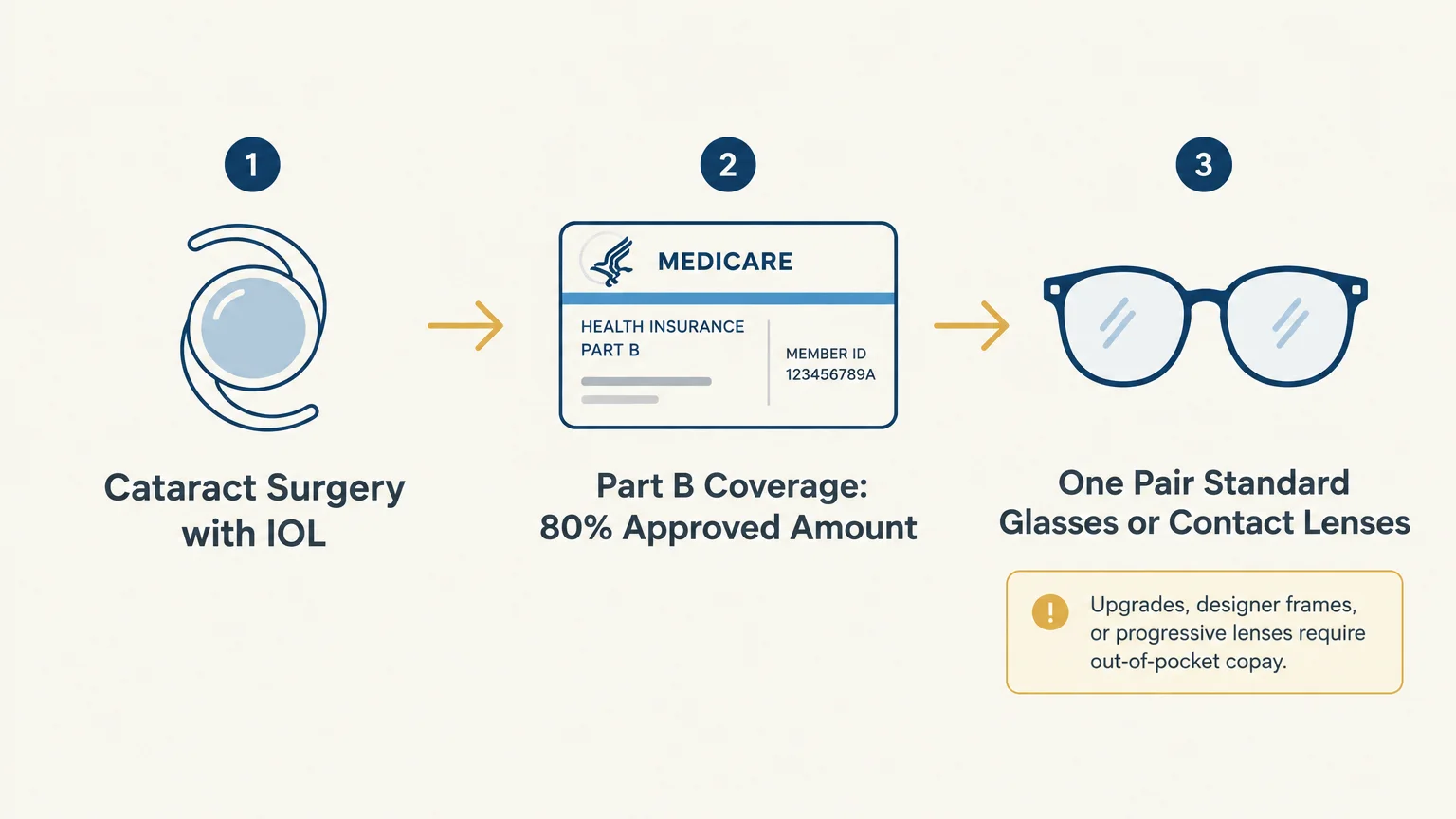
Original Medicare Part B features a specific statutory exception that covers one standard pair of corrective eyeglasses. Alternatively, you may choose one standard set of contact lenses following your cataract operation.
This benefit activates after you satisfy your annual Part B deductible. Original Medicare pays 80 percent of the approved cost, leaving you responsible for the remaining 20 percent coinsurance.
If you belong to a Medicare Advantage plan, your supplemental eyewear allowance can enhance this coverage. Combining benefits helps offset the cost of designer frames or specialized progressive multifocal lenses.
To utilize this perk smoothly, ensure your optician or ophthalmologist accepts Medicare assignment. Participating providers submit the claim directly, guaranteeing you receive the maximum allowable discount.
Seeing the world in vibrant, sharp focus after surgery brings renewed joy to daily life. This dedicated Medicare benefit ensures your post-surgical optical care remains gentle on your budget.

Tip #7: Annual Zero-Cost Hearing Screenings
Listening to laughter, birdsong, and lively dinner conversations enriches your everyday retirement experience. Hearing changes often occur very gradually, making annual evaluations essential for maintaining strong social ties.
Original Medicare excludes routine hearing evaluations, but most Medicare Advantage plans provide an annual exam at no cost. You can schedule this comprehensive screening with an in-network provider for a zero-dollar copay.
An audiologist tests your ability to detect various pitches and recognize speech in noisy environments. They also inspect your ear canal to rule out simple blockages like cerumen buildup.
Pinpointing auditory shifts early prevents mental fatigue and protects you from social withdrawal. Staying proactive about hearing care helps you engage enthusiastically in every family gathering and community event.
Many modern hearing clinics also offer complimentary baseline evaluations that monitor your auditory profile over years. Tracking these patterns ensures you receive customized care the moment your hearing needs change.
Taking advantage of your free annual hearing test requires minimal time and delivers enormous reassurance. It represents an uplifting step toward lifelong cognitive vitality and social connection.
Tip #8: Discounted Hearing Aid Copays and Hardware Allowances
Traditional hearing aids represent a major investment, often costing between $2,000 and $4,000 or more per pair. These substantial prices often discourage seniors from seeking the auditory assistance they need.
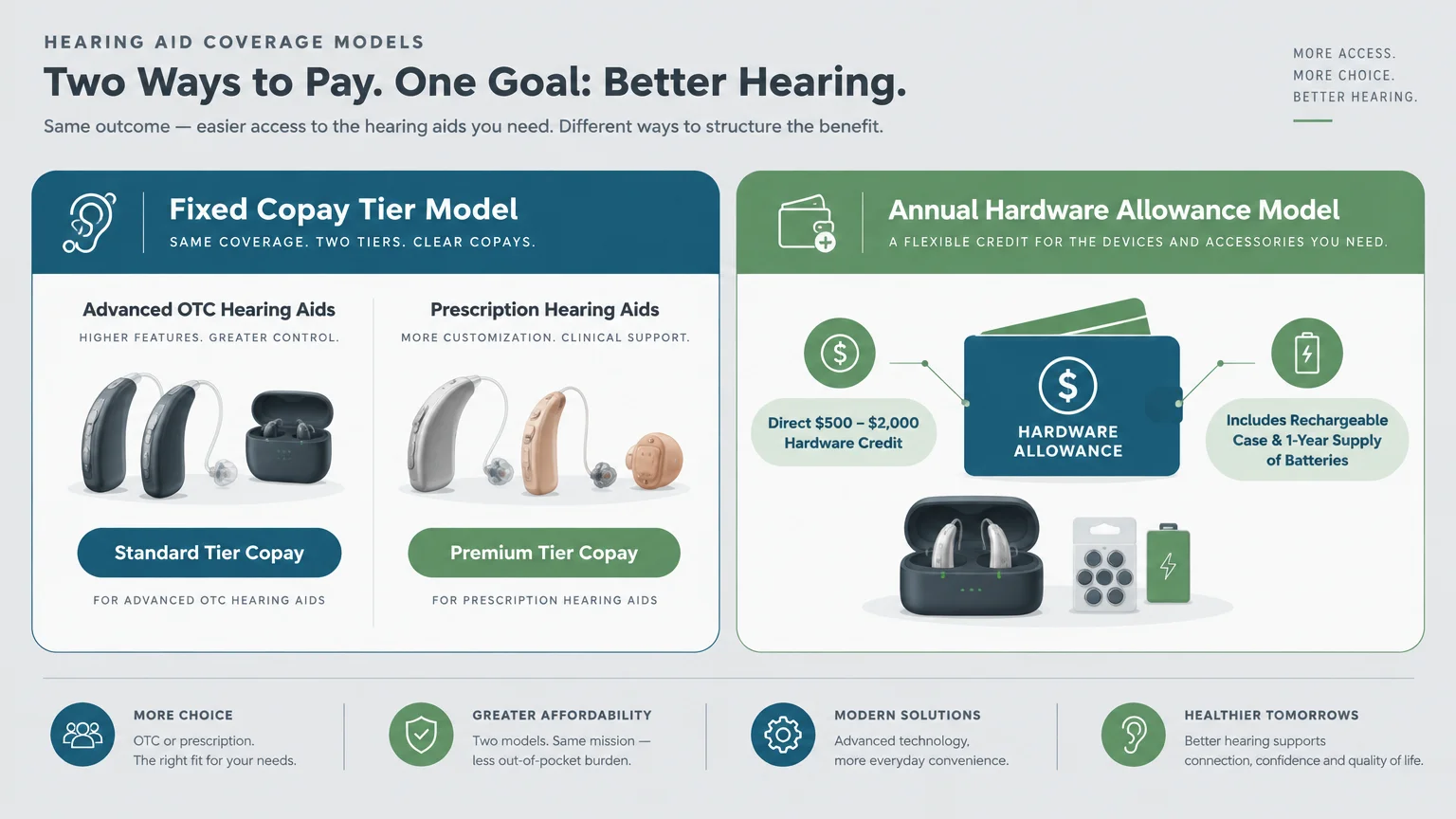
To make care affordable, many plans partner with specialized administrators like TruHearing, NationsHearing, or Amplifon. These arrangements offer high-tech hearing aids medicare devices through straightforward, tiered copayments.
Members frequently pay fixed copays between $499 and $999 per ear for standard or advanced digital models. Even premium hearing aids with smartphone connectivity generally cap between $1,299 and $1,999 per unit.
Other Medicare policies provide an annual or multi-year allowance of $500 to $2,000 toward hardware purchases. This stipend lets you select hearing devices that perfectly match your lifestyle and personal preferences.
These benefits typically include professional fittings, follow-up adjustments, and a multi-year manufacturer warranty. Many programs also bundle a generous supply of replacement batteries or rechargeable charging cases.
Rediscovering the delicate nuances of sound restores your enthusiasm for group gatherings and music. This perk makes state-of-the-art hearing support accessible, practical, and truly life-changing.

Tip #9: Flexible Spending Cards for Over-the-Counter Care
Many Medicare Advantage plans now provide members with preloaded quarterly debit cards, commonly known as flex cards. These cards supply between $25 and $100 or more each quarter for approved healthcare expenses.
You can direct these flexible funds toward out-of-pocket dental copays, prescription eyewear upgrades, or wellness essentials. Having an automatic quarterly allowance provides outstanding flexibility for your everyday health budget.
Thanks to recent FDA regulations, adults with perceived mild-to-moderate hearing loss can purchase over-the-counter hearing aids. These direct-to-consumer devices typically cost between $200 and $1,000 per pair.
Several forward-thinking Medicare plans permit enrollees to purchase eligible over-the-counter devices using their flex card allowance. This convenience lets you address mild hearing changes without requiring an audiologist visit.
You can also use flex dollars for electric toothbrush heads, specialized dental rinses, and magnifying reading glasses. These small routine purchases add up to substantial annual savings.
Checking your card balance each quarter ensures you take full advantage of this generous benefit. It puts purchasing power right in your hands, supporting a comfortable, vibrant lifestyle.
Tip #10: Mid-Year Notifications for Unused Supplemental Benefits
Health benefits only brighten your retirement when you actively put them to good use. Studies indicate that 30 to 50 percent of Medicare Advantage enrollees never utilize their supplemental benefits.
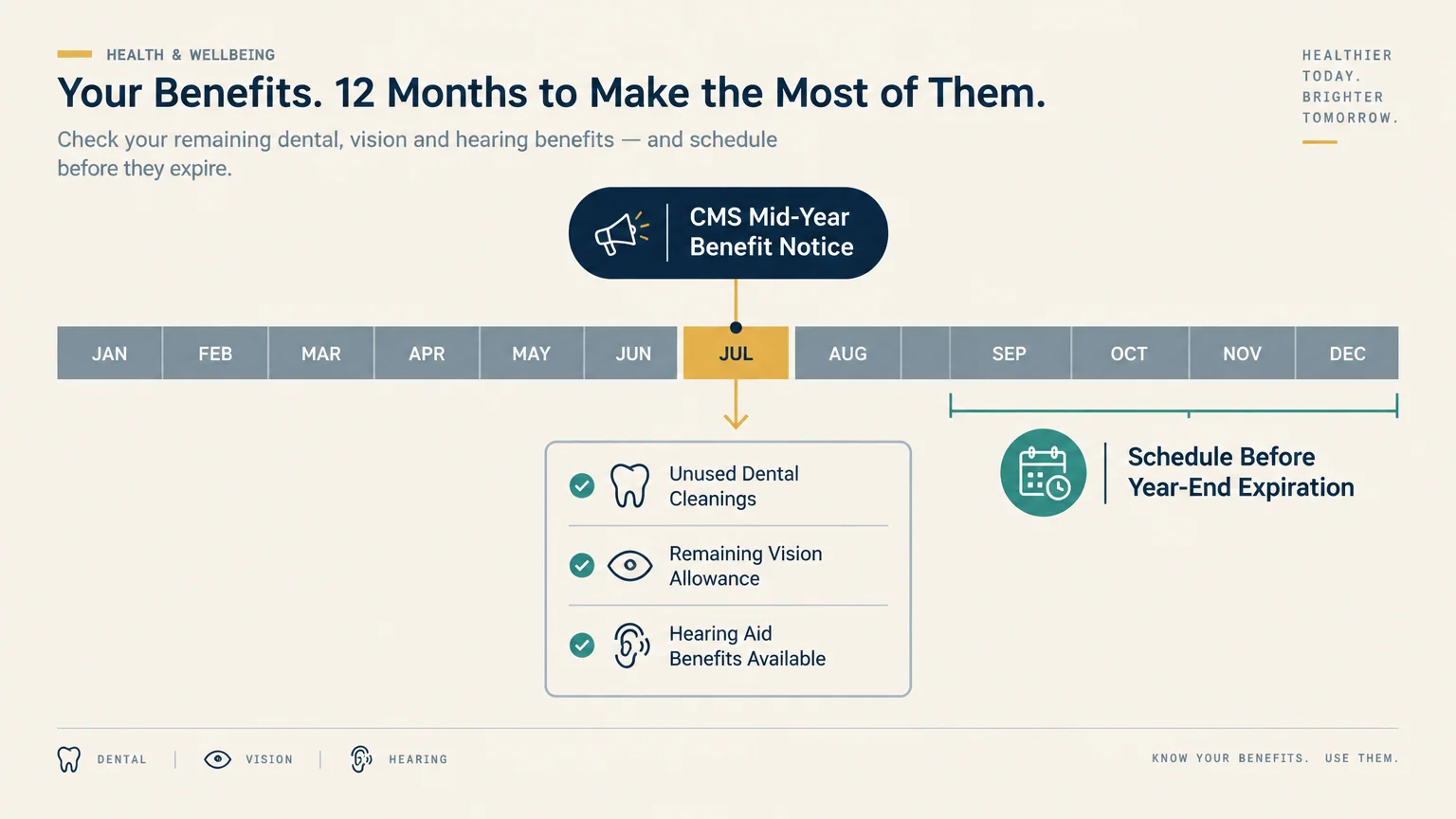
In response, the Centers for Medicare and Medicaid Services established an important protective policy known as CMS-4205-F. This federal regulation requires insurers to mail personalized benefit notifications directly to your home.
Between June 30 and July 31 each year, plans send Mid-Year Enrollee Notifications of Unused Supplemental Benefits. This clear statement summarizes your remaining allowances for dental, vision, and hearing services.
This timely mid-year summary reminds you to schedule appointments before your yearly allowances expire on December 31. It ensures your valuable healthcare benefits do not go to waste.
When your notice arrives, take a moment to review your remaining dental, optical, and auditory funds. You can then book needed checkups or order replacement eyewear before the holiday rush begins.
Staying mindful of your plan perks maximizes your insurance value and shields your hard-earned savings. It keeps you proactive, healthy, and thriving throughout your golden years.

The Takeaway: Living a More Blissful Retirement
A joyful retirement blossoms when you feel energetic, confident, and deeply connected to your community. Your dental health, sharp eyesight, and clear hearing form the cornerstone of your daily well-being.
Selecting plans with comprehensive medicare dental vision hearing benefits safeguards your retirement finances while encouraging preventive care. Taking time to understand your plan rules puts you in complete control.
Review your plan documents this week or speak with a licensed insurance representative about your perks. Make sure you utilize your zero-dollar dental cleanings, annual eye exam, and hearing screenings.
Tap into your eyewear allowances and flex cards before the end of the calendar year. Every supplemental dollar you claim represents an investment in your personal vitality and peace of mind.
When you prioritize your senses and smile, you unlock the full richness of retirement. Step forward with confidence and embrace every golden moment with clarity, connection, and joy.
Frequently Asked Questions
Does Original Medicare cover routine dental exams, eyeglasses, or hearing aids?
Federal statutory law under Section 1862 of the Social Security Act excludes routine dental, vision, and hearing care. Original Medicare Parts A and B do not pay for routine cleanings, glasses, or hearing aids.
However, Part B provides a statutory exception for one pair of corrective lenses following cataract surgery with an intraocular lens.
How do I find out which extra benefits my Medicare plan includes?
You can review your plan’s annual Evidence of Coverage document or sign in to your insurer’s online member portal.
Additionally, your insurer will mail a personalized Mid-Year Enrollee Notification between June 30 and July 31 detailing your unused benefits.
You can also call the customer care telephone number printed on your insurance member card for real-time benefit balances.
Can I use my Medicare flex card to purchase over-the-counter hearing aids?
Many Medicare Advantage plans allow enrollees to apply their quarterly flex card allowances toward eligible over-the-counter hearing aids.
Since the FDA approved direct-to-consumer devices, members can purchase them at participating retail pharmacies or approved online medical stores.
Always verify with your plan administrator whether over-the-counter hearing devices qualify under your specific flex card spending guidelines.
What happens if I exceed my annual comprehensive dental allowance?
Once you hit your plan’s annual maximum dental cap, you become responsible for 100 percent of remaining dental costs.
To minimize expenses, ask your dentist for a pre-treatment estimate and consider staging non-urgent treatments across separate calendar years.
For a wide range of resources for older adults, visit AARP and the National Council on Aging (NCOA). Health information is available from the National Institute on Aging.
Disclaimer: This article is for informational and inspirational purposes only. It is not a substitute for professional medical, financial, or psychological advice. Please consult with a qualified expert for guidance tailored to your individual needs.