

Retirement offers the ultimate freedom to explore personal passions, master creative crafts, and sharpen your cognitive vitality without spending a single dollar. Today, over 90% of adults aged 65 and older actively navigate the internet on computers and smartphones, transforming the modern retirement landscape into a golden age of digital discovery. You no longer need costly university tuitions or rigid classroom schedules to expand your horizons. Engaging platforms now deliver world-class lectures, interactive digital workshops, and self-paced hobby courses straight to your living room. Embracing free online learning for retirees empowers you to build confidence, connect with fellow enthusiasts, and enrich your everyday life on your own terms.
Tip #1: Attending Live Virtual Workshops Through Senior Planet by AARP
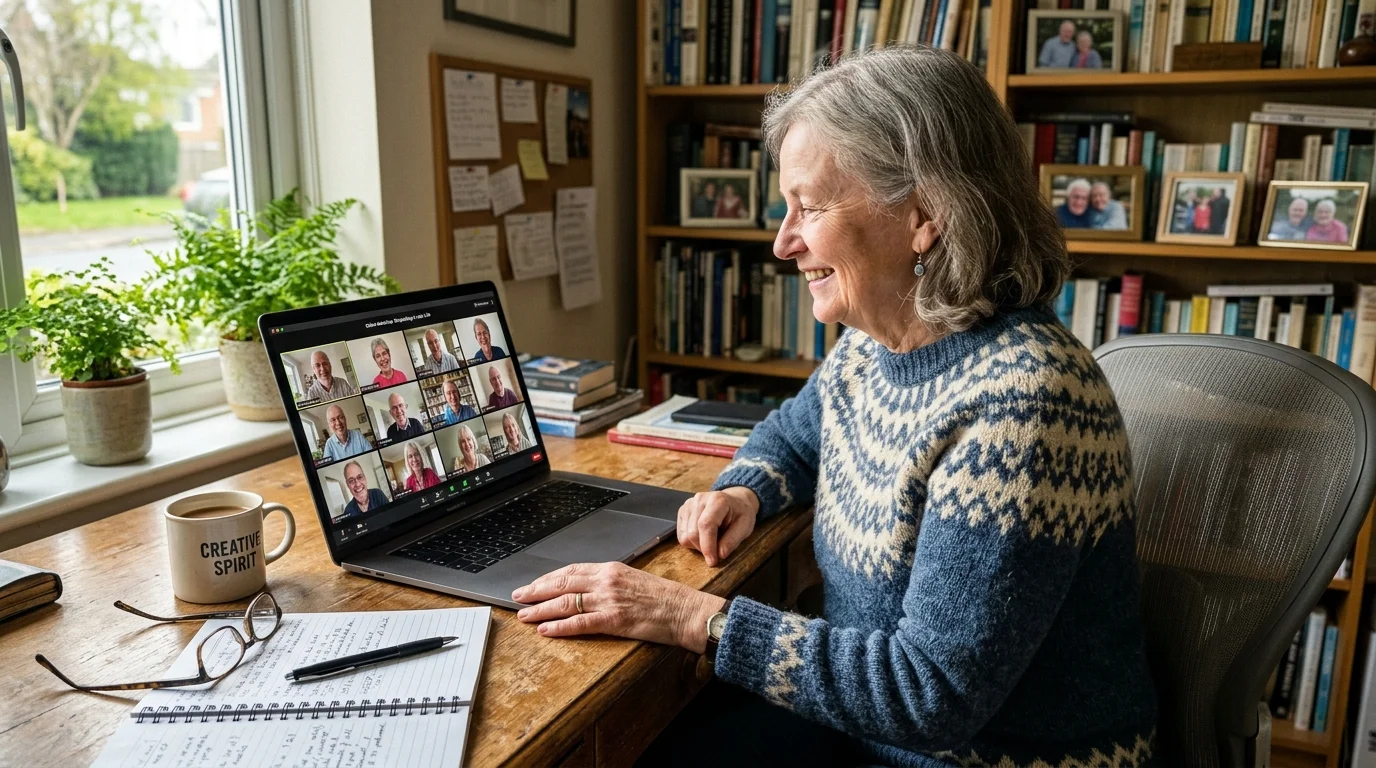
Stepping into the digital world feels effortless when you have a supportive community cheering you on. Senior Planet, created by Older Adults Technology Services (OATS) and supported by AARP, provides an exceptional ecosystem of 100% free virtual classes and interactive workshops. Designed exclusively for adults aged 60 and older, this vibrant learning hub removes technical intimidation and replaces it with clear, friendly instruction.
You can attend live sessions that cover practical digital literacy skills, such as mastering Zoom settings, navigating telehealth patient portals, and managing online banking securely. Beyond foundational tech skills, Senior Planet offers creative courses where you can learn graphic design on Canva, build personal websites, or discover digital photography techniques. Each session includes real-time question-and-answer periods, ensuring you never feel rushed or left behind.
Joining these classes also fosters meaningful social connections. As retirees learning new skills online gather in these virtual rooms, they share experiences, celebrate breakthroughs, and form lasting friendships across the country. Whether you want to improve your physical wellness through guided chair yoga or optimize your tablet for digital reading, Senior Planet delivers an empowering, stress-free gateway to lifelong learning.
Tip #2: Unlocking Premium Professional Courses via Public Library Portals
Your local library card is one of the most powerful learning tools in your possession. Most municipal library systems across the United States partner with premier educational platforms, granting cardholders unrestricted, complimentary access to resources that normally cost hundreds of dollars each year. By tapping into your library digital catalog, you open a treasure trove of structured, high-value coursework.
A standout benefit is free access to LinkedIn Learning, an elite professional platform that normally charges subscriptions of $29.99 to $39.99 per month. Through your library portal, you can take thousands of comprehensive video courses taught by industry veterans. Explore subjects ranging from creative writing, digital audio editing, and genealogy research to advanced digital photography and personal computer troubleshooting—all completely free of charge.
Furthermore, many public libraries provide direct access to Gale Courses, which features over 325 instructor-led classes spanning six-week durations. These courses cover practical topics such as novel writing, gardening fundamentals, personal finance management, and foreign language foundations. Because expert instructors lead these sessions and moderate dedicated student discussion boards, you receive constructive feedback and structured accountability throughout your educational journey.
Tip #3: Auditing World-Class University Courses on Coursera and edX
Have you ever dreamed of attending an Ivy League lecture without the burden of tuition or strict exam schedules? Massive Open Online Course (MOOC) platforms like Coursera and edX have democratized higher education by partnering with prestigious institutions such as Yale, Harvard, Stanford, and Oxford. Retirees around the world are using these platforms to study history, science, literature, and art at their own pace.
The secret to accessing these academic masterclasses at zero cost lies in the “Audit” track. When you enroll in an edX or Coursera course, bypass the paid certificate options and select the “Audit course” or “Free track” button. This choice gives you complete access to all recorded video lectures, reading materials, syllabus resources, and practice exercises without entering any credit card information.
You can explore landmark offerings like Yale University’s famous course, “The Science of Well-Being,” or immerse yourself in ancient history, classical music appreciation, astrophysics, and modern philosophy. Because auditing removes grading pressures and strict assignment deadlines, you can absorb the material purely for the joy of discovery; you decide how much time to spend each week, creating a personalized academic schedule that fits seamlessly into your retirement lifestyle.
Tip #4: Accessing Ungated Academic Lectures on MIT OpenCourseWare and Open Yale
If you prefer a direct, no-nonsense learning experience without creating user accounts or navigating marketing prompts, open-access university archives are an extraordinary resource. Renowned universities have made their complete curriculum archives freely accessible to the public, offering an unfiltered look into authentic college classrooms.
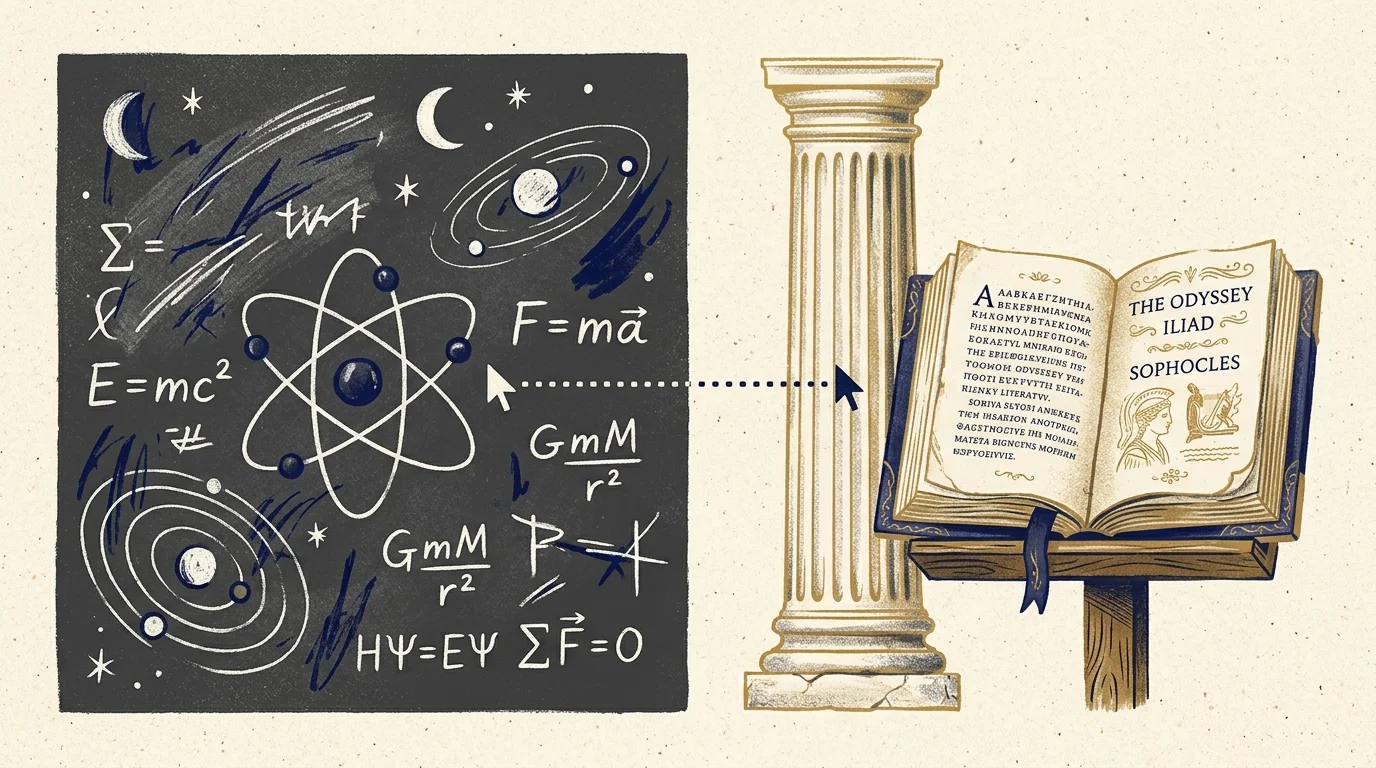
MIT OpenCourseWare (OCW) stands as a pioneer in this movement, publishing core materials from thousands of actual MIT courses. You can freely browse complete lecture video series, downloadable syllabi, detailed professor lecture notes, and recommended reading lists covering subjects like architecture, physics, world history, creative writing, and computer science. You simply click on a course and start watching or reading immediately—no login, password, or registration required.
Similarly, Open Yale Courses provides high-definition video and audio recordings of popular undergraduate lectures filmed directly in New Haven classrooms. World-renowned professors guide you through deep explorations of European history, American poetry, evolutionary biology, and political philosophy. These ungated repositories allow curious minds to enjoy the intellectual rigor of top-tier universities from the comfort of a favorite armchair, turning quiet afternoons into rich educational adventures.
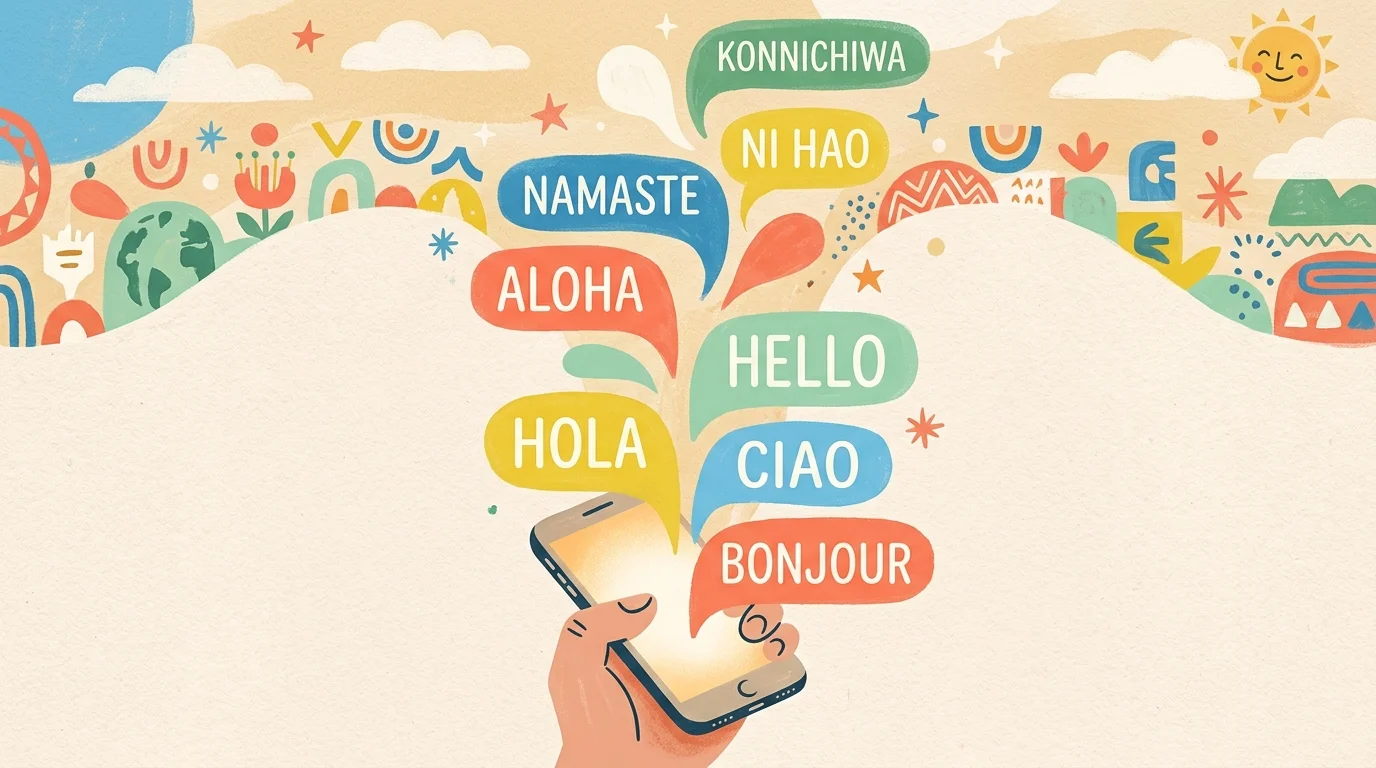
Tip #5: Mastering Foreign Languages with Duolingo and Mango Languages
Learning a second language is widely recognized by neuroscientists as one of the best mental workouts for preserving cognitive agility and stimulating neuroplasticity. Whether you are preparing for international travel or simply want to connect with bilingual family members, modern language apps make bilingual education fun, accessible, and completely free.
Duolingo provides a cheerful, gamified approach to language acquisition with over 40 distinct languages available on its free tier. Its bite-sized, five-minute lessons utilize interactive matching games, listening comprehension exercises, and voice-recognition technology to help you practice pronunciation. The app’s gentle daily reminders and streak counters encourage consistency, making it easy to build a daily learning habit while having your morning coffee.
If you want a deeper focus on real-world conversational phrases and cultural etiquette, check your local library for free access to Mango Languages. Mango uses intuitive color-coded grammar highlights and native-speaker audio to teach practical dialogue for dining out, navigating transportation, and asking directions. Dedicating just 15 minutes a day to these interactive tools keeps your brain engaged while expanding your cultural horizons.

Tip #6: Developing Creative Hobbies Through Curated Video Masterclasses
Retirement provides the perfect opportunity to nurture your artistic side, and the internet serves as a massive, free studio for hands-on creativity. Video platforms have evolved far beyond casual entertainment; they now host structured, step-by-step masterclasses led by passionate artists, craftspeople, and master hobbyists who love sharing their knowledge.
You can master watercolor painting, classical acoustic guitar, woodworking, artisan sourdough bread baking, container gardening, or knitting by following dedicated video playlists. The greatest advantage of video learning is total control over your pace. You can pause complex demonstrations, rewind intricate brushstrokes, slow down playback speed to examine detailed techniques, and rewatch lessons as often as necessary until you feel completely confident.
To enrich the experience, you can join free online maker communities like Ravelry for fiber arts or specialized photography forums. In these spaces, beginners share their finished projects, ask for troubleshooting advice, and receive encouraging feedback from fellow creators. Transforming your living space into a creative workshop has never been easier or more cost-effective.

Tip #7: Participating in Citizen Science and Virtual Discussion Circles
Learning does not have to be a solitary endeavor; it can be an active collaboration that contributes directly to real-world discoveries. Citizen science platforms enable curious retirees to work alongside leading researchers, turning everyday observation into valuable academic contributions.
Platforms like Zooniverse invite volunteers to participate in genuine scientific research projects from their home computers. You can assist astronomers by classifying galaxy shapes photographed by deep-space telescopes, help marine biologists track whale migrations, or assist historians in transcribing handwritten diaries from the 19th century. These projects provide straightforward tutorial modules, allowing you to learn fascinating scientific and historical concepts while making a tangible difference in academic research.
In addition to scientific projects, you can join free virtual book clubs and lifelong learning forums through community libraries and literary platforms. Engaging in thoughtful discussions about literature, current events, and philosophy sharpment critical thinking skills and keeps you socially connected. By sharing perspectives with diverse learners across the globe, you cultivate a dynamic sense of purpose and intellectual camaraderie.

The Takeaway: Living a More Blissful Retirement
Your golden years represent a wonderful chapter for personal reinvention and joyful intellectual growth. Embracing free online learning for retirees is not merely about acquiring facts; it is about nourishing your curiosity, challenging your mind, and connecting with a broader world of ideas. With modern digital tools, world-class education is no longer confined to expensive university halls or rigid schedules.
As research confirms, approximately 90% of older adults are active online, making this era the most digitally connected generation of retirees in history. Whether you choose to audit an Ivy League course, practice conversational Italian, master landscape painting, or contribute to global scientific research, the opportunities are boundless and completely free. Select one topic that sparks your curiosity today, take that first step, and celebrate the incredible joy of lifelong learning.
For a wide range of resources for older adults, visit AARP and the National Council on Aging (NCOA). Health information is available from the National Institute on Aging.
Disclaimer: This article is for informational and inspirational purposes only. It is not a substitute for professional medical, financial, or psychological advice. Please consult with a qualified expert for guidance tailored to your individual needs.
Frequently Asked Questions
Do I need advanced technical skills to take free online courses?
Not at all. Most modern online education platforms for retirees are designed with user-friendly interfaces, large clear buttons, and intuitive navigation. If you can open an internet browser, check your email, or play a video, you possess all the technical skills required to start learning online immediately.
Are audit courses on platforms like Coursera and edX truly free?
Yes, auditing is 100% free on both Coursera and edX. When enrolling in a course, look for the option that says “Audit the course” or “Free track.” This gives you complete access to all lecture videos, course readings, and assignments without requiring any payment or credit card details.
How much time should I dedicate each week to online learning?
The beauty of online learning in retirement is complete flexibility. You can spend as little as 15 minutes a day practicing a foreign language or dedicate two to three hours a week to watching university lectures. Because there are no mandatory deadlines, you can adapt your study time to match your personal energy and weekly schedule.
Can learning new skills online support cognitive health in retirement?
Engaging in new and mentally challenging activities stimulates brain neuroplasticity, strengthens neural pathways, and supports healthy memory function. Tackling unfamiliar subjects—such as a foreign language, music theory, or digital design—provides a powerful cognitive workout that keeps your mind vibrant and sharp.