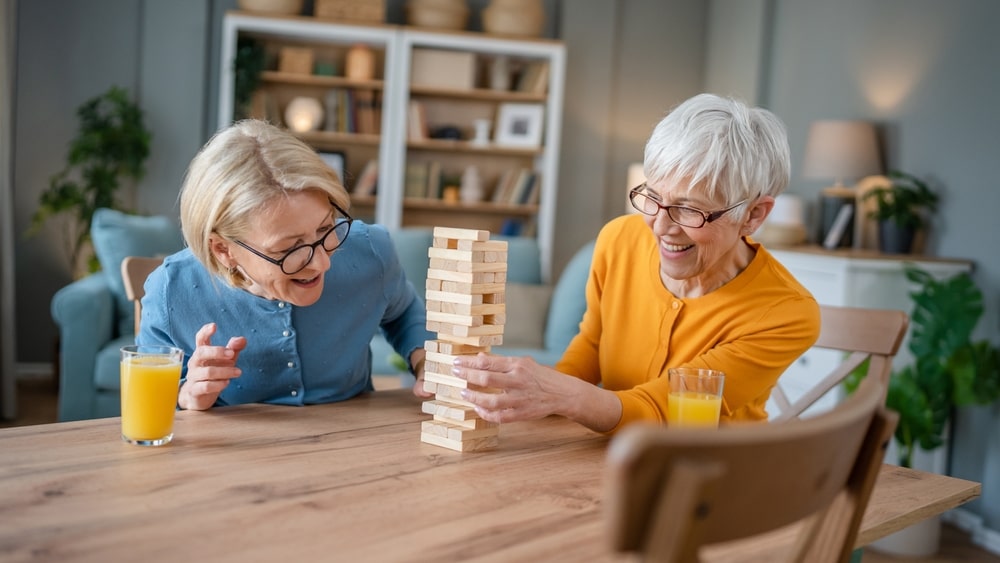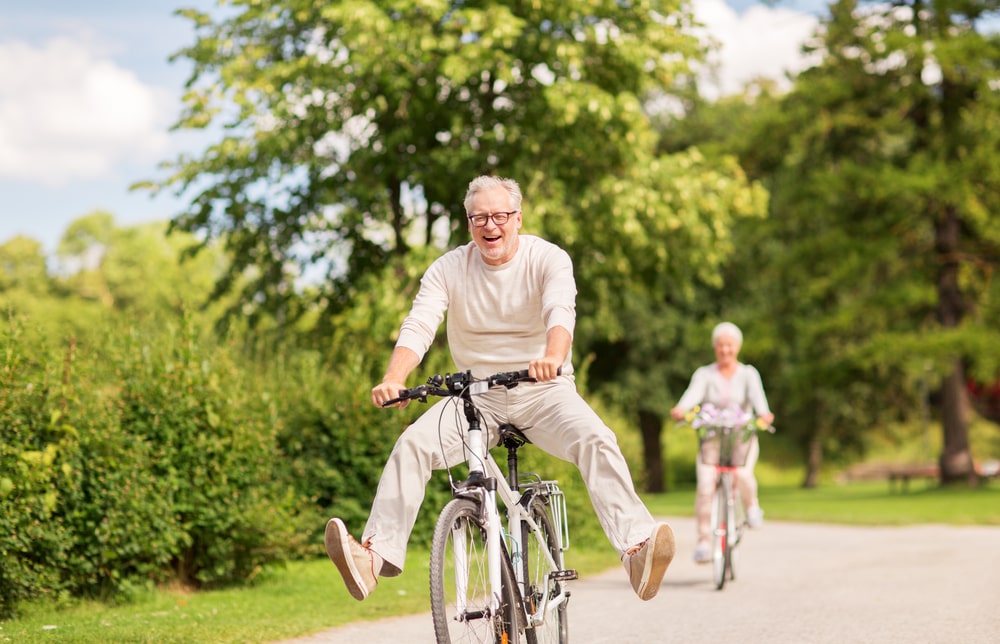

Your brain thrives on novelty, adaptation, and joyful exploration throughout every stage of retirement. Engaging in mentally stimulating leisure activities builds cognitive reserve and sharpens everyday problem-solving skills immediately.
Lifelong curiosity protects your independence while filling your days with genuine purpose and accomplishment. By choosing pastimes that challenge your intellect, you actively reinforce neural pathways and elevate your overall well-being.
The right activities do not feel like tedious mental homework. Explore these twelve fulfilling hobbies for brain health to keep your thinking vibrant, resilient, and clear for years to come.

Tip #1: Learning a Musical Instrument
Picking up an instrument challenges your brain to translate visual sheet music into precise physical movements. This multisensory process engages your auditory, visual, and motor cortices simultaneously.
Whether you choose an acoustic guitar, ukulele, or digital keyboard, daily practice strengthens neural connections. You do not need professional ambitions to reap profound cognitive rewards from simple melodies.
Learning musical timing requires precise micro-adjustments in hand-eye coordination. This constant recalibration sharpens your reaction times and refines subtle finger control.
Dedicate twenty minutes each afternoon to practicing chords and scales. This steady rhythm builds working memory while releasing mood-boosting dopamine as your musical fluency grows.
Over time, learning new songs sharpens processing speed and auditory discrimination. It transforms your creative leisure into a comprehensive workout for your central nervous system.
Start with beginner-friendly sheet music or digital lesson apps designed for adult learners. Consistency and curious experimentation matter far more than technical perfection.
Tip #2: Playing Strategic Board Games and Chess
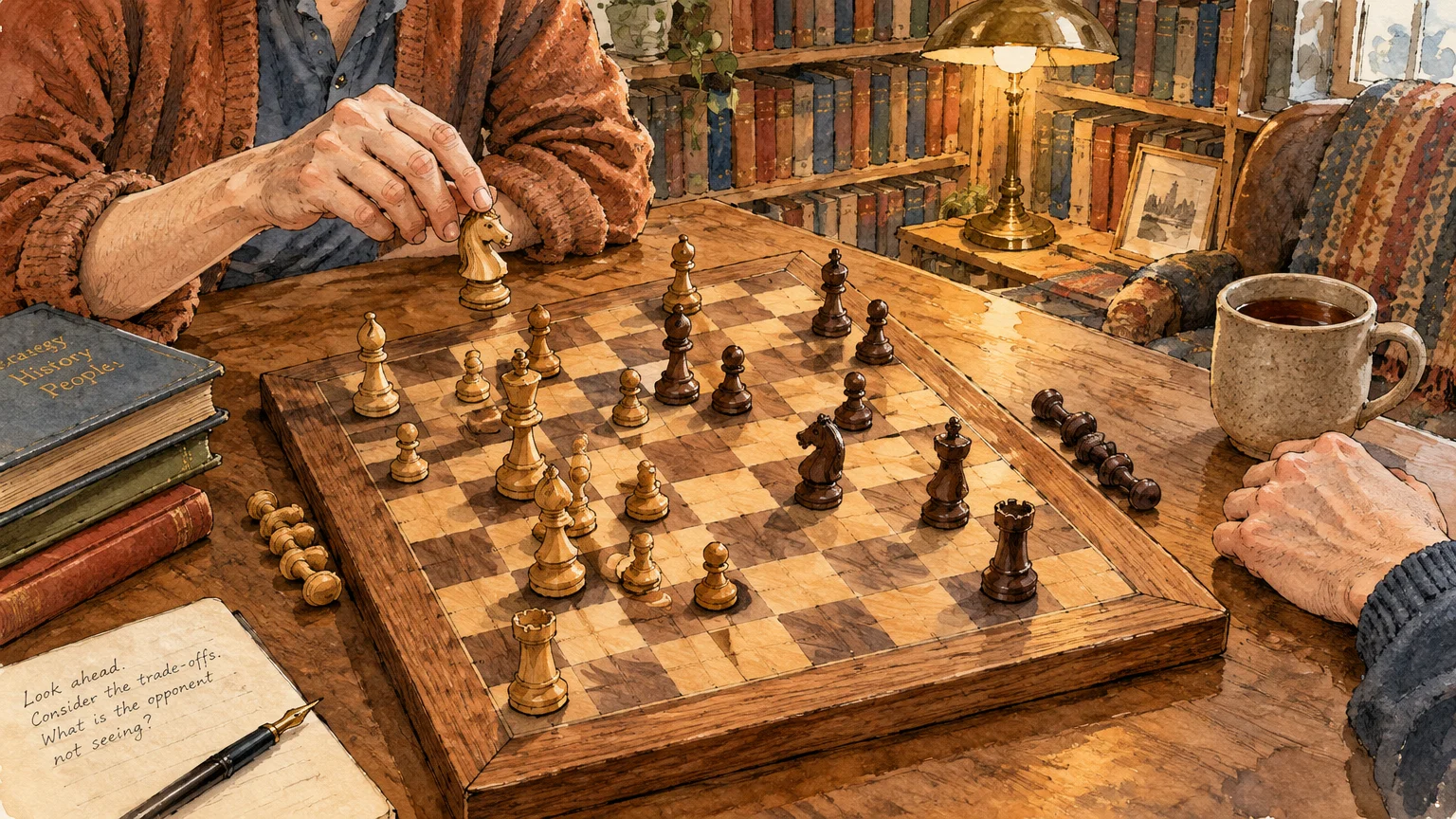
Strategic board games require you to anticipate opposing maneuvers while orchestrating your own long-term plans. This mental exercise directly trains your prefrontal cortex, which governs executive function and decision-making.
Games like chess, backgammon, and Scrabble demand working memory and dynamic situational adaptation. You must continually assess the board and pivot whenever your opponent surprises you.
Evaluating risk and calculating future turns strengthens analytical reasoning. This mental gymnastics teaches you to remain calm and methodical under unexpected circumstances.
These classic brain games seniors love also provide wonderful opportunities for deep social interaction. Engaging with friends over a game board combines mental stimulation with emotional connection.
If partners are unavailable locally, free online platforms let you play matches at your own pace. You can solve tactical chess puzzles or compete against friendly players worldwide.
Aim to play two or three games each week to maintain mental agility. The strategic problem-solving will quickly carry over into sharper daily decision-making.
Tip #3: Cultivating a Dedicated Garden
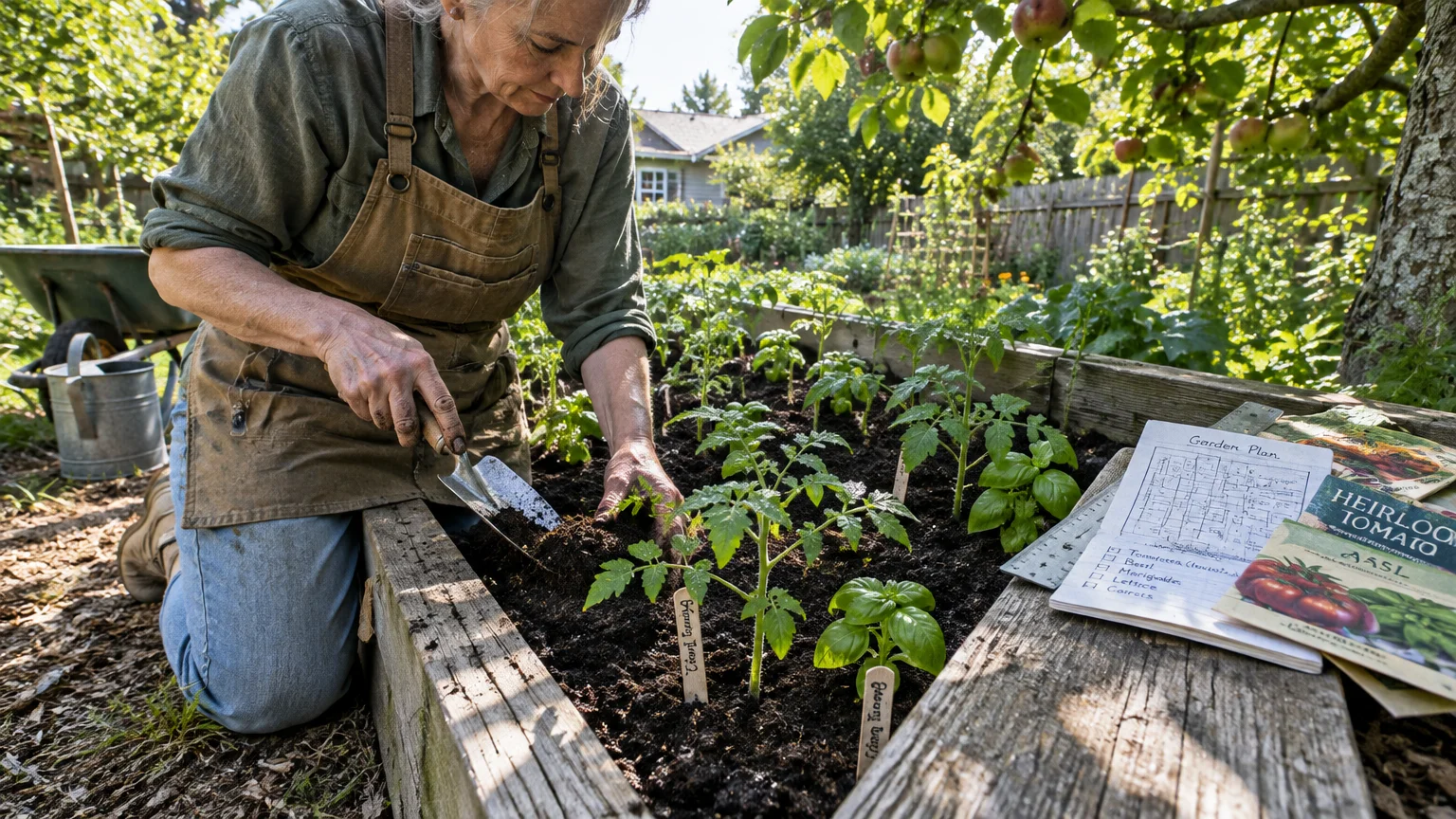
Gardening is far more than an outdoor chore; it is an immersive sensory masterclass. Managing a thriving garden plot requires botanical research, spatial layout design, and attentive seasonal scheduling.
Measuring plant spacing and balancing soil nutrients engage your mathematical and analytical reasoning. Meanwhile, tracking seasonal weather patterns exercises your predictive cognitive faculties.
The physical actions of pruning, digging, and weeding stimulate proprioception and physical balance. Fresh outdoor air and natural sunlight simultaneously promote restorative sleep and emotional calm.
Tending seedlings teaches patience and detailed sensory observation. You learn to recognize subtle shifts in leaf color, soil moisture, and pest activity before problems escalate.
You do not need a massive backyard to enjoy these cognitive health hobbies. A sunny balcony filled with potted culinary herbs provides plenty of rich intellectual engagement.
Keep a detailed garden journal to log planting dates, germination rates, and harvest yields. Documenting these observations reinforces episodic memory and analytical thinking.

Tip #4: Writing Creative Stories and Memoirs
Putting your personal thoughts and memories onto paper is an exceptional exercise in verbal fluency. Crafting narratives forces your brain to search for precise vocabulary and organize complex timelines coherently.
Writing a memoir encourages you to retrieve long-term episodic memories and reflect on meaningful life milestones. This reflective process solidifies personal identity while strengthening vital neural pathways.
Structuring chapters requires structural foresight and organizational discipline. You must decide how to introduce themes, develop narrative tension, and resolve personal reflections smoothly.
If fiction interests you, inventing distinct characters and intricate dialogue exercises cognitive empathy and theory of mind. You must mentally simulate perspectives entirely different from your own.
Try writing for fifteen minutes each morning in a quiet, distraction-free space. Do not worry about grammatical perfection during your initial drafting sessions.
Consider joining a local writers’ circle or sharing stories with your family. Constructive feedback and storytelling conversations further amplify your communication skills.
Tip #5: Mastering a Foreign Language
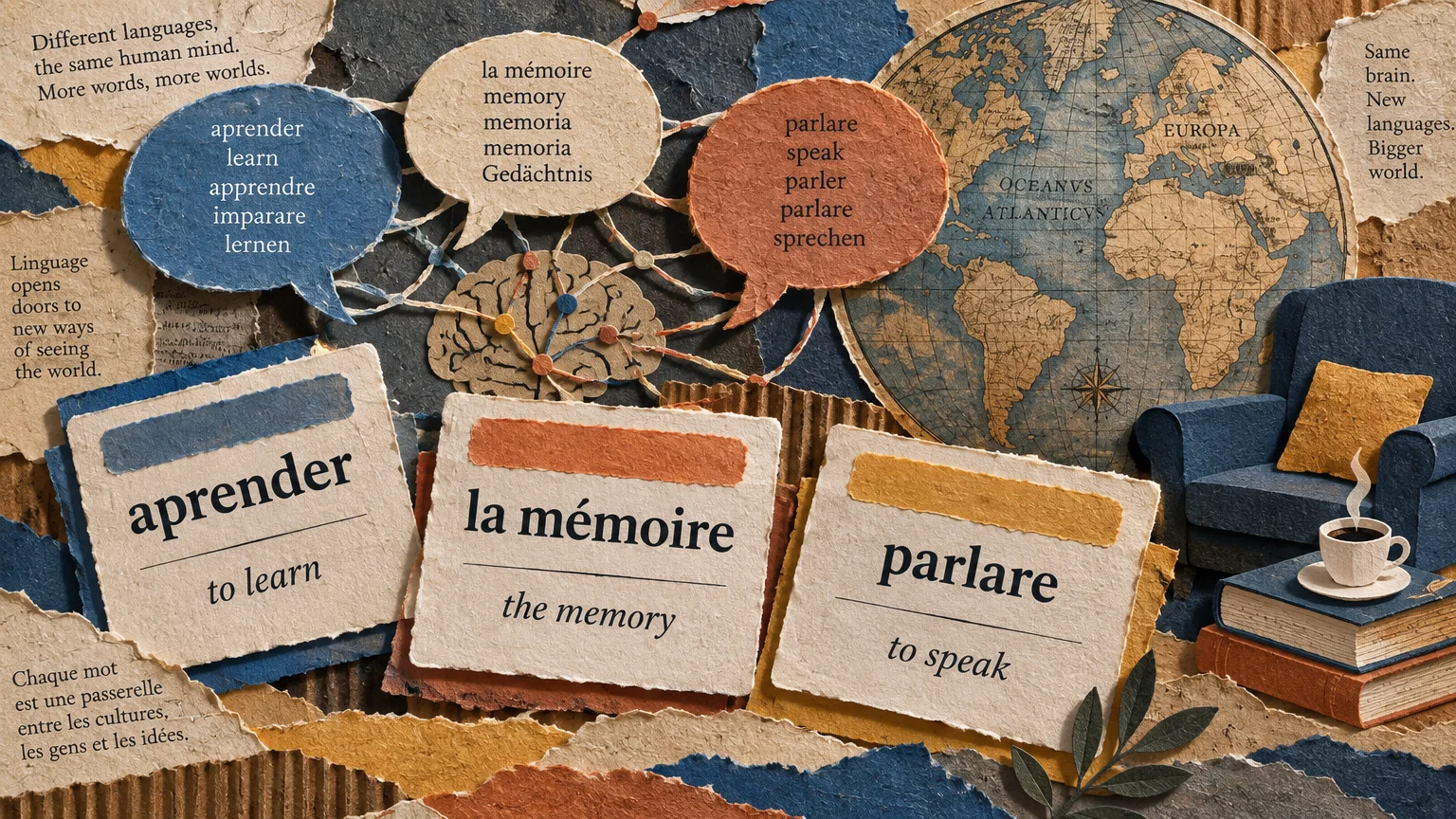
Acquiring a second or third language represents the ultimate workout for mental fitness. You must learn novel phonetic sounds, memorize fresh vocabulary, and internalize unfamiliar grammatical frameworks.
Bilingual practice forces your brain to switch between different linguistic rules efficiently. This continuous mental switching strengthens attentional control and delays cognitive decline over time.
Memorizing verb conjugations and conversational phrases challenges short-term recall and long-term storage. Your brain builds dense, resilient synaptic networks as you absorb new grammatical structures.
Modern language learning apps offer bite-sized, gamified lessons that fit effortlessly into your morning routine. Practicing for ten minutes daily creates noticeable improvements in auditory comprehension.
Complement your app lessons by labeling common household items with foreign vocabulary words. Seeing those terms throughout the day enhances visual recall and spaced repetition.
You can also tune in to foreign podcasts or watch international films with English subtitles. Listening to native cadences builds mental elasticity and cultural appreciation.
Tip #6: Solving Jigsaw and Logic Puzzles
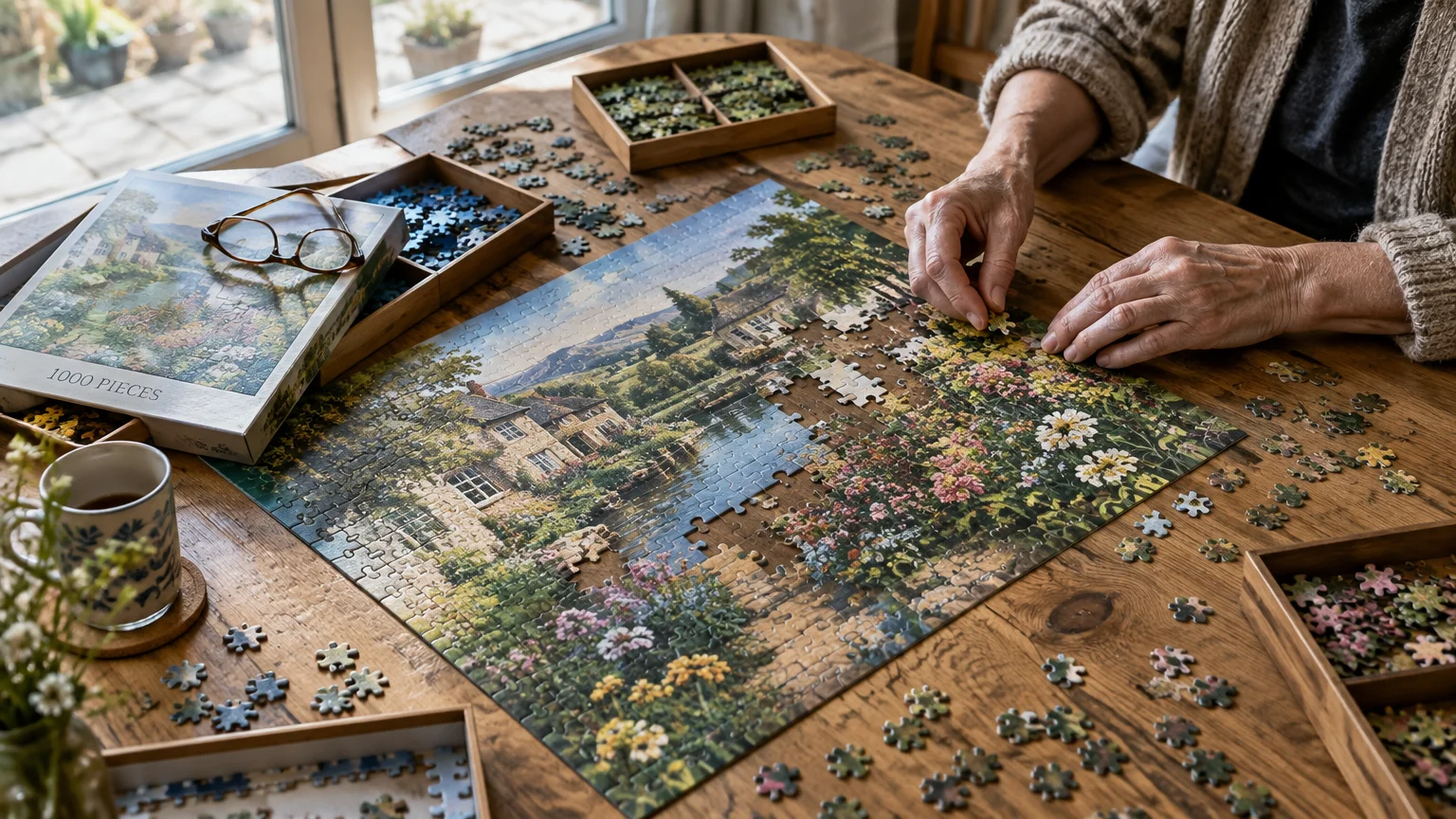
Assembling a thousand-piece jigsaw puzzle trains your visuospatial reasoning and pattern recognition. You must mentally rotate geometric shapes and differentiate subtle gradations in color and texture.
If you prefer numerical challenges, Sudoku puzzles test deductive logic and systematic elimination. Crosswords, on the other hand, activate semantic memory and associative word networks.
Navigating tricky puzzle clues forces your brain to retrieve obscure trivia and cross-reference context clues. This lateral thinking prevents cognitive rigidity and encourages creative solutions.
These focused pastimes encourage a state of deep immersion that dampens daily worries. Focusing intently on a single, solvable problem gives your mind productive, organized clarity.
Rotate puzzle varieties throughout the week to keep mind sharp and prevent mental plateaus. Alternating between word puzzles and spatial challenges ensures balanced cognitive stimulation.
Set up a dedicated puzzle table where you can work comfortably for short, invigorating sessions. Celebrate each completed section as a tangible intellectual victory.
Tip #7: Practicing Mindful Movement and Tai Chi
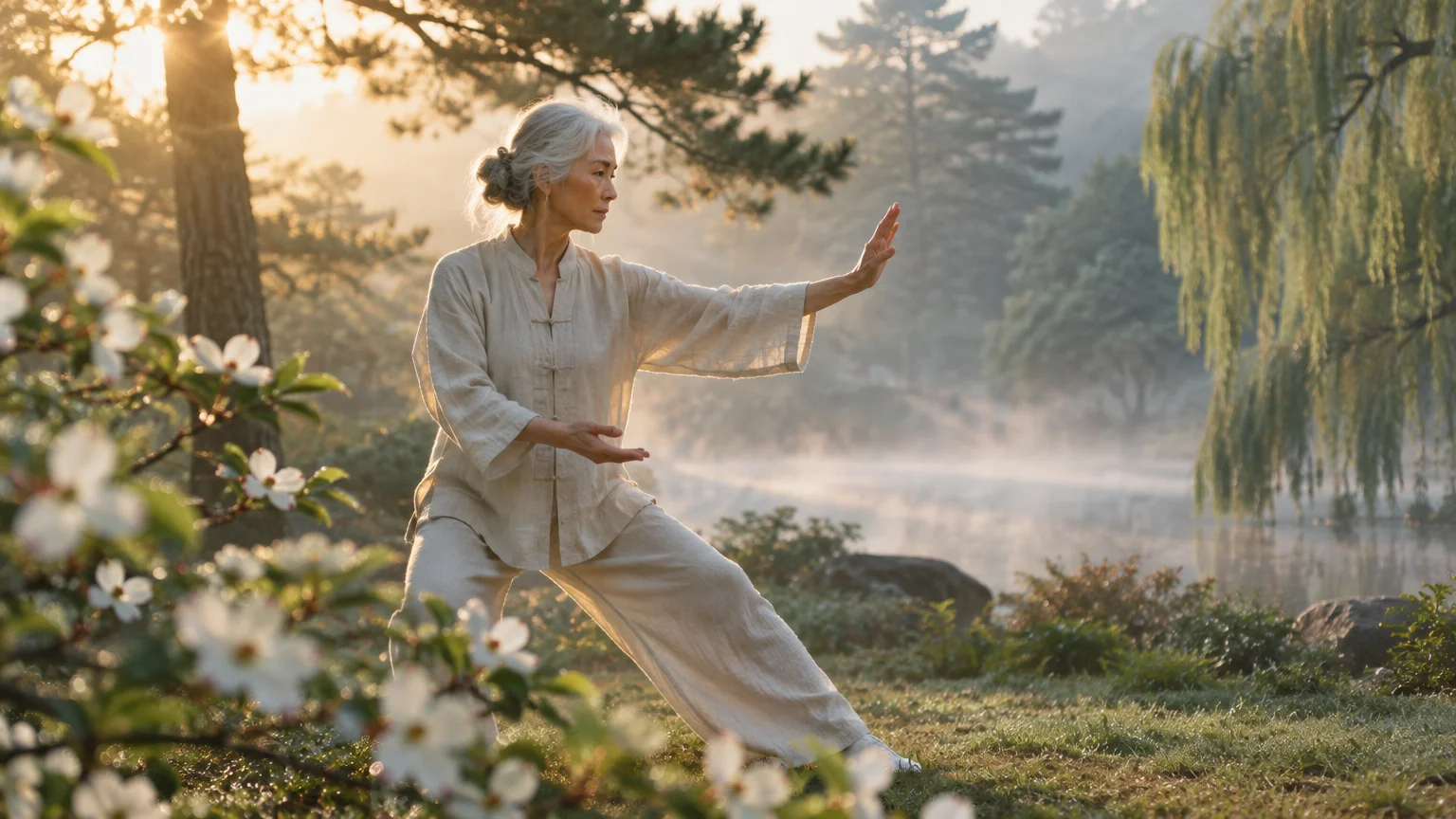
Physical balance and mental acuity share an intimate biological connection within your nervous system. Tai Chi requires deep mental concentration to execute continuous, flowing physical choreography safely.
As you memorize intricate sequences, you stimulate spatial orientation and motor planning circuits. This moving meditation also lowers cortisol levels, protecting delicate brain cells from chronic stress.
Coordinating rhythmic breath work with precise body posture requires unwavering somatic focus. This disciplined presence clears away mental fog and boosts sustained attention spans.
Gentle martial arts enhance your proprioception, which informs you where your limbs are positioned in space. Better body awareness directly translates into improved physical stability and sharper reflexes.
Seek out beginner classes at local community centers or follow reputable video instructors at home. Start with brief ten-minute sessions focused on foundational balance and diaphragmatic breathing.
Committing to regular mindful movement cultivates a calm, focused mindset that endures throughout your day. Your mental endurance expands as your physical fluidity improves.
Tip #8: Exploring Painting, Sketching, and Drawing
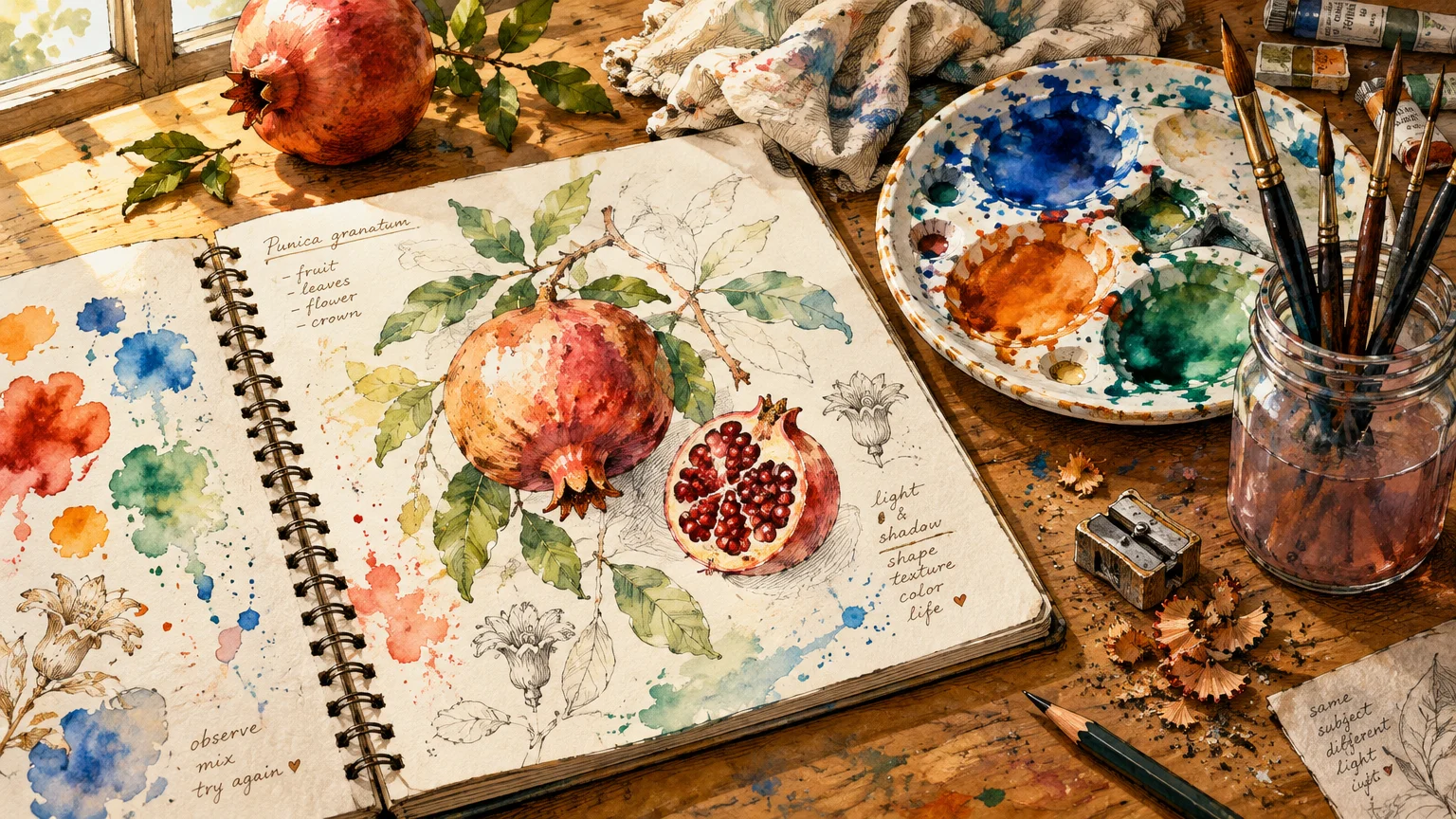
Visual art requires you to examine the world around you with unprecedented attention and deliberate care. You must observe how light falls across surfaces, analyze perspective, and evaluate geometric proportions.
Translating three-dimensional scenes onto a two-dimensional canvas activates the visual processing centers of your brain. Mixing watercolors or blending pastels also refines fine motor dexterity and hand-eye coordination.
Choosing dynamic compositions requires deliberate spatial planning and visual decision-making. You continually evaluate balance, contrast, and color temperature to communicate a specific mood.
Creating art provides an expressive, nonverbal outlet for complex feelings and creative insights. This creative expression promotes emotional balance and self-directed problem-solving.
You do not need expensive supplies to embark on this creative journey. A simple graphite pencil, a blank sketchbook, and an open curiosity are all you need.
Try drawing everyday objects from your living room, like a ceramic mug or a fruit bowl. Focus on the creative process rather than aiming for museum-grade perfection.
Tip #9: Learning Digital Photography
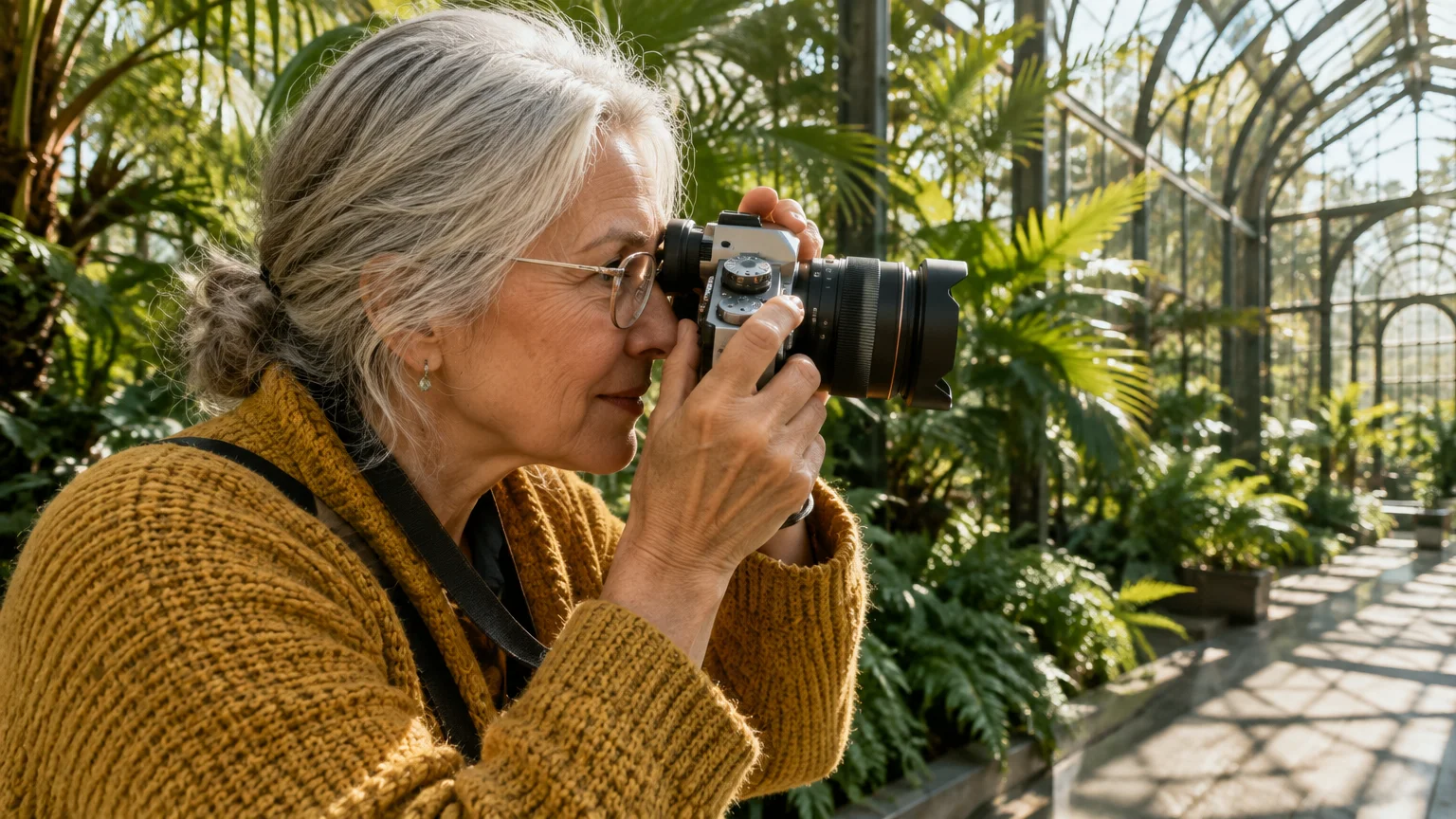
Digital photography blends modern technical mastery with thoughtful visual artistry. Learning to operate a modern camera challenges your brain to understand shutter speeds, aperture settings, and focal lengths.
Beyond camera mechanics, photography teaches you to compose dynamic frames and spot hidden beauty in ordinary surroundings. This practice heightens visual alertness and environmental awareness during simple daily strolls.
Mastering digital camera menus and navigation structures provides beneficial technology training. Adapting to updated digital interfaces keeps your mind flexible and receptive to modern tools.
Editing your photographs on a computer introduces another layer of valuable digital problem-solving. Organizing your photo library reinforces systematic categorization and digital literacy.
Take your camera or smartphone along on morning walks to photograph local wildlife and architectural patterns. Search for unique shadows, textures, and colorful reflections in your neighborhood.
Share your favorite captures with family or join an online photography group. Discussing framing techniques with fellow enthusiasts stimulates creative thought and technical growth.
Tip #10: Cooking Complex Global Cuisines
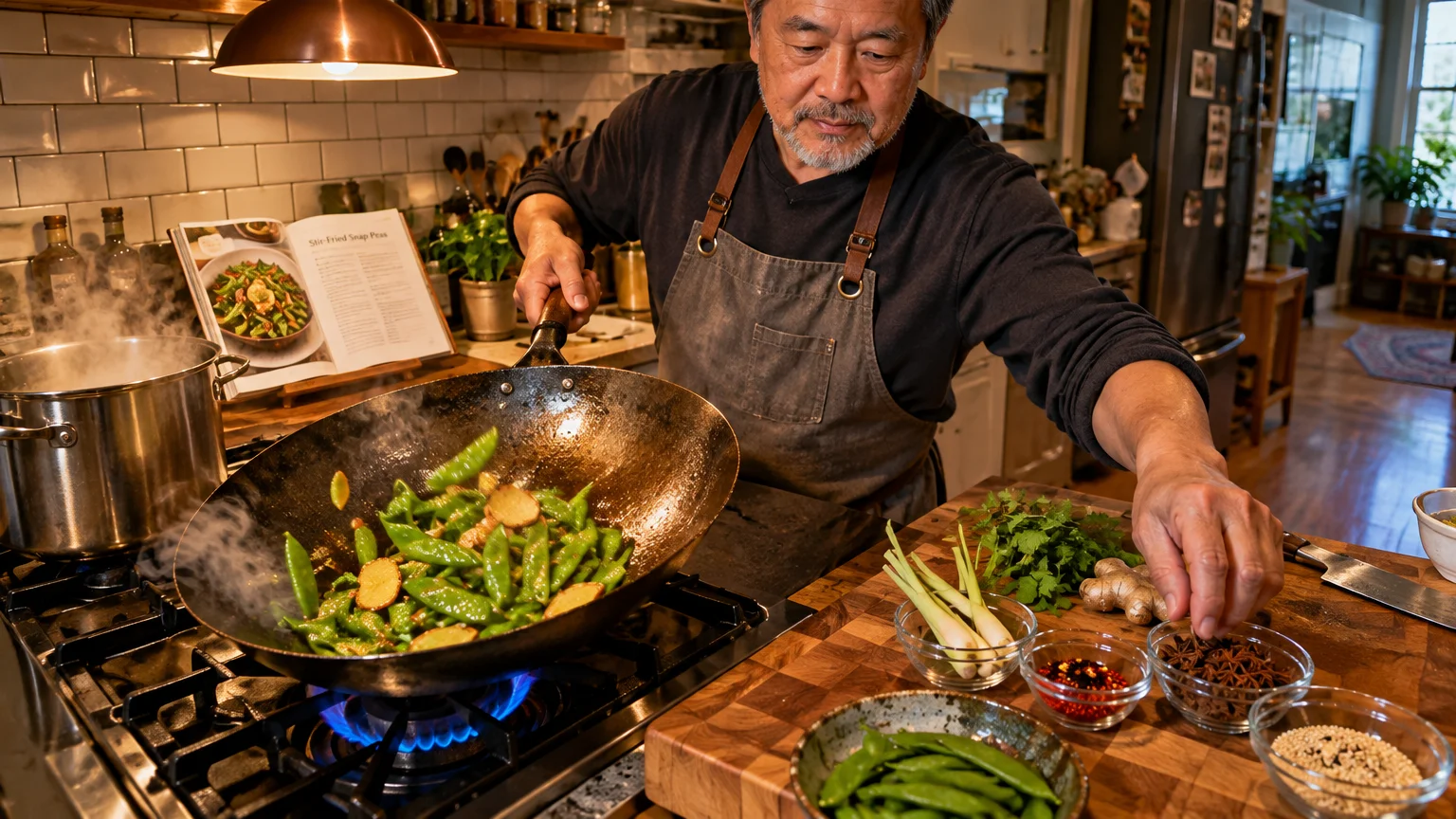
Stepping into the kitchen to prepare unfamiliar international dishes demands rigorous executive functioning. You must manage ingredient preparation, coordinate multiple cooking timers, and balance distinct spice profiles.
Tasting sauces and adjusting seasonings engages your gustatory and olfactory senses simultaneously. Scientific research reveals that engaging multiple senses keeps sensory processing pathways agile and resilient.
Executing multi-step recipes exercises your prospective memory, which helps you remember to perform planned actions on schedule. This cognitive function is essential for maintaining independent daily living skills.
Converting metric recipe measurements into standard units exercises mental arithmetic and precision. Meanwhile, mastering delicate techniques like emulsification or folding dough refines physical coordination.
Pick a new international culinary tradition each month, such as Thai, Moroccan, or Mediterranean cooking. Sourcing unique regional spices transforms grocery shopping into an educational treasure hunt.
Host a small dinner gathering to share your culinary creations with loved ones. Dining together adds rewarding social connection to your flavorful mental workout.
Tip #11: Practicing Fiber Arts and Woodworking
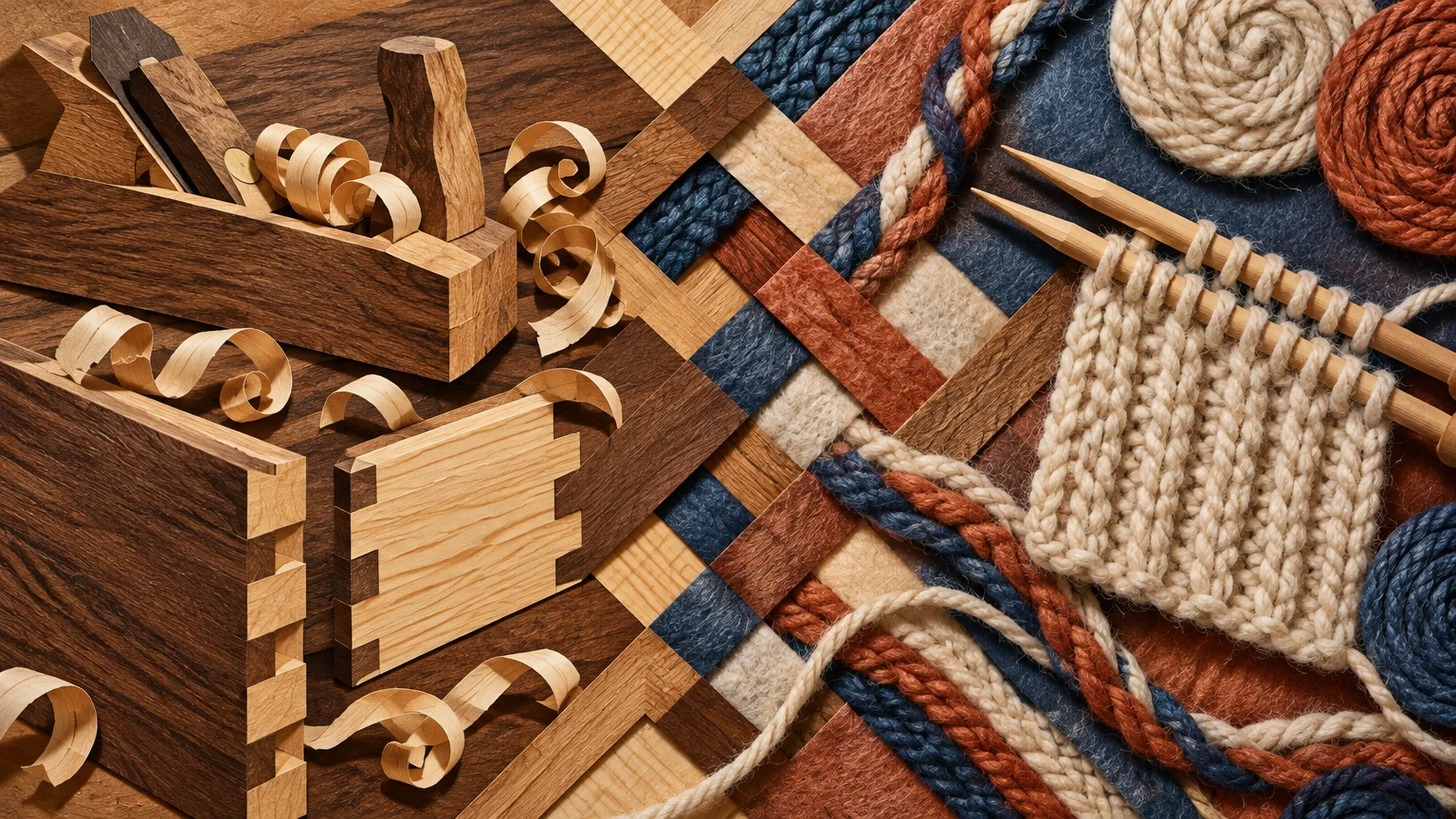
Hands-on crafts such as knitting, crocheting, quilting, and woodworking demand high levels of bimanual coordination. Both hands must work in synchrony to manipulate tools and guide raw materials.
Interpreting complex knitting charts or dimensional woodworking blueprints stimulates geometric logic and spatial foresight. You must visualize the final three-dimensional product before assembling individual components.
Measuring materials with accuracy reinforces practical arithmetic and spatial estimation skills. Correcting accidental mistakes on a craft piece develops perseverance and adaptive problem-solving.
The repetitive, rhythmic motions involved in these crafts activate the parasympathetic nervous system. This calming effect lowers heart rates while keeping attentional networks actively engaged.
Select a small, manageable project to start, such as a cozy woolen scarf or a simple birdhouse. Completing a tangible project delivers immense personal satisfaction and boosts self-efficacy.
Many communities host crafting guilds where members share patterns and specialized techniques. Engaging with craft circles combines tactile skill development with warm social fellowship.

Tip #12: Joining an Active Book Discussion Club
Reading challenging literature expands your vocabulary, stimulates imagination, and introduces diverse viewpoints. A book club elevates reading from a solitary hobby into an analytical, social experience.
Preparing for meetings requires you to track multifaceted character motivations, thematic symbolism, and plot arcs. You actively synthesize complex concepts rather than passively turning pages.
Recalling specific plot details during lively debates exercises your working memory and narrative comprehension. Synthesizing disparate themes sharpens high-level reasoning and abstract conceptual thought.
Articulating your opinions and listening to opposing interpretations challenges your cognitive flexibility. Defending a viewpoint respectfully requires verbal precision and quick-thinking debate skills.
Look for a reading group at your local library, independent bookstore, or senior center. Choose groups that explore a diverse mix of historical nonfiction, memoirs, and contemporary fiction.
Read with a pencil in hand to underline poignant passages and jot down thoughtful questions. This active reading habit primes your brain for lively, enriching discussions.

The Takeaway: Living a More Blissful Retirement
Your retirement years present an extraordinary opportunity to reinvent your routine and expand your intellectual horizons. Cultivating new hobbies is not merely a way to pass the time; it actively nurtures your cognitive vitality.
The secret to lasting brain health lies in genuine curiosity and regular, joyful engagement. You do not need to master every pastime overnight to experience immediate mental clarity and renewed purpose.
Select one or two activities that spark your curiosity and integrate them gently into your weekly schedule. Embrace the beginner stage with patience, humor, and self-compassion as you build fresh neural connections.
By prioritizing engaging hobbies, you invest in your lifelong independence and everyday happiness. Every new skill you explore makes your golden years richer, brighter, and deeply fulfilling.
For a wide range of resources for older adults, visit AARP and the National Council on Aging (NCOA). Health information is available from the National Institute on Aging.
Disclaimer: This article is for informational and inspirational purposes only. It is not a substitute for professional medical, financial, or psychological advice. Please consult with a qualified expert for guidance tailored to your individual needs.
Frequently Asked Questions
How much time each day should I spend on cognitive hobbies?
Dedicate twenty to thirty minutes per day to an intellectually stimulating activity for noticeable mental benefits. Consistency across the week is far more effective than marathon sessions once a month.
Listen to your body and take breaks whenever you experience mental fatigue. Alternating between creative pursuits and physical movement creates an optimal balance for brain health.
Is it too late to learn a complex new skill after age sixty?
It is never too late to learn something new, because neuroplasticity continues throughout your entire lifespan. Older adults regularly master complex musical instruments, languages, and technical crafts with great success.
Your accumulated life experience and patience often make learning in retirement more rewarding than during your youth. Approach each new subject with curiosity rather than pressure.
Can digital games replace traditional hands-on hobbies?
Digital brain games provide focused cognitive challenges, but they should complement rather than replace hands-on pastimes. Tactile crafts, music, and gardening engage multiple sensory systems that screens cannot replicate.
A diverse combination of digital puzzles, physical dexterity crafts, and social clubs yields the greatest cognitive protection. Variety challenges distinct areas of your brain simultaneously.
Which hobby provides the fastest boost to memory and focus?
Activities combining physical movement with mental choreography, such as Tai Chi or dance, often deliver rapid improvements in focus. They boost cerebral blood flow while challenging your spatial memory.
However, the best hobby is ultimately the one you enjoy enough to practice consistently. Passion fuels regular engagement, which drives lasting neuroplastic adaptation.