
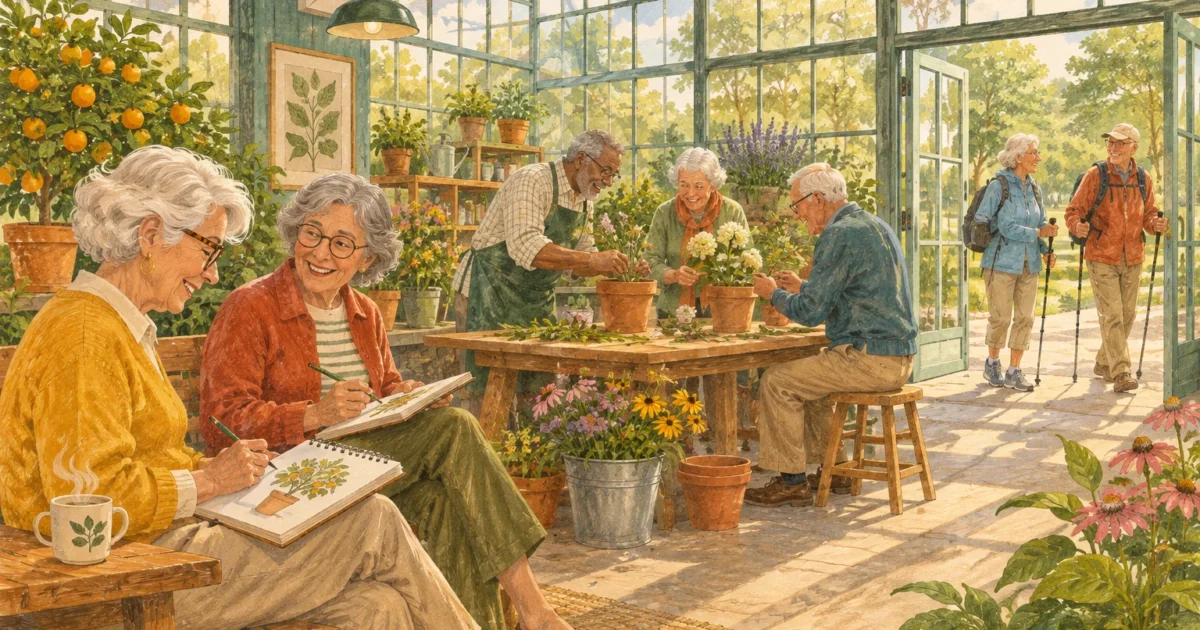
Stepping away from a full-time career frees up your schedule, yet it can also quiet the daily social chatter you once took for granted. Choosing the right group activities helps you replace lost workplace routines with genuine friendships and weekly purpose.
According to AARP, 35% of adults aged 60 and older feel lonely—making staying social after retirement a priority for both happiness and long-term health. Fortunately, thriving communities exist right in your neighborhood, waiting for new members.
Whether you enjoy brisk morning walks, spirited card games, or learning new skills, shared experiences turn strangers into trusted companions. These nine practical options give you simple ways to build an active, fulfilling calendar.
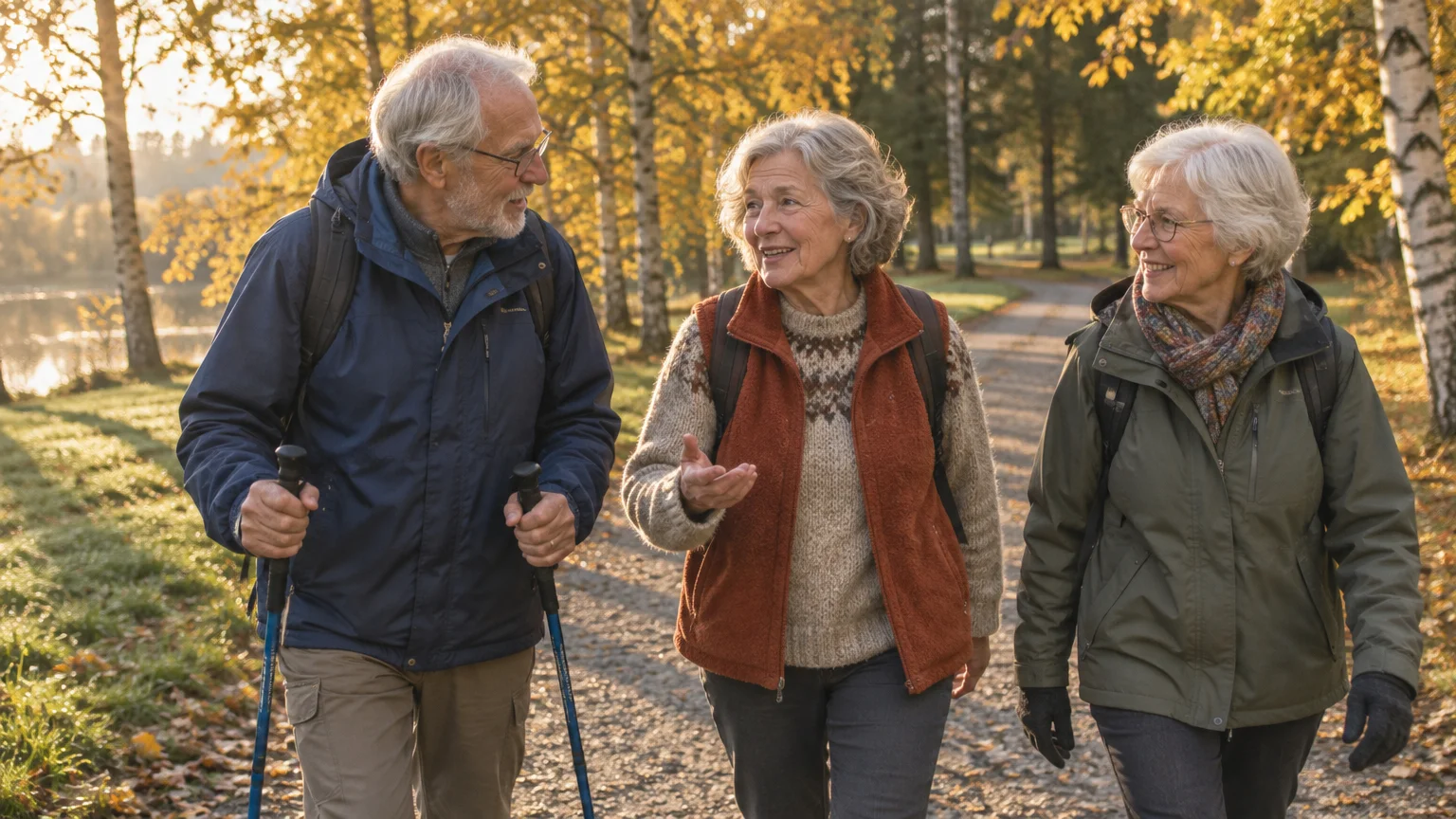
Lifestyle Idea #1: Neighborhood Walking Clubs and Trail Groups
Walking outdoors with neighbors combines gentle exercise with effortless conversation. Because you move side by side rather than sitting face to face across a table, awkward silences fade naturally as you take in the scenery.
Building a regular walking habit also supports your physical health in measurable ways. The CDC and U.S. Department of Health and Human Services recommend that adults aged 65 and older get at least 150 minutes of moderate aerobic activity each week.
That benchmark breaks down to roughly 30 minutes a day, five days a week—a schedule that feels far easier when friends are waiting at the park entrance. Yet fewer than 15% of older Americans currently meet those guidelines.
How to Pace Yourself Safely
Before joining a vigorous trail group, check in with your doctor if you have been inactive or manage chronic conditions. Once cleared, use the simple talk test recommended by the UK National Health Service to gauge your effort.
During moderate movement, you should be able to hold a steady conversation without gasping, even if you cannot comfortably sing. Walking clubs often split into brisk and leisurely paces so nobody feels rushed or left behind.
Where to Find a Local Group
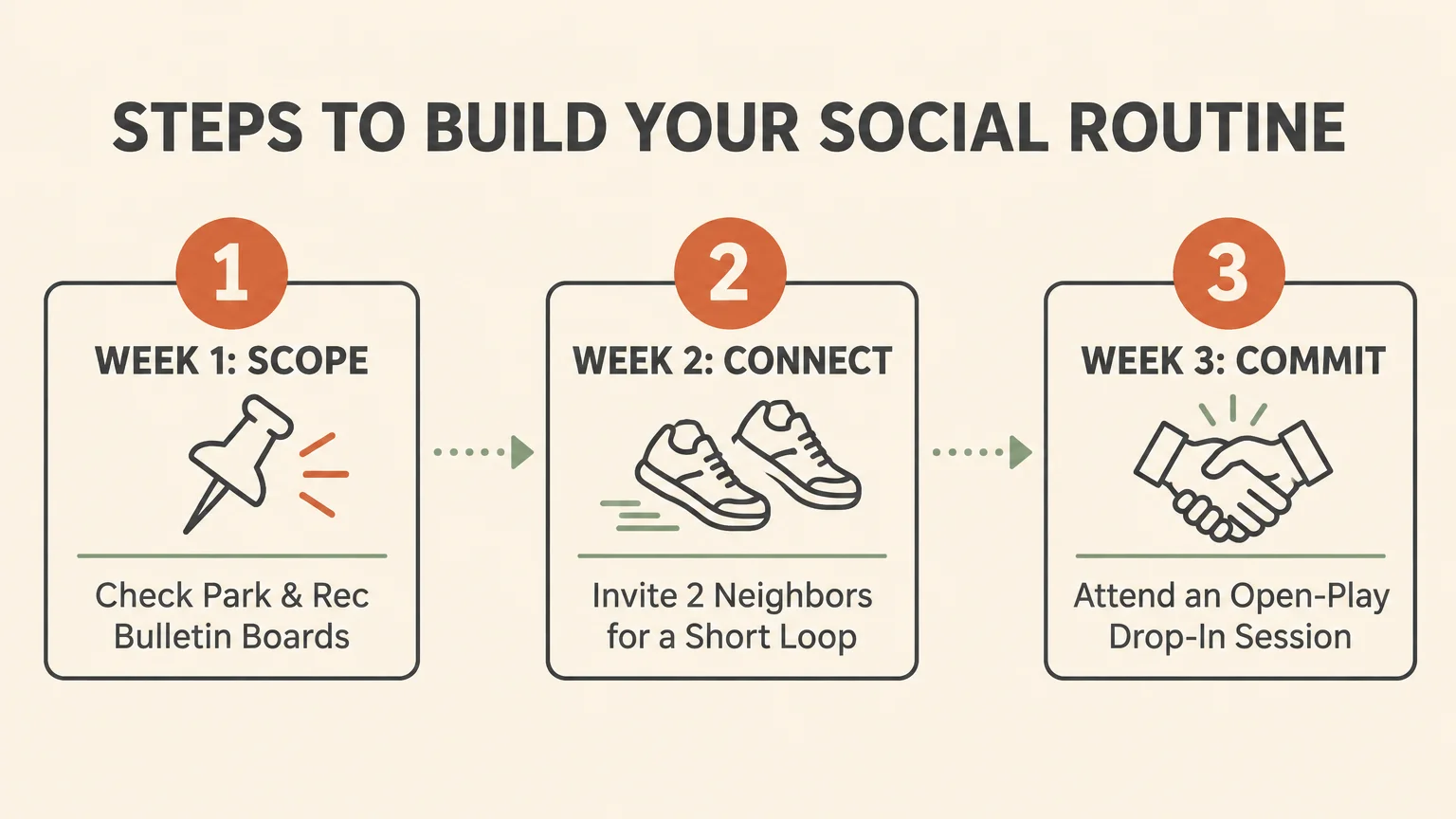
Start by checking bulletin boards at public parks, community recreation centers, and indoor shopping malls during winter or hot summer months. Many town parks departments host free weekly strolls led by volunteers or park naturalists.
If your block lacks an organized group, invite two nearby neighbors for a short morning loop twice a week. Consistent routines quickly attract other retirees who spot your friendly group passing by.
Lifestyle Idea #2: Intergenerational Pickleball Leagues
Few community activities have reshaped social calendars for older adults faster than pickleball. The smaller court size and underhand serve make the game welcoming for beginners, while quick matches guarantee plenty of friendly banter between points.
Participation numbers show just how vibrant this social scene has become. According to the Sports and Fitness Industry Association, 24.3 million Americans played pickleball in 2025, with women making up 42.9% of players nationwide.
Finding a court near your home has also never been easier. USA Pickleball tracked 82,613 courts across 18,258 U.S. locations at the end of 2025, meaning public parks and neighborhood centers almost certainly host open play near you.
Connecting Across Generations
While retirees embraced the sport early, players aged 13 to 24 now post the highest participation rate of any age group. That mix turns local courts into lively intergenerational spaces where you can rally alongside neighbors, adult children, and grandkids.
Open-play sessions usually rotate paddles after every game, so you constantly meet fresh partners without needing to bring your own foursome. Many morning leagues follow up court time with casual coffee at a nearby diner.
Starting Without Breaking the Budget
You do not need expensive gear to step onto the court for your first lesson. Most municipal parks and recreation centers lend starter paddles and balls during beginner clinics.
Invest in a supportive pair of court shoes to protect your ankles during side-to-side movement. Ask a seasoned regular about local drop-in etiquette, and you will feel like part of the crowd within your first week.
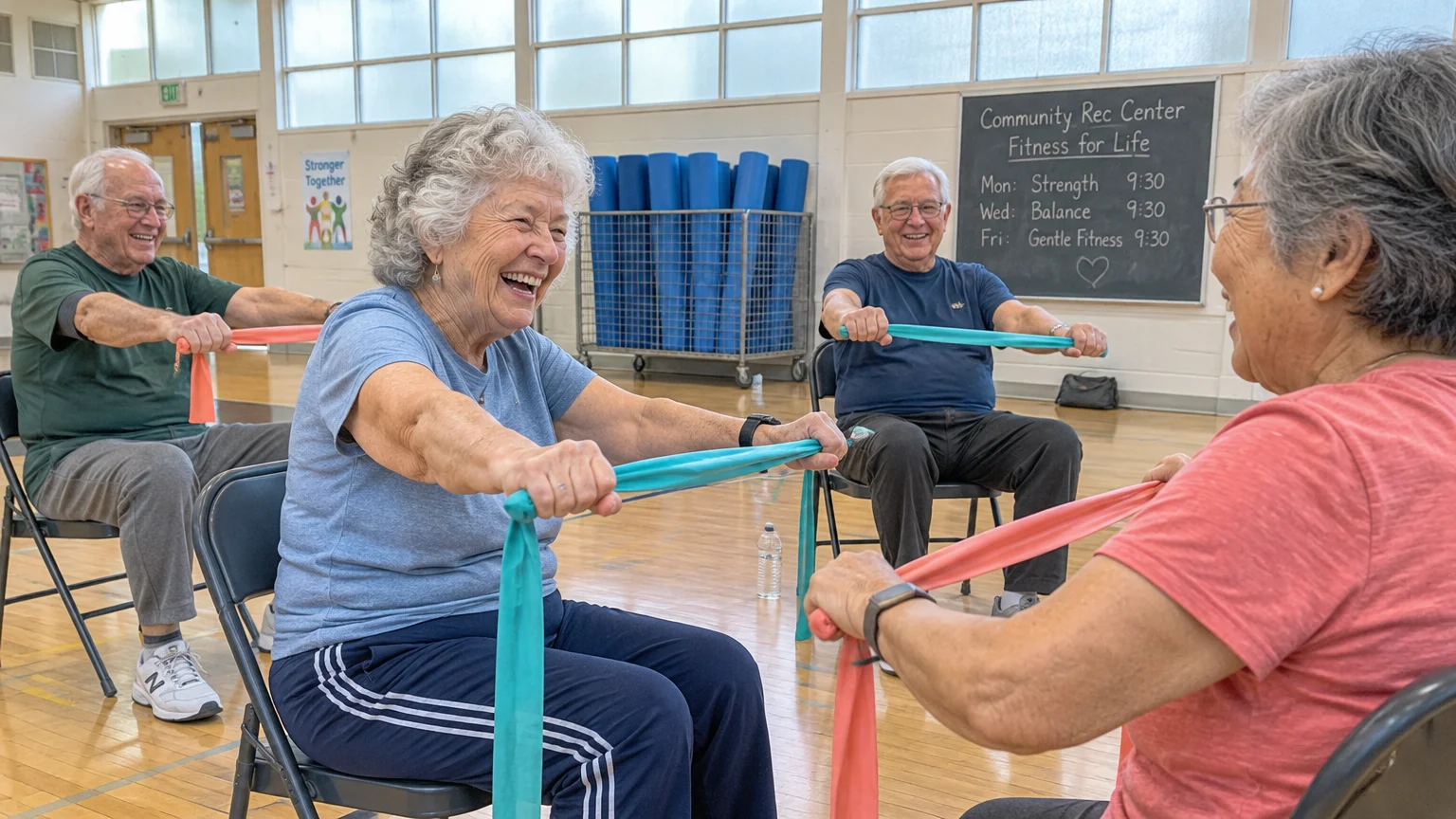
Lifestyle Idea #3: Medicare-Covered Group Fitness Classes
Joining a daytime gym class gives your week predictable structure while introducing you to peers who value active aging. Group formats like water aerobics, chair yoga, and beginner strength training turn solo workouts into cheerful social rituals.
Health experts encourage older adults to pair cardio with strength and balance work. The World Health Organization advises adults aged 65 and older to perform muscle-strengthening exercises at least twice a week and balance activities on three or more days.
Stronger legs and steadier balance protect your independence for travel, gardening, and chasing grandchildren. Better yet, you may not have to pay out of pocket for your membership.
Checking Your Health Plan Benefits
According to MedicareAdvantage.com, 93% of 2026 Medicare Advantage plans include a fitness benefit at no extra cost beyond your regular plan premiums. Original Medicare Parts A and B do not cover gym memberships, though select Medigap policies do.
Programs like SilverSneakers grant access to more than 17,000 participating gyms, YMCAs, and community centers nationwide. Similarly, UnitedHealthcare’s Renew Active network connects eligible members with over 25,000 fitness locations.
Turning Classes Into Friendships
Arrive ten minutes before class begins so you can chat with classmates near the water fountain or front desk. Regulars almost always claim the same spots in the studio, making it easy to strike up conversations week after week.
Look for facilities that host post-workout social hours, healthy cooking demos, or coffee mornings in the lobby. Those informal gatherings often lead to lasting friendships outside the gym walls.
Lifestyle Idea #4: Purpose-Driven Community Volunteering
Sharing your hard-earned skills with neighbors in need eases loneliness retirees often feel while restoring a deep sense of usefulness. Volunteering shifts your focus outward and surrounds you with compassionate people who care about the same causes you do.
Research points to a clear sweet spot for protecting your emotional well-being. A 12-year University of Michigan study found that adults aged 60 and older who volunteered more than 100 hours per year—roughly two hours weekly—significantly lowered their risk of loneliness.
Additional research from the Harvard Human Flourishing Program linked volunteering at least 100 hours annually to higher optimism, fewer physical limitations, and lower mortality risk. For widowed adults, a Georgia State University study showed that hitting that 100-hour mark reduced loneliness to levels nearly matching non-widowed peers.
Exploring National Senior Volunteer Programs
If you are aged 55 or older, AmeriCorps Seniors offers structured pathways across the country through RSVP, the Foster Grandparent Program, and the Senior Companion Program. According to AmeriCorps Seniors, 88% of volunteers who previously lacked companionship reported feeling less isolated after serving.
Furthermore, 84% of participants reported stable or improving health after one year of service. Income-eligible volunteers in the Foster Grandparent or Senior Companion programs—those at or below 200% of the federal poverty guideline—can also receive a modest tax-free hourly stipend.
Choosing the Right Commitment
Higher-income retirees can serve without a stipend, and RSVP roles let you customize schedules from a few hours up to full weeks. Look into food pantries, animal shelters, hospital welcome desks, or tax-preparation assistance during spring.
Aim for two consistent hours each week alongside the same team of co-volunteers. Shared teamwork builds camaraderie far faster than sporadic one-day events.
Lifestyle Idea #5: Lifelong Learning Classes and Book Circles
Retirement gives you the rare luxury of studying fascinating topics purely for joy rather than career advancement. Classroom discussions spark lively debates and connect you with curious minds who love swapping perspectives.
Across the country, Osher Lifelong Learning Institutes operate at 120 U.S. colleges and universities specifically for adults aged 50 and older. Supported by the Bernard Osher Foundation, these programs welcome learners without entrance exams, homework assignments, or grades.
Whether you want to explore local history, modern cinema, world religions, or conversational Spanish, you sit among peers eager to learn alongside you. Many campuses also pair lecture series with social luncheons and museum outings.
Keeping Education Affordable
Lifelong learning programs are designed to remain accessible on a fixed retirement budget. Some university chapters charge base annual membership dues as low as $10 per year, and scholarships are often available for course fees.
Local public libraries offer another completely free avenue through monthly book circles, genealogy workshops, and author talks. Reading the same novel gives shy newcomers an automatic conversation starter during the first meeting.
Making the Most of Class Discussions
Choose seminar-style courses or small discussion groups over huge lecture halls when your goal is meeting friends. Smaller tables encourage everyone to share personal stories and humor.
When a semester ends, suggest meeting two or three classmates at a neighborhood cafe to keep your conversations going. Many lifelong learning friendships grow out of simple curiosity over a shared reading list.
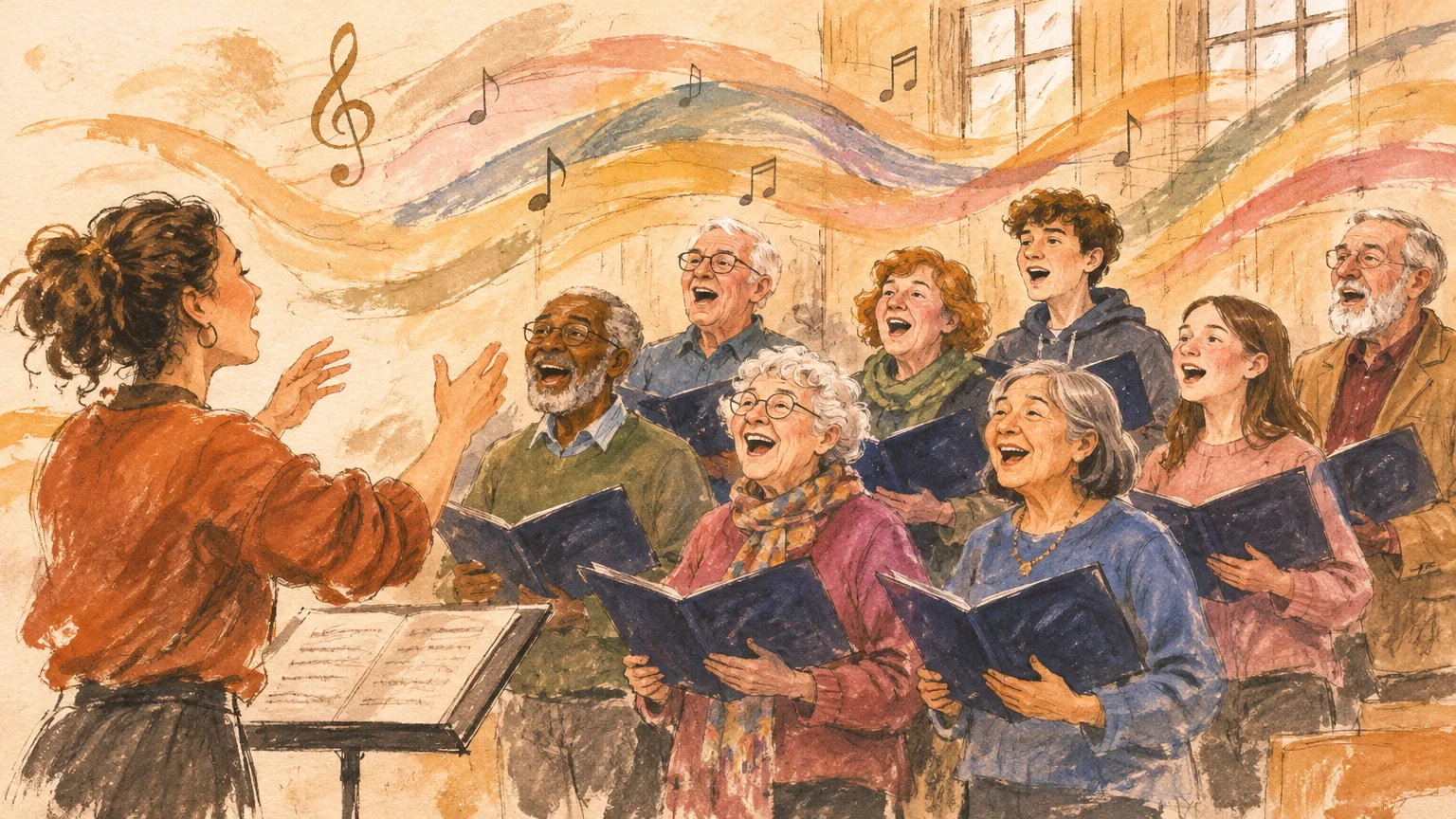
Lifestyle Idea #6: Community Choirs and Creative Arts Workshops
Making music or creating art with others taps into emotions that everyday conversation rarely reaches. Group creativity lowers stress while giving everyone a shared goal—whether preparing for a seasonal concert or hanging paintings in a local gallery.
Scientific evidence backs up the social power of singing together in person. In the Community of Voices trial of 390 older adults, joining a community choir significantly reduced subjective feelings of loneliness.
You do not need conservatory training or a solo-ready voice to join a welcoming chorus. Non-audition community choirs, church ensembles, and barbershop groups happily welcome beginners who simply enjoy blending their voices with neighbors.
Hands-On Art and Storytelling Circles
If singing feels outside your comfort zone, explore community pottery studios, watercolor classes, quilting bees, or memoir-writing workshops. Working with your hands eases first-day jitters because your attention rests naturally on the canvas, clay, or notebook.
Writing groups are especially rewarding as you reflect on family memories and life milestones. Listening to classmates read their stories aloud builds deep empathy and quick trust across the table.
Finding Welcoming Creative Spaces
Check local arts councils, community theater groups, and municipal cultural centers for daytime classes tailored to retirees. Volunteering backstage as an usher or prop painter also plugs you into lively theater circles for free.
Bring curiosity rather than perfectionism to your first session. Laughing over a lopsided ceramic mug often breaks the ice faster than any formal introduction.
Lifestyle Idea #7: Men’s Sheds and Maker Workshops
Navigating retirement transitions can hit older men particularly hard when daily workplace camaraderie vanishes overnight. AARP’s 2025 survey found that 42% of men aged 45 and older reported feeling lonely, compared with 37% of women.
Even more striking, 17% of men reported having no close friends at all, compared with 13% of women. Many men feel uncomfortable sitting in a circle solely to talk about feelings, preferring practical, shoulder-to-shoulder camaraderie instead.
That insight sparked the global Men’s Sheds movement—community workshops where guys gather to build furniture, repair bicycles, restore classic tools, and mentor younger neighbors. Research reviewing social interventions confirms that these group workshops meaningfully boost friendships and social engagement among older men.
Why Shared Projects Build Real Bonds
Inside a community shed or maker space, conversation unfolds naturally around a workbench over coffee and sawdust. You can swap advice on woodworking joints, trade home-repair tips, or simply sit quietly while lending an extra pair of hands.
Many chapters take on charitable projects, such as crafting wooden toys for pediatric hospitals or repairing park benches for local towns. Completing tangible work side by side restores pride and anchors your weekly routine.
Locating Similar Workshop Groups
Search online directories for a Men’s Shed chapter in your county, or check local maker spaces, Habitat for Humanity build crews, and model railroad clubs. Community colleges and hardware stores also frequently host weekend repair clinics.
If your town lacks a formal shed, ask neighbors through a community center whether anyone wants to launch a weekly tool-sharing and repair morning. You only need a few interested peers to get started.
Lifestyle Idea #8: Local Senior Social Clubs and Hobby Chapters
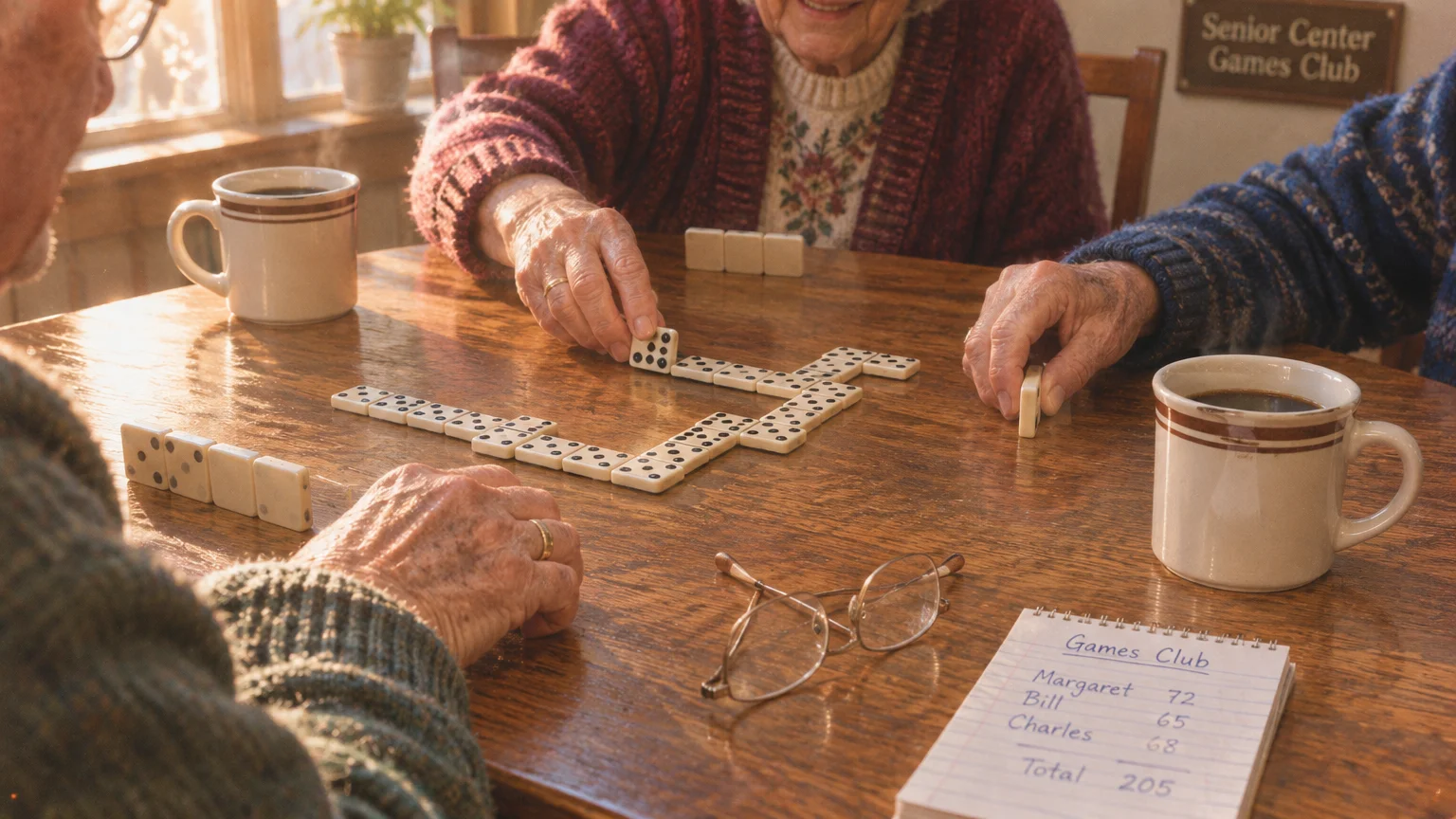
Joining established senior social clubs surrounds you with peers navigating the exact same chapter of life—from downsizing homes to welcoming new grandchildren. These groups exist purely for fun, conversation, and shared pastimes.
Options span every interest imaginable, including duplicate bridge leagues, mahjong tables, garden clubs, photography walks, and classic car societies. Because members gather around a specific hobby, you already share common ground the moment you walk through the door.
Digital tools can help you discover these local rooms quickly, provided you use screens as a bridge rather than a substitute. AARP’s 2025 survey noted that 57% of adults 45 and older use technology to stay connected, yet 24% of lonely adults said relying on technology alone led to fewer friendships.
Combining Online Search With In-Person Meetups
Use community calendars, neighborhood forums, and national event listings to locate real-world tables near your home. AARP alone hosts roughly 14,000 online and in-person events across the country, including local coffee meetups and movie screenings.
City senior centers also publish monthly newsletters packed with low-cost game afternoons, potluck luncheons, and dance socials. Treat online sign-ups strictly as your ticket into an actual room with real faces.
Hosting Low-Key Gatherings Yourself
Do not hesitate to invite two fellow club members over for a simple soup lunch or afternoon board game. Keeping gatherings modest removes hosting pressure while turning casual club acquaintances into genuine inner-circle friends.
Consistent monthly dates work wonders for busy retirees. Putting the second Tuesday of every month on everyone’s calendar keeps friendships thriving year-round.
Lifestyle Idea #9: Organized Group Travel and Day-Trip Excursions
Exploring new places brings fresh excitement to retirement, yet traveling solo can feel intimidating or expensive when hotels charge single-supplement fees. Organized group travel removes planning headaches while surrounding you with adventurous companions.
Connecting through travel matters deeply for the growing number of older adults living independently. According to the U.S. Census Bureau, nearly three in ten Americans aged 65 and older lived alone in 2022, including 43% of women aged 75 and older.
AARP data further shows that 24 million Americans aged 50 and older live alone, with 22% of surveyed solo agers naming loneliness as the hardest part. Sharing a scenic train ride or historic walking tour instantly gives solo travelers built-in dining partners and shared memories.
Starting With Local Day Trips
You do not need an international itinerary or a big budget to enjoy group excursions. Municipal recreation departments, museums, and alumni associations regularly charter day buses to botanical gardens, regional theaters, wineries, and fall foliage drives.
One-day outings let you test group dynamics with minimal financial risk. By the time the bus pulls back into the parking lot that evening, you will likely have swapped phone numbers with seatmates.
Planning Multi-Day Adventures Wisely
When booking longer tours, look for reputable senior-friendly operators that pair solo travelers as roommates upon request or offer dedicated single-traveler departures. Always check group pacing levels so daily walking distances match your comfort and energy.
Before any international trip, verify passport timelines, review travel medical insurance, and read official destination advisories. Smooth logistics leave you free to focus on good food, breathtaking views, and new friendships.
Putting It into Practice: Small Steps for Big Changes
Staying connected after leaving the workforce is more than a pleasant pastime—it is vital preventive care for your body and mind. The U.S. Surgeon General warns that lacking social connection carries a mortality impact comparable to smoking up to 15 cigarettes a day.
Chronic isolation and loneliness increase the risk of heart disease by 29%, stroke by 32%, and dementia in older adults by roughly 50%. Roughly one in four community-dwelling seniors faces objective social isolation, so treating connection as a daily priority pays off enormously.
Your Simple Two-Week Action Plan
Trying to overhaul your entire calendar overnight feels overwhelming and rarely sticks. Instead, pick just two group activities from this list that genuinely spark your curiosity.
During week one, call your local recreation department, library, or community center to ask about beginner schedules and drop-in rules. Put one low-pressure visit—such as a morning walking club or a free trial fitness class—onto next week’s calendar.
Give every new group at least three visits before deciding whether it fits your personality. First-day nerves fade quickly, and familiar faces on your third visit often feel like old friends.
Frequently Asked Questions
What if I feel anxious walking into a room full of strangers?
Social anxiety is completely normal when you step outside familiar routines, especially if you have lived alone for a while. Call the organizer beforehand and ask if someone can greet you by the entrance five minutes early.
Activity-based groups like volunteering, art workshops, or pickleball clinics also ease pressure because everyone focuses on a shared task. Having something to do with your hands keeps conversations relaxed and natural.
How can I stay social on a tight retirement budget?
AARP’s 2025 survey found that 63% of adults aged 45 and older with household incomes under $25,000 experienced loneliness—roughly double the rate of higher-income households. Cost should never lock you out of companionship.
Focus on free community activities like public library book clubs, municipal walking groups, community choirs, and neighborhood volunteering. If you have Medicare Advantage, check whether your plan already pays for SilverSneakers or Renew Active gym access.
What if I live in a rural area or have limited transportation?
Smaller towns often rely on tight-knit churches, local fire halls, civic clubs, and county extension offices for community gatherings. Ask neighbors or fellow members about carpooling—many retirees gladly share rides to morning programs.
You can also check whether your county’s Area Agency on Aging offers free or low-cost senior transit shuttles. Pairing local rides with occasional video chats helps bridge quieter days between outings.
How long does it take to turn group acquaintances into real friends?
Building genuine closeness takes repeated, unhurried time together rather than one spectacular outing. Showing up consistently to the same weekly group lets trust grow naturally through shared laughs and small favors.
After a month of regular attendance, suggest grabbing coffee or running a quick errand together outside the group setting. Taking that small initiative is usually all it takes to deepen a casual connection into a true friendship.
For resources on retirement living, travel, and finance, visit AARP. Official information on Social Security is available at SSA.gov.
For travel advisories, consult the U.S. Department of State.
Disclaimer: This article provides lifestyle suggestions for informational purposes. Financial, legal, or travel decisions should be made in consultation with qualified professionals.