
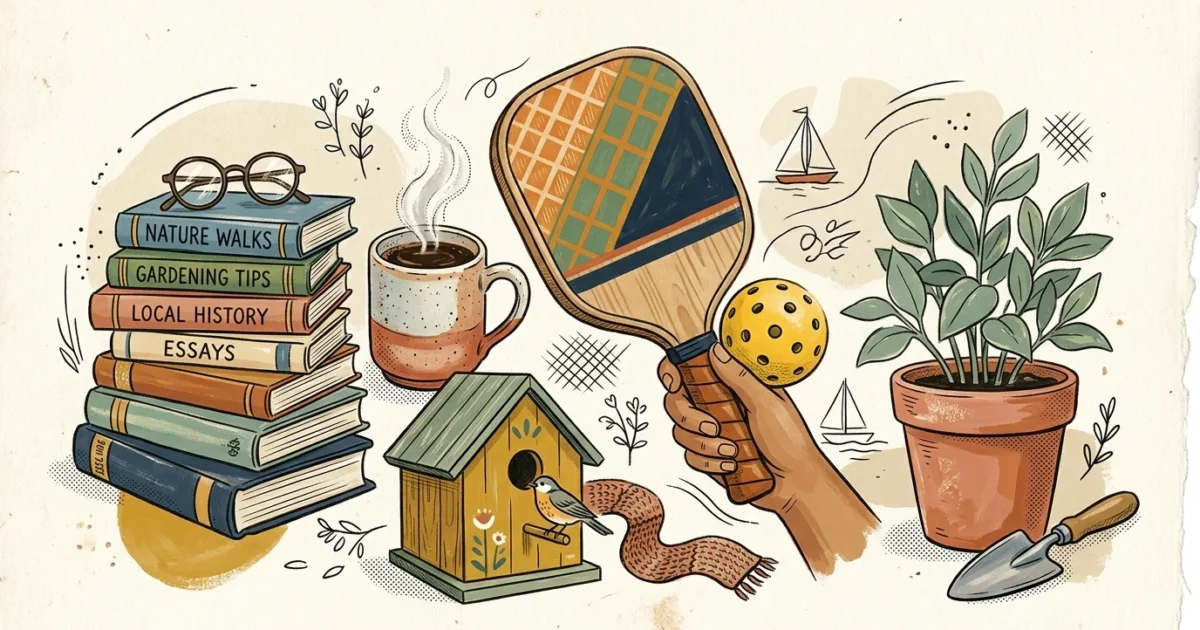
Retirement gives you the precious freedom to pursue pastimes you love while forging deep, lifelong friendships that keep your spirits high. When you connect with like-minded peers around a shared passion, everyday activities quickly blossom into vibrant, supportive circles that enrich your weekly routine. Engaging in collaborative pastimes keeps your mind sharp, elevates your daily physical activity, and prevents the social isolation that sometimes creeps into post-career life. By stepping into organized hobby groups, you will discover that your personal interests can easily become a gateway to lasting belonging, shared laughter, and meaningful purpose throughout your golden years.

Tip #1: Pickleball Paddles and Court Gatherings
Few recreational activities have transformed neighborhood parks as dramatically as pickleball. According to the Sports & Fitness Industry Association (SFIA), participation in the United States has surged past 24 million players, holding the title of the fastest-growing sport in the country for five consecutive years. While the quick matches and accessible paddle mechanics appeal to all athletic levels, the true magic happens along the sidelines between games.
Public health studies confirm that regular pickleball play among adults over 50 correlates directly with reduced rates of loneliness and lower levels of social isolation. Because matches are played in doubles on compact courts, you find yourself chatting, laughing, and strategizing closely with partners and opponents alike. Most local parks utilize open-play rotation systems; you place your paddle in a queue rack and step onto the court with whoever is next in line, instantly introducing you to neighbors you might otherwise never meet.
These court encounters regularly evolve into post-game diner breakfasts, weekend round-robin tournaments, and community potlucks. You do not need elite athleticism to get started—just an inexpensive paddle, a pair of supportive court shoes, and an eagerness to meet new friends. When you look for retirement hobbies that build community, pickleball stands out as an energizing, welcoming option that keeps your body moving and your social calendar pleasantly full.

Tip #2: The Men’s Sheds Movement and Maker Spaces
Woodworking, metal crafting, and mechanical repairs are traditionally solitary pursuits confined to personal garages, but a worldwide grassroots initiative has completely reimagined them. Founded in Australia during the late 1990s, the Men’s Sheds movement operates under a profound insight: men do not talk face to face; they talk shoulder to shoulder. Today, the movement encompasses nearly 3,000 communal workshop spaces across more than a dozen countries, supported by organizations like the US Men’s Sheds Association and the UK Men’s Sheds Association.
A Men’s Shed provides a fully equipped communal workshop where retired adults gather to build furniture, restore classic tools, repair neighborhood bicycles, and craft nesting boxes for local parks. While woodworking and DIY projects serve as the initial draw, the genuine value lies in the camaraderie. Members share equipment, teach one another trade techniques, and swap life stories over mugs of hot coffee during work breaks.
If you want practical advice on turning a hobby into a social circle, joining or establishing a local shed offers an ideal pathway. You avoid the cost of purchasing expensive specialized tools while gaining an eager crew of collaborators who celebrate your craftsmanship. These spaces create a profound sense of shared identity and utility, reminding you that your practical skills remain deeply valuable to your local community.
Tip #3: Silent Book Clubs for Introverted Readers
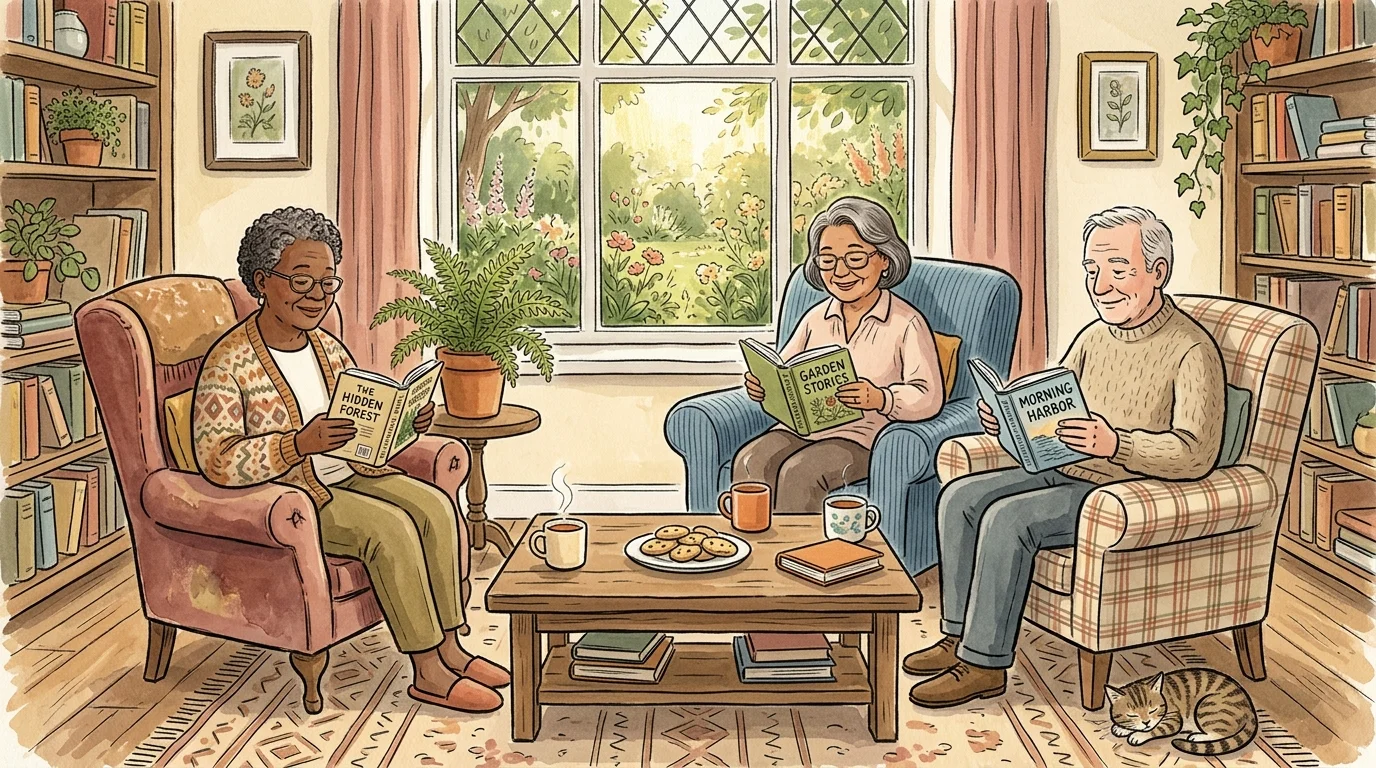
Traditional book clubs often come with unexpected stress; you feel pressured to finish a mandatory assigned book and prepare clever talking points before the deadline. Silent Book Clubs eliminate every ounce of that anxiety while preserving the joy of shared intellectual presence. Founded in San Francisco in 2012 as an easygoing alternative to conventional literary circles, this inventive model has exploded into a global phenomenon with over 2,000 active chapters across more than 60 countries.
The format is wonderfully straightforward and inclusive. Members meet at a local cafe, library nook, or neighborhood park, settle into cozy chairs with their beverage of choice, and read their own self-selected book in companionable silence for an uninterrupted hour. Once the reading hour concludes, you can stay for optional, unstructured socializing—sharing enthusiastic book recommendations or simply chatting about your week.
For retirees seeking low-pressure hobby groups for retirees, these silent gatherings remove the awkwardness of forced discussions. You never have to worry about falling behind on an assigned reading list or defending an opinion about a novel you disliked. Instead, you enjoy the soothing ambiance of fellow book lovers gathered together, turning a solitary evening of reading into a heartwarming social ritual.
Tip #4: Community Gardening and Plot Sharing
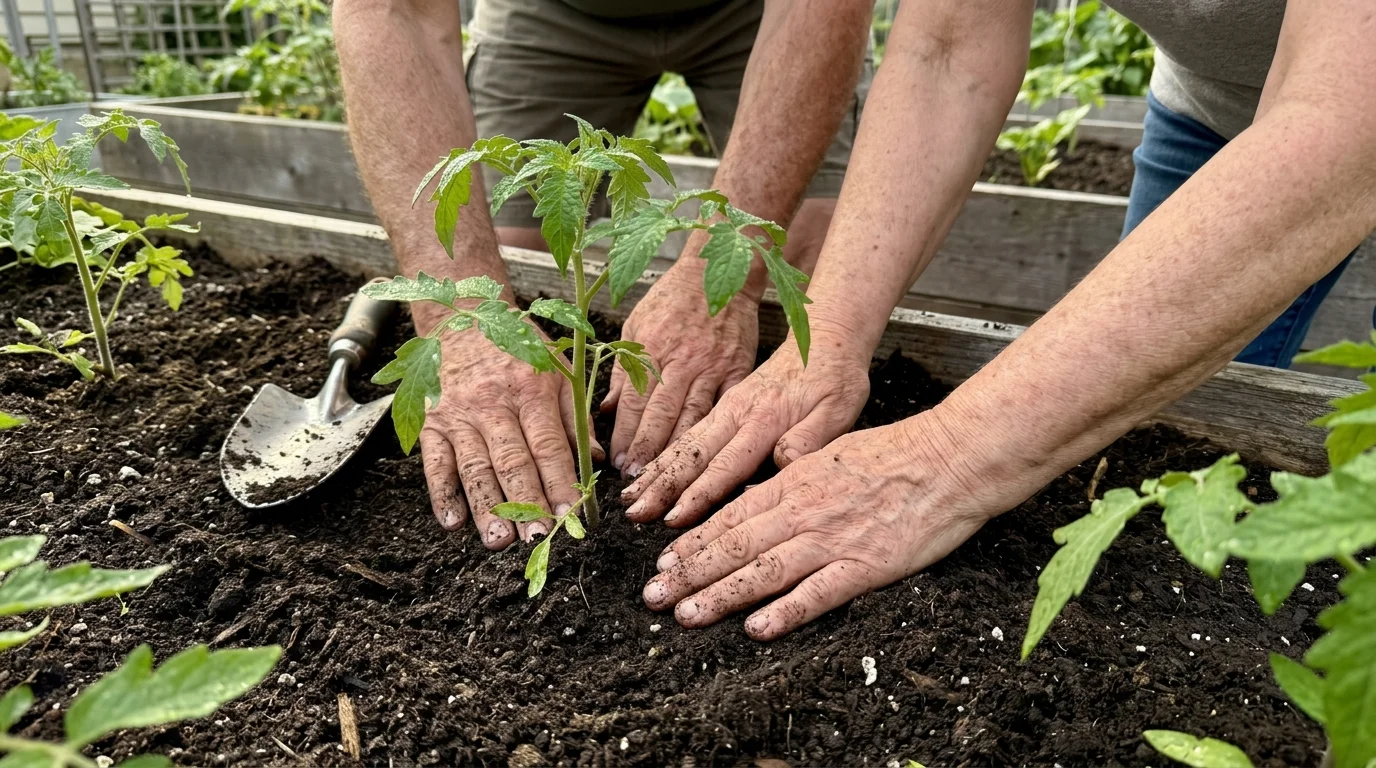
Cultivating plants has always grounded human beings, but tending a shared plot elevates gardening into a cooperative neighborhood celebration. The American Community Gardening Association (ACGA) estimates that more than 18,000 community gardens operate across the United States and Canada. These lush green spaces serve as dynamic social hubs where retirees, young families, and seasoned Master Gardeners work side by side under the morning sun.
Working in a community garden blends light cardiovascular exercise, gentle stretching, and sunshine exposure with sustainable food production. When you lease a raised bed or volunteer on communal plots, you immediately enter a supportive network of growers who trade heirloom tomato seeds, share natural pest-control recipes, and divide perennial bulbs. You will often find extra zucchini, fresh basil, and crisp cucumbers laid out on central picnic tables for any gardener to take home.
These garden networks quickly become tight-knit retirement hobby clubs that organize autumn harvest dinners, plant swaps, and educational workshops for local schools. Tending the soil with neighbors creates a shared rhythm tied to the seasons; you celebrate the first ripe strawberry of spring and work together to prepare garden beds before winter arrives. It is a profoundly rewarding way to nourish your body and your social connections simultaneously.
Tip #5: Charity Crafting Circles and Blanket Making
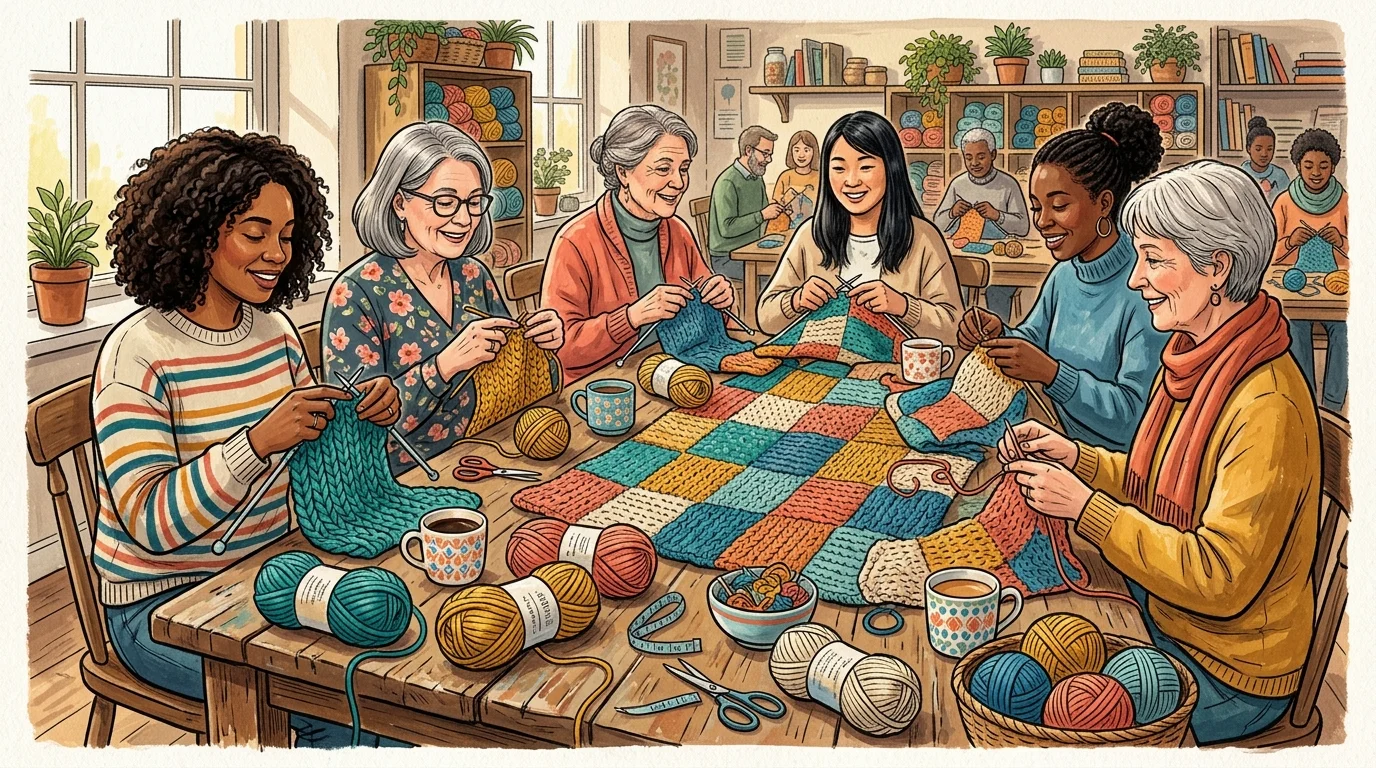
Needlecrafts like knitting, crocheting, and quilting have a storied history of bringing crafters together, but aligning those needles with charitable purpose creates an extraordinarily tight bond. A premier example is Project Linus, a nonprofit founded in 1995 that organizes local volunteer chapters across all 50 states. Its dedicated volunteers—affectionately known as Blanketeers—have collectively crafted and donated more than 10.6 million handmade security blankets to children facing illness, trauma, or crisis.
When you join a charity crafting circle, your creative hobby gains an inspiring mission that transcends personal wardrobe projects. Blanketeers gather weekly or monthly at local fabric shops, community centers, and living rooms to measure fabrics, exchange complex stitch patterns, and tie soft fleece edges. The tactile, repetitive nature of knitting and quilting promotes relaxation and keeps your fingers nimble, while the lively conversation around the crafting table fosters deep, genuine friendships.
If you are exploring creative ways of finding community through hobbies in retirement, charity craft circles welcome every skill level with open arms. Seasoned crafters gladly mentor beginners who want to learn cast-on techniques or basic patchwork quilting. Knowing that your handcrafted creation will comfort a vulnerable child adds tremendous warmth and purpose to every stitch you complete alongside your fellow crafters.
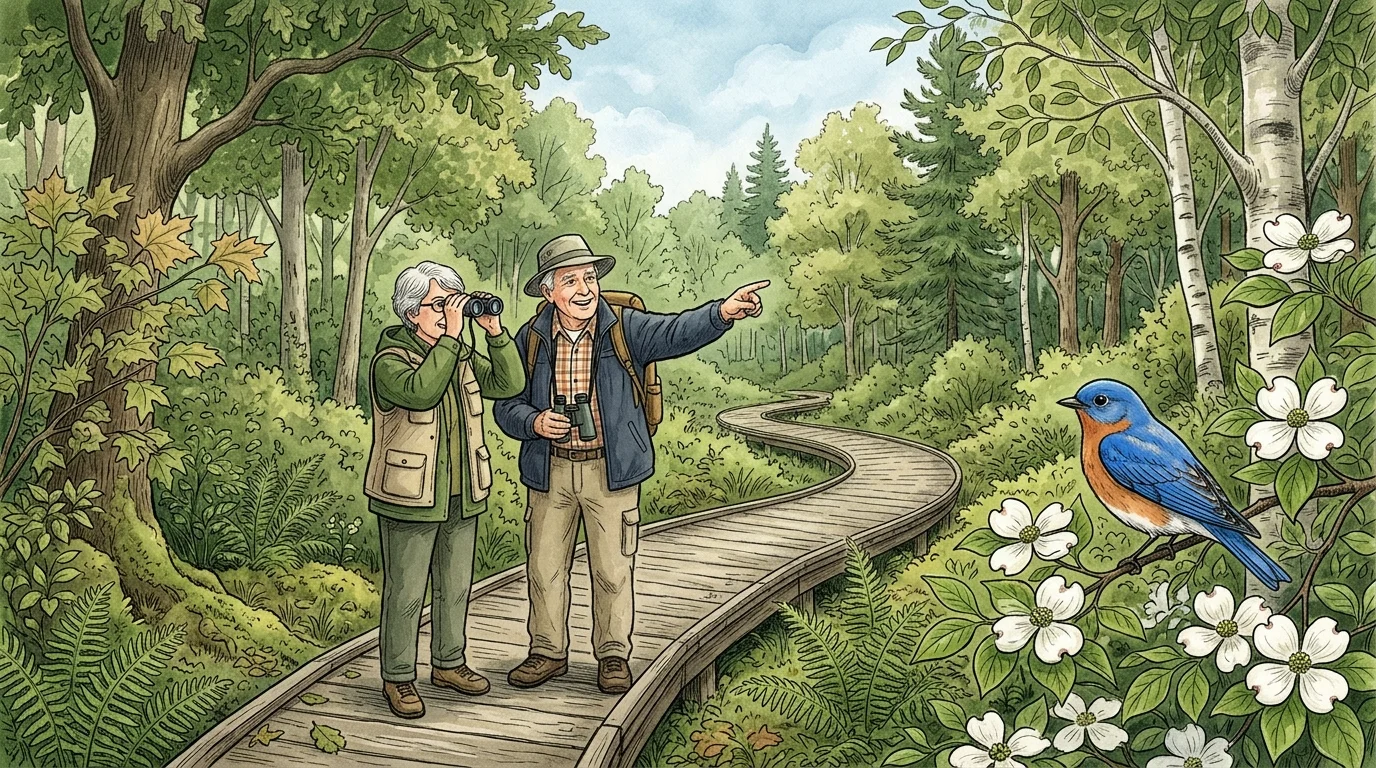
Tip #6: Birding Outings and Citizen Science Counts
Birdwatching offers a captivating blend of outdoor exploration, mindful observation, and scientific discovery. According to the National Survey of Fishing, Hunting, and Wildlife-Associated Recreation published by the U.S. Fish and Wildlife Service, approximately 96 million Americans actively engage in birdwatching. What often starts as a solitary fascination with backyard bird feeders frequently transforms into an adventurous social hobby when you link up with local birding clubs.
Organizations such as local National Audubon Society chapters and the Cornell Lab of Ornithology (through its global eBird platform) provide countless opportunities to turn casual birding into communal outings. Groups meet at dawn in regional nature preserves, wetlands, and coastal trails, sharing high-powered spotting scopes and binoculars to identify migrating warblers, raptors, and waterfowl. These clubs also participate in landmark community events like the century-old Christmas Bird Count, where teams survey assigned territories to compile crucial ecological data.
Birding groups are remarkably welcoming to novices; experienced birders take immense pride in helping newcomers distinguish subtle sparrow markings or identify species by their unique song patterns. Carpooling to regional birding hotspots and gathering for warm breakfasts after early morning walks turns this gentle outdoor pastime into a rich, supportive fellowship of nature enthusiasts.
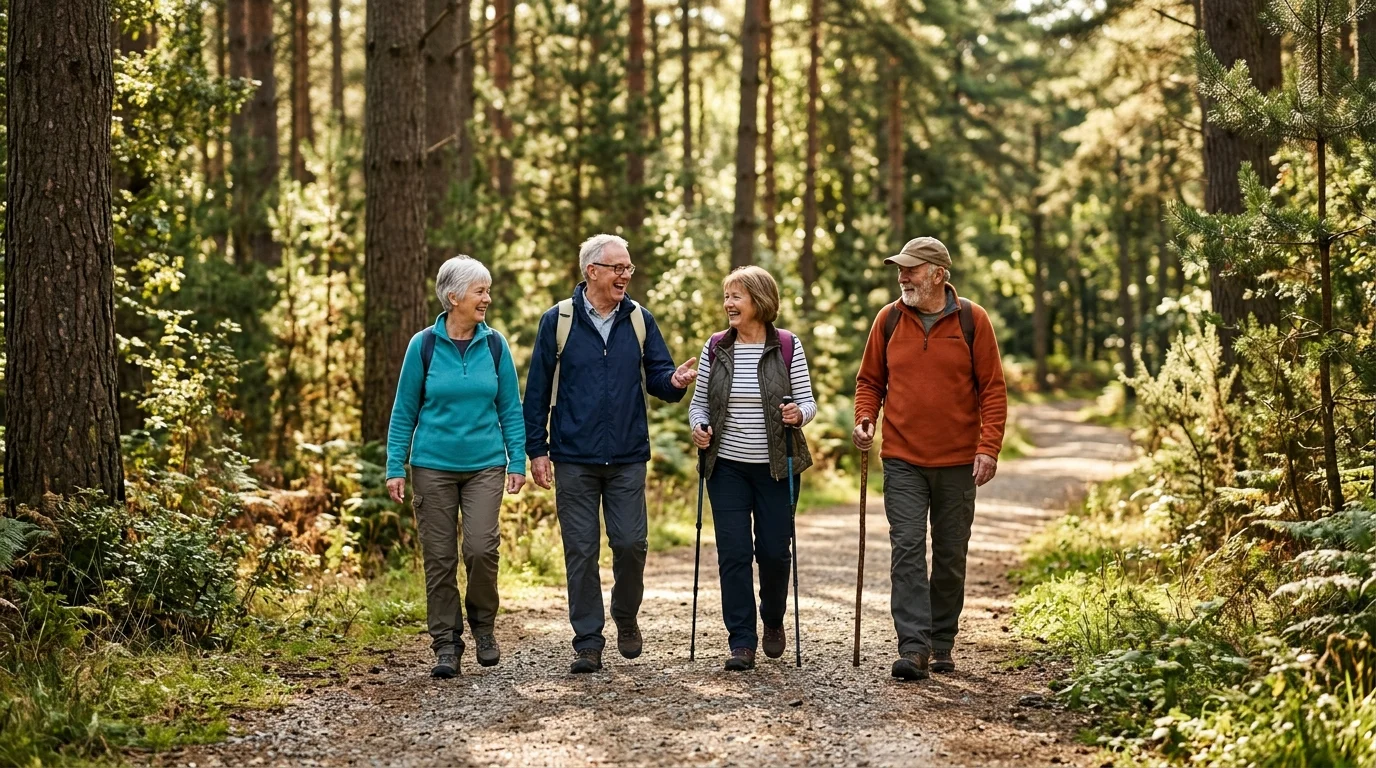
Tip #7: Volkssporting and Noncompetitive Walking Clubs
Walking remains one of the simplest and most effective exercises for long-term vitality, but walking alone around the same neighborhood block can become routine. That is where the tradition of volkssporting—literally translated as “people’s sport”—breathes new life into your fitness routine. Originating in Germany and introduced to the United States in 1976, the American Volkssport Association (AVA / America’s Walking Club) now oversees more than 200 chartered clubs nationwide.
Volkssporting clubs organize noncompetitive, self-paced 5K and 10K group walks along meticulously mapped trails through historic towns, tranquil botanical gardens, scenic riverbanks, and state parks. Unlike timed races, there are no winners or losers; you walk at whatever pace feels comfortable, collect commemorative passport stamps at checkpoints, and focus entirely on the scenery and conversation. Participants chat side by side as the miles fly past without the exhausting strain of high-impact athletics.
These walking groups provide a steady, reliable schedule of weekly adventures that motivate you to lace up your walking shoes. After completing a trail, members almost always gather at a local cafe or bakery for lunch and lively conversation. Volkssporting proves that you do not need grueling athletic regimens to stay fit; all you need is a welcoming group of walking companions and a scenic path to explore together.

Tip #8: Masters Athletics and Senior Multisport Leagues
If you thrive on playful competition, structured athletic goals, and team camaraderie, senior sports leagues provide an exhilarating arena. The National Senior Games Association (NSGA) hosts the celebrated biennial National Senior Games for competitors aged 50 and older. This premier event draws upwards of 12,000 qualifying athletes competing across more than 20 sports, ranging from swimming and track and field to table tennis, cycling, and archery.
Behind this massive national championship lies a vast grassroots network of local masters track clubs, regional swimming masters programs, and municipal softball leagues. Joining a senior athletic club connects you with peers who prioritize functional strength, balance, and lifelong vitality. You train together, offer mutual encouragement during tough conditioning drills, and cheer on each other’s personal records regardless of placement.
Masters athletics dispel the myth that competitive sports belong exclusively to youth. Being part of an athletic community keeps your fitness goals focused, introduces structured coaching into your routine, and surrounds you with inspiring individuals who celebrate healthy aging. The shared adrenaline of race day combined with celebratory post-meet gatherings creates bonds that stand the test of time.
The Takeaway: Living a More Blissful Retirement
Your retirement years present a golden opportunity to redefine your social world around the activities that bring you genuine happiness. Cultivating strong social circles in retirement is not just about passing the hours; extensive health research demonstrates that close social ties bolster cognitive resilience, lower stress hormones, and promote overall longevity. Whether you pick up a pickleball paddle, gather around a Men’s Shed workbench, or contribute a handmade quilt to a child in need, stepping into a hobby community enriches your life in countless ways.
Do not hesitate to attend an initial meetup or open-play session simply because you do not know anyone yet. Every vibrant community started with single individuals choosing to show up and share their enthusiasm. Take that first step this week: research a local chapter, visit a neighborhood community garden, or attend a walking club outing. You will quickly discover that a shared passion is the easiest bridge to lifelong friendship, purpose, and daily bliss.
Frequently Asked Questions
How do I find local hobby groups if I recently moved to a new city?
Start by checking bulletin boards at your local public library, senior center, and parks and recreation department. Platforms like Meetup.com, Facebook Community Groups, and municipal recreation guides frequently list active local clubs for walking, crafting, and gardening. You can also visit local hobby stores, yarn shops, and athletic centers, as staff members typically maintain direct ties with regional groups.
What if I am naturally introverted and feel nervous about joining a group?
Choose activities that involve structured tasks or companionable silence rather than open-ended socializing. Silent Book Clubs, community gardens, and walking groups allow you to be present around others without the pressure of constant small talk. You can engage at your own comfort level and gradually build familiarity with members over time.
How much do these community-focused retirement clubs usually cost?
The vast majority of community hobby groups are remarkably affordable or entirely free. Organizations like Silent Book Clubs and public walking groups charge no membership fees. Volunteer groups like Project Linus often receive donated crafting supplies, while community garden plots typically charge only a modest annual fee to cover water and maintenance costs.
Can I start my own hobby group if one doesn’t exist in my area?
Absolutely. Most thriving hobby communities began when one or two enthusiastic individuals decided to host a regular meetup. You can post a flyer at a local coffee shop or library, create a free listing on a neighborhood app like Nextdoor, or register a new chapter with national organizations like the American Volkssport Association or Silent Book Club.
For a wide range of resources for older adults, visit AARP and the National Council on Aging (NCOA). Health information is available from the National Institute on Aging.
Disclaimer: This article is for informational and inspirational purposes only. It is not a substitute for professional medical, financial, or psychological advice. Please consult with a qualified expert for guidance tailored to your individual needs.