
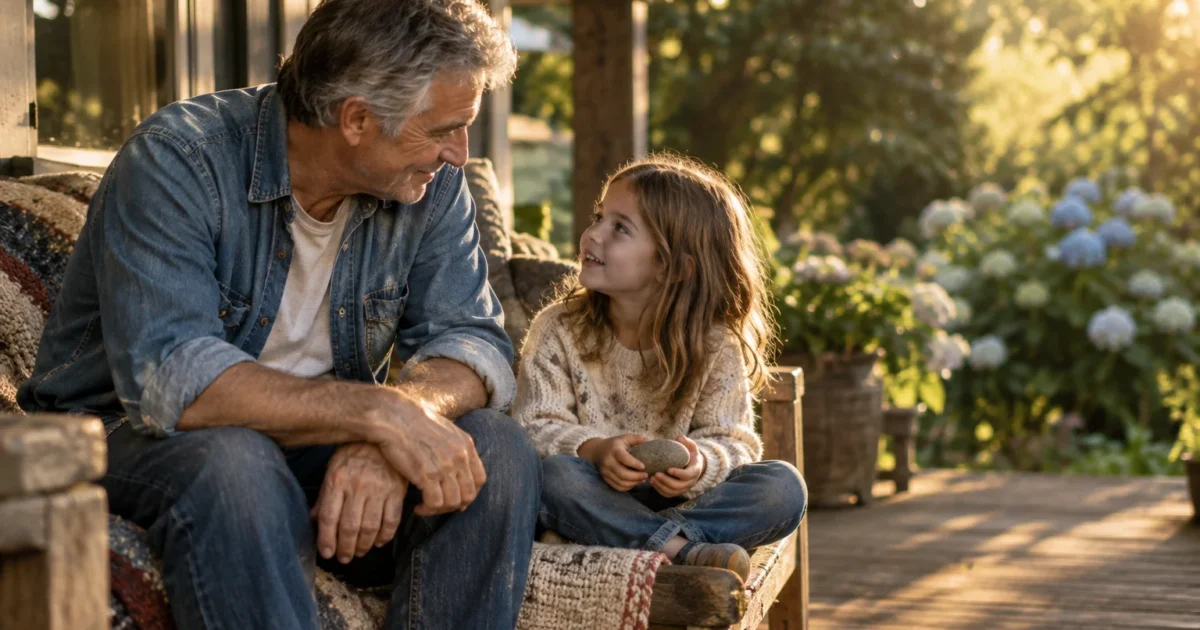
Recognizing your innate calm around your grandchildren unlocks deeper joy and stronger family connections. When you understand your natural strengths, you create a peaceful sanctuary where little ones truly thrive.
Grandparent patience often shows up in quiet, everyday moments rather than grand, sweeping gestures. You might already possess these remarkable qualities without even giving yourself credit for them.
Discovering these subtle behaviors helps you lean into your gifts and enjoy every visit with confidence. Here are ten unmistakable signs that you handle the grandparenting journey with exceptional grace and ease.
Tip #1: You Embrace the Mess Without Frustration
Children view the physical world as an open laboratory for sensory exploration. While sticky spills and scattered toys can rattle frazzled parents, you simply smile and reach for a towel.
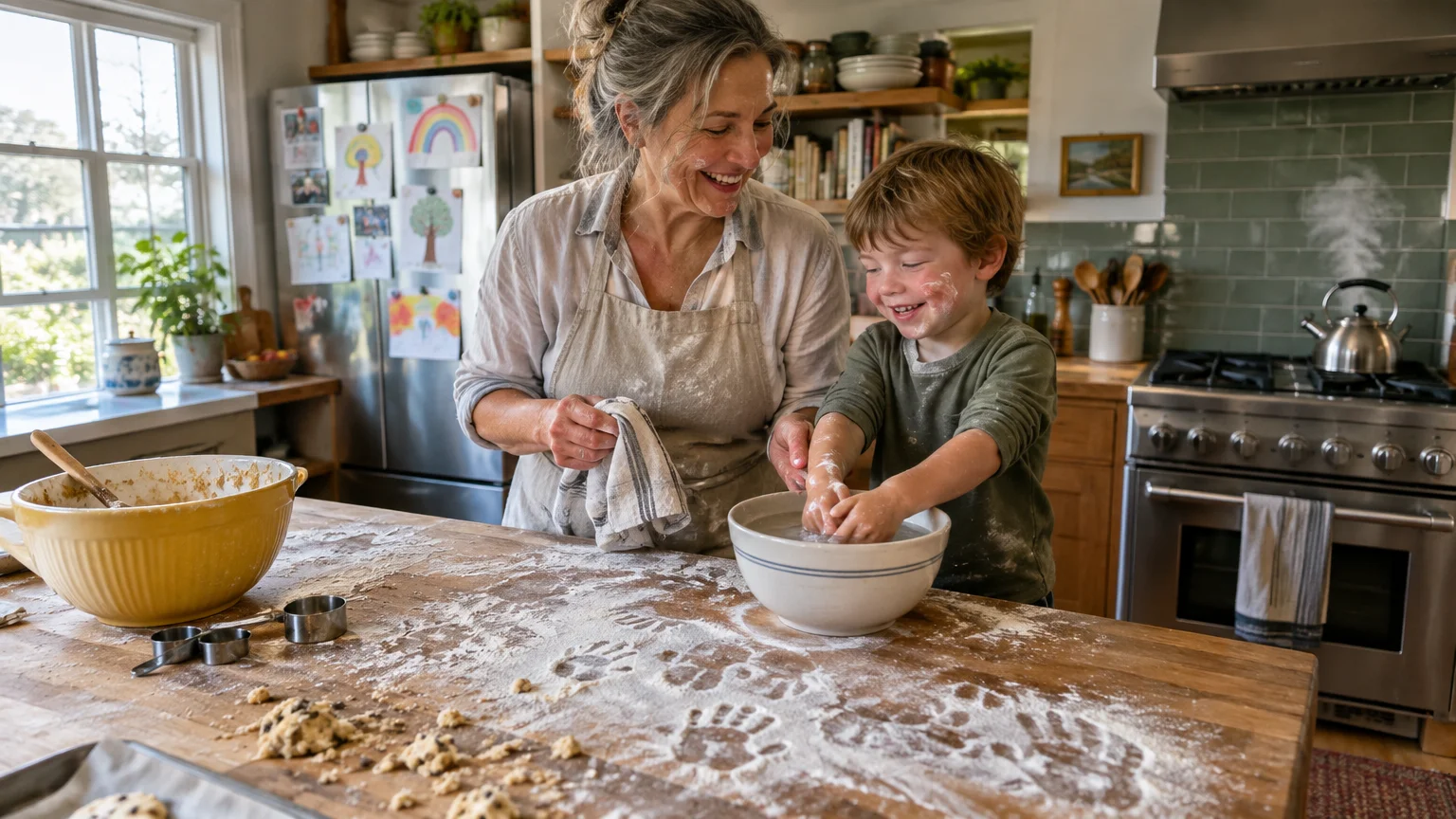
You understand that messy play stimulates brain development and nurtures creativity. Spilled flour during a cookie-baking session represents joyous discovery rather than an annoying cleaning chore.
Your calm reaction teaches your grandchild that minor accidents never diminish your unconditional love. They learn that making mistakes is a safe, natural part of learning about life.
You intuitively keep cleaning supplies accessible so tidying up becomes a cheerful collaborative game. Turning chore time into a playful song keeps spirits high and stress levels low.
This relaxed attitude toward domestic disorder stands as one of the clearest patient grandparent signs. You prioritize joyful memories far above a pristine, showroom-ready living room.
Tip #2: You Listen to Repetitive Stories with Genuine Interest
Young children frequently repeat the exact same tale or ask identical questions dozens of times. While hurried adults might tune out, you lean forward and maintain affectionate eye contact.
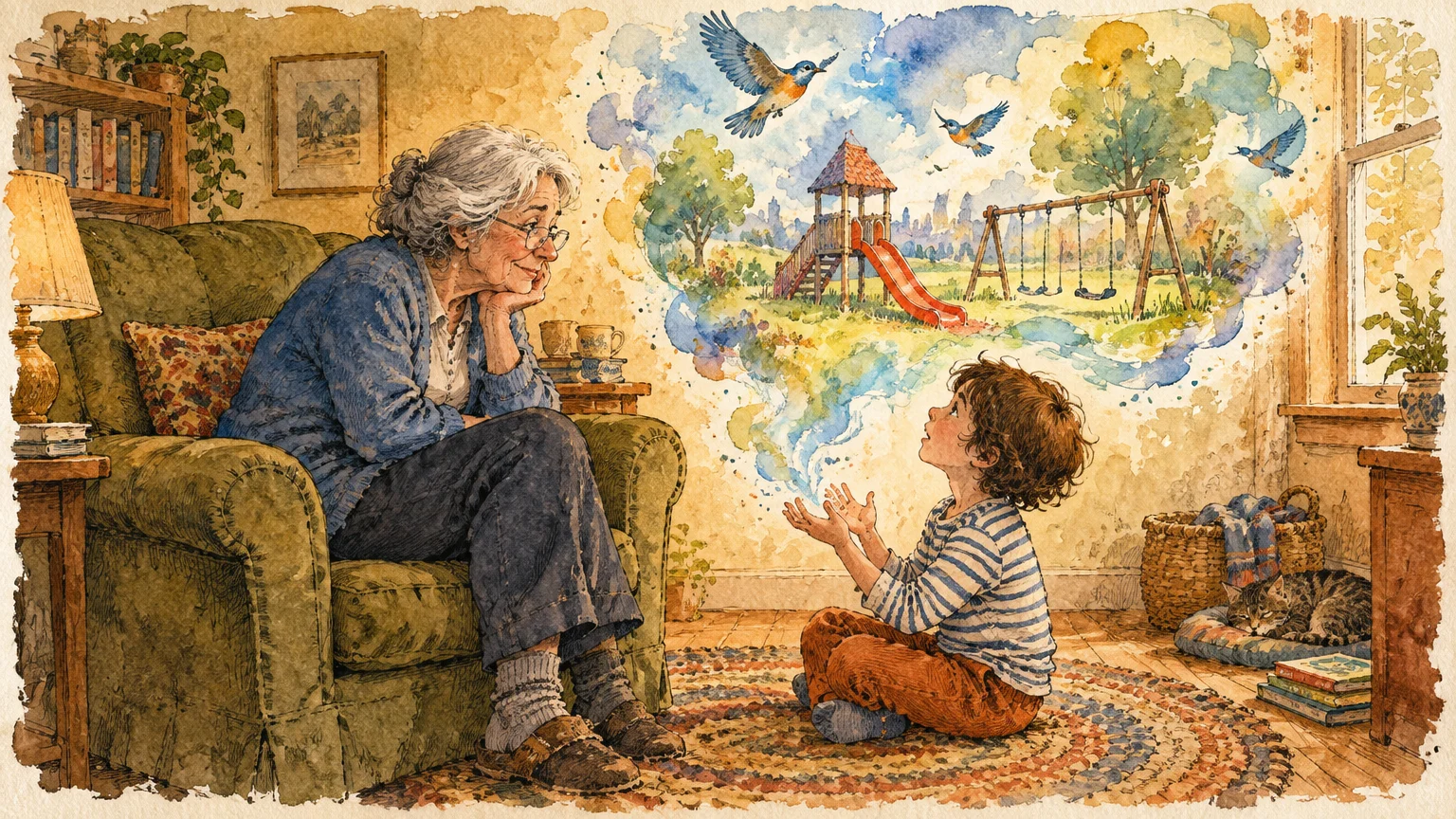
You recognize that repetition builds vital neural pathways for language acquisition and narrative comprehension. When your granddaughter recounts her playground adventure for the fifth time, you notice new details.
Your attentive presence gives the child a deep sense of personal significance and validation. They internalize the priceless belief that their emerging thoughts and opinions truly matter to you.
Reading the same picture book back-to-back never drains your spirits; it fuels your connection. You happily animate each character with expressive voices, delighting in your grandchild’s familiar giggles.
Active listening remains one of the most effective grandparenting tips for emotional bonding. You ask open-ended questions that prompt your grandchild to expand their expressive vocabulary naturally.
Tip #3: You Adapt Seamlessly to Sudden Schedule Changes
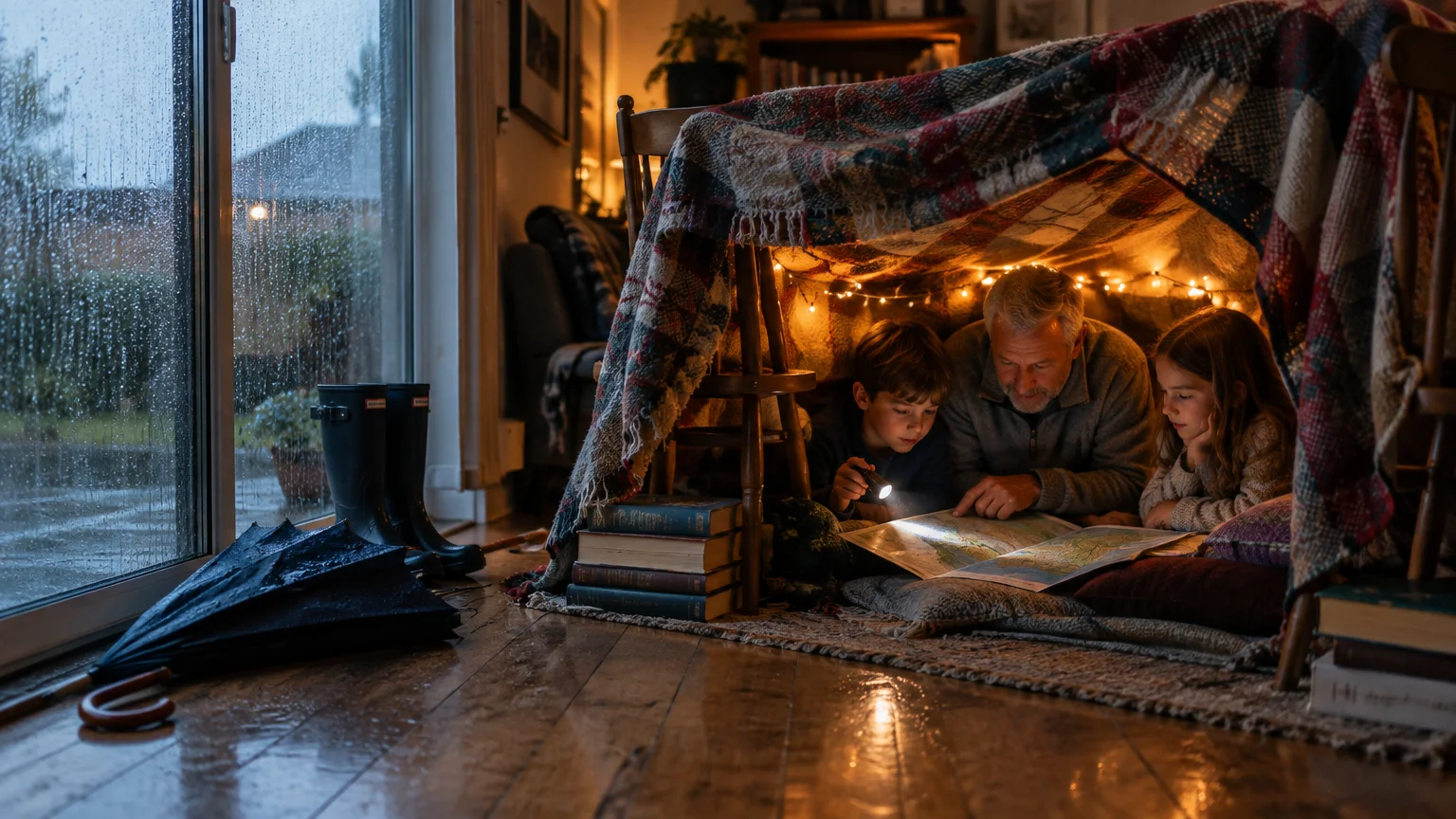
Rigid agendas rarely survive an afternoon with energetic toddlers or active school-age kids. When a sudden nap strike or rainstorm derails your planned zoo trip, you pivot without irritation.
You maintain a flexible mindset because you value the quality of connection over rigid itineraries. Swapping a bustling museum visit for living-room blanket forts feels like an adventure, not a disappointment.
Your adaptability provides an emotional anchor for the entire extended family unit. Stressed adult children visibly relax when they realize you will not judge or complain about unexpected delays.
Children sense adult tension immediately and mirror back that internal restlessness. By welcoming change with a calm shrug, you model resilient coping strategies for the next generation.
This profound flexibility highlights essential grandparent traits that foster domestic harmony. You flow with the natural rhythm of childhood rather than swimming against its energetic current.
Tip #4: You Celebrate the Slowness of Childhood Exploration
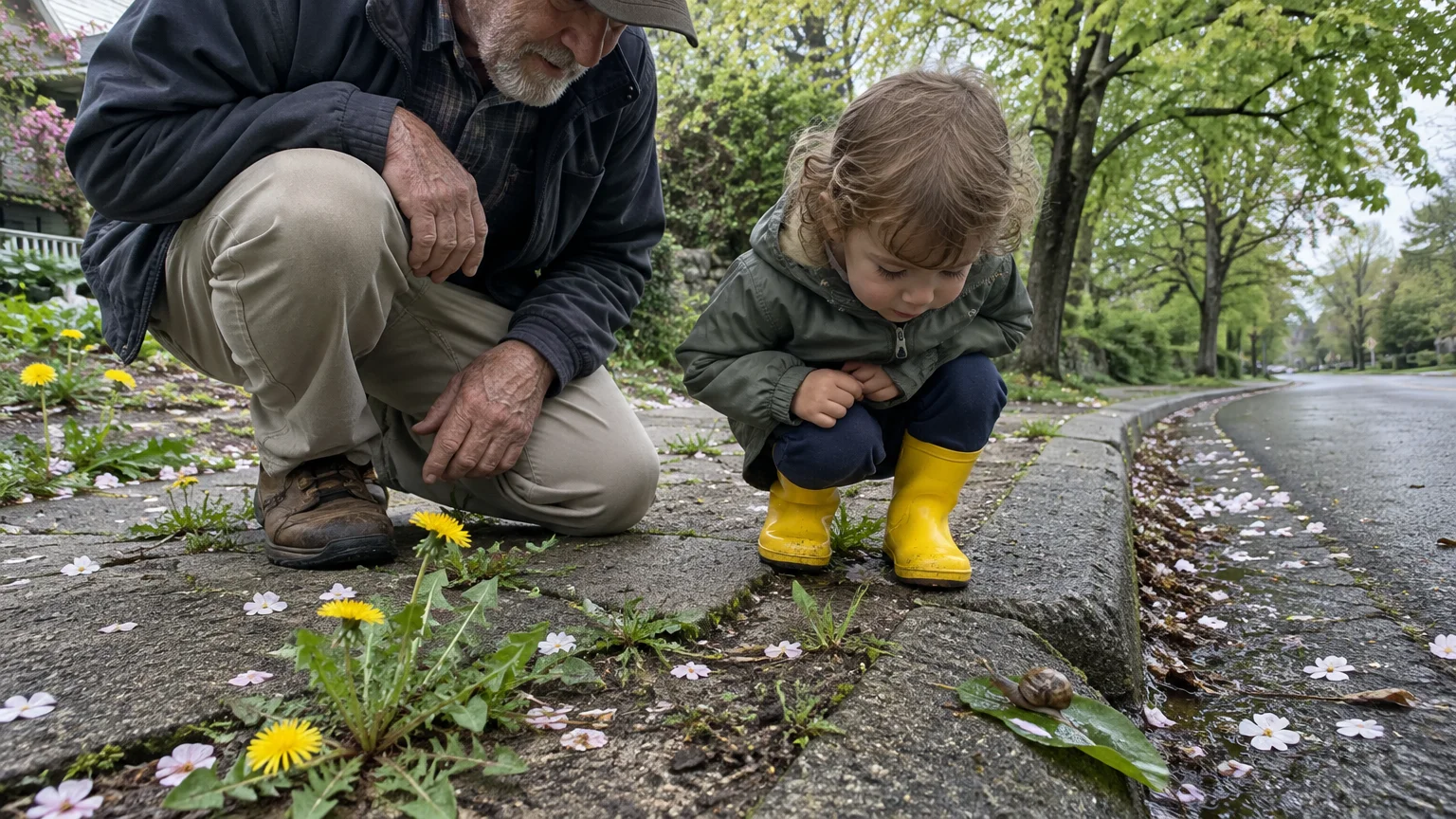
A simple walk around the block can take forty-five minutes with an inquisitive preschooler. Rather than checking your watch, you gladly crouch down to inspect a fuzzy caterpillar on the sidewalk.
Retirement gives you the precious gift of unhurried time; you spend this currency wisely. You match your stride to their little steps without rushing them toward a distant destination.
Bonding with grandchildren flourishes when you enter their sensory-rich realm of wonder and fascination. Picking up colorful pebbles and watching clouds drift by becomes meaningful, shared mindfulness.
Modern parents often struggle under intense daily schedules and pressing career demands. Your ability to provide an unhurried haven offers a vital counterbalance in your grandchild’s busy world.
Celebrating the slow moments reflects a rare and beautiful depth of grandparent patience. You transform ordinary neighborhood strolls into magical voyages of scientific discovery and gentle companionship.

Tip #5: You Offer Calm Energy During Big Emotional Meltdowns
Tantrums and big feelings can overwhelm young nervous systems that lack mature emotional regulation. When screams erupt over a broken cracker, your steady presence acts as a soothing balm.
You avoid matching their frantic volume or taking their fiery developmental outbursts personally. Instead, you offer soft vocal tones, open posture, and a secure shoulder to lean against.
Psychologists call this phenomenon co-regulation; your mature central nervous system helps calm their storm. You demonstrate that overwhelming feelings are manageable visitors that eventually pass on their own.
Your calm demeanor keeps household situations from spiraling into exhausting power struggles. You hold kind, firm boundaries while preserving the child’s dignity through every difficult wave of emotion.
Navigating emotional turbulence with composure proves you are a naturally patient grandparent. You provide a sturdy lighthouse that guides your grandchild through their turbulent inner weather.
Tip #6: You Choose Connection Over Strict Perfectionism
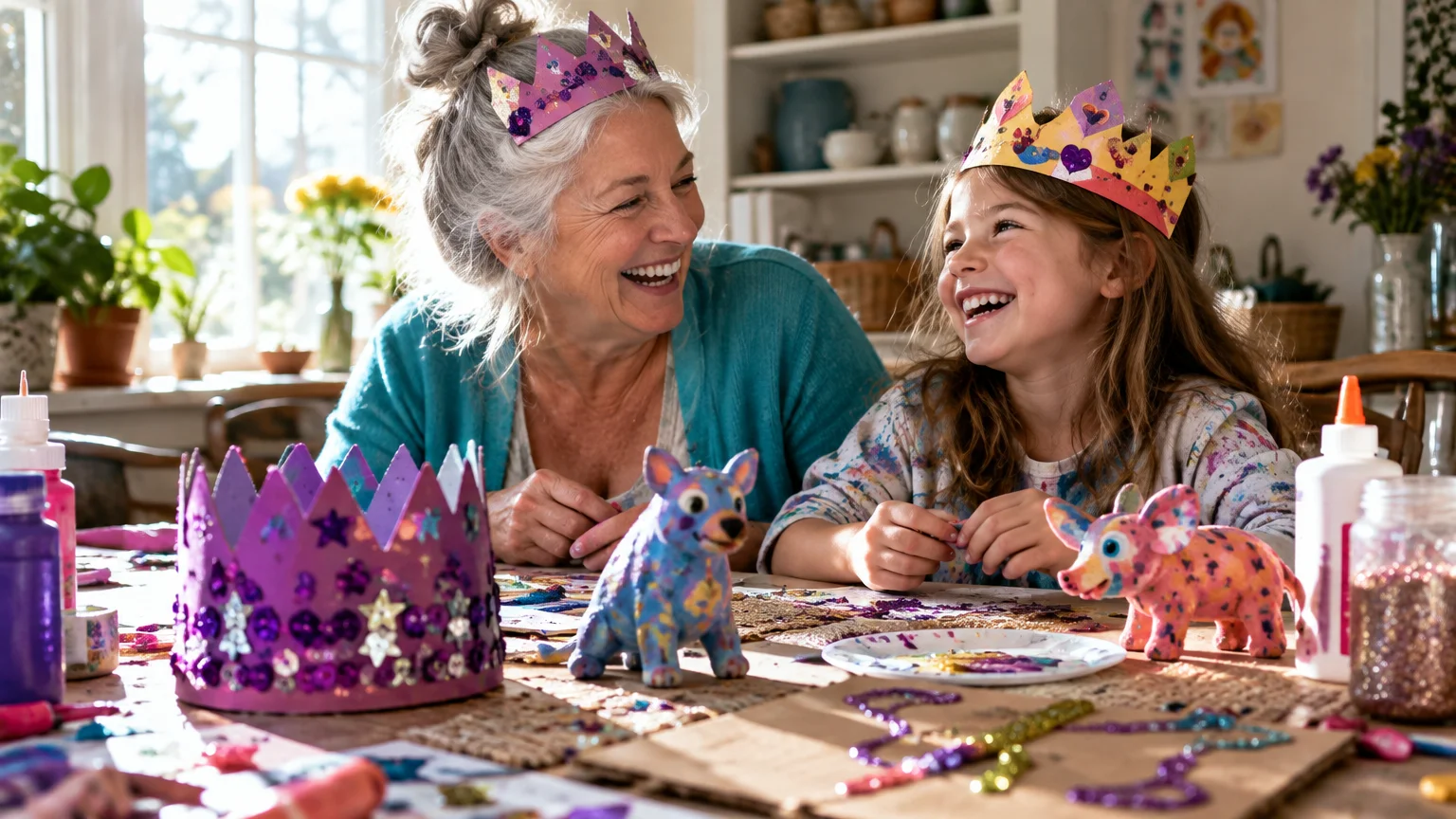
Flawless manners and immaculate clothing matter far less to you than authentic joy and security. You gladly overlook slightly messy hair or mismatched socks to focus on the child’s bright smile.
When a craft project goes sideways, you praise the creative effort rather than the end product. Your grandchild never feels judged or inadequate under your loving, supportive gaze.
This grace extends to social dining and table manners during relaxed family dinners. While you encourage polite habits, you never let rigid etiquette destroy the cheerful atmosphere of your table.
Studies show that children thrive when adults prioritize emotional security over punitive rule enforcement. You create an inviting environment where your grandchild feels genuinely cherished for who they are.
This warm acceptance represents one of the most comforting grandparent traits you can possess. Your home becomes a true sanctuary where love always takes precedence over spotless order.
Tip #7: You Let Children Solve Their Own Small Challenges
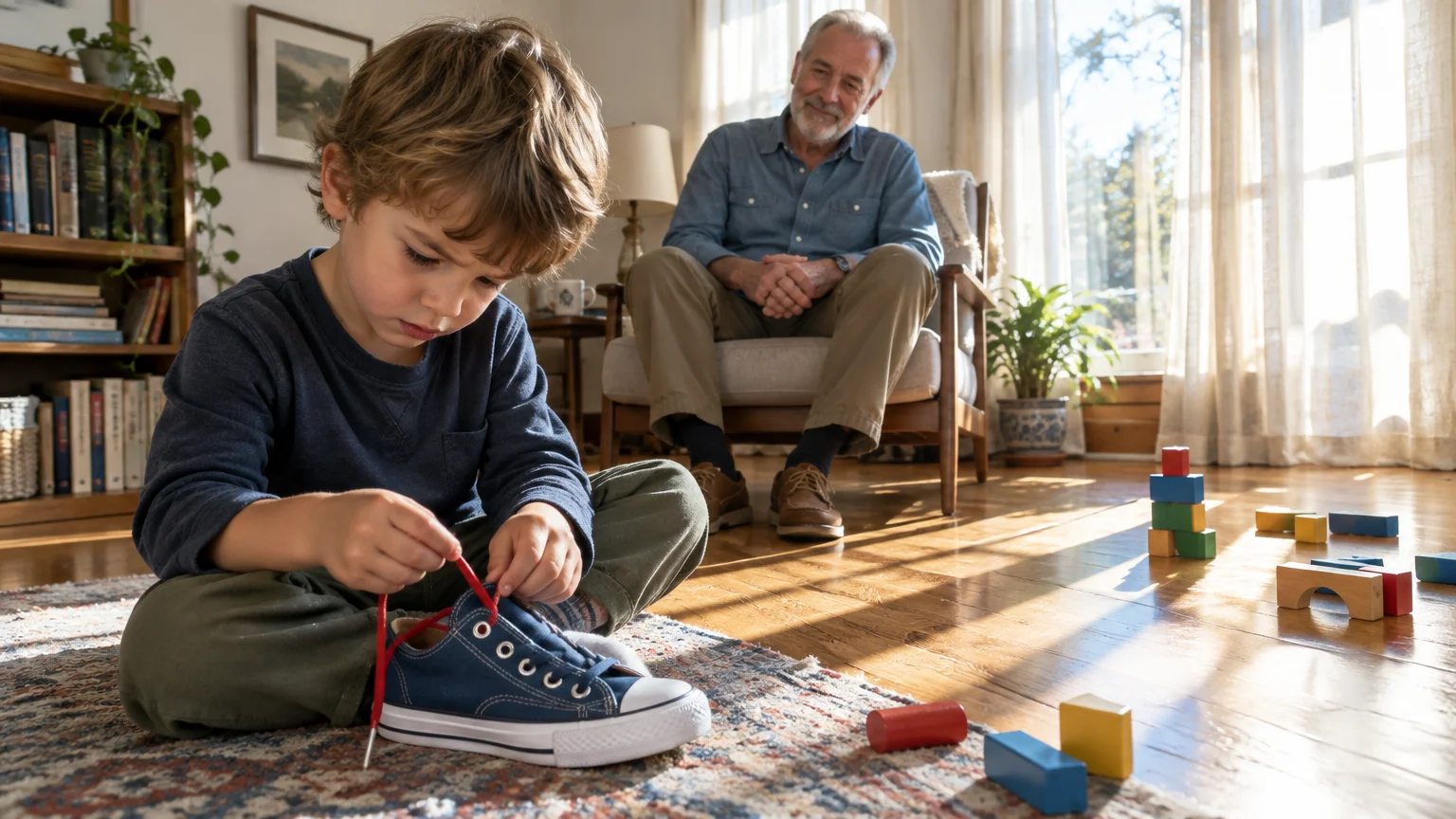
Watching a young child struggle with a stubborn zipper or jigsaw puzzle tempts anyone to intervene. You possess the self-control to keep your hands in your pockets and quietly observe.
You understand that premature rescue steals the child’s chance to build self-reliance and cognitive grit. Giving them thirty extra seconds to figure it out builds lasting practical competence.
When frustration surfaces, you offer encouraging words rather than taking over the difficult task completely. A gentle suggestion like “What happens if you turn that piece sideways?” sparks their problem-solving mind.
Their sudden look of triumph upon finally succeeding fills your heart with tremendous pride. That hard-won victory wires their brain to tackle future challenges with optimism and persistent effort.
Standing back requires enormous discipline, yet you practice it naturally and consistently. You empower the rising generation by proving that you believe fully in their growing abilities.
Tip #8: You Respect Parental Boundaries Without Taking Offense
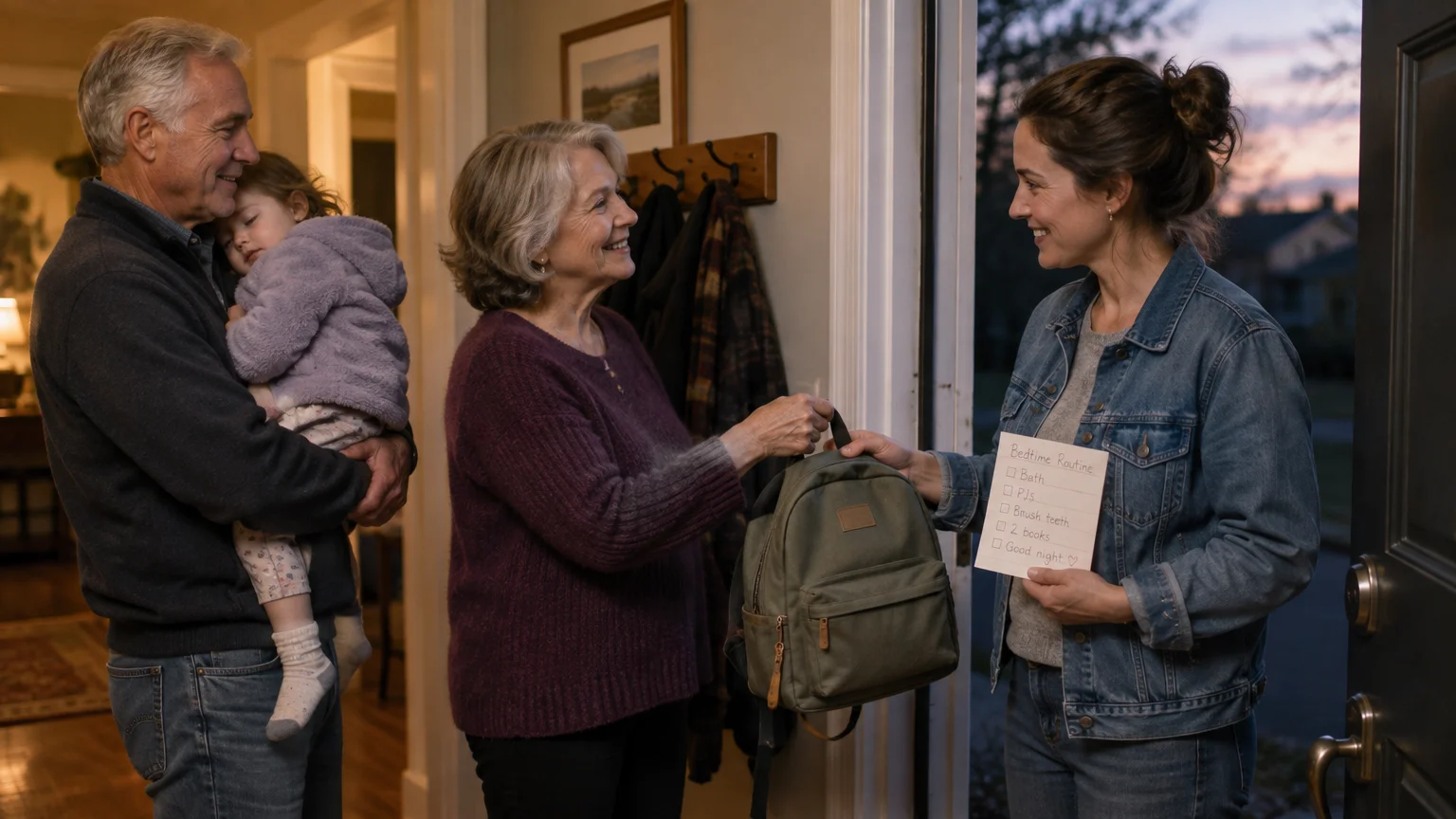
Parenting philosophies evolve across generations; dietary guidelines, sleep routines, and discipline strategies change over time. You graciously respect the rules your adult children establish, even when they differ from yours.
You resist the urge to offer unsolicited critiques or undermine parental authority with secret treats. Honoring their parental guidelines preserves family harmony and builds deep, enduring trust across generations.
When parents request specific screen-time limits, you invent delightful screen-free games to keep everyone entertained. Your supportive cooperation proves to your adult children that you stand firmly in their corner.
This mutual respect eliminates tension and encourages the parents to invite you over more frequently. You realize that a harmonious family dynamic creates the best possible world for your grandchildren.
Navigating modern parenting boundaries with gracious humility reflects genuine grandparent patience. You strengthen the family fabric while keeping the focus squarely on joyful shared experiences.
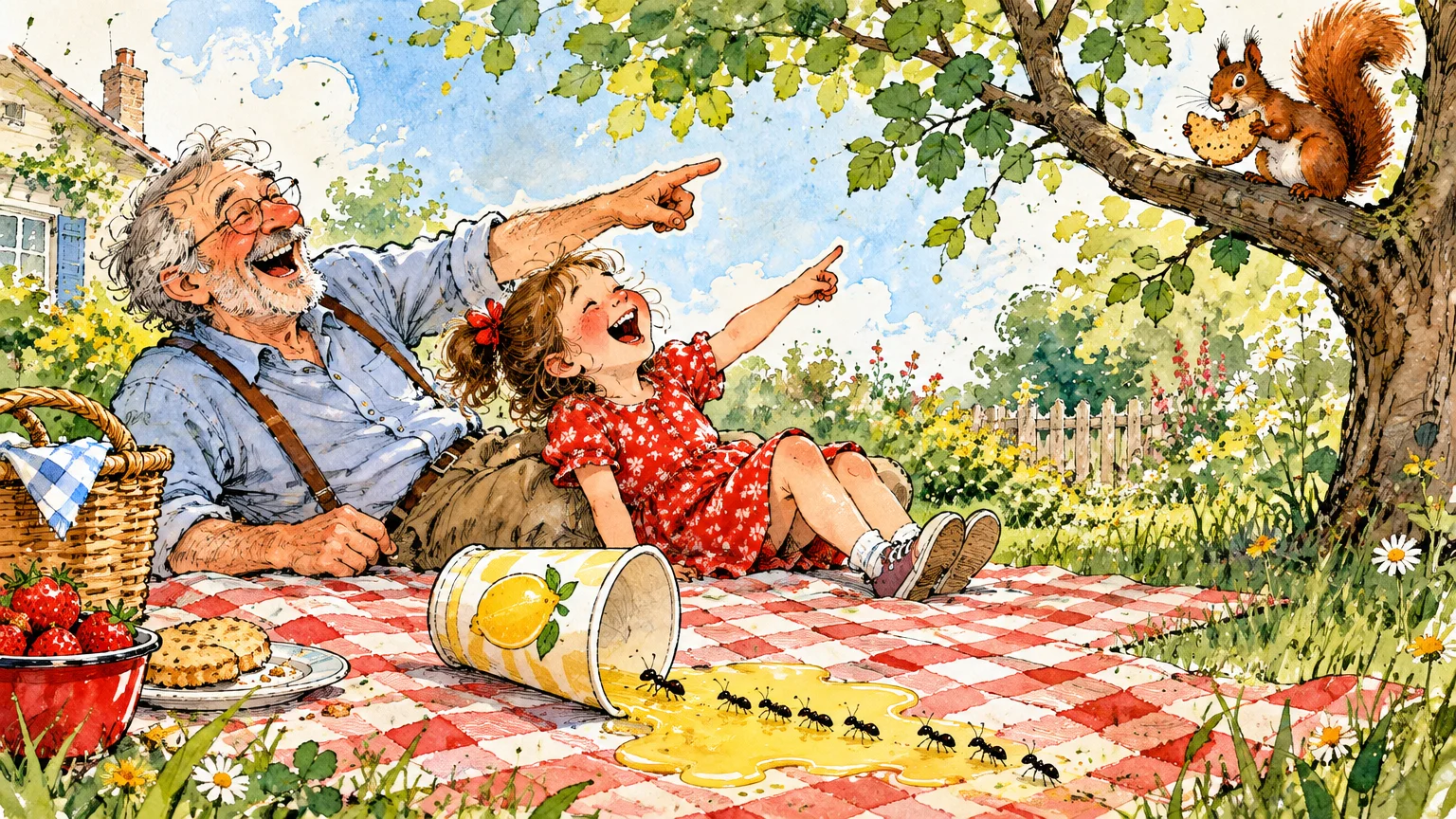
Tip #9: You Find Humor in Unexpected Mishaps
Mishaps are guaranteed when curious young minds explore their surroundings with unbridled enthusiasm. When pancake batter splatters across the kitchen cabinets, your first instinct is a hearty belly laugh.
Humor diffuses anxiety instantly, transforming potentially stressful disasters into humorous family folklore. Years later, everyone will still chuckle warmly about the great pancake explosion at your house.
Laughter releases beneficial endorphins that keep your blood pressure steady and your spirit youthful. Sharing joyful giggles creates an instant bridge for bonding with grandchildren of any age.
You show children that adulthood does not have to be grim, rigid, or excessively serious. By chuckling at your own minor clumsy moments, you normalize imperfection with marvelous warmth.
This sunny resilience is among the sweetest patient grandparent signs in your daily life. You light up the room with joy, ensuring every grandchild feels safe and happy in your company.

Tip #10: You Protect Your Own Rest to Stay Recharged
Natural patience is not an infinite fountain; it requires proactive renewal and thoughtful physical care. You understand your bodily limits and comfortably schedule restful downtime between energetic play sessions.
Taking an afternoon quiet hour or suggesting quiet storybook time protects your nervous system from depletion. A well-rested grandparent brings far more enthusiasm, empathy, and joy to every single interaction.
You communicate your personal boundaries clearly and without feeling unnecessary guilt or hesitation. Politely declining a babysitting request when exhausted ensures your future visits remain genuinely cheerful.
Prioritizing healthy sleep, regular hydration, and balanced nutrition sustains your physical stamina for games of tag. Caring for your personal wellness forms the essential foundation for long-term patience with kids.
Recognizing the need to recharge confirms that your calm approach rests on wise self-awareness. Sustaining this balanced lifestyle keeps your golden years vibrant, rewarding, and exceptionally fulfilling.
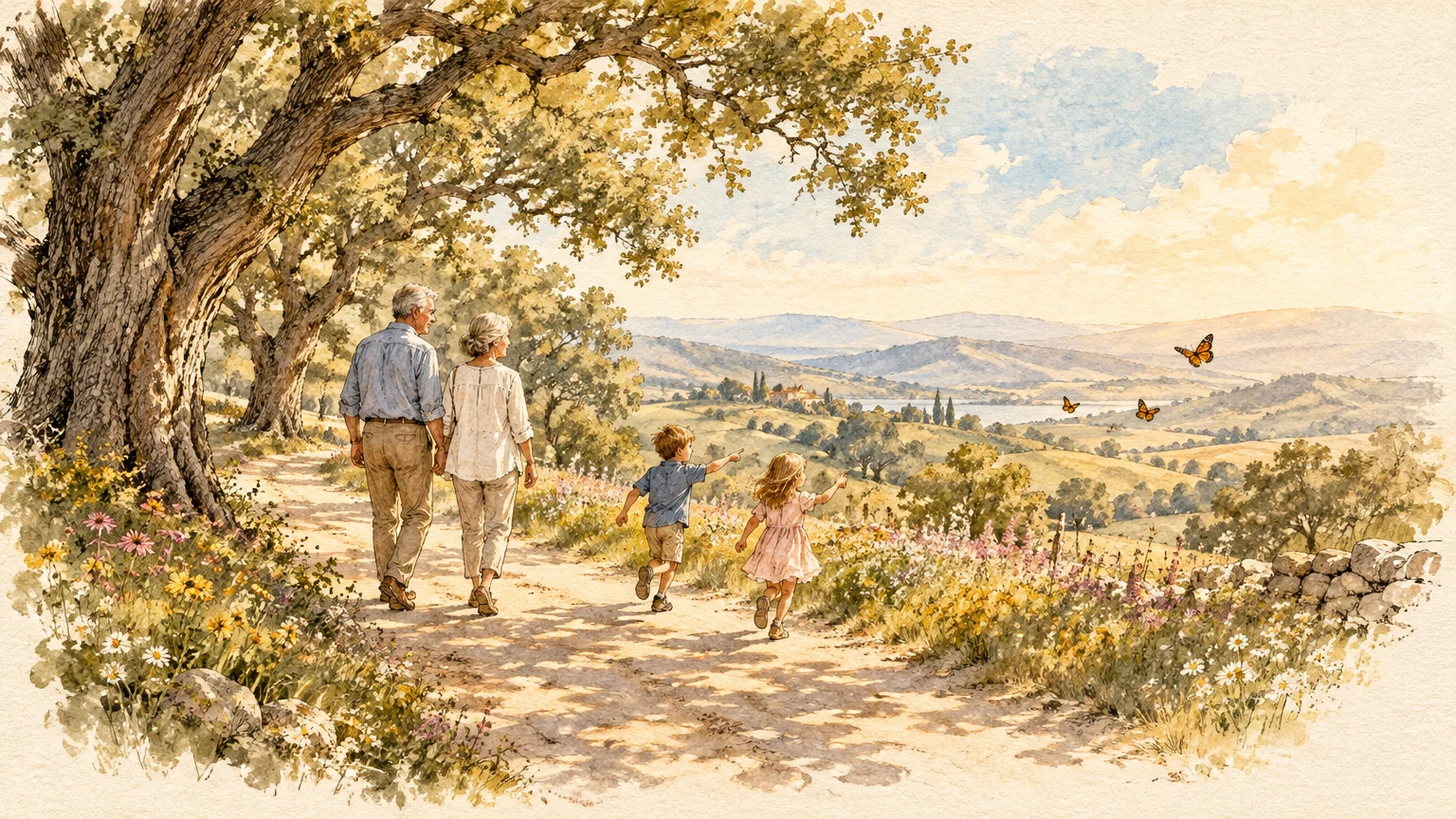
The Takeaway: Living a More Blissful Retirement
Grandparenting offers one of the richest, most rewarding emotional chapters of your entire life. Embracing your natural calm allows you to build lifelong memories anchored in love and acceptance.
You do not need to be a flawless individual to be an extraordinarily impactful grandparent. Your quiet presence, attentive listening, and gentle forgiveness leave an indelible mark on young hearts.
Reflecting on these patient grandparent signs helps you appreciate the wonderful gifts you bring to your family. Each shared laugh and peaceful moment enriches your retirement and blesses the next generation.
Celebrate the unique bond you share with each grandchild as your retirement adventure continues to unfold. Your steady love provides a welcoming harbor that will guide them through all of life’s seasons.
Step into each family visit with peaceful confidence, trusting your natural wisdom and open heart. The gentle grace you share today will echo in their memories for decades to come.
For a wide range of resources for older adults, visit AARP and the National Council on Aging (NCOA). Health information is available from the National Institute on Aging.
Disclaimer: This article is for informational and inspirational purposes only. It is not a substitute for professional medical, financial, or psychological advice.
Please consult with a qualified expert for guidance tailored to your individual needs.
Frequently Asked Questions
How can I build more grandparent patience if I feel stressed easily?
Building patience starts with managing your physical energy and recognizing early warning signs of fatigue. Taking short sensory breaks and practicing slow, deep breathing quickly resets your nervous system during busy visits.
You can also plan quieter activities like coloring or audiobooks when energy levels run low. Setting clear, realistic expectations for each visit prevents unnecessary frustration before it begins.
What are the best grandparenting tips for energetic toddlers?
Create safe, open play zones in your home where toddlers can explore freely without hearing the word “no.” Childproofing eliminates constant anxiety and lets both of you relax completely during visits.
Keep visits slightly shorter so everyone departs on a positive, cheerful note before exhaustion sets in. Incorporating outdoor movement like walks or park visits channels high toddler energy productively.
How does bonding with grandchildren change as they become teenagers?
Teenagers crave respectful listeners who offer nonjudgmental acceptance rather than unprompted advice or criticism. You can bond by supporting their unique hobbies, driving them to activities, or sharing quiet meals.
Your role shifts toward a trusted confidant who provides a stable refuge from adolescent social pressures. Consistent text check-ins and unconditional warmth keep your connection strong through high school and college.
Why are grandparent traits like calm and flexibility so impactful for child development?
Children experience a fast-paced, high-pressure world filled with school expectations, social media, and busy schedules. An unhurried, calm grandparent creates a secure psychological sanctuary where kids feel completely accepted.
This steady emotional anchor lowers childhood stress hormones and fosters higher self-esteem. Your peaceful example teaches children how to navigate life’s inevitable challenges with grace and resilience.