Tip #3: Notice Sudden Vision Changes in One or Both Eyes
Clear vision allows you to safely navigate your home, read your favorite books, and take in the beauty of a vibrant sunset. When a transient ischemic attack impacts the blood vessels supplying your eyes or the visual processing centers at the back of your brain, your vision can change in a matter of seconds. This symptom requires intense vigilance because many older adults mistakenly attribute sudden visual changes to pre-existing conditions like cataracts, glaucoma, or needing a stronger eyeglass prescription.
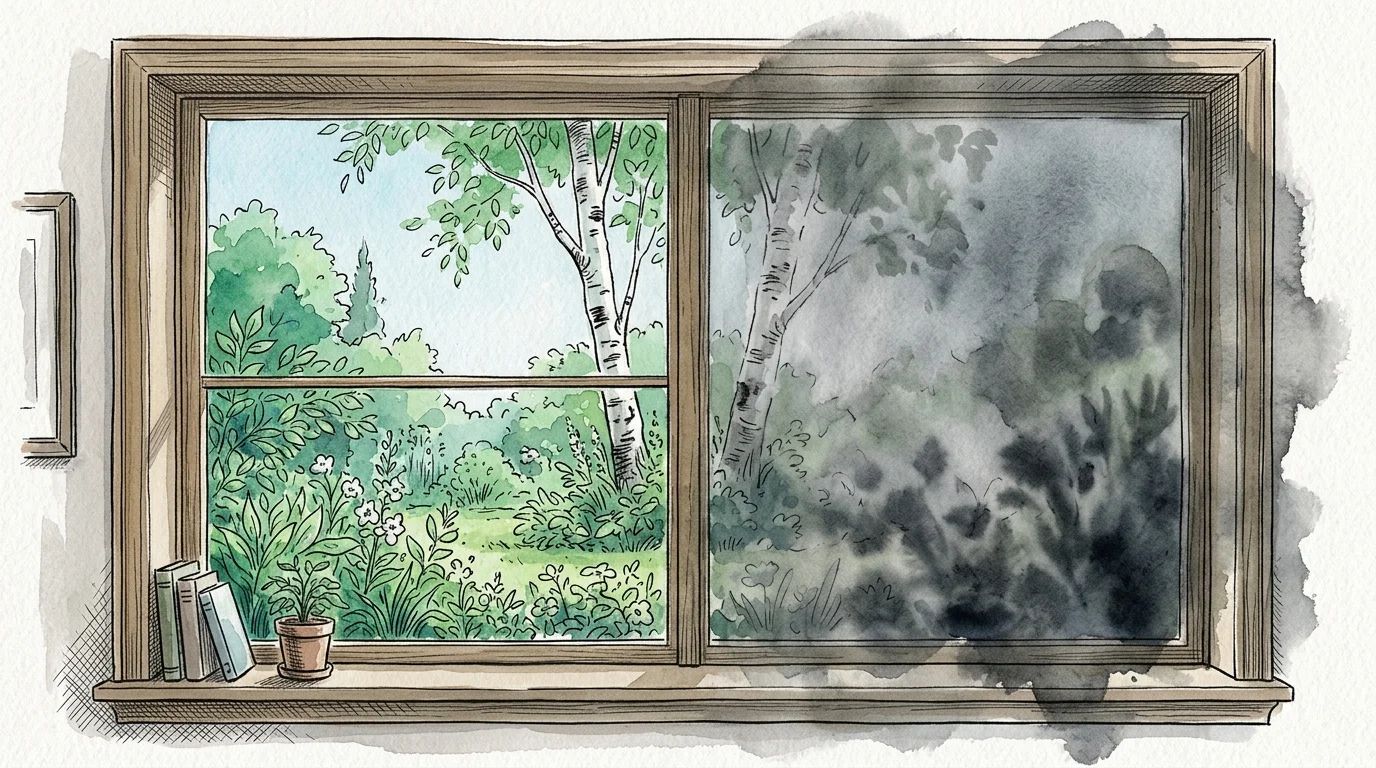
A TIA-related vision loss often presents as a condition known as amaurosis fugax. Patients frequently describe this terrifying experience as a dark curtain or shade slowly descending over one eye, temporarily plunging half of their world into darkness. Alternatively, you might experience sudden, severe double vision, or a complete loss of peripheral vision that causes you to bump into doorframes and furniture. These changes happen instantly, distinguishing them from the gradual blurriness associated with typical aging eyes.
To test your vision during a suspected episode, cover one eye with your hand and look straight ahead, then switch hands and cover the other eye. If you notice a drastic difference in visual clarity or an entirely missing field of vision in one eye, you must treat the situation as an emergency. Seeking an immediate medical evaluation can prevent permanent visual impairment. Preserving your eyesight means preserving your ability to drive, travel, and live autonomously—all crucial components of a blissful and active retirement.