

Retirement gives you the precious freedom to design your days, yet your schedule can easily slip into an uninspiring rut. Refreshing your retirement social calendar helps you protect your vitality, sharpen your memory, and rediscover purposeful joy each morning. When you notice subtle shifts in your mood or find yourself spending days without meaningful conversations, your routine is asking for an update. Revamping your retirement schedule allows you to nurture genuine connections that brighten your week. By paying attention to key behavioral clues, you can intentionally expand your circle, explore rewarding hobbies, and create a vibrant lifestyle that keeps you energized, engaged, and thoroughly fulfilled.
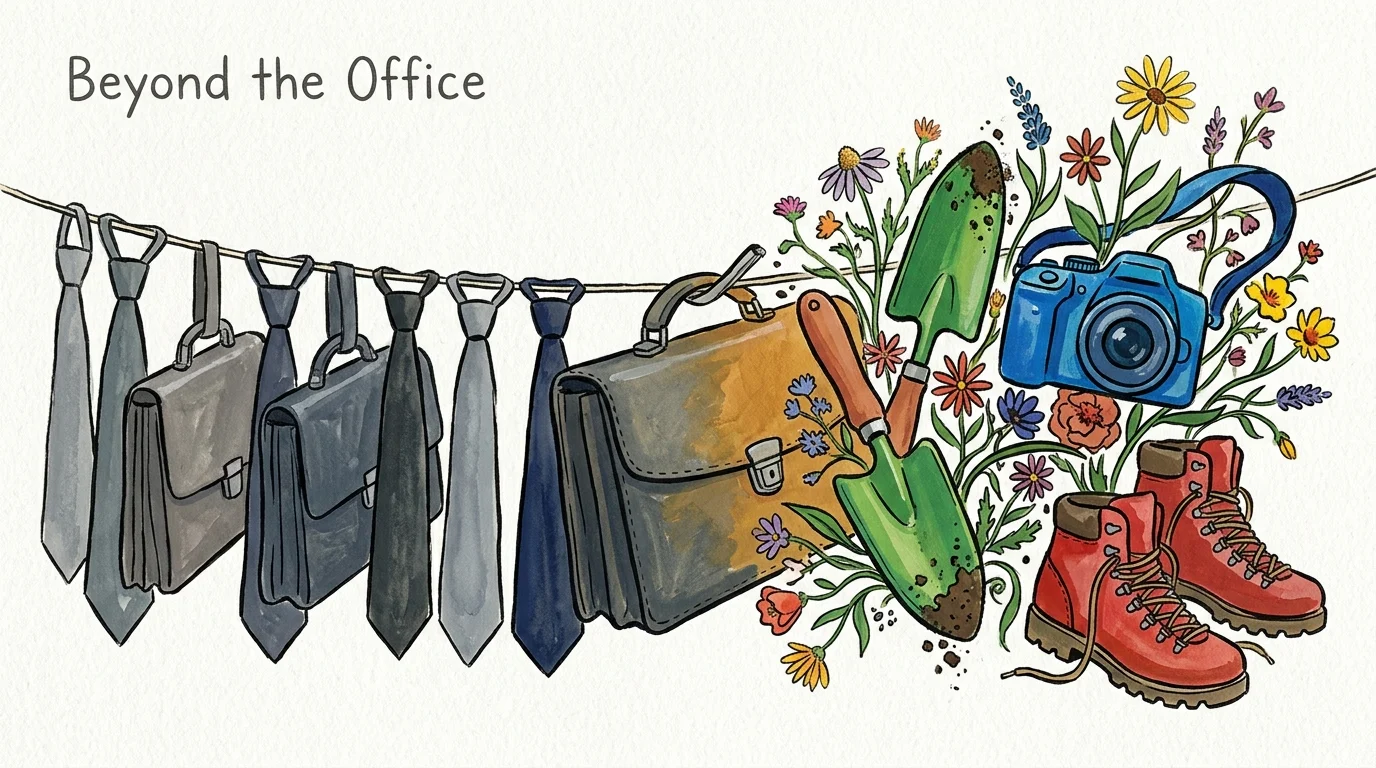
Tip #1: You Rely Exclusively on Former Workplace Acquaintances
Workplace relationships provide daily companionship throughout your career, but they often depend on shared professional tasks and office proximity. When you leave the workplace, keeping those connections alive requires deliberate effort from both parties. If your entire social circle still consists solely of former colleagues, you may find that conversations gravitate toward old office politics or projects that no longer reflect your current life stage.
Relying on workplace history alone can hold you back from exploring new dimensions of your personality. Retirement invites you to discover fresh passions that have nothing to do with your former career title. When your friendships anchor you exclusively to your past professional identity, you miss out on the thrill of meeting people who share your emerging creative, physical, or philanthropic interests.
To expand your network, seek out interest-based clubs in your community. Join a local photography guild, a master gardening cohort, or a hiking club. Engaging with people who share your present-day hobbies allows you to build authentic bonds centered on who you are today rather than where you worked yesterday.
Tip #2: Your Weekly Routine Feels Predictable and Lacks Excitement
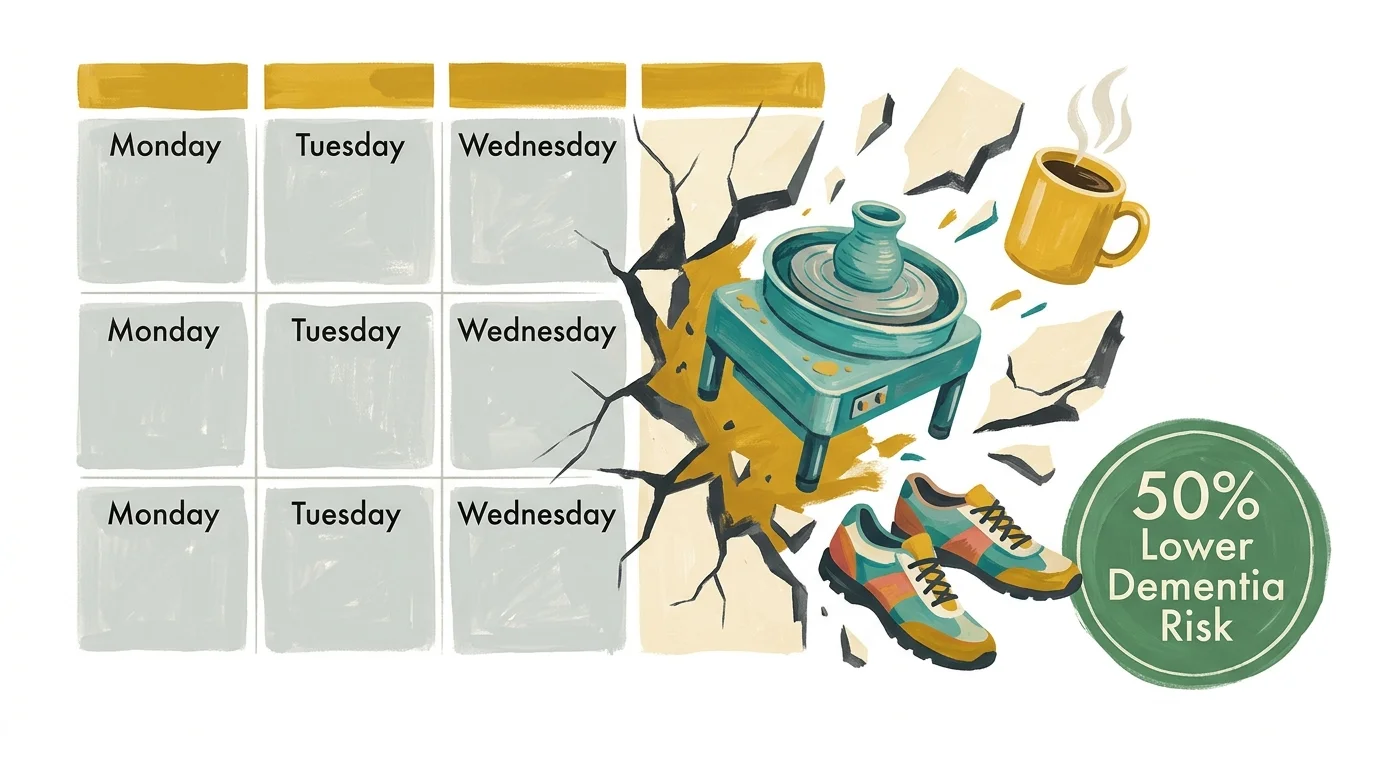
Routine provides comfort and predictability, but an overly rigid schedule can quickly turn into stagnation. If you can predict every single social interaction of your week with pinpoint accuracy, your calendar lacks the spontaneous spark that enlivens your spirit. Staying socially active in retirement requires variety; your brain craves novel experiences that challenge your intellect and stimulate your senses.
Neuroscientists emphasize that novel social environments encourage neuroplasticity by forcing the brain to adapt to unfamiliar dynamics and perspectives. According to public health data cited by the Department of Health and Human Services and the CDC, chronic social disconnection and isolation increase the risk of developing dementia by approximately 50%. Introducing novel social activities directly helps safeguard your cognitive health over the long haul.
Commit to trying one entirely new group activity every two weeks. Sign up for a pottery class, join an active walking tour of a neighboring town, or participate in a local trivia night. Introducing unfamiliar social settings keeps your mind agile, introduces you to diverse personalities, and restores a sense of eager anticipation to your weekly routine.
Tip #3: You Experience Long Stretches Without Meaningful Conversations
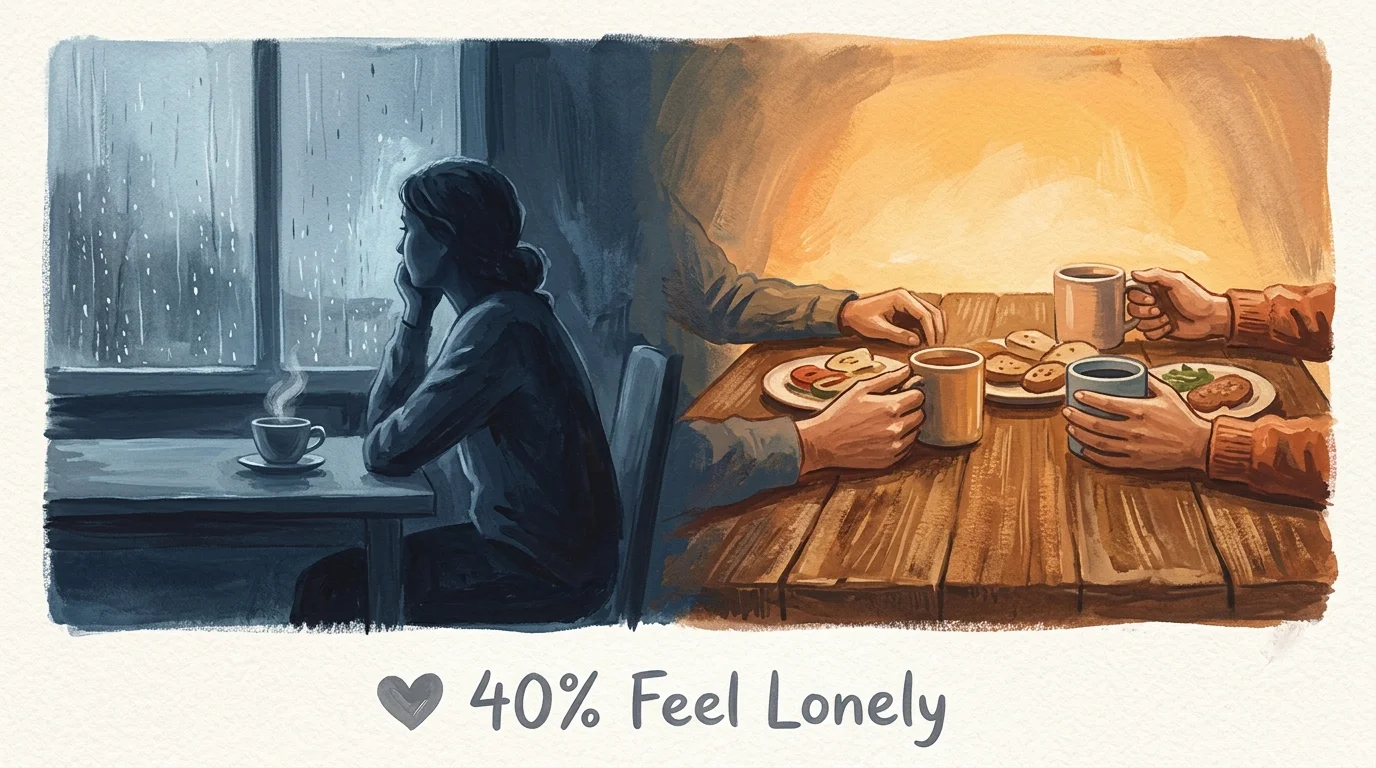
Casual pleasantries with grocery clerks and delivery drivers provide brief moments of warmth, but they cannot replace deep, heartfelt dialogue. When days pass without substantive conversation about your feelings, ideas, or dreams, your emotional reserves begin to drain. Identifying this pattern is one of the clearest signs you need more social activities on your weekly calendar.
This experience is far more common than many realize. National survey data from AARP and Ipsos indicates that approximately 40% of U.S. adults aged 45 and older report feeling lonely. Furthermore, the University of Michigan National Poll on Healthy Aging found that 33% of adults aged 50 to 80 experience loneliness, while 29% report feeling socially isolated. For the 21% of older adults—roughly 24 million individuals—who live alone as solo agers, intentional connection becomes even more vital.
Schedule dedicated connection rituals throughout your week to ensure regular deep conversations. Establish a weekly morning coffee check-in with a trusted friend, join a structured philosophy or literature discussion circle, or participate in a peer support group. Prioritizing consistent, heartfelt conversations protects your mental wellness and anchors your emotional health.
Tip #4: Your Social Outings Leave You Feeling Drained Instead of Uplifted
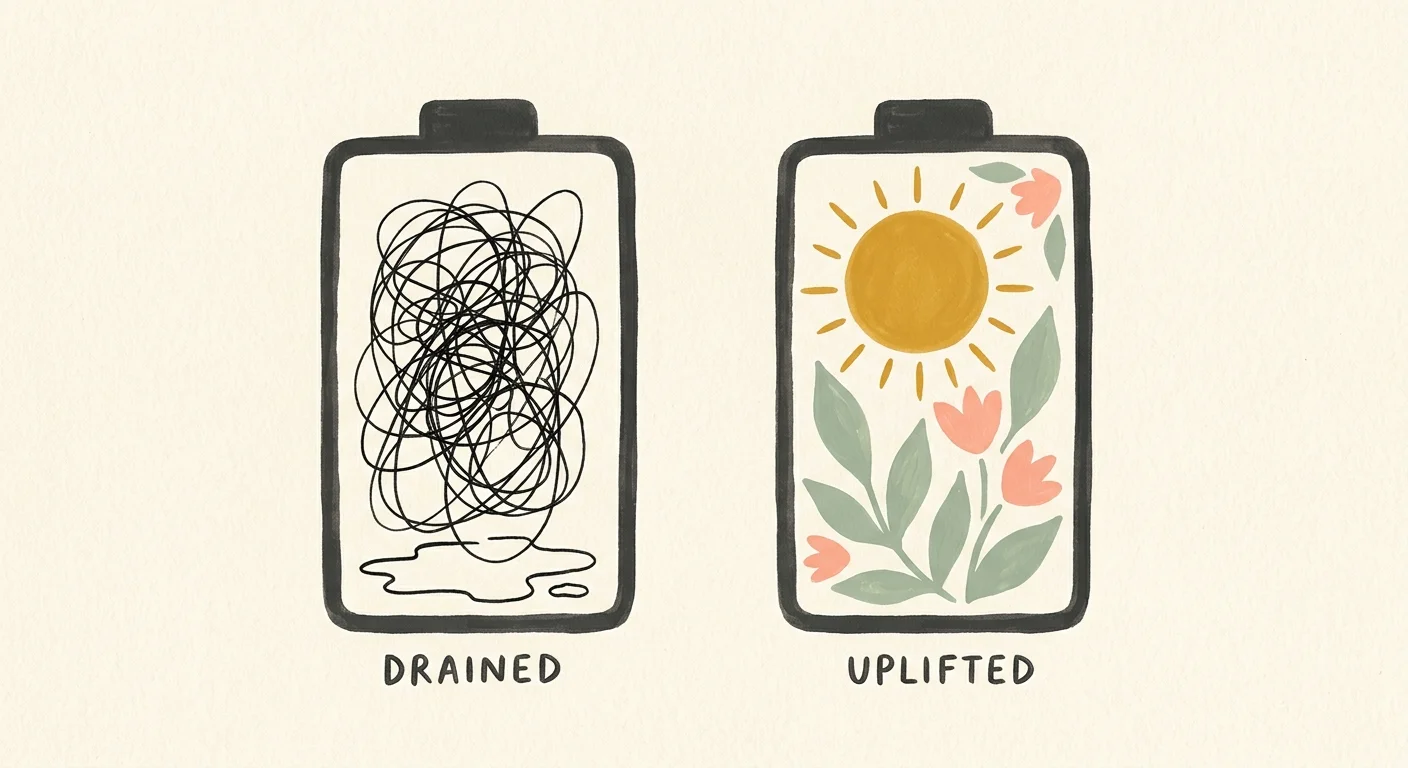
Healthy social connections should replenish your emotional energy, inspire your curiosity, and leave you feeling supported. If you return home from social outings feeling exhausted, critical, or emotionally depleted, your current social circle may not align with your personal values. Building a fuller retirement social life means prioritizing emotional quality over sheer quantity.
Mental health research reveals a striking gap between connected and disconnected individuals. Roughly 81% of lonely adults report suffering from anxiety or depression, compared to just 29% of those who maintain robust, supportive social bonds. Staying in one-sided relationships or toxic group dynamics where complaints dominate conversation can actively undermine your psychological well-being and elevate your stress levels.
Perform a gentle audit of your regular social commitments. Notice how you feel during and after spending time with specific individuals or groups. Graciously scale back your time with persistent energy drainers and redirect your precious calendar space toward encouraging, positive peers who celebrate your milestones and offer mutual emotional nourishment.
Tip #5: You Routinely Decline Invitations Due to Comfort Zone Inertia
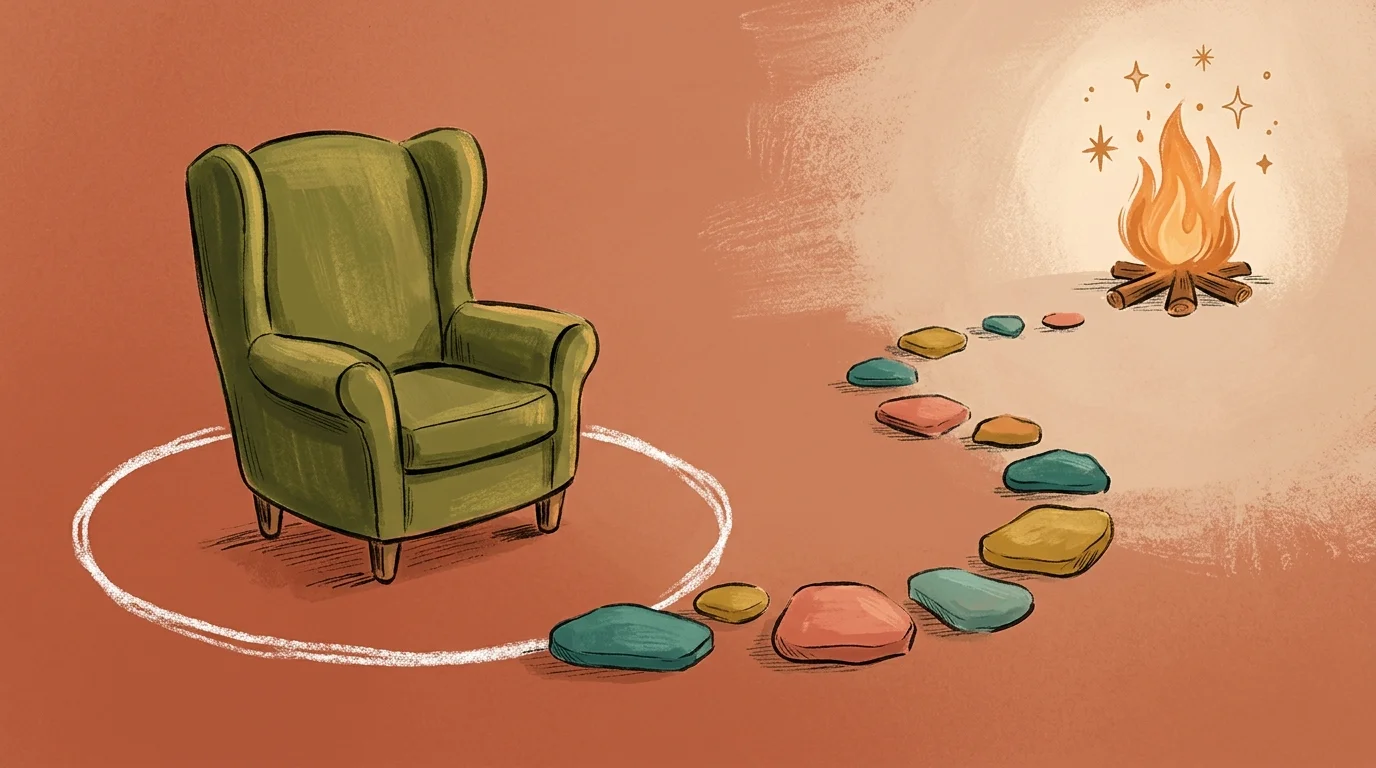
The comfort of your home is enticing, especially when retirement frees you from mandatory alarms and commute schedules. However, when staying home shifts from a restful choice to an automatic habit of avoiding social interaction, your world gradually shrinks. Giving in to social inertia makes stepping back into group settings feel increasingly intimidating over time.
The physiological consequences of prolonged isolation are severe. The U.S. Surgeon General’s Advisory on Social Connection highlights that lacking social connection carries a premature mortality risk equivalent to smoking up to 15 cigarettes per day. In addition, social isolation correlates with a 29% increased risk of premature mortality, a 29% higher risk of heart disease, and a 32% higher risk of stroke.
Break through comfort zone friction by using the ten-minute commitment rule. When invited to a community gathering or neighborhood event, agree to attend for just ten minutes. If you still want to leave after that brief period, give yourself full permission to do so. In most instances, the initial warmth of human connection will motivate you to stay and enjoy the event.
Tip #6: Your Social Circle Lacks Generational Diversity
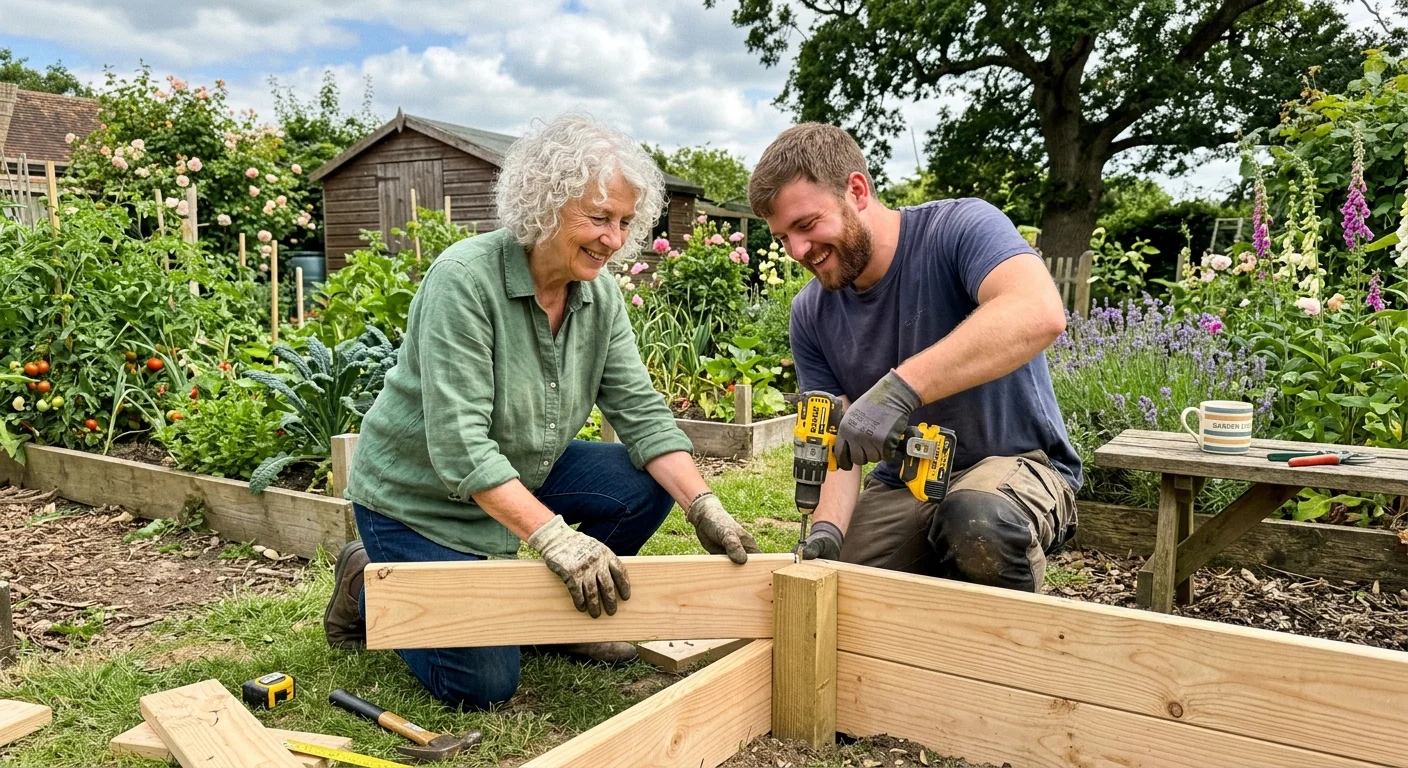
Retirement communities and age-restricted clubs provide wonderful camaraderie, but limiting your social life entirely to peers of your exact age can restrict your perspective. Intergenerational relationships bring vibrant perspectives, youthful enthusiasm, and fresh technological or cultural insights into your life. Revamping your retirement schedule to include people of all ages creates a richer, more dynamic daily life.
Cross-generational friendships offer powerful two-way benefits. Younger generations gain invaluable wisdom, emotional resilience, and patient mentorship from your life experience. In return, you gain exposure to modern trends, energetic collaboration, and an invigorating reminder of the diverse phases of life. Shared activities across age brackets dissolve stereotypes and foster deep mutual respect.
Seek out volunteer opportunities that facilitate intergenerational connection. Consider tutoring students at a local elementary school, joining a community theater production, participating in a makerspace workshop, or helping out at a community garden. Working alongside younger neighbors revitalizes your outlook and broadens your community roots.

Tip #7: You Feel a Diminished Sense of Shared Purpose and Contribution
Having endless leisure time sounds appealing before you retire, but unstructured days without a broader mission can quickly lead to a loss of meaning. True social wellness flourishes when you collaborate with others toward a shared goal that transcends individual entertainment. If your calendar consists solely of passive pastimes, your spirit may yearn for purposeful collaboration.
Psychologists note that working together on meaningful projects releases prosocial hormones like oxytocin, which foster deep feelings of trust and belonging. Collaborative service transforms simple social contact into deep personal significance. When you unite with others to solve a problem or support a cause, you naturally build profound friendships based on shared values.
Channel your talents into structured community initiatives. Serve on the advisory board of a local non-profit, coordinate food drives for local food pantries, join environmental restoration crews, or train shelter animals with a local rescue group. Uniting with fellow volunteers around a meaningful mission enriches your calendar and fills your days with profound satisfaction.

The Takeaway: Living a More Blissful Retirement
Refreshing your retirement social calendar is an empowering act of self-care that strengthens your physical health, sharpens your mind, and restores joy to your everyday life. Social wellness does not require you to become an extreme extrovert or pack every hour with obligations; rather, it invites you to curate meaningful connections that uplift your spirit and match your personality.
Take time this week to review your current schedule with kindness and honesty. If you recognize any of the signs discussed above, choose one actionable adjustment to implement immediately. Whether you reach out to a new acquaintance, register for a community workshop, or volunteer for a cause close to your heart, each small step expands your horizons.
Your golden years represent a prime opportunity to build genuine relationships that support your growth. By actively pruning draining commitments and intentionally cultivating positive, purposeful connections, you set the stage for a deeply fulfilling, connected, and blissful retirement.
For a wide range of resources for older adults, visit AARP and the National Council on Aging (NCOA). Health information is available from the National Institute on Aging.
Disclaimer: This article is for informational and inspirational purposes only. It is not a substitute for professional medical, financial, or psychological advice. Please consult with a qualified expert for guidance tailored to your individual needs.
Frequently Asked Questions
How many social activities should I aim for each week in retirement?
There is no universal number that fits everyone, as introverts and extroverts have very different social thresholds. A healthy guideline for most retirees is scheduling two to three meaningful social touchpoints per week. This balance ensures regular human interaction, intellectual stimulation, and emotional connection while leaving ample time for personal relaxation, rest, and independent hobbies.
What are the best low-cost ways to make new friends after age 60?
You can build wonderful new friendships without spending much money by tapping into local public institutions. Public libraries regularly host book clubs, guest lectures, and craft circles at zero cost. Community recreation centers, senior centers, municipal parks, and local volunteer organizations offer dozens of free group activities where you can meet like-minded neighbors.
How can I overcome social anxiety when attending a new group alone?
Attending a new group alone can feel intimidating, but taking small, manageable steps helps ease apprehension. Arrive slightly early to introduce yourself to the group leader or organizer before the room fills up. Focus on asking other participants simple, open-ended questions about their interests; people love sharing their stories, which takes the pressure off you while creating immediate rapport.
Is it normal to experience loneliness even if I have a spouse or partner?
Yes, experiencing loneliness within a relationship is entirely normal. A partner cannot fulfill every emotional, intellectual, and social need on their own. Relying exclusively on your spouse for all social interaction can place undue strain on your relationship. Developing individual friendships, group hobbies, and community ties enriches your personal well-being and brings fresh vitality back into your partnership.