
Let’s talk about dangerous OTC medications!
If you’ve experienced the burn from acid reflux, the annoyance of allergies, or the pain of a headache, chances are you’ve reached into the medicine cupboard for a pill or potion to subdue your symptoms.
What you may not know, though, is that these seemingly harmless drugs come with some risks, especially as you age. According to one study, side effects caused by over-the-counter medications lead to around 177,000 hospitalizations each year, and adults 60 and older are especially vulnerable to this outcome.
One reason for that is the sheer number of drugs seniors take. Nearly 50% of adults 60 and older take five or more different prescription medications, and when you add to this regimen allergy pills, dietary supplements, or occasional pain relievers, you increase your risk of experiencing unwanted side effects and drug-to-drug interactions.
Another reason has to do with age-related changes the body goes through. As you grow older, your body processes and gets rid of medications differently. The kidneys, which filter medications, become less efficient. Similarly, the liver, which breaks down many medicines, loses its efficiency in doing that.
This being said, there are some dangerous OTC medications you should know about!
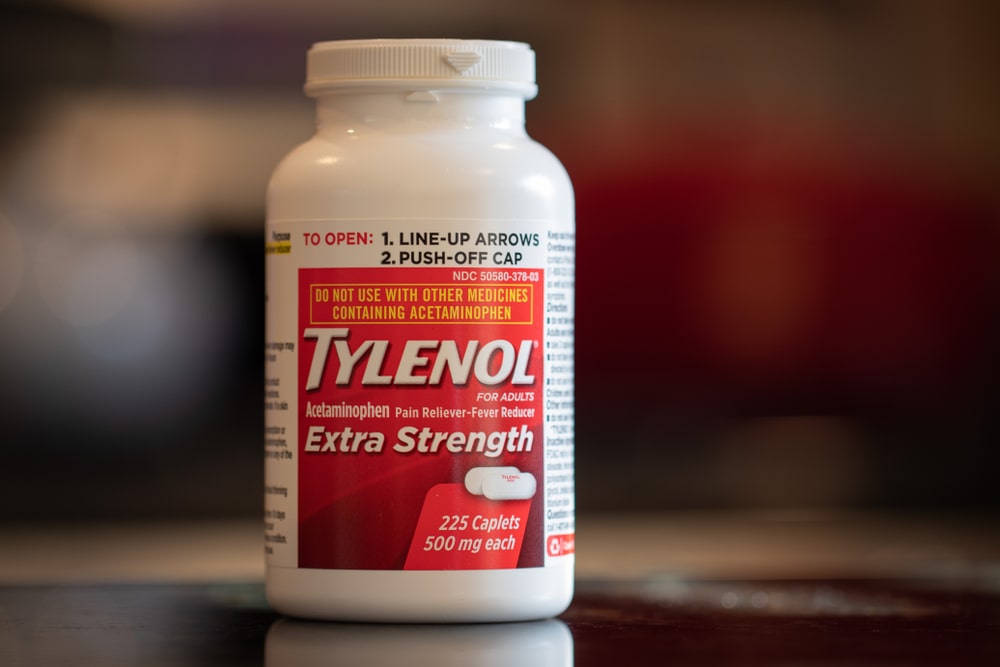
1. Acetaminophen (Tylenol)
One of the dangerous OTC medications seniors should be careful with is acetaminophen. Too much of this medicine, which goes by the generic name Tylenol, can cause liver damage. In fact, experts say that acetaminophen overuse is the main cause of liver failure, and that it can end up being deadly.
This means people who drink alcohol or have liver disease should be particularly cautious before taking the pain reliever. It’s important to know that many over-the-counter flu and cold medications contain acetaminophen, which means you can easily take too much of it without even realizing it.
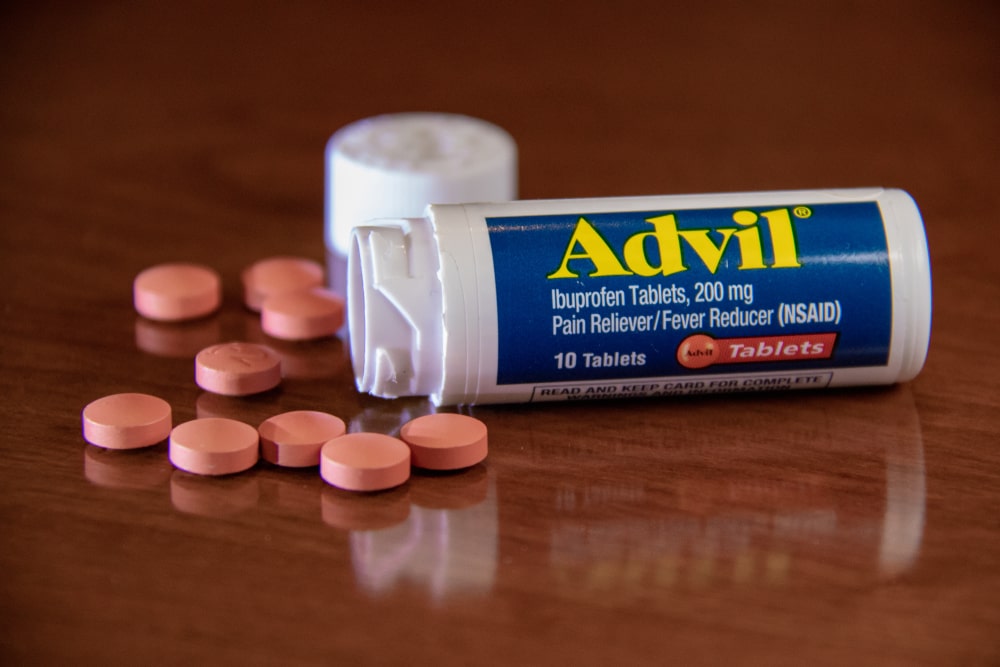
2. Ibuprofen (Advil, Motrin) and naproxen (Aleve)
Certain over-the-counter pain relievers can be problematic for seniors. Nonsteroidal anti-inflammatory drugs (NSAIDs) such as naproxen (Aleve) and ibuprofen (Motrin, Advil) are two of the dangerous OTC medications older adults should be cautious with as they can cause ulcers and stomach bleeding.
Those who take blood thinners should particularly avoid NSAIDs. The same thing applies to people with uncontrolled hypertension (high blood pressure) and unmanaged diabetes.
According to doctors, long-term use of NSAIDs can also cause kidney and cardiovascular problems.
3. Aspirin
Similar to other dangerous OTC medications, aspirin can increase bleeding risks, especially if it’s taken regularly. It’s important to note that this risk spikes with age.
The problem with this medicine is that a lot of people don’t think of it as a big, serious drug because it is not a prescription medication. According to health experts, a low-dose aspirin taken daily to prevent a heart event is no longer recommended for adults aged 60 and older. In other words, if you’ve never had a stroke or heart attack, you shouldn’t take the pill to prevent one.
If you’ve had a stroke or heart attack or are at high risk for one, talk to your healthcare provider to discuss the benefits and risks before starting aspirin therapy.
4. Pseudoephedrine and phenylephrine
Decongestants containing pseudoephedrine or phenylephrine, like Sudafed, can spike blood pressure. When it comes to older adults who are more prone to high blood pressure, these decongestants are dangerous OTC medications that can put their health at risk.
For instance, combining one of those with an NSAID could increase the risk of stroke in seniors by raising blood pressure. Also, men with an enlarged prostate should avoid diphenhydramine and decongestants with pseudoephedrine or phenylephrine, as these medications can worsen urinary problems.
Given the recent studies showing that oral phenylephrine decongestants are ineffective, you should consider a decongestant nasal spray like Afrin, which is safer than oral pseudoephedrine or phenylephrine medicines. Just make sure to limit use to a maximum of three days to prevent rebound congestion.
Read on to discover other dangerous OTC medications!
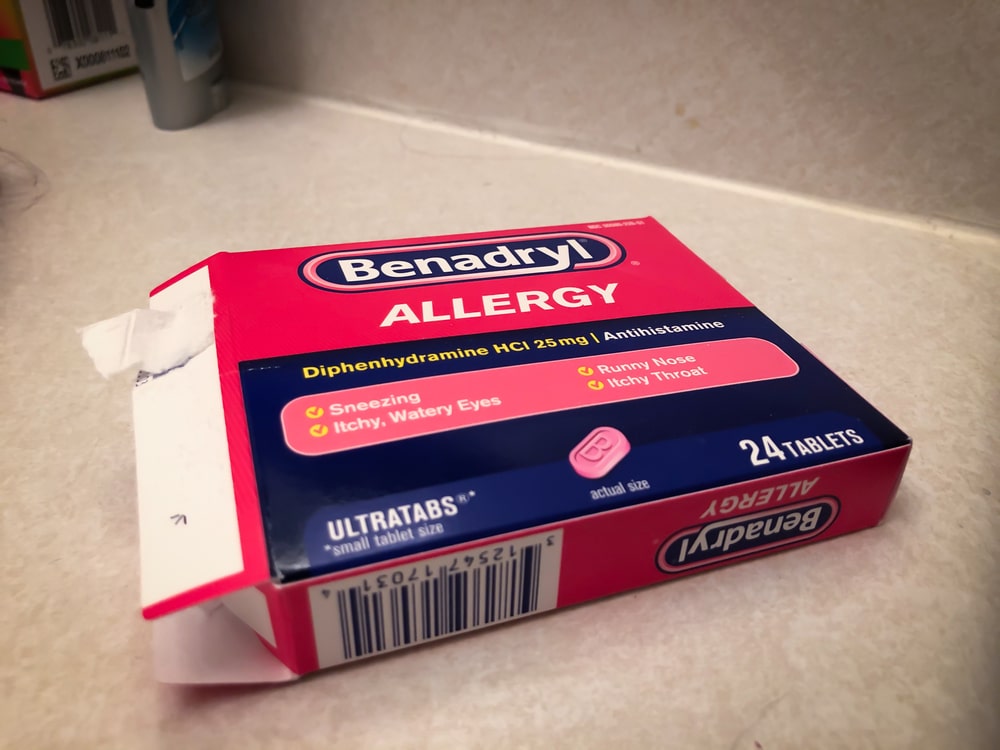
5. Diphenhydramine (Benadryl)
When it comes to over-the-counter allergy pills, watch out for diphenhydramine, commonly found in Benadryl. Apart from causing drowsiness, it can cause confusion and decreased memory in older adults.
Diphenhydramine is one of the most dangerous OTC medications because it’s an ingredient in common sleep products like Advil PM and Tylenol PL. Instead, go for less-risky options like Claritin, which is less likely to trigger side effects.
6. Fluticasone (Flonase) and budesonide (Rhinocort)
Doctors highlight concerns with other dangerous OTC medications, like steroid nasal sprays. Those containing budesonide (Rhinocort) and fluticasone propionate (Flonase) can increase pressure in the eye, which can trigger glaucoma, a condition affecting eyesight.
Moreover, people who use steroid nasal sprays may experience nosebleeds if they use them incorrectly.
7. Magnesium citrate, milk of magnesia
Doctors recommend seniors be careful with the over-the-counter laxative magnesium citrate. Changes in electrolytes, such as sodium and potassium, may result from it, potentially leading to irregular heartbeats. Magnesium citrate is often used for bowel preparation before colonoscopies.
According to doctors, milk of magnesia is a safer option, though it also contains magnesium (you can get it from here). However, they caution that even this alternative poses risks with long-term use. This is especially true for older adults, as magnesium can build up to toxic amounts in people whose kidneys aren’t functioning properly.
8. Lansoprazole (Prevacid), omeprazole (Prilosec), and esomeprazole (Nexium)
Proton pump inhibitors (PPIs) are another group of dangerous OTC medications that seniors should be aware of. Examples include lansoprazole (Prevacid), omeprazole (Prilosec), and esomeprazole (Nexium), and they are used to reduce heartburn.
Older individuals who take PPIs for long periods can experience side effects, health experts warn. These medications are known to reduce stomach acid, an effect that can considerably spike the risk of bone fractures because calcium absorption is affected.
Long-term use of PPIs may also cause an infection of the colon by Clostridium difficile (C. diff) bacteria as well as pneumonia, both linked to acid suppression.
Doctors emphasize that these dangerous OTC medications are meant for short-term use. While prescription PPIs can be used a little longer, they advise that over-the-counter PPIs are only designed for use for up to two weeks. Some seniors end up taking them for years, increasing the potential risk of side effects.
9. Oxybutynin (Oxytrol for Women)
Overactive bladders can be easily treated with over-the-counter oxybutynin (Oxytrol for Women). However, a prescription is needed for the men’s version of the medicine.
Doctors warn that the convenience of the women’s version may come at a cost, as it’s one of the most dangerous OTC medications. Experts explain that oxybutynin can bring about side effects like constipation, dry mouth, and dizziness—particularly concerning for older adults.
Moreover, oxybutynin belongs to a group of medications called anticholinergics, which are also associated with a higher risk of dementia among seniors.
10. Dietary supplements
You may think that these are safe, but experts warn that dietary supplements can easily turn into dangerous OTC medications. For instance, St. John’s wort can spike the sensitivity of your eyes and skin to sunlight, and the sedative herbs kava and valerian, commonly found in calming teas, may affect your liver.
Moreover, supplements containing garlic, ginseng, and ginkgo can increase bleeding risk, especially for people who take blood-thinning drugs.
You should also beware of taking too many fat-soluble vitamins. Unlike water-soluble vitamins that get flushed out of the body through urine, fat-soluble ones—like vitamins D, K, A, and E—are stored in the body. Taking too many of those can become risky.
If you liked our article on dangerous OTC medications, you may also want to read 8 Vitamins and Minerals Scientists Recommend for Longevity.









Leave a Reply